
Miami: moving, how to relocate, rent or buy real estate
The city that combines a tropical climate, vibrant culture, and a dynamic lifestyle. Moving here can mark the beginning of an exciting new chapter, but it requires careful preparation. This guide covers all the key aspects of relocating to Miami, including planning, legal matters, housing, finances, transportation, and adaptation.

1.07.2025

14 minutes

May 20, 2026

Miami is a city of sunshine, ocean, and unique energy, attracting people from all over the world with its tropical climate, economic opportunities, and vibrant culture. Moving to Miami can be an exciting adventure but requires careful preparation. This guide will help you organize a stress-free relocation, covering all aspects: from choosing a neighborhood to buying or renting a home, processing documents, and adapting to a new life.
When moving, renting or buying property is possible.

Why You Should Move to Miami
Miami attracts people from all over the world thanks to its unique combination of natural, economic, and cultural factors. There are opportunities for career growth, starting a business, self-discovery, and finding new opportunities.
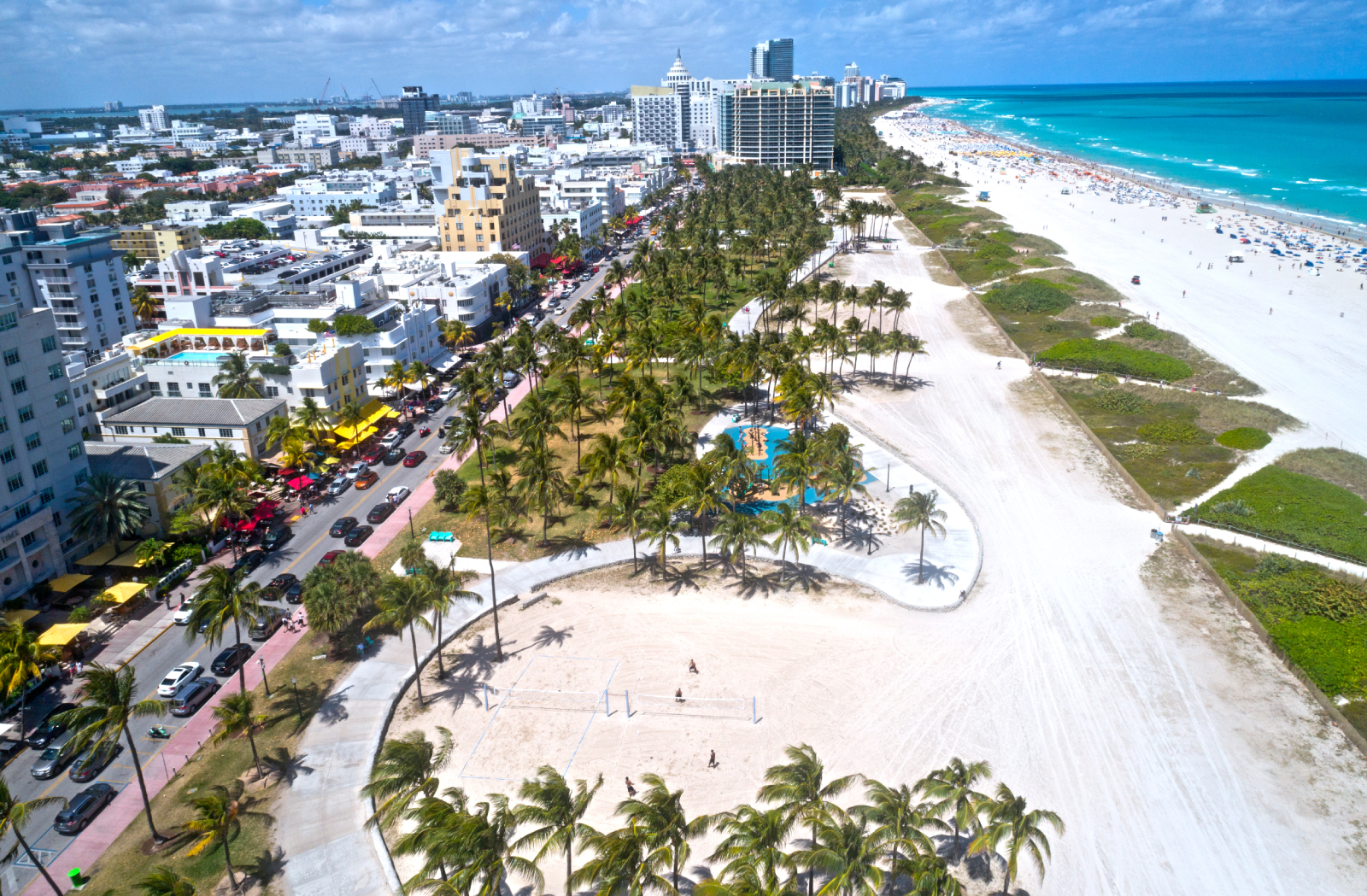
Moving to Miami: how to relocate, rent or buy property, obtain a driver's license
Here are the main reasons to consider moving:
- Climate: Warm year-round — average winter temperature around +25°C, summer up to +32°C. It's an ideal place for sun and beach lovers.
- Taxes: Florida does not impose a state income tax, allowing savings of 5–10% compared to states like New York or California.
- Jobs: Miami is a hub for finance, tourism, IT, medicine, and logistics. The city attracts international companies, creating numerous career opportunities.
- Culture: Latin culture dominates — Spanish is spoken everywhere, and festivals like Calle Ocho take place year-round.
- Geography: Proximity to Latin America and the Caribbean makes Miami a convenient hub for travel and business.
Disadvantages:
- High humidity in summer can be uncomfortable.
- Hurricane season (June–November) requires preparation.
- High property costs in prestigious areas like Brickell or South Beach.
How to move: visas and documents

Obtaining a visa to move to Miami
For foreigners
Moving to Miami for citizens of other countries requires obtaining a visa. Here are the main options:
- Work visa (H-1B, L-1, O-1): Suitable for those who have received a job offer from an American company. H-1B is for specialists, L-1 is for internal company transfers, O-1 is for individuals with extraordinary achievements.
- Investor visa (EB-5): Requires an investment of $800,000 in projects creating jobs. This is a path to obtaining residency.
- Student visa (F-1): For enrolling in educational institutions such as the University of Miami. After studies, a transition to a work visa is possible.
- Talent visa (EB-1, EB-2 NIW): For scientists, athletes, artists, or specialists with national recognition.
Tip: Start applying for a visa 6–12 months in advance, as the process can be lengthy. Consult an immigration attorney to meet the requirements precisely.
For US citizens
If you're moving from another state, the process is simpler:
- Vehicle registration: Insurance is cheaper in Florida, and there's no income tax. Register your vehicle within 30 days.
- Florida driver's license: Must be obtained within 30 days after moving.
Important
- The allure of Miami: The city offers a warm climate, no state income tax, developed industries (finance, IT, tourism), and a rich Latin culture. However, high humidity in the summer and hurricane season (June–November) can be drawbacks.
- Documents and visas: Foreigners need visas (work, student, investor), while U.S. citizens must register their car and obtain a Florida driver's license within 30 days.
- Housing: Miami offers a variety of real estate options—from condominiums to luxury villas, with prices ranging from $375,000 to several million. The rental market is also active, with rental prices from $1,500 to $4,000 for a one-bedroom apartment.
- Adaptation: Knowledge of Spanish is useful but not necessary. Expat communities and cultural events will help integrate more quickly.
- Current trends: The real estate market in 2025 is shifting towards a buyer's market due to increased supply, especially of condominiums, but demand remains stable thanks to an influx of investors.
Where to Live: Miami Neighborhoods
Miami offers a variety of neighborhoods, each suitable for a specific lifestyle. Here is an overview of popular areas with approximate rental prices for a one-bedroom apartment:
| Neighborhood | Rental Price (1-bedroom, $/month) | Suitable For |
| Brickell | $2,500–$4,000 | Financiers, expats |
| Edgewater | $1,800–$2,500 | Young professionals |
| South Beach | $2,000–$3,500 | Party-goers, digital nomads |
| Coral Gables | $2,200–$3,000 | Families, academics |
| Coconut Grove | $1,800–$2,800 | Hipsters, freelancers |
| Doral | $1,500–$2,200 | Latinos, families |
Recommendations:
- For an active nightlife and beach relaxation, choose South Beach.
- For a business environment and proximity to offices, choose Brickell.
- For a quiet life with green parks, choose Coconut Grove or Coral Gables.
Housing in Miami: Buying and Renting
Real Estate Purchase
Miami is one of the most dynamic real estate markets in the USA, offering a wide selection of properties for purchase. In 2025, the market leans towards a buyer's market due to increased supply, especially of condominiums, but demand remains stable thanks to an influx of investors and favorable economic conditions.

In Florida, you can buy an apartment, house, or penthouse.
Types of real estate
1. Condominiums or apartments (Condos):
- Popular in areas like South Beach, Brickell, and Miami Beach.
- Prices start at $375,000 for a one-bedroom apartment and reach several million for luxury penthouses with ocean views.
- Suitable for investors, young professionals, and those seeking low-maintenance housing.
- From affordable homes in suburbs like Kendall to luxurious mansions in Coral Gables.
- The average sale price in May 2025 was $630,000, but elite homes can cost over $1 million.
3. Townhouses (Townhouses):
- Often located in gated communities, they offer more space than condominiums but less maintenance than houses.
- Prices range from $400,000 to over $1 million.
4. Luxury Properties:
- Include waterfront villas, penthouses, and private islands in areas like Star Island or Fisher Island.
- Prices start at $1 million and can reach tens of millions.
5. Commercial real estate:
- Office spaces, retail areas, and multifunctional complexes, especially in Brickell and Downtown Miami.
- Suitable for investors looking to diversify their portfolio.
6. Market Trends
- Average Price: In May 2025, the average home price was $630,000, which is 0.79% lower than last year. The price per square foot is about $538.
- Buyer's Market: Increased supply, especially of condominiums, makes the market more favorable for buyers.
- Forecasts: Expected declines in mortgage rates to 5% by the end of 2025 may stimulate purchases. Stable demand and price increases (about 7-10% annually) make Miami attractive for investments.
Rental housing
For those who are not ready to buy or prefer flexibility, Miami offers an active rental market.
- Apartments: One-bedroom apartments in Brickell cost $2,500–$4,000 per month, in Doral — $1,500–$2,200.
- Houses: Renting a single-family home ranges from $2,000 to over $10,000 per month, depending on size and location.
- Short-term rentals: Platforms like Airbnb are popular among tourists and newcomers, especially in South Beach.
Tip: Renting allows you to explore the city before buying. Consider short-term rentals through Airbnb or Blueground for temporary housing.
Finance and Banking Services
- Opening an account: Popular banks are Bank of America, Chase, and Wells Fargo. To open an account, you will need a passport, a U.S. address, and an SSN (for U.S. citizens) or an ITIN (for foreigners).
- Credit history: Start with a secured credit card (e.g., from Capital One or Citi) to build your credit history.
- Taxes:
- No state income tax.
- Property tax is 1–2% of the property's value per year.
Getting Used to Life in Miami
We study English, find interesting work, or start our own business. We lead an active lifestyle.
- Language: Spanish is widely spoken and useful, but English is sufficient for everyday life. There are many Russian communities,
- Communities: Join expat groups through Internations or Meetup.
- Culture: Attend festivals like Calle Ocho or Art Basel to immerse yourself in the local atmosphere.
- Healthcare: Obtain health insurance through Healthcare.gov or private companies like Cigna Global.
How to Obtain a Driver's License
To obtain a driver's license, you can take driving exams.
- Car: Necessary in the suburbs, but in the center (Brickell, Downtown) you can manage without a car. Traffic jams on I-95 and Dolphin Expressway are common.
- Public transportation: Miami-Dade Transit offers metro and buses ($2.25 per ride).
- Trains: Brightline connects Miami with Orlando and Fort Lauderdale.
- Bicycles: Citi Bike — $4 for 30 minutes.
Tip: If you live downtown, public transportation and bicycles may be sufficient.
Checklist for Moving
- Get a visa or residence permit (for foreigners).
- Find temporary housing (Airbnb, Blueground).
- Open a bank account.
- Obtain a Florida driver's license (if staying long-term).
- Set up health and auto insurance.
- Choose a neighborhood to live in.
- Find a job or start a business.
- Explore the real estate market for buying or renting.
Moving to Miami is an opportunity to start a new life in one of the most vibrant cities in the USA. Purchasing real estate is quite simple. With thorough preparation, including choosing the right neighborhood, handling paperwork, and exploring the real estate market, you can make this process smooth and stress-free. For personalized assistance, especially regarding real estate, contact local realtors who will help find the ideal option for your goals and budget.