How FIFA 2026 Will Impact Miami's Real Estate Market: Which Neighborhoods Will Benefit from the World Cup
The FIFA 2026 World Cup will be one of the biggest events in Miami's history, attracting hundreds of thousands of tourists, investors, and real estate buyers from around the world. The main impact is expected in the short-term rental segment, hospitality real estate, and premium housing. Neighborhoods like Downtown Miami, Brickell, Miami Gardens, Wynwood, Miami Beach, and nearby Fort Lauderdale are poised to benefit the most due to high tourist demand and international attention to the region. Beyond short-term rental growth, the championship is expected to boost foreign investor interest and support long-term property value growth in South Florida.

July 1, 2026

6 minutes

July 5, 2026
In summer 2026, Miami will host seven matches of the FIFA World Cup. The city is preparing to welcome over 700,000 guests. For the real estate market, this is not just a sporting event but a powerful catalyst. The tournament accelerates deals with international buyers, stimulates new infrastructure construction, and changes the map of investment-attractive neighborhoods.
Let's examine the facts: how exactly the World Cup affects prices, demand, and which locations will receive maximum dividends.
How FIFA 2026 Is Changing Miami's Investment Climate
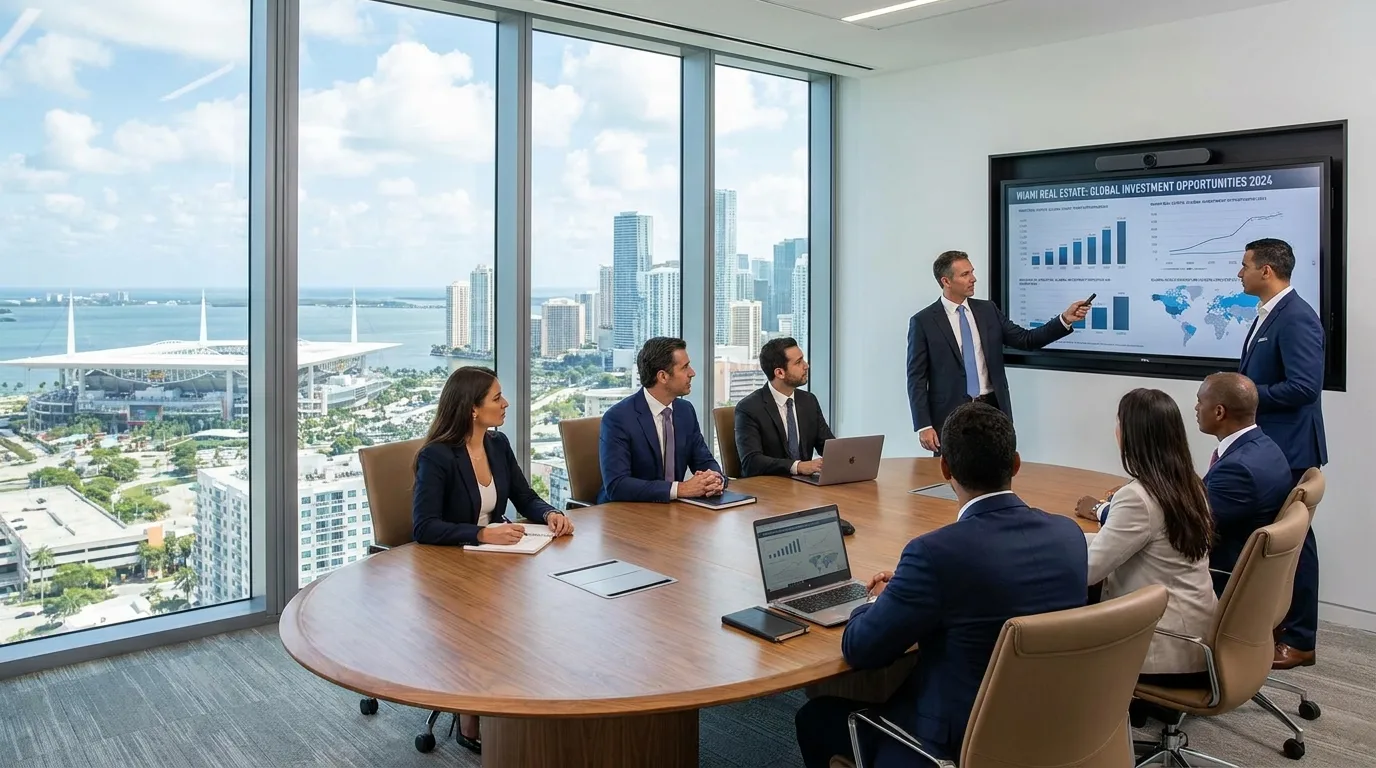
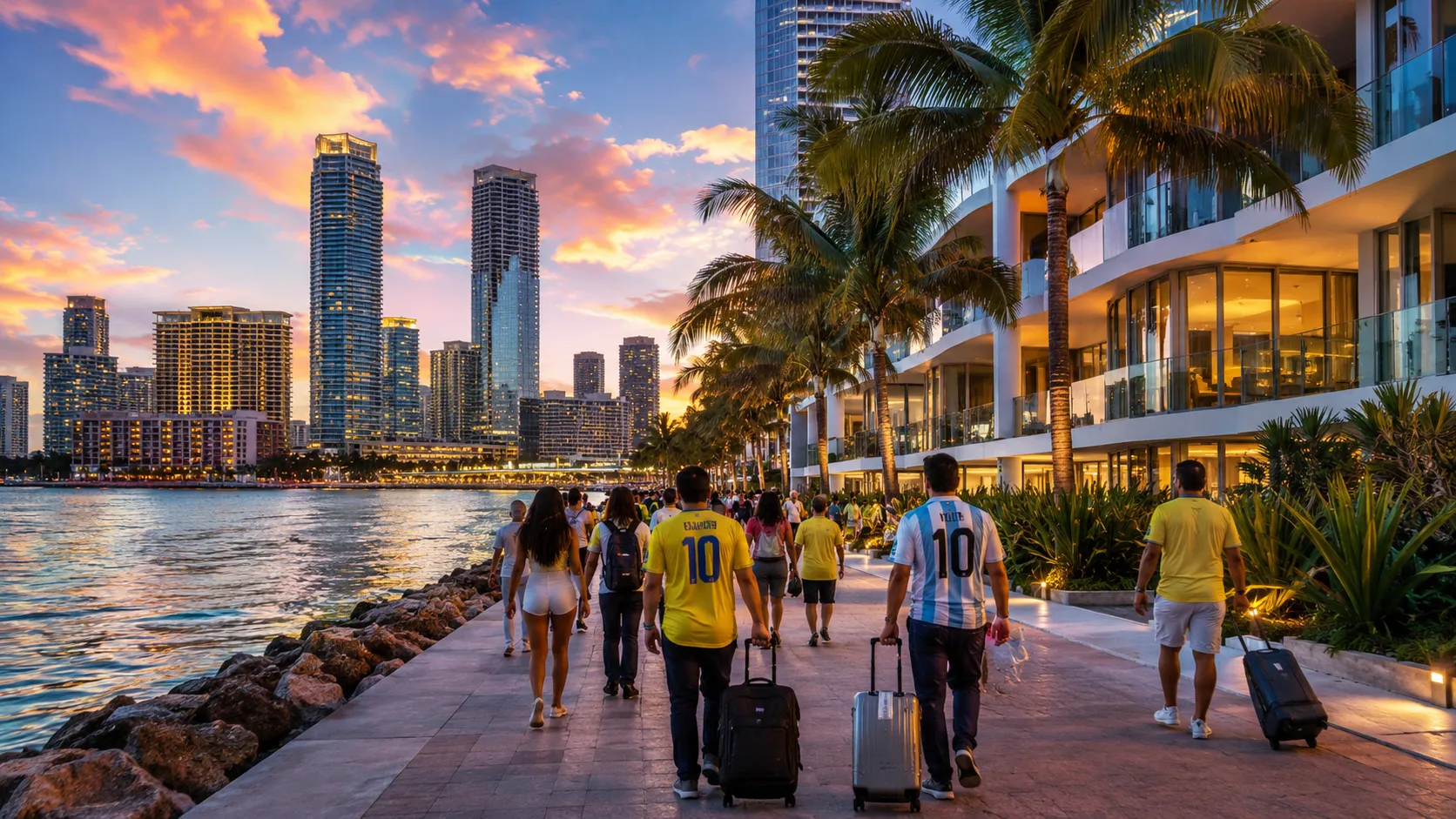
The World Cup generates a direct economic impact. According to organizers' estimates, South Florida will receive up to $1.3 billion in additional revenue. Demand for luxury real estate is growing: penthouses, villas, premium homes, and luxury apartments. Most people can buy real estate in Miami at good prices because supply is growing. The biggest football matches are increasing interest not only in Miami but in Florida as a whole. Here you can buy real estate from $150,000 to $50 and $100 million.
For the real estate market, this means:
- Short-term rental boom. Airbnb expects over 380,000 guests to stay in rented apartments and villas.
- Investors who bought condos for rental will recoup their investments faster. New concepts are already appearing in Miami—entire residential towers that developers initially design for the Airbnb format.
- Inflow of foreign capital. 86% of foreign real estate buyers in Miami are from Latin America.
- The World Cup works as a "sales accelerator": guests fall in love with the city and buy housing within 12–24 months after their visit.
- Developers are now seeing a surge of interest from buyers from Brazil, Argentina, Colombia, Mexico, Spain, and Germany.
- Infrastructure growth. The city is preparing for the influx of tourists: airports are expanding, transportation interchanges are being updated.
- This increases real estate liquidity in neighborhoods that receive new infrastructure.
Which Neighborhoods Will Benefit Most
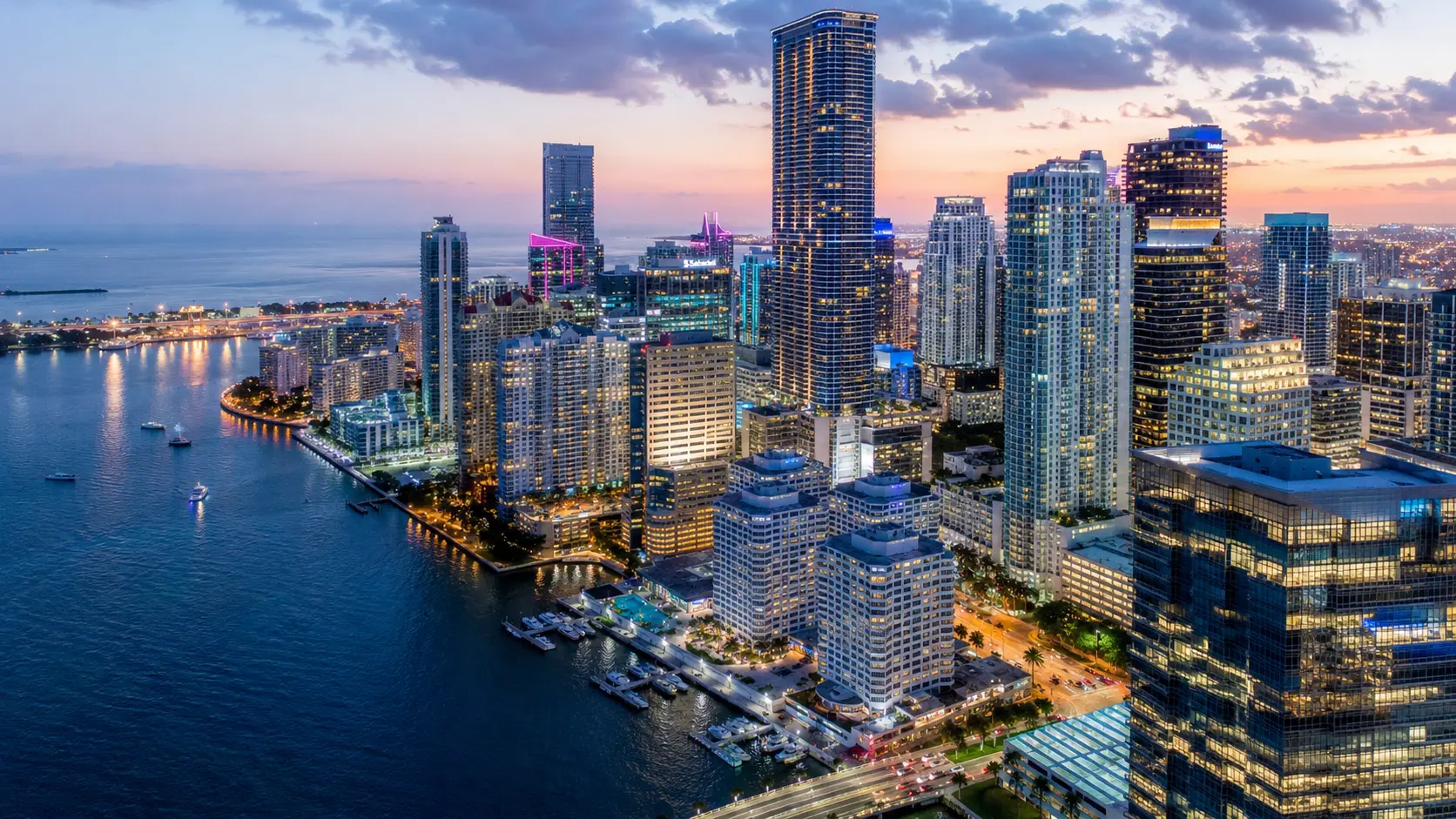
Matches will be held at Hard Rock Stadium, and the main Fan Festival will unfold at Bayfront Park in the city center. Here are the locations that will benefit from the tournament and subsequent development:
- Downtown Miami and Brickell. The Fan Festival will be held here, which will be attended by over 600,000 people. These are Miami's business and financial centers with a high concentration of luxury condos. The area remains a magnet for young professionals and foreign investors.
- Miami Beach and Edgewater. Edgewater is one of the fastest-growing neighborhoods, located between Downtown and the Design District. Miami Beach traditionally attracts tourists and second-home buyers. Both neighborhoods offer many options for short-term rentals, which is critical during the championship.
- Wynwood. The neighborhood is minutes from Hard Rock Stadium and has the densest network of bars and lounges for watching matches. During the World Cup, Wynwood will become the main hub for fans, which will increase the neighborhood's recognition and demand for housing there.
- Miami Freedom Park area. In North Miami, construction of the new $1 billion Miami Freedom Park complex is being completed. A 25,000-seat stadium for Inter Miami will open there, as well as public parks, hotels, shops, and offices. Investment in this territory will create a new attraction point around which residential development will grow.
Where Football Fans and International Investors Buy Real Estate
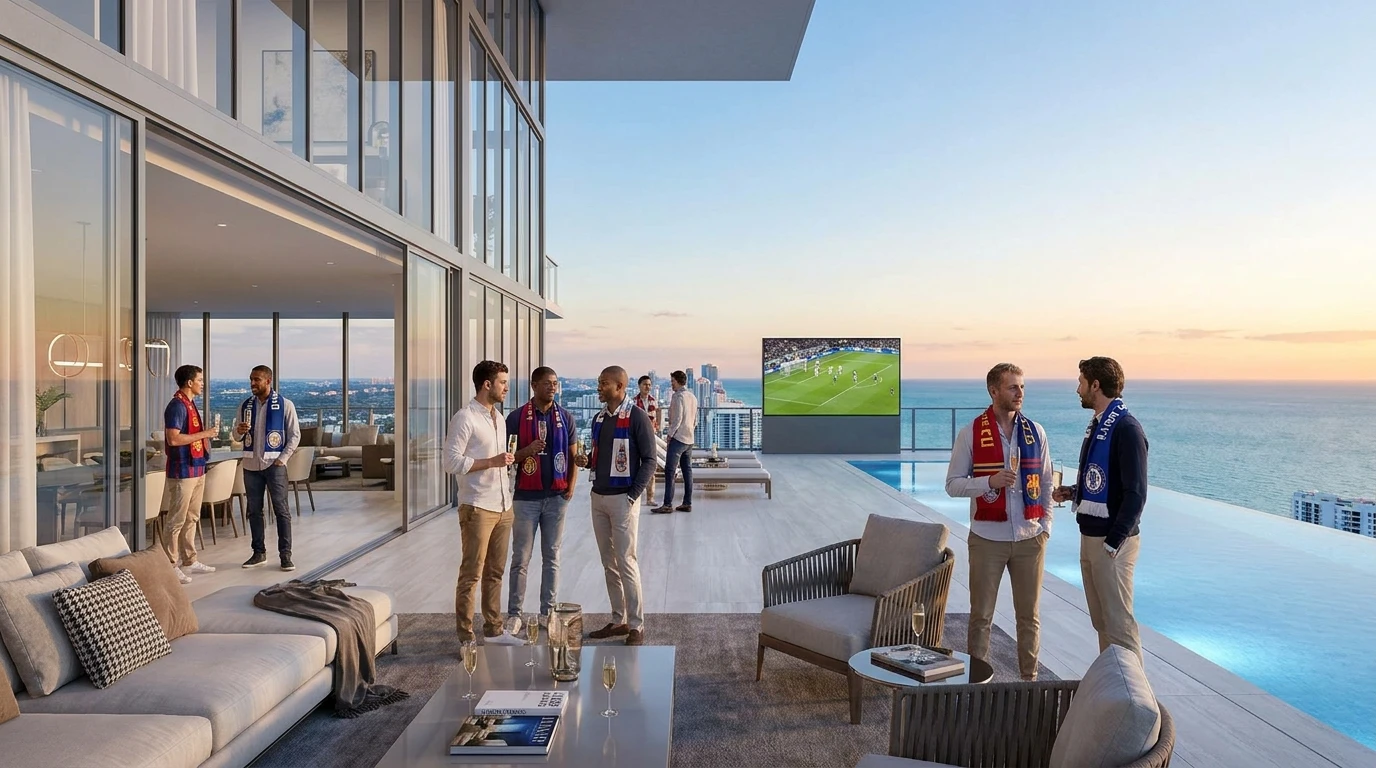
Foreign buyers who come to matches or invest on the wave of hype look at liquid properties in the center.
- What they buy: Luxury condos with infrastructure (pools, concierge service, water views).
- Where: Brickell, Downtown, Sunny Isles, Miami Beach.
- Why: These neighborhoods offer a combination of status, security, and the ability to rent property short-term (in buildings where this is permitted by the charter).
- Developers use the World Cup theme in marketing to close deals with international clients faster.
Where Football Stars Live and Buy Real Estate
Lionel Messi's arrival at Inter Miami has launched the "Messi effect" in Miami's luxury real estate market. Housing costs in neighborhoods where athletes settle have noticeably increased:
- Lionel Messi invested in four luxury condos in the under-construction 80-story Cipriani Residences Miami tower (completion in 2028). His portfolio also includes properties in Porsche Design Tower and other premium towers in South Florida.
- Luis Suárez bought a waterfront residence in the exclusive Bay Colony neighborhood in Fort Lauderdale.
- Trend: Footballers and sports agents choose gated communities, waterfront villas and penthouses in skyscrapers with private access to yacht marinas. This forms sustained demand for the super-premium segment in Miami and Fort Lauderdale.
What This Means for Real Estate Buyers in 2026–2027
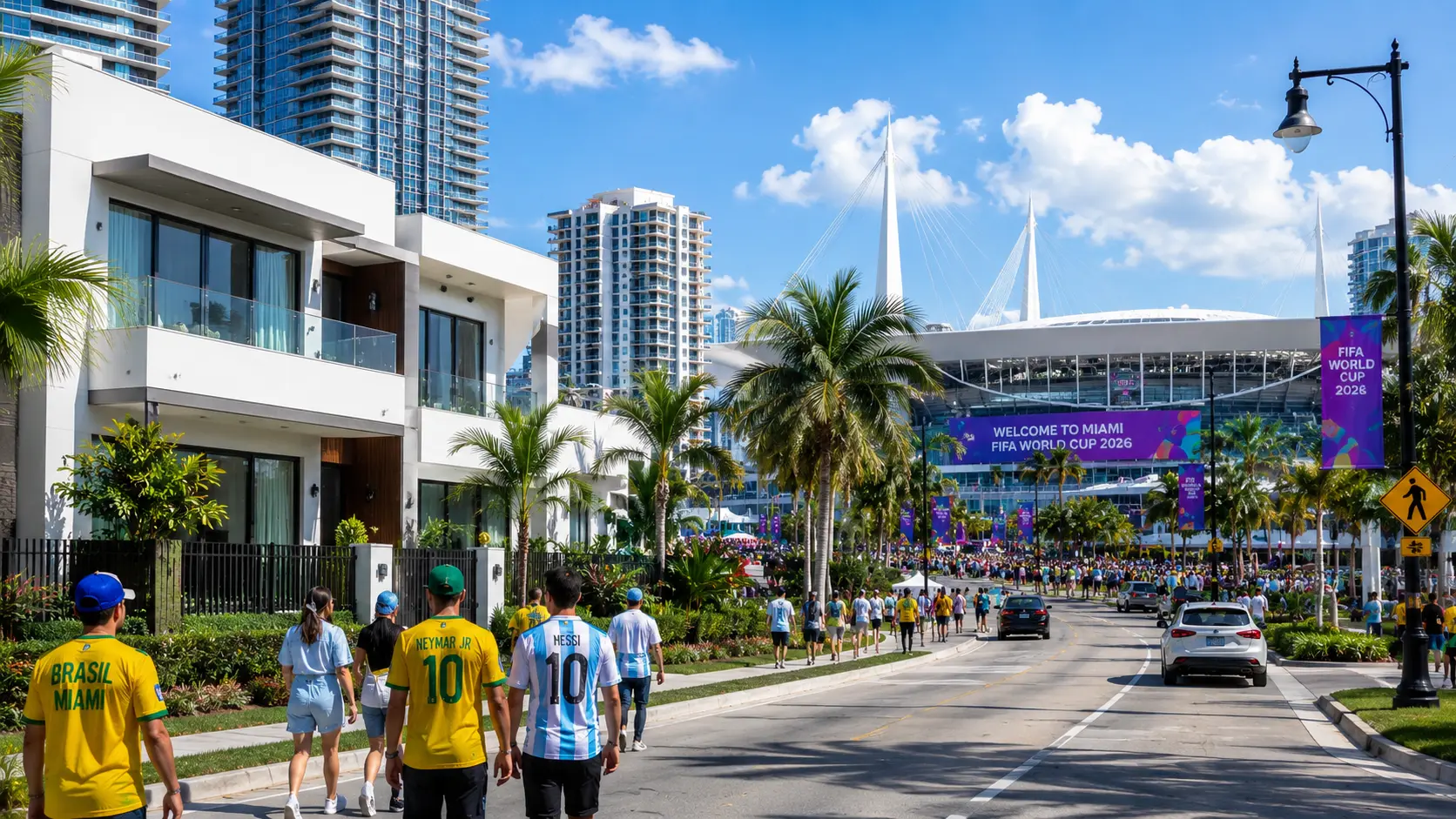
The World Cup is not a one-time action but a trigger for long-term changes.
- Condo prices in the center will rise. Demand from Latin American investors and Europeans who saw Miami during the World Cup will support prices in Brickell and Edgewater.
- Short-term rental will become even more profitable. Owners of apartments in buildings that allow Airbnb will be able to receive above-market income due to the constant flow of tourists and business migrants.
- New growth points. The area around Miami Freedom Park and northern territories will receive new infrastructure, which will make them attractive for the middle and premium segments.
World Cup and Real Estate: Conclusions
FIFA 2026 does not create Miami's real estate market from scratch—the city was already a global hub. But the World Cup works as a powerful catalyst: it brings "warm" foreign buyers to the city, accelerates the delivery of new projects, and cements Miami's status as the sports and investment capital of the USA.
If you were planning a purchase, now is the best time to lock in the price before post-championship hype heats up the market even more.
- — How FIFA 2026 Is Changing Miami's Investment Climate
- — Which Neighborhoods Will Benefit Most
- — Where Football Fans and International Investors Buy Real Estate
- — Where Football Stars Live and Buy Real Estate
- — What This Means for Real Estate Buyers in 2026–2027
- — World Cup and Real Estate: Conclusions