
Real estate in Miami for foreigners
Real estate in Miami is open to foreigners — you can buy without citizenship and a visa. The main thing is to inspect the property and properly handle the transaction to avoid losing money.

4.07.2025

10 minutes

February 17, 2026

A residential area in Miami with typical palm trees and houses. Florida is one of the most attractive regions for foreign buyers: according to the National Association of Realtors, the highest number of foreign investors in residential real estate in the USA is registered in Florida. In this guide, we will examine all stages of the transaction in detail: from document preparation to managing the completed property. Different purchase goals (personal residence, rental, or investment) and the characteristics of both new developments and the secondary market are considered.
To buy real estate in Miami, you can simply contact our company and submit an application.

Document Preparation for Foreigners

Before starting your housing search, gather the necessary documents and information:
- Passport and status. Foreign passport translated into English and notarized, as well as confirmation of status (visa or residence permit).
- Tax number (SSN/ITIN). If you do not have a US SSN, obtain an ITIN (Individual Taxpayer Identification Number) from the IRS, which will be especially required for mortgages and tax reporting.
- Proof of solvency. Bank statements and income certificates for the past years. For mortgages, you will need a credit history, recommendation letters from banks, and tax payment reports.
- Company documents. If the purchase is made through a legal entity (LLC), prepare the company's charter documents, a decision on the purchase, and issue a power of attorney for the representative (if you will not be present at the transaction). Foreigners often use LLCs for tax optimization and asset protection.
- Translation and notarization. All documents (even financial certificates) must be translated into English and notarized.
Rules for Owning Property in the USA for Non-Residents
- No special restrictions. Foreign citizens have the right to own property in Florida on par with U.S. citizens. Buying a house or apartment does not change your immigration status and does not automatically grant visa or residency rights.
- Special Law SB 264. Since July 2023, a law in Florida prohibits foreign citizens from "high-risk countries" (China, Russia, Iran, North Korea, Cuba, Venezuela, Syria, etc.) from purchasing agricultural lands and plots near military bases and critical infrastructure. The restrictions do not apply to residential and commercial properties outside these zones.
- Taxes. Non-resident owners pay the usual property tax (~1% of the estimated value annually) and insurance payments. If the property is rented out, income tax must be paid according to American rules. Upon subsequent sale by the non-resident, FIRPTA applies: the buyer will withhold 10-15% of the deal amount for tax payment.
- Reporting. All currency transactions over $10,000 must be reported to the bank and U.S. authorities. In Miami-Dade County, for cash purchases over $1 million, the source of funds must be documented.
All documents must be translated into English and notarized.
New buildings and the secondary real estate market
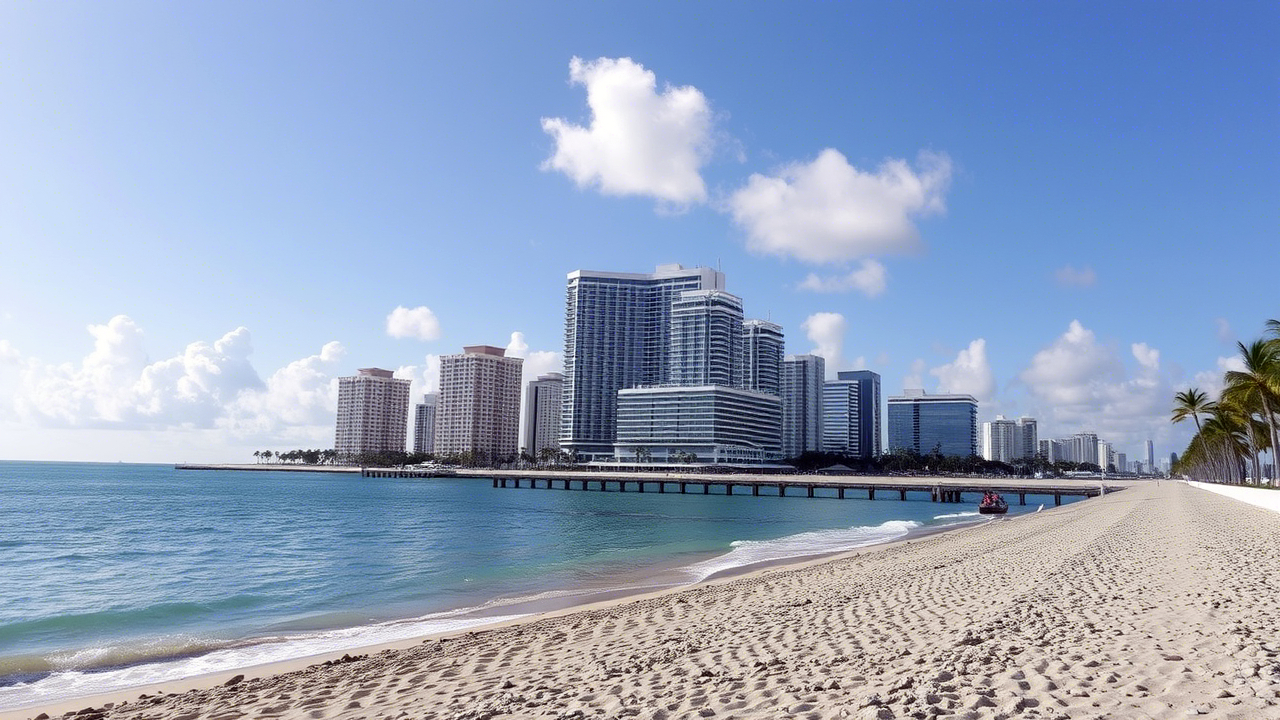
Canal and coastal homes in Florida. New constructions and secondary (ready) properties each have their pros and cons:
- Price and taxes. Homes on the secondary market are usually cheaper than new ones. This provides savings when purchasing and lower annual property tax due to a lower assessed value.
- Infrastructure. Ready homes are often located in established areas with developed infrastructure (stores, schools, roads). New constructions are sometimes built in developing areas: there may not yet be a full range of services nearby (kindergartens, schools, hospitals).
- Condition and expenses. New homes are built to modern standards: they are more energy-efficient and require less ongoing maintenance. Insurance for new housing is cheaper (modern materials and standards reduce risks). Older homes may require urgent investments in repairs (roof replacement, plumbing, etc.).
- Customization and design. When buying at the construction stage, changes to layout and finishings are often possible (choose a kitchen with granite countertops, add a study, etc.). In a ready home, remodeling will be more expensive and require approvals.
- Moving. You can move into a secondary home immediately after the deal. For new construction in Miami, you'll have to wait until construction is completed and the commissioning act is filed (frequent delays), while neighbors are just moving in and finishing their apartments.
- View forecast. In an existing home, you know the surrounding view for sure (for example, palm trees outside the window and neighboring homes won't change). In a new build, the view may change during construction (as new neighboring high-rises or infrastructure are built around).
The role of an agent and lawyer in the buying process

- Realtor (buyer’s agent). This is a licensed specialist representing your interests. The agent conducts market analysis, shows options, helps prepare an offer and contract. They are obligated to seek the best terms for you and negotiate the price. The standard agent commission is about 2.5–3% of the sale price (this amount is usually paid by the seller), so the agent's service is often free for the buyer.
- Real estate attorney. In Florida, hiring an attorney for a transaction is not mandatory, but an experienced lawyer can help avoid mistakes. They will review the purchase and sale agreement, prepare and oversee the signing of all documents, check the title and arrange title insurance. An attorney protects your interests by eliminating legal risks and delays at closing.

Real Estate Agent
How to conduct a transaction
The transaction goes through several key stages:
- Search and offer. You and your agent choose a suitable property. After agreeing on the price, a written offer is submitted. If the seller agrees, a Purchase Agreement is concluded, fixing the price and conditions.
- Earnest money. When signing the contract, the buyer makes an earnest deposit — usually 1–3% of the price. This money is held in escrow until closing. It is credited towards the payment of housing in the final settlement. If you withdraw without legal grounds, the deposit is usually not returned.
- Inspections and appraisal. During the agreed period, a home inspection is conducted, and if a mortgage is involved, an appraisal is done. Based on the results, you can demand corrections of identified defects or adjust the transaction price.
- Document processing. A title search is conducted — a check for property encumbrances. Title insurance is issued to protect against hidden issues. If there is a mortgage, the bank completes the applicant's verification and financing. All fees are paid: state duties (e.g., transfer tax ~0.7% in Florida), agent/lawyer services, title insurance, etc.
- Closing. About 20–30 days after the offer (if the transaction goes smoothly), closing is scheduled. At the signing of the documents, both parties make final calculations: the buyer pays the remaining amount (the other 97–99% of the value) and covers their expenses, and the seller receives the money and pays their obligations. After signing, the transaction is registered, and the buyer receives the keys to the property.
In Florida, the average time to complete a transaction is about 20–30 days. In case of delays (credit issues, inspection refinements, title clarification), the process may extend to 60 days or more.
Taxes
- Closing costs. According to Bankrate, the average total closing costs (excluding agent commission) amount to approximately 2.3% of the home's price. In addition, the seller usually pays the realtor's commission (~2.5–3% to the broker, totaling ~6% for both). The buyer covers some expenses themselves: title insurance, Documentary Stamp Tax in Florida (~$0.7 for every $100 of value), and other fees.
- Annual expenses. The main ongoing expenses are property tax and insurance premiums. In Florida, the property tax is usually about 1% of the assessed value per year. Home insurance (including hurricane and fire coverage) costs approximately $2–3 thousand per year. In condominiums, there are separate monthly HOA fees for the maintenance of the complex, with the amount depending on services (security, pools, fitness, etc.).
- Title insurance. It is recommended to acquire title insurance – a one-time insurance protecting against potential ownership disputes (e.g., old liens or document errors). The coverage lasts for the entire period of ownership.
- Tax on sale (FIRPTA). If you later decide to sell the property, the buyer will be required to withhold a FIRPTA tax – usually 10–15% of the transaction amount. This should be considered when planning the profit from the sale.
Property Management After Purchase
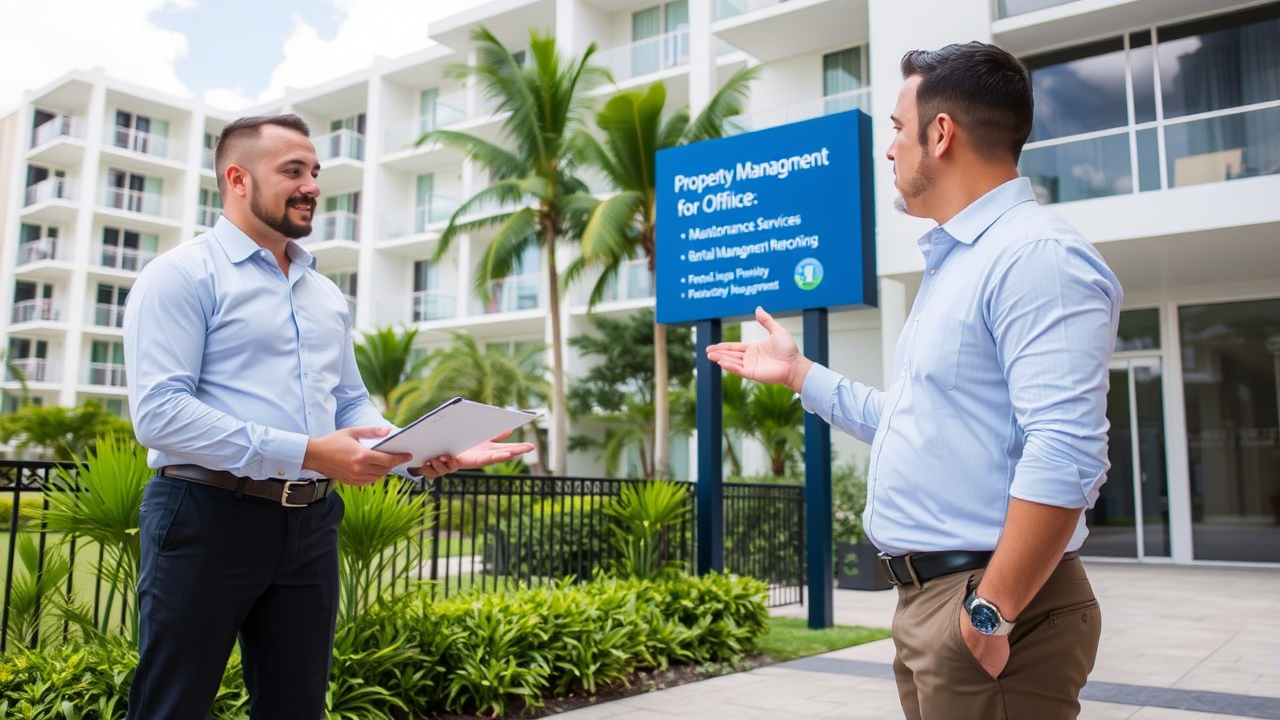
- Professional management. If you do not plan to live in Miami permanently, it makes sense to hire a local management company (property manager). They will handle finding tenants, collecting rent, conducting necessary repairs, and performing maintenance. Such management eliminates the need for personal oversight from another country and helps quickly respond to emergencies (breakdowns, disputes with tenants).
- Legislation and reporting. The manager will help comply with all local requirements: drafting rental agreements, accounting for deposits and late fees, paying taxes on rental income. They will also prepare financial reports and documents needed for tax filing.
- Maximizing income. An experienced management company knows how to maintain a high occupancy rate for the property: setting the right market rent rate, advertising platforms, housing rating, and service in reviews. This minimizes downtime and increases profit.
- If without a manager. If you plan to rent out the property yourself, consider the time difference and remote control. You will need to arrange with someone locally (for example, for emergency calls) and organize remote payment processing (bank transfers usually work, but check compatibility with international accounts).
Tips for Investors

- Deal Transparency. Investing large sums in foreign real estate draws the attention of regulators. If you transfer more than $1,000,000 in cash or equivalent to an account in the US, be prepared to provide proof of the legality of these funds upon request by the authorities of Miami-Dade County.
- Ownership Structure. Consider purchasing through an LLC or trust. This is a traditional practice for investors: it allows for limited liability and tax optimization. Purchasing as an individual is also possible, but it will be challenging to avoid mandatory tax reporting upon sale.
- Title Insurance and Audit. Always obtain a title insurance policy and conduct an independent contract audit if possible (for example, involve a lawyer or expert). This will protect against issues with the rights of previous owners.
- Market Research. Before purchasing, thoroughly analyze the area: rental demand, development plans, the possibility of short-term rentals (some Florida cities restrict short-term rentals). Consider climate risks (hurricanes, floods) — flood insurance in Florida is mandatory for most loans.
- Developer's Reputation. For new constructions, it's important to check the developer's history: completion timelines of past projects, construction quality, resident reviews. Sometimes it's better to pay extra for a well-known developer than to risk with an unknown startup.
- Taxes on Future Sale. Plan your exit from the project in advance. Consider holding periods: after 2 years post-sale, a lifetime capital gains tax may apply, among others. A 1031 exchange (a tax deferral scheme upon reinvestment) is possible if requirements are met.
- Professional Assistance. Work only with verified agents and lawyers who speak Russian or English. Communicate personally or through a licensed intermediary agency. Never transfer money without signing a contract and obtaining ownership confirmation from a title company.
This guide is a general outline of the process for purchasing real estate in Miami for non-residents. Each buyer may have specific nuances (particular goals, currency of transaction, current legislation), so it is advisable to consult experienced realtors and lawyers specializing in foreign real estate before the transaction.