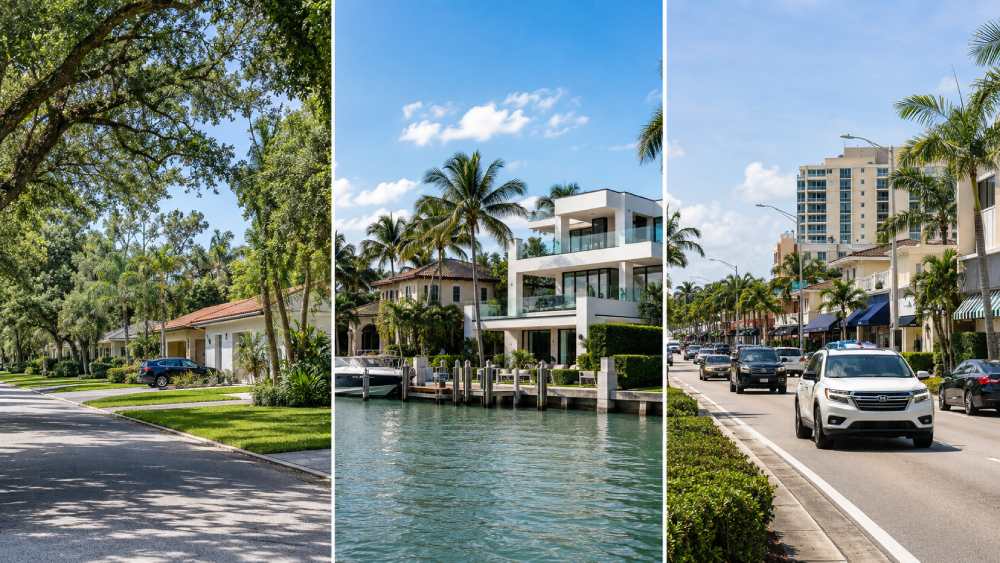

What to Check Before Buying Real Estate in Miami Shores
Due diligence in Miami Shores should start with three things: the house, the lot and future ownership costs. A renovated interior can improve the look of a property, but it does not confirm the condition of the roof, windows, electrical systems, permits, flood risk or insurance profile!
Age of the Home and Quality of Updates
Many Miami Shores homes are older, so buyers should separate cosmetic updates from real technical upgrades. Before closing, check:
- roof age, material and replacement history,
- hurricane-rated impact windows,
- electrical panel, wiring and HVAC systems,
- permits for major renovations, roof work, windows, electrical work and other significant updates,
- whether those permits were properly closed after final inspection.
Miami Shores Village says permits are required for construction changes, repairs, re-roofs, electrical service upgrades and many other types of work. That makes permit history a practical way to see whether major improvements were officially reviewed.
Buyer note:
A renovated interior doesn't guarantee that the home's core systems – roof, electrical, HVAC – have been brought up to current standards.
Lot, Street and Location
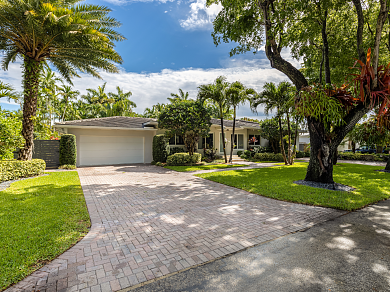
Buyers should evaluate the lot, not just the house. In Miami Shores, value can be affected by:
- lot size and shape,
- privacy and distance from neighbors,
- driveway access,
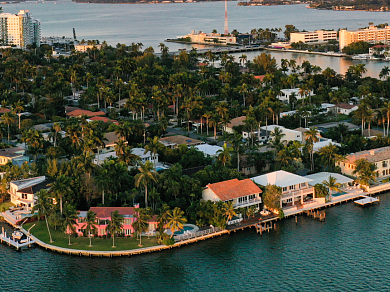
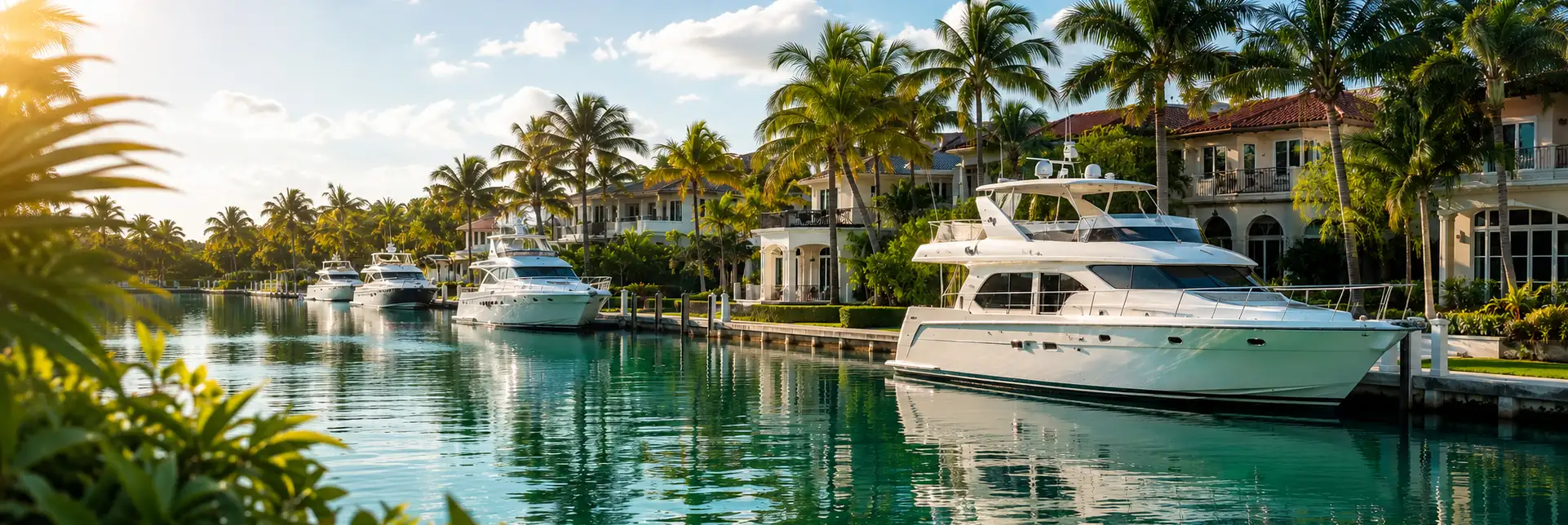
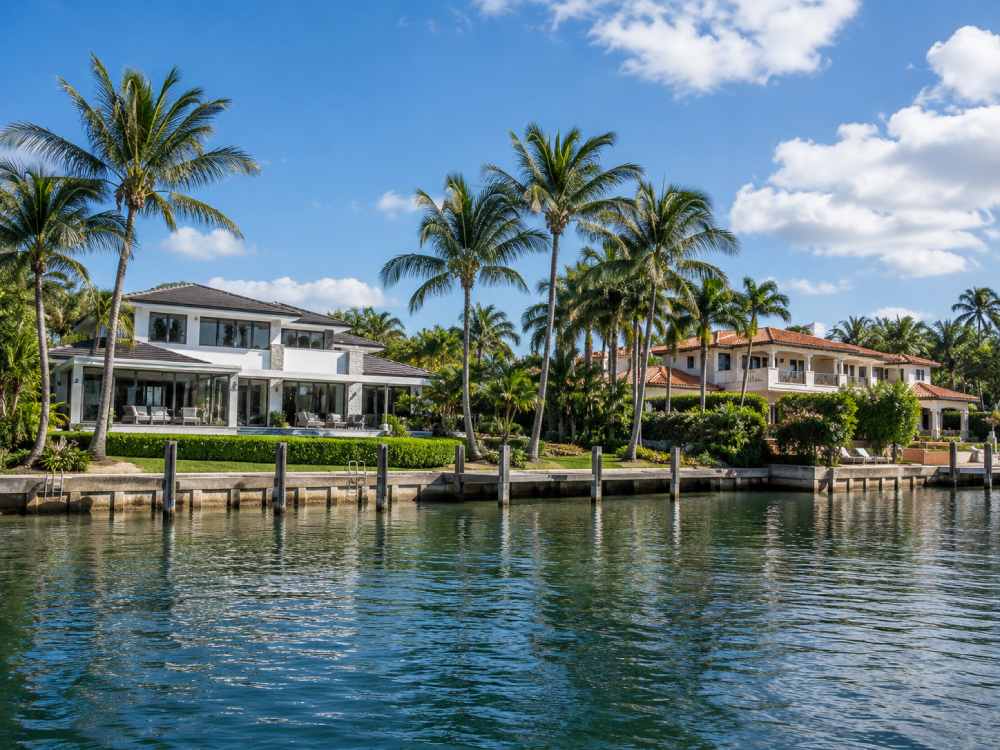
- proximity to the water,
- proximity to Biscayne Boulevard, NE 103rd Street and other busier roads,
- street noise and daily traffic.
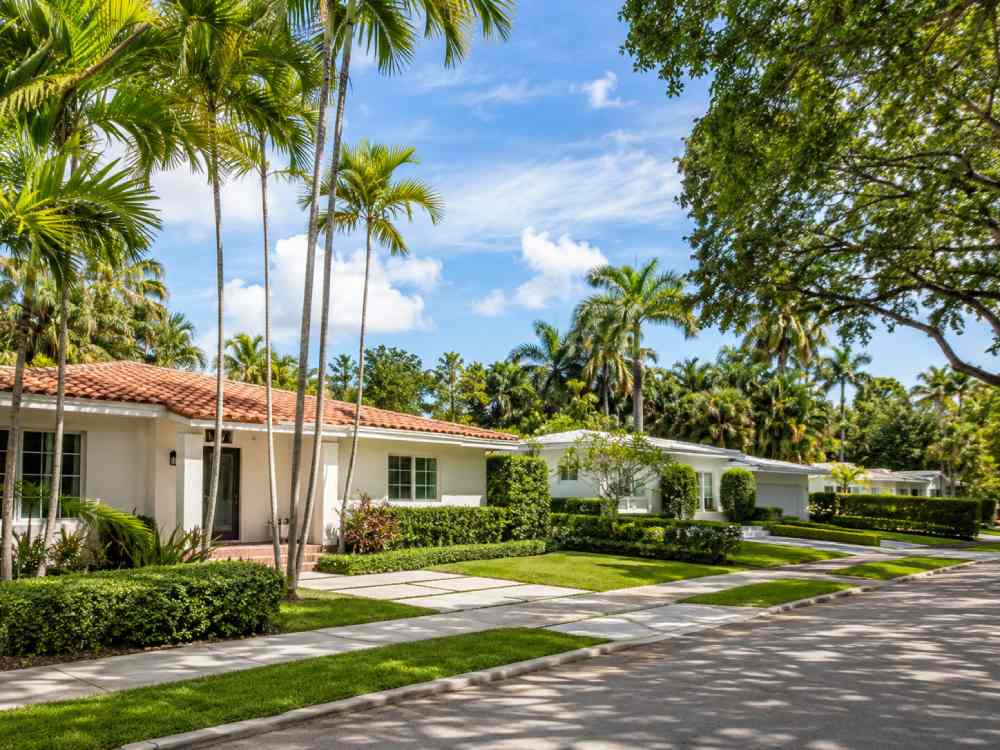
A home on a quiet interior street, a property closer to the water and a house near a busier road can offer very different levels of privacy, noise exposure, insurance cost and resale appeal.
Flood Zone, Drainage and Insurance
For each address, buyers should check the flood zone, drainage, elevation and insurance profile. FEMA flood maps show flood-risk areas; higher-risk zones can affect insurance requirements and the total cost of ownership.
Miami Shores Village is also developing a Stormwater Master Plan to reduce flooding, improve drainage infrastructure and increase resilience against storms, sea level rise and climate impacts. That is a positive long-term signal, but it does not replace property-level due diligence.
Risk note:
A home does not have to sit directly on the water to carry flood risk. Elevation, drainage, street level and nearby properties can all matter.
Sewer or Septic System
Before buying, confirm whether the property is connected to the central sewer or still uses a septic system. This is especially important in Shores Estates, where Miami Shores Village has a septic-to-sewer conversion project underway. The Village notes that costs to abandon an existing septic system and connect to the new sewer system vary by property conditions.
Buyers should verify:
- current sewer or septic status,
- expected connection timeline,
- who pays for the connection work,
- whether the old septic tank must be abandoned,
- whether construction may affect street or driveway access.
Taxes, Fees and Ownership Costs
The purchase budget should go beyond the price of the home and the mortgage payment. Buyers should estimate:
- property taxes,
- homeowners insurance,
- flood insurance if required,
- utilities,
- maintenance and closing costs (typically 2–5% of the purchase price in Florida).
Also check non-ad valorem assessments – property charges not tied to your home's market value, often covering local services or infrastructure improvements. In Miami-Dade County, these are property charges not based on market value and may include service charges or special assessments. Unpaid amounts can become a lien against the property.
If the property belongs to an HOA or condo association, buyers should also review dues, reserves, rules and possible special assessments. For a single-family home with no association, this should not be presented as a standard cost.
Title Search and Title Insurance
In Florida, a title search is standard practice before closing – and in Miami Shores, it carries extra weight. Many homes here have changed hands several times since the 1940s and 1950s, and older properties occasionally carry unresolved liens, unpaid assessments, or permit issues that didn't surface in the listing.
A licensed title company will review the full ownership history of the property and flag anything that could affect your legal right to it after closing.
Owner's title insurance is a one-time cost paid at closing. It protects you if a claim against the property surfaces after the sale – something that's rare, but significantly easier to handle when you're covered.
The Bonadomus team works with established title companies across Miami-Dade and can coordinate this as part of the transaction process.