
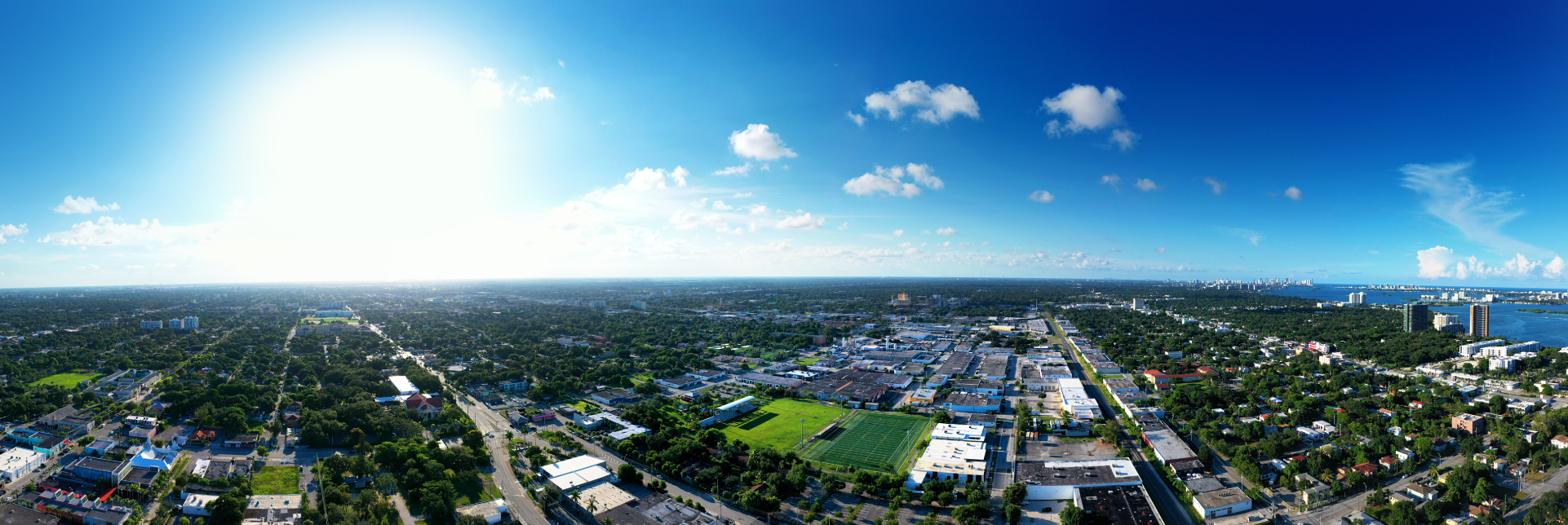
Little Haiti

Located in the heart of Miami, Little Haiti stands as a dynamic and thriving neighborhood, rich in history, culture, and diversity. Known as the heart of Miami’s Haitian community.

Little Haiti

Located in the heart of Miami, Little Haiti stands as a dynamic and thriving neighborhood, rich in history, culture, and diversity. Known as the heart of Miami’s Haitian community, Little Haiti offers residents and visitors an authentic slice of Afro-Caribbean culture, from the music and dance to the vibrant street art and food. With its colorful past and continuous evolution, Little Haiti is the perfect neighborhood for those looking to experience a blend of Miami’s Caribbean roots and contemporary urban living.

A Brief History of Little Haiti

Little Haiti, once known as Lemon City, traces its origins back to the post-Civil War era. The area grew out of the land first squatted by settlers along Biscayne Bay. In the late 19th century, the community flourished, and a post office was even established under the name “Motto.” By 1893, the area adopted the name “Lemon City,” which continued to serve as the neighborhood's identity until Haitian immigrants began to settle here in the 1980s. The area officially became “Little Haiti” thanks to Viter Juste, a prominent Haitian activist and businessman.

In 2016, the City of Miami voted to designate Little Haiti as an official neighborhood, embracing its Haitian heritage while also celebrating the diversity that now defines the area. Today, Little Haiti represents a unique blend of historic roots and modern cultural contributions.

A Neighborhood Rich in Culture and Creativity

Little Haiti is a cultural mecca where residents proudly showcase their Haitian and Afro-Caribbean roots. The neighborhood thrives with numerous local art galleries, music venues, and cultural institutions, making it a hotspot for creative expression. The Little Haiti Cultural Complex (LHCC) is the epicenter of this cultural movement, housing a variety of events and exhibitions, a theater, dance studios, and galleries. It is home to the famous Caribbean Marketplace, a 9,000-square-foot space modeled after Haiti’s Iron Market in Port-au-Prince, where visitors can experience authentic Haitian and Caribbean crafts, food, and music.

The area is also home to several contemporary art spaces, including galleries like Nina Johnson, Emerson Dorsch, and Laundromat Art Space, where the works of local and international artists are on full display. This growing arts scene, alongside the proximity to the Wynwood and Design District neighborhoods, makes Little Haiti one of Miami’s most exciting and diverse cultural hubs.

Vibrant Street Life and Culinary Delights

The streets of Little Haiti are alive with vibrant color and activity. Buildings and shops are painted in cheerful pastel shades of pink, blue, green, and yellow, creating a lively atmosphere. On NE 2nd Avenue, the main strip of the neighborhood, you’ll find a mix of local businesses, restaurants, and boutiques offering unique, authentic goods and services.

Food lovers will find themselves at home in Little Haiti, where the neighborhood’s Haitian heritage shines through in its culinary offerings. Local favorites such as Chef Creole Seasoned Kitchen serve up traditional Haitian dishes like griot (fried pork) with pikliz (spicy cabbage slaw) and diri ak djon djon (black mushroom rice). Other highlights include Piman Bouk Bakery, offering flaky Haitian patties and fresh Creole bread, and the Citadel, a bustling food hall with a rooftop lounge and artisanal foods.

Attractions and Things to Do

Little Haiti is also home to several parks and green spaces where residents can relax or engage in outdoor activities. Popular parks in the area include Athalie Range Park, Lemon City Park, and the Little Haiti Soccer Park. These spaces serve as gathering points for community events, picnics, and outdoor sports.

For those seeking a more in-depth exploration of the area’s rich cultural heritage, the Little Haiti tour by Tap Tap Tours is a must. This 90-minute guided tour takes visitors around the neighborhood in a golf cart, offering insights into the history, culture, and landmarks of Little Haiti.

Education and Community Support

Little Haiti is well-served by the Miami-Dade County Public Schools system, with schools like Miami Edison Middle School, Edison Park Elementary, and Toussaint L'Ouverture Elementary providing education for local students. The neighborhood is also home to several libraries, including the Lemon City Branch Library, which serves as an important community hub.

For those looking for community engagement, organizations like the Haitian Cultural Arts Alliance and the Little Haiti Cultural Complex offer a range of programs designed to preserve and promote Haitian and Afro-Caribbean culture.

Living in Little Haiti

Little Haiti is an ideal location for those who seek a blend of cultural immersion, creative energy, and a strong sense of community. The neighborhood’s ongoing development and proximity to downtown Miami, Wynwood, and the Design District make it an attractive option for homebuyers looking to live in a vibrant, evolving part of the city.

As Miami continues to grow, Little Haiti remains a neighborhood that honors its roots while embracing change. Whether you are drawn to its rich culture, art scene, or delicious food, Little Haiti is a place that offers something for everyone.

Ready to Make Little Haiti Your Home?

If you're looking to buy a home in Miami, Little Haiti offers a unique and exciting opportunity. Explore homes for sale in this vibrant neighborhood and become part of the community that celebrates art, culture, and Caribbean heritage. Discover the charm and character that make Little Haiti a one-of-a-kind place to call home.

Little Haiti

Little Haiti, also known as La Petite Haïti, is one of Miami's most vibrant and culturally rich neighborhoods. This community is a hub for Haitian immigrants and offers a unique blend of history, cuisine, art, and culture. Located in the heart of Miami, Little Haiti is known for its colorful streets, authentic Haitian restaurants, cultural institutions, and lively street art.

With a rich history dating back to the 19th century, this area has transformed into a thriving arts district, attracting residents and visitors from all over the world. Explore the vibrant homes and real estate options available in this dynamic neighborhood.