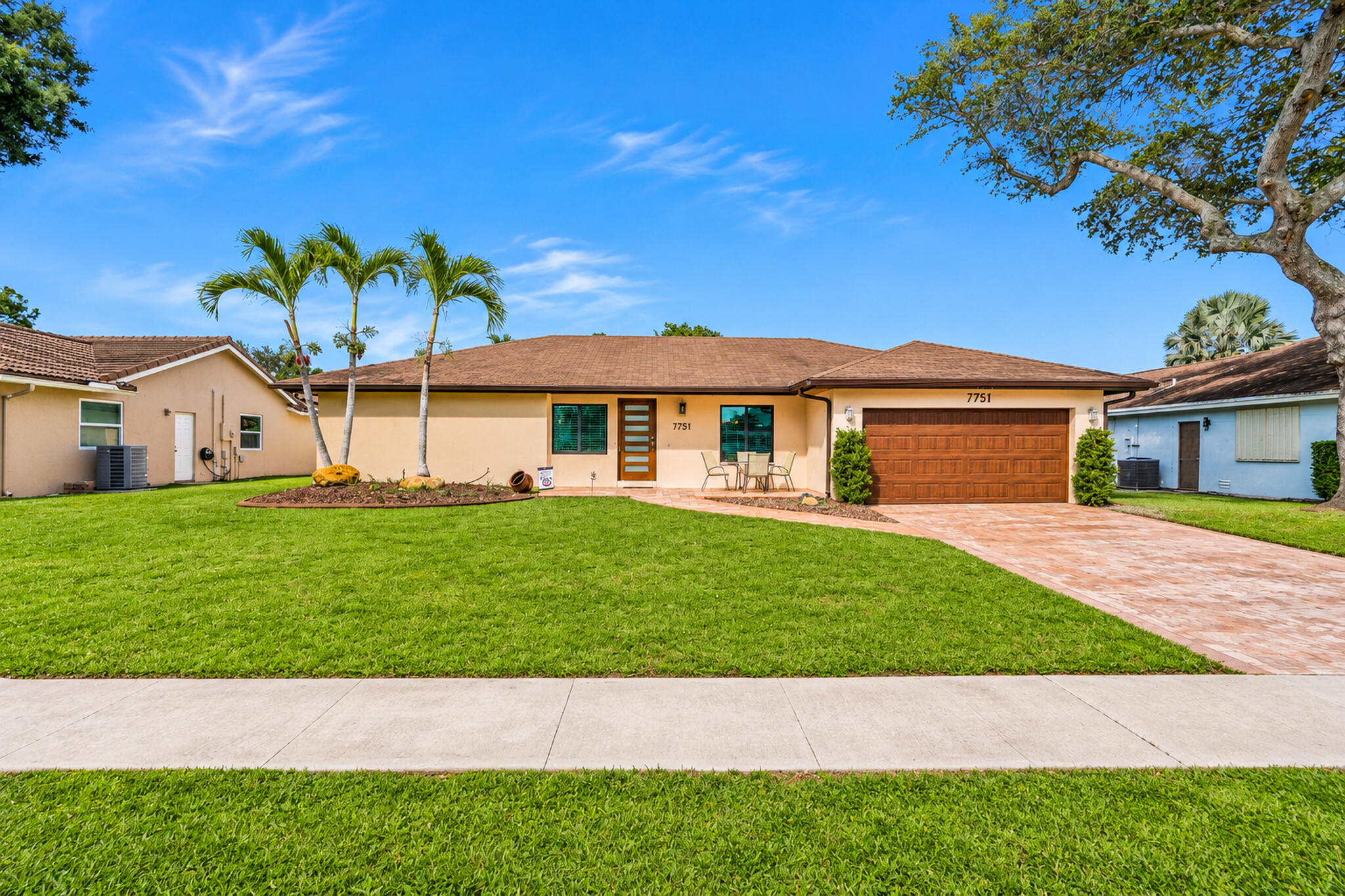
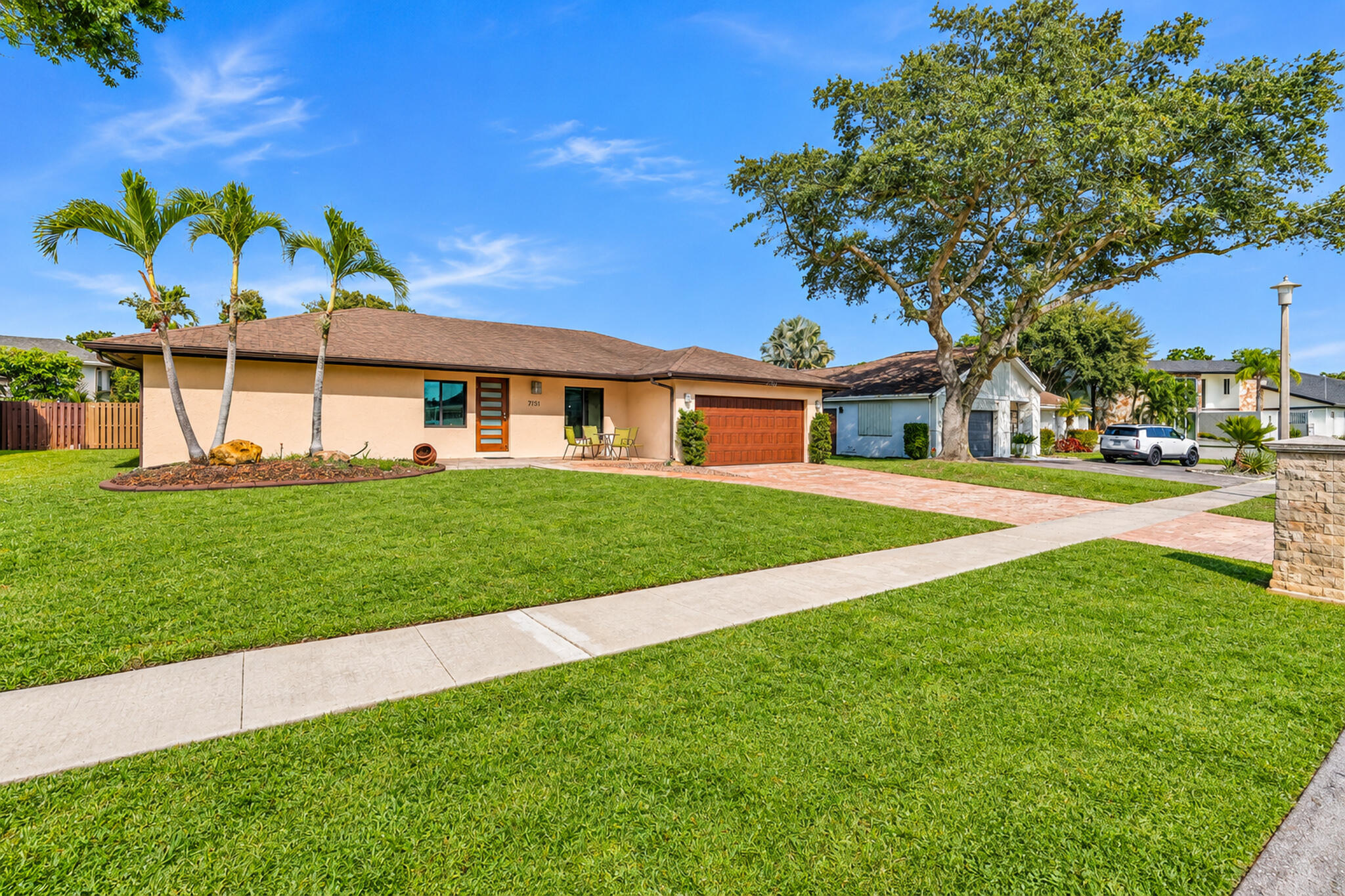
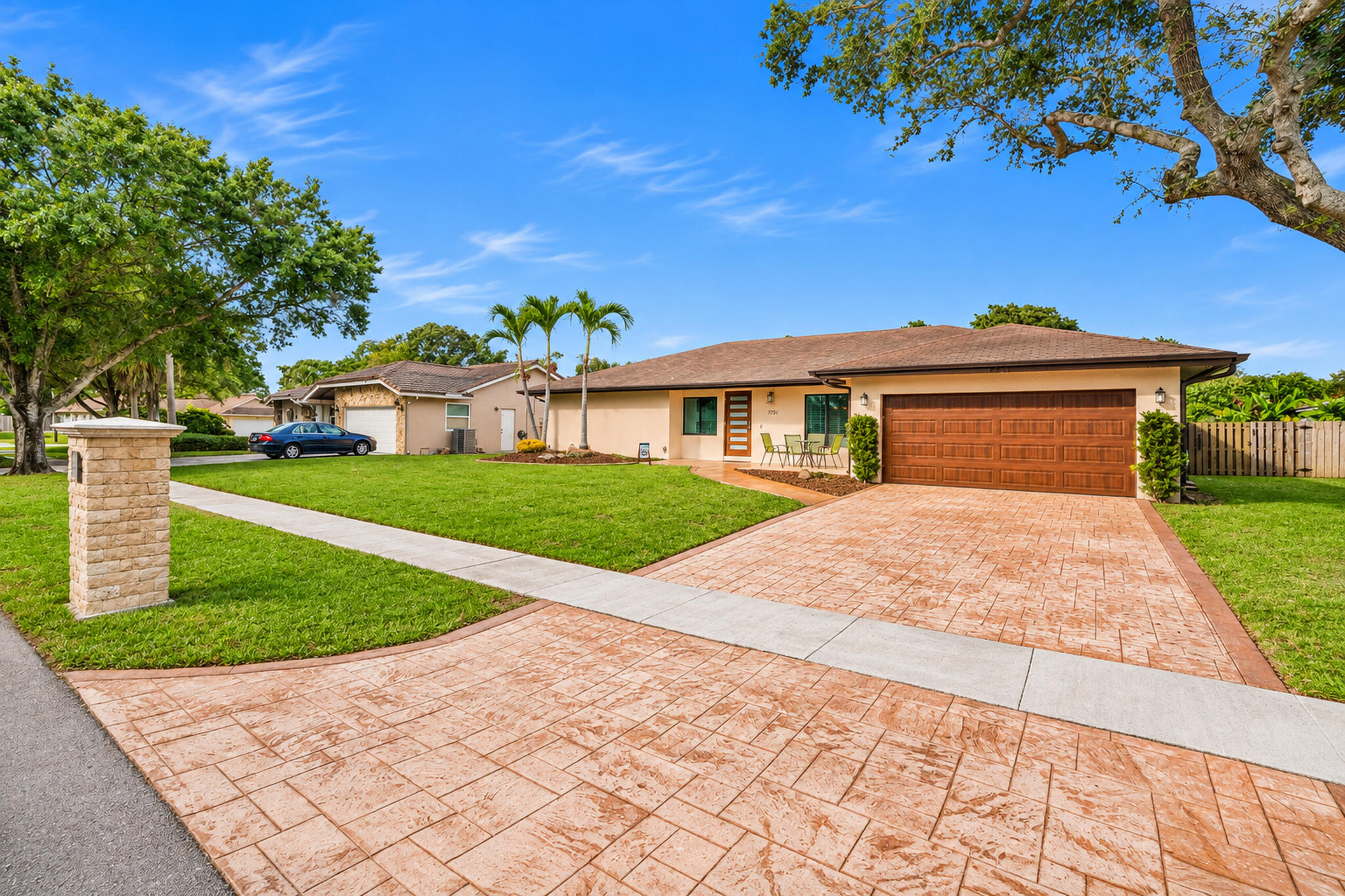
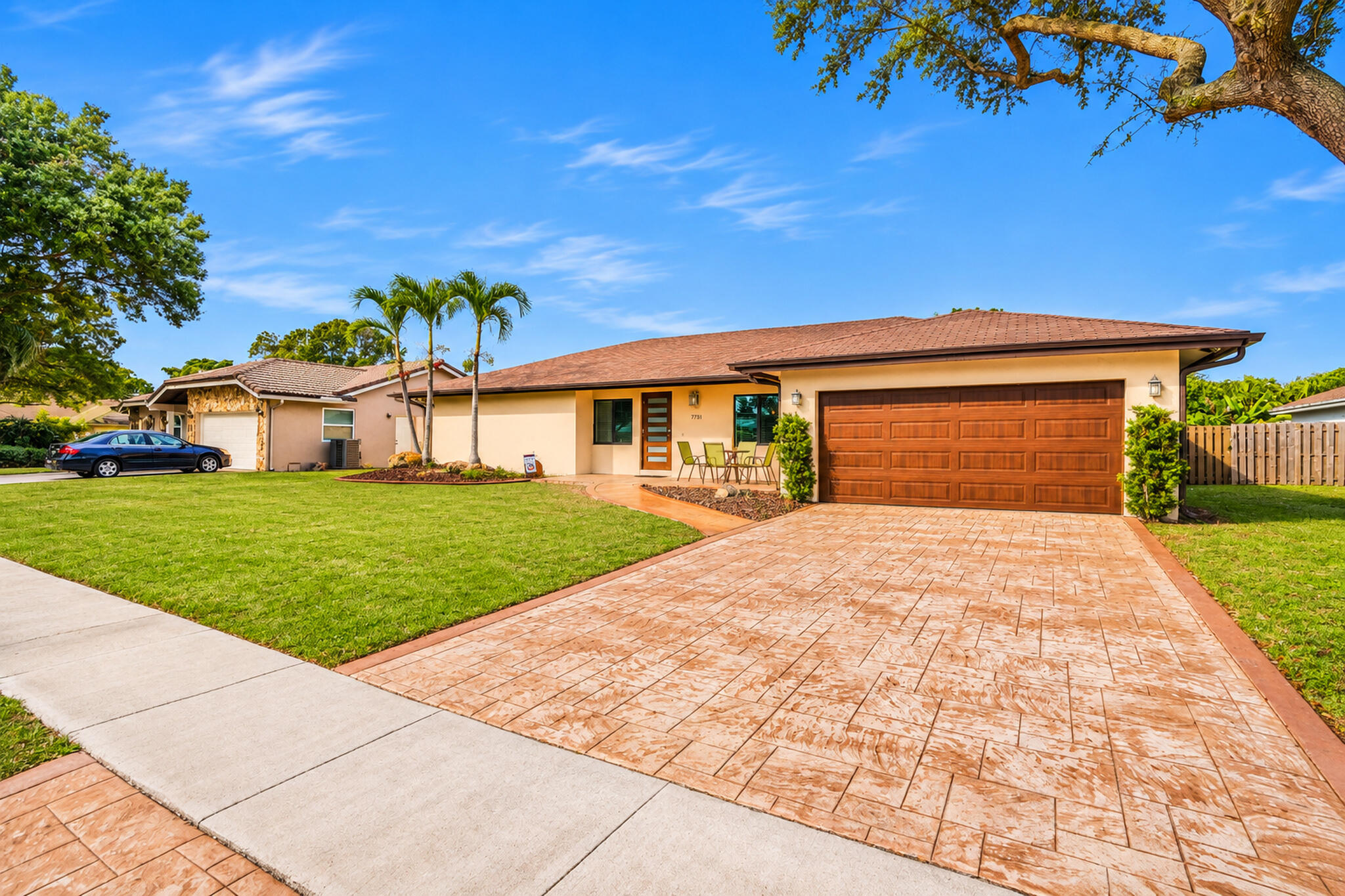
Real estate for sale in Plantation, FL
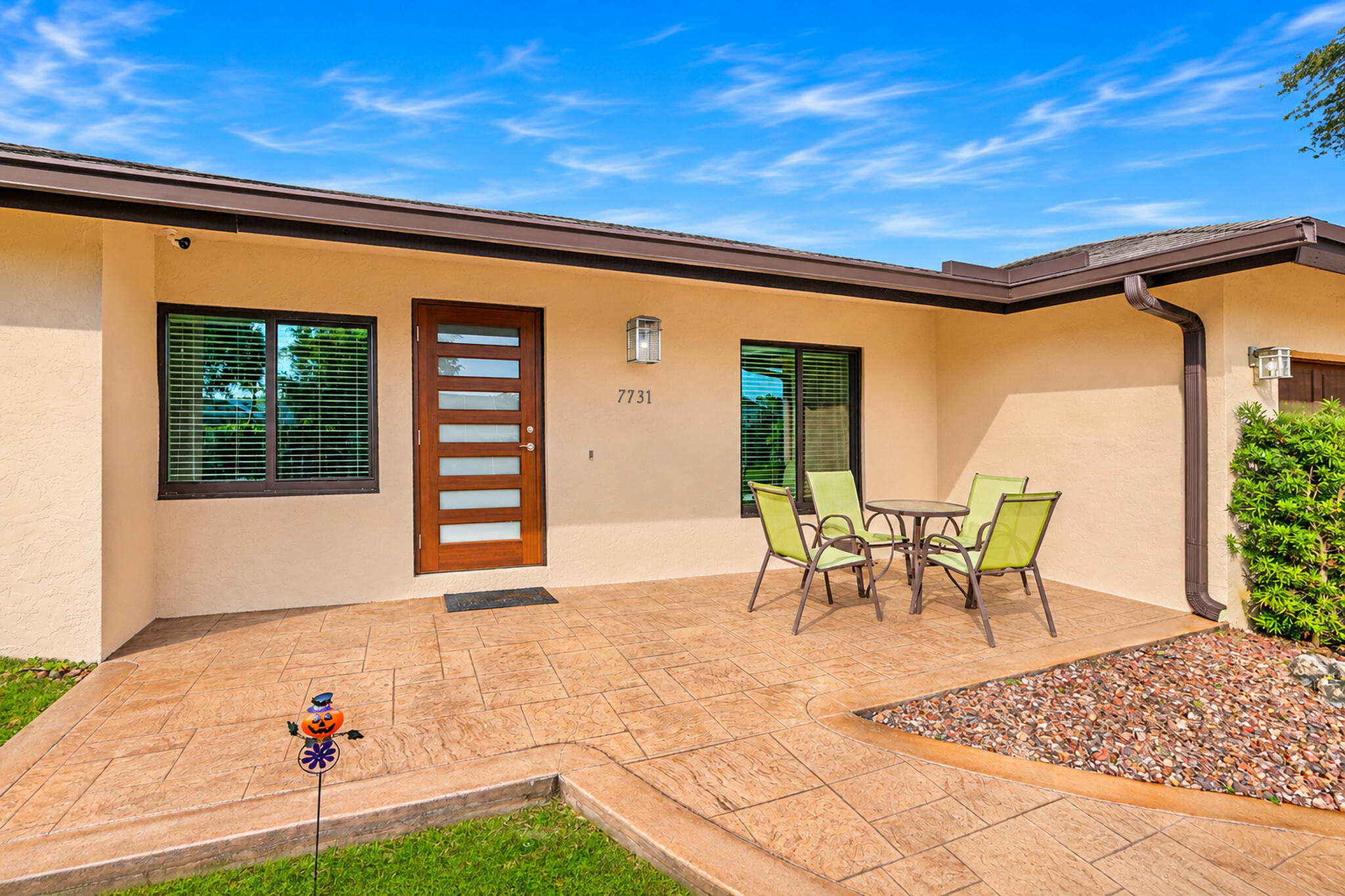


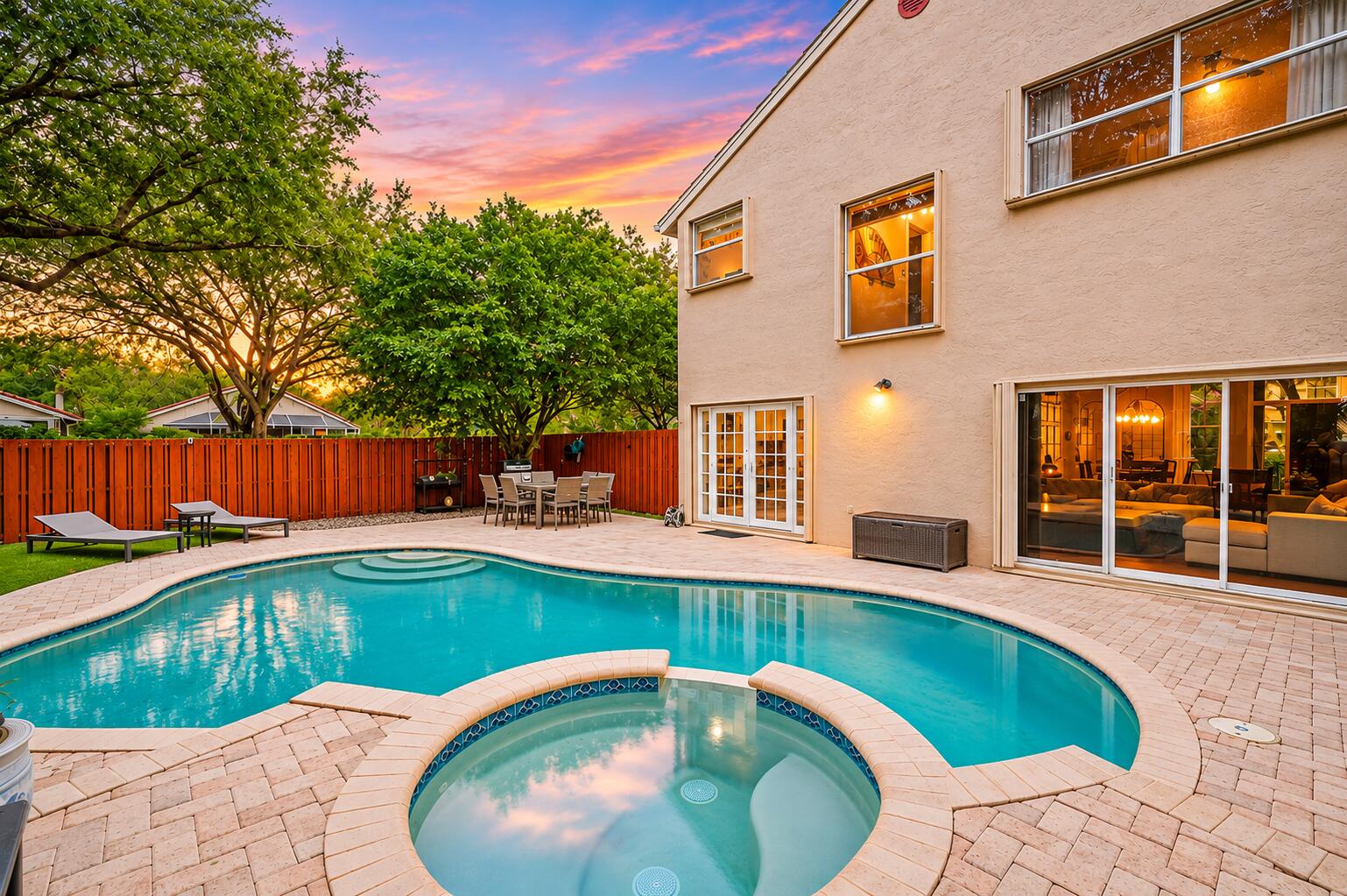
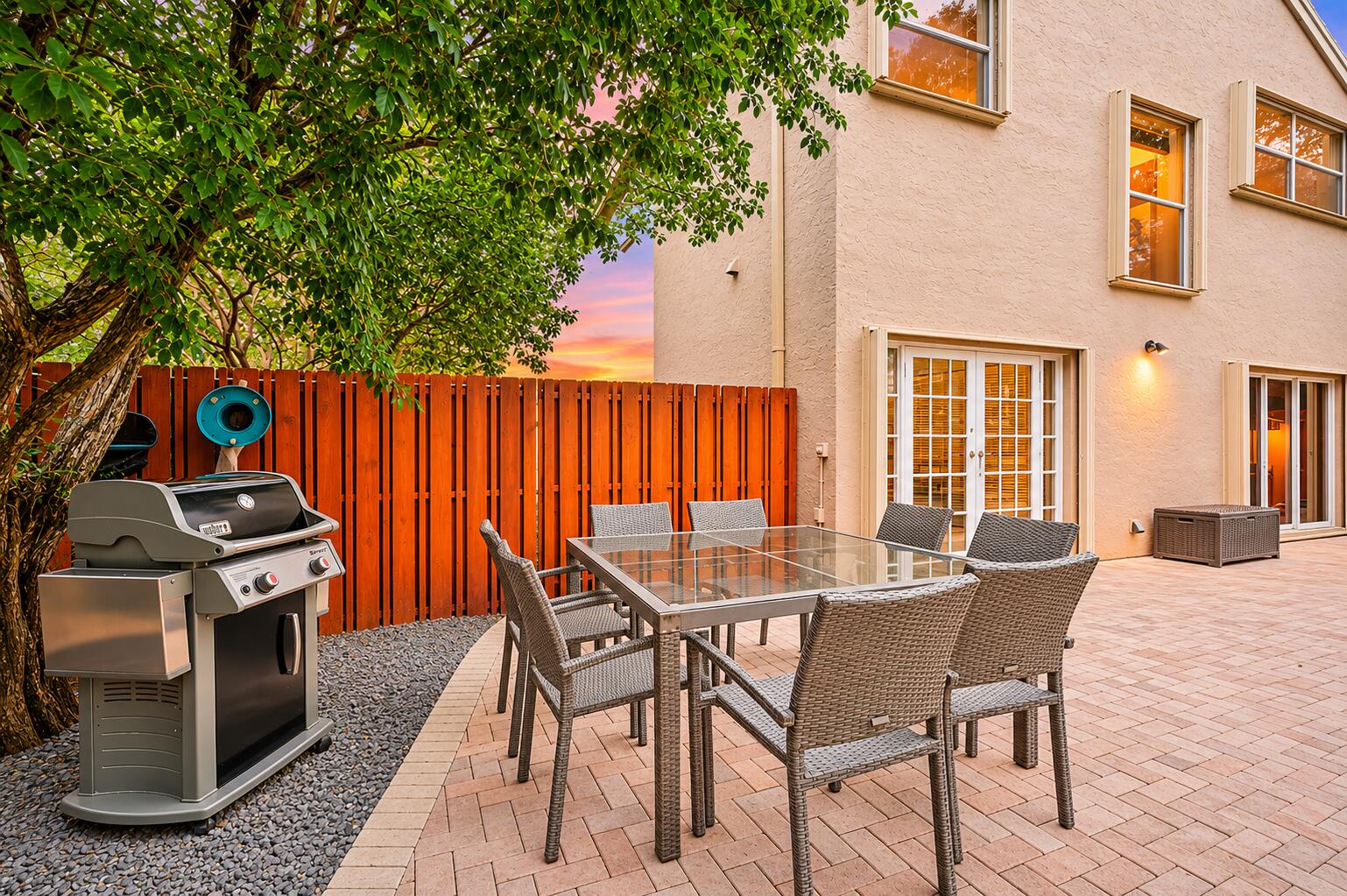
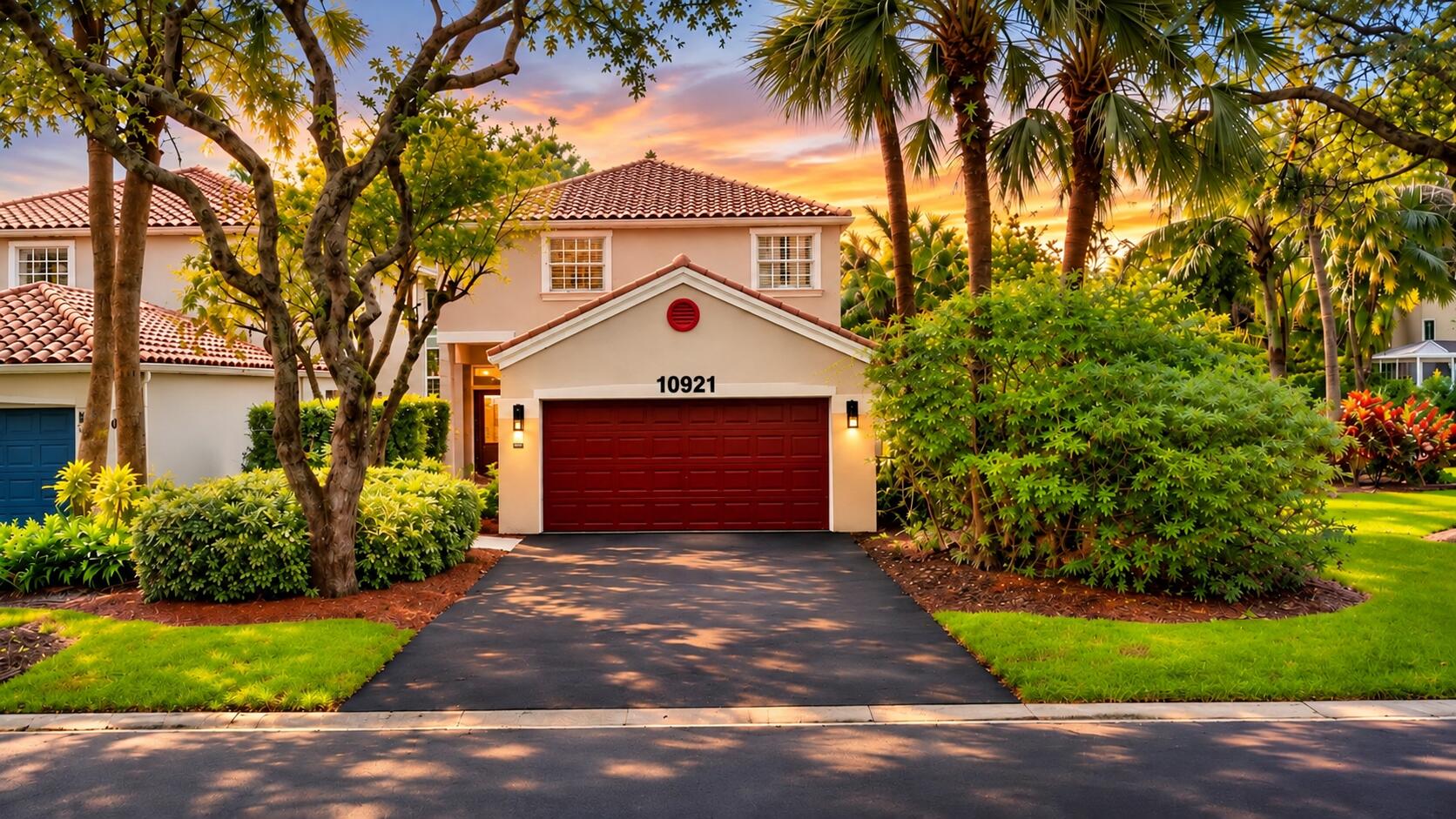
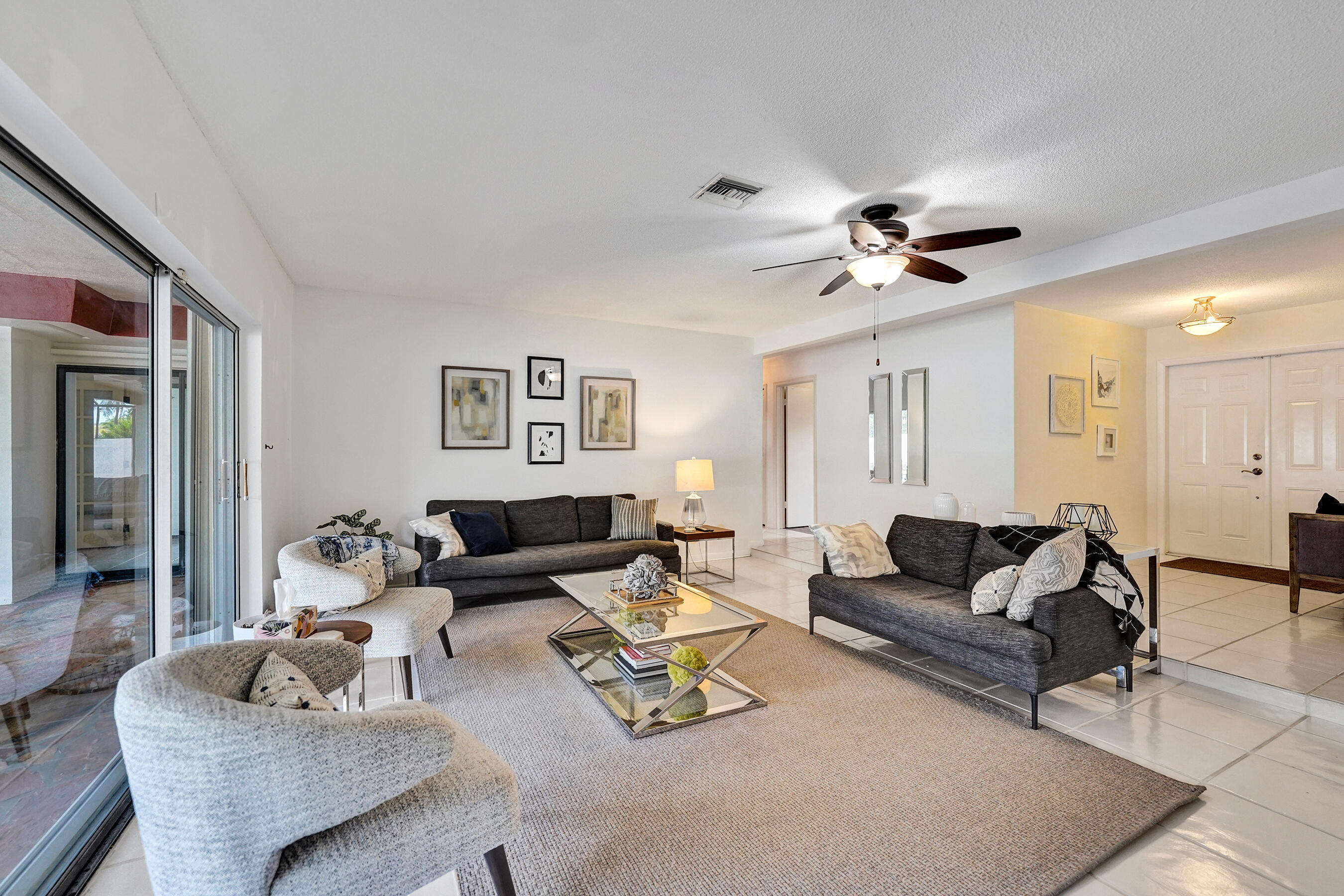
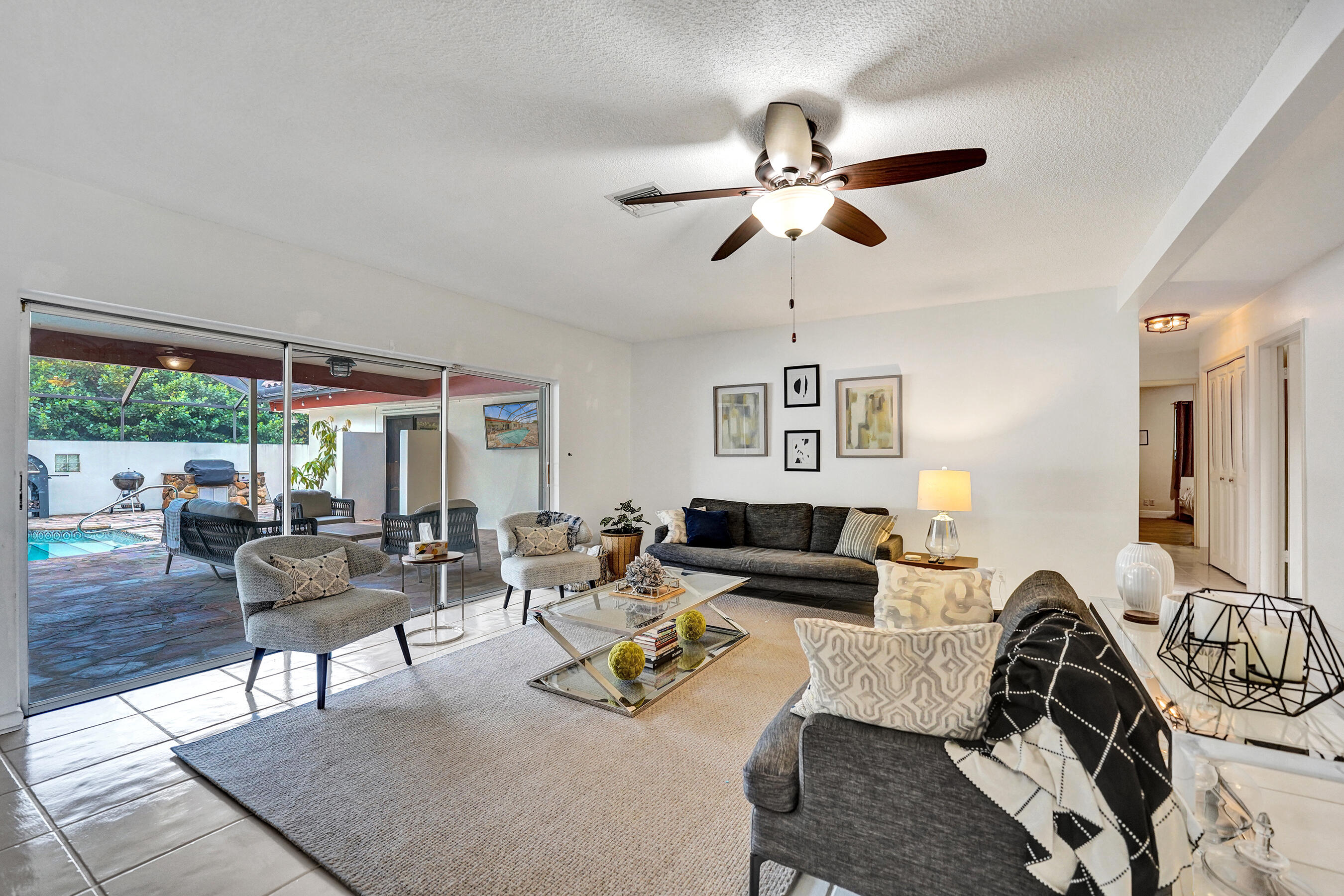
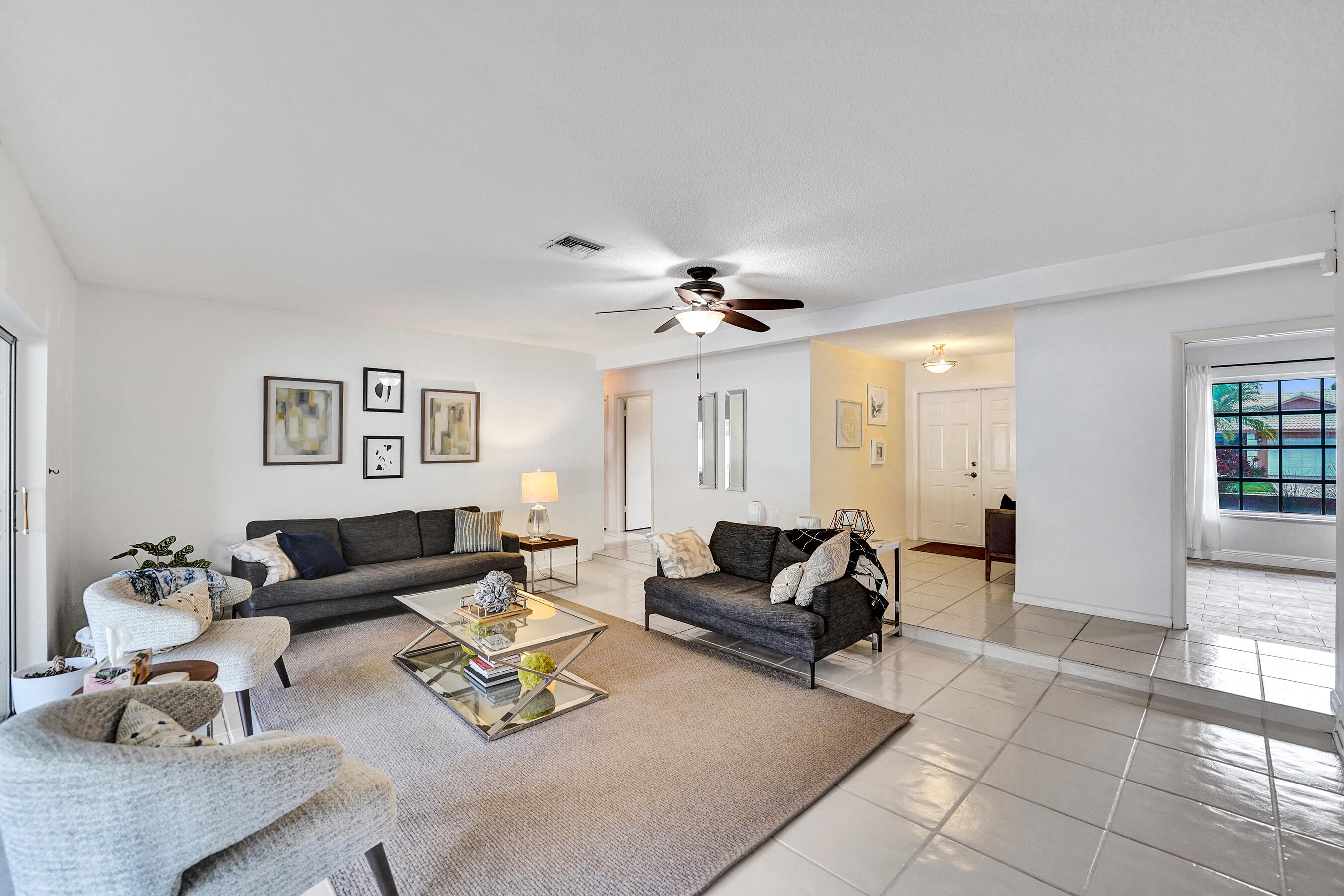
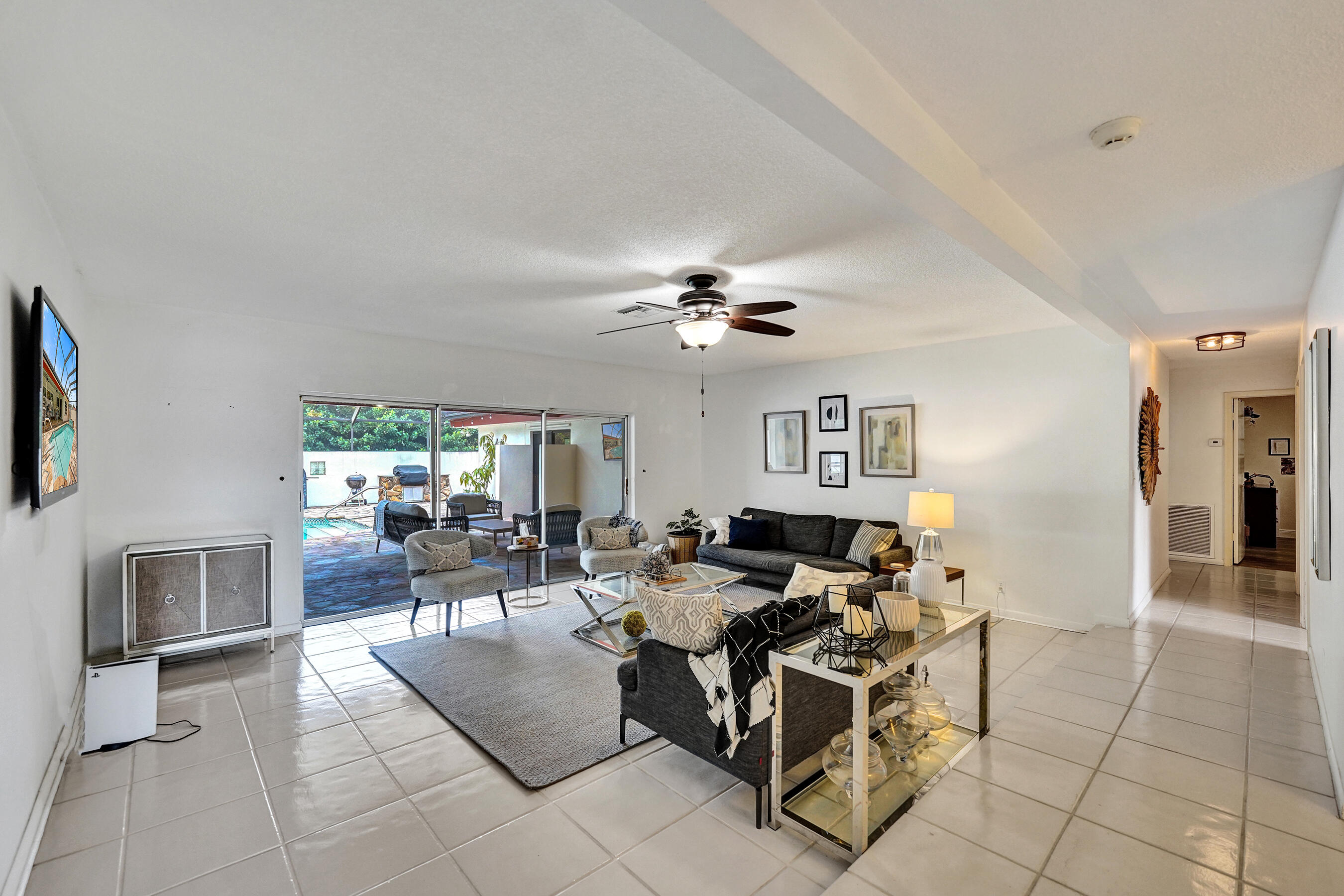
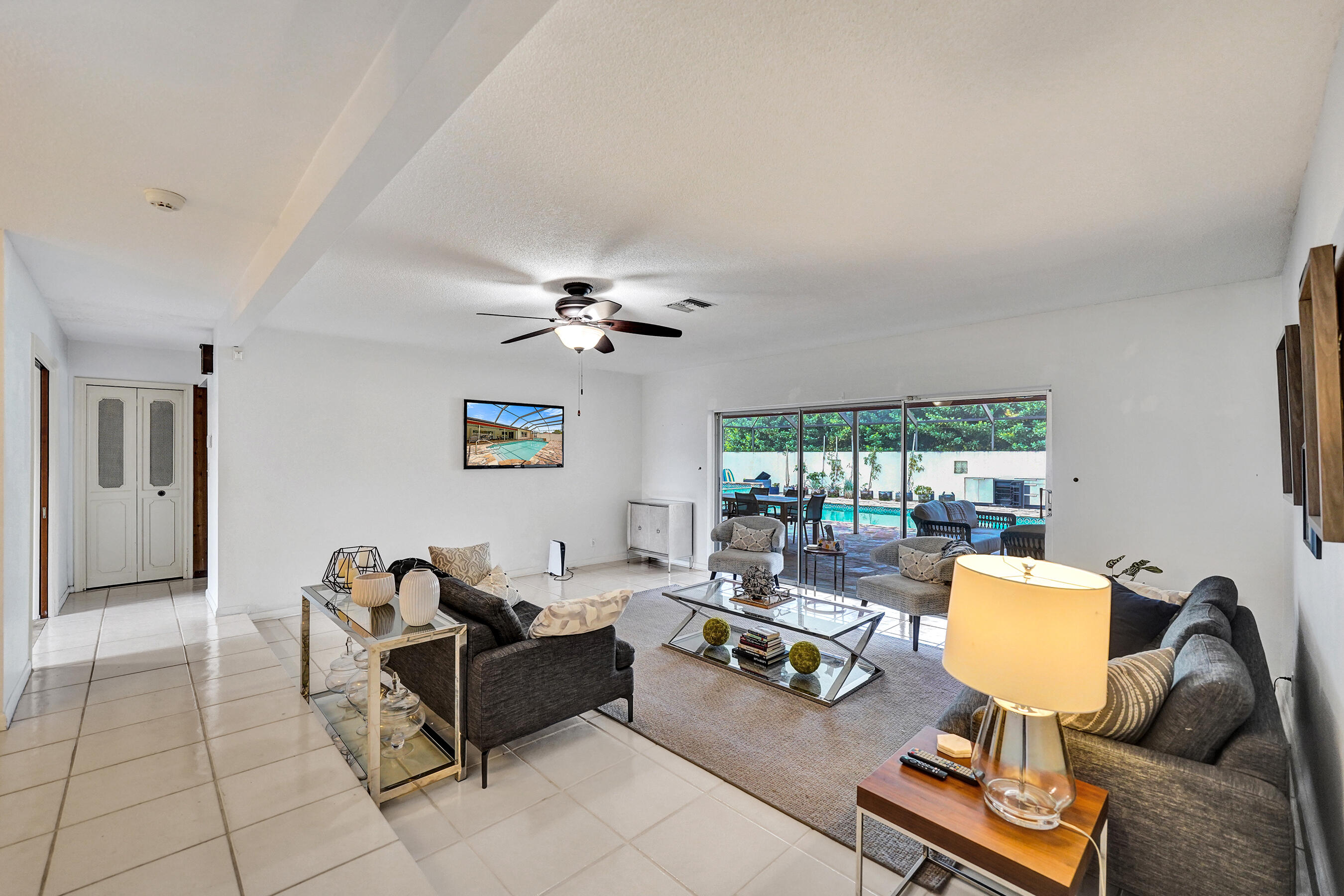
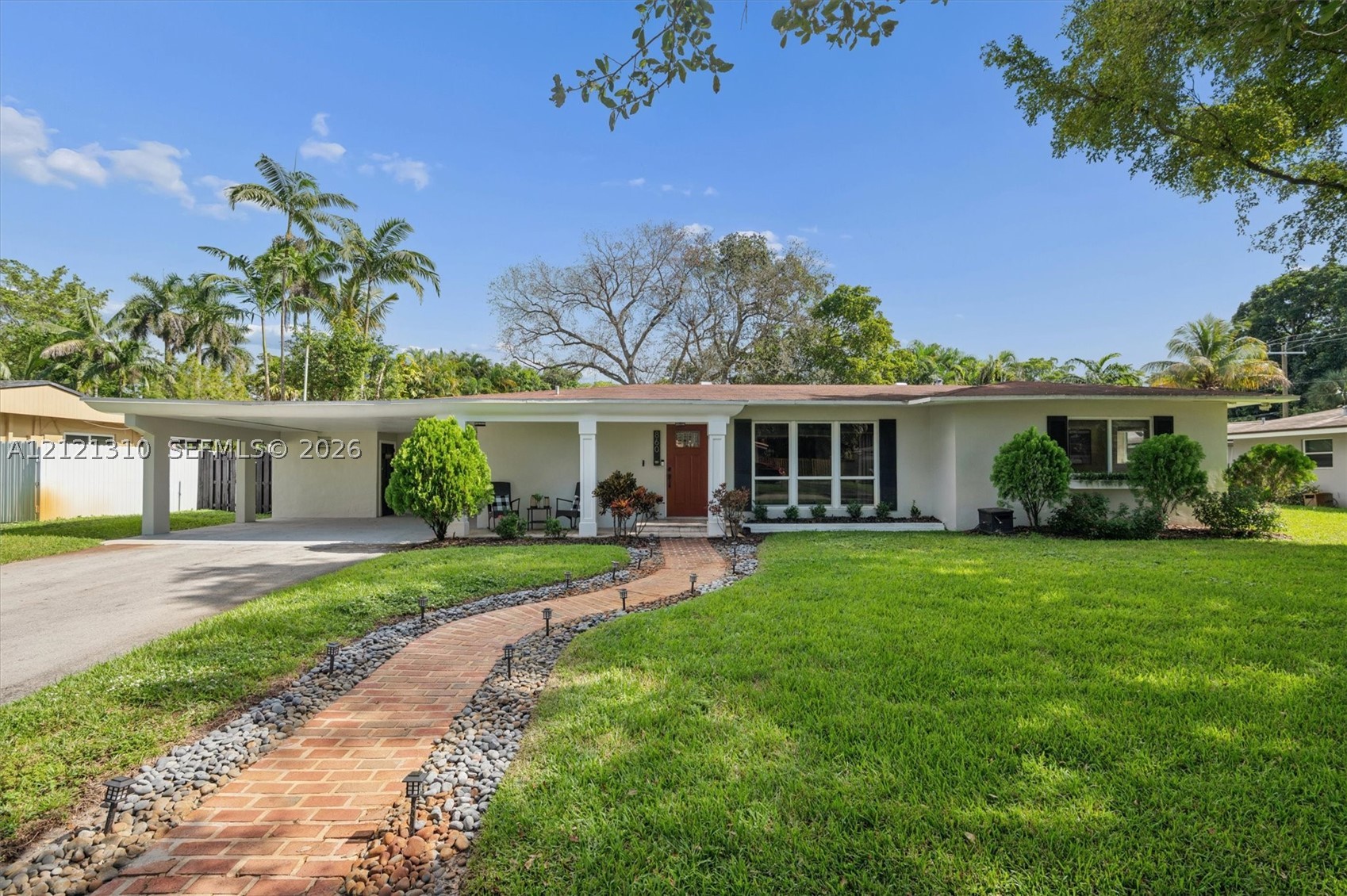
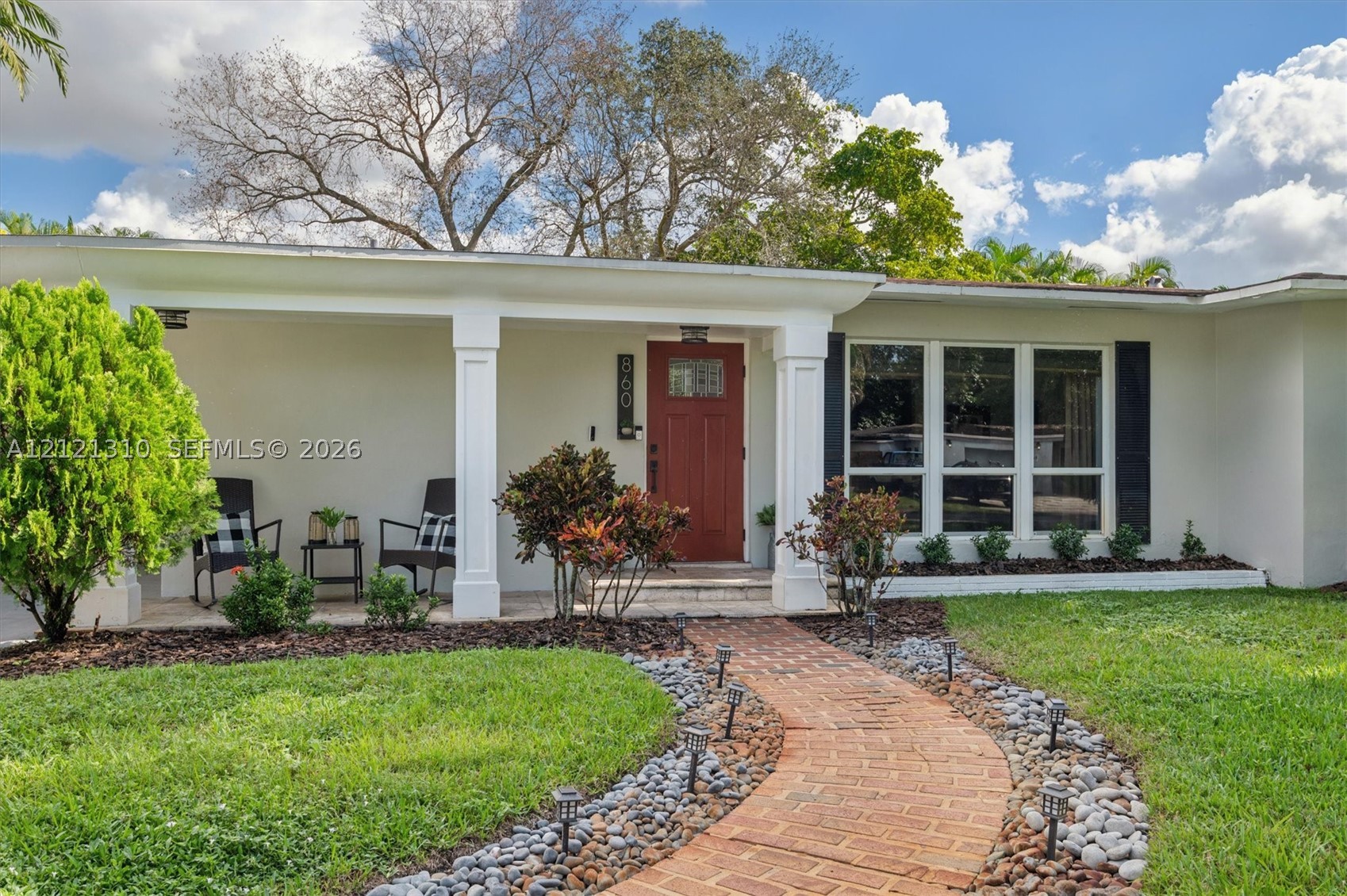
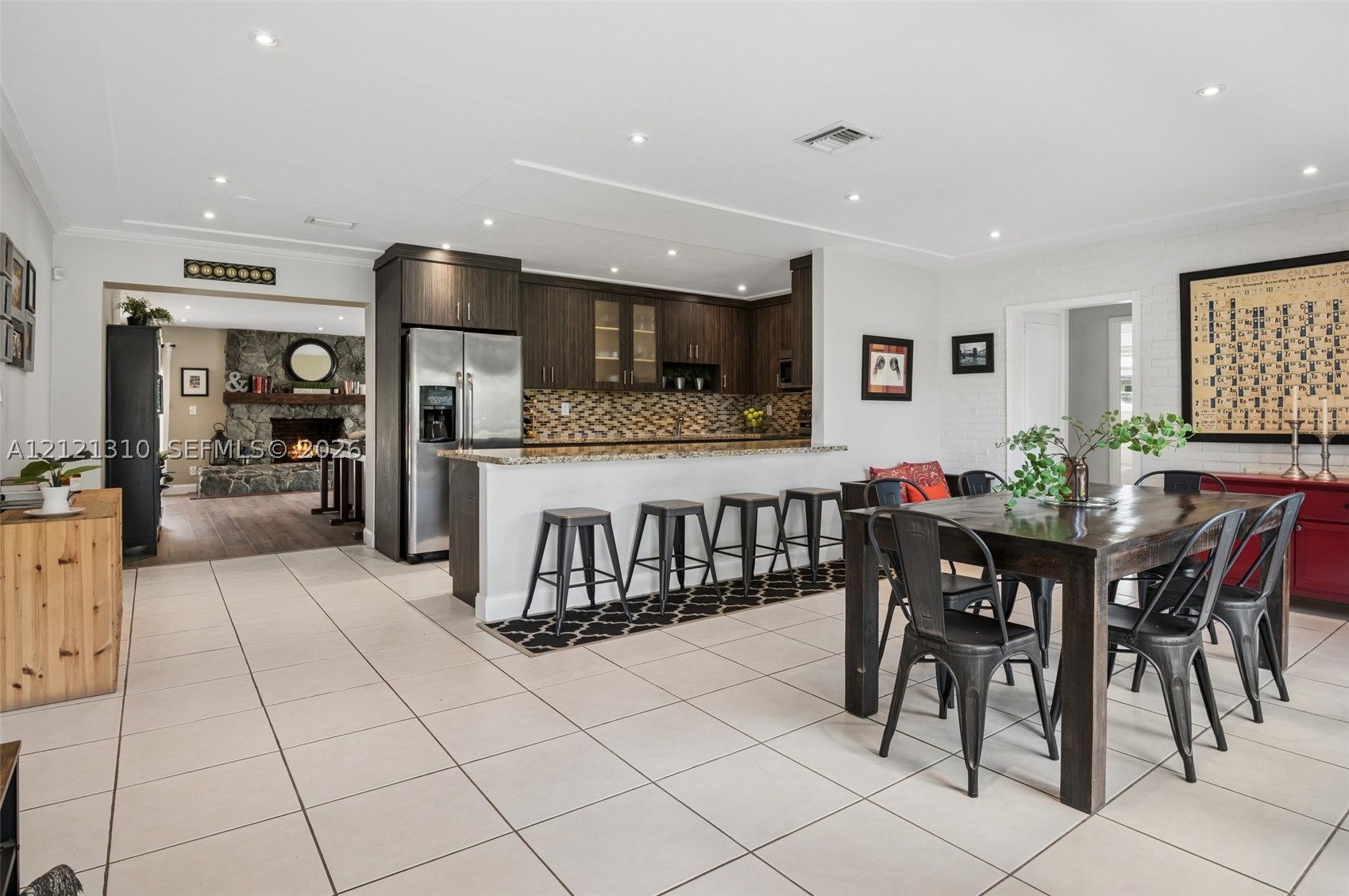
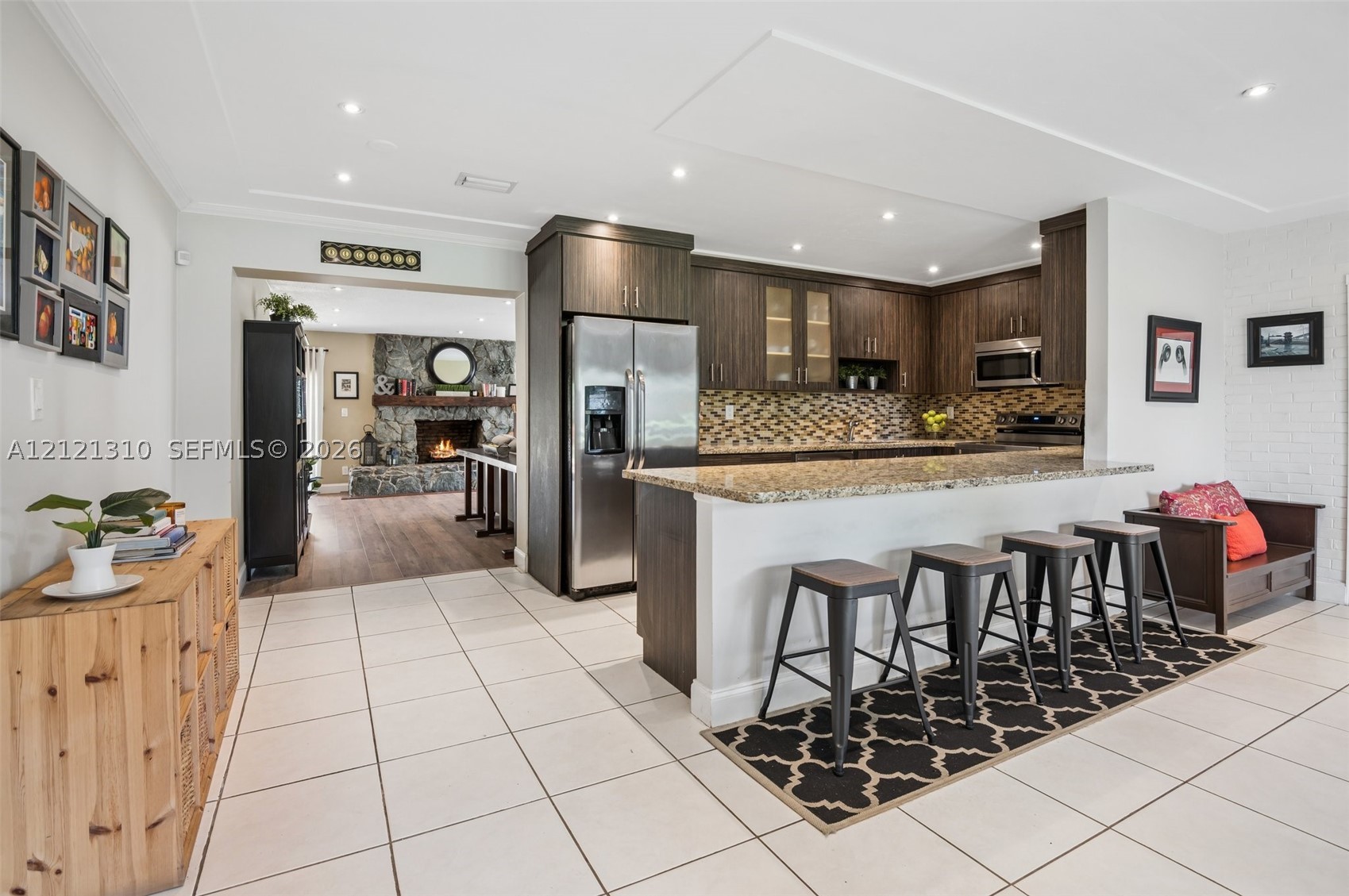
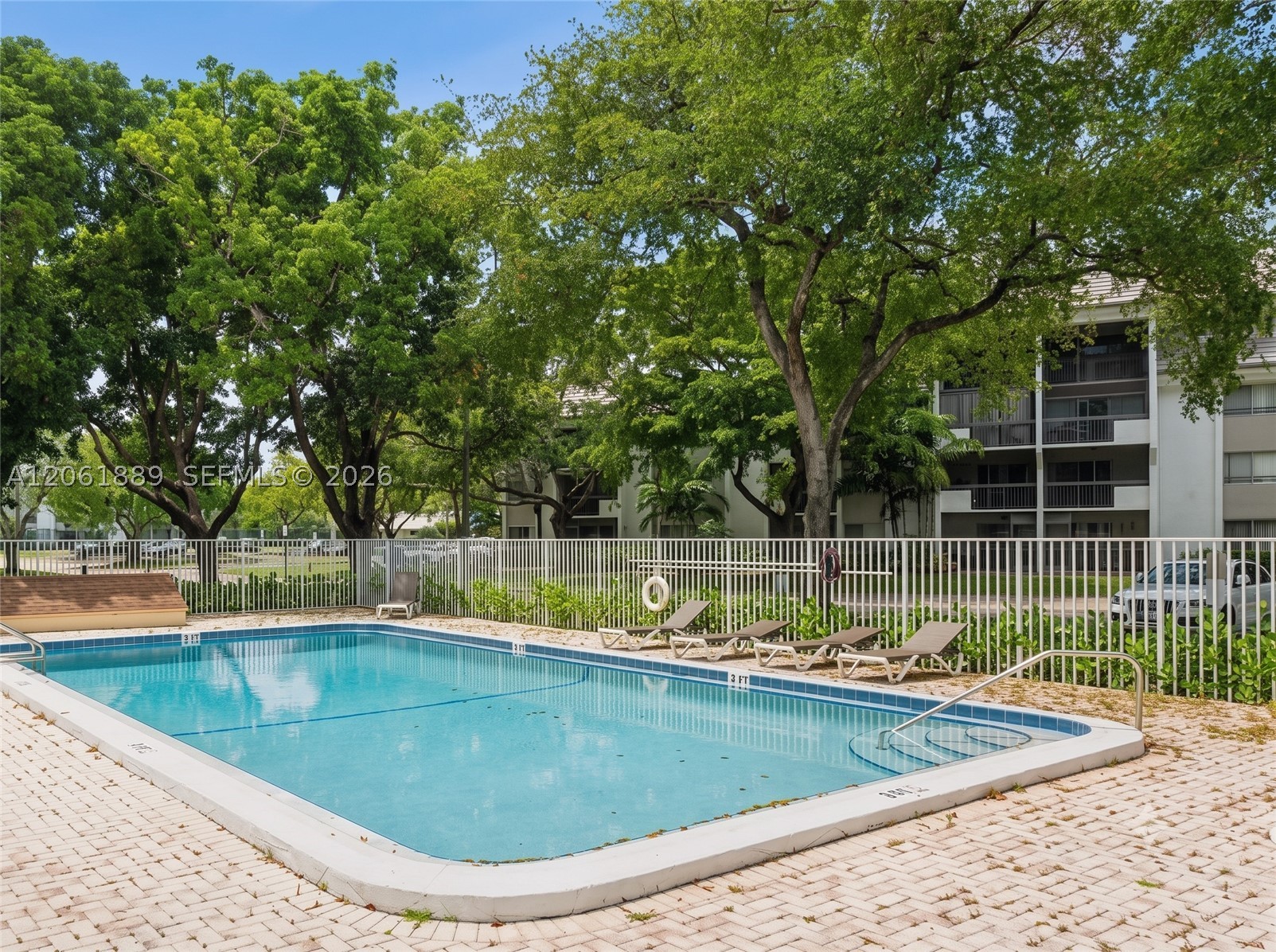
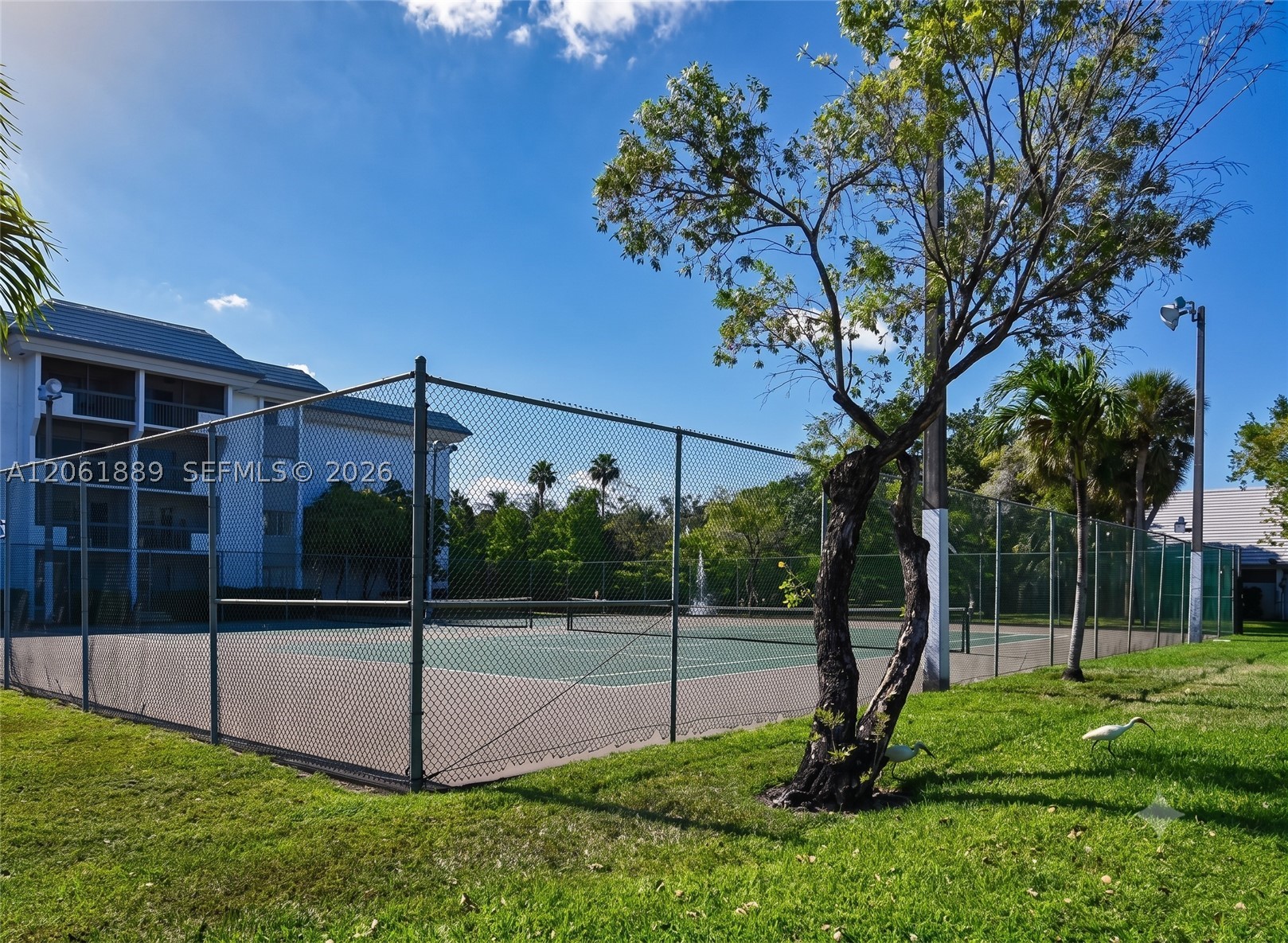
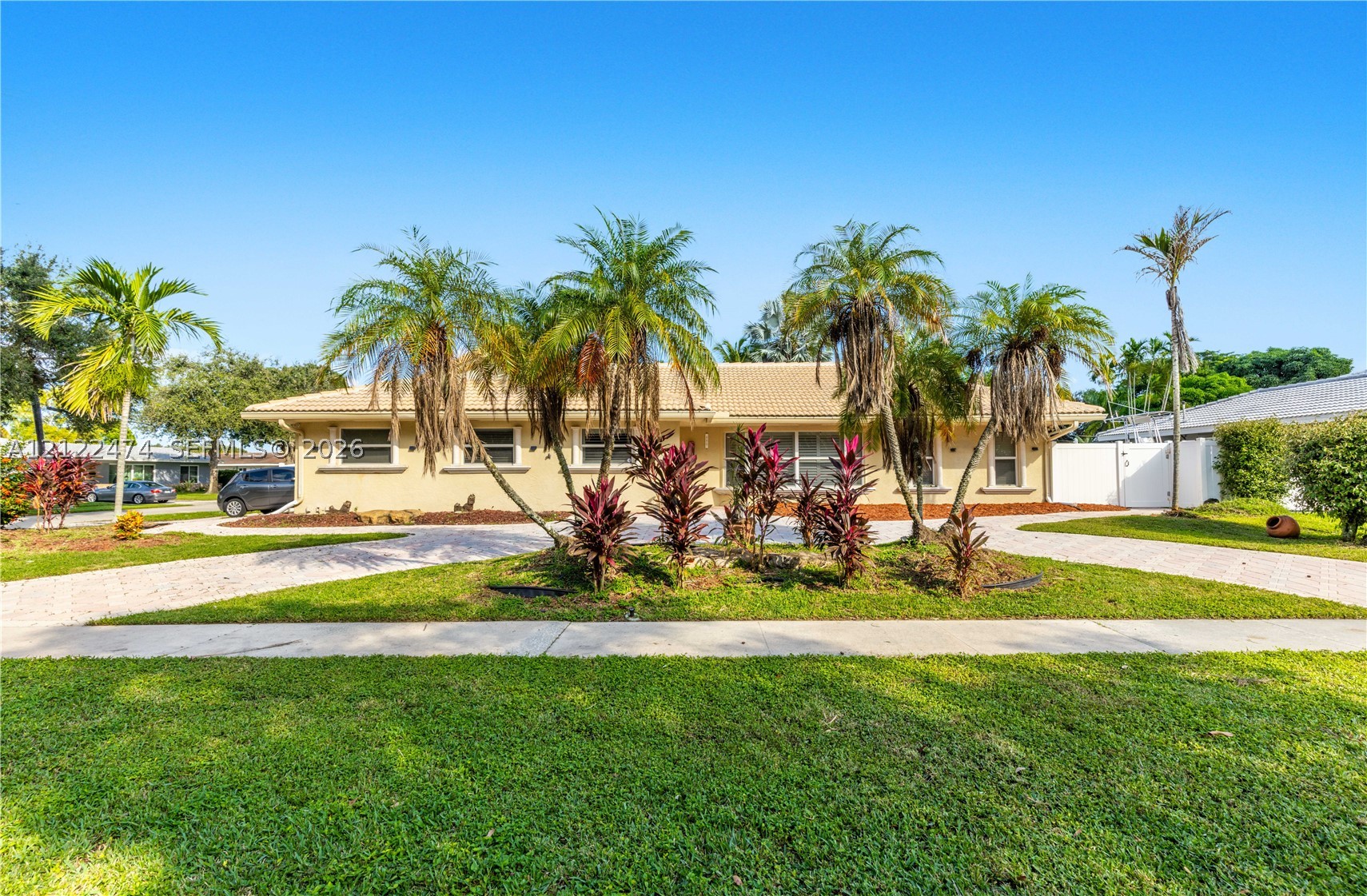
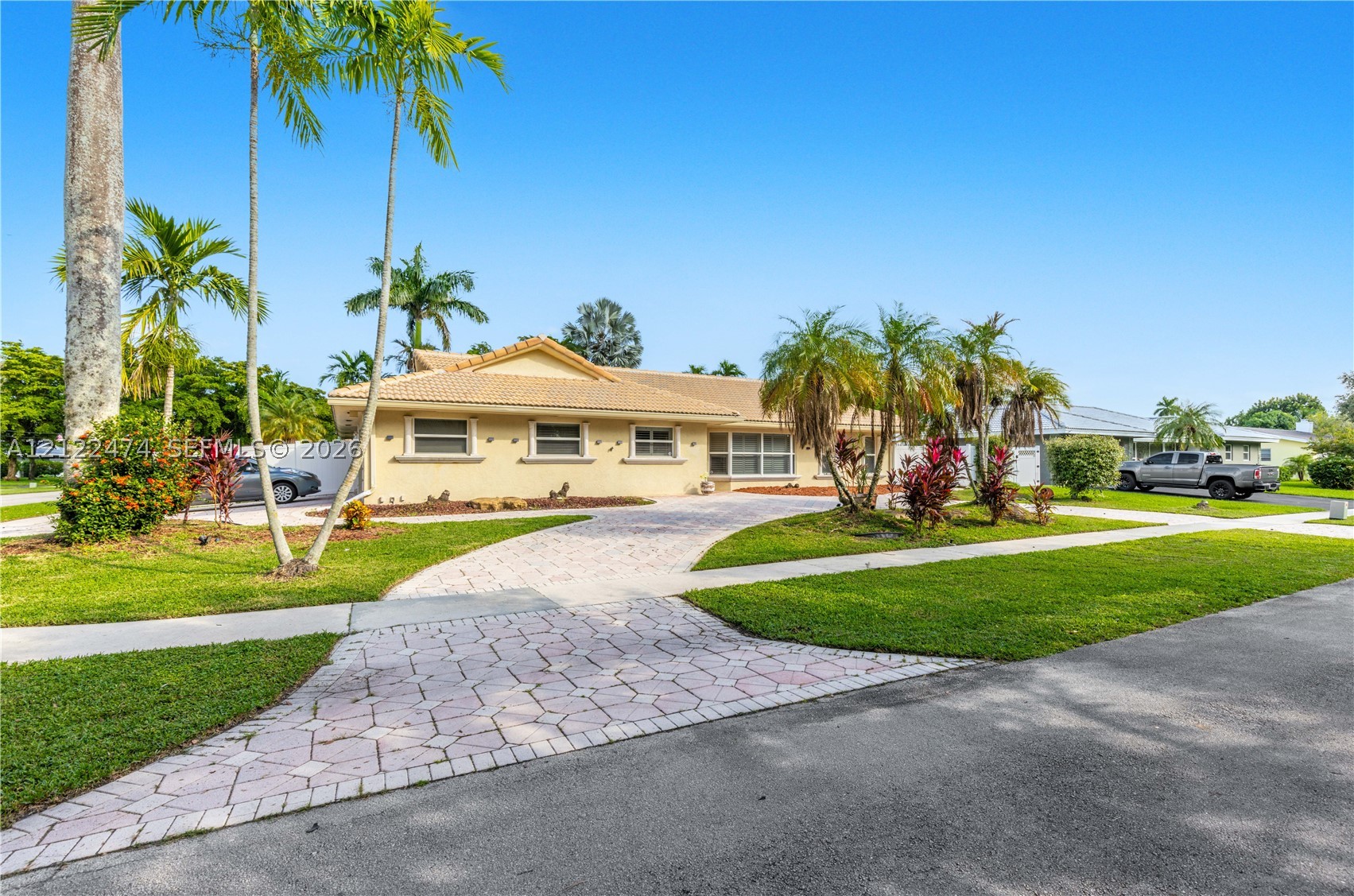
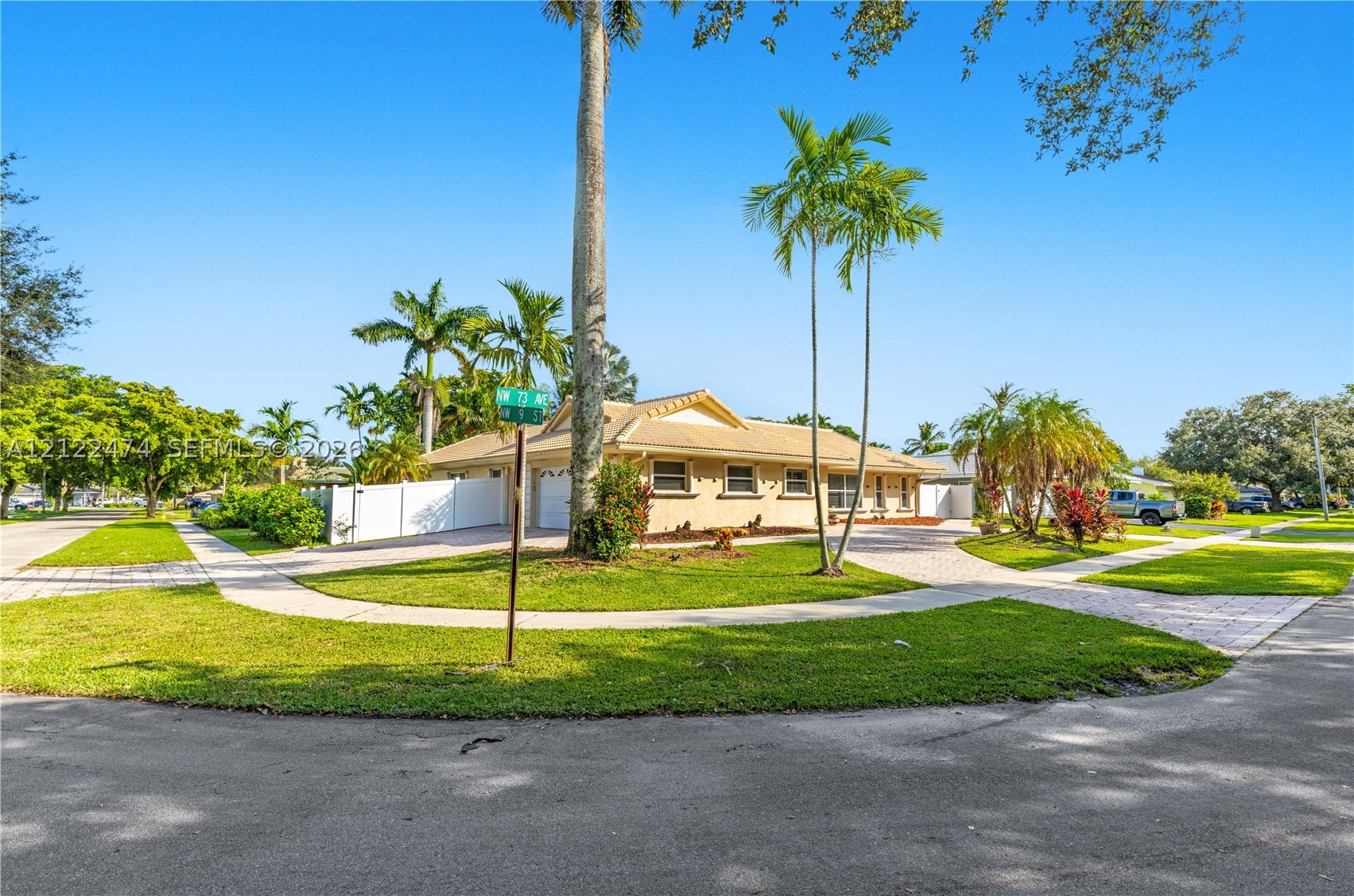
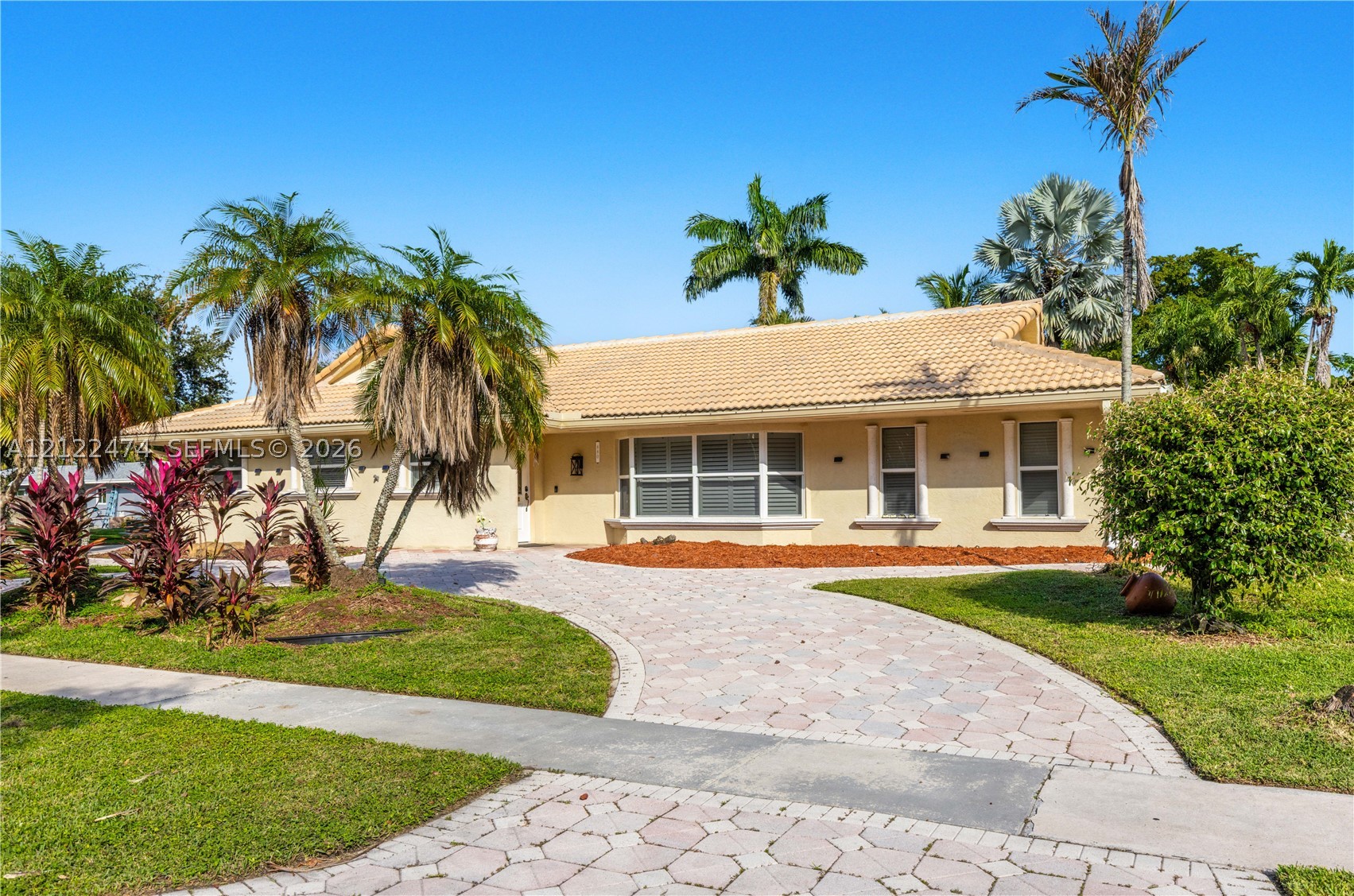
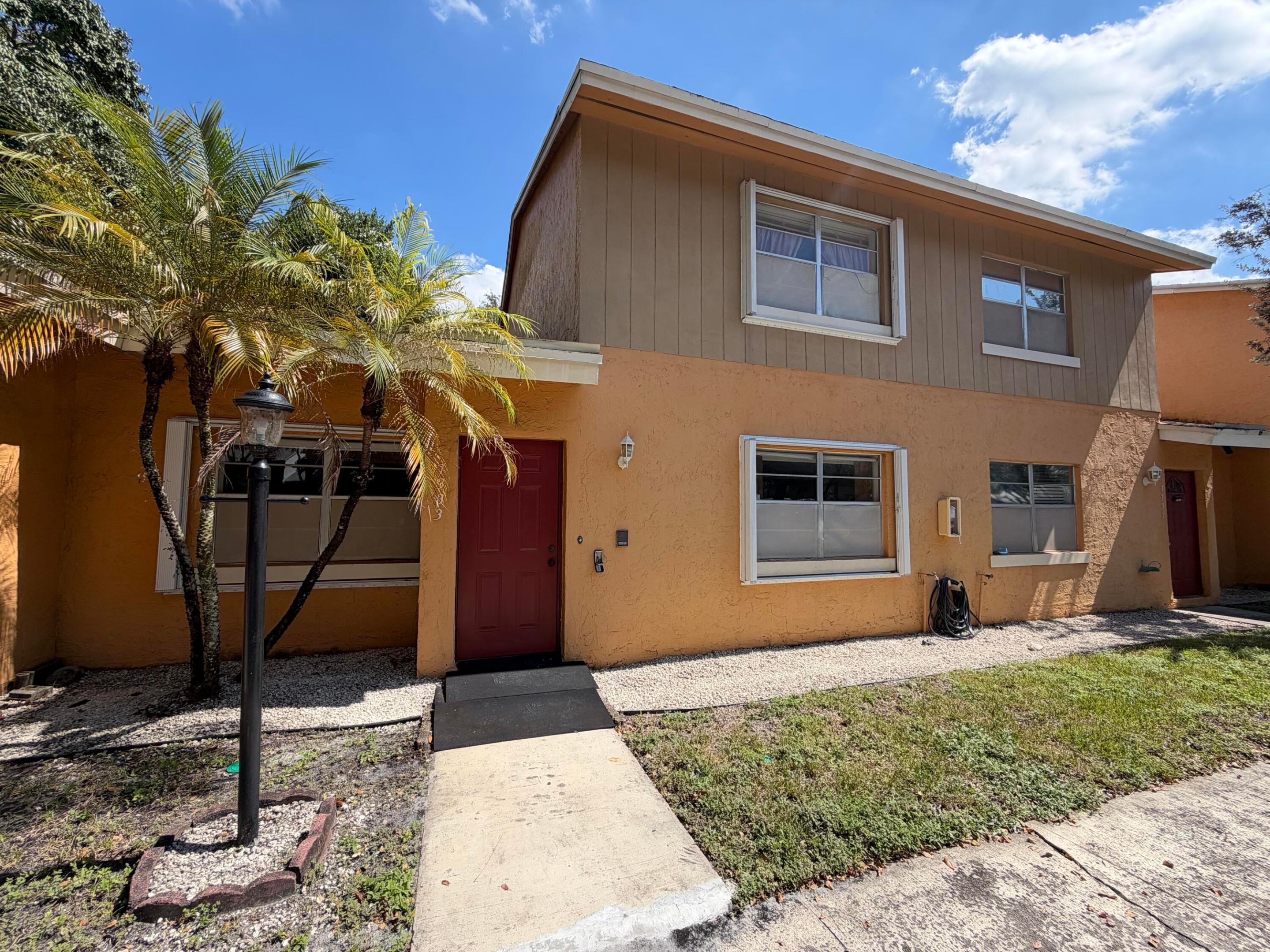
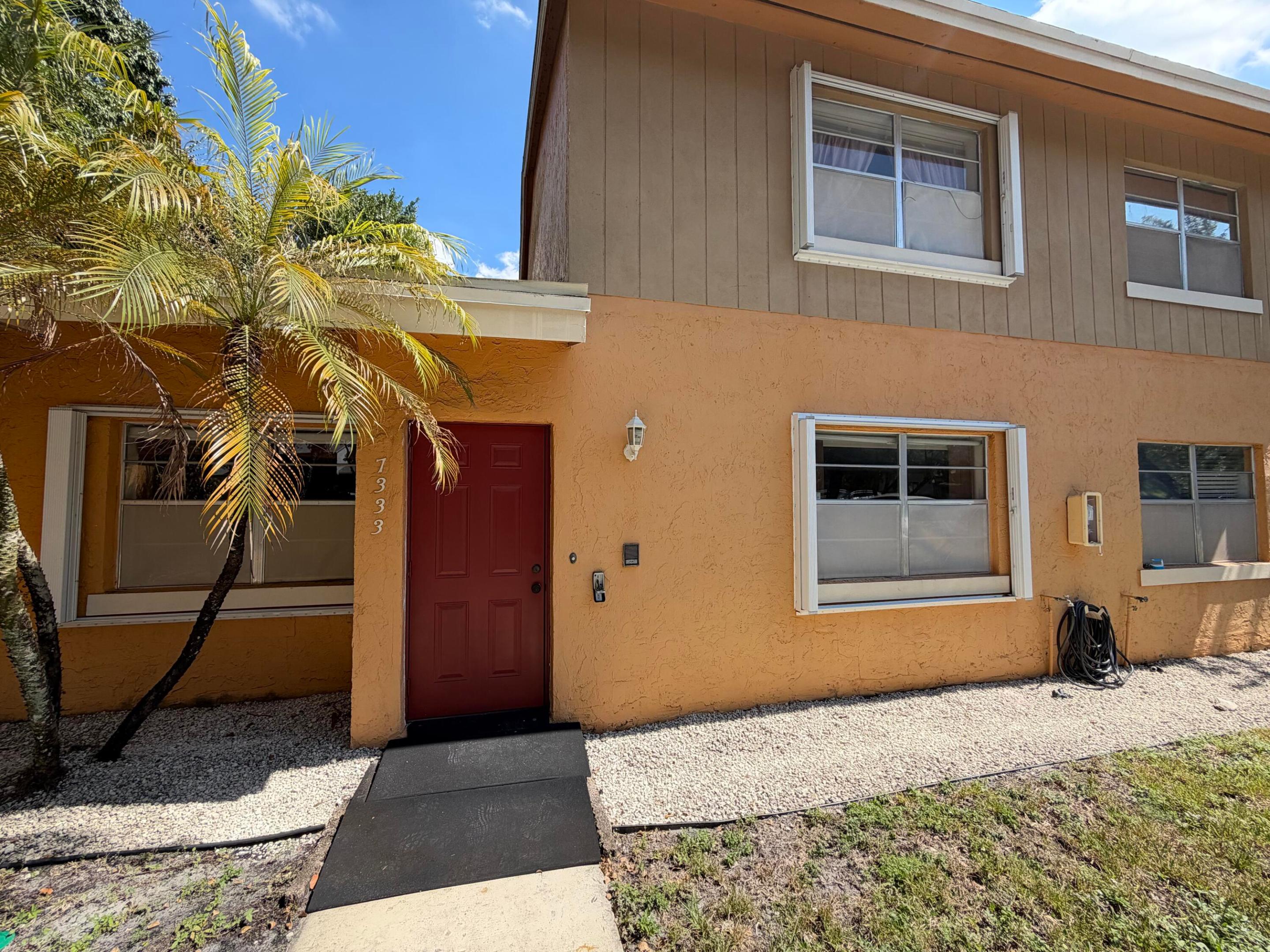
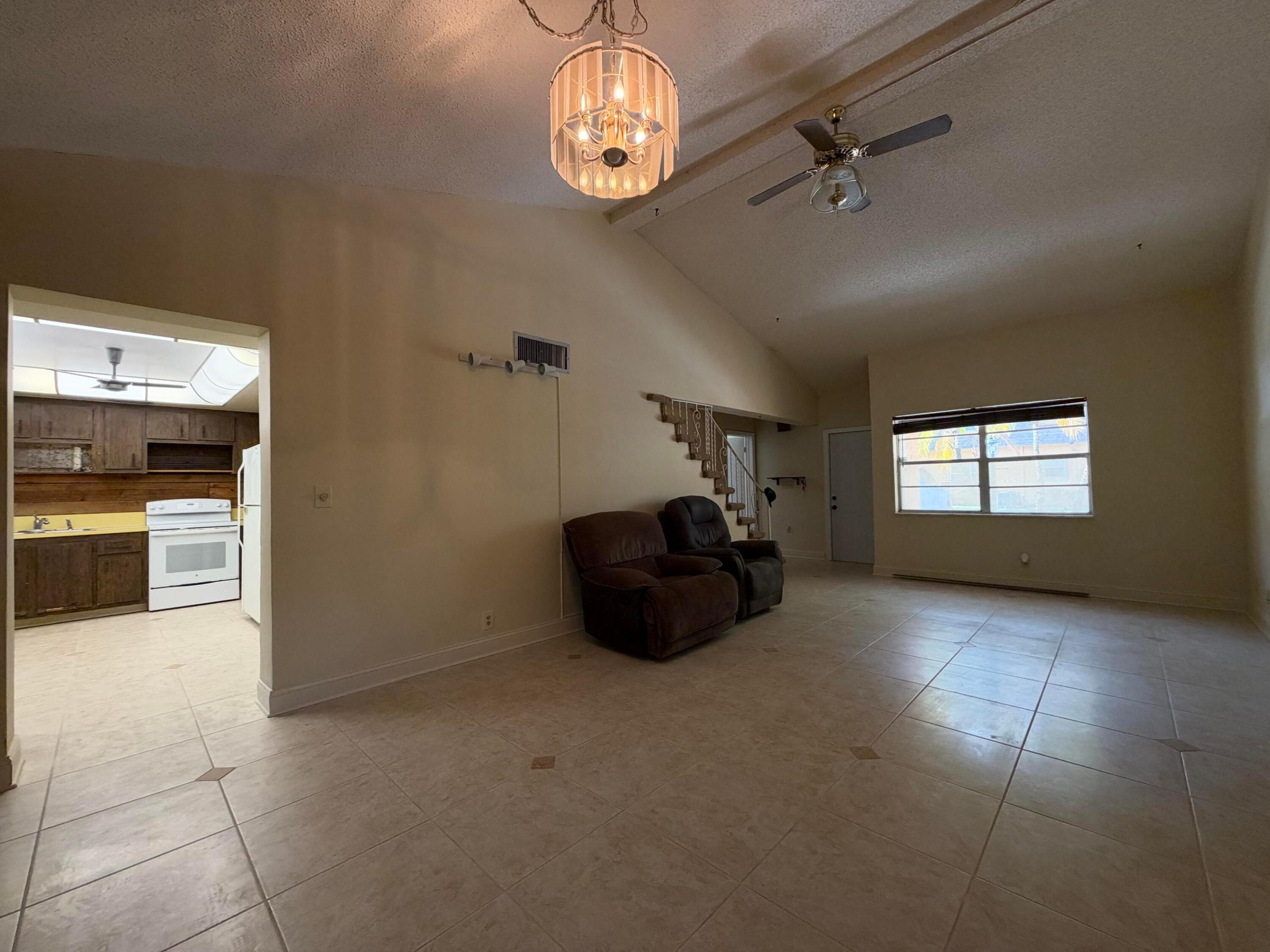
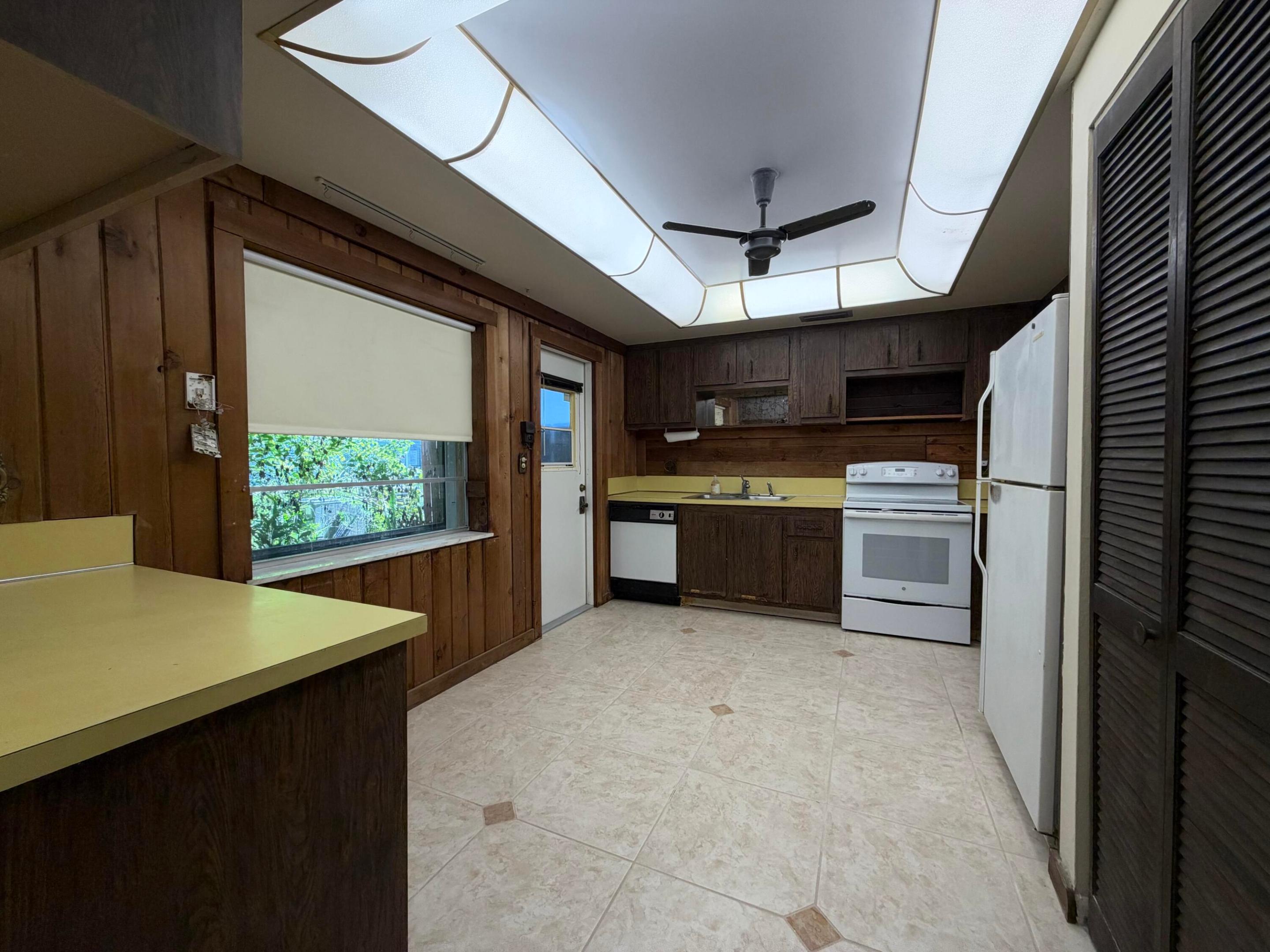
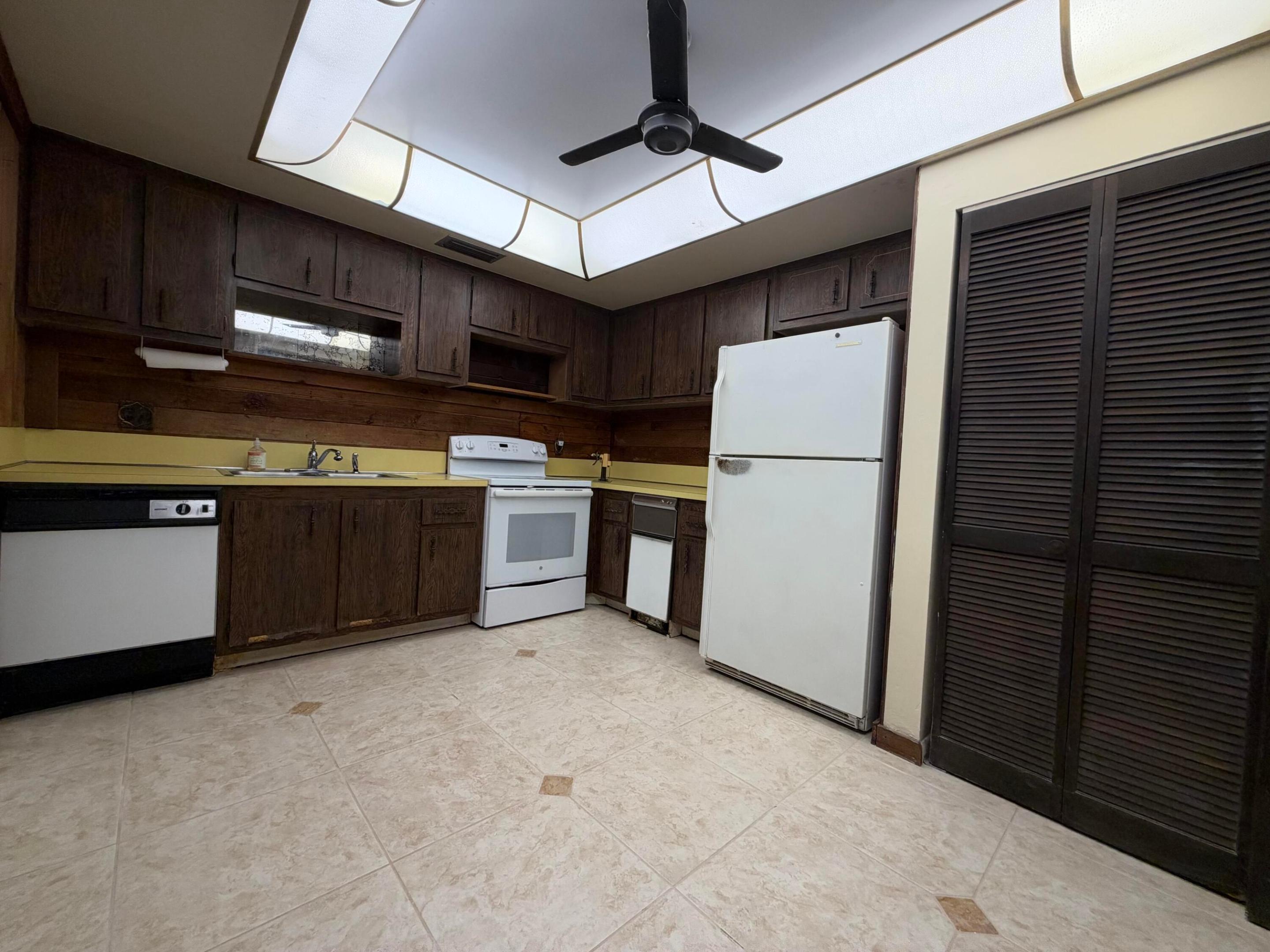
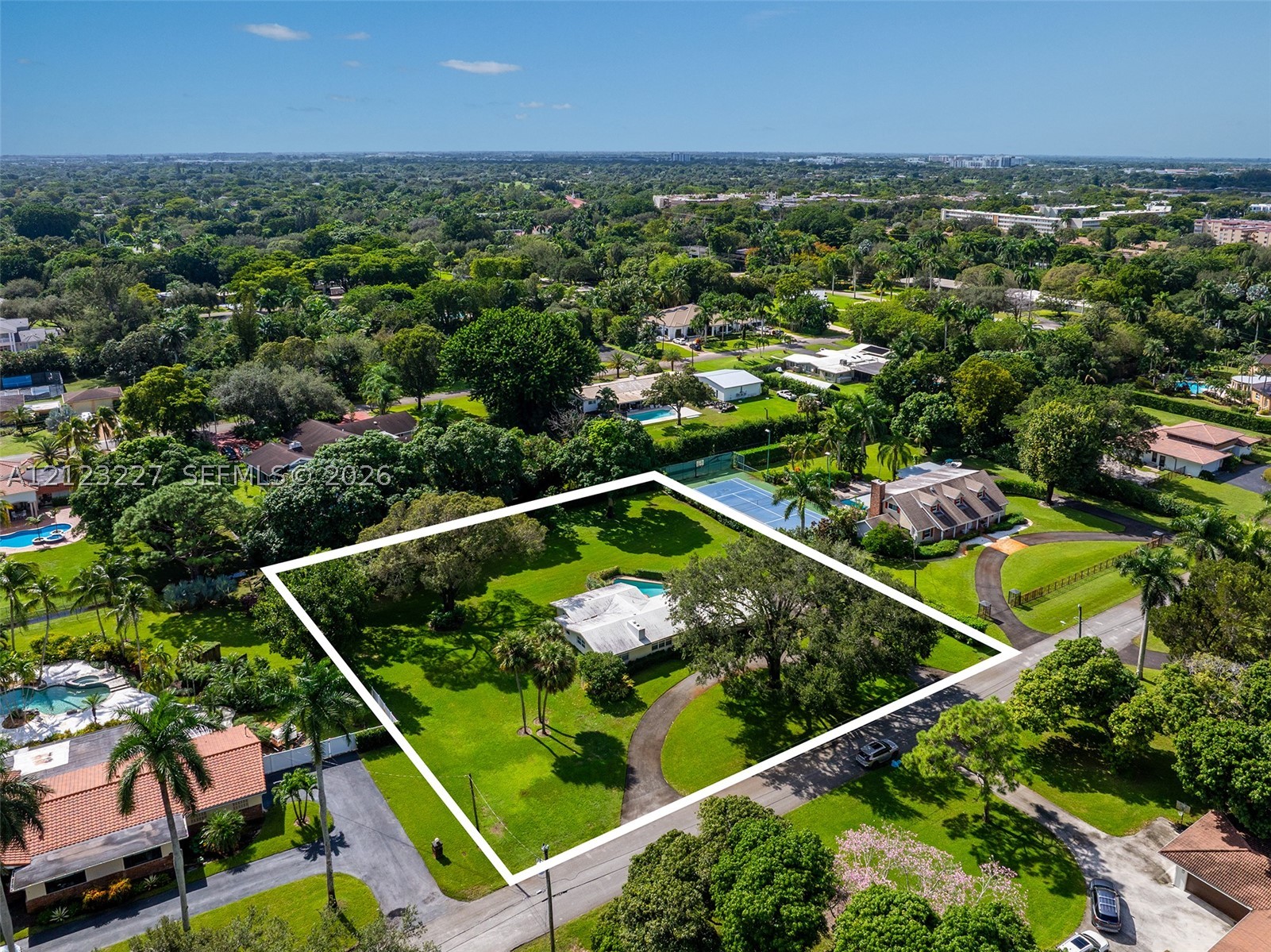
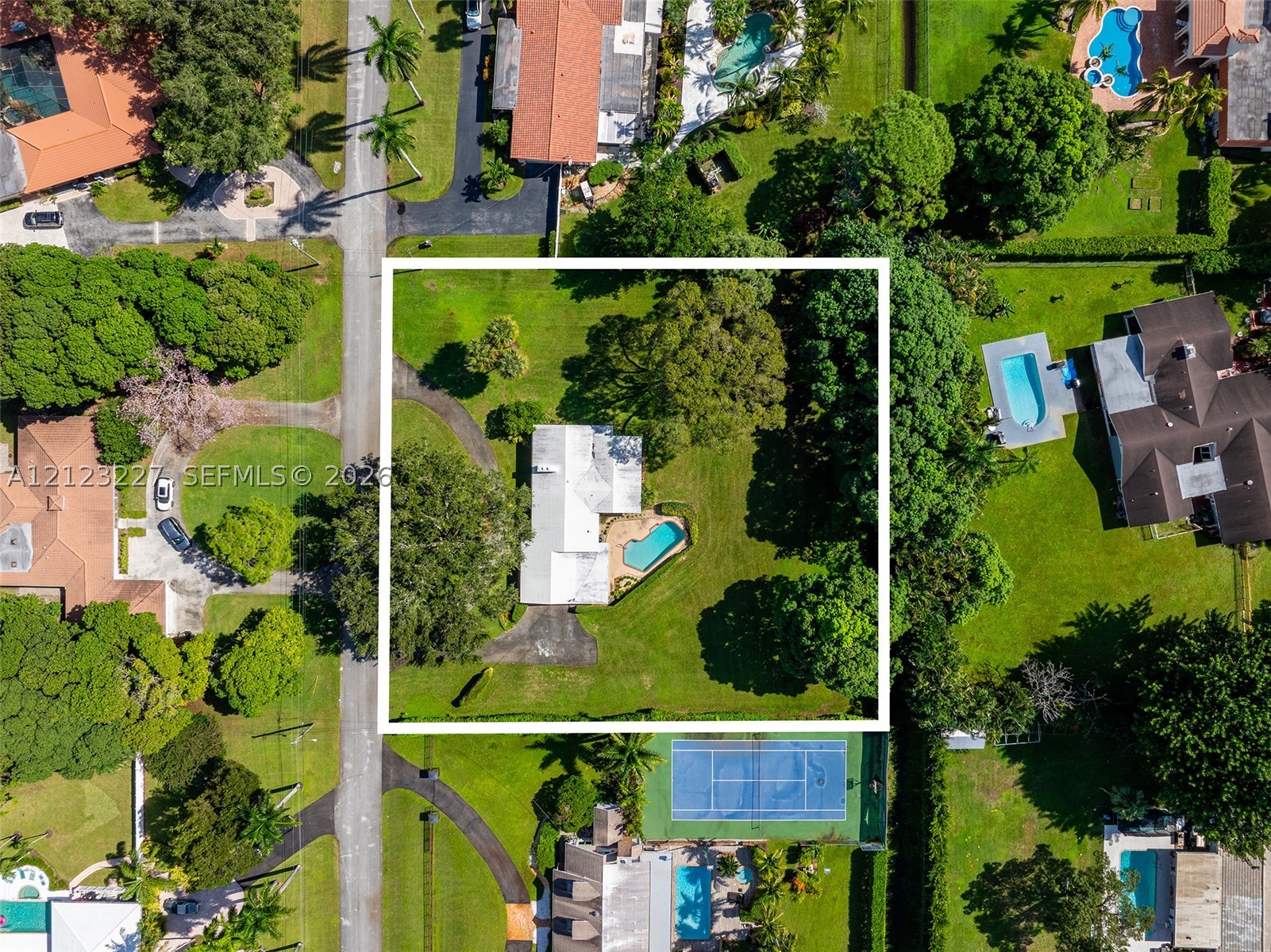
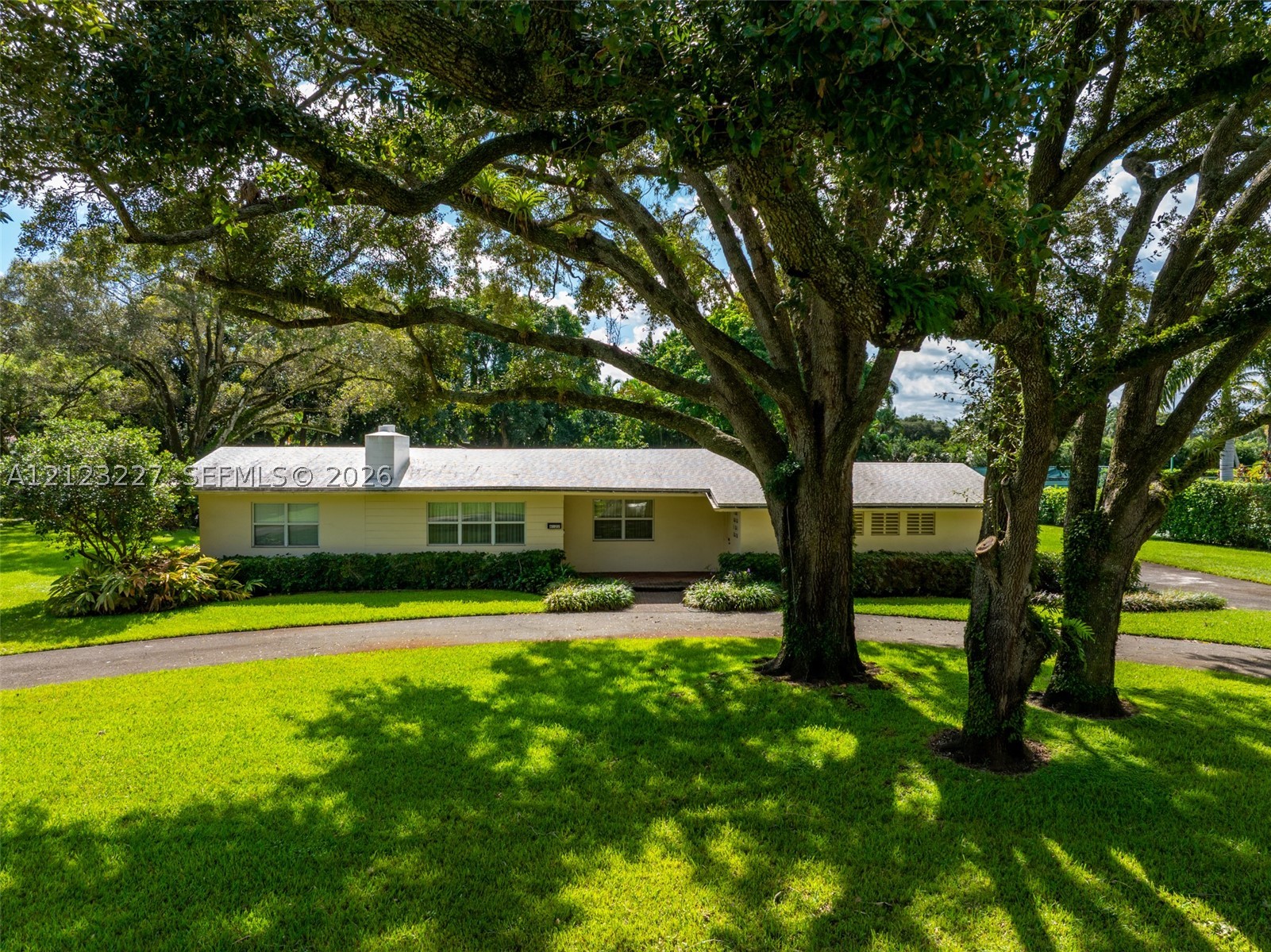
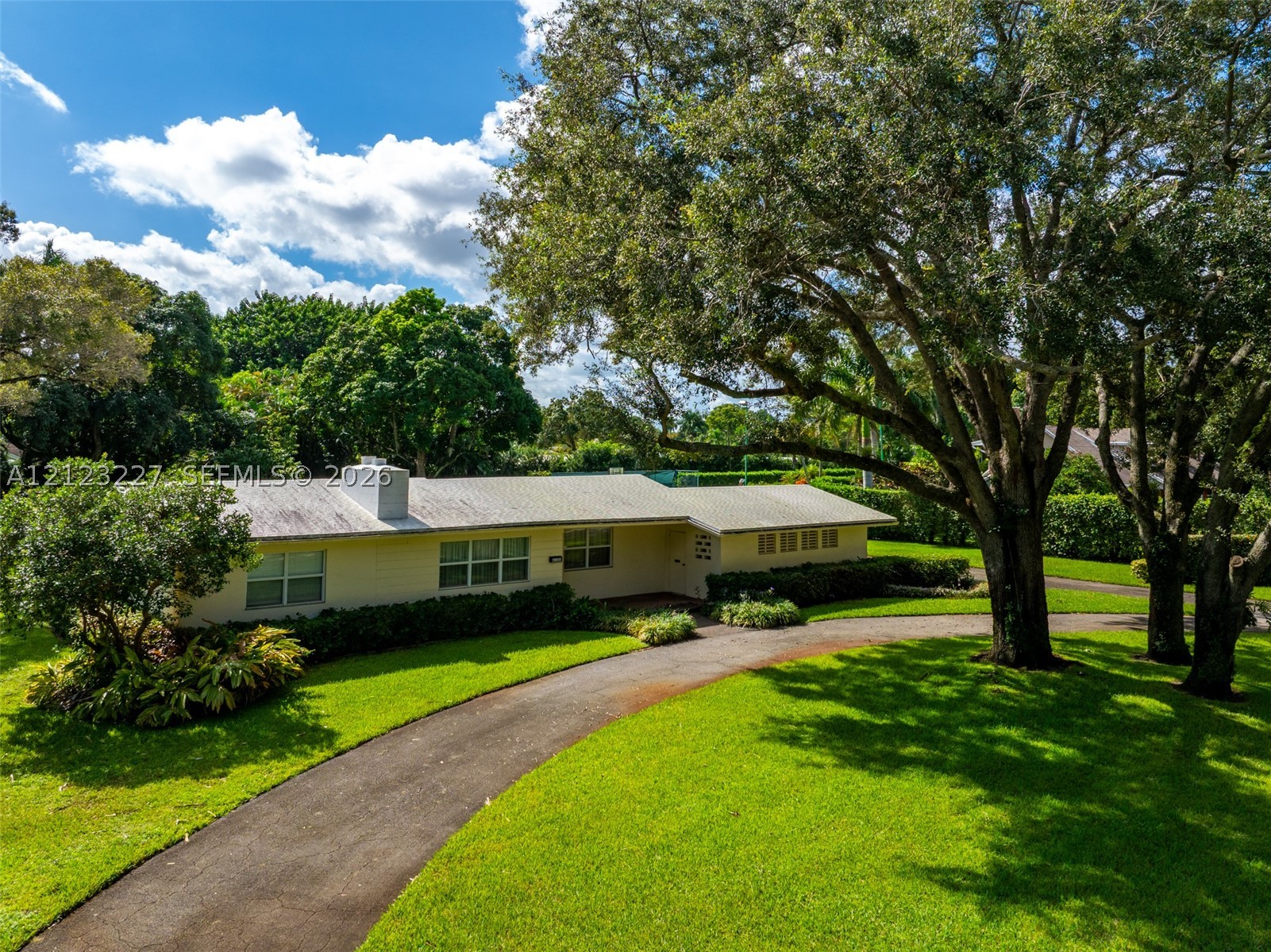
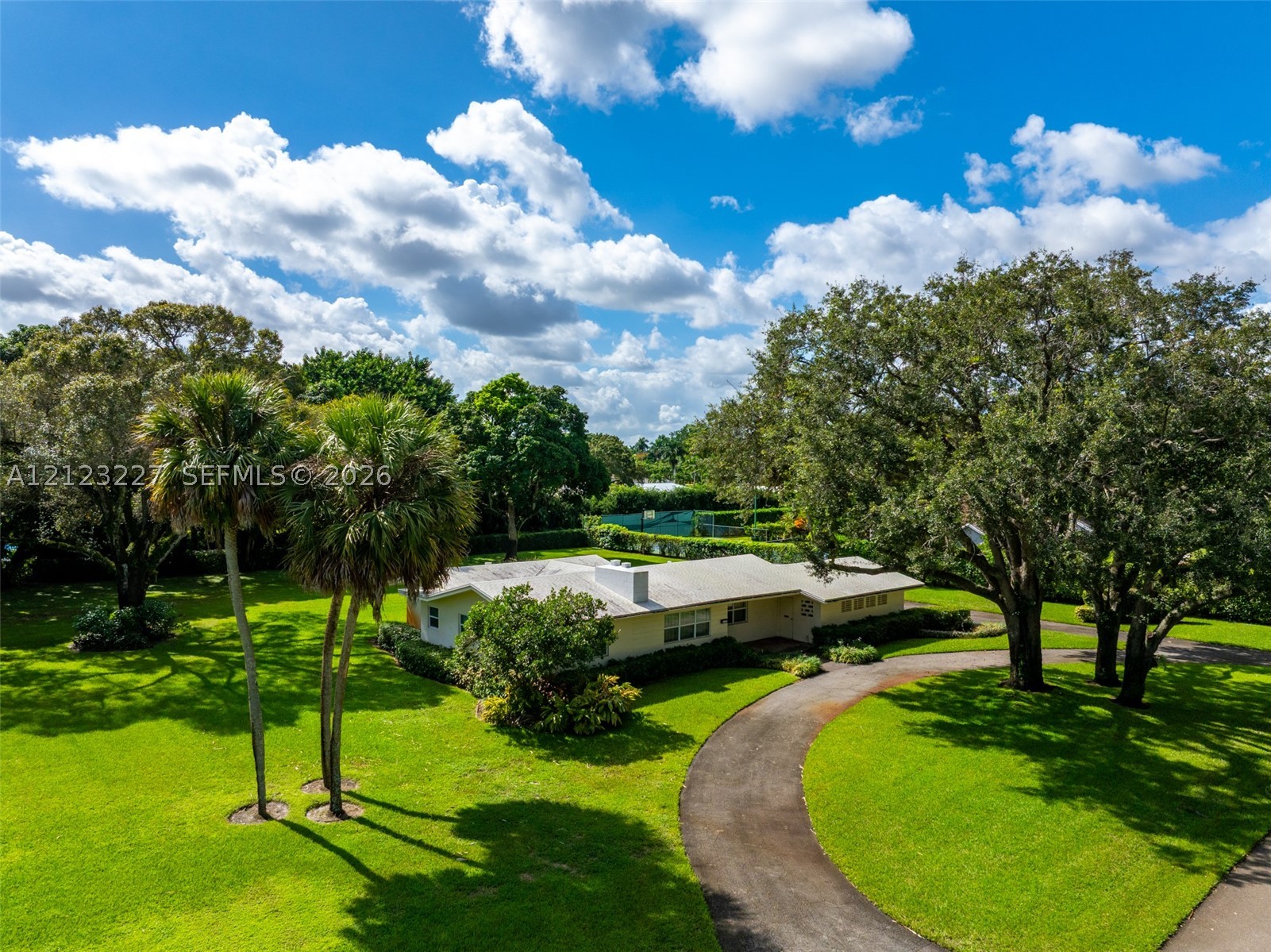
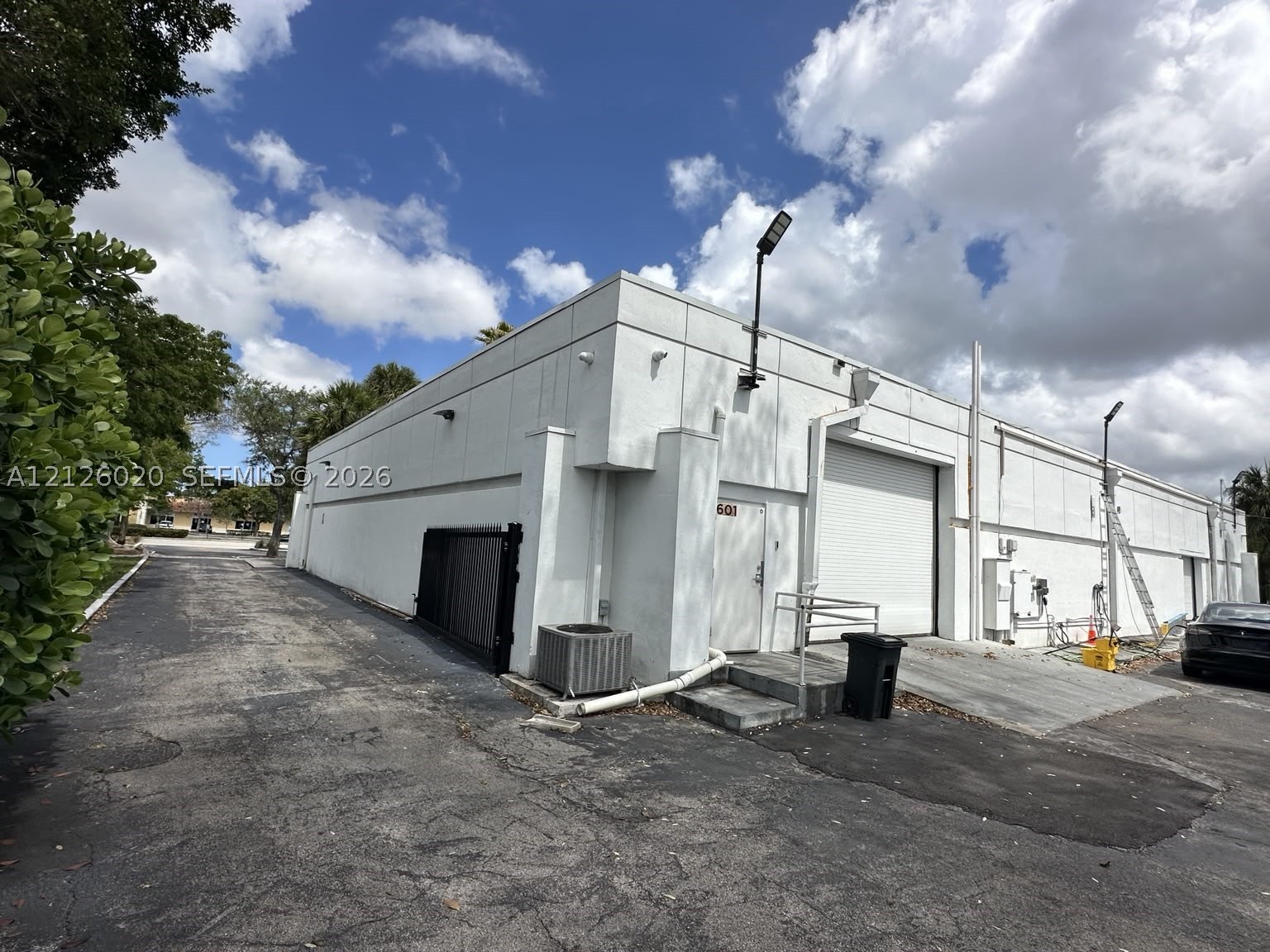
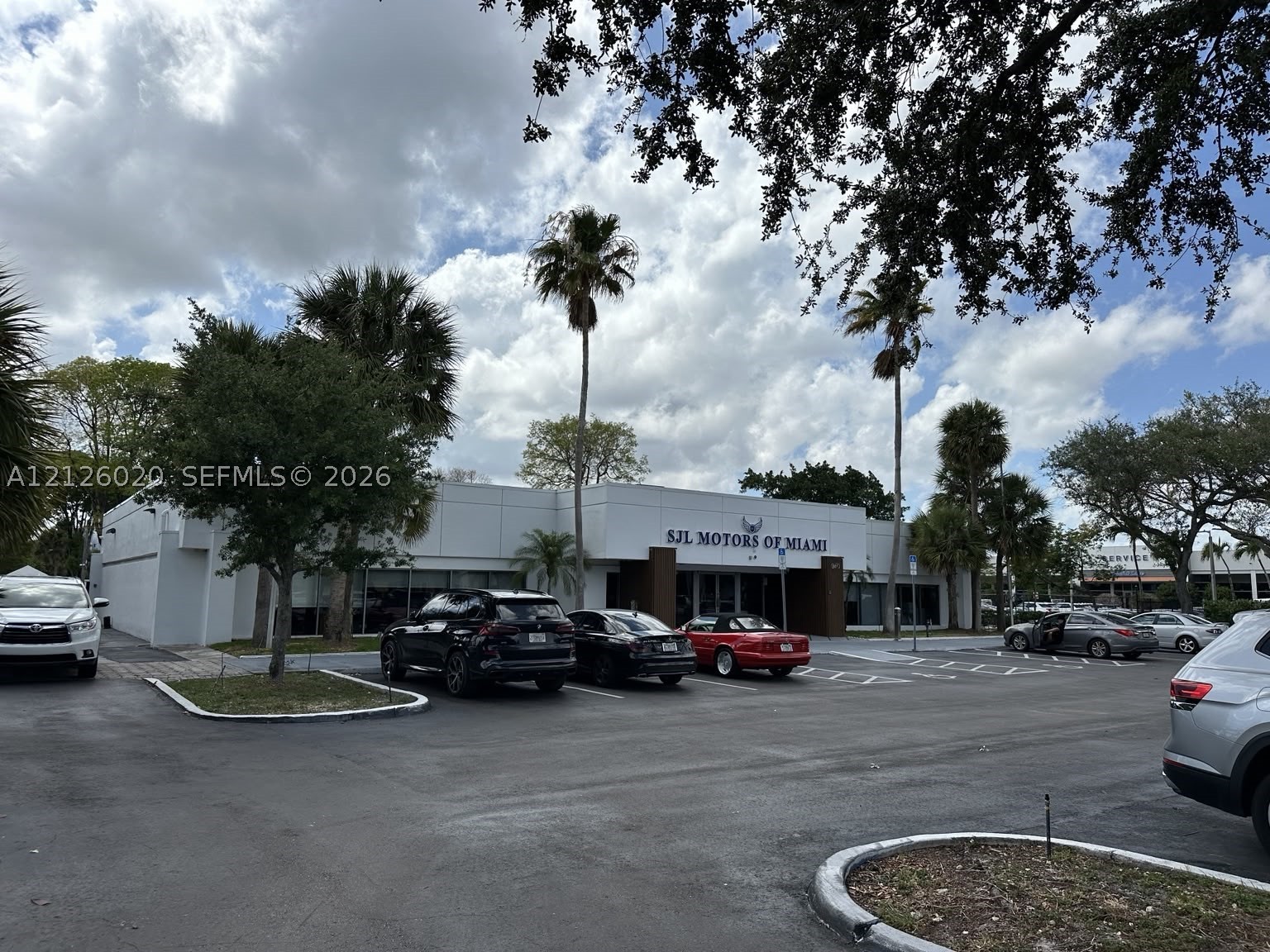



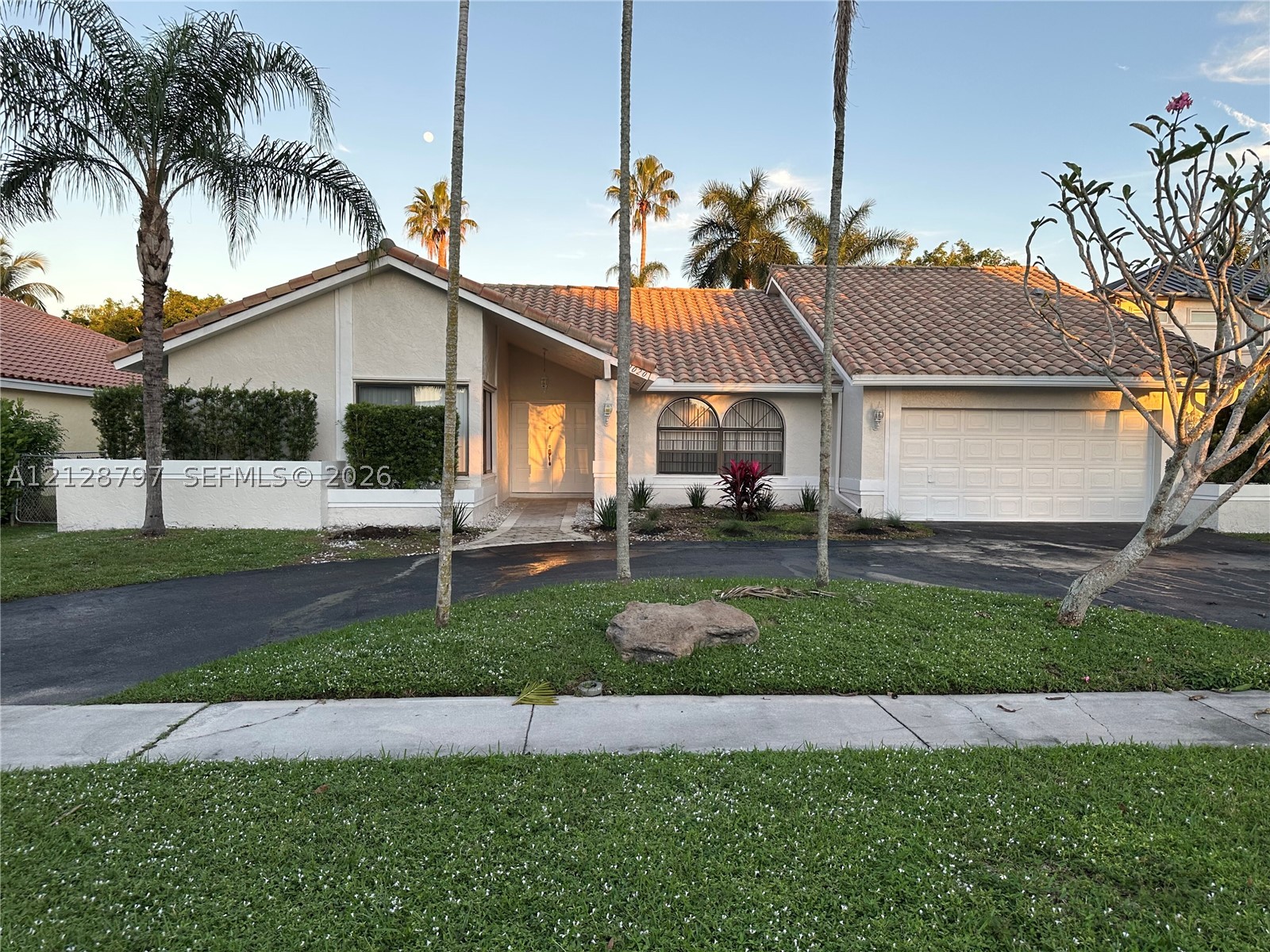
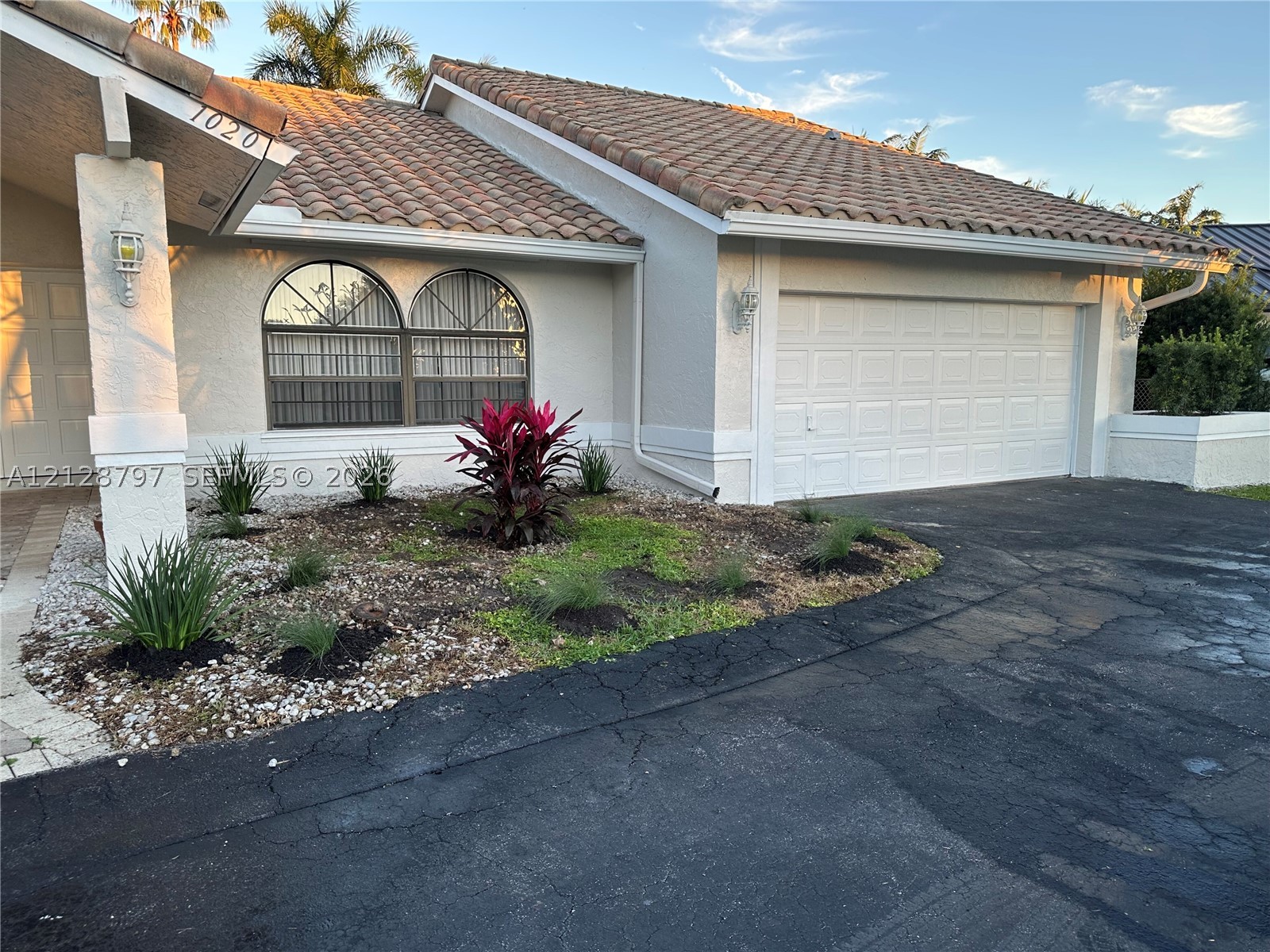
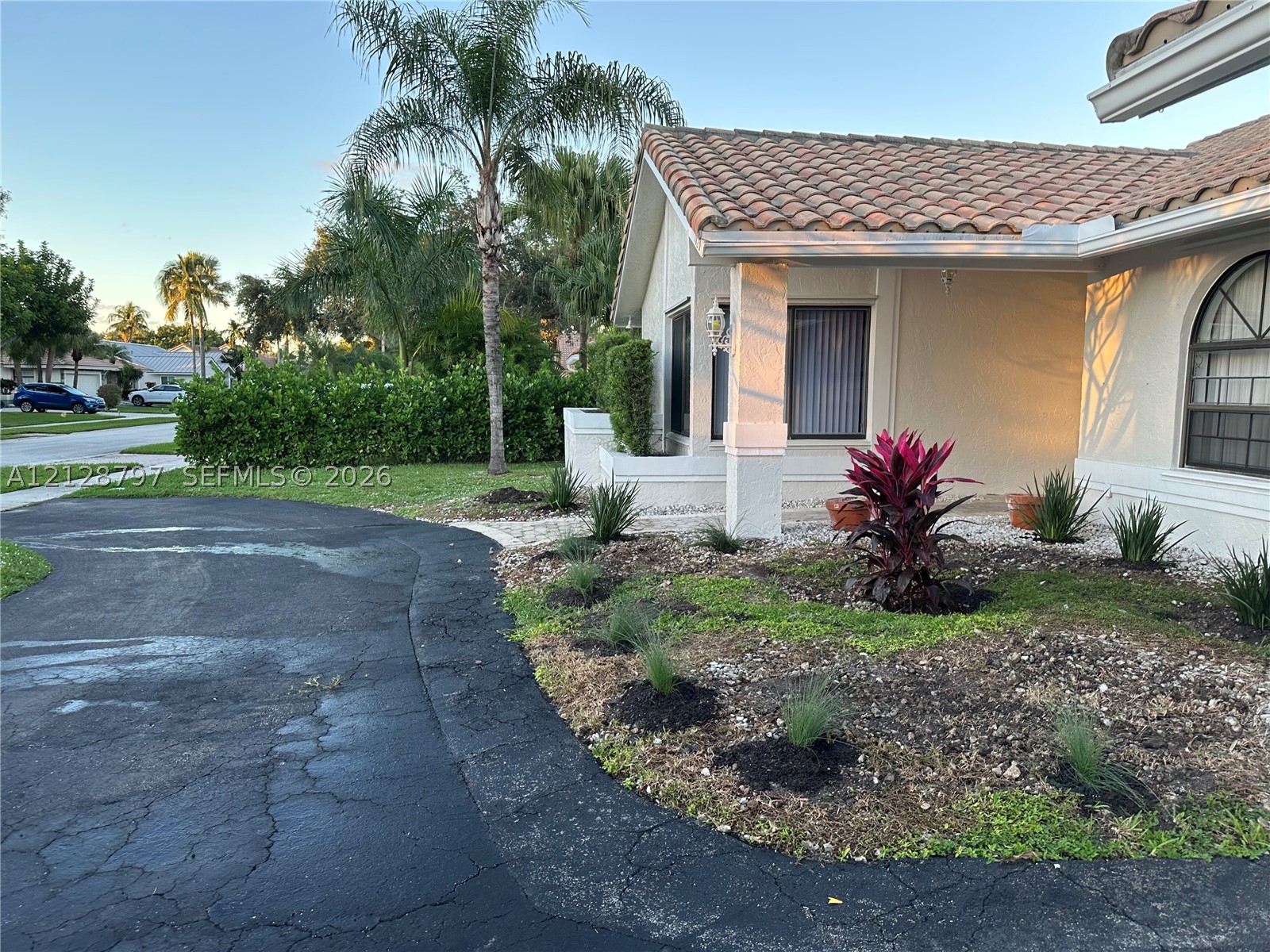
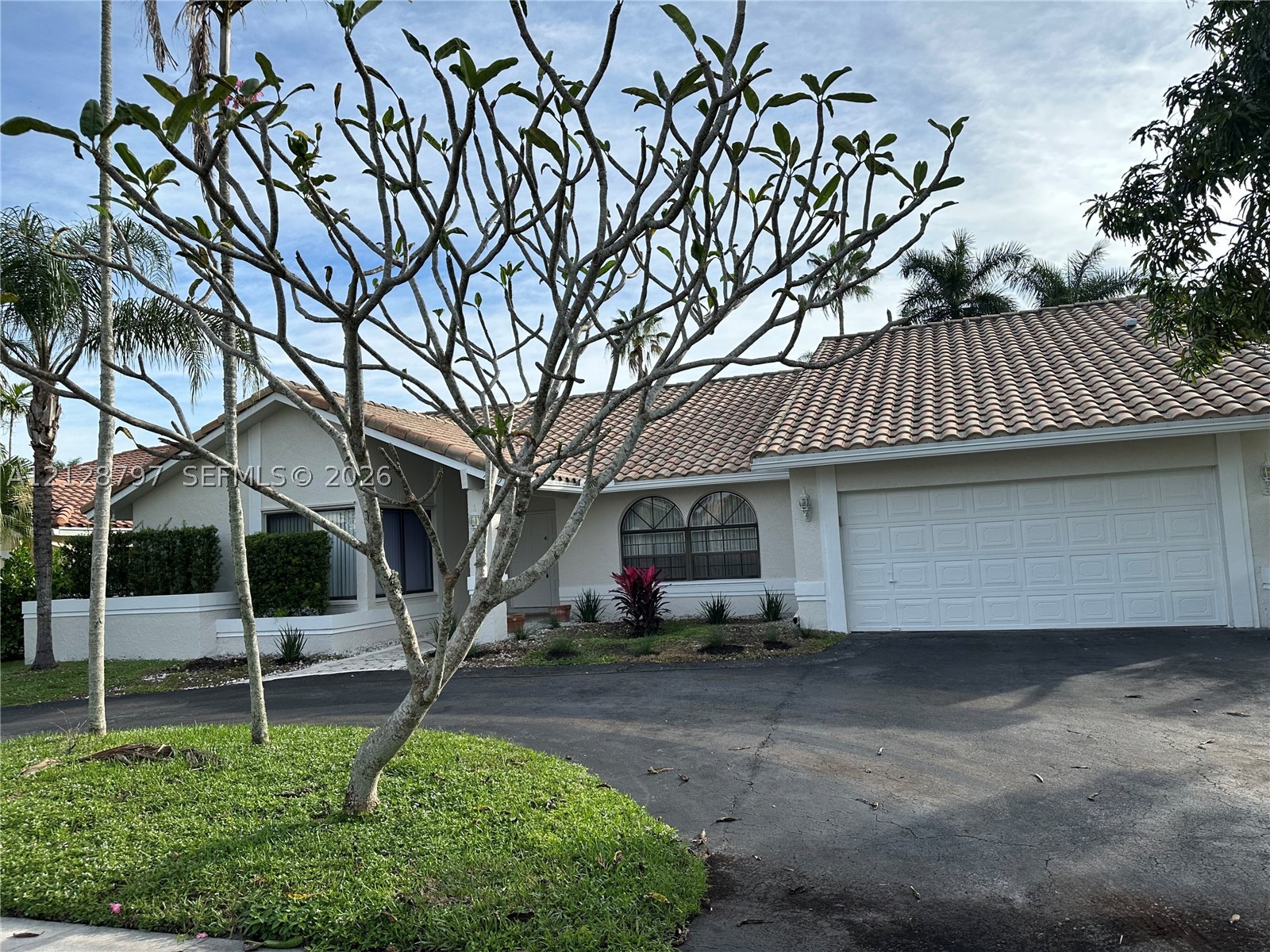
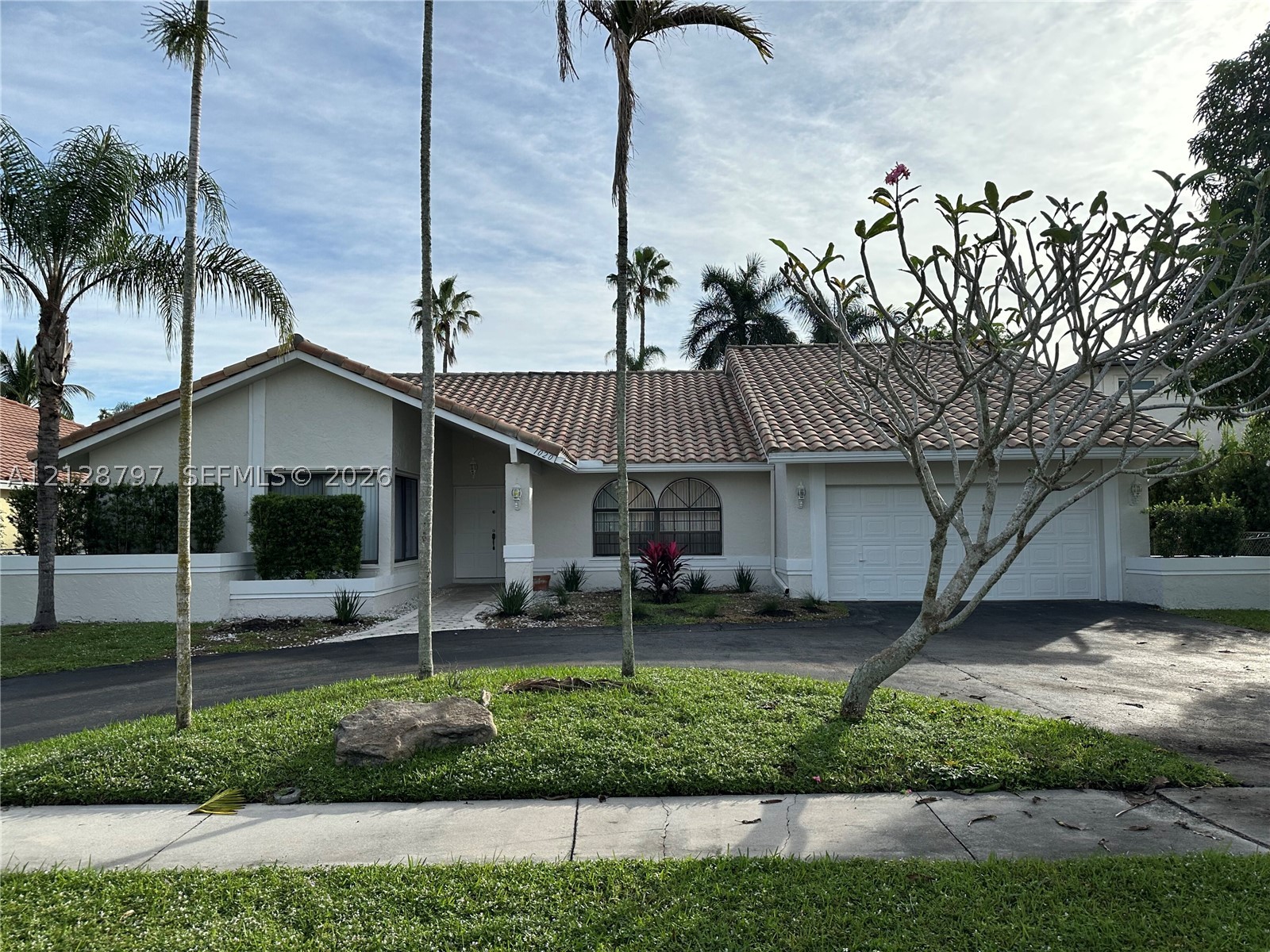
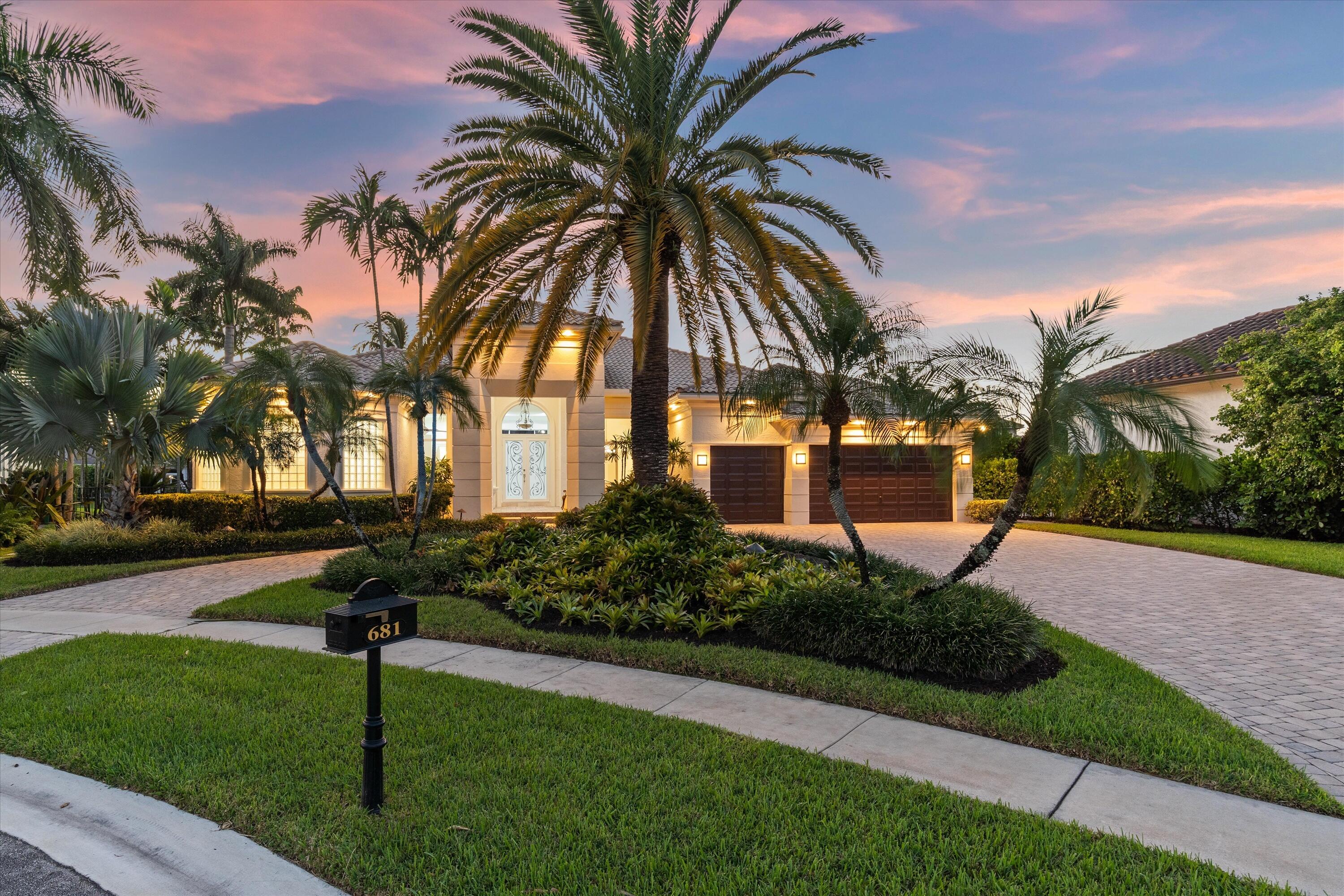
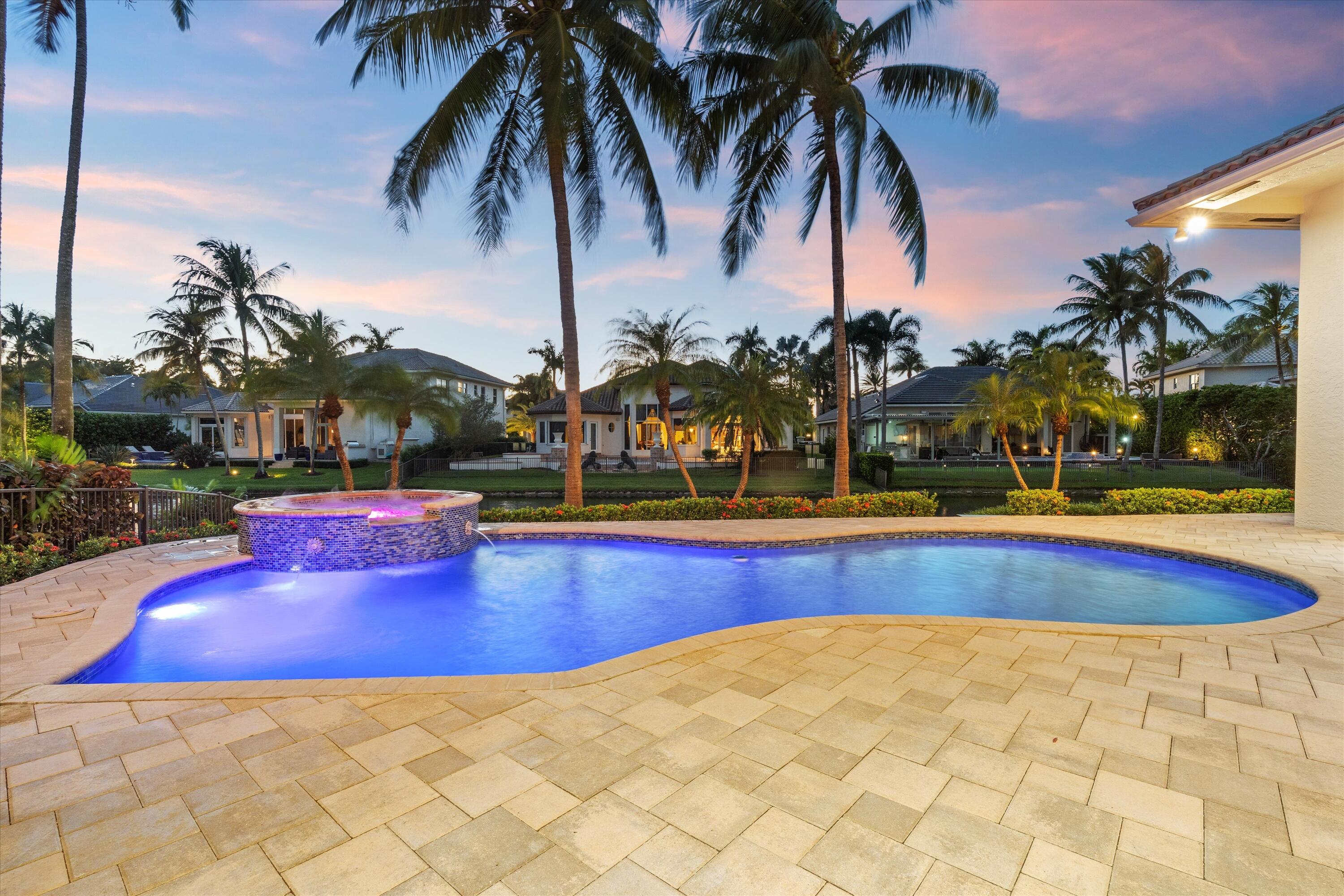
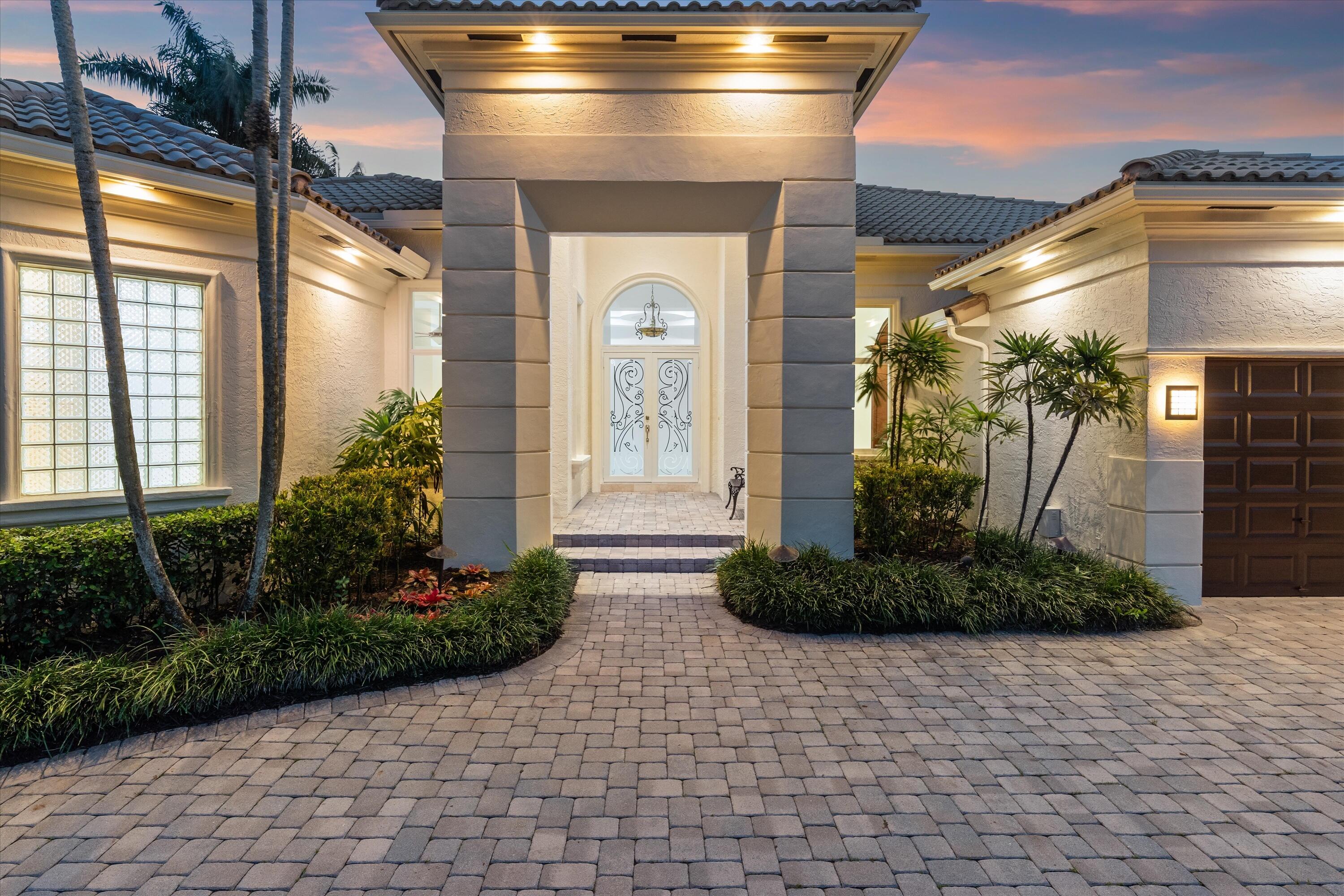
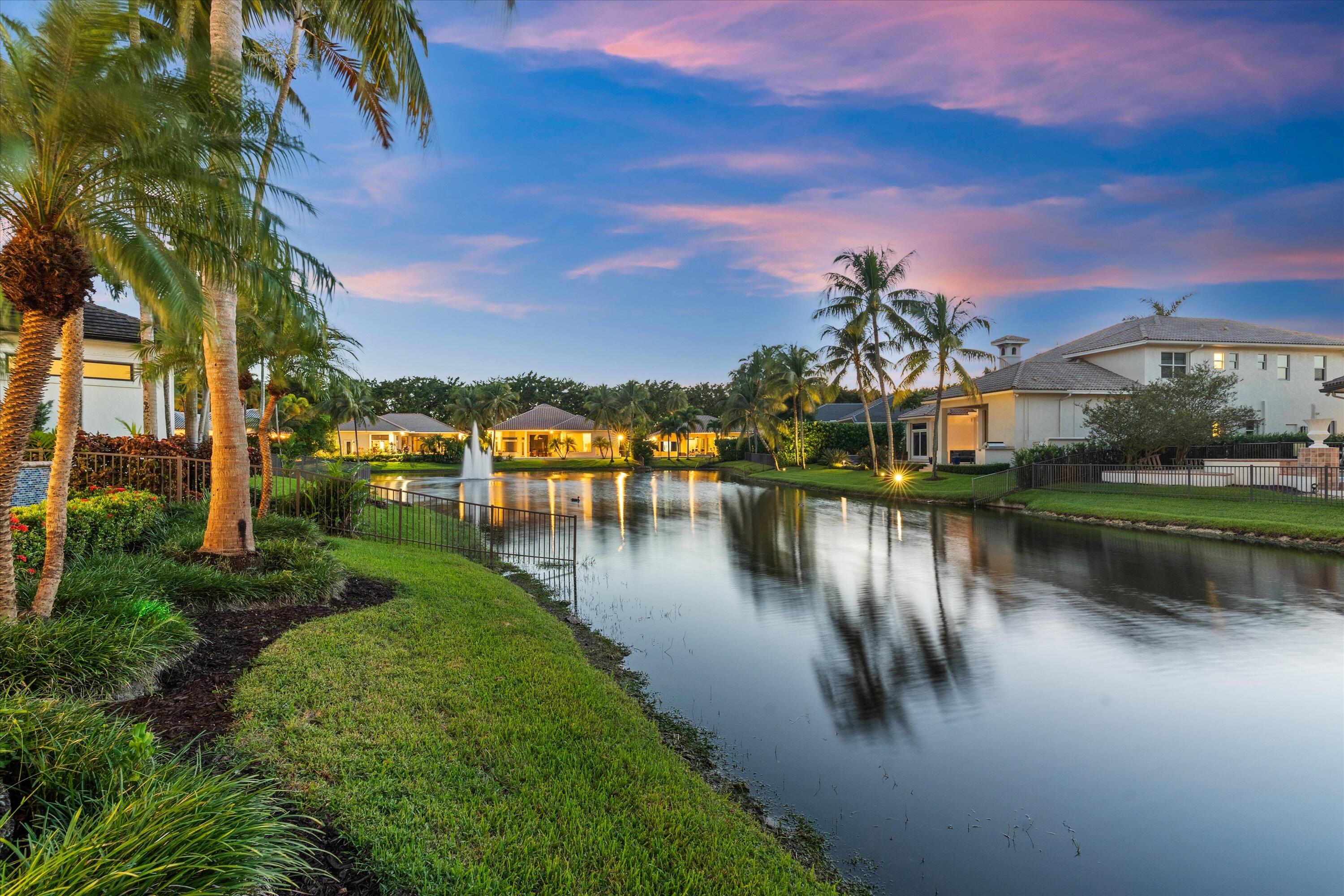
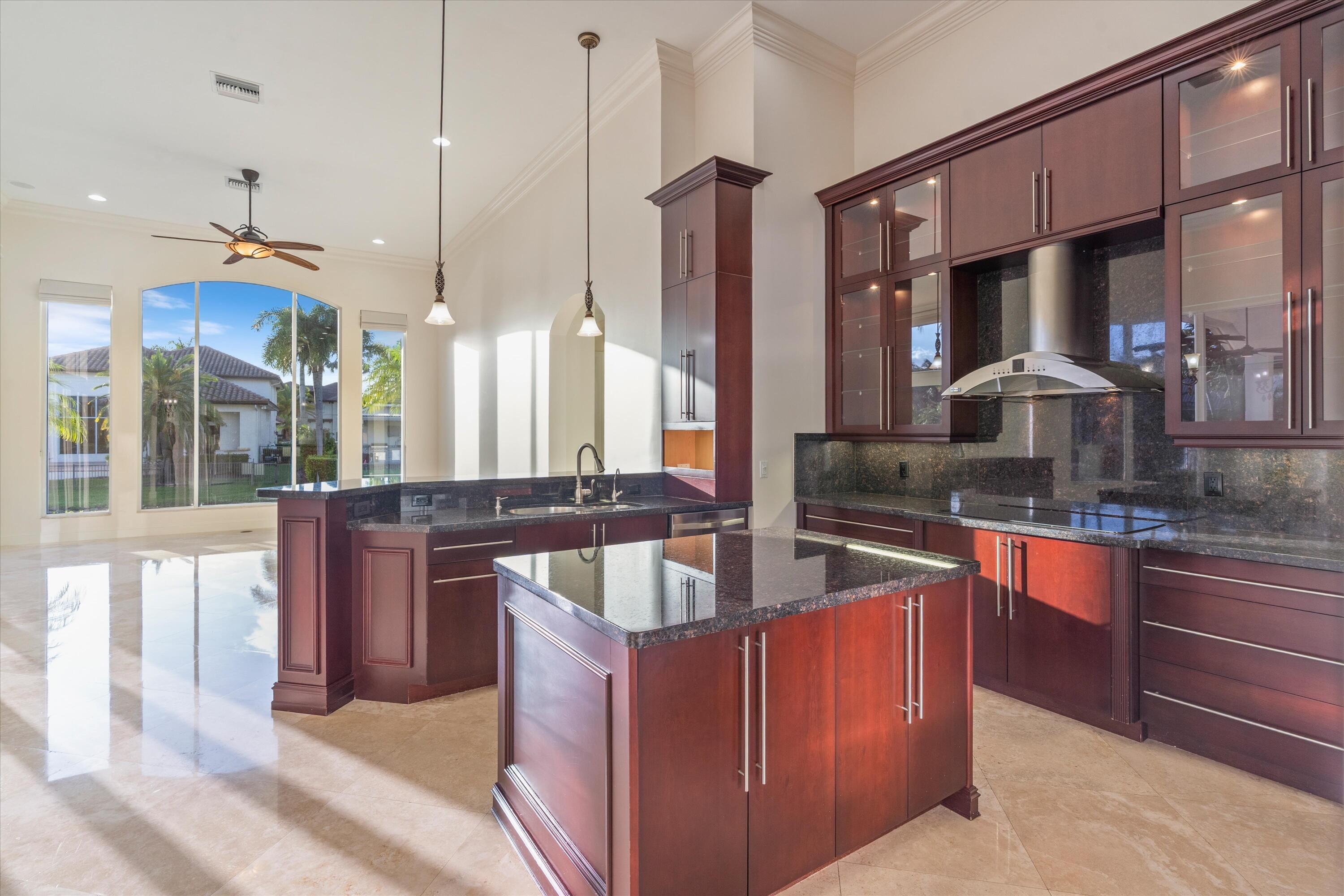
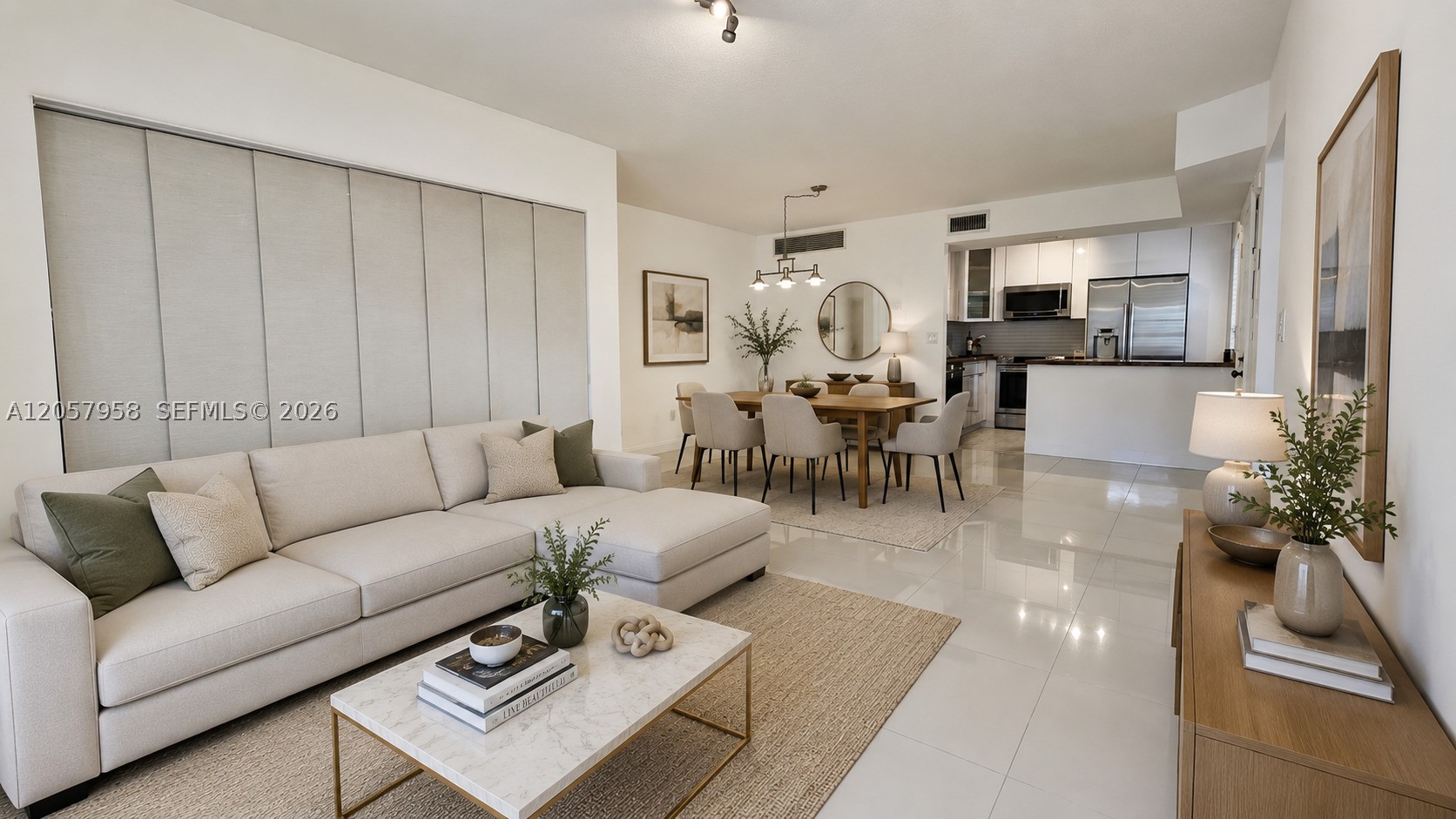
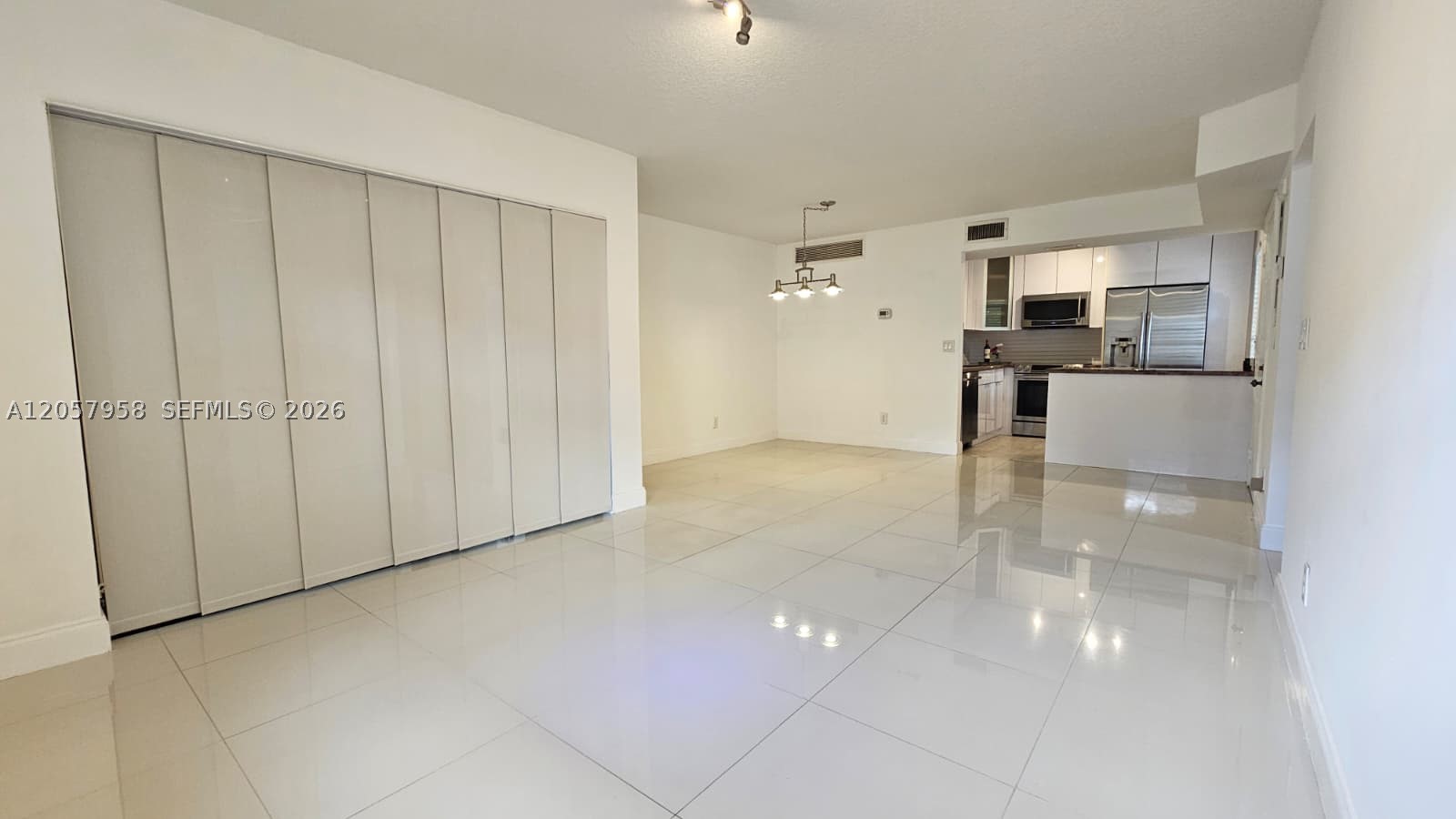
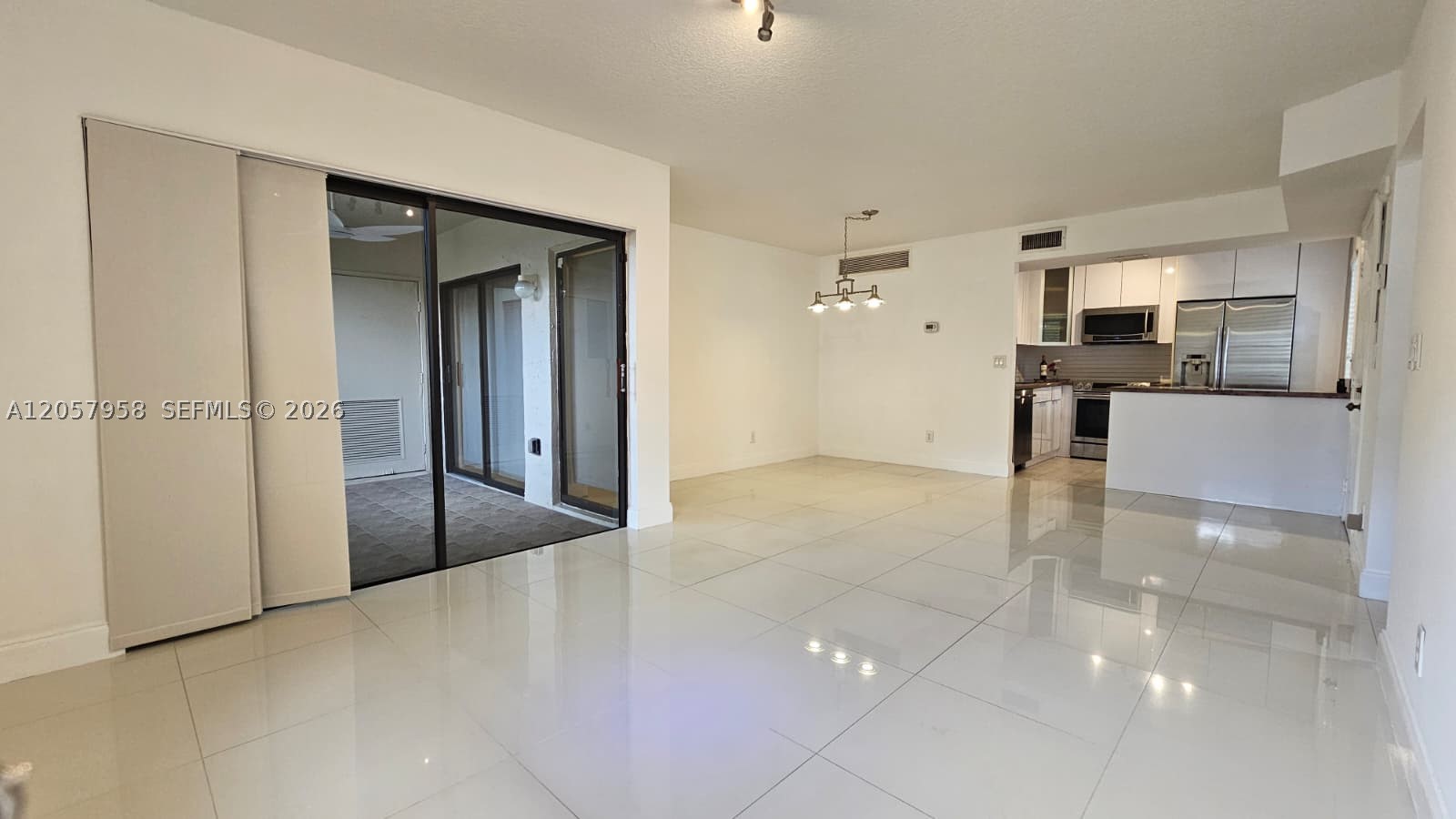
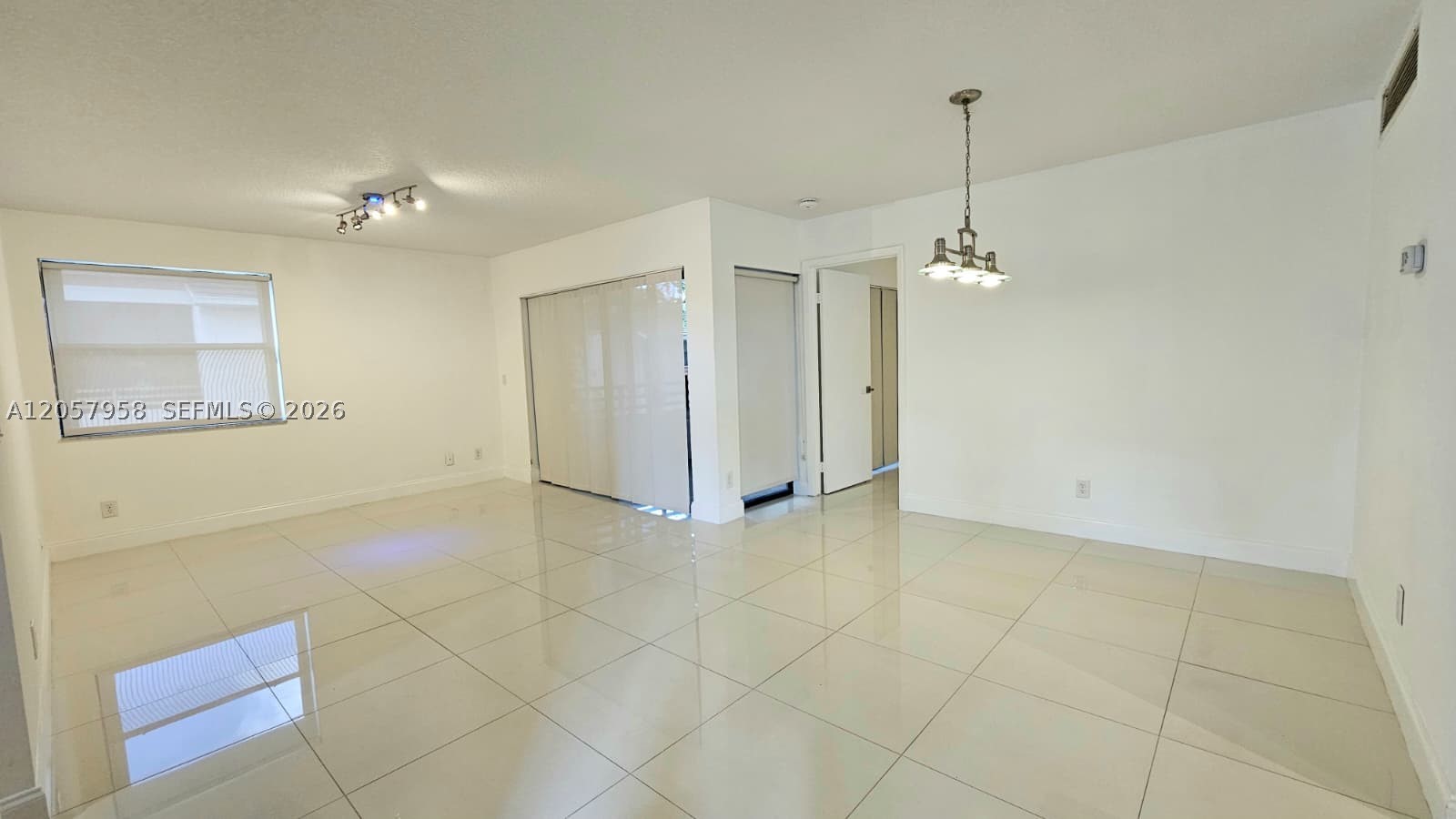
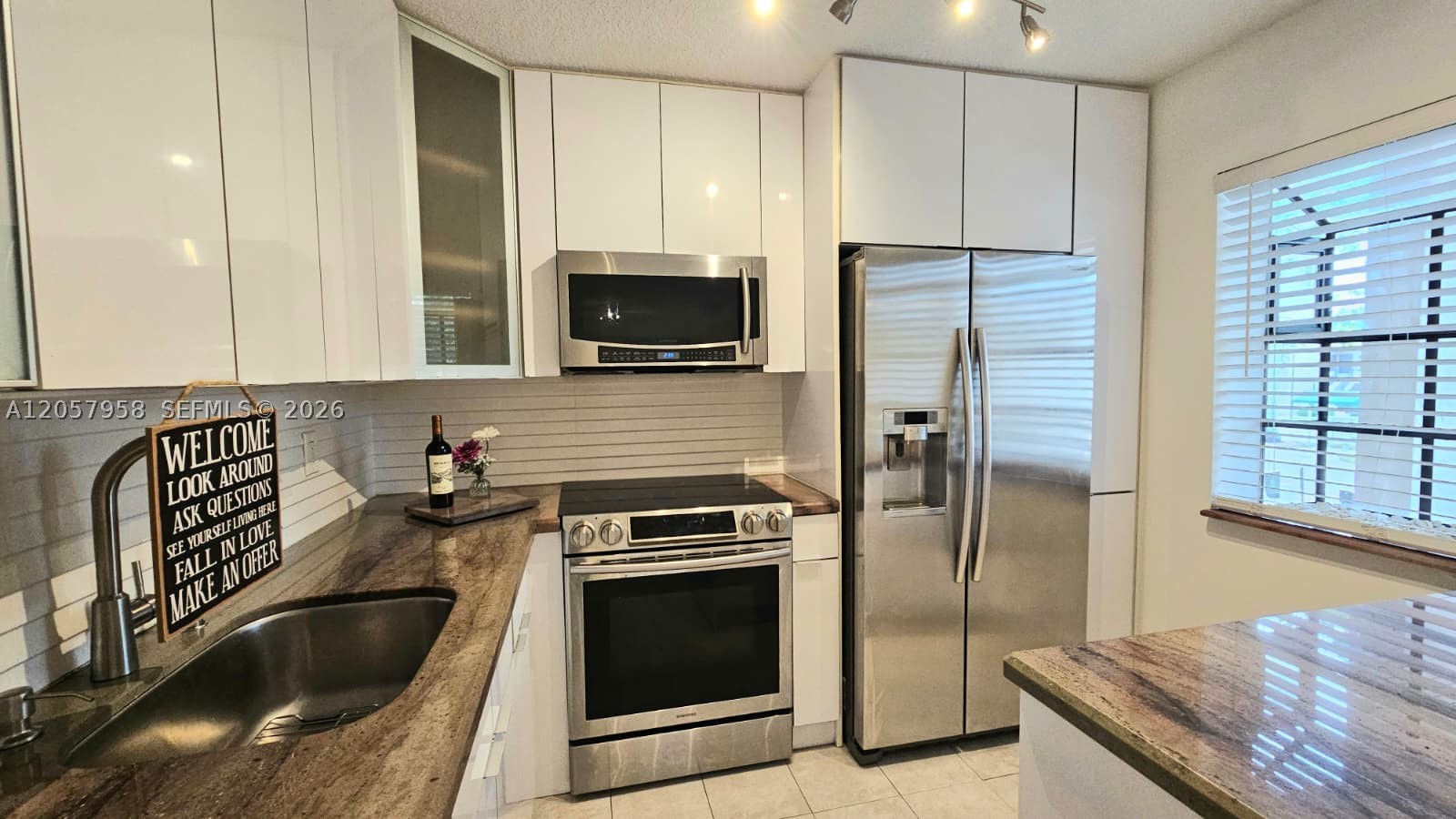
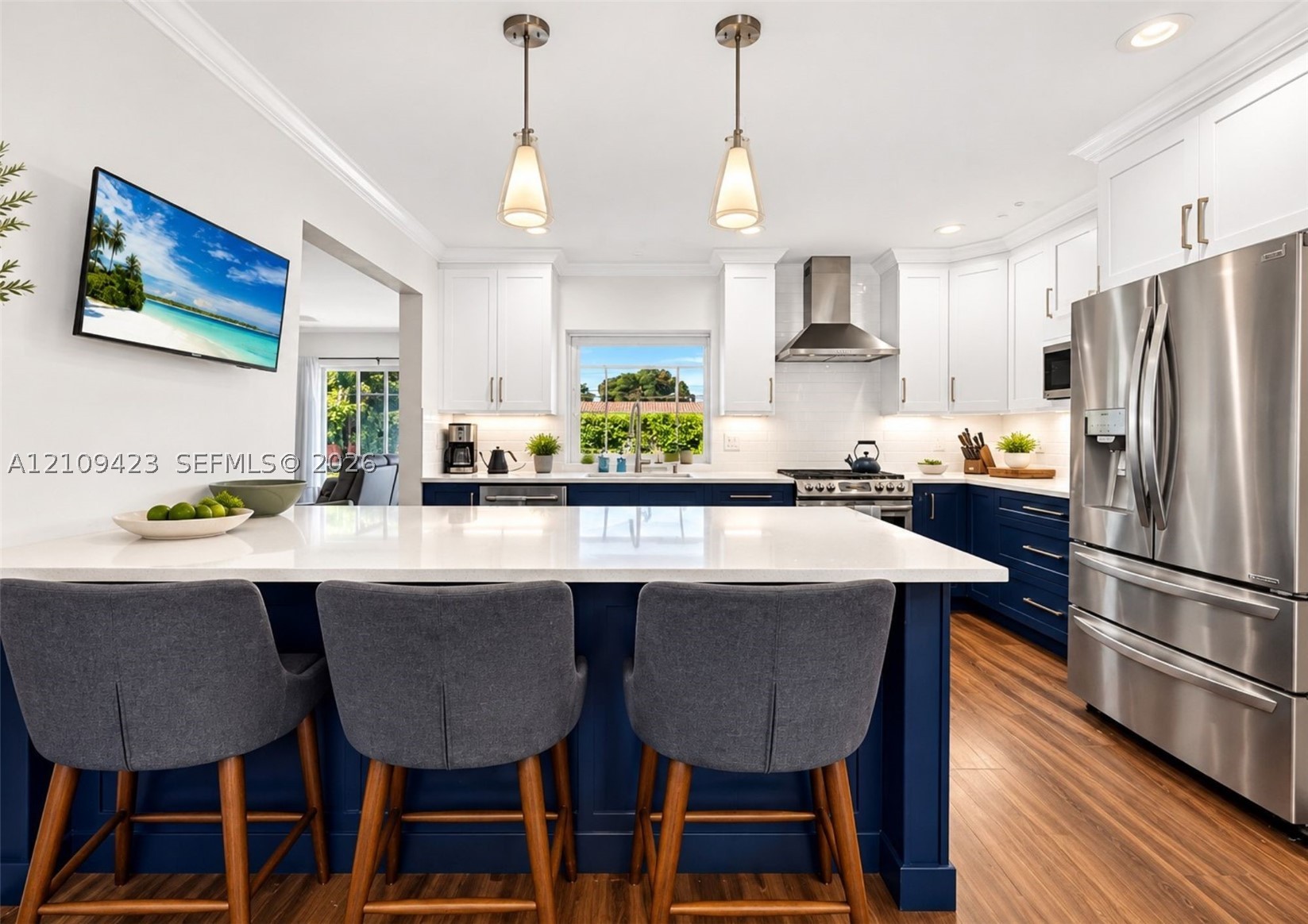
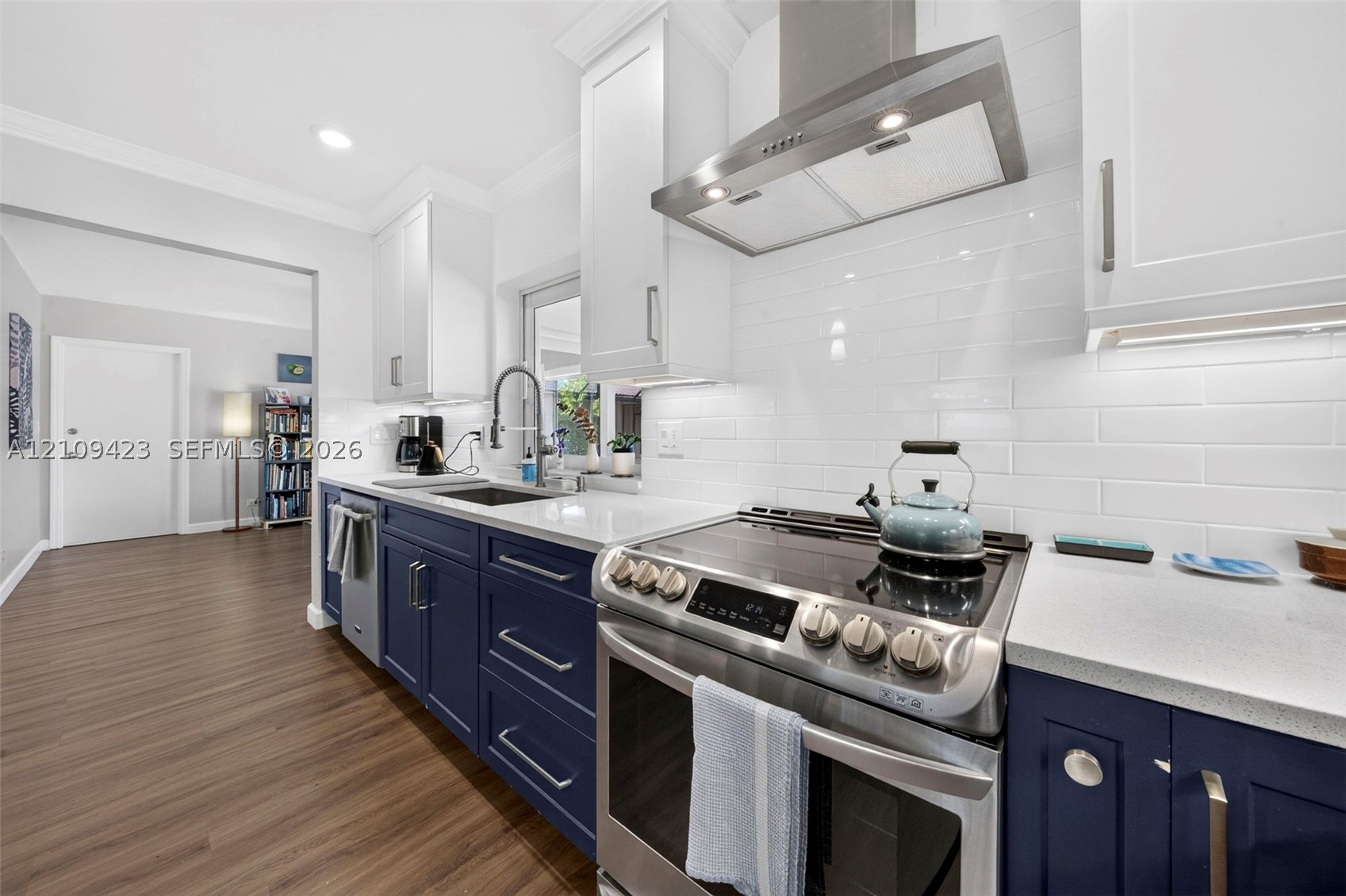
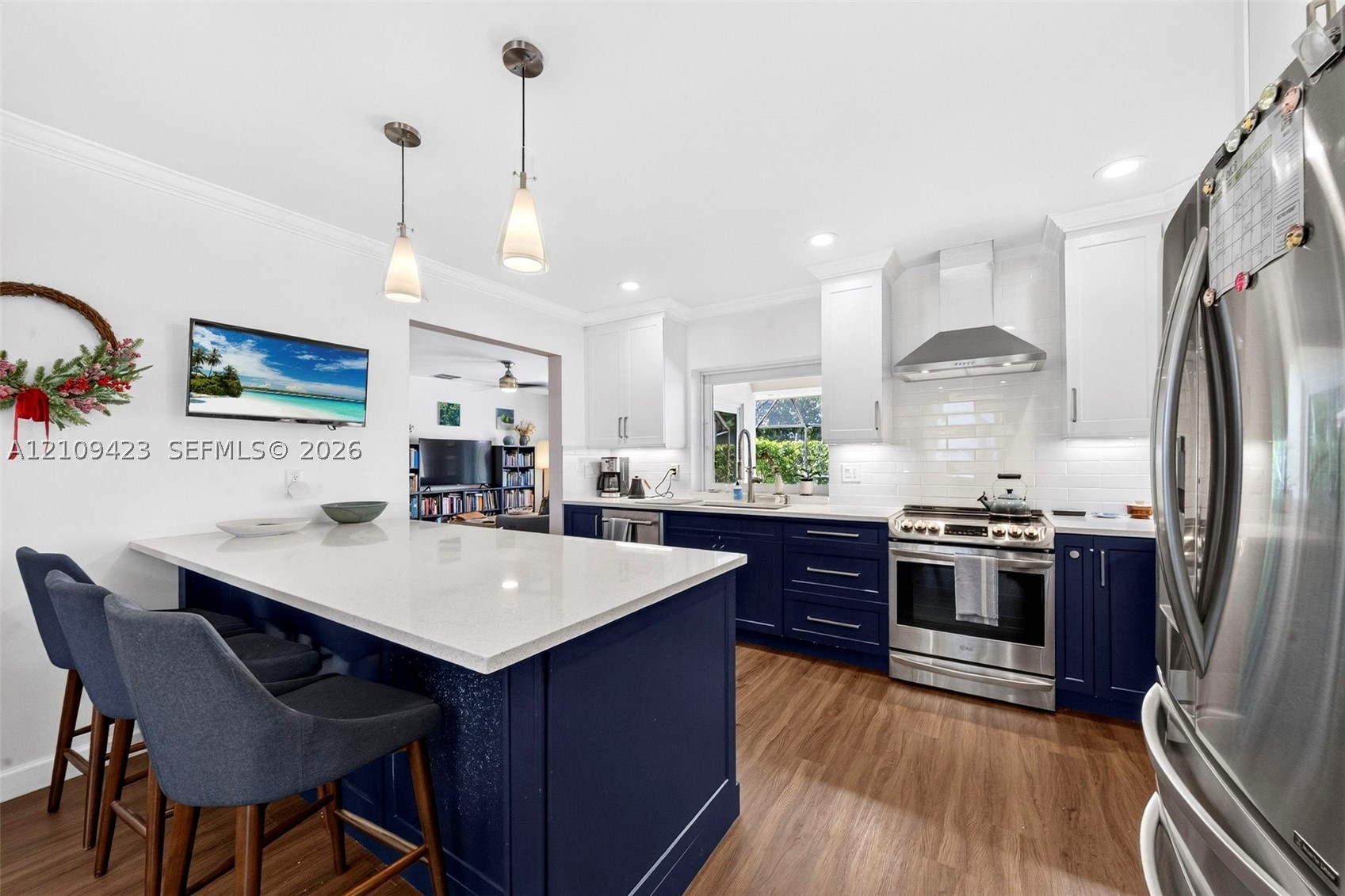
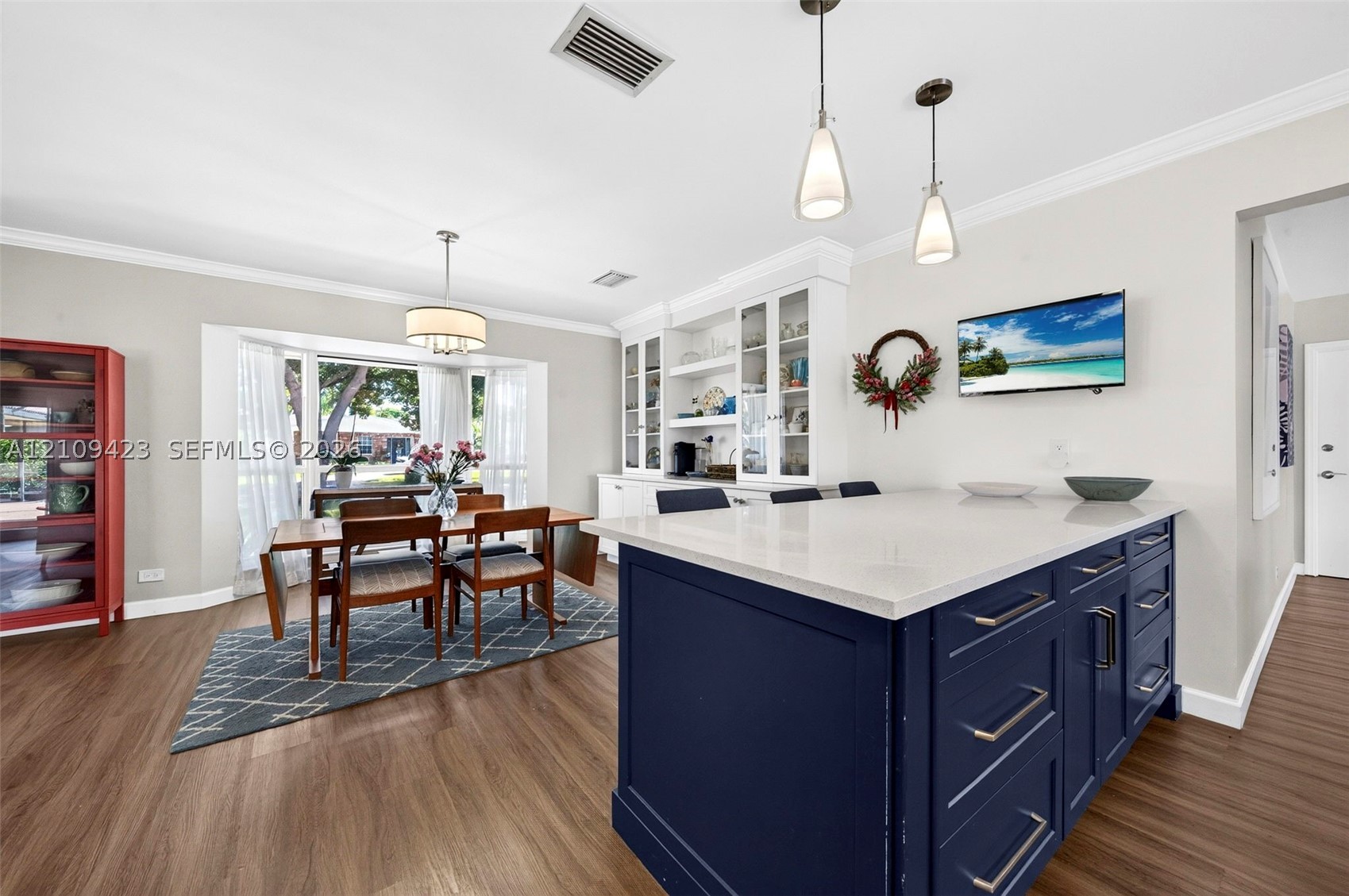
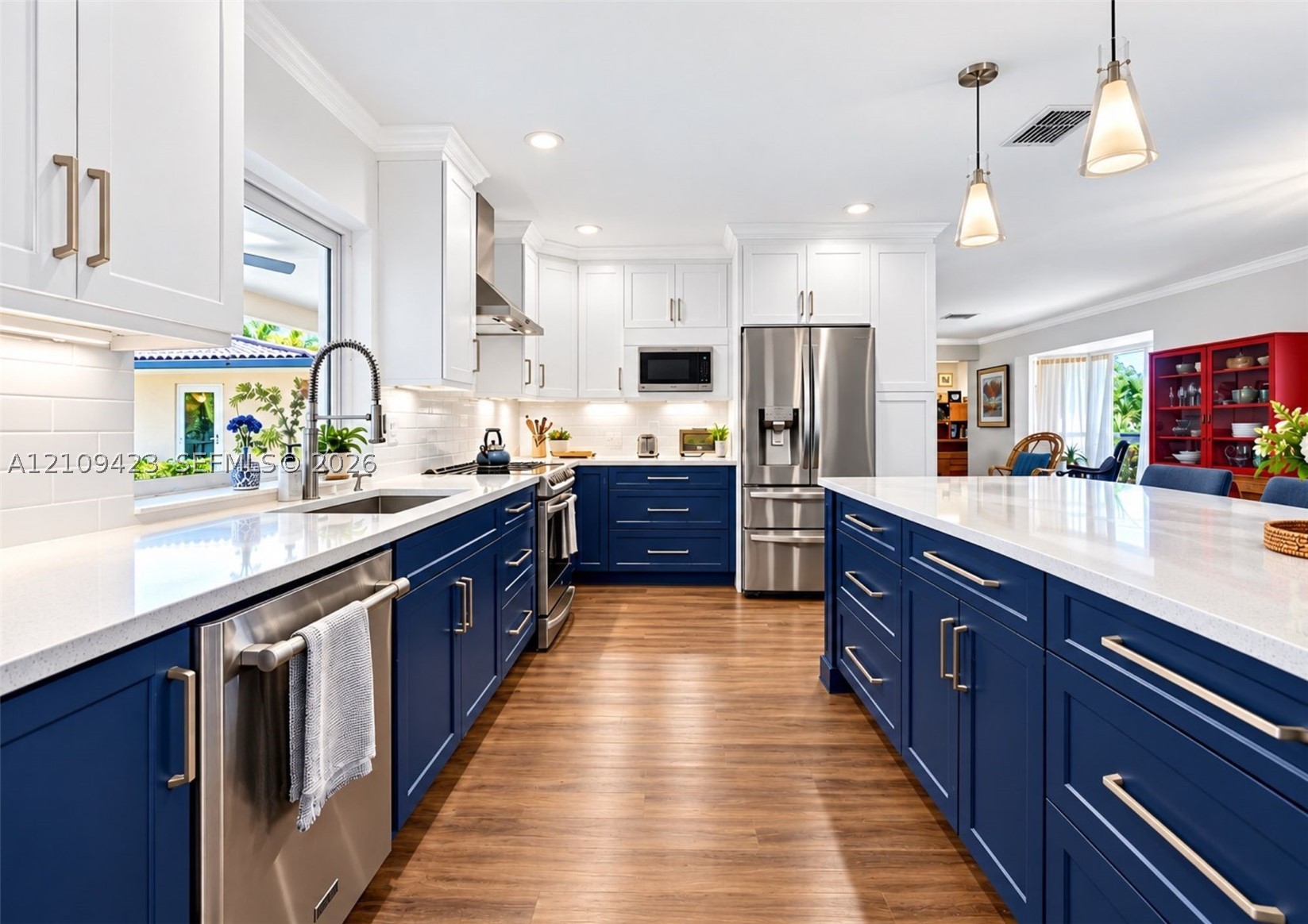
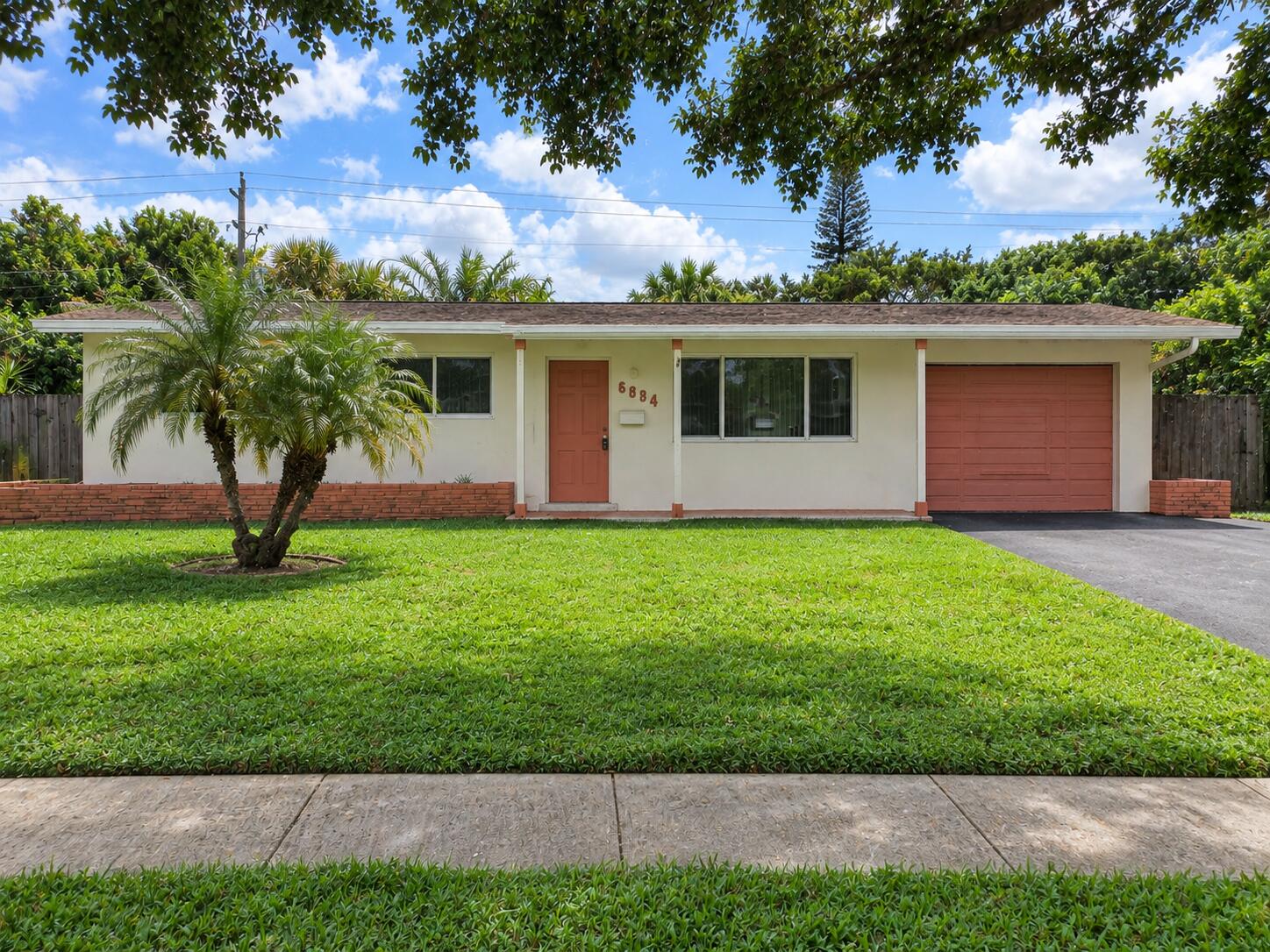
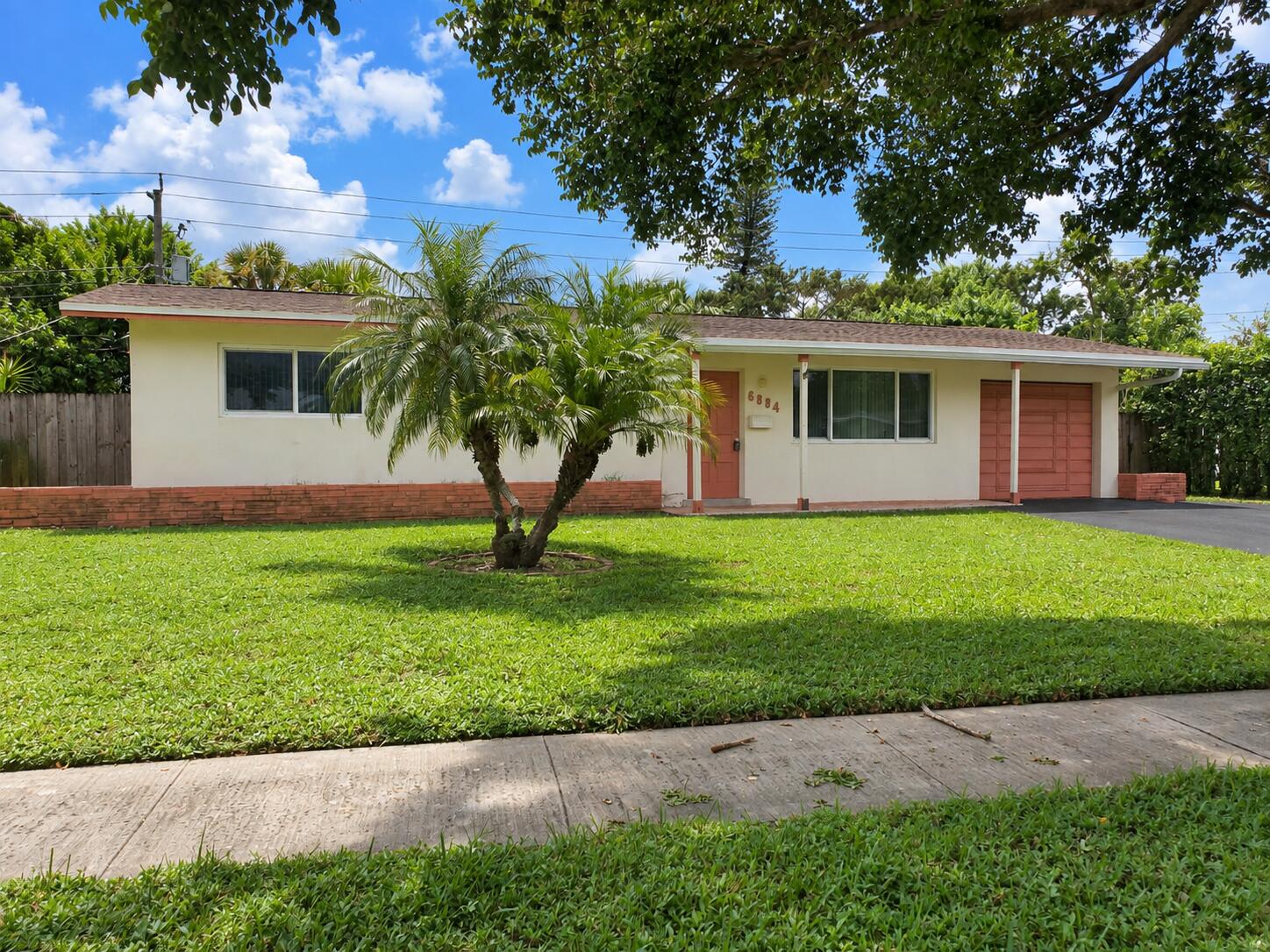
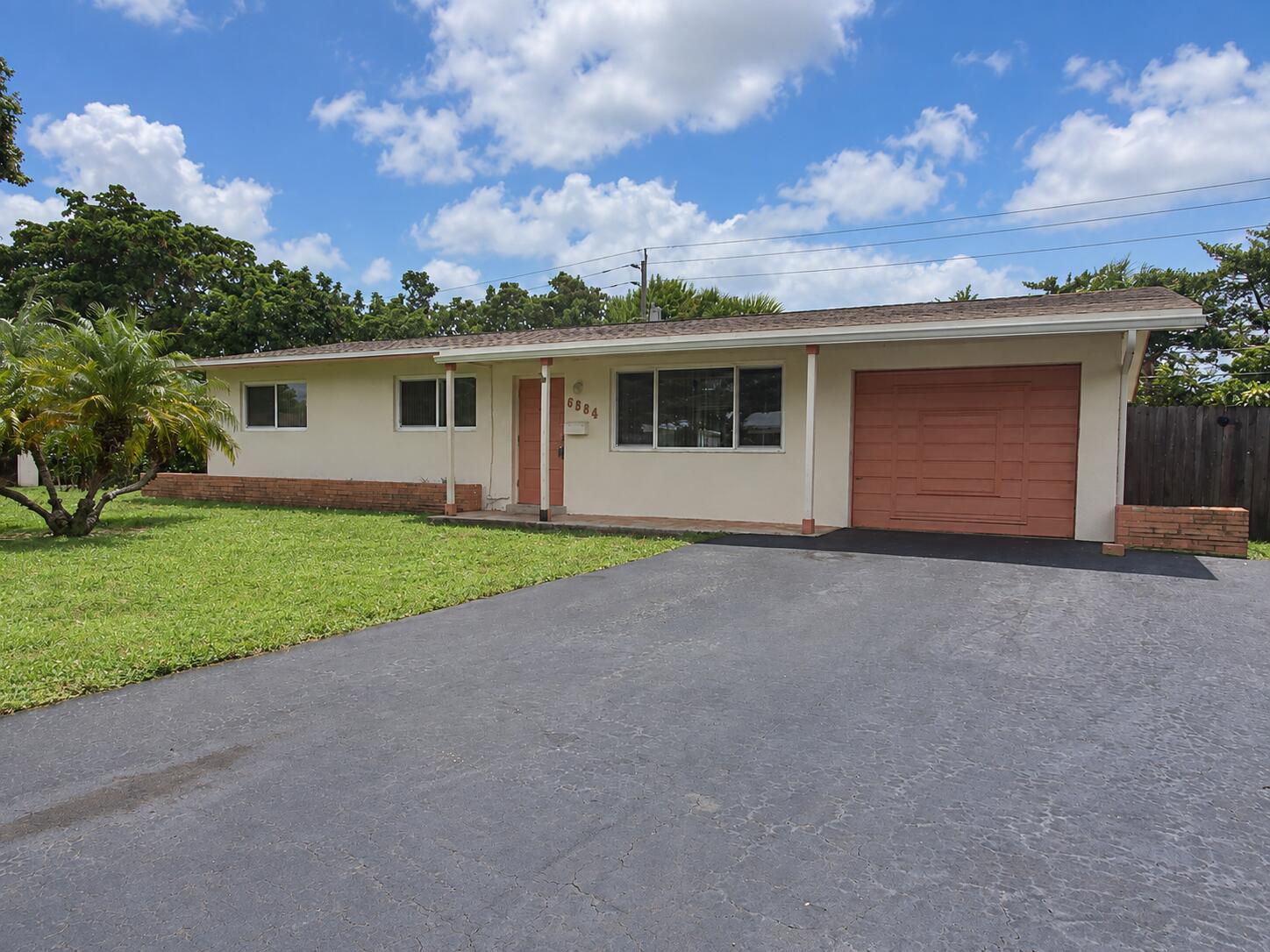
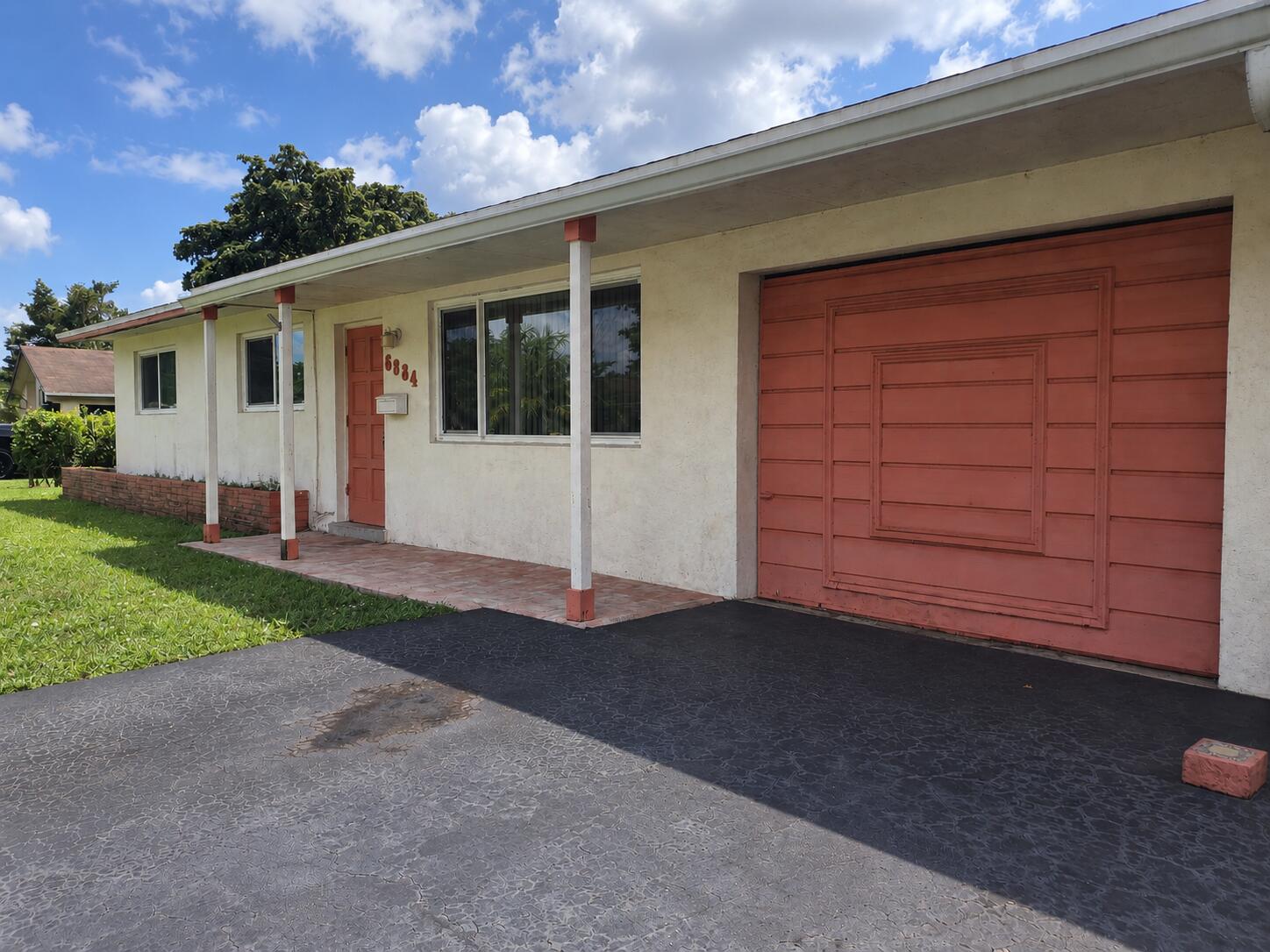
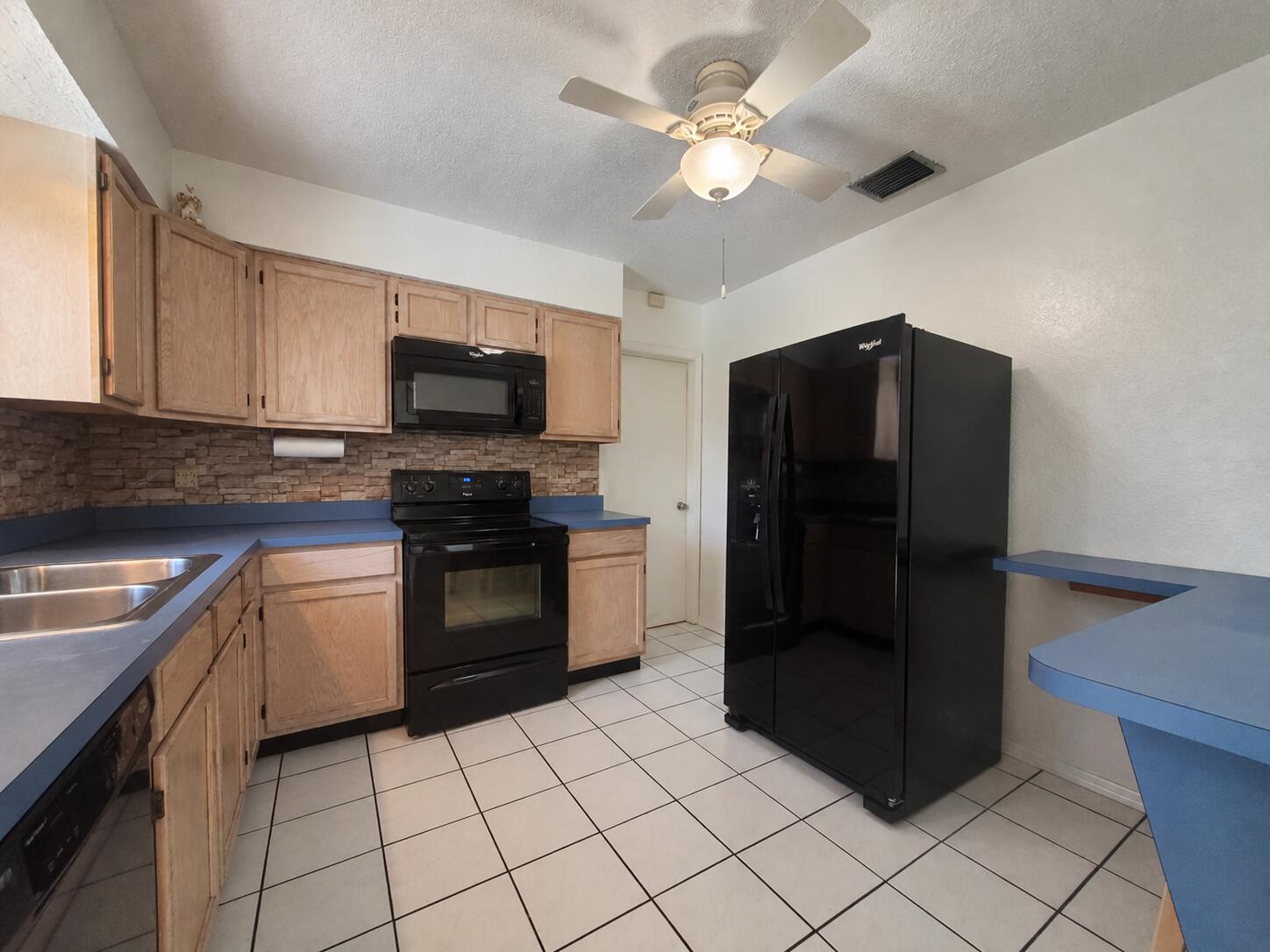
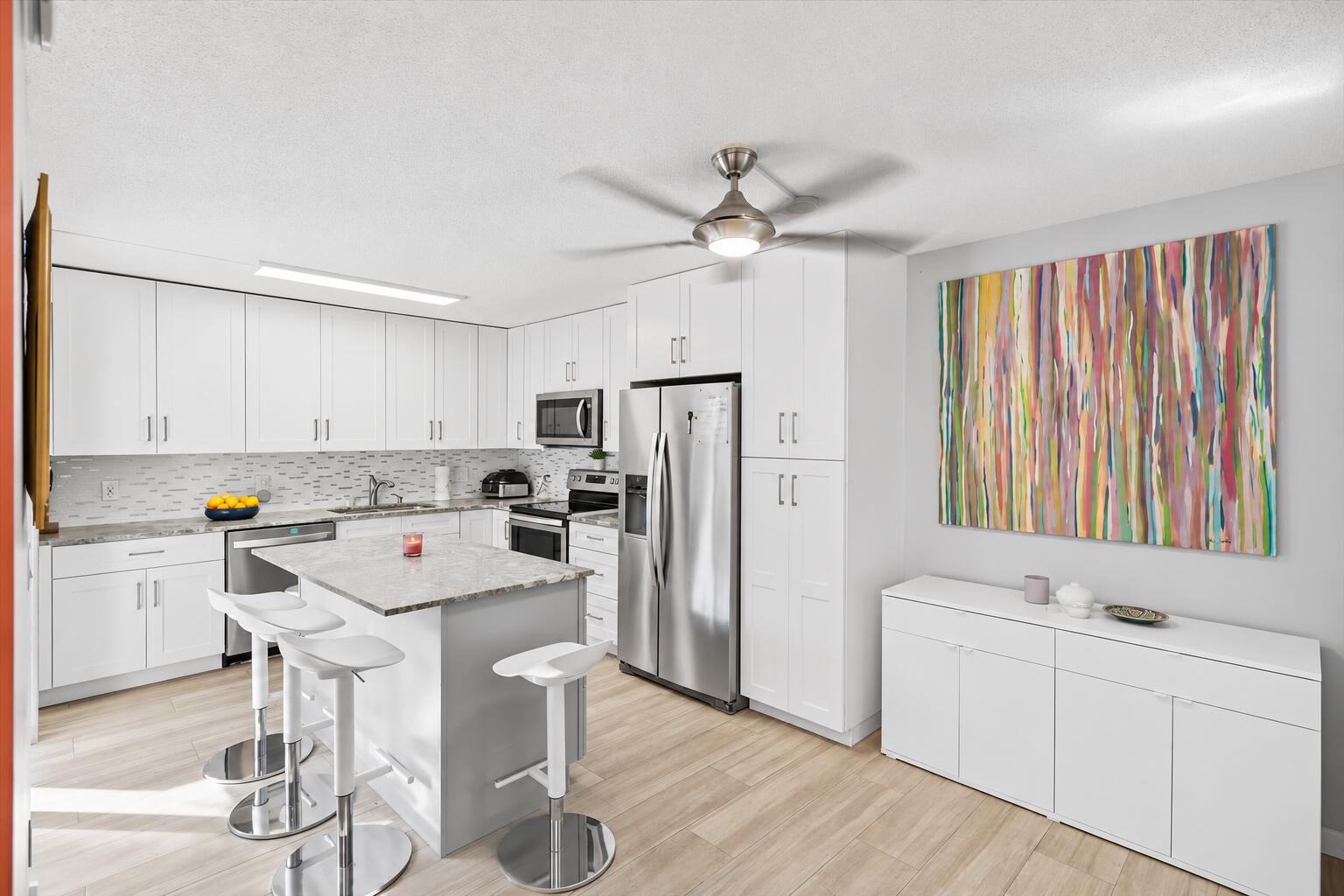
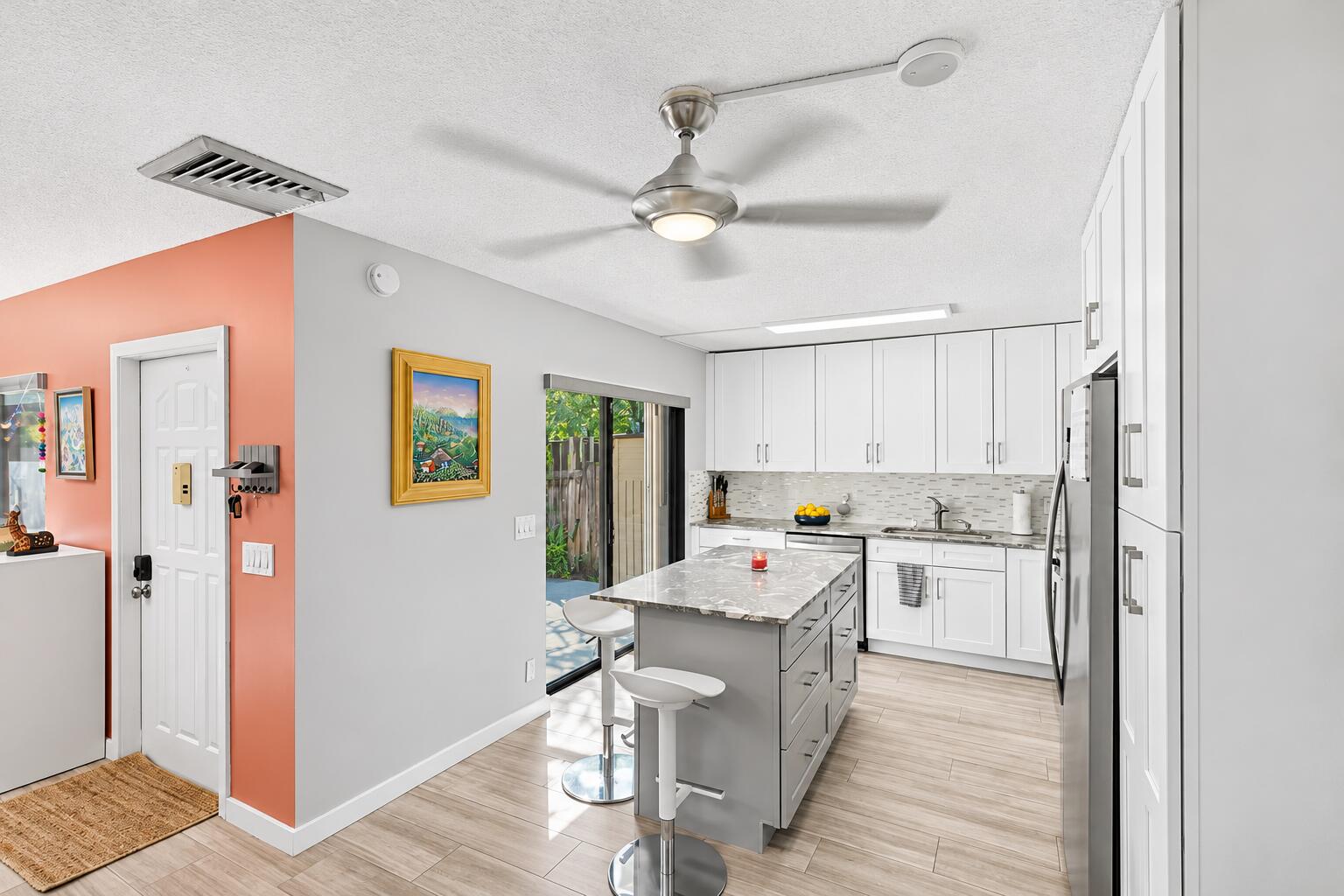
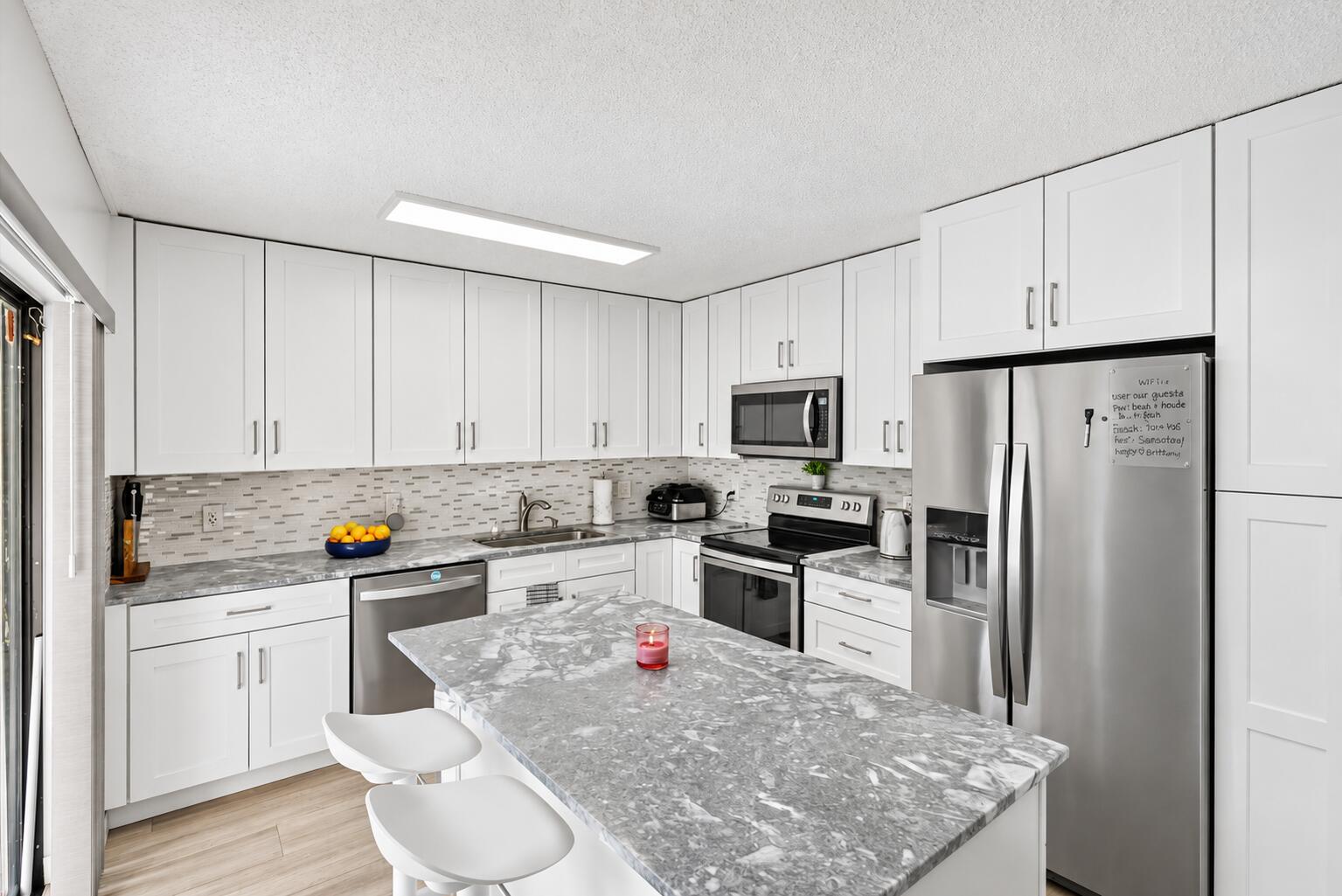
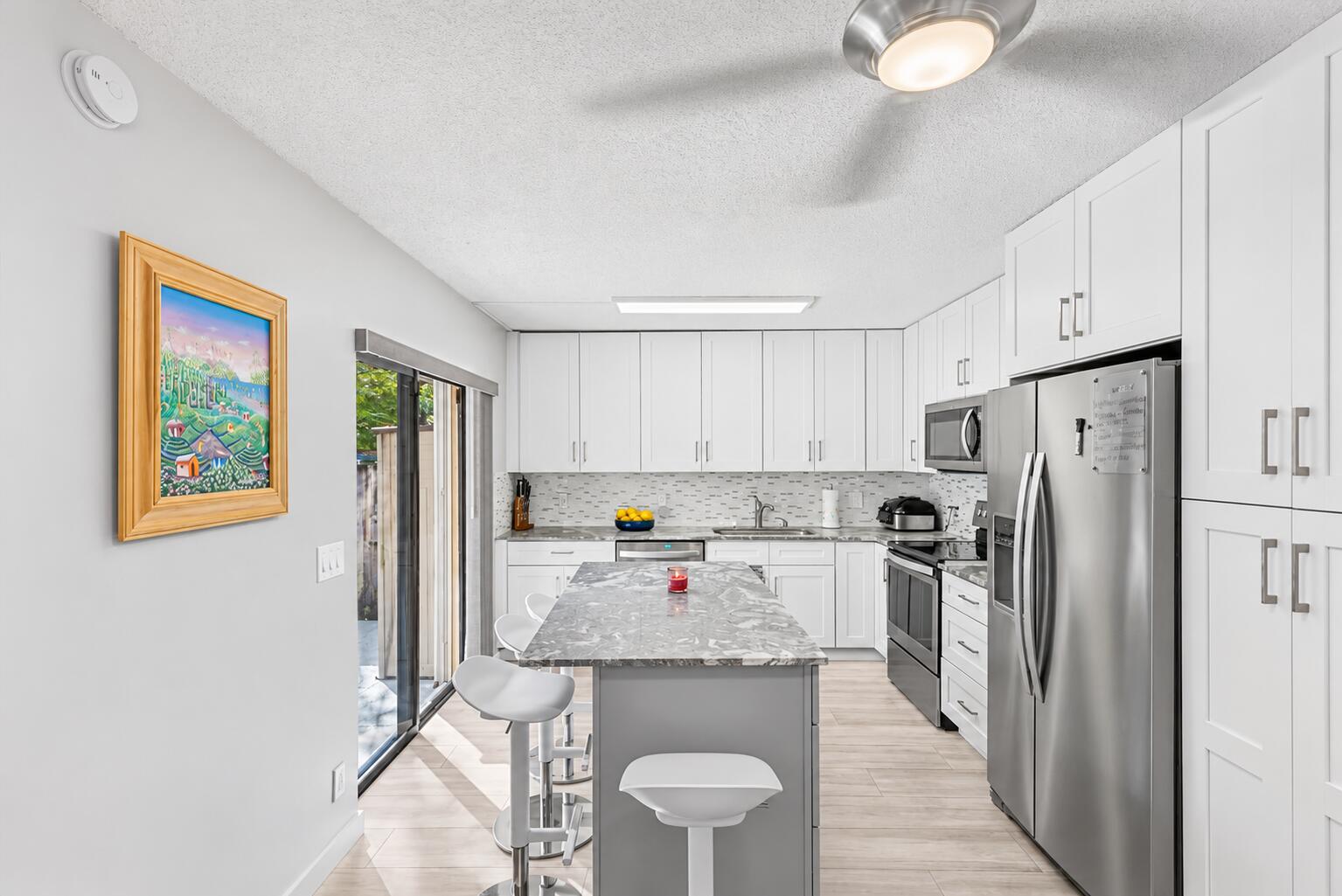
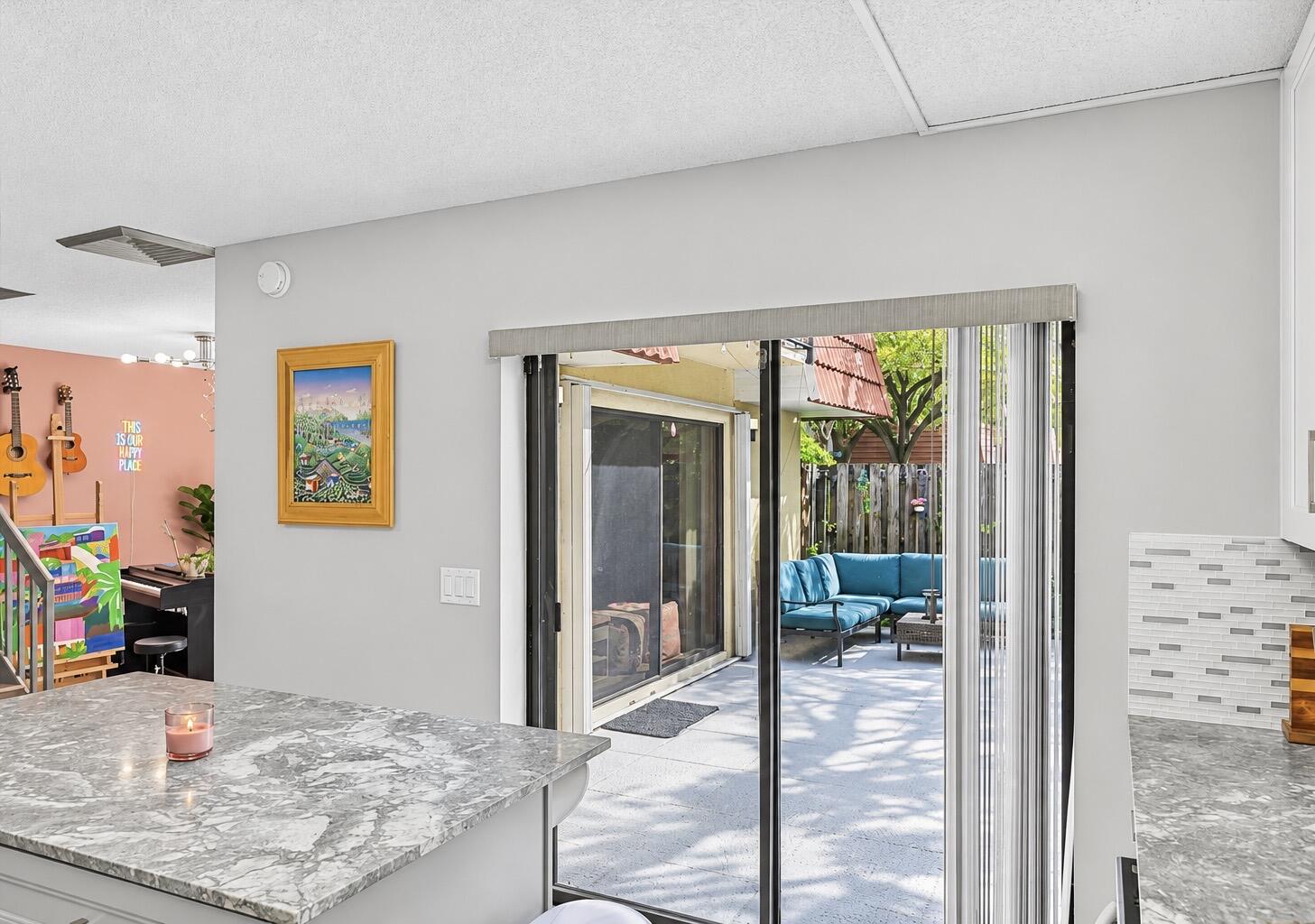
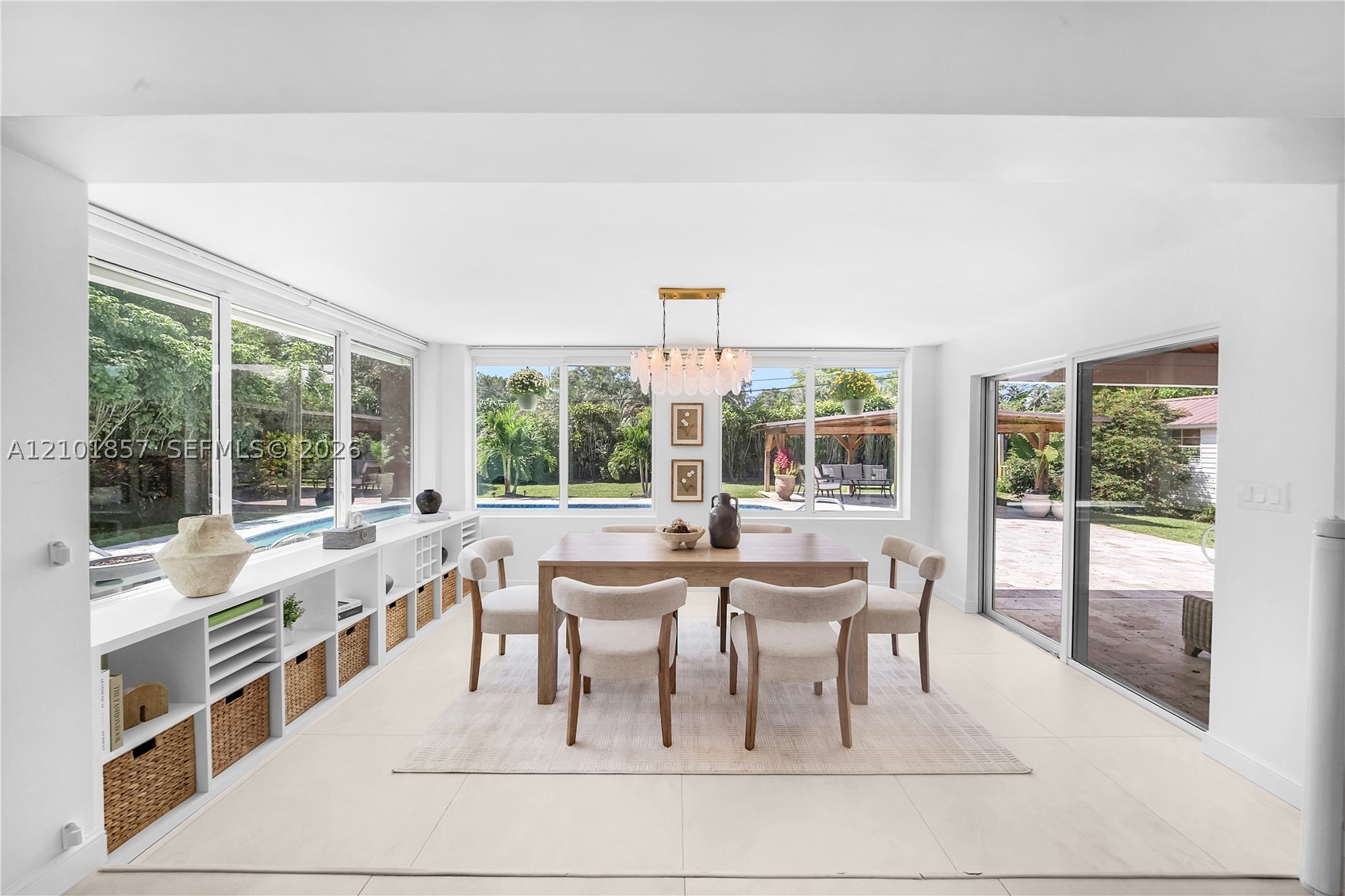
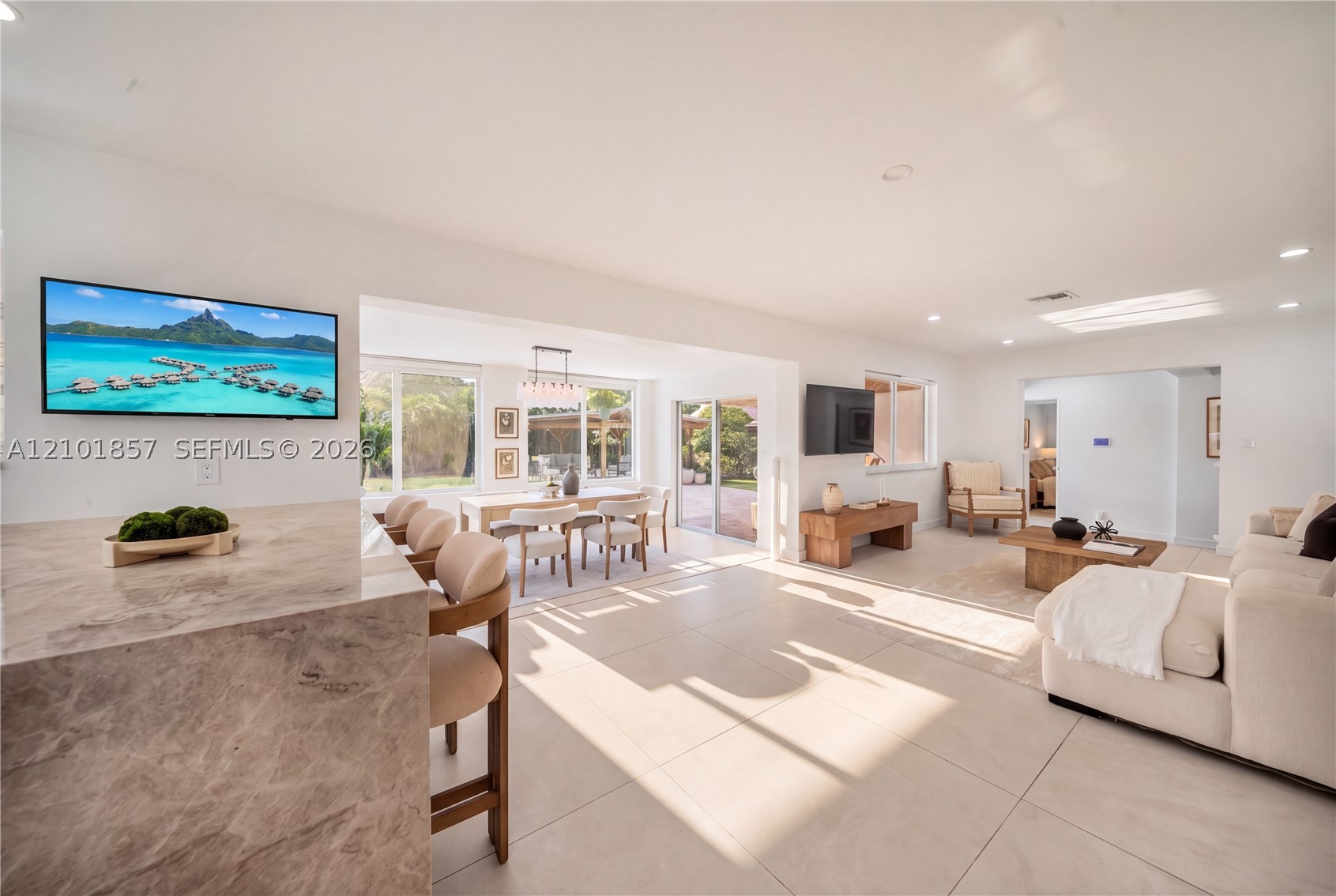
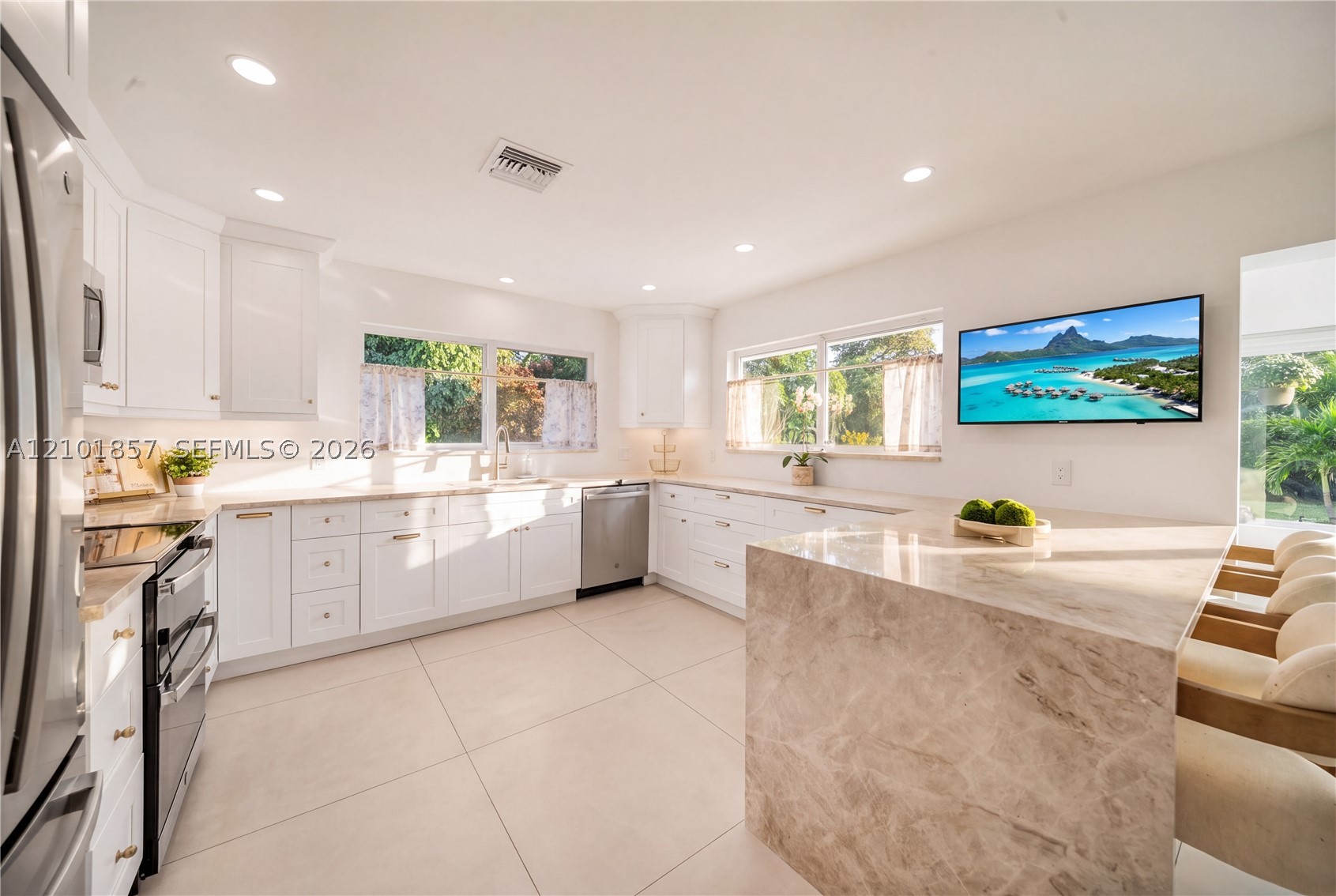
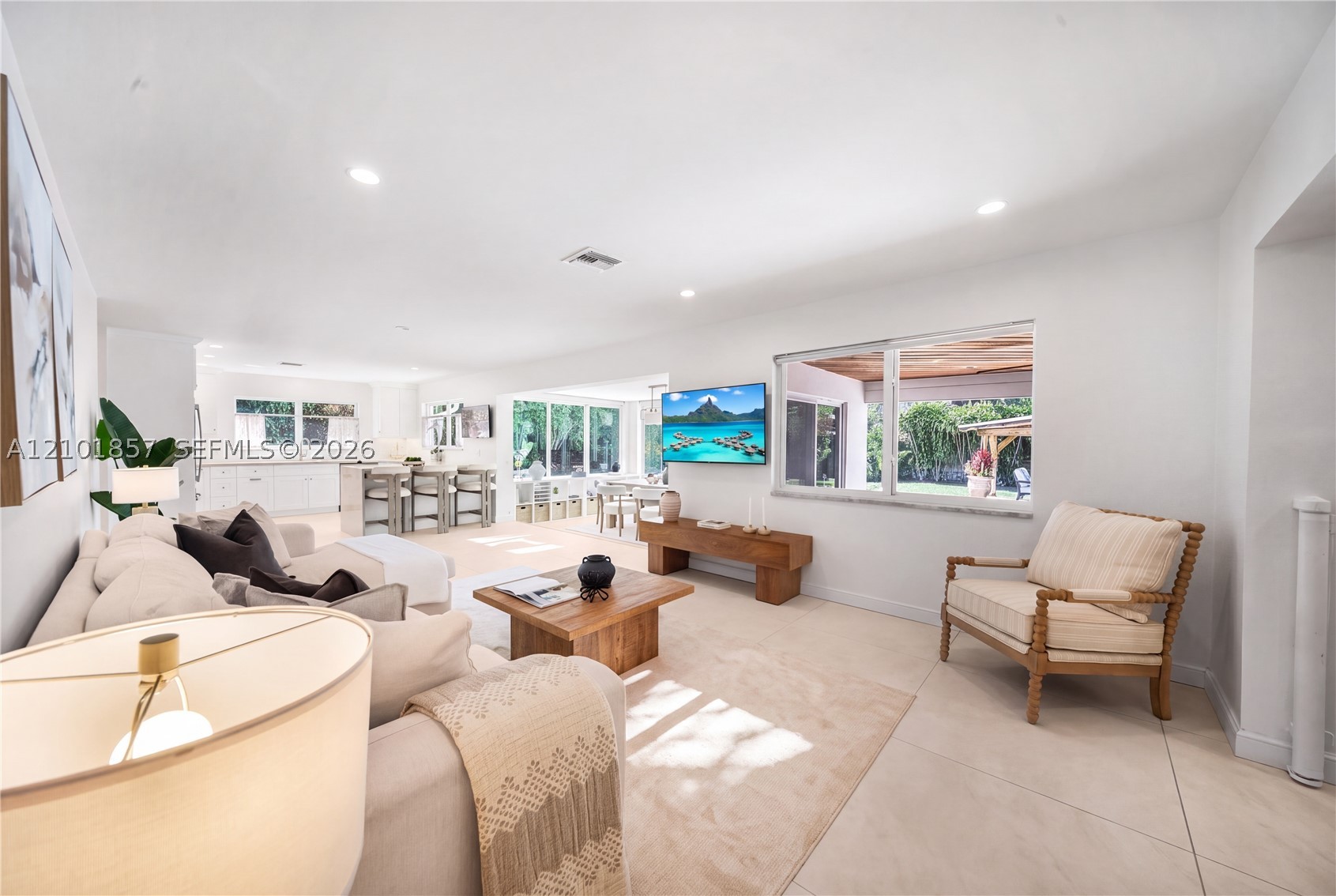
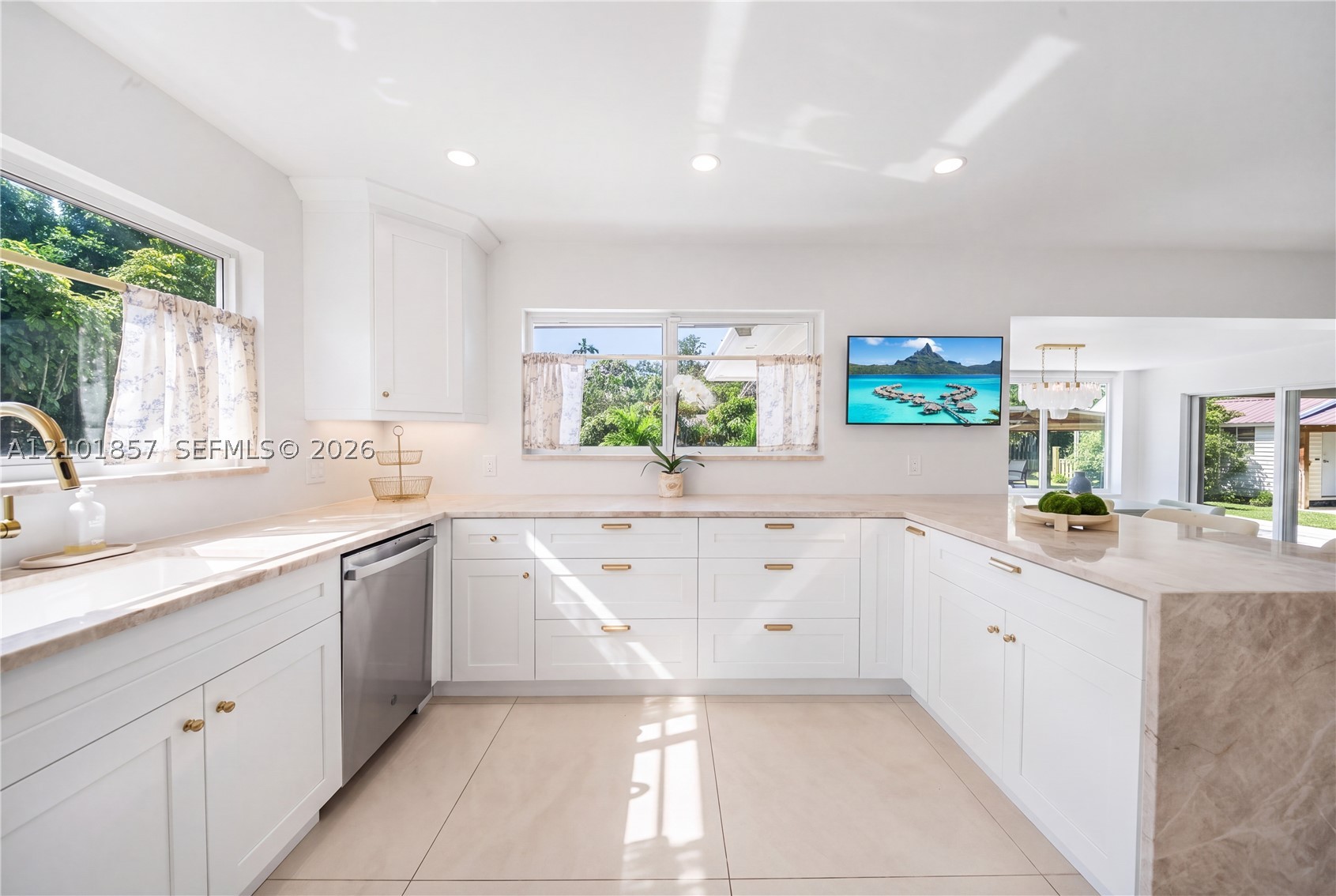
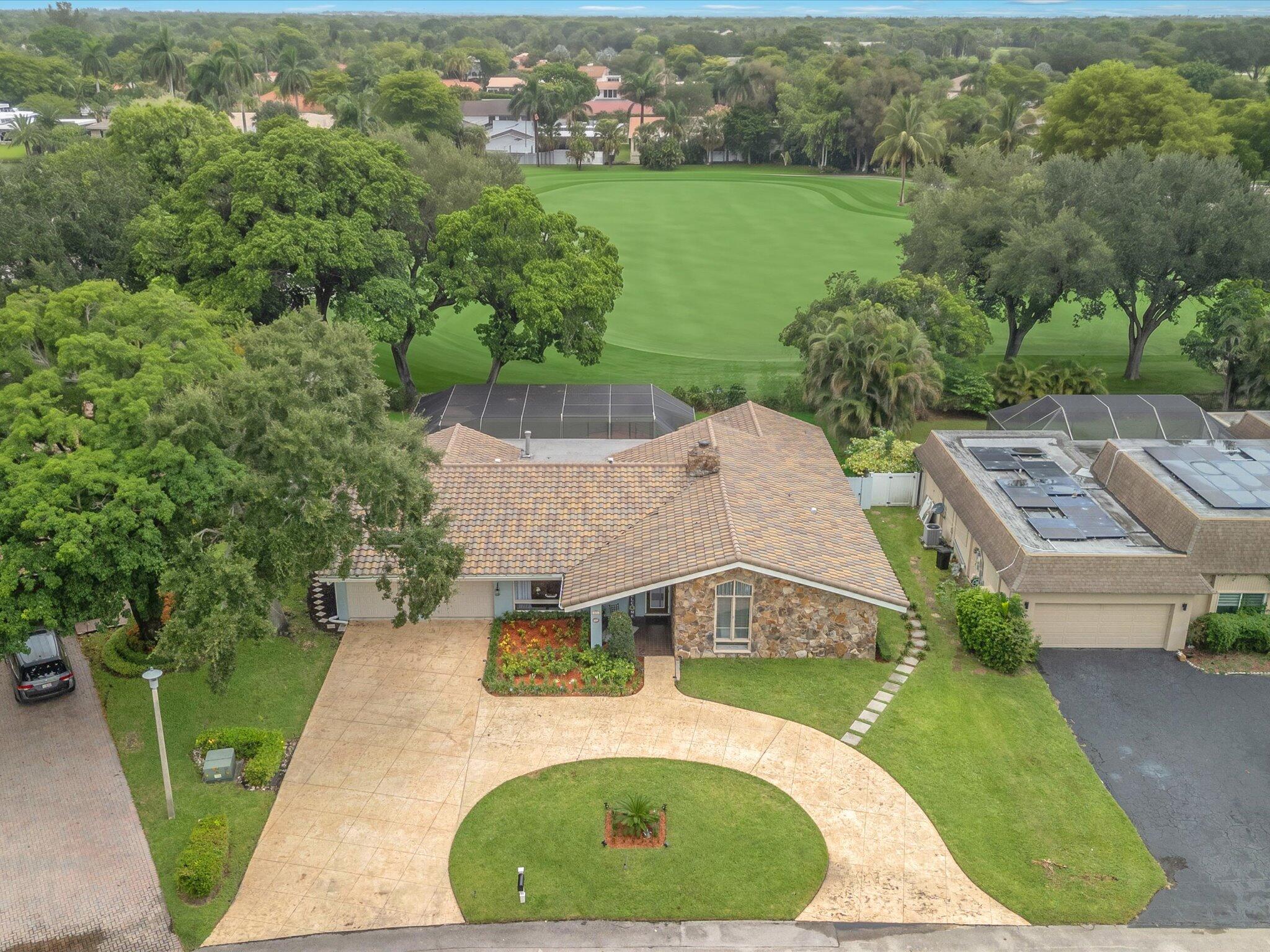
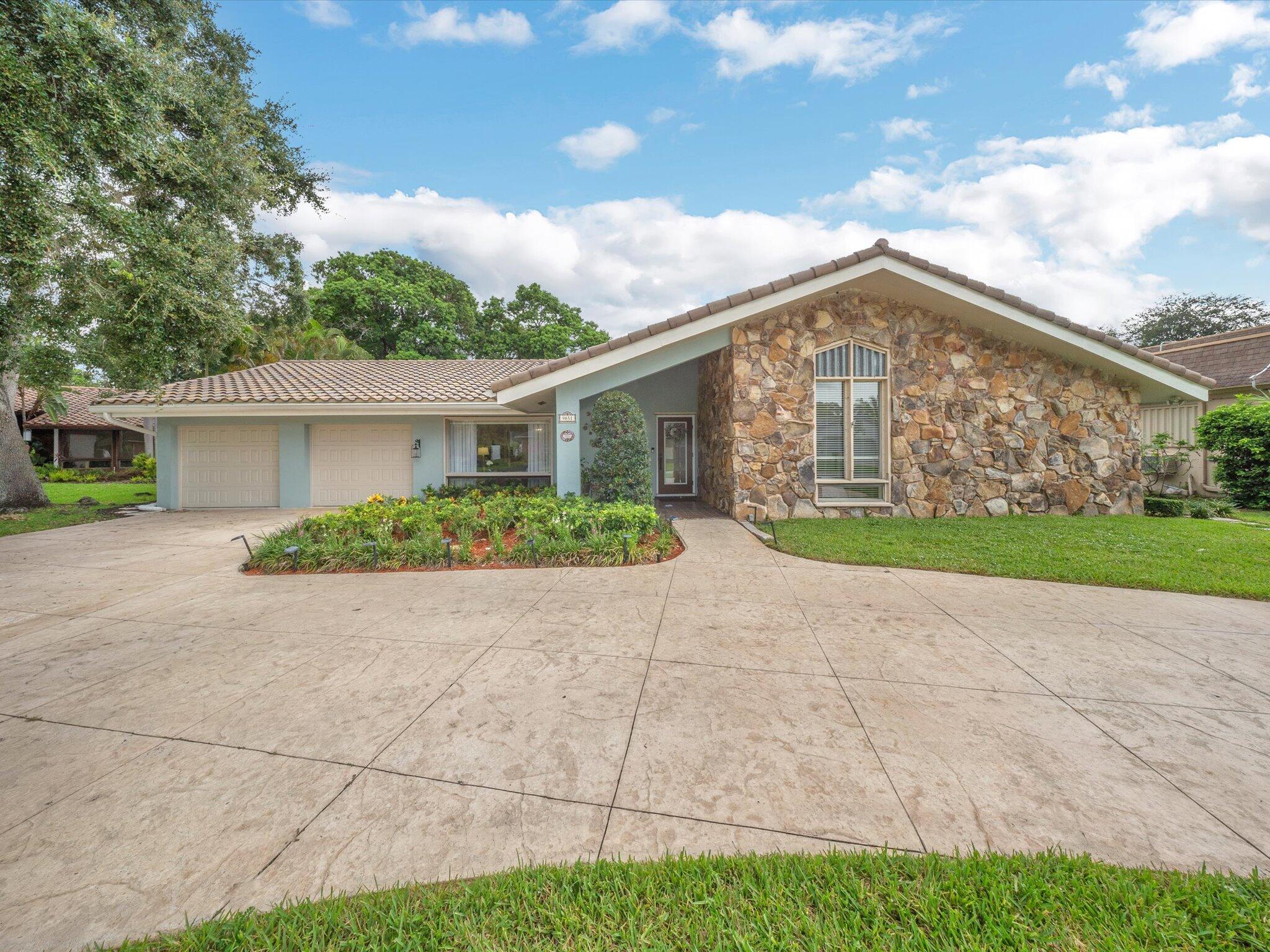
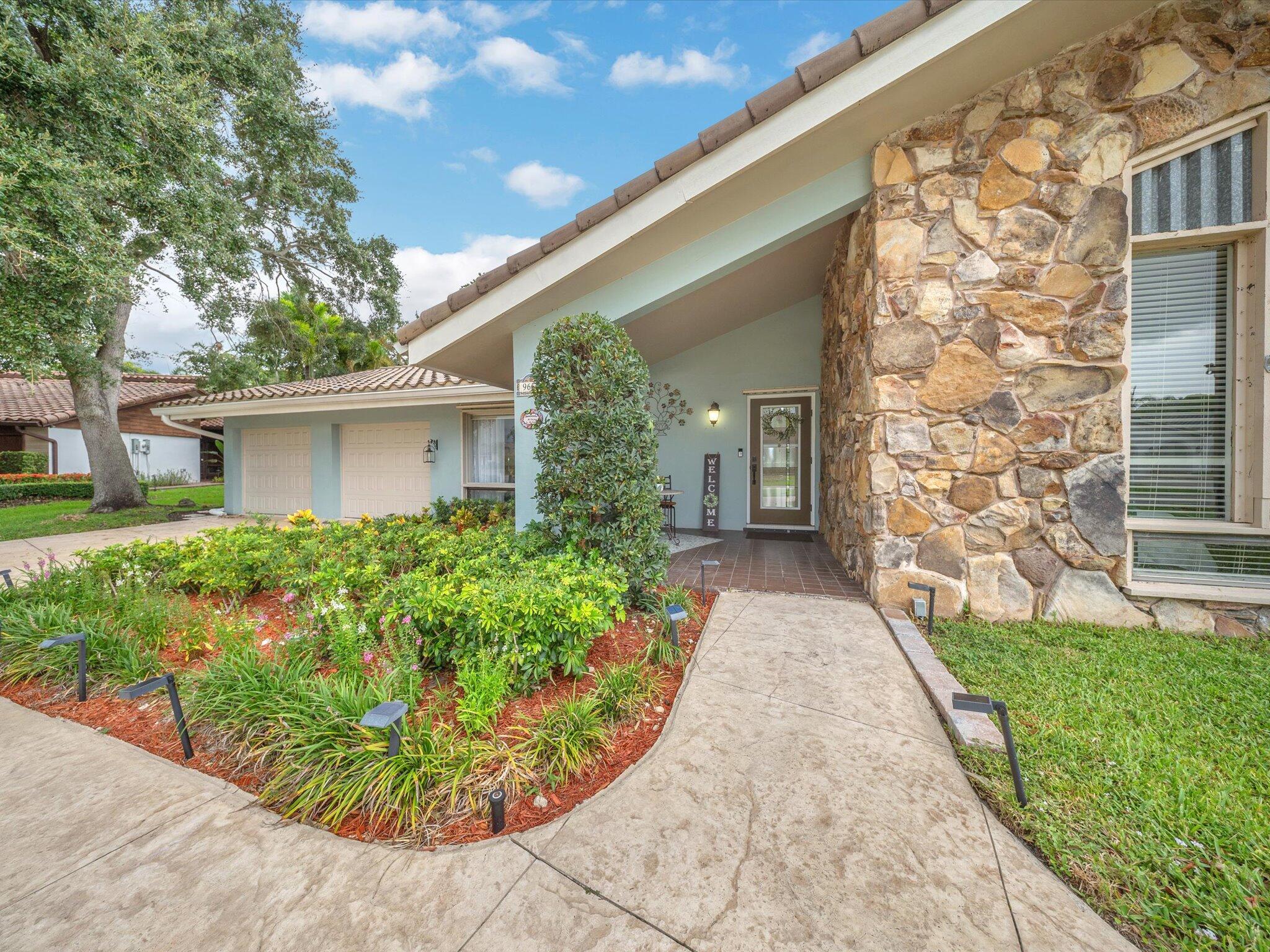
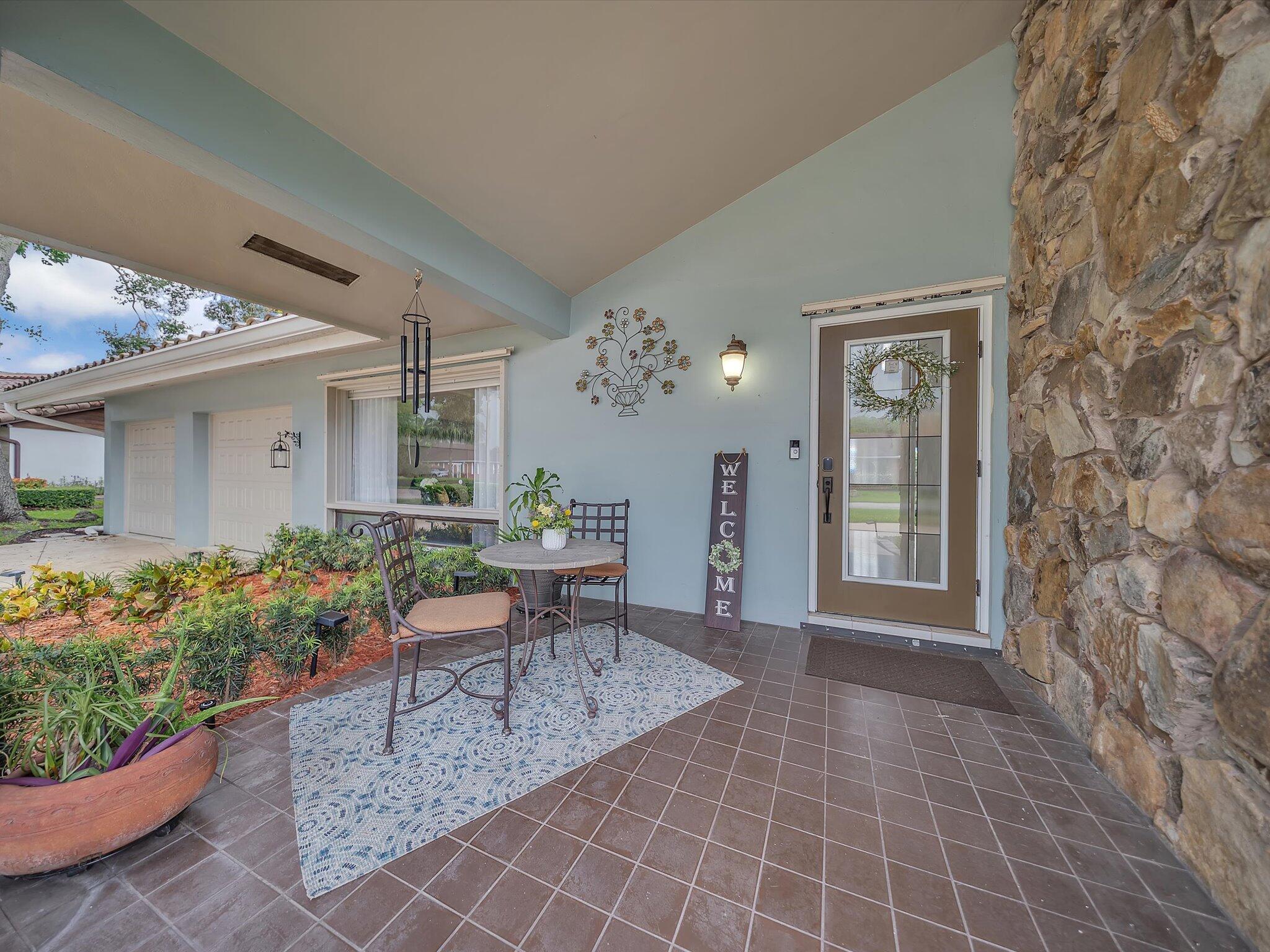
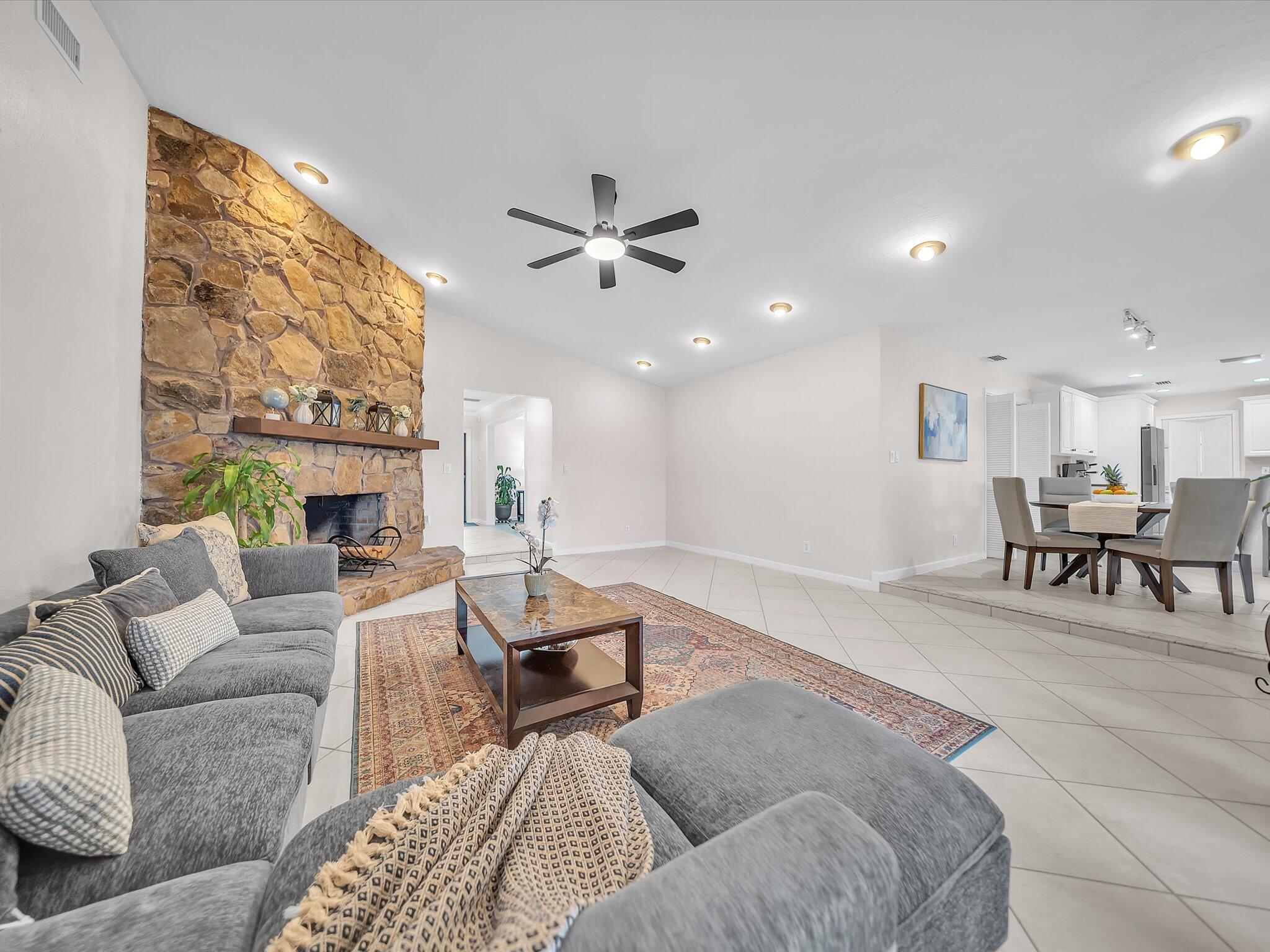
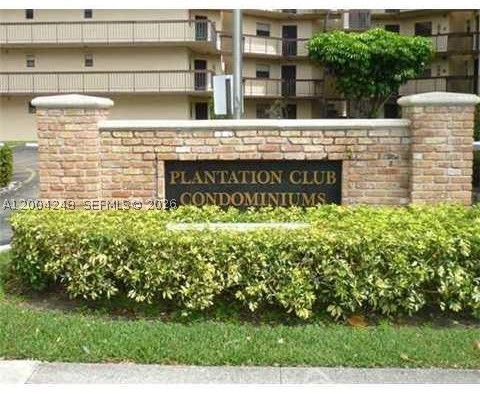
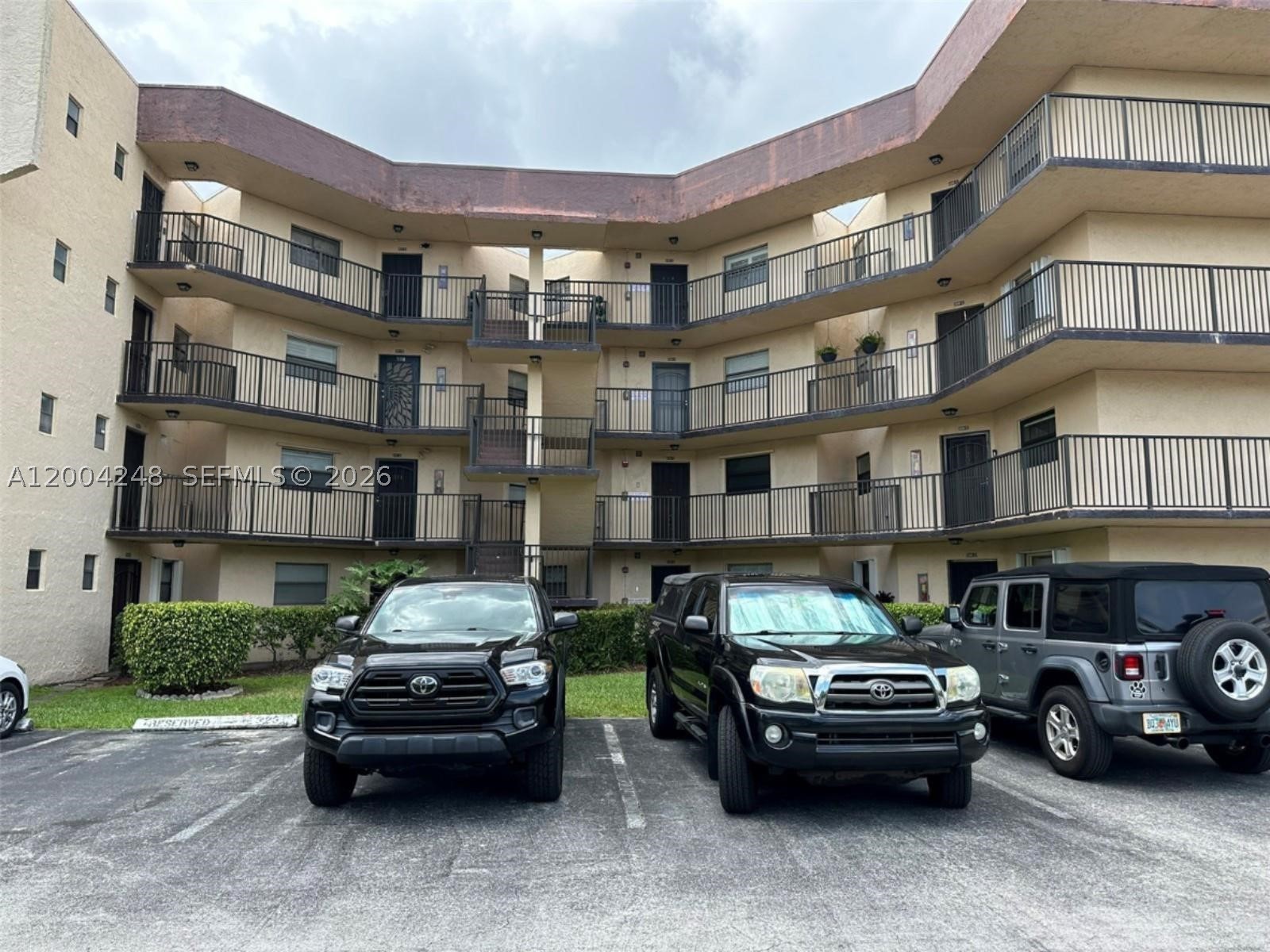
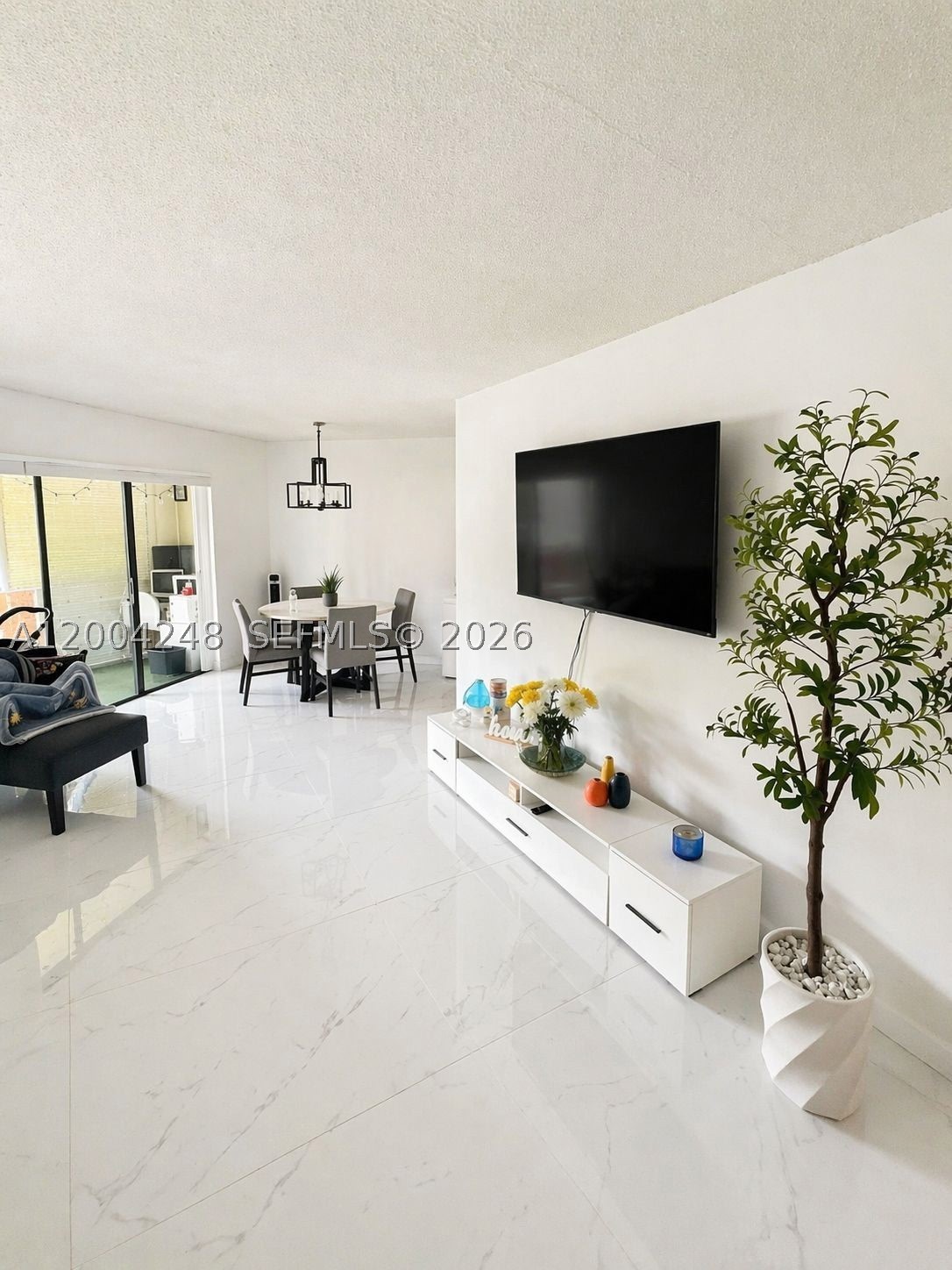
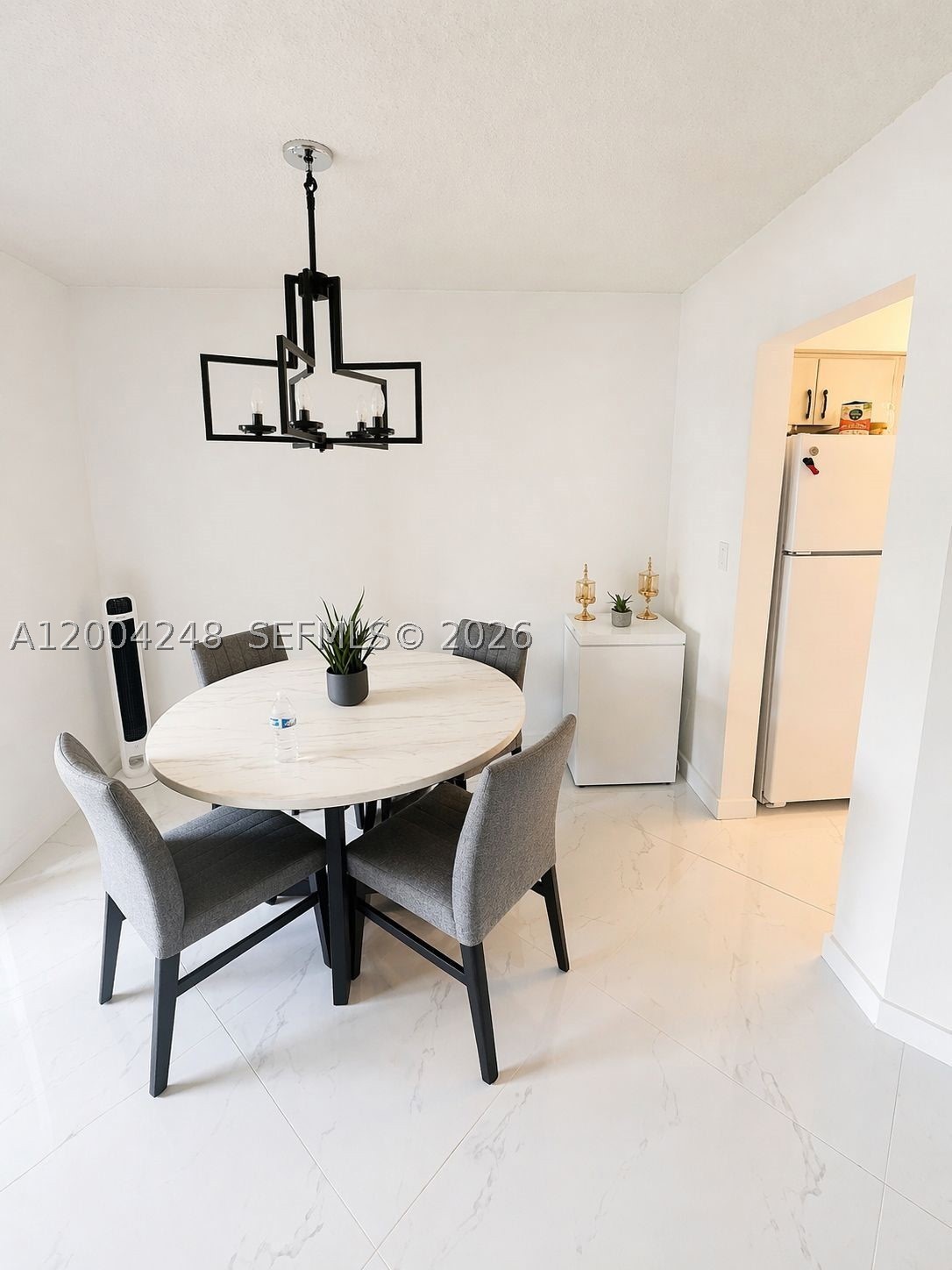
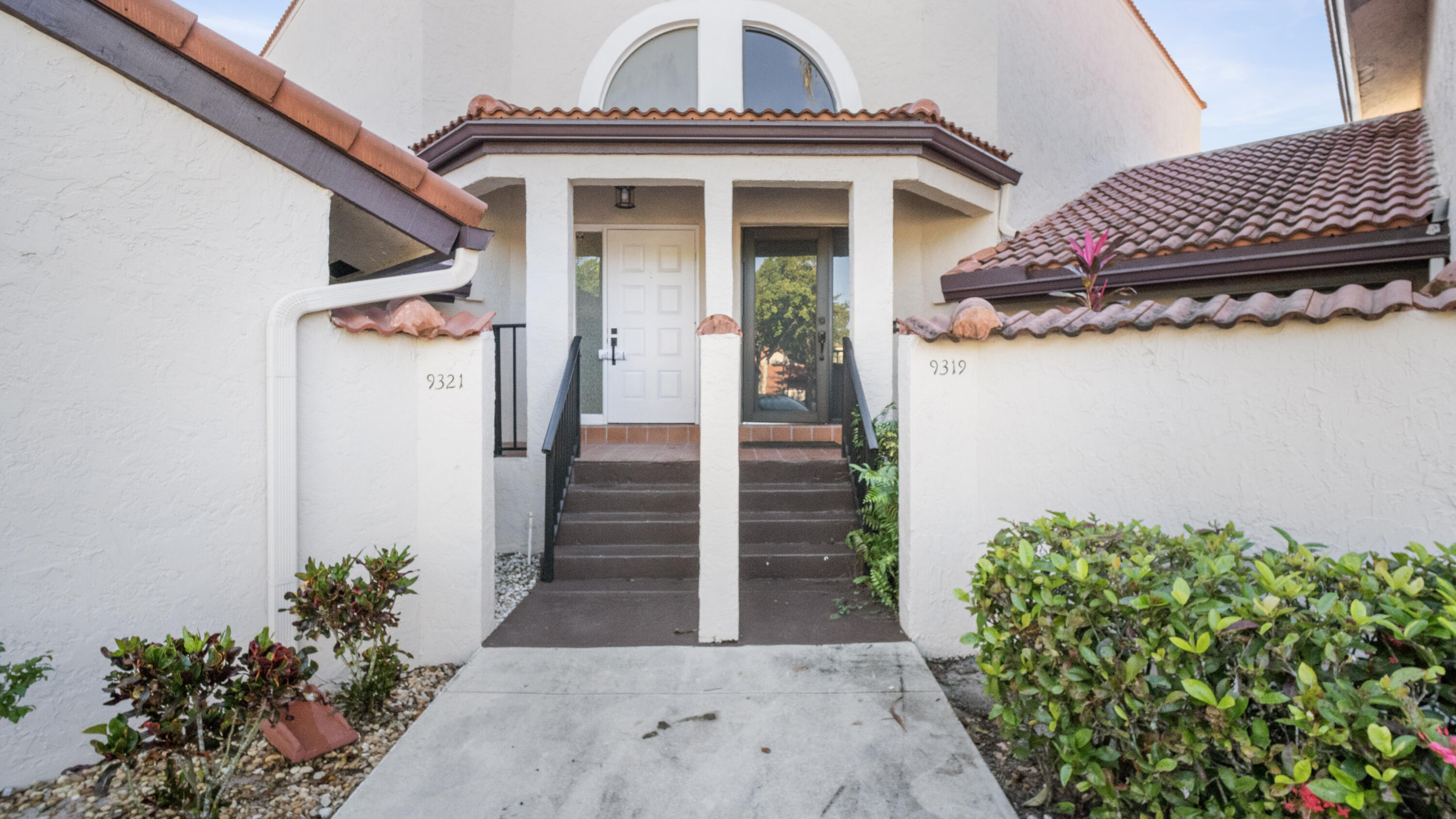
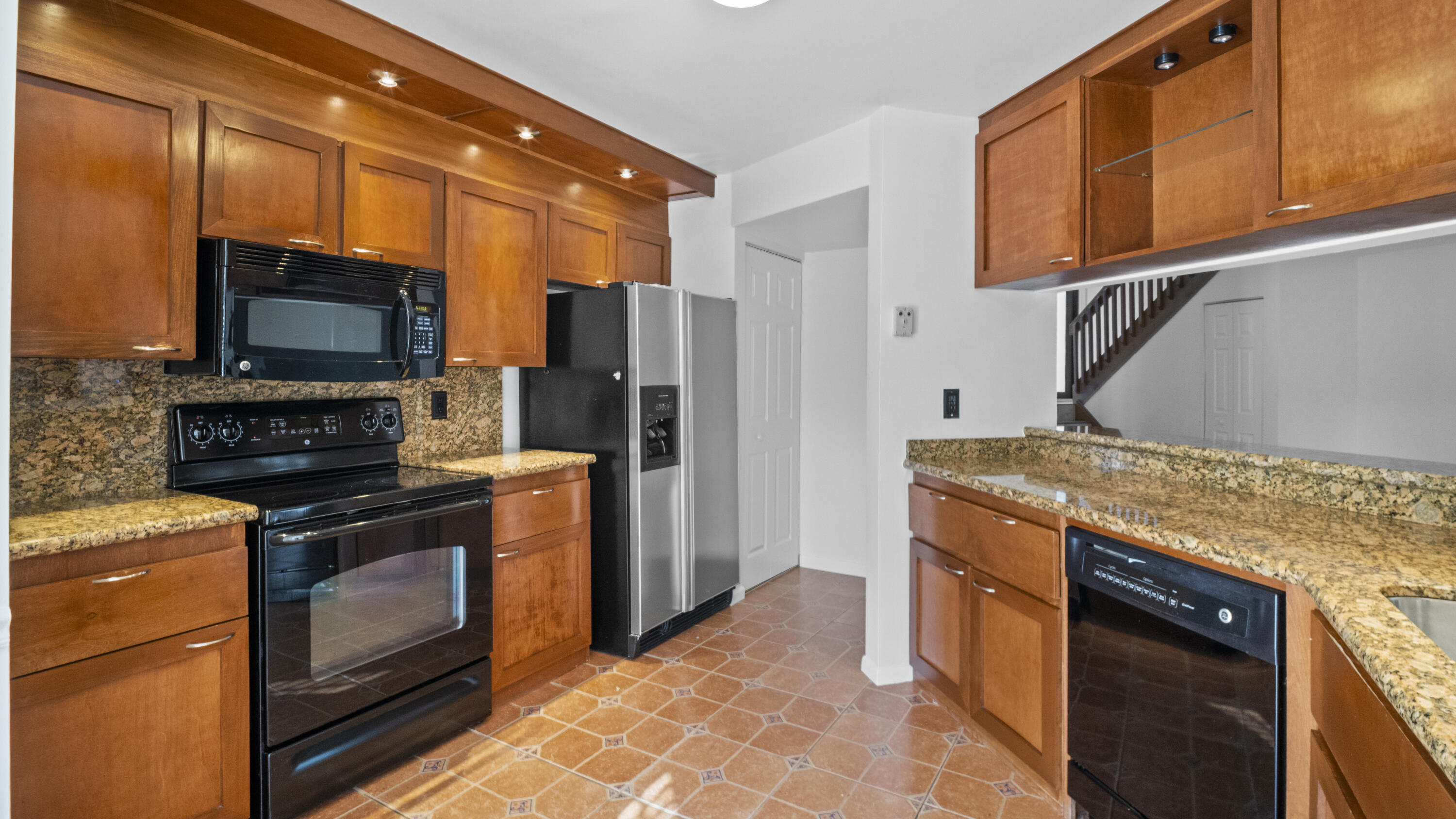
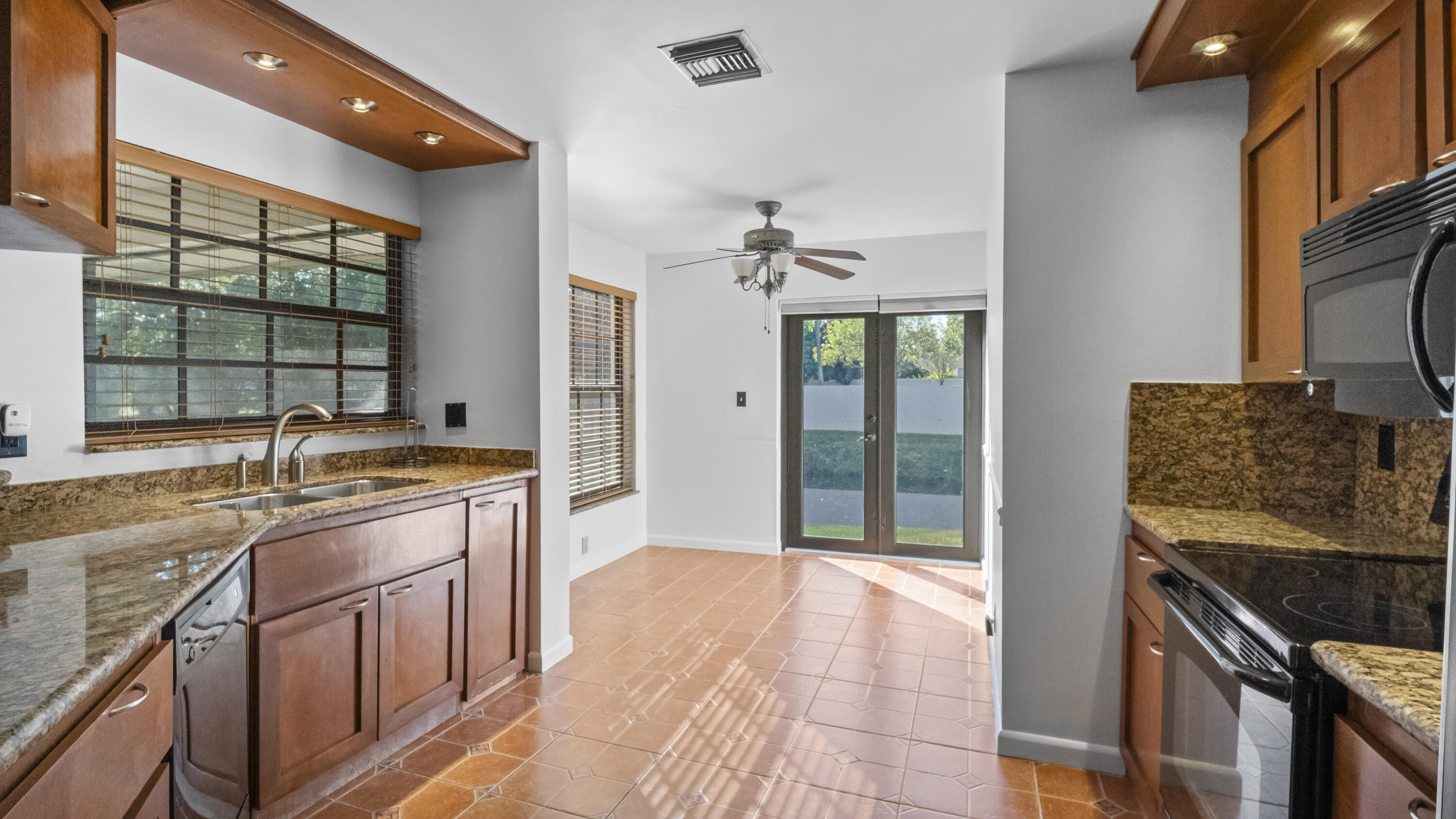
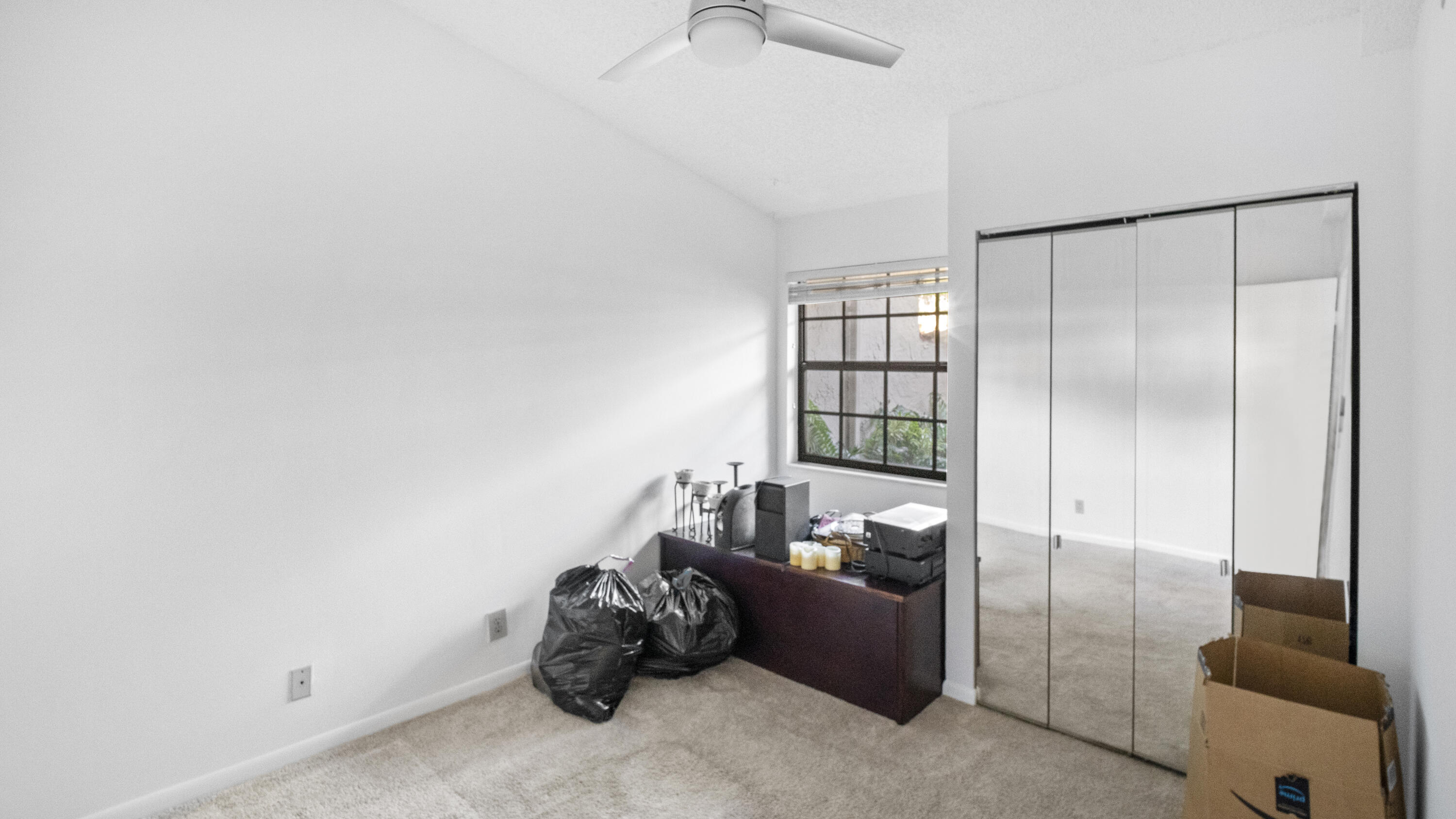
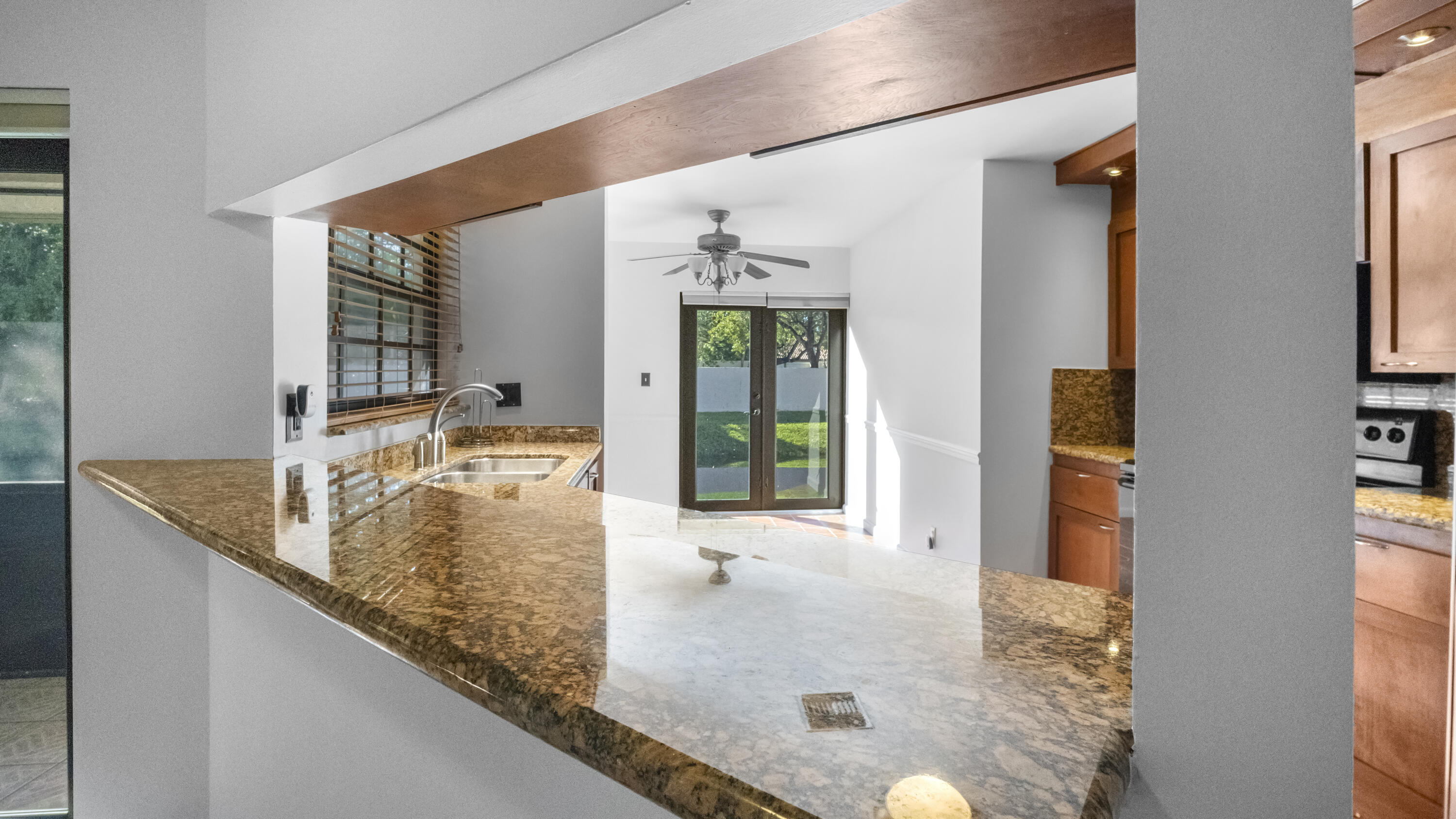
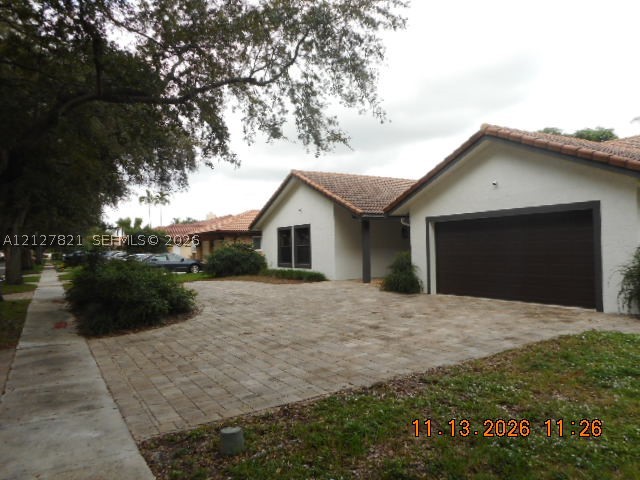
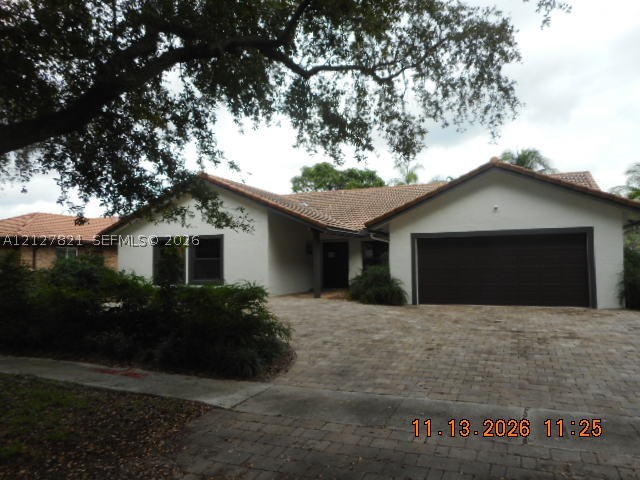
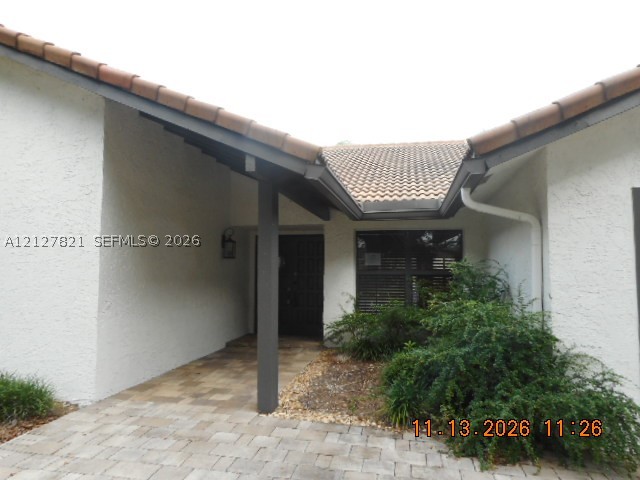
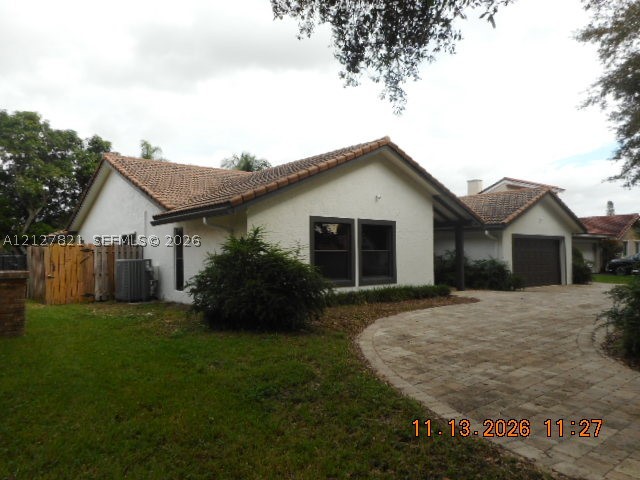
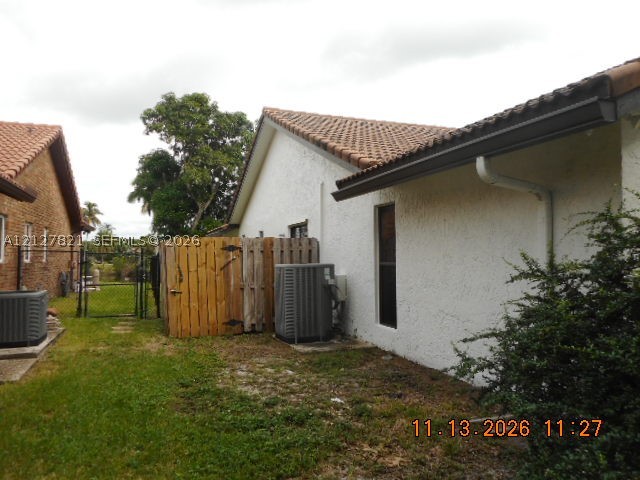
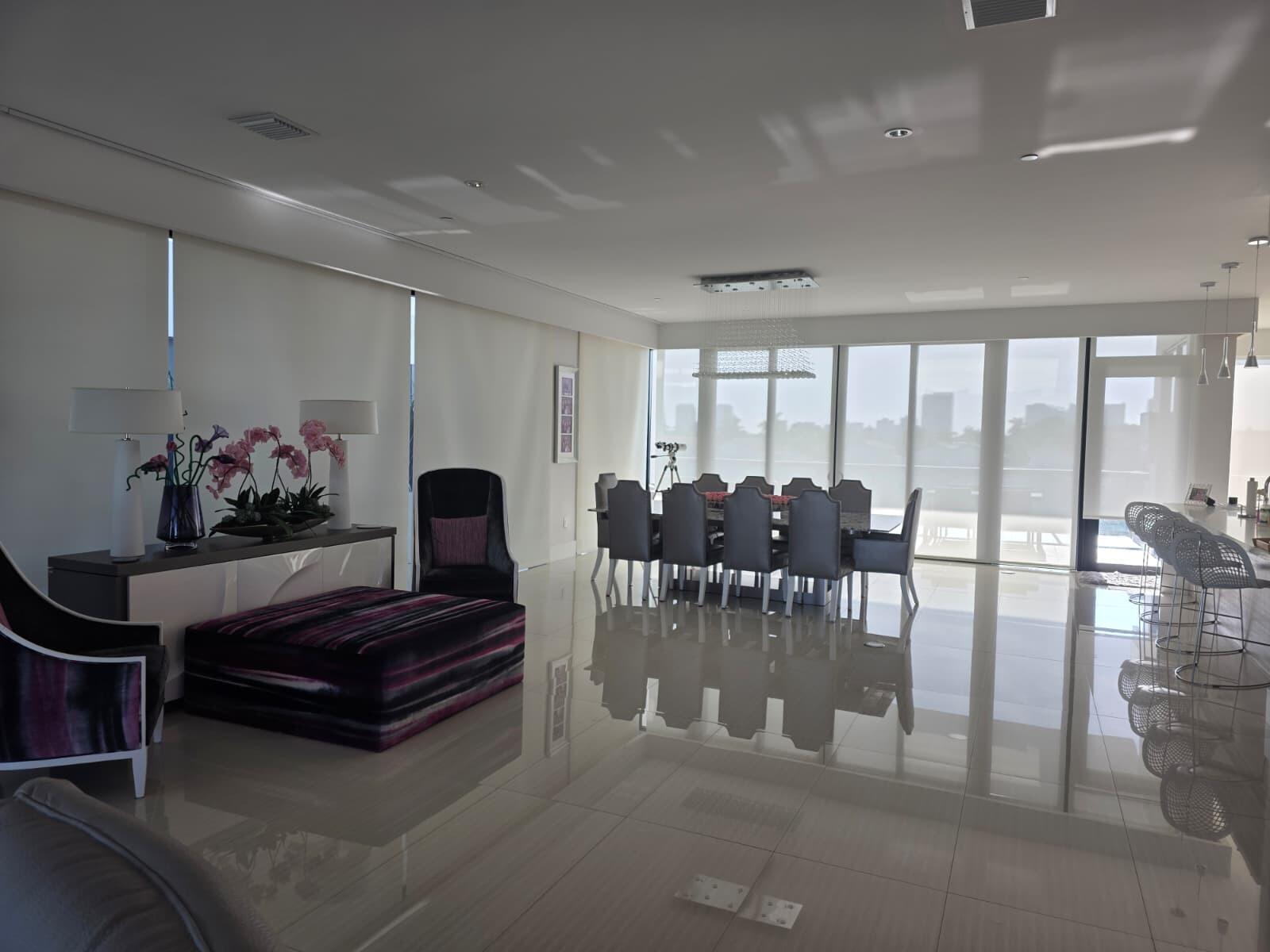
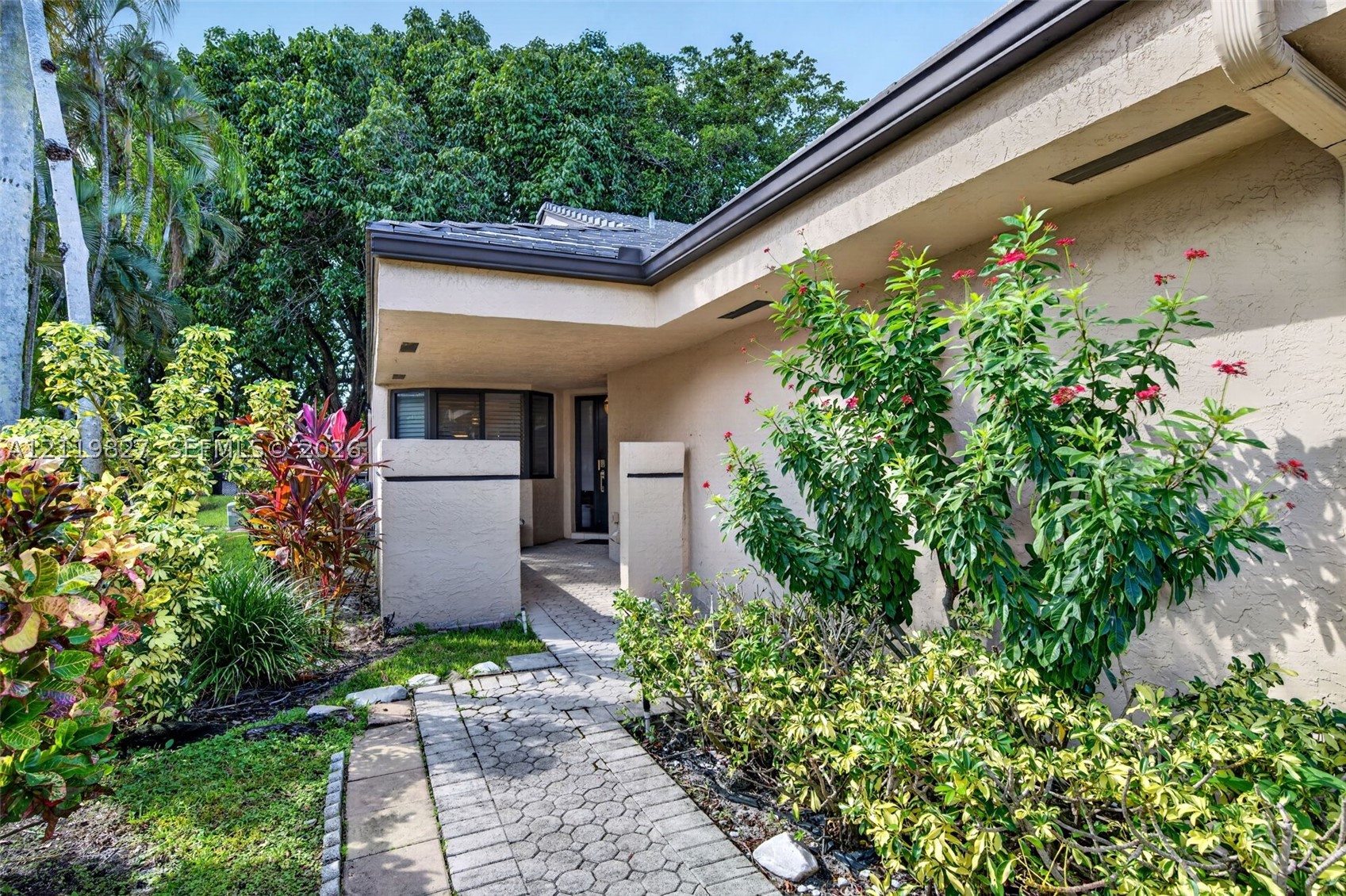
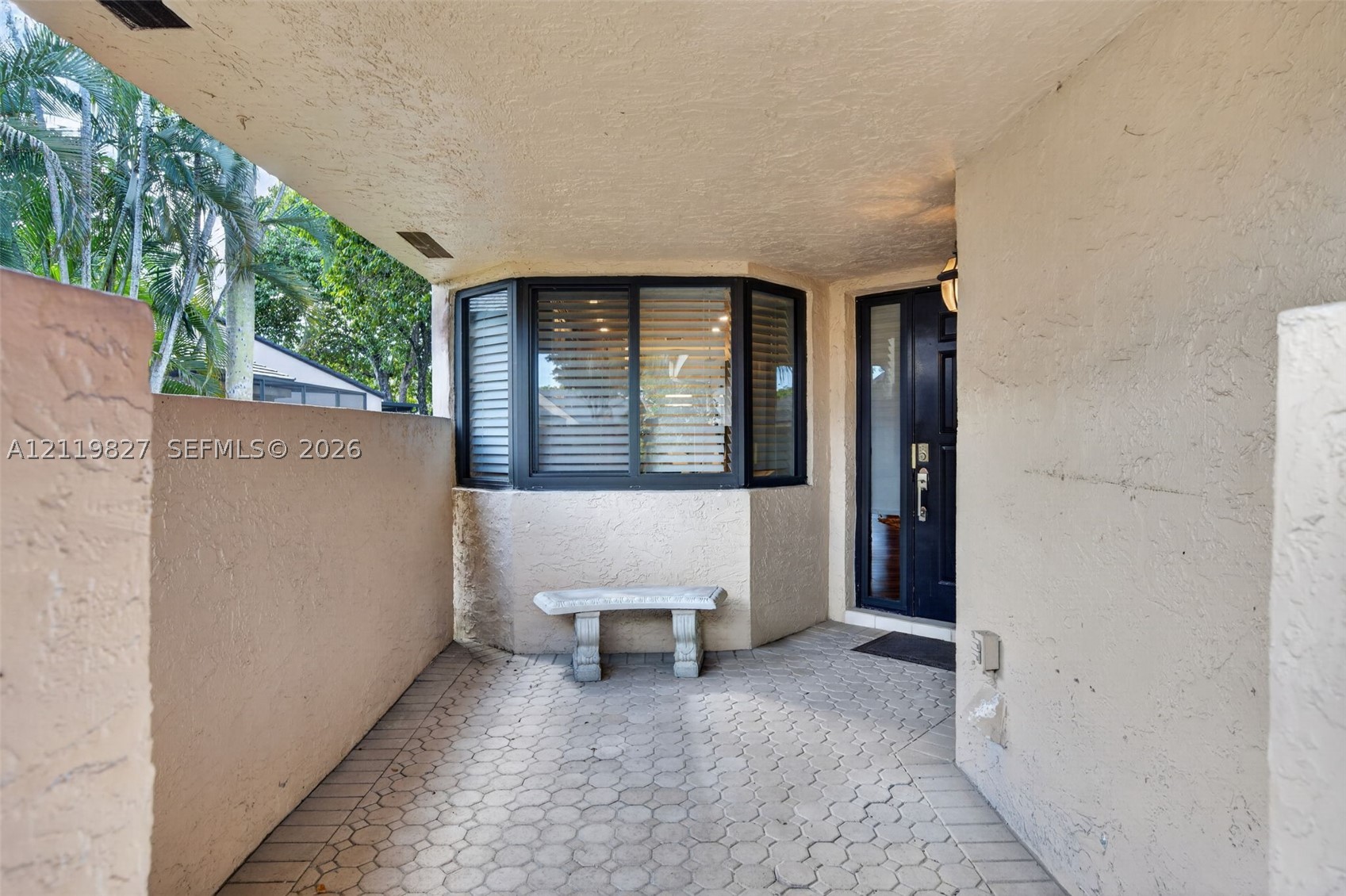
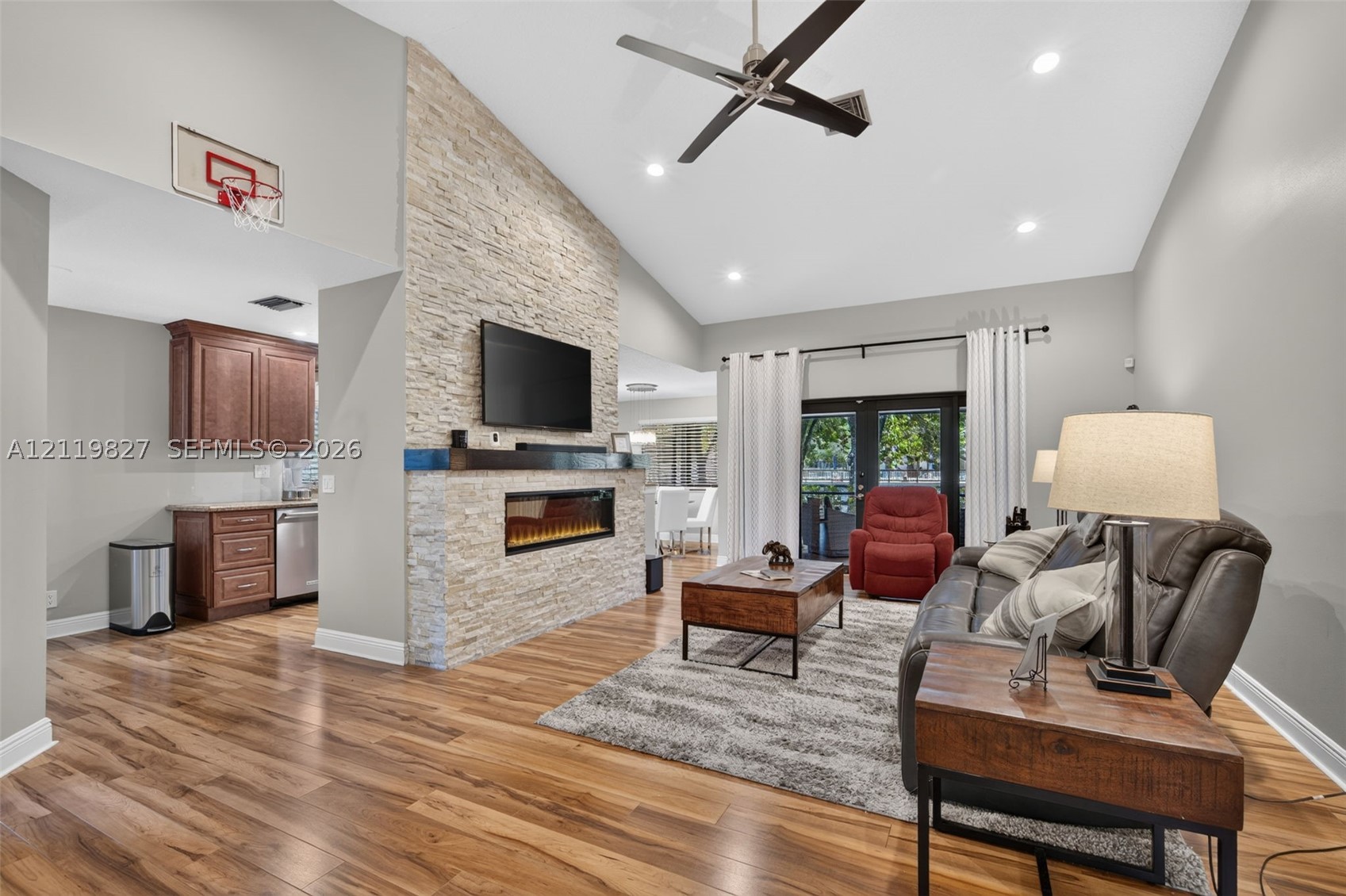

IDX information is provided exclusively for personal, non-commercial use, and may not be used for any purpose other than to identify prospective properties consumers may be interested in purchasing. Information is deemed reliable but not guaranteed.
Plantation Real Estate: How to Compare Neighborhoods, Zoning, Flood Risk and Ownership Costs
Plantation is an incorporated city in central Broward County, west of Fort Lauderdale. Buyers can compare detached houses, townhomes and condominiums, but those formats do not all involve the same responsibilities. A house beside a canal, a townhouse governed by an association and a condo near the Midtown business district require different due diligence. The municipality is inland: a trip to an Atlantic beach is a separate journey, not an amenity attached to a Plantation address.
Begin with homes and real estate for sale in Plantation on BonaDomus, then verify the address against the city boundary, the legal property record and the applicable association documents. This guide focuses on the distinctions that can change a purchase decision rather than on listing counts or asking-price ranges that can become outdated quickly.
How does location within Plantation affect the housing choice?
Plantation contains established residential streets, planned communities, lakes and canals as well as commercial corridors. An eastern address may involve a different route to Fort Lauderdale than a property farther west. In a community with controlled access, a short map distance may not correspond to a short drive because entrances and turn restrictions influence the actual route. Compare the street and the building instead of assuming that the city has a uniform housing pattern.
Plantation also borders other Broward municipalities. A mailing city or ZIP code is not definitive evidence of the government that controls zoning and permitting. Use the Plantation GIS Services portal to view city boundaries, address and parcel layers, then verify jurisdiction with the appropriate public office. For daily travel, test the actual route to I-595, Florida's Turnpike, appointments and shopping at the times you expect to use it.
What makes Plantation Midtown different from the residential districts?
Plantation Midtown is a designated business and development district rather than a description of the entire city. It includes retail, offices and mixed-use activity near destinations such as Broward Mall, The Fountains and Plantation Walk. That setting can make walking between certain services more practical than in a purely residential subdivision, but it does not make every Plantation property walkable.
The city's Comprehensive Plan portal identifies an update proposed for 2025–2045 and refers to Midtown planning work. A proposed plan, an adopted land-use amendment, a development approval and a completed building are different stages. When considering a home beside a possible project, request the currently adopted rules and project status rather than treating an illustration or planning concept as a guaranteed future view or improvement.
How do zoning, land-use maps and association rules interact?
Plantation's municipal mapping distinguishes residential, commercial and planned-development areas. The PGIS map includes zoning, land use and parcel information, but the city warns that online layers are updated periodically and may not capture the latest action. A property owner considering an addition, a converted garage or another use should obtain confirmation of the applicable code and any parcel-specific approvals.
Government zoning is only one layer. A homeowners or condominium association can have separate recorded restrictions on parking, exterior work, leasing and shared facilities. A use that appears generally permissible under city rules may still be prohibited by private documents. Ask for the declaration, current rules, amendments and applicable architectural-review procedures before relying on a seller's description of what can be changed or rented.
What should be compared between a house, townhouse and condo?
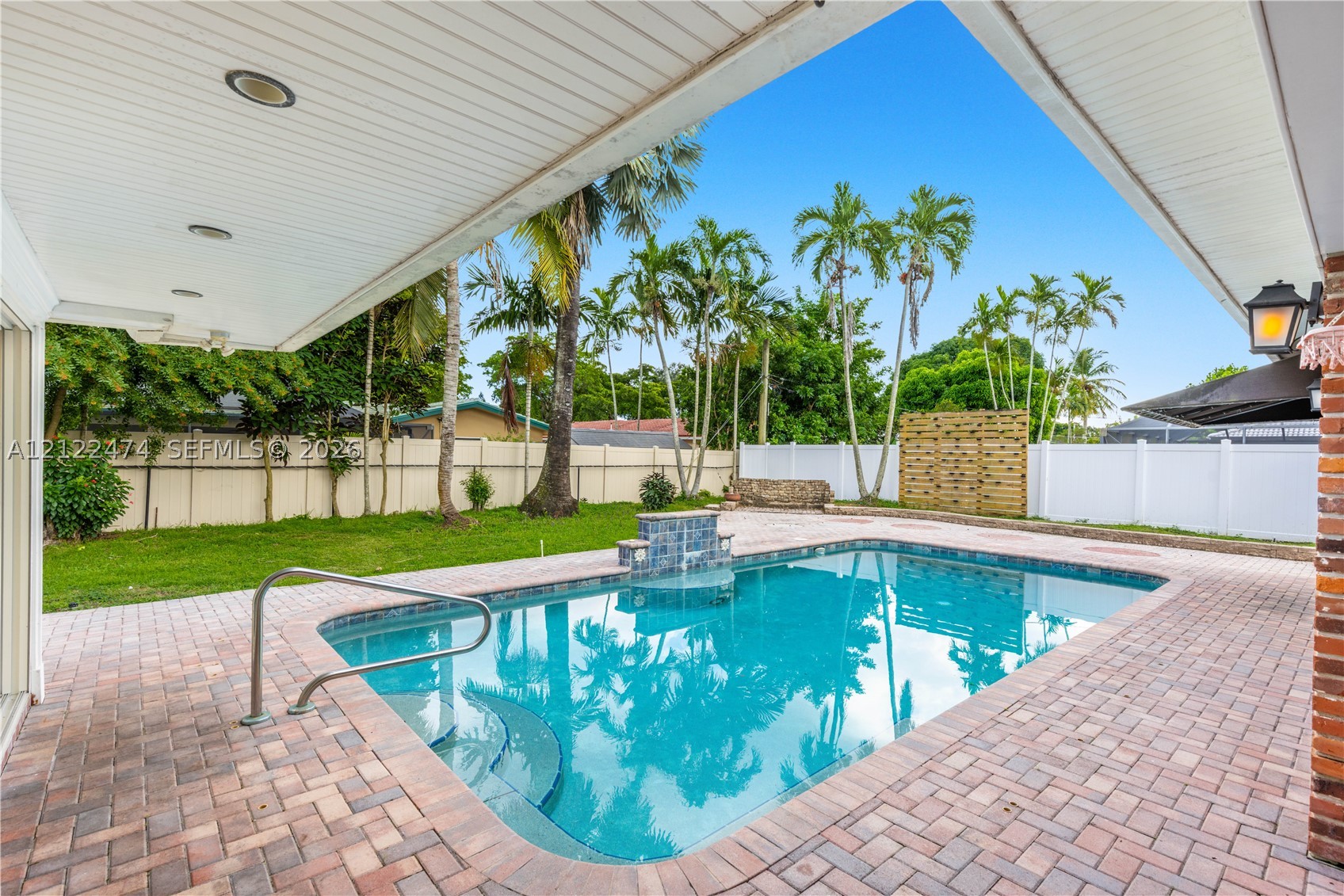
For a detached house, examine roof condition, wind protection, air conditioning, plumbing, pool equipment, landscaping, fencing and site drainage. If the home is beside a canal or lake, determine the property boundary and who maintains any bank, retaining structure or drainage easement. Do not assume that the appearance of a common shoreline establishes private rights or maintenance duties.
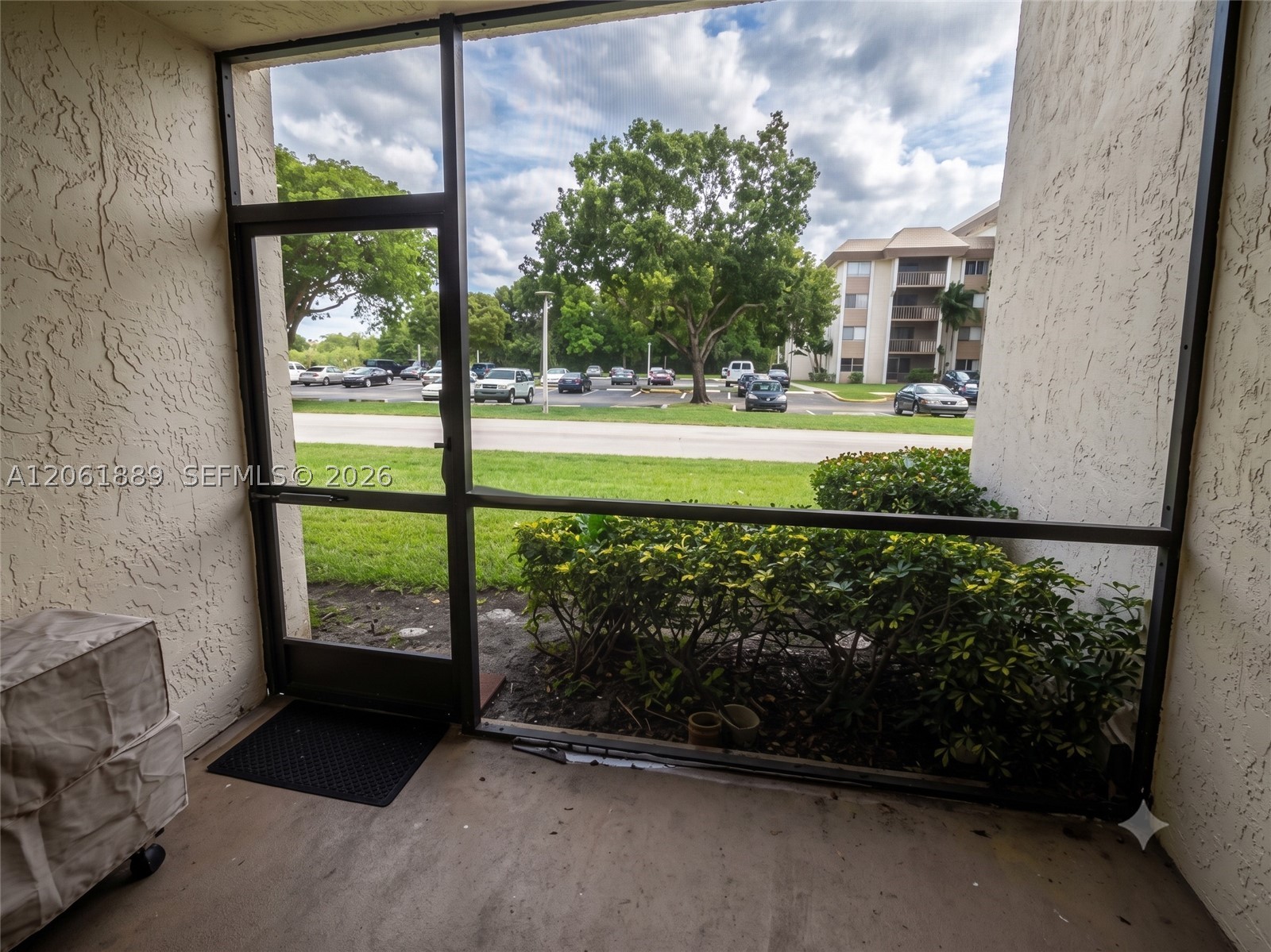
For a townhouse, ask which building components are the owner's responsibility and which are insured or repaired by the association. A condo requires a separate review of building insurance, budgets, reserves, inspection documents when applicable and any proposed special assessments. Compare the true cost of ownership rather than using the purchase price or monthly HOA fee alone. A club, pool or gate does not by itself establish which services are included in dues.
Which parks and public facilities are relevant to daily routines?
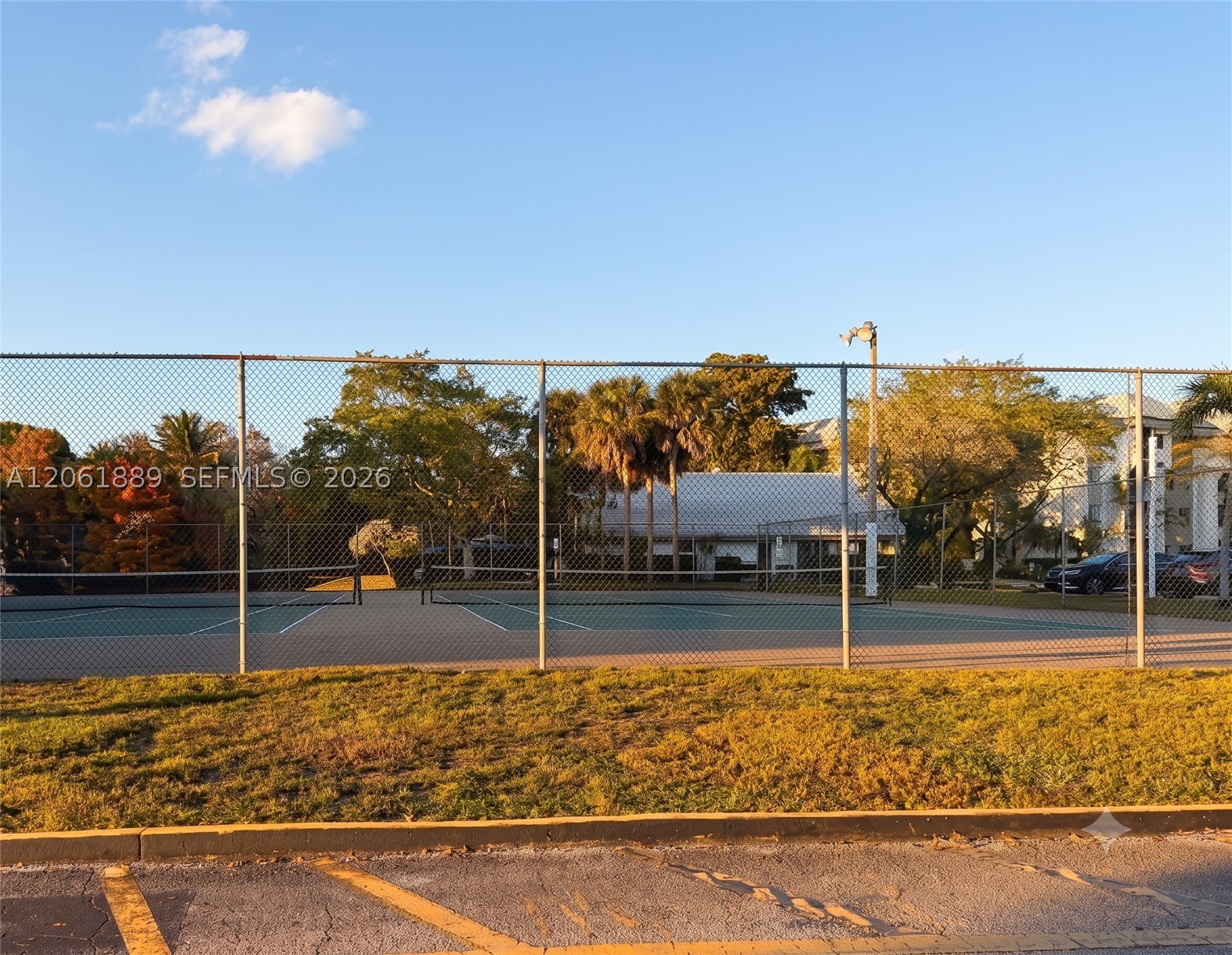
Central Park provides athletic fields, tennis, aquatic facilities, walking areas and other recreation resources. Volunteer Park, farther west on Sunrise Boulevard, includes courts, open-play space, a community center and a trail beside a wetland area. Their activities, access rules and hours are not necessarily the same, and scheduled events can affect access.
The municipal facility directory also lists smaller parks and community centers in different parts of Plantation. Use it to locate a specific facility, then test the drive or walk from each prospective home. A park being within the city is not evidence that a particular residence is close to it. Check current programs and reservations directly with the relevant department rather than promising year-round access to a named activity.
How should buyers investigate flood exposure and canal drainage?
The city's Flood Protection guidance explains that heavy rainfall, the North New River, C-12 and C-42 canals and the Old Plantation Water Control District drainage network are relevant to local flooding. Flooding may result from intense short storms or prolonged rain. Being away from the ocean or outside a mapped special flood hazard area is not proof that a property has never taken on water.
Check the effective map for the exact address at the FEMA Map Service Center, and ask the city's Engineering Department about local drainage conditions. Compare available elevation certificates, past water intrusion, insurance claims, garage thresholds, swales and the elevation of mechanical equipment. For canal-front property, establish maintenance boundaries and any easements. Seek an insurance quotation for the specific structure; regional flood descriptions do not determine the premium for an individual home.
How can permits and code cases change a renovation budget?
The city uses an Accela Citizen Access permit portal for property and building records, record status and inspections. Before offering on a remodeled property, compare the physical layout with permits and final inspections. A new kitchen does not certify roof work, a converted garage or an added bathroom. Request information about open permits, unresolved code cases and possible conditions attached to previous approvals.
The GIS and Code Enforcement tools can provide a preliminary view of mapped cases, but a displayed layer is not a title opinion or official clearance. If your plan involves a pool, addition, fence, new driveway or change in the number of dwelling units, ask the relevant department which rules and reviews apply. Obtain contractor estimates only after the legal scope of the work has been examined.
Can a Plantation property legally operate as a vacation rental?
Plantation administers a Vacation Rental Registration program. Its published checklist calls for ownership documentation, applicable state and county credentials, local tax receipts, insurance, floor and site sketches and guest-use documents. The city's process includes compliance reviews and inspections by relevant departments. An online advertisement is not evidence that an existing operation is authorized or that a new owner can continue it automatically.
According to the city's renewal guidance, vacation-rental registration and the Certificate of Compliance require annual renewal, along with business-tax obligations and inspections. Before making rental income central to a purchase, confirm address eligibility, HOA restrictions, legal occupancy, rental terms, parking and the full operating cost in writing. A conventional long-term rental analysis may provide a separate comparison, but it must also reflect applicable rules.
What should buyers check about commuting and school assignments?
Travel convenience is address-specific. A property near a major corridor can still have a lengthy route to the nearest suitable entrance or turn lane. Check how traffic on Sunrise Boulevard, Broward Boulevard, I-595 and connecting roads affects the times you need to travel. If you plan to use a bus, confirm the current stop, direction and service hours through the appropriate Broward County Transit resources instead of assuming that all parts of Plantation receive equivalent service.
Public school assignments are based on the applicable district rules and the exact address, not a generic neighborhood description. Confirm the school and year through Broward County Public Schools, then check program eligibility and any application requirements separately. Private and charter schools may use different processes. A nearby school building is not a promise of enrollment, and the practical daily route deserves the same attention as the map distance.
What belongs in the final budget and buyer checklist?
The transaction budget should include estimated property taxes after transfer, homeowners insurance, any required or prudent flood insurance, HOA or condominium fees, mortgage expenses, routine maintenance and likely capital work. A seller's tax bill can reflect exemptions or assessment limitations that do not follow the buyer. Confirm the parcel with the Broward County Property Appraiser and review an updated tax estimate with a qualified adviser. If school assignment matters to the decision, check the exact address through Broward County Public Schools; nearby schools are not a guarantee of a particular assignment or program.
Before closing, assemble the survey, title and easement review, zoning confirmation, permit history and final inspections, association documents where relevant, flood information, insurance quotes and property inspection reports. For a canal property, include the shoreline and drainage responsibilities; for a townhouse or condo, focus on maintenance allocation and the association's finances. BonaDomus can help compare Plantation properties, coordinate viewings and document requests and organize the transaction through closing. Legal, engineering and insurance conclusions require the appropriate specialists.