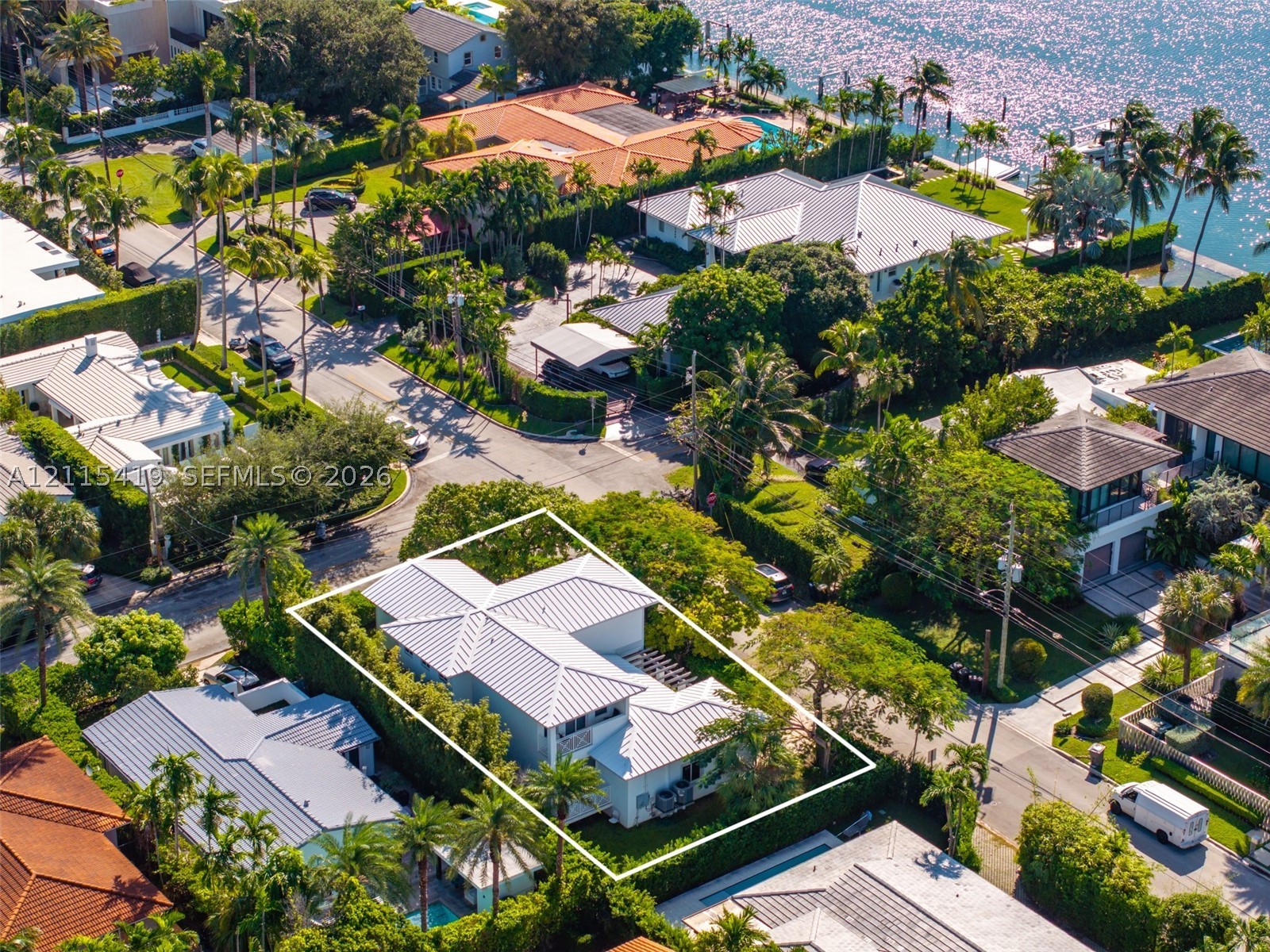
Real estate for sale in Surfside, FL







IDX information is provided exclusively for personal, non-commercial use, and may not be used for any purpose other than to identify prospective properties consumers may be interested in purchasing. Information is deemed reliable but not guaranteed.
Surfside Real Estate: Oceanfront Condos, Coastal Homes and What Buyers Should Check
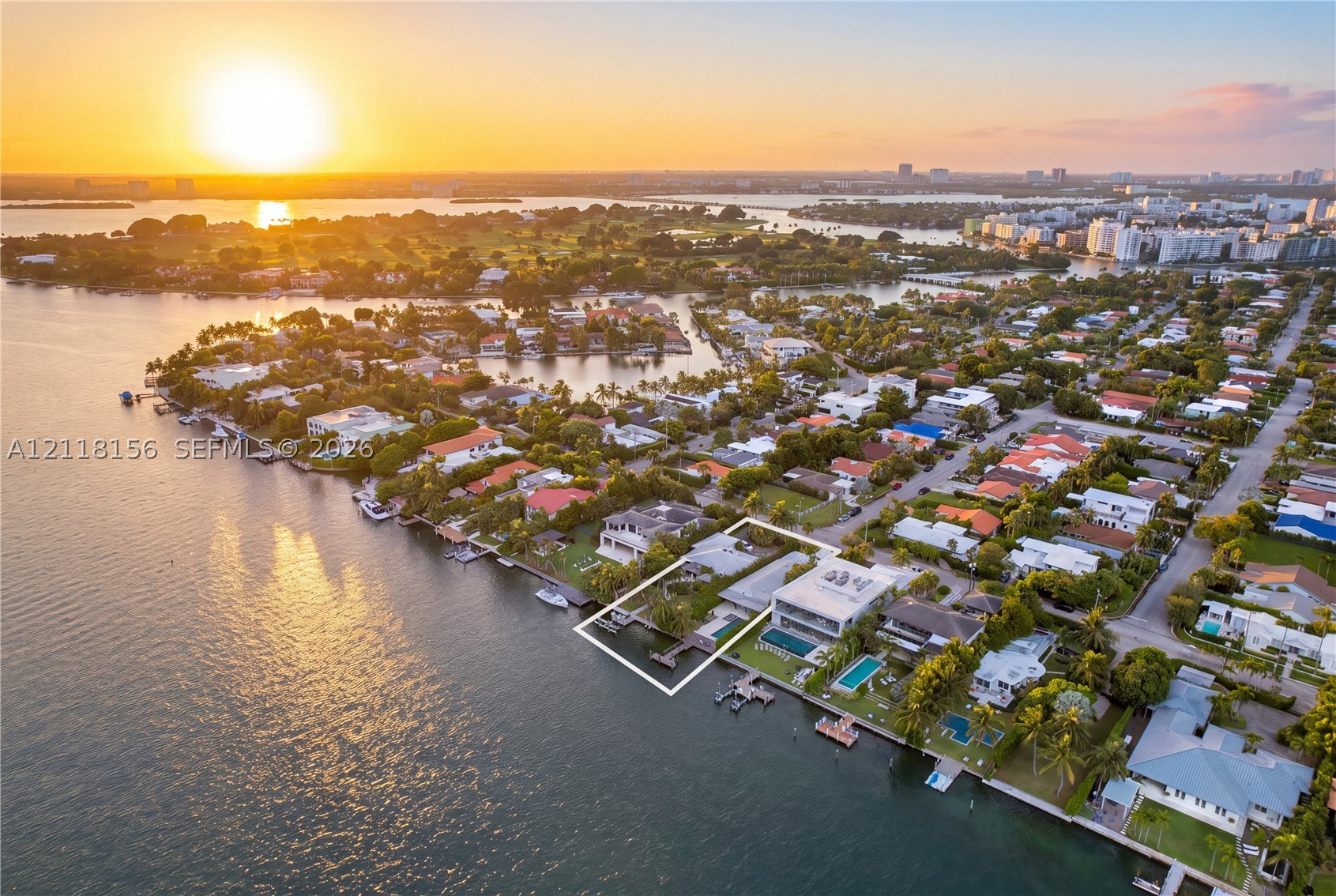
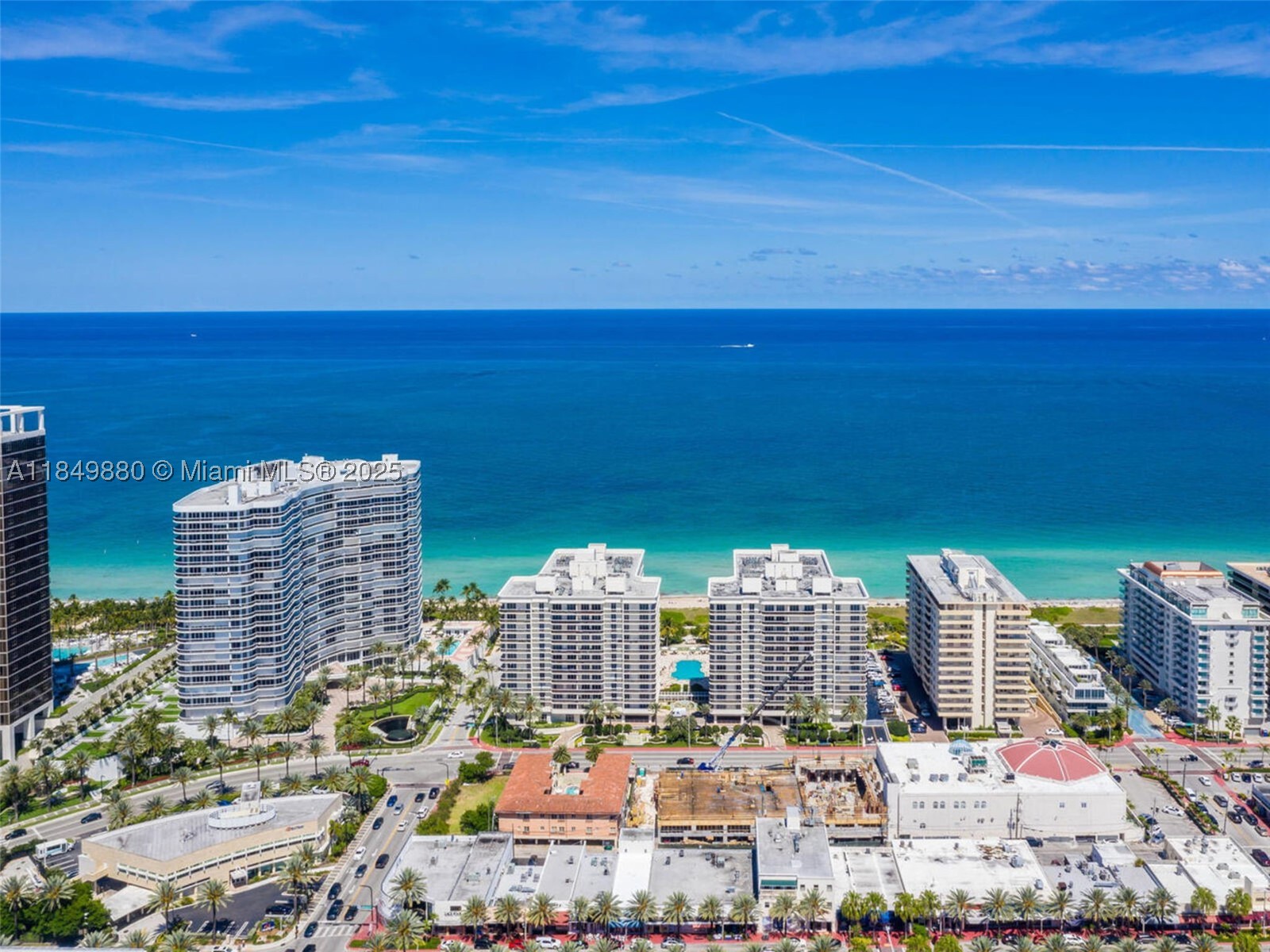
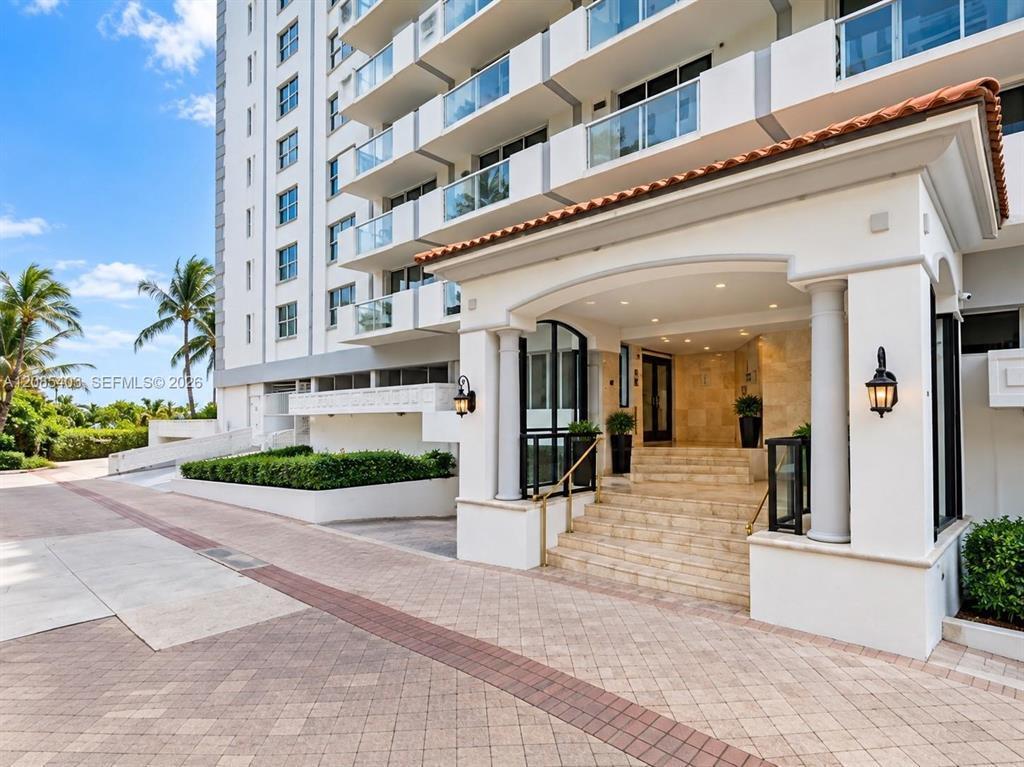
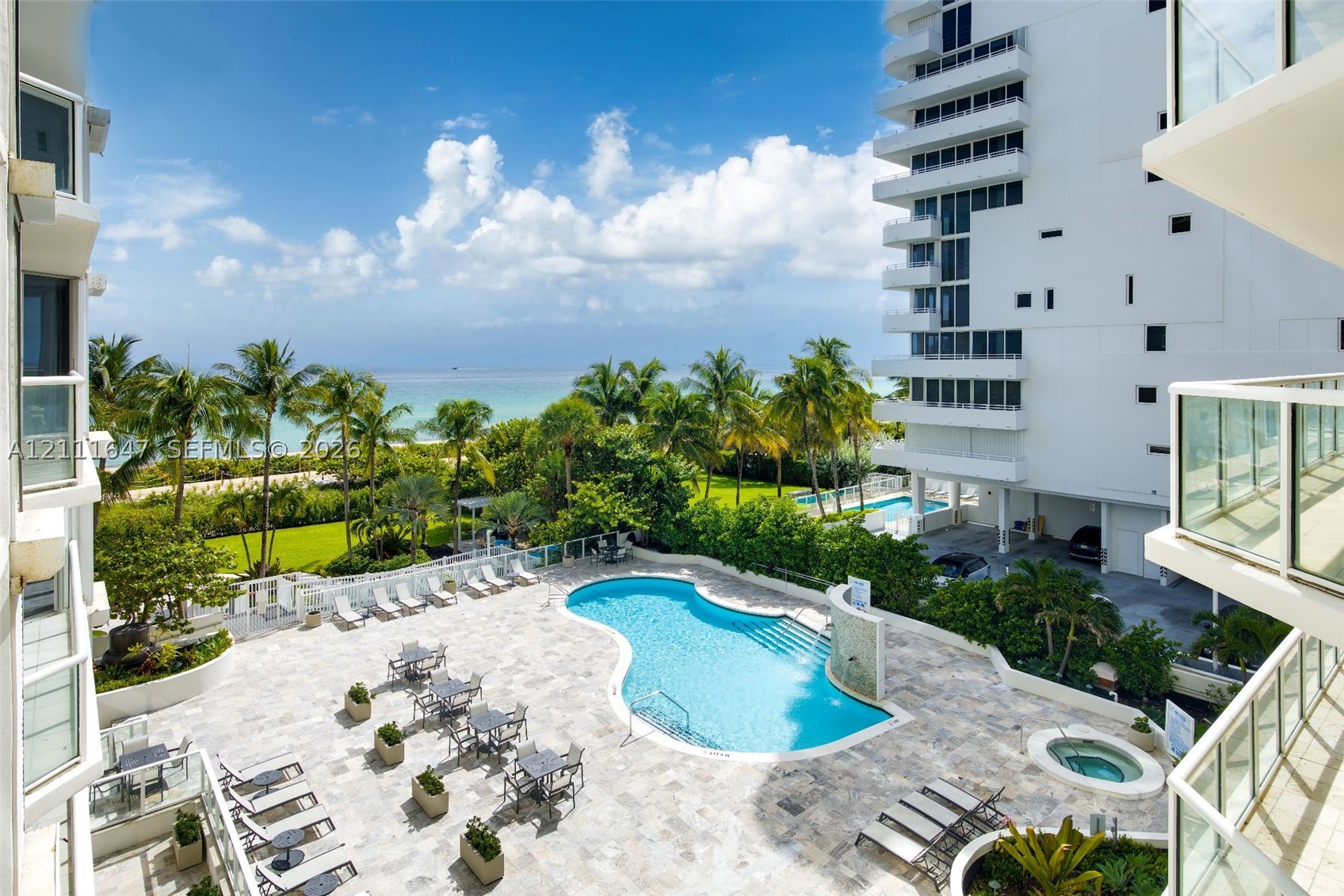
Surfside is a compact coastal town in Miami-Dade County, between Miami Beach to the south and Bal Harbour to the north. Its Atlantic shoreline is lined with condominium and hotel properties, while the blocks west of Collins Avenue include detached homes and smaller residential buildings. Harding Avenue serves as the principal neighborhood shopping corridor. The town's geography makes beach access relatively close, but an oceanfront condo, an inland house and a mixed-use property present different ownership questions.
Explore Surfside real estate for sale on BonaDomus and compare individual units, building documents and exact locations. A view of the Atlantic is only one part of the decision. Buyers should also establish the status of structural inspections, whether renovations were permitted, what the association must fund and whether the proposed use of the home is lawful. Live listing prices and counts are not stable enough for a permanent city guide.
How is Surfside different from neighboring Miami Beach and Bal Harbour?
The Town of Surfside describes its coastal boundaries approximately between 87th Terrace and 96th Street. Moving a few blocks can place a property under another municipality's rules. A postal description such as “Miami Beach area” cannot establish which local building office, zoning code or rental restrictions apply. Confirm the parcel's municipal jurisdiction and folio before relying on a listing description.
Collins Avenue separates much of the beachfront building stock from the lower-rise blocks to its west. Harding Avenue has shops, cafes and services, but not every property is an equally comfortable walk from that corridor or a public beach entrance. Compare signalized crossings, sidewalks, loading and parking conditions, and the journey to the destinations you will actually use rather than assuming that the town's small footprint makes every address equivalent.
What separates an oceanfront condominium from a house west of Collins Avenue?
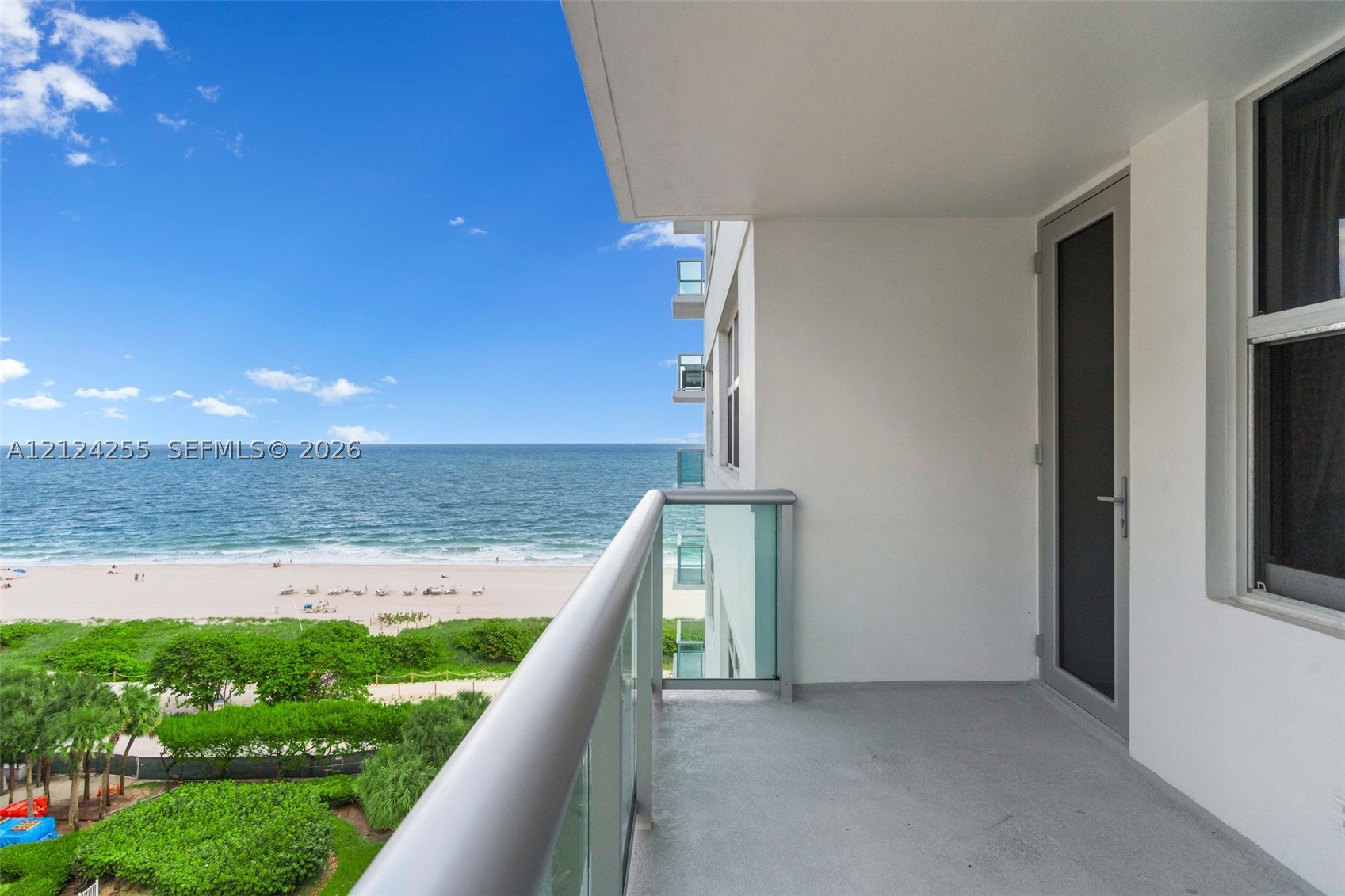
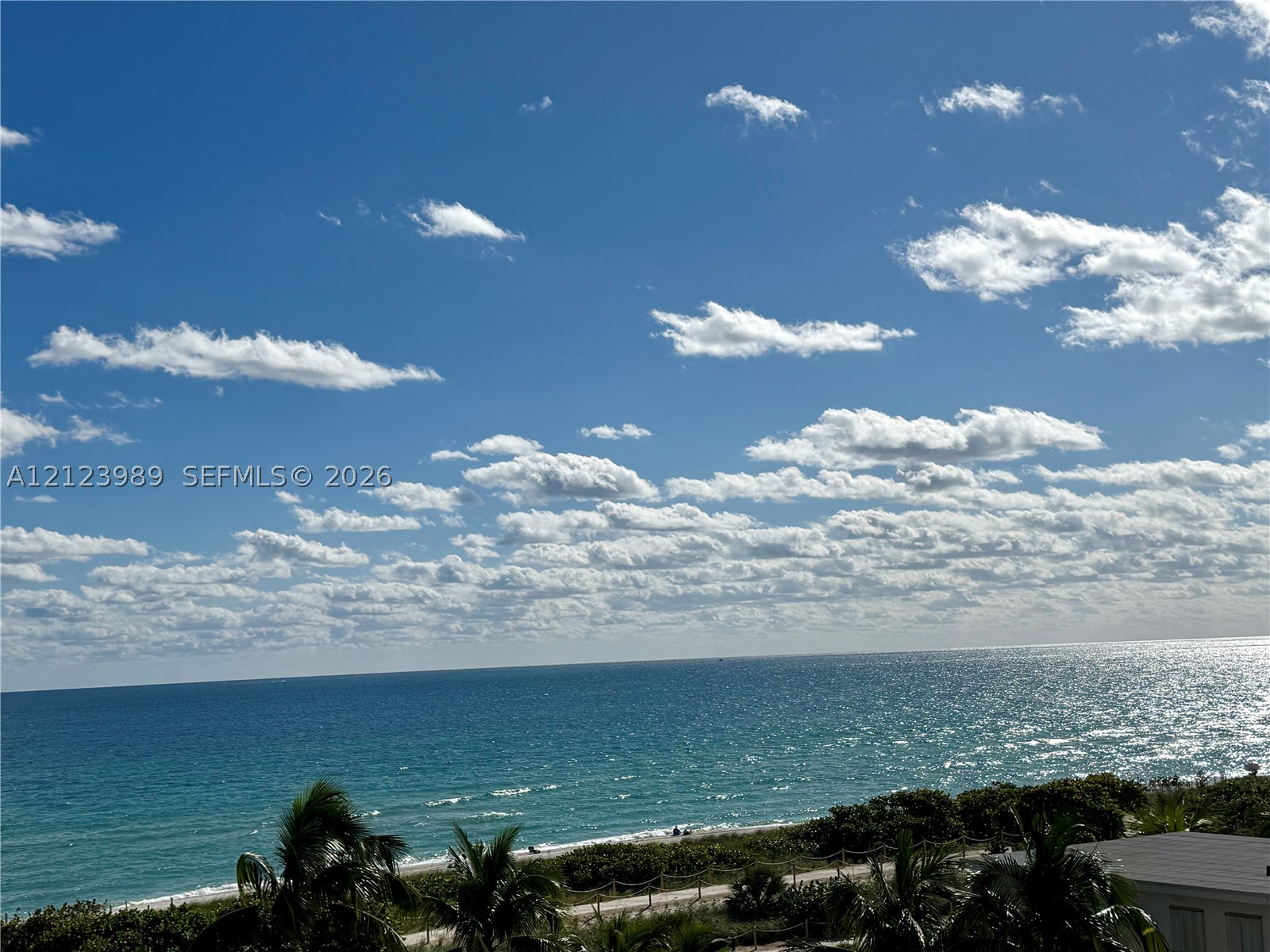
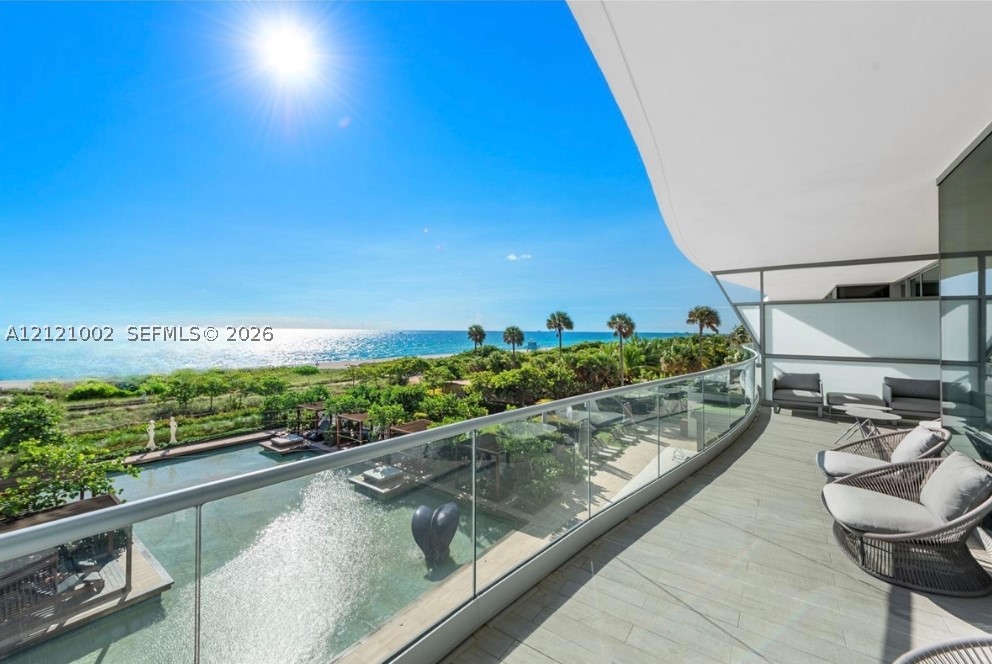
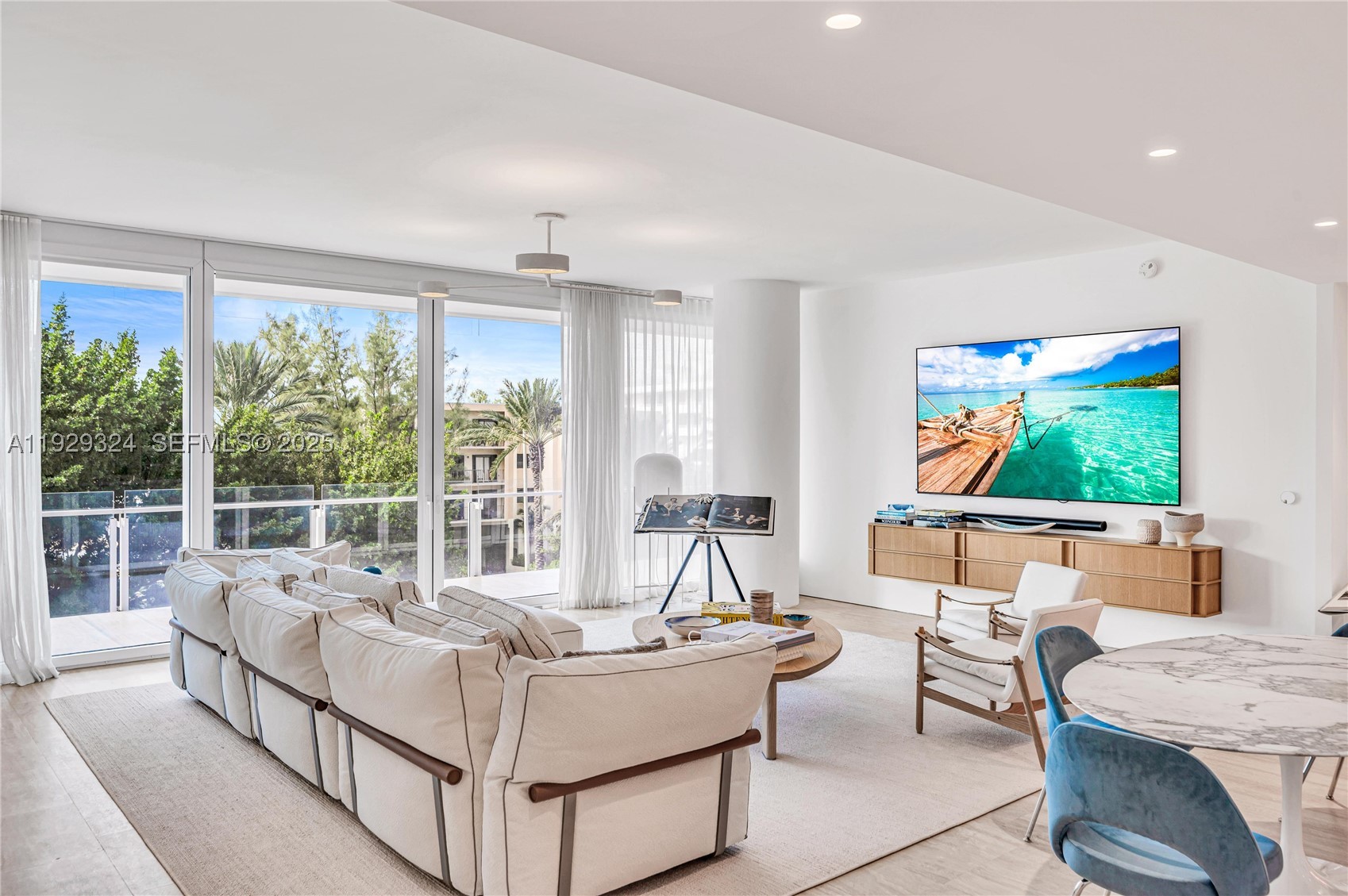
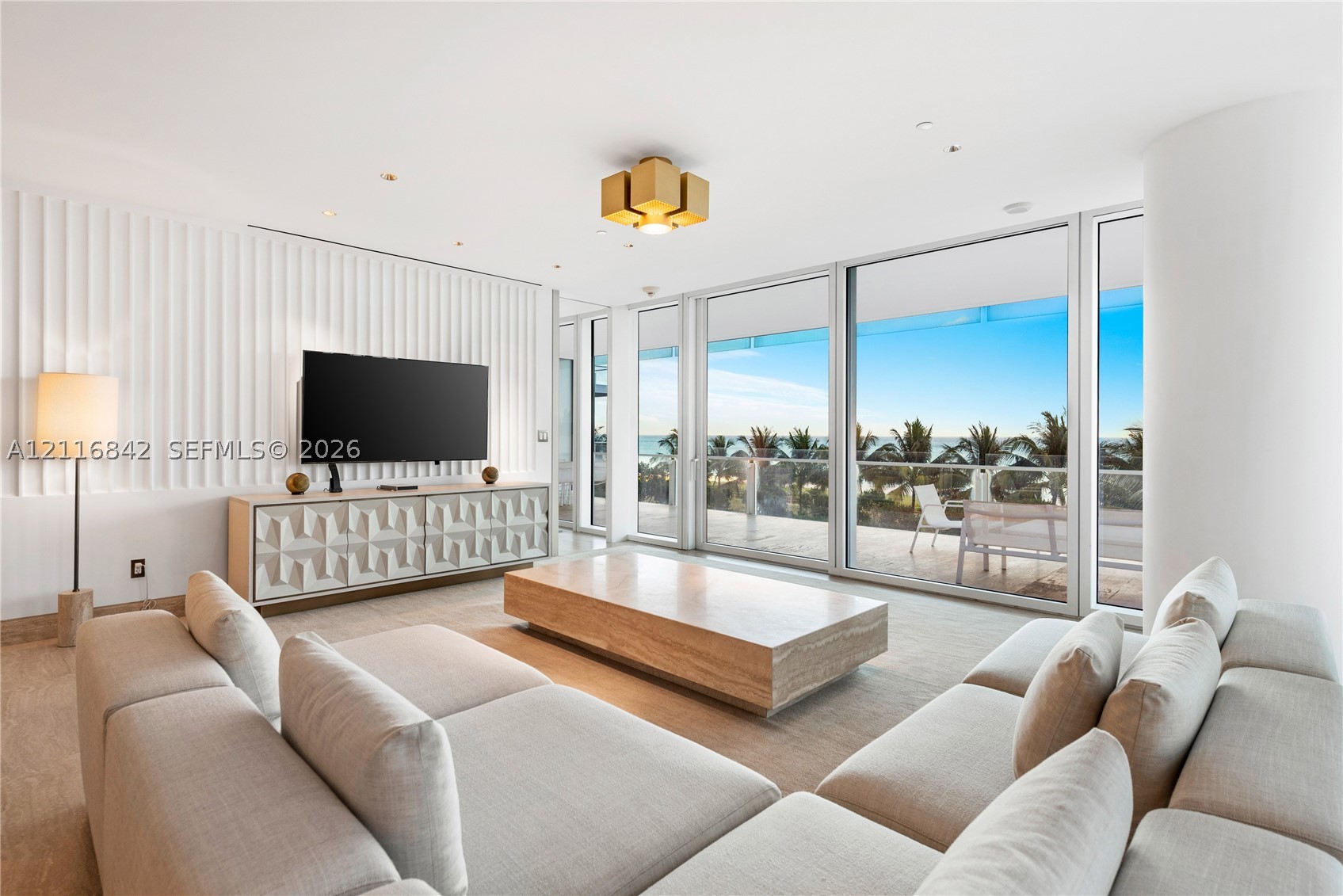
For a condo, assess the particular unit's elevation, exposure, balcony configuration, windows, service entrances and access to the beach. A building advertised as oceanfront does not guarantee an unobstructed ocean view from every apartment. Request the condominium declaration to determine which terraces, storage spaces, parking spaces and amenities are individually owned, limited common elements or simply available subject to association rules.
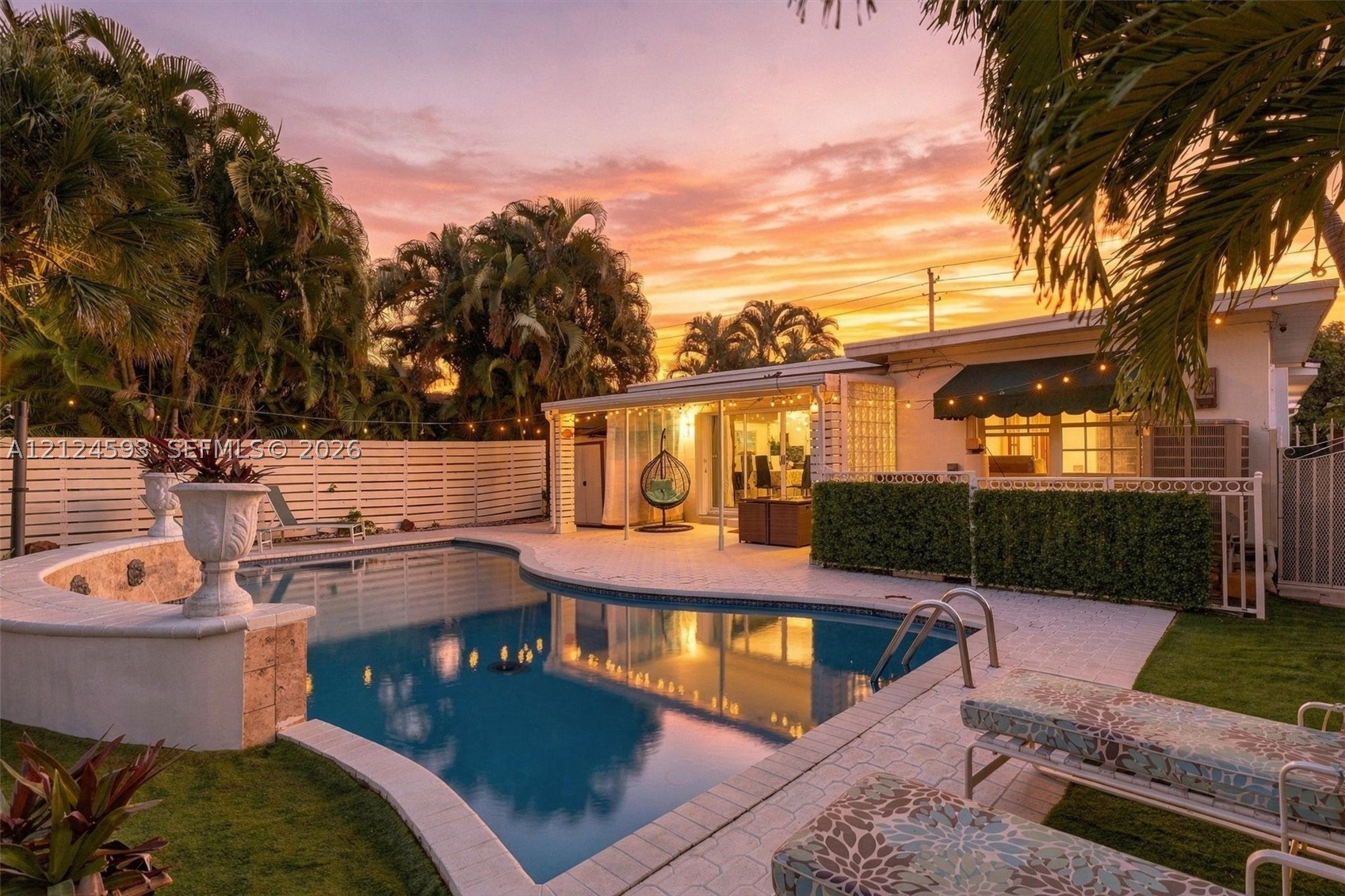
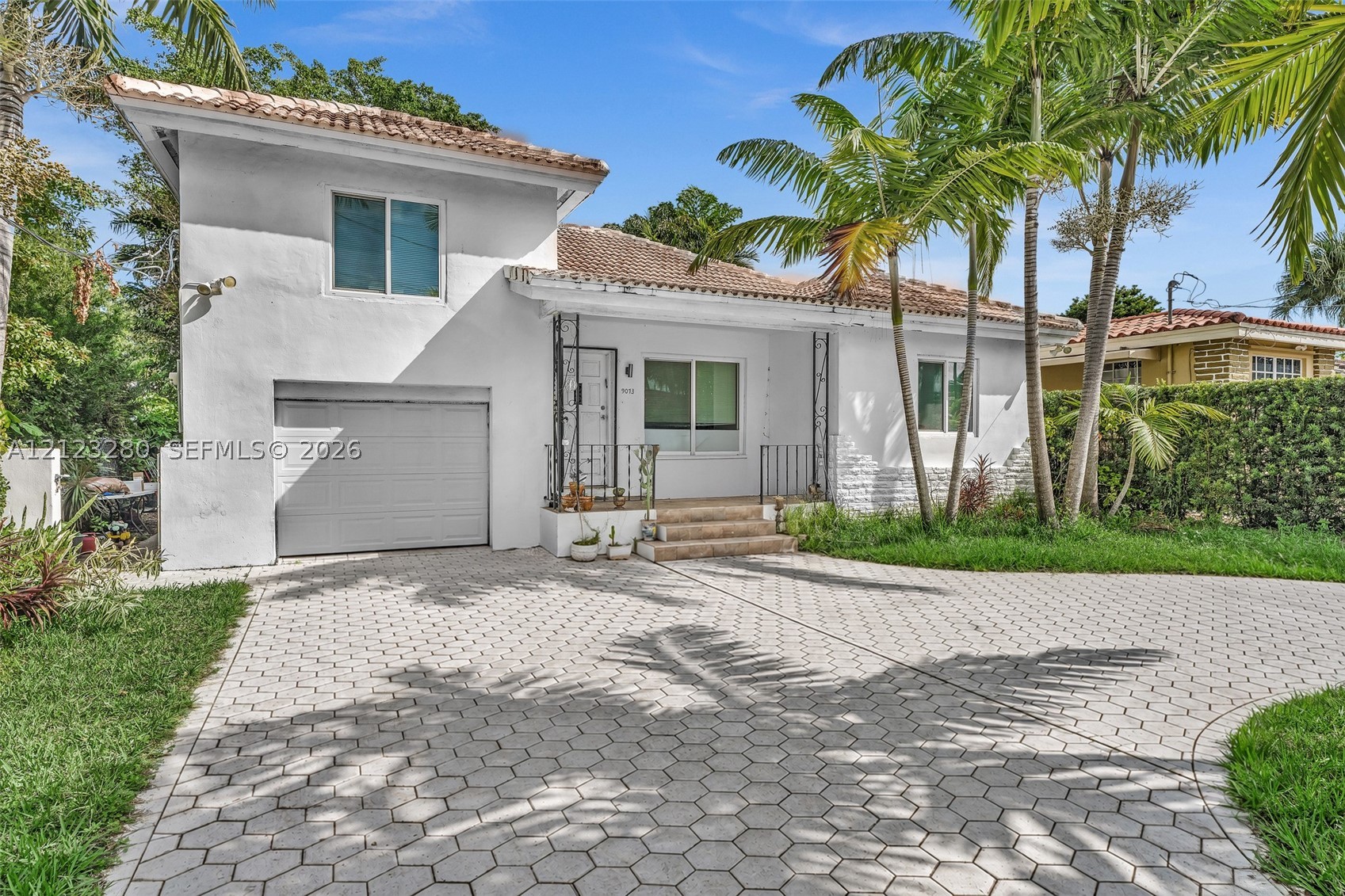
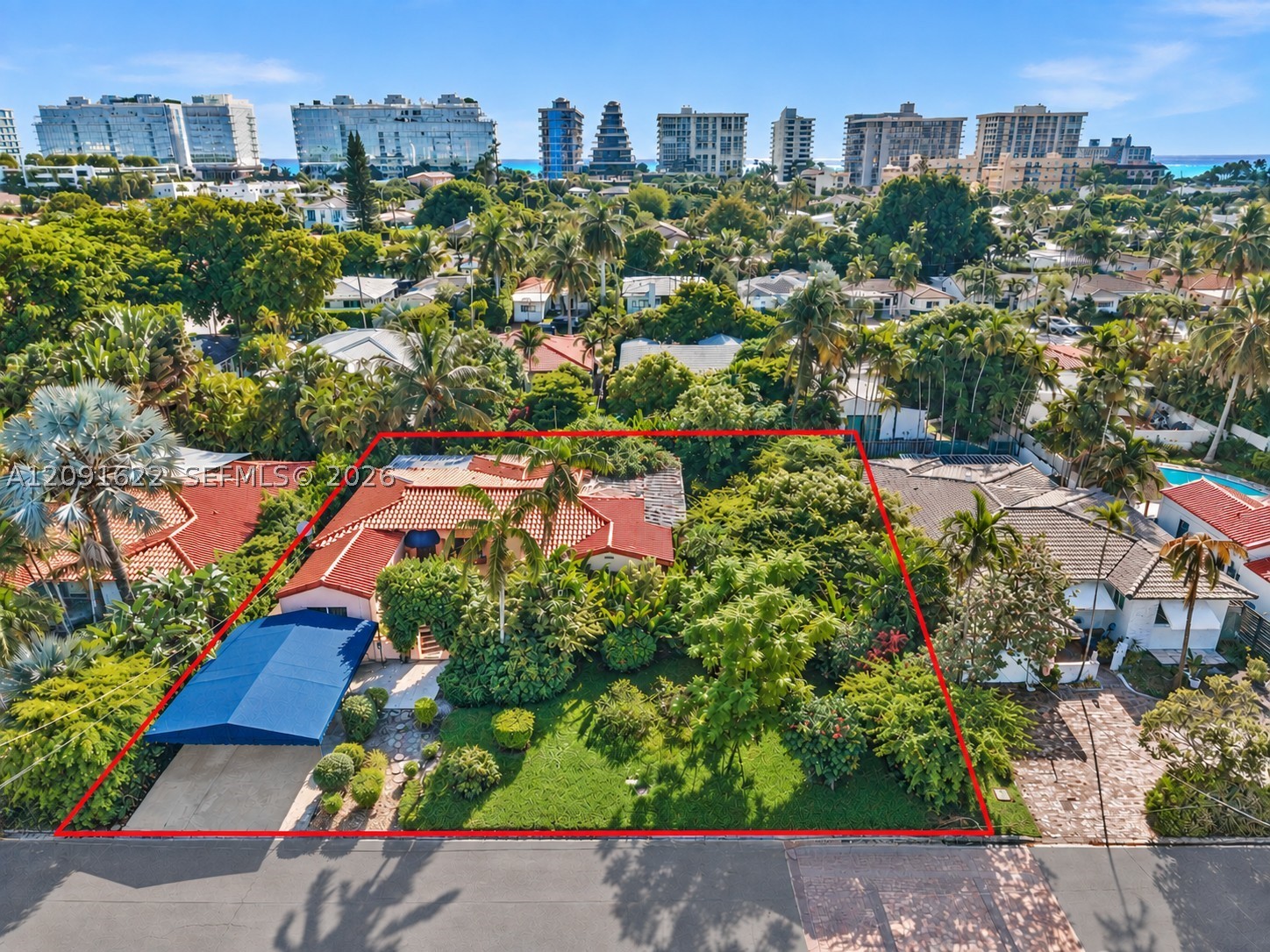
A detached house raises different questions: legal lot lines, setbacks, landscaping, roof condition, wind protections and permitted additions. A finished guest room or converted garage may not be a separate lawful dwelling unit. Review the town's building permit documentation and available final inspection records. If a property borders water, document responsibility for retaining structures, drainage and any maritime improvements rather than accepting a generic waterfront label.
Where can residents and visitors reach the beach?
The town's beach information page identifies wheelchair-accessible entrances at 88th Street and 96th Street. The municipality also provides beach-safety guidance, including rip-current warnings. These are useful concrete starting points for an accessibility or everyday walking assessment. Check the current condition of your closest entrance and any construction impacts before a viewing.
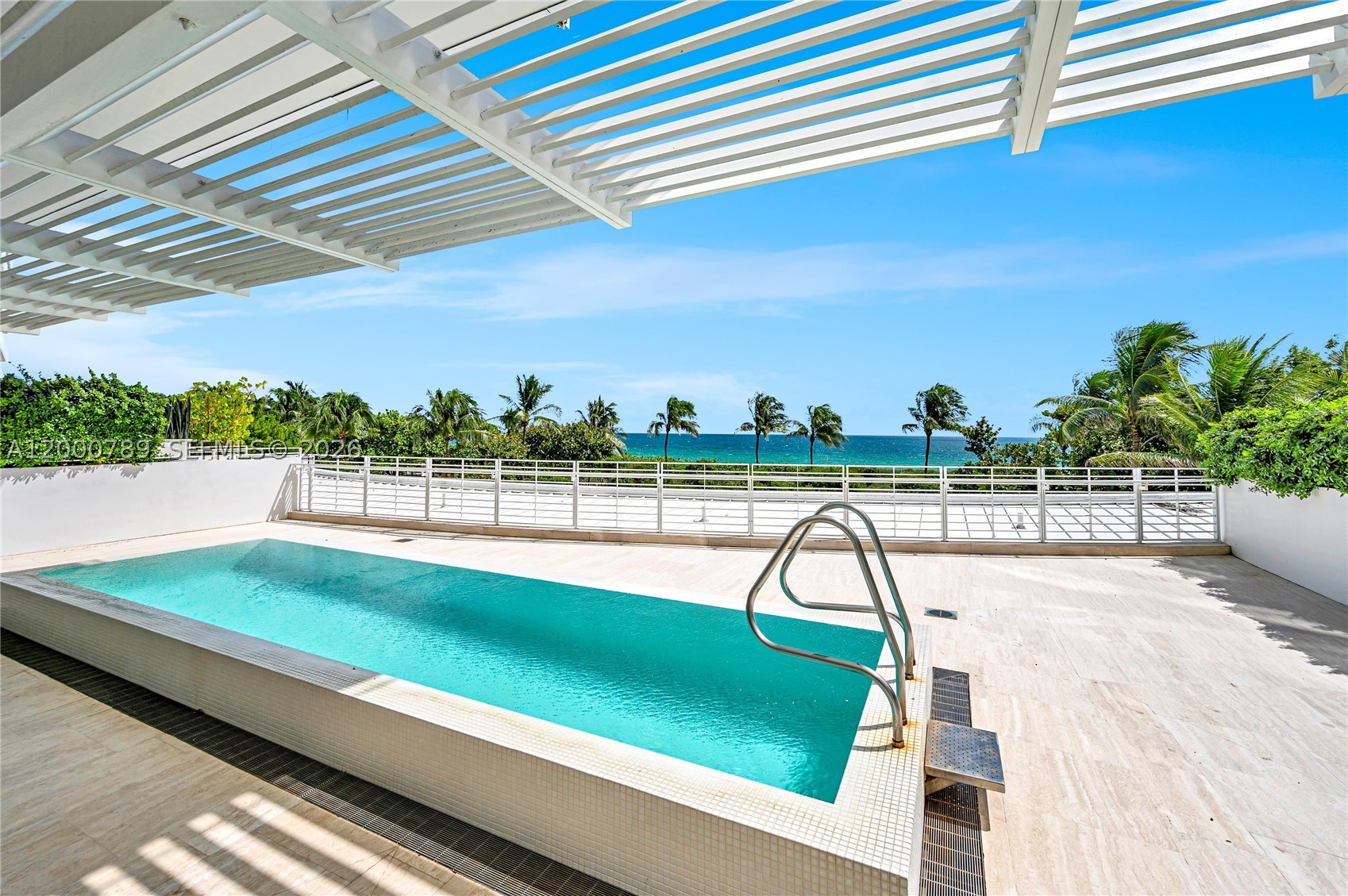
Surfside Community Center at 9301 Collins Avenue includes aquatic and recreation facilities and an additional route toward the beach for eligible users. Its pools, activities and guest access have separate identity, fee and eligibility rules: consult the published pool and guest policies. Public beach access does not convey a private hotel's or condominium's beachfront chairs, pool deck, cabanas or valet service.
What role does Harding Avenue play in daily life and future planning?
The blocks of Harding Avenue between 94th and 96th Streets are identified as the Downtown District in the town's Downtown Visioning Taskforce materials. The group studies possible improvements to the commercial and public-realm environment. An advisory taskforce recommendation is not a passed zoning ordinance, an approved site plan or a building permit. If nearby change affects your purchase decision, ask which municipal document actually authorizes it.
Visit the corridor during typical weekday and evening periods to compare pedestrian activity, delivery access, traffic and lighting. Parking is not automatically free: the town publishes municipal parking rates and time limits for on-street spaces and lots. For condo buyers, ask whether the unit includes assigned parking, how visitors are handled and whether additional vehicles require a separate arrangement. Those details can affect both daily use and the realistic costs of ownership.
Which Surfside renovations require zoning or design review?
The Surfside Planning and Zoning Board reviews designated new construction, additions, renovations and site plans under town procedures and advises on certain variances. The precise approval route depends on the property and project scope. Before purchasing a home with renovation plans, identify the current zoning district, permitted uses, setbacks, height and landscaping standards, and obtain written guidance from the responsible town department when necessary.
The town's Planning Department provides the comprehensive plan, zoning resources, ordinances and submissions. A cosmetic repaint does not necessarily undergo the same review as enlarging a structure or changing a garage to living space. Confirm whether prior additions have open permits, code violations or unresolved inspections; estimates for future work should include both construction costs and the time and feasibility of obtaining permits.
How should an oceanfront condo buyer evaluate inspections and reserves?
Surfside maintains a local building recertification program. Separately, Florida's DBPR condominium guidance explains applicable milestone structural inspections and Structural Integrity Reserve Studies (SIRS). These are not interchangeable obligations. Applicability and deadlines depend on the building's age, height and circumstances; the town's older recertification webpage should not be read as a complete statement of every subsequent state-law requirement.
Ask for the certificate-of-occupancy date, current local recertification status, milestone reports where applicable, completed SIRS, engineering recommendations, repair contracts, association budgets, reserve schedules, insurance and any special assessments or loans. Read the governing documents to understand who pays for approved but unfinished projects at closing. In April 2026 the town announced a limited grant for eligible recertification permit fees; it is subject to eligibility and funding, and does not reimburse construction, engineering or repair costs.
Can a Surfside property be offered for short-term rental or Airbnb?
The town's Short Term Rentals page reproduces Section 90-41.1, covering specified residential units rented for periods from one day to six months. It calls for registration for each qualifying rental period and generally limits issuance to three registrations in a 12-month period under that procedure. The town also describes distinct provisions for certain historically operating rental properties; those provisions should not be assumed to cover a newly purchased dwelling.
A municipal registration system is not a blanket approval for Airbnb. Before making a revenue forecast, verify the current ordinance and zoning for the specific parcel, whether the condominium or homeowners association allows the intended duration and number of rentals, and what state licensing, local resort tax and operational requirements apply. The published registration is not transferable to another person or address. Obtain written confirmation rather than relying on an existing advertisement or a seller's past rental calendar.
How should buyers evaluate flood exposure and storm readiness?
Surfside occupies a coastal setting subject to storm surge, unusually heavy rain and wind-driven weather. The town's hurricane and flood information connects buyers with county flood-zone resources and the FEMA Map Service Center. Check the effective map and available elevation information by exact address; old townwide map illustrations may not reflect the effective insurance classification for the parcel today.
For a house, inspect grading, storm drains, window protection and prior water intrusion. For a high-floor condo, look beyond the apartment: garages, pumps, elevators, generators, electrical rooms and access routes may be on lower levels. Ask for the association's insurance coverage and deductibles, the owner's policy quote and past water-damage repair records. A desirable ocean view is not evidence of low flood risk or manageable insurance expenses.
How do school assignments and neighborhood facilities affect the address?
Public school assignments for a Surfside address should be checked with Miami-Dade County Public Schools using the precise parcel address. School location, grade configuration, enrollment procedures and available programs are different questions. Do not infer school eligibility from a nearby building or a real estate advertisement; charter and private programs have separate admission processes.
Also identify the particular facilities that fit your planned routine. The town's Community Center offers organized activities, but access to its swimming programs is governed by municipal policies. A trial trip to the facility, the grocery store and the closest beach entrance will reveal issues that an amenity list cannot capture, including crossing locations, service hours and parking.
What other documents and recurring costs belong in the decision?
For a condominium, combine the purchase price with property tax after transfer, unit insurance, any flood policy, condo assessments, special assessments, parking and nonincluded services. Clarify which repairs the association covers and which belong to the unit owner. For a house, include roof, air-conditioning, landscaping, hurricane preparedness and possibly pool maintenance. The seller's exemptions and assessed tax bill may not apply to the new owner.
School assignment should be confirmed by the exact address with Miami-Dade County Public Schools; proximity does not establish eligibility for a particular program. Review title, surveys, permitted building work and the property's access arrangements. BonaDomus can help compare Surfside homes and condos, arrange viewings and coordinate the document request and closing process. Structural, legal, insurance and tax questions should be resolved with the appropriately qualified professionals before contractual deadlines expire.