Real estate for sale in Bal Harbour, FL
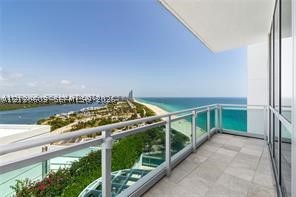
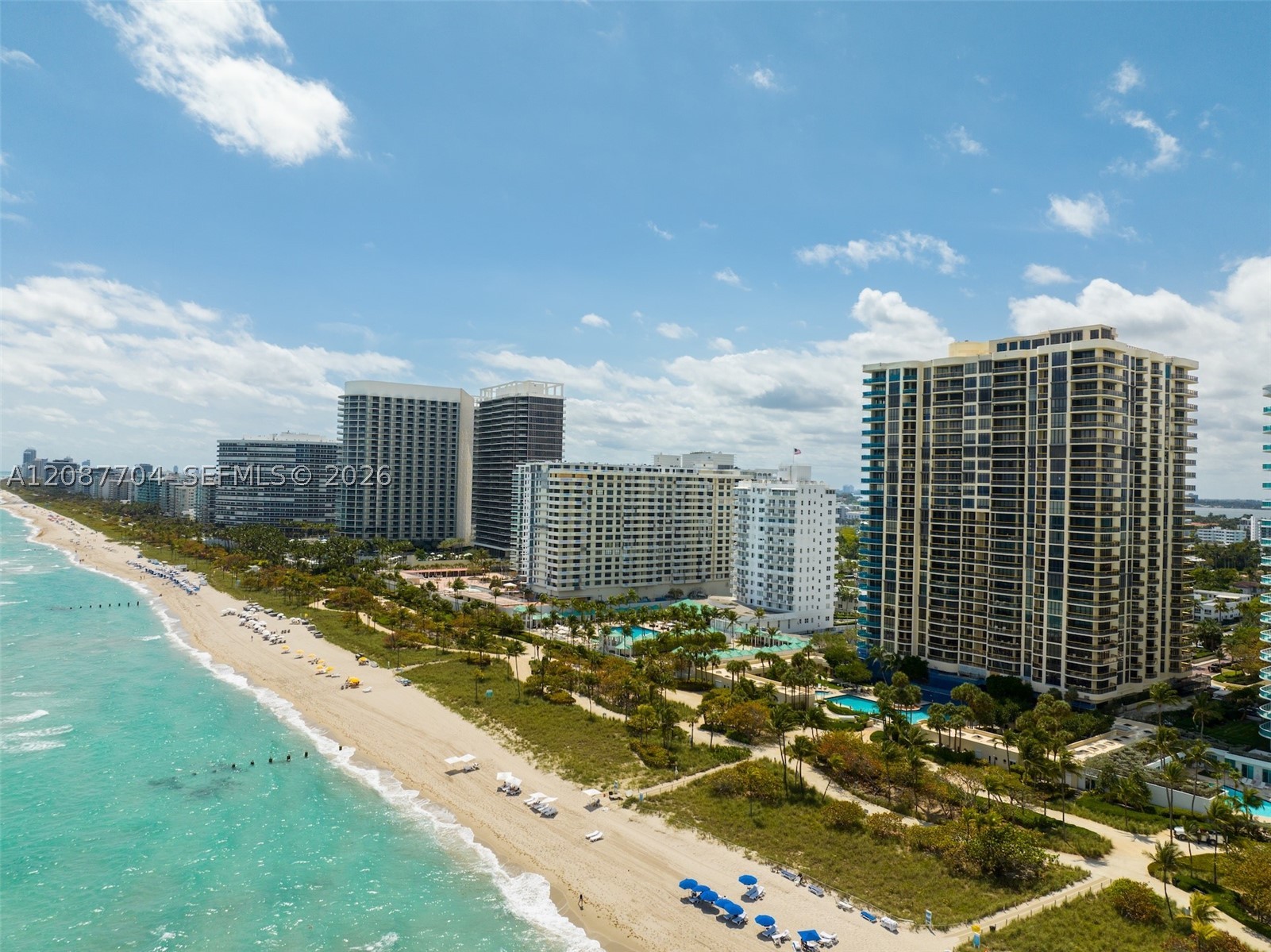
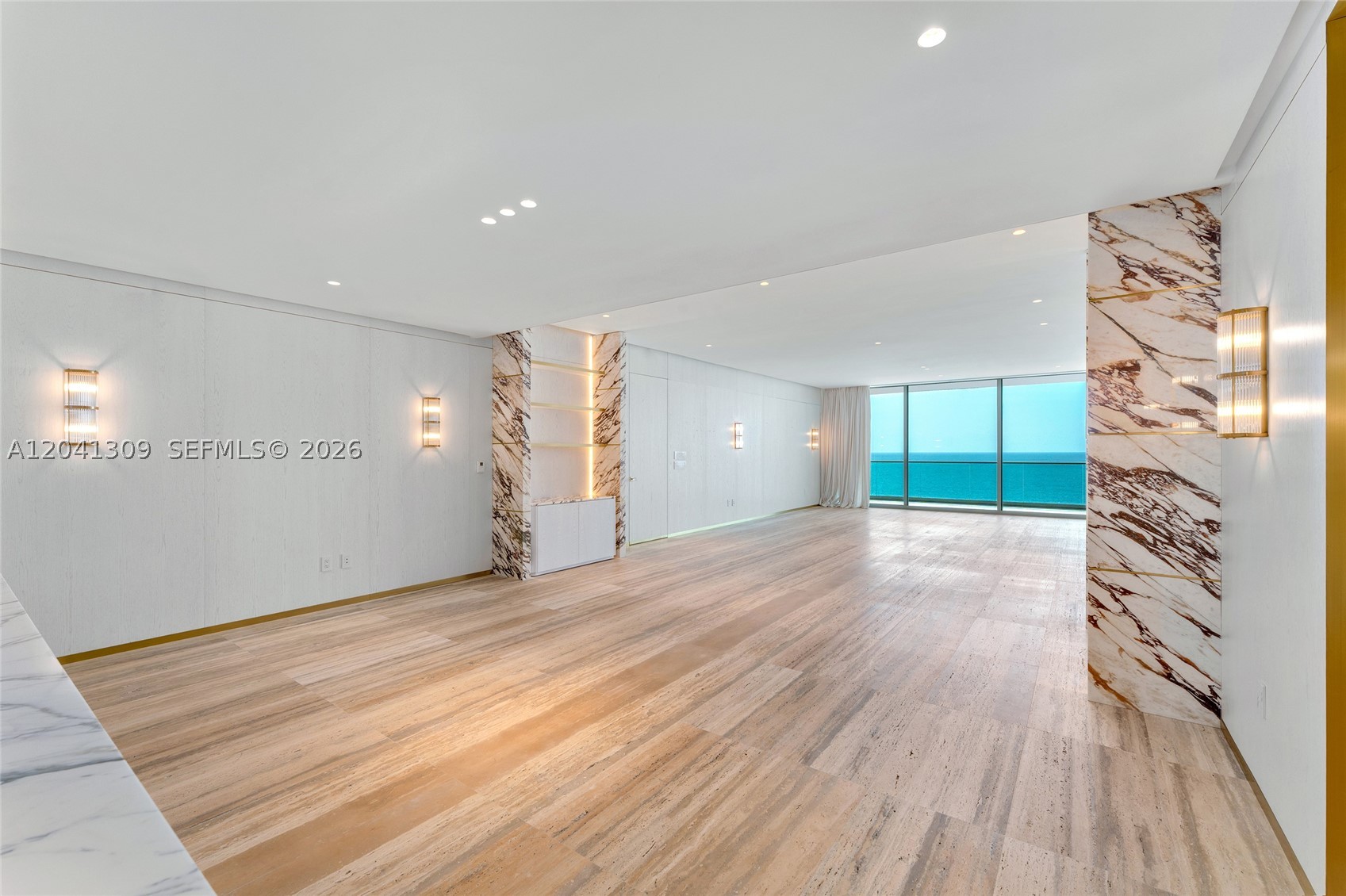
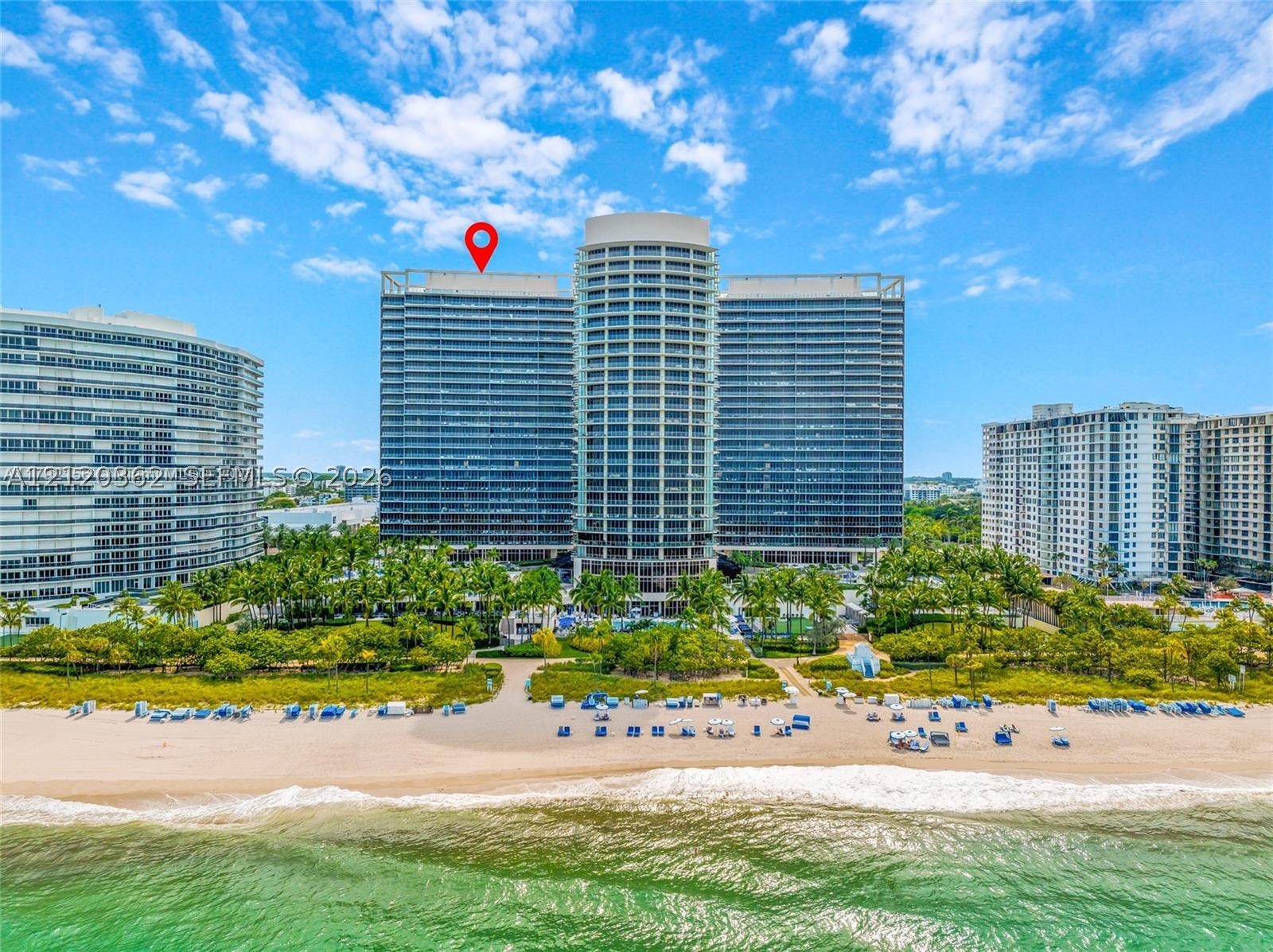

IDX information is provided exclusively for personal, non-commercial use, and may not be used for any purpose other than to identify prospective properties consumers may be interested in purchasing. Information is deemed reliable but not guaranteed.
Bal Harbour Real Estate: Beach Access, Ownership and Rental Considerations
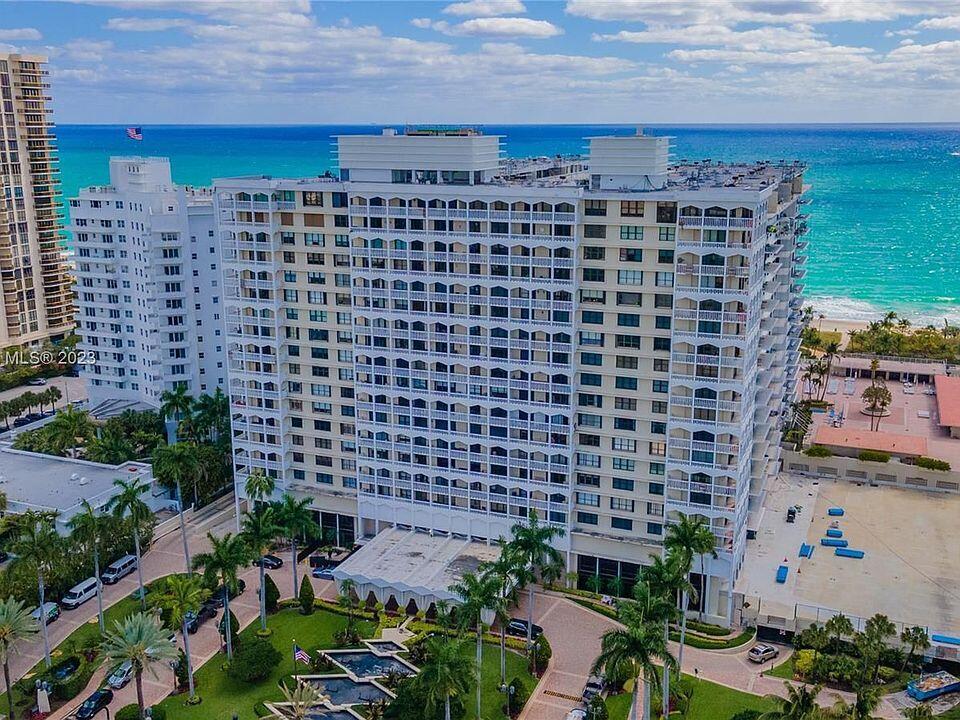
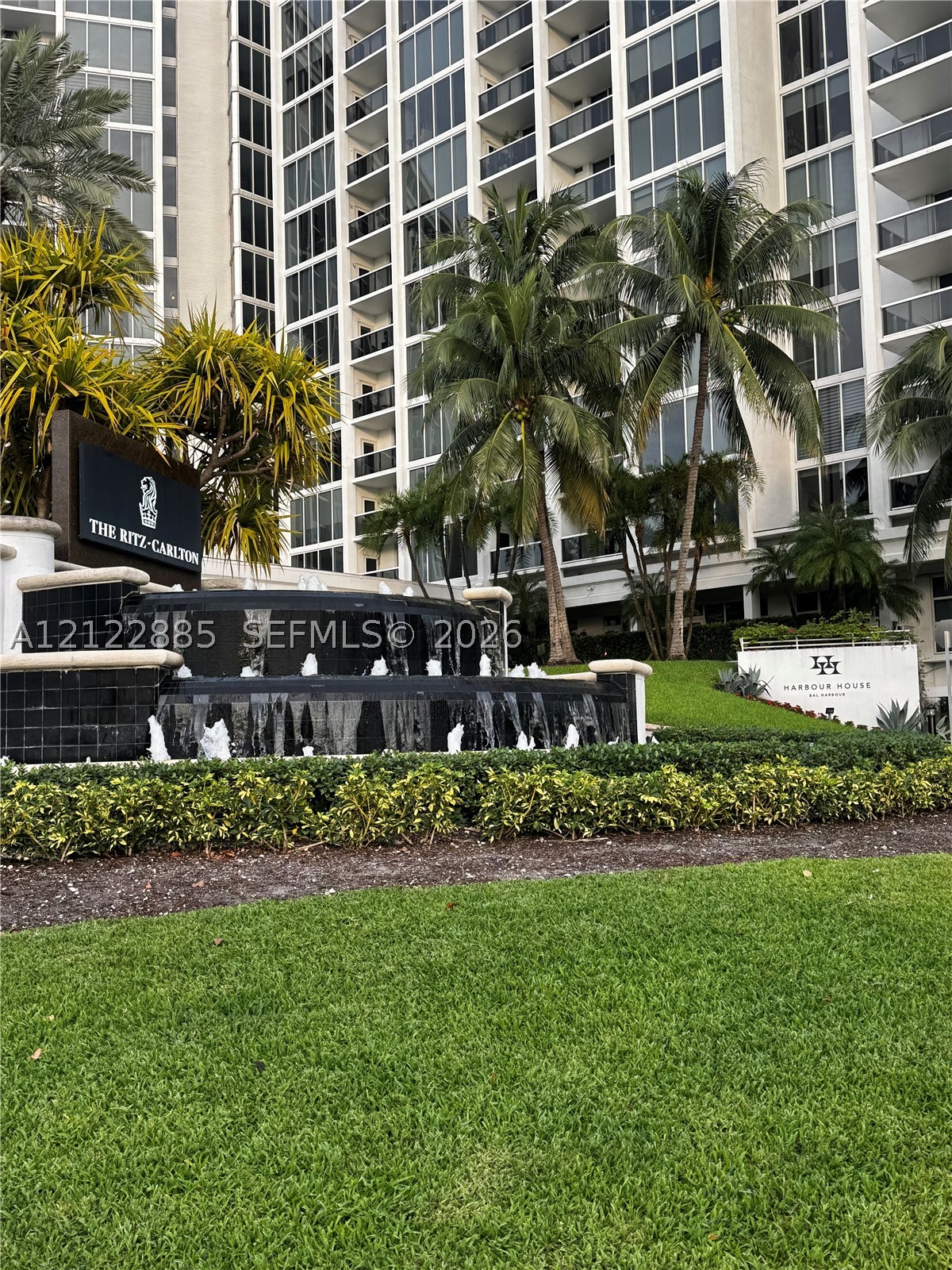
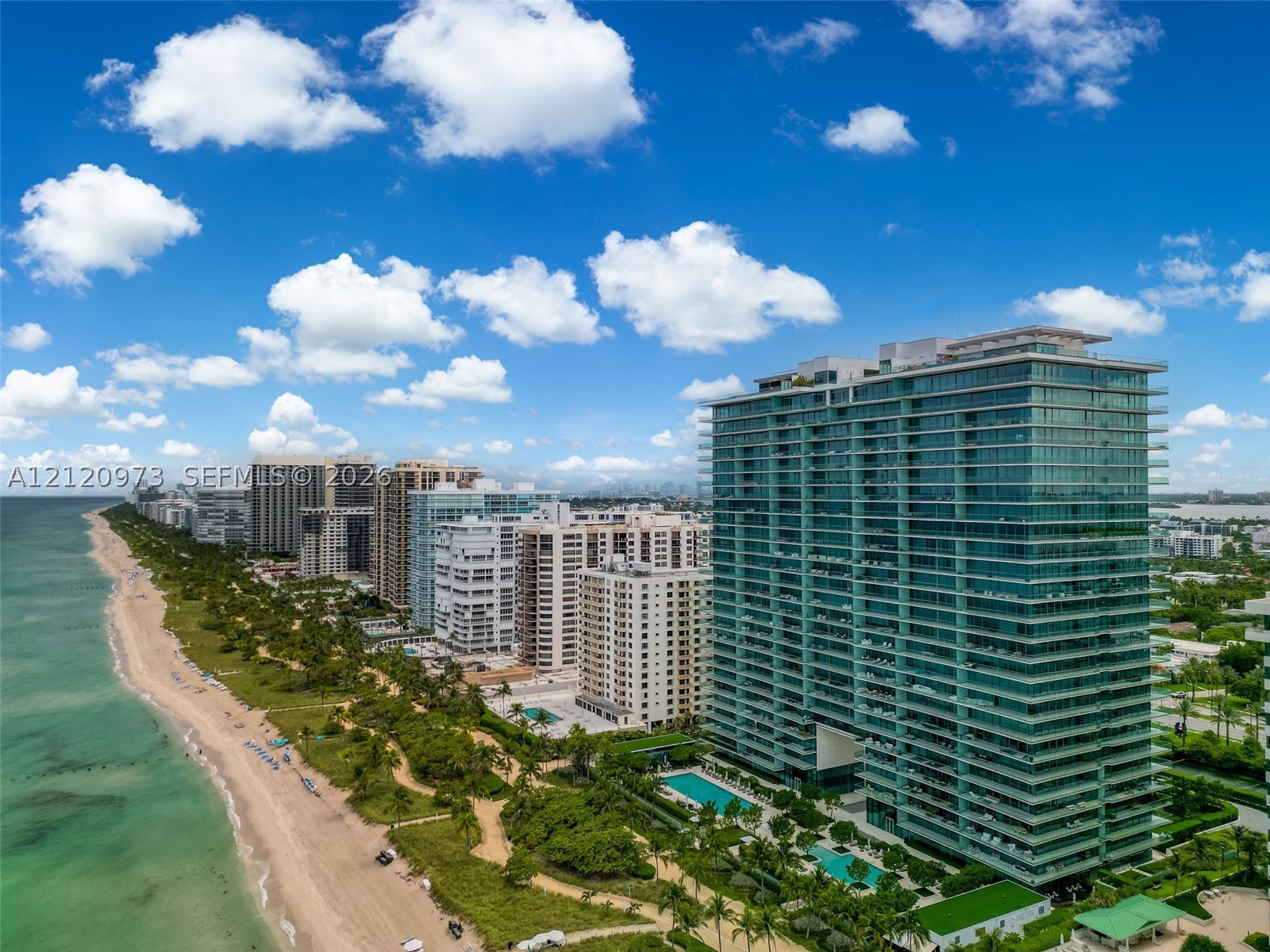
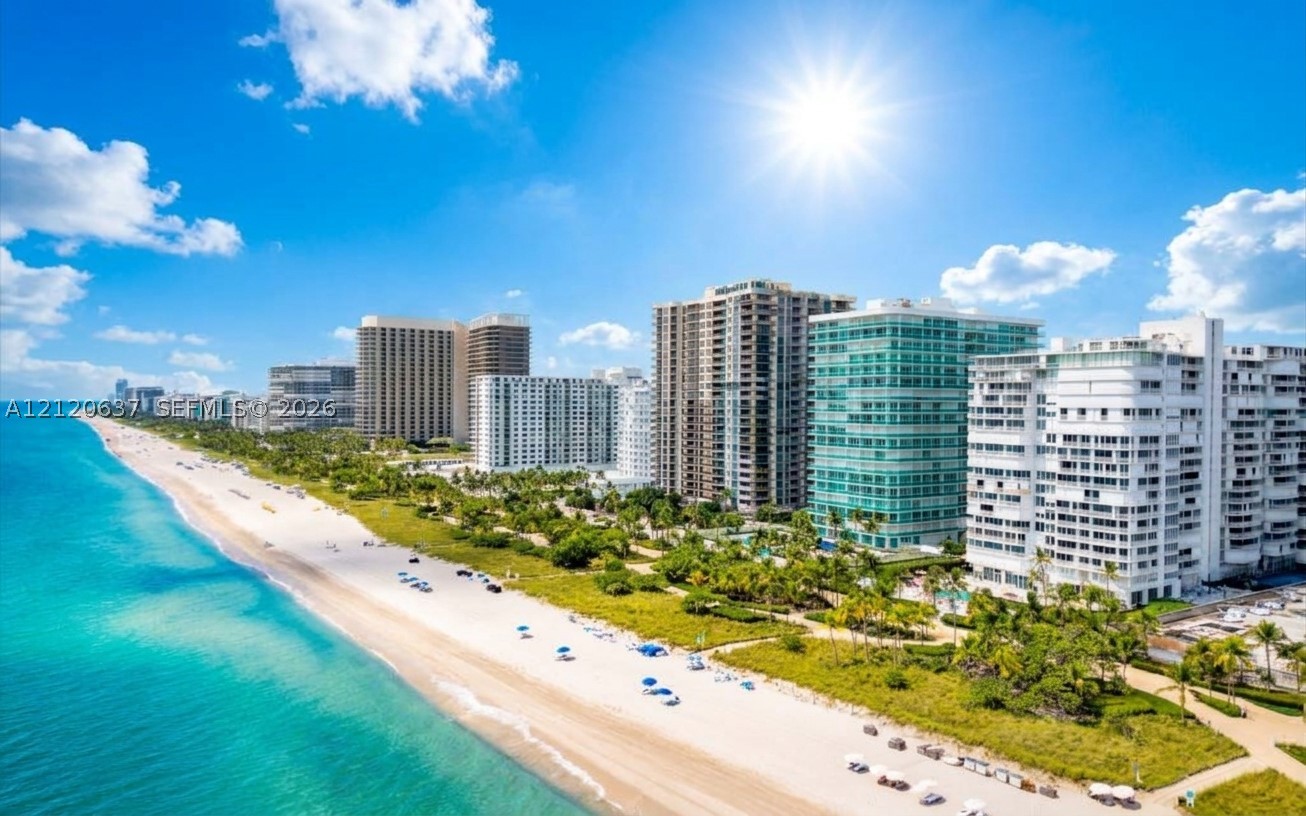
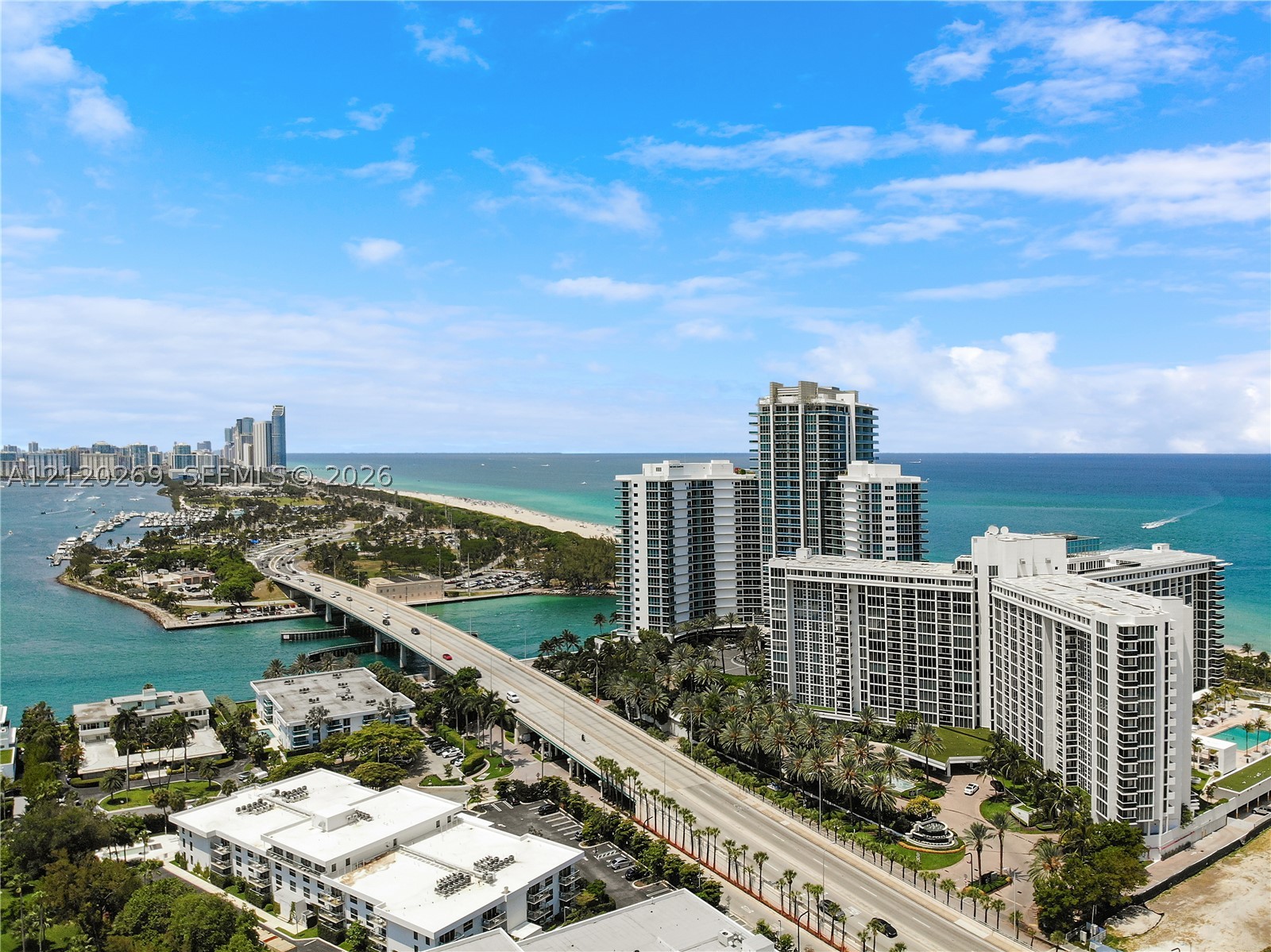
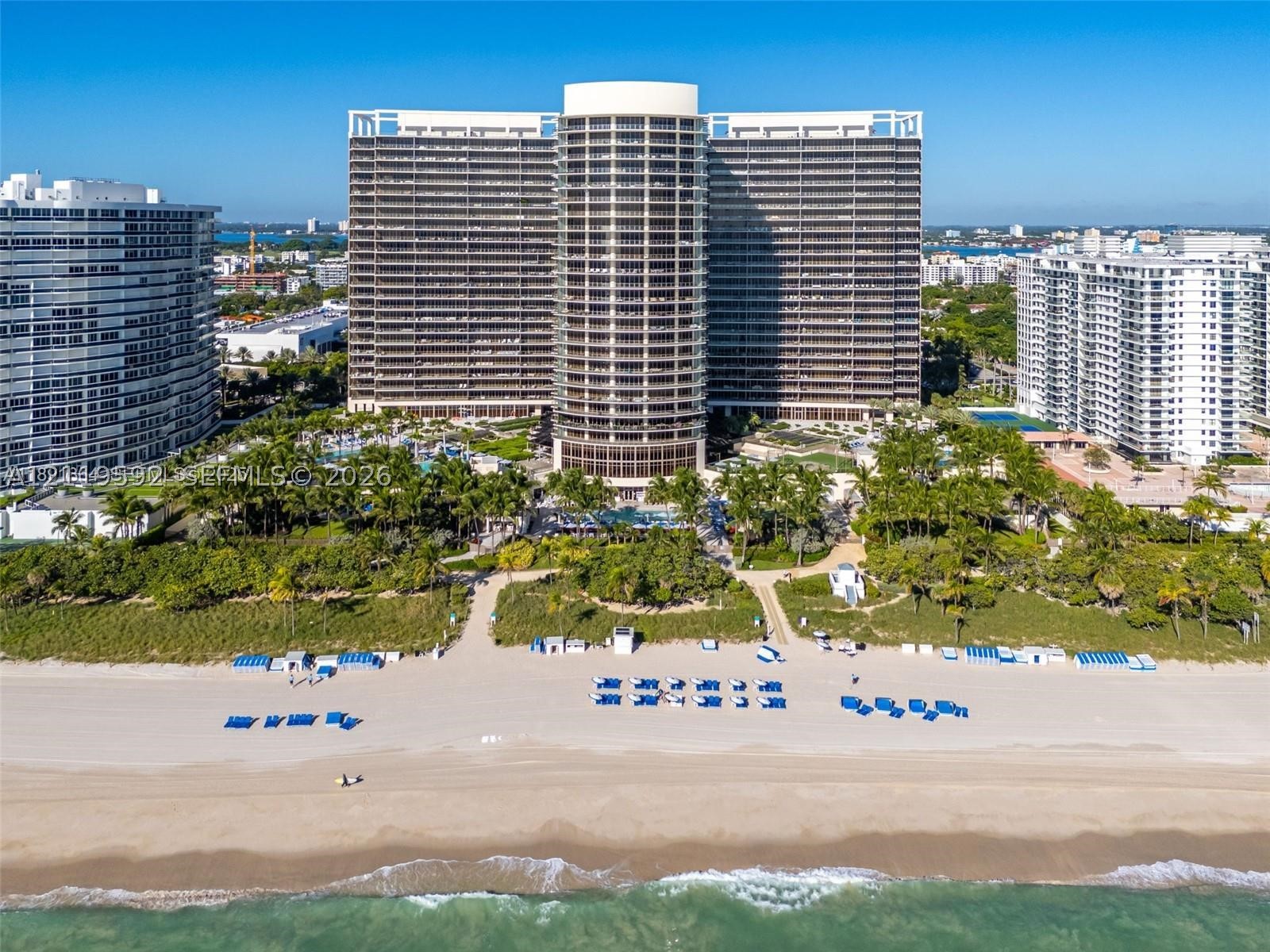
Bal Harbour is a coastal village in northern Miami-Dade County, between Surfside and Haulover Inlet. Its defining features include an Atlantic Ocean beach, oceanfront condominium buildings, a residential area of detached homes and Bal Harbour Shops. For a buyer, the important distinction is not simply proximity to the ocean, but which services and access rights belong to the property being considered.
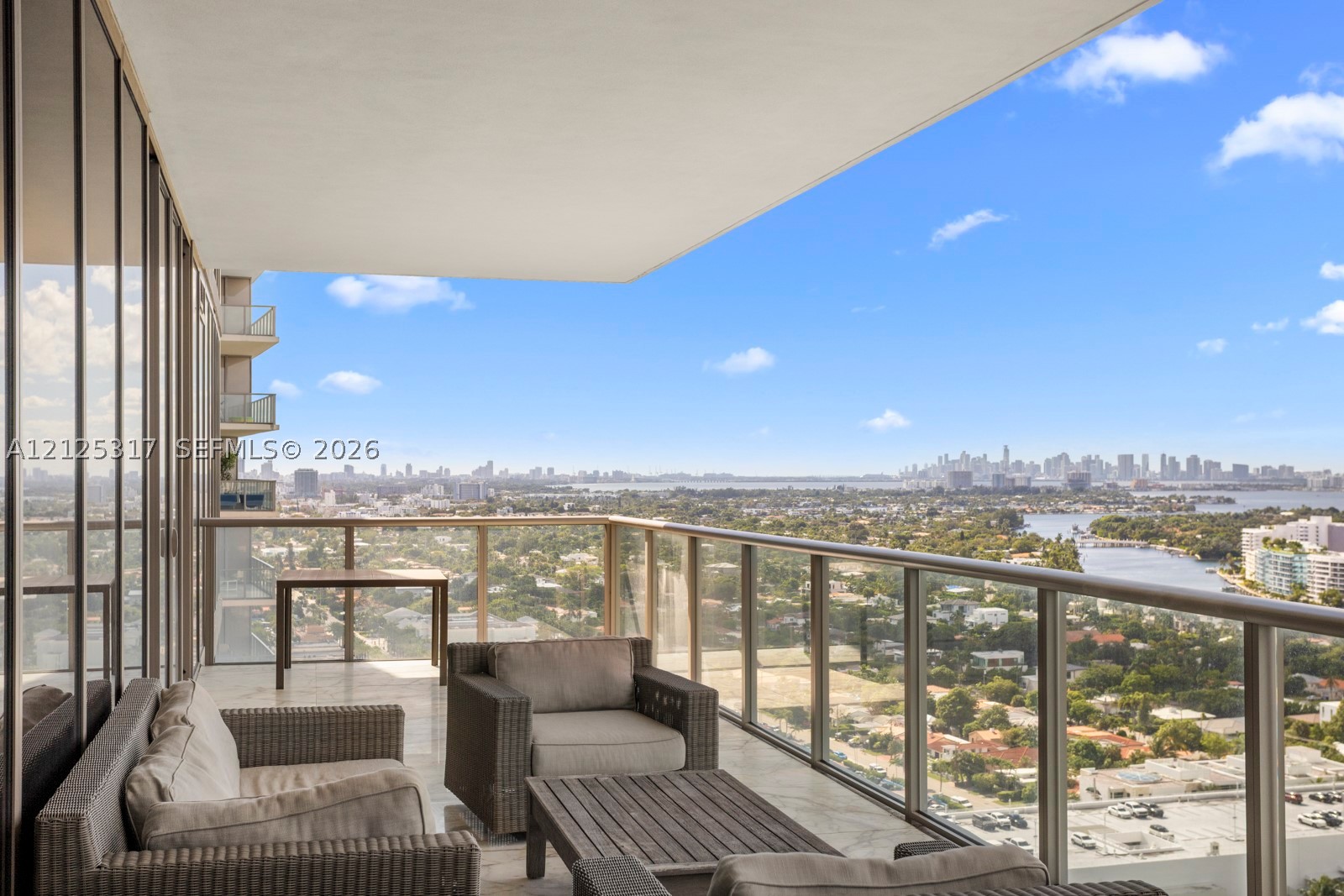
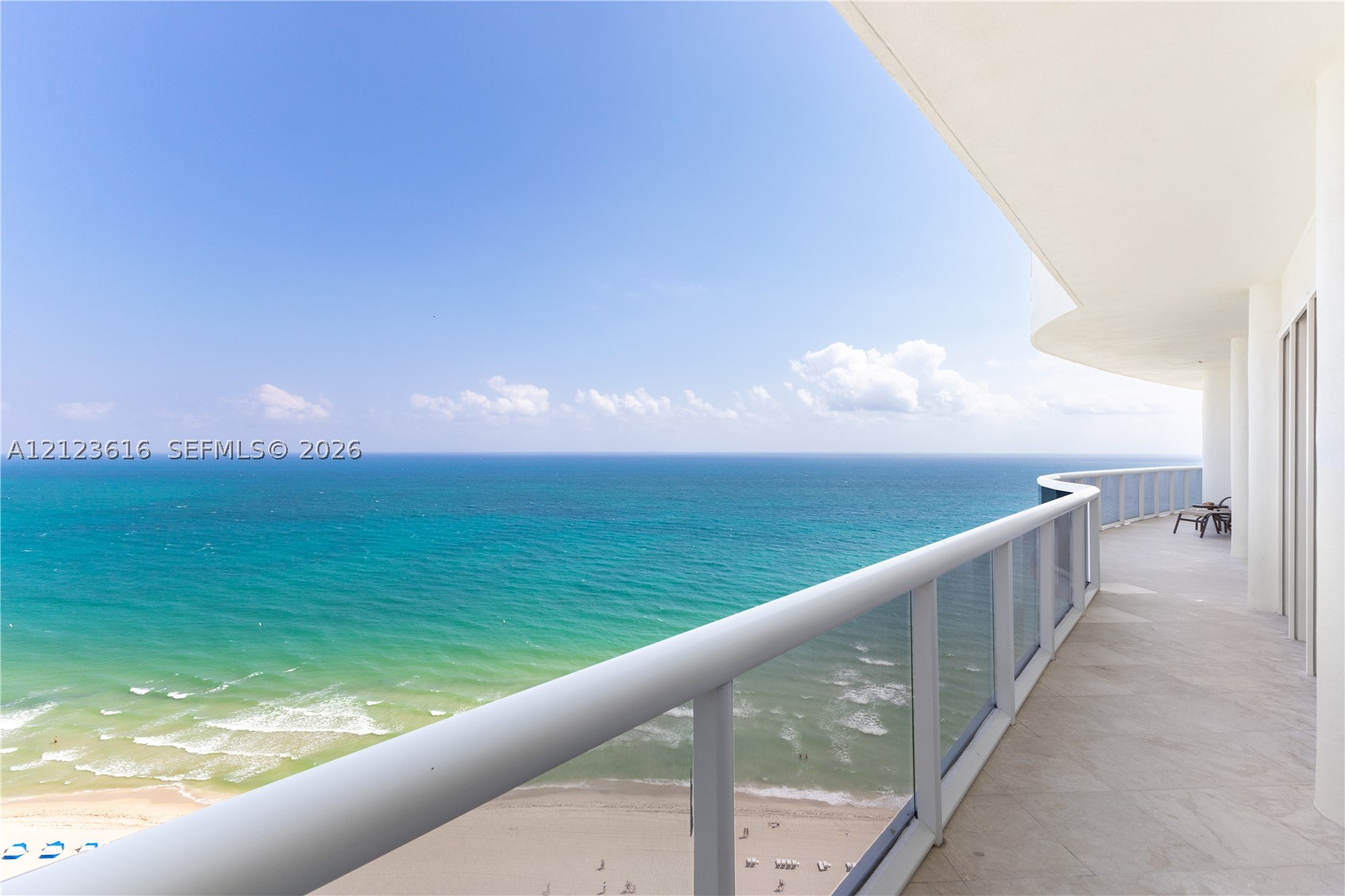
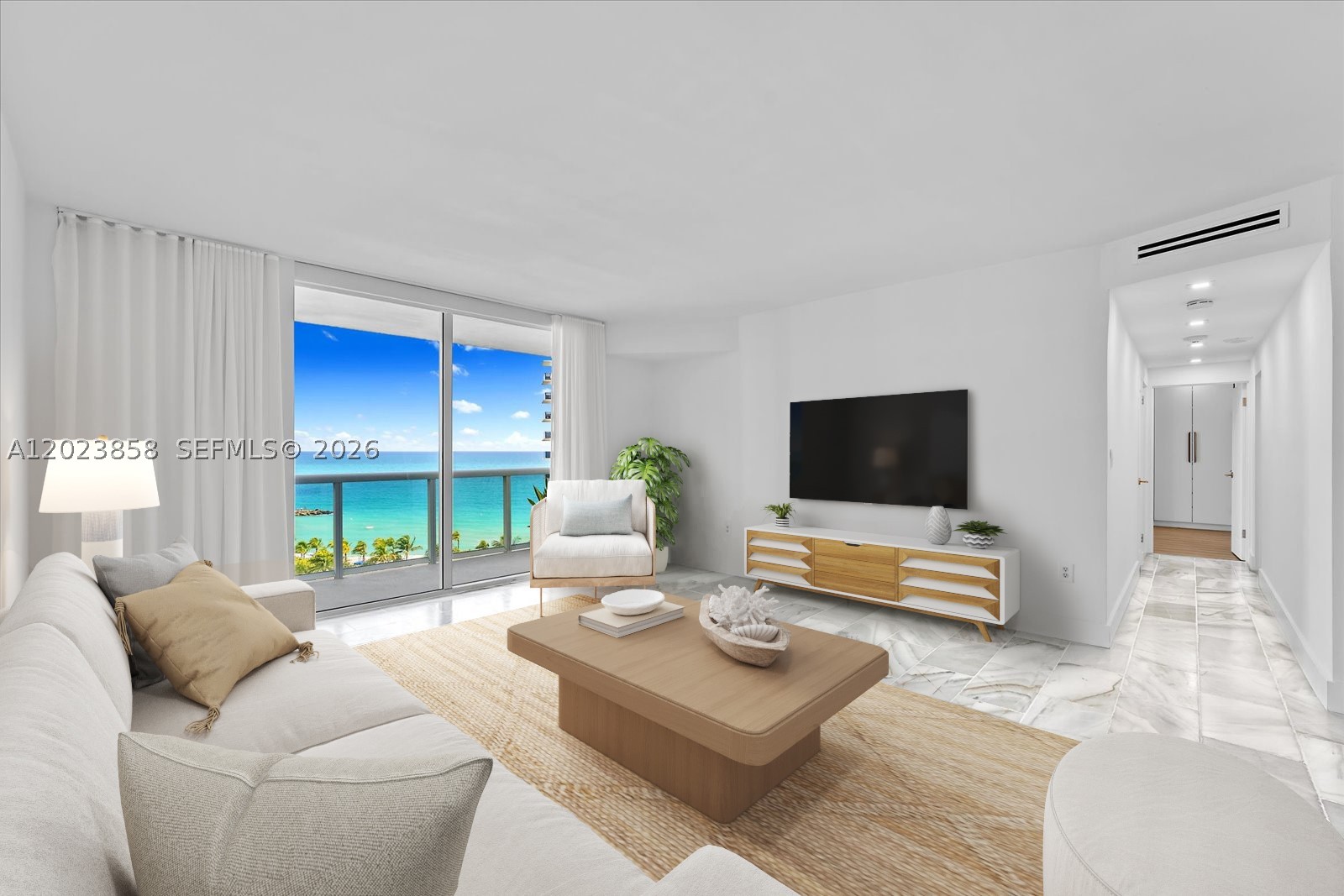
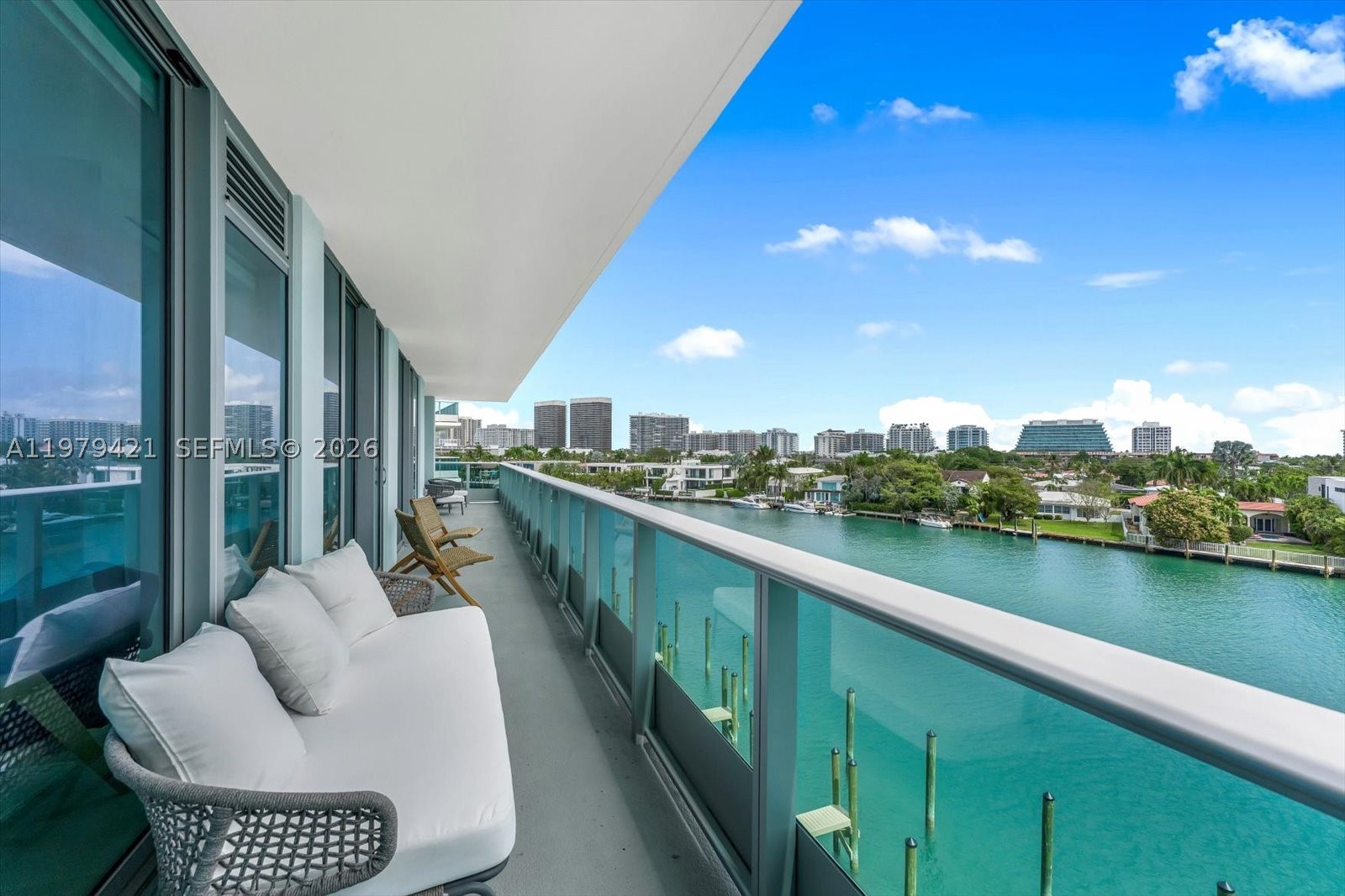
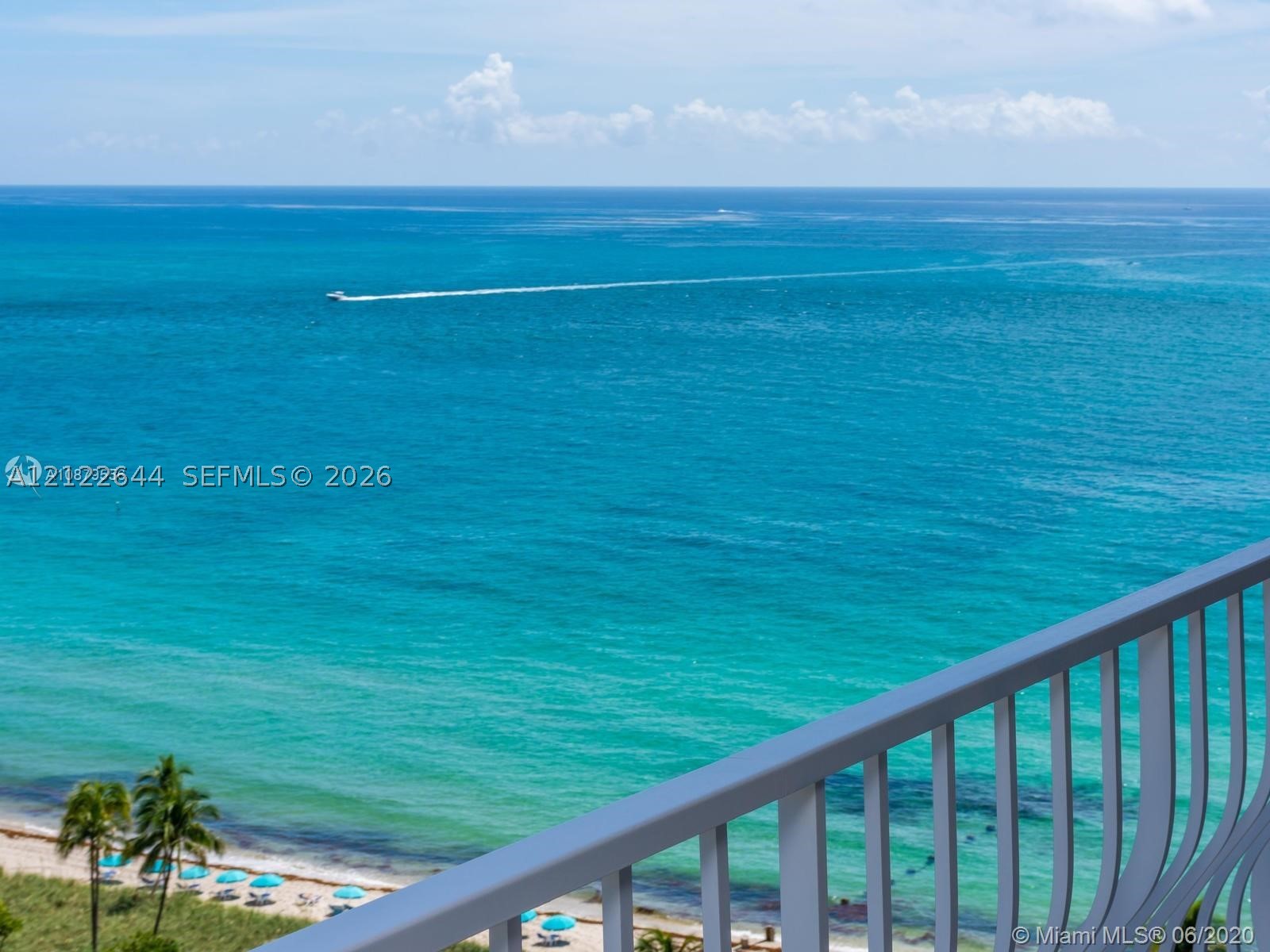
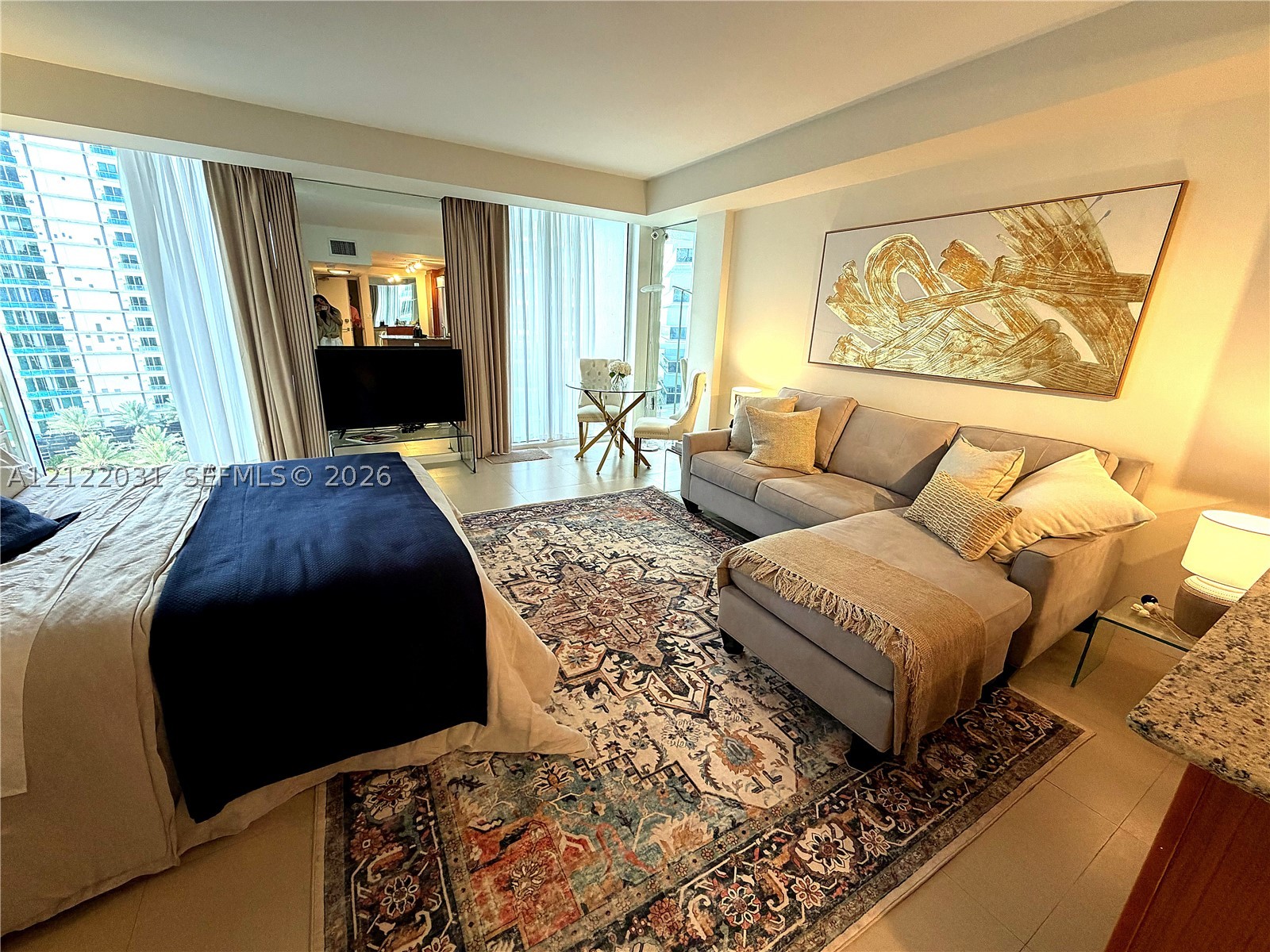
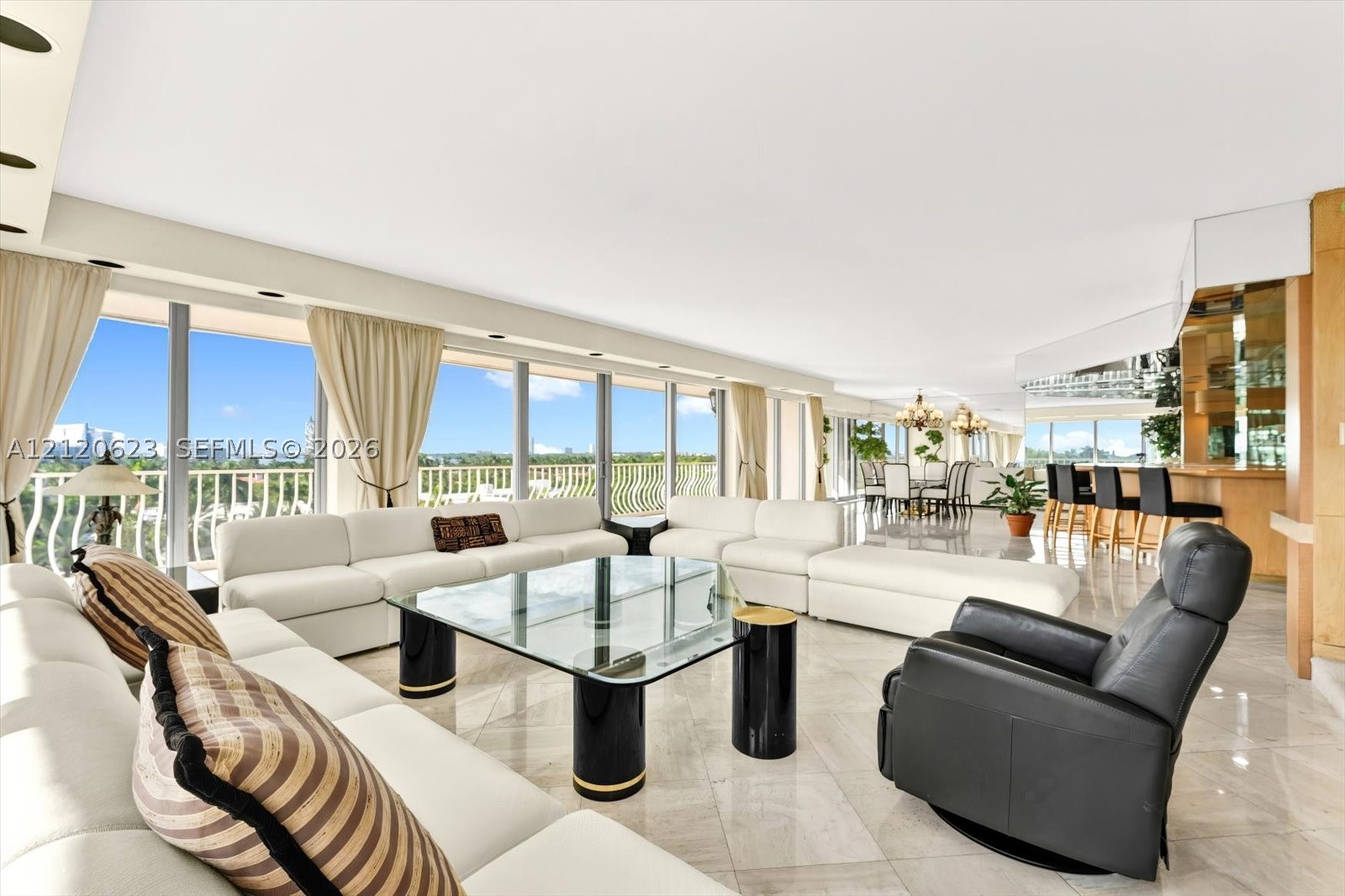
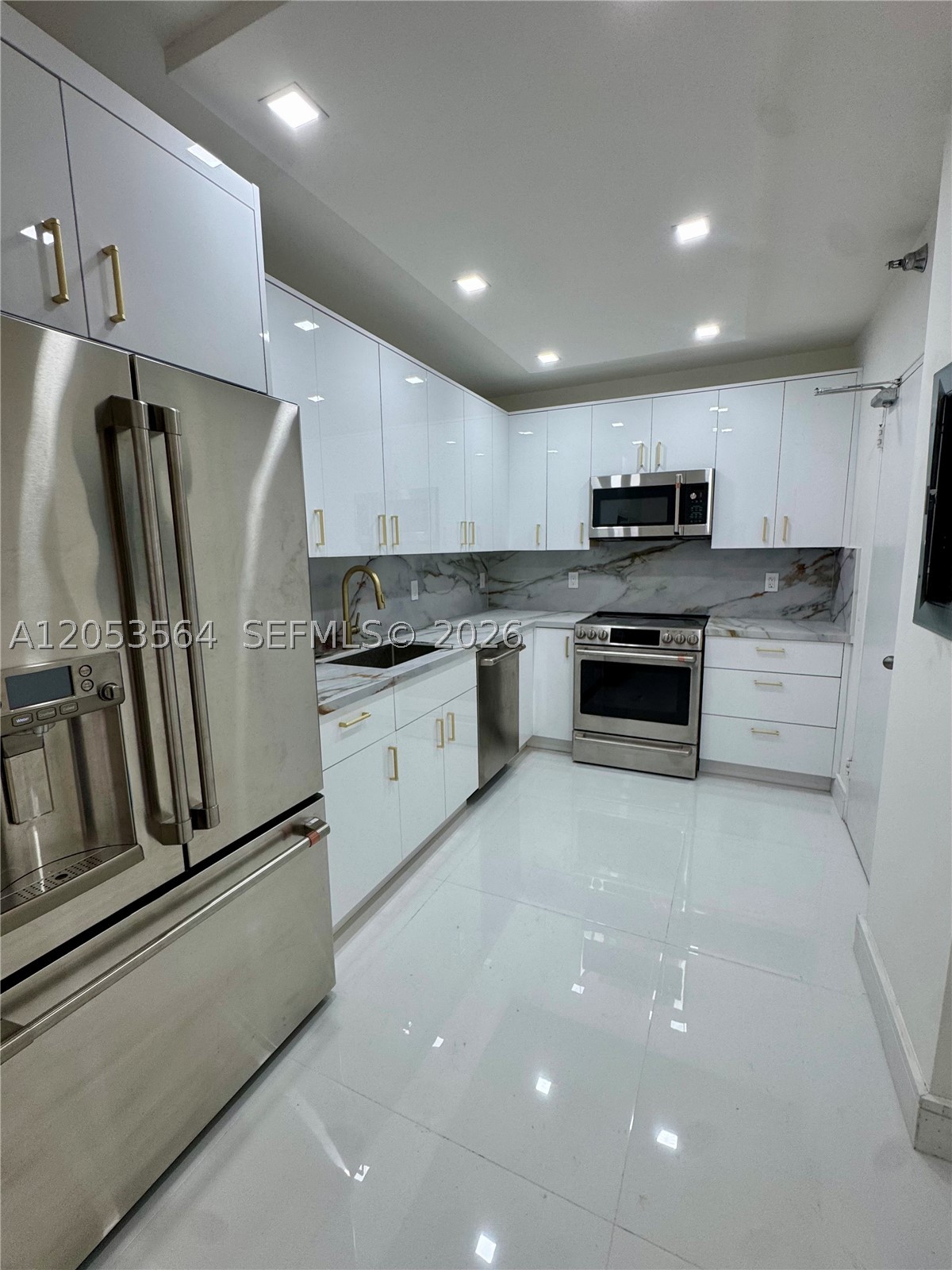
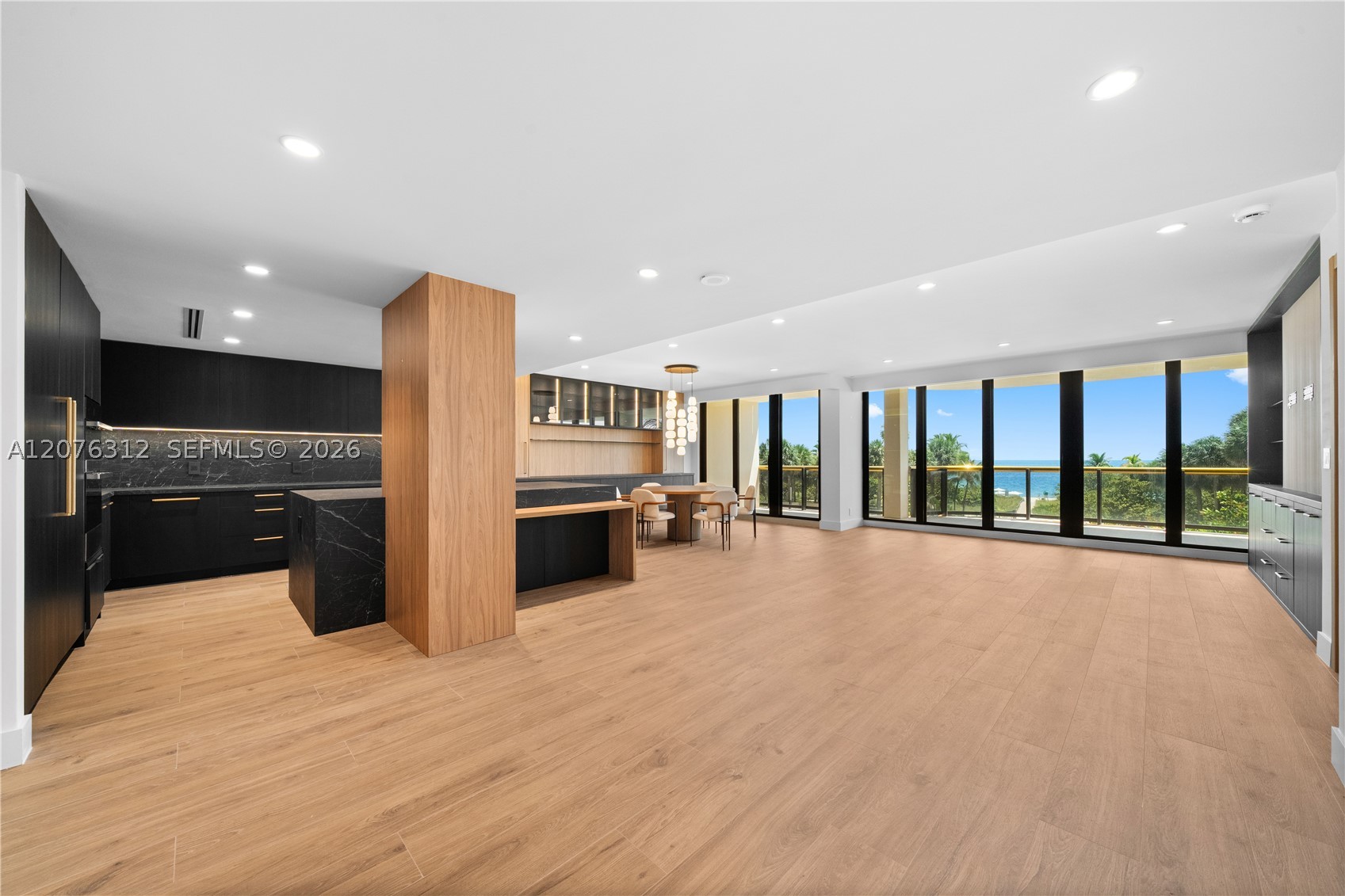
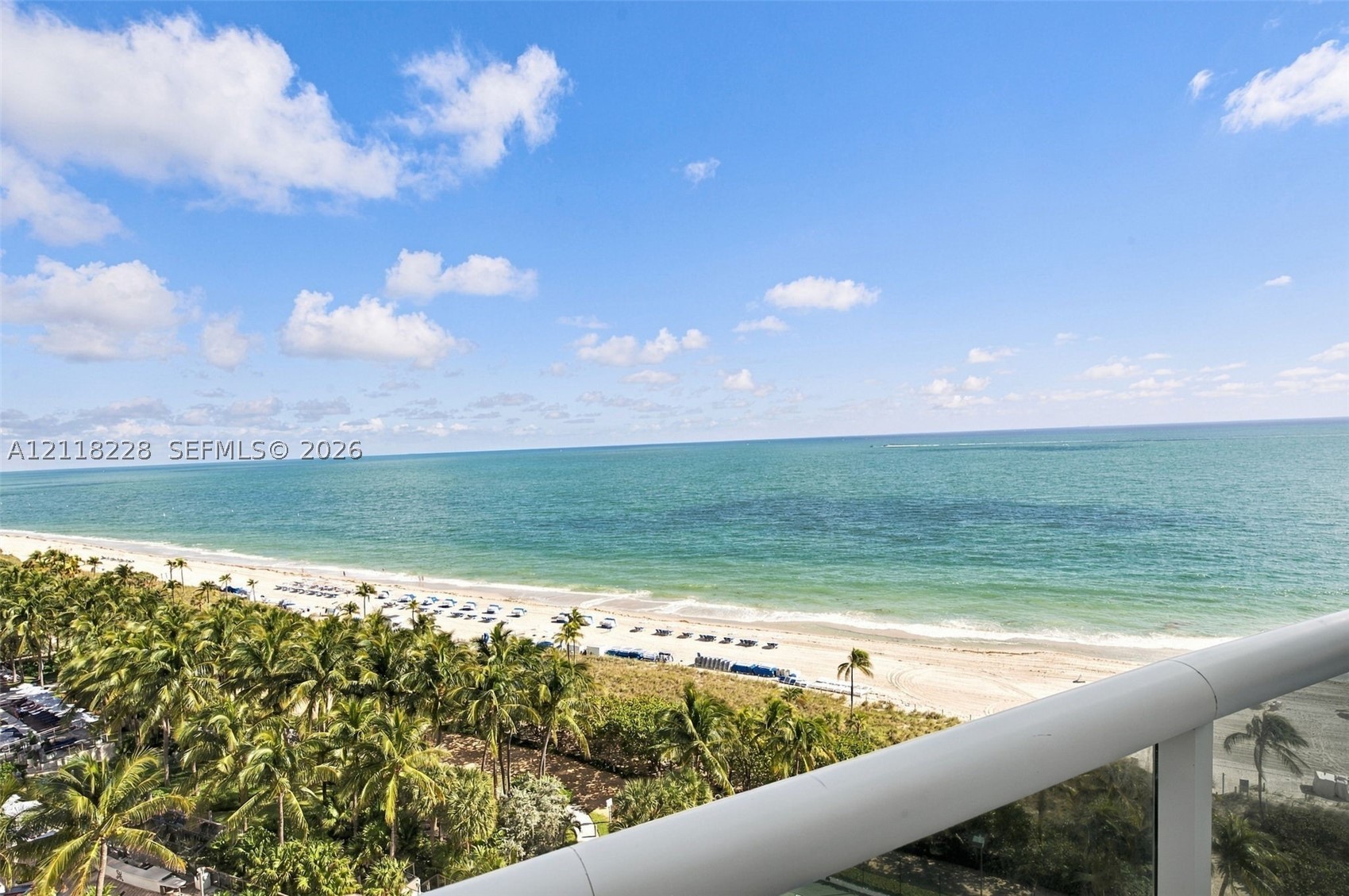
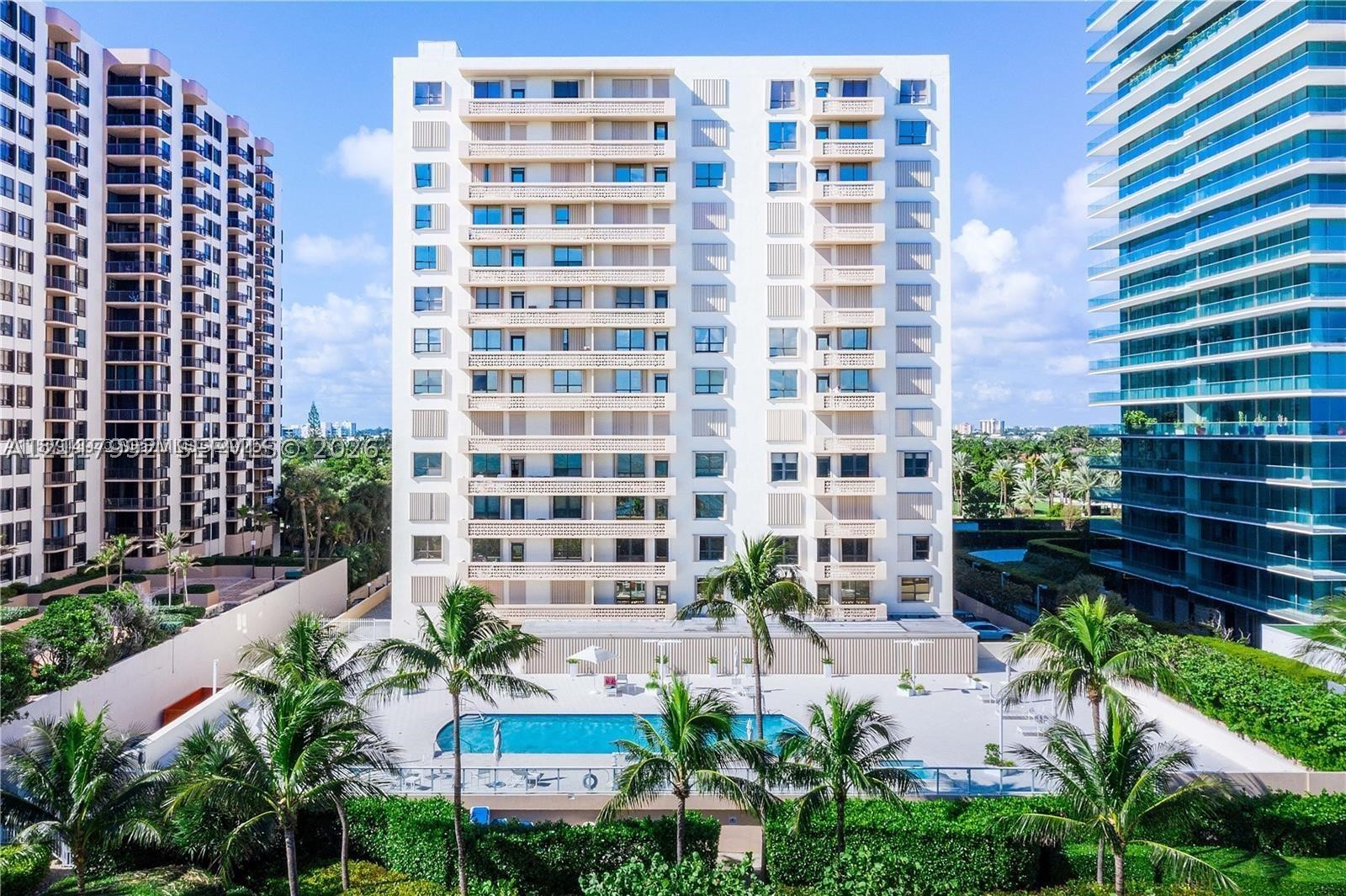
Browse real estate for sale in Bal Harbour on BonaDomus to compare current properties by type, location and asking price. A condominium overlooking the beach and a house farther from Collins Avenue involve different ownership considerations.
What does Bal Harbour offer for everyday life?
Bal Harbour Shops brings retail and dining to the village. For outdoor recreation, the beach and Bal Harbour Waterfront Park are separate places with separate access arrangements. Waterfront Park offers recreation areas, a community center and municipal programs; it is not a private condominium or hotel facility.
The village's All Access Card provides eligible property owners and qualifying residents with access to certain municipal amenities. The gated 102nd Street Beach Access Path, for example, uses this card. That condition applies to this particular path and should not be read as a restriction on every beach access point. Verify the card's current eligibility requirements and how you would reach the shoreline from a specific address.
Before scheduling viewings, compare the actual routes to everyday destinations, beach access points and parking. Two properties within the village can offer very different walking and driving arrangements.
What type of property should you compare in Bal Harbour?
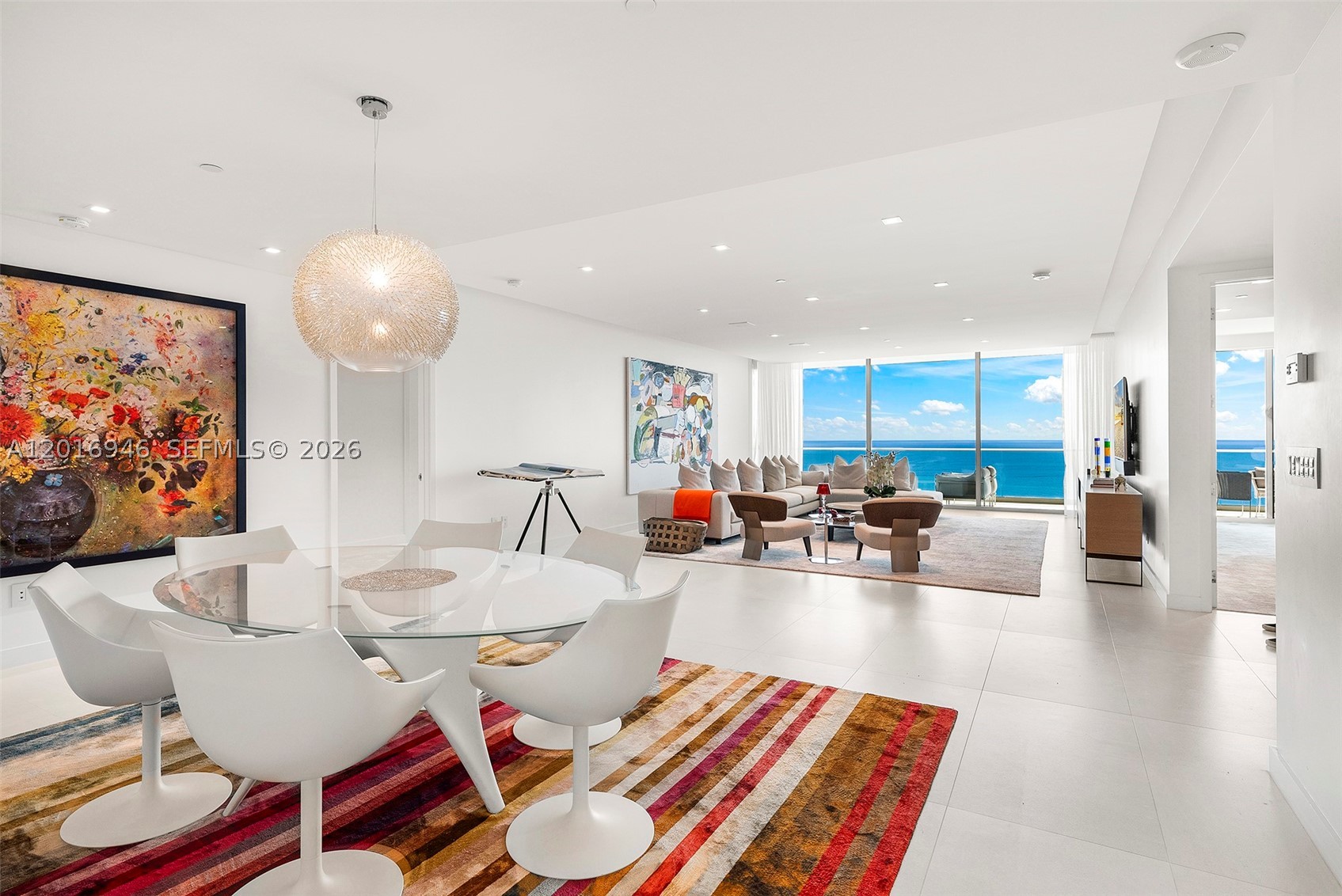
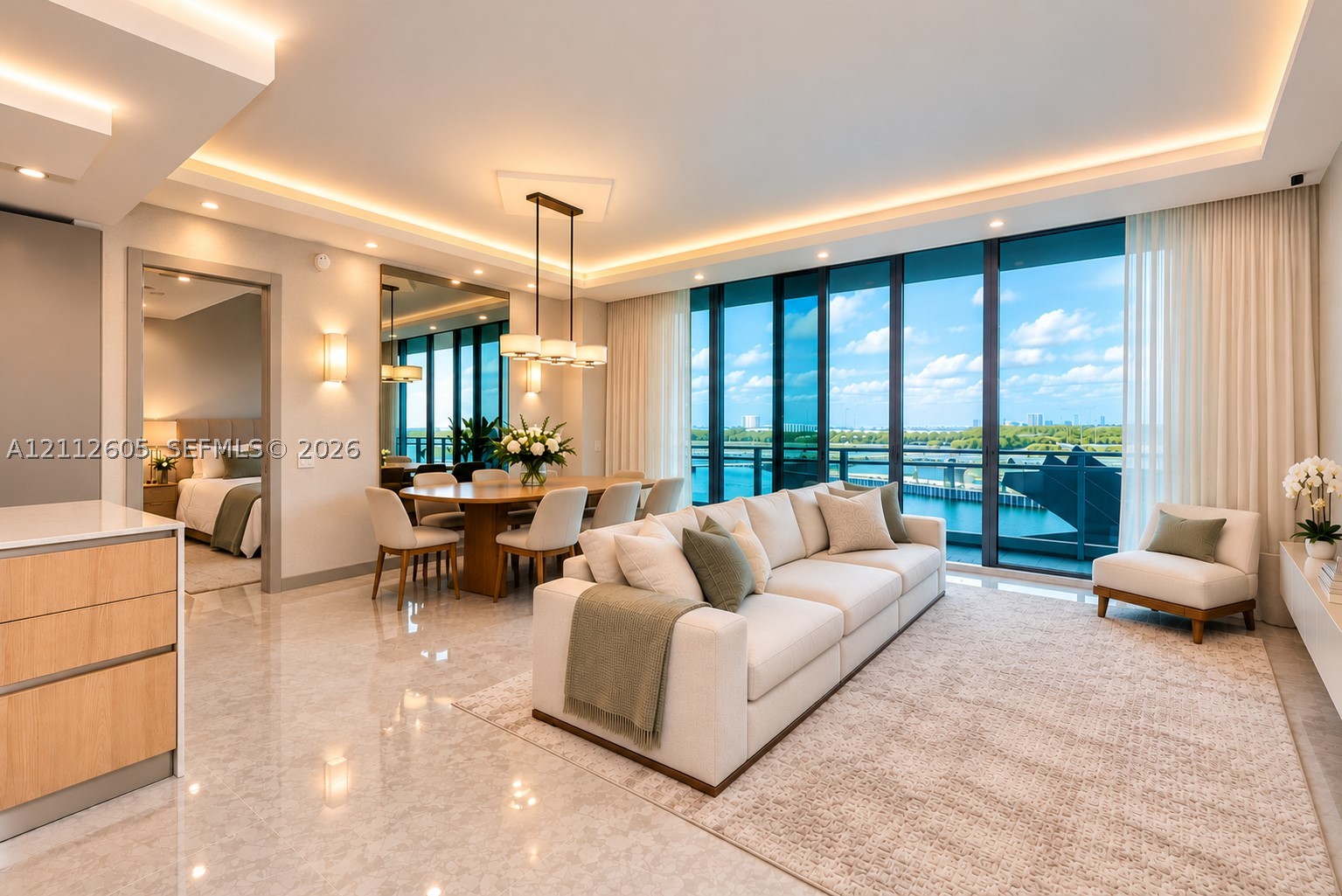
The main residential choices include condos in oceanfront buildings and detached homes on residential streets. For a condo, compare the position of the unit, direct versus angled water views, parking rights and the route from the building to the beach. A beach-facing window does not, by itself, establish access to a private club, pool, beach service or reserved parking.
For a house, consider the lot, outdoor space, building condition and any planned changes. If renovations or additions are part of the purchase plan, check the applicable approvals for the exact parcel. Neither the appearance of nearby homes nor a listing description establishes what work is permitted.
Can you rent out a Bal Harbour property through Airbnb?
Do not assume that owning a property in Bal Harbour permits nightly rentals or any particular vacation-rental arrangement. Permitted use depends on current municipal rules, the property and, for a condominium, its governing documents. A listing advertised on a booking platform is not proof that the activity is lawful.
Ask for the minimum lease period, allowable rental frequency, tenant approval requirements and any waiting period following purchase. If short stays are relevant to your plans, confirm the applicable public requirements and any state licensing or tax obligations before estimating rental income. The village's Village Code page notes that its posted codification may omit later ordinances, so current rules should be verified rather than inferred from an older online text.
What ownership expenses deserve attention?
In an oceanfront condominium, monthly fees may pay for different combinations of beach service, pool maintenance, security, building operations and common areas. Check what is included and whether parking, storage or optional services have separate charges. Compare the actual services, not only the advertised fee.
Coastal exposure also makes the condition of façades, balconies, windows and shared systems worth reviewing. Request the association budget, reserve information, inspection documents, plans for major repairs and any special assessments. The village explains that coastal maintenance responsibilities can differ between public areas and sections assigned to hotels or condominiums; a specific building's obligations require its own records.
Include property taxes after transfer, insurance, possible flood coverage, maintenance and financing costs when comparing budgets. A seller's tax assessment may not predict the new owner's bill.
Which school options should buyers verify?
For traditional public schools, confirm the currently assigned school through Miami-Dade County Public Schools using the complete property address. Charter and private schools have separate admissions processes; geographic proximity does not guarantee enrollment.
If school access matters to your property search, check application requirements and the real travel route at the times it would be used. These are property-specific considerations, not a reason to rank the village for a particular demographic group.
How important are flood exposure and property records?
Bal Harbour's location beside the ocean and bay makes flood assessment part of purchase due diligence. The village flood-information page notes that FEMA maps designate much of the village as a Special Flood Hazard Area. That statement does not establish the classification or elevation of any individual property.
Check the current FEMA flood designation, available elevation documents, insurance terms and any history of water entering the property. For condominiums, inspect information about garages, mechanical equipment and shared areas: buying on a higher floor does not eliminate exposure to damage or repair expenses elsewhere in the building. For a house, also check permits for additions and previous work.
How can BonaDomus help with a Bal Harbour purchase?
Use BonaDomus to compare properties by location, property type and current listing details. A useful shortlist should distinguish oceanfront access from municipal amenities, then account for ownership costs and the intended use of each property. The next stage is to verify the building's documents, permissions and conditions rather than assuming that all Bal Harbour homes and condos operate under the same rules.