Real estate for sale in Golden Beach, FL


IDX information is provided exclusively for personal, non-commercial use, and may not be used for any purpose other than to identify prospective properties consumers may be interested in purchasing. Information is deemed reliable but not guaranteed.
Golden Beach Real Estate: Oceanfront Homes, Canal Properties and Local Building Rules
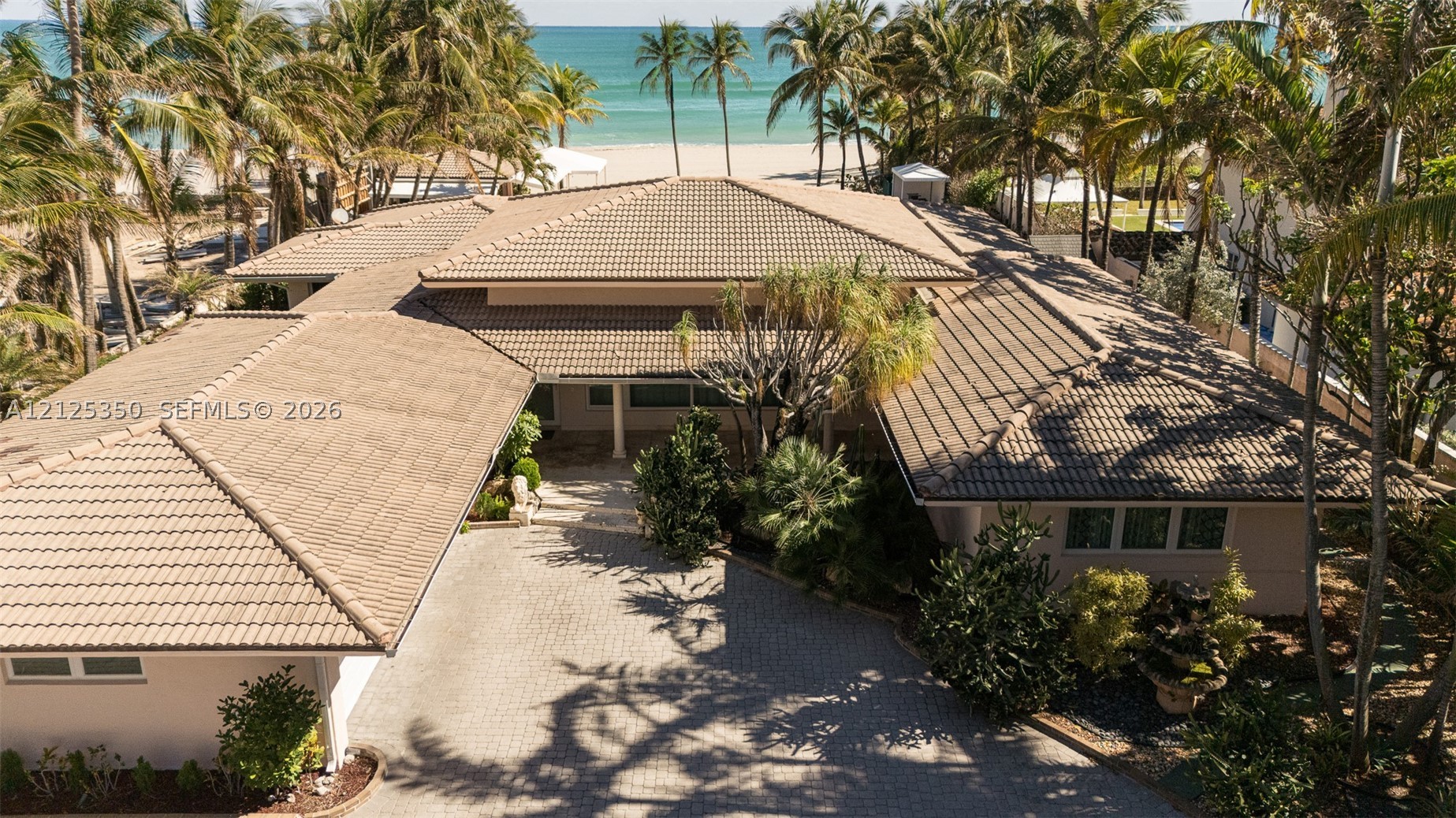
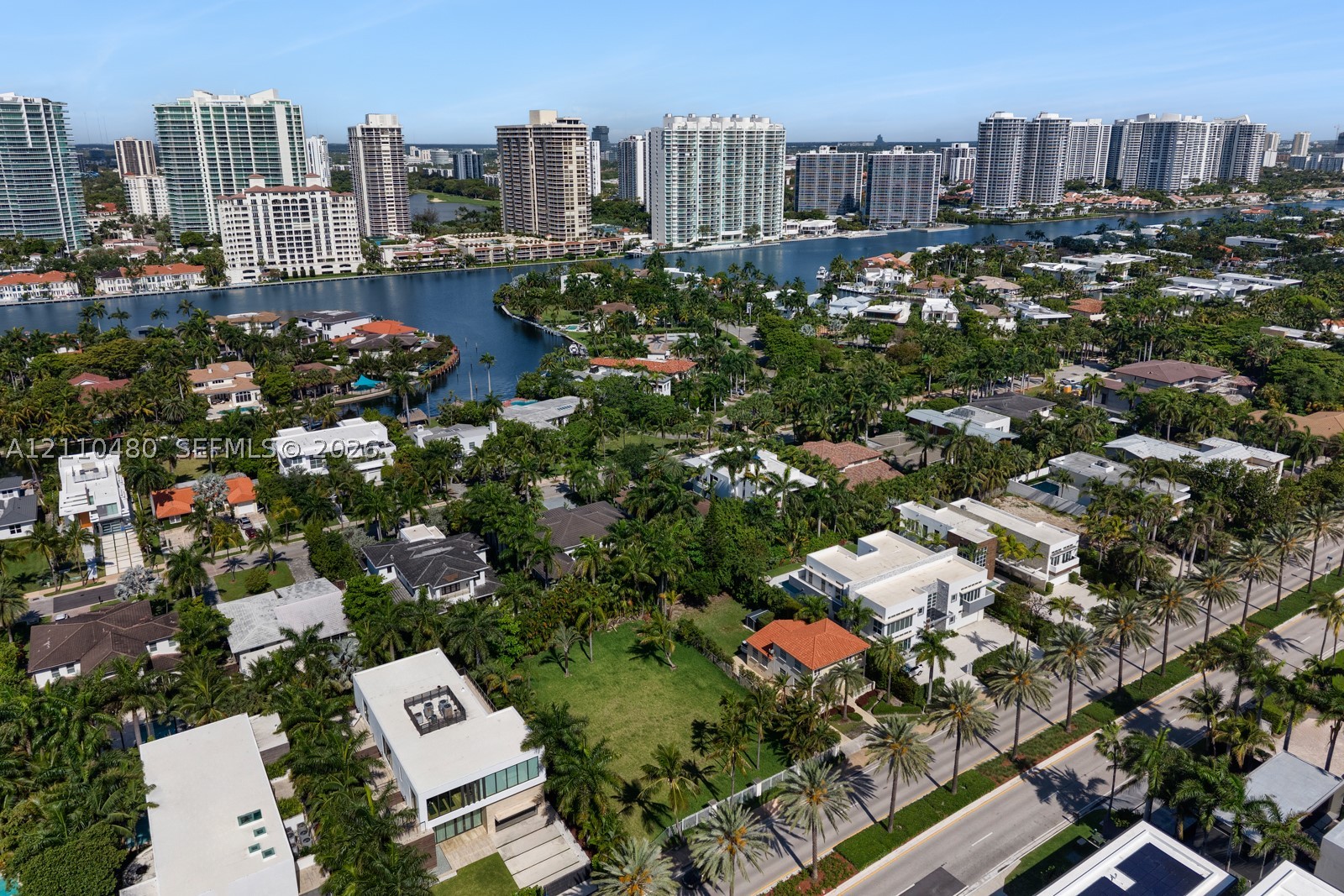
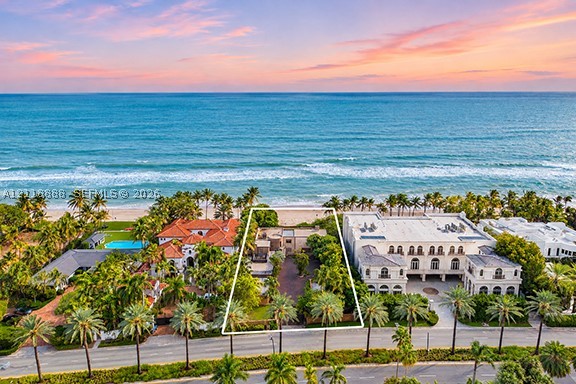
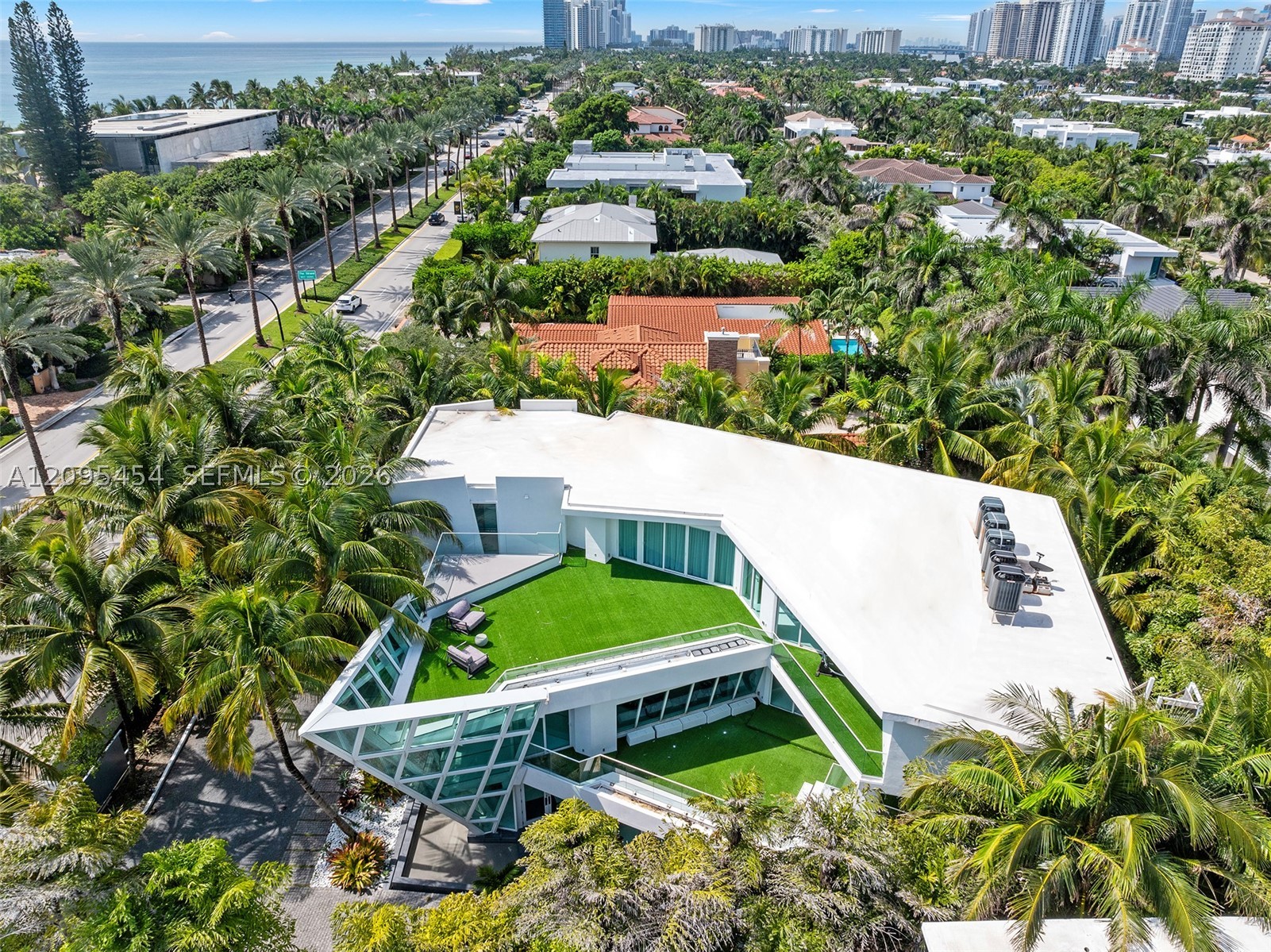
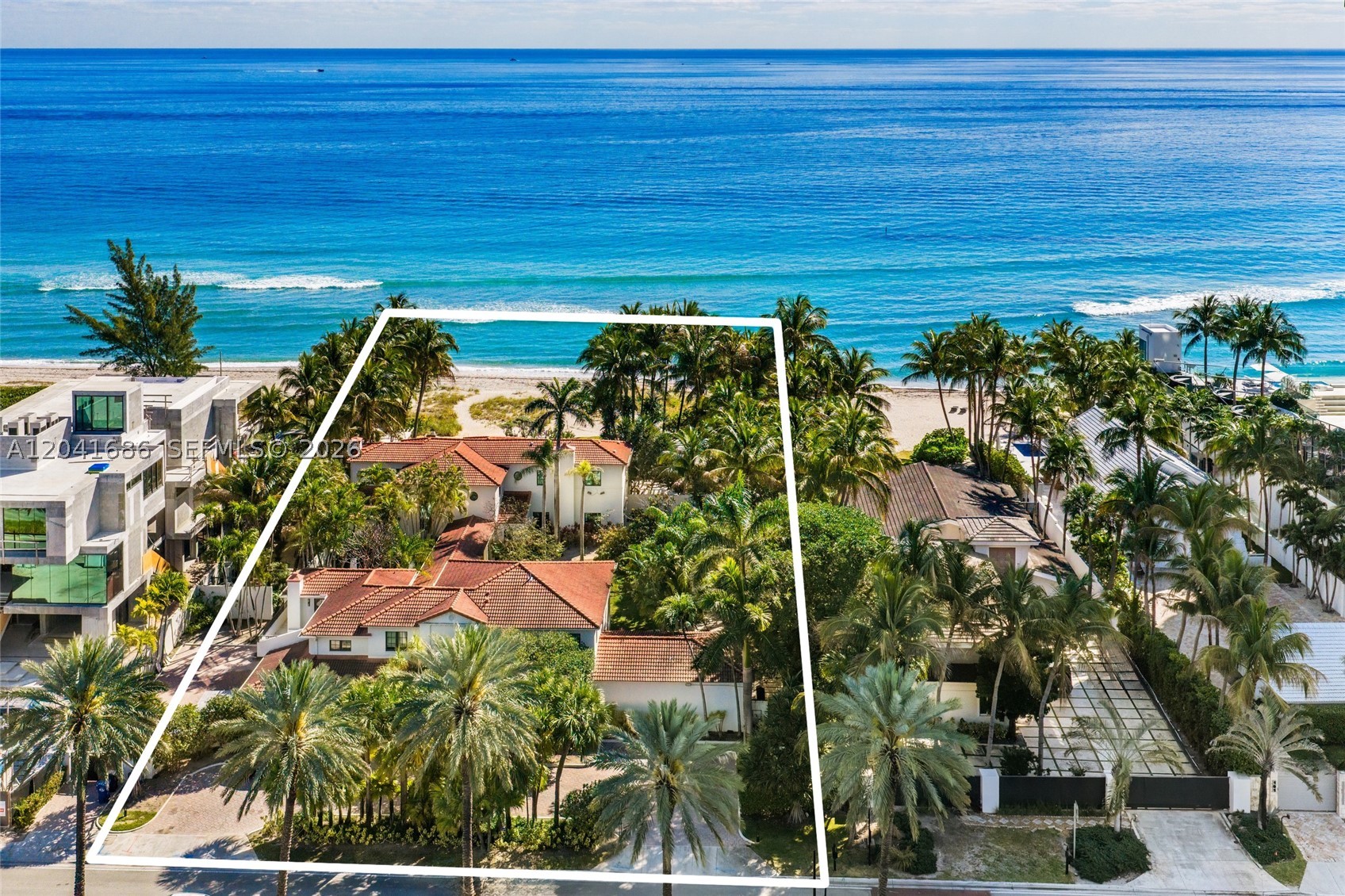
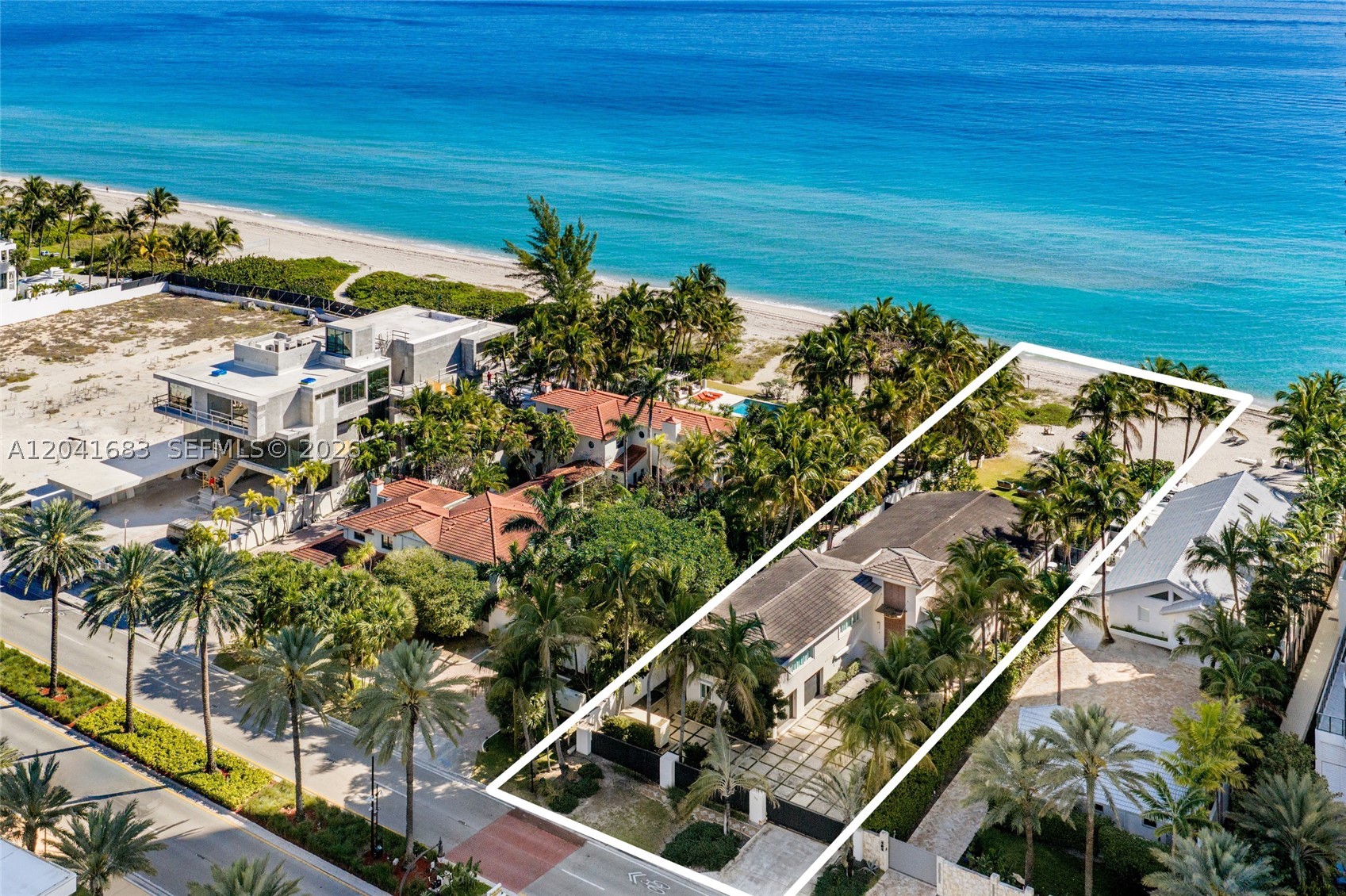
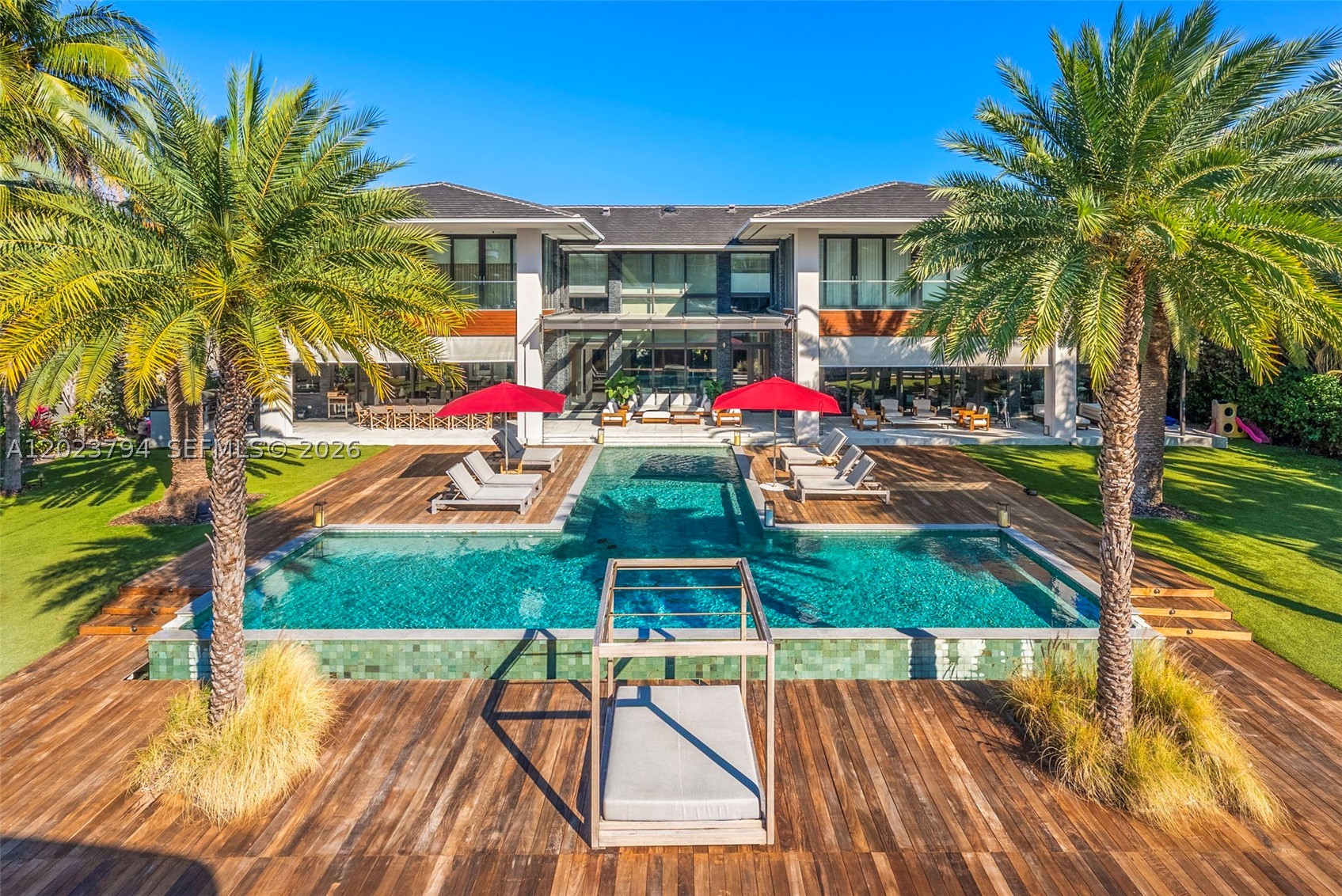
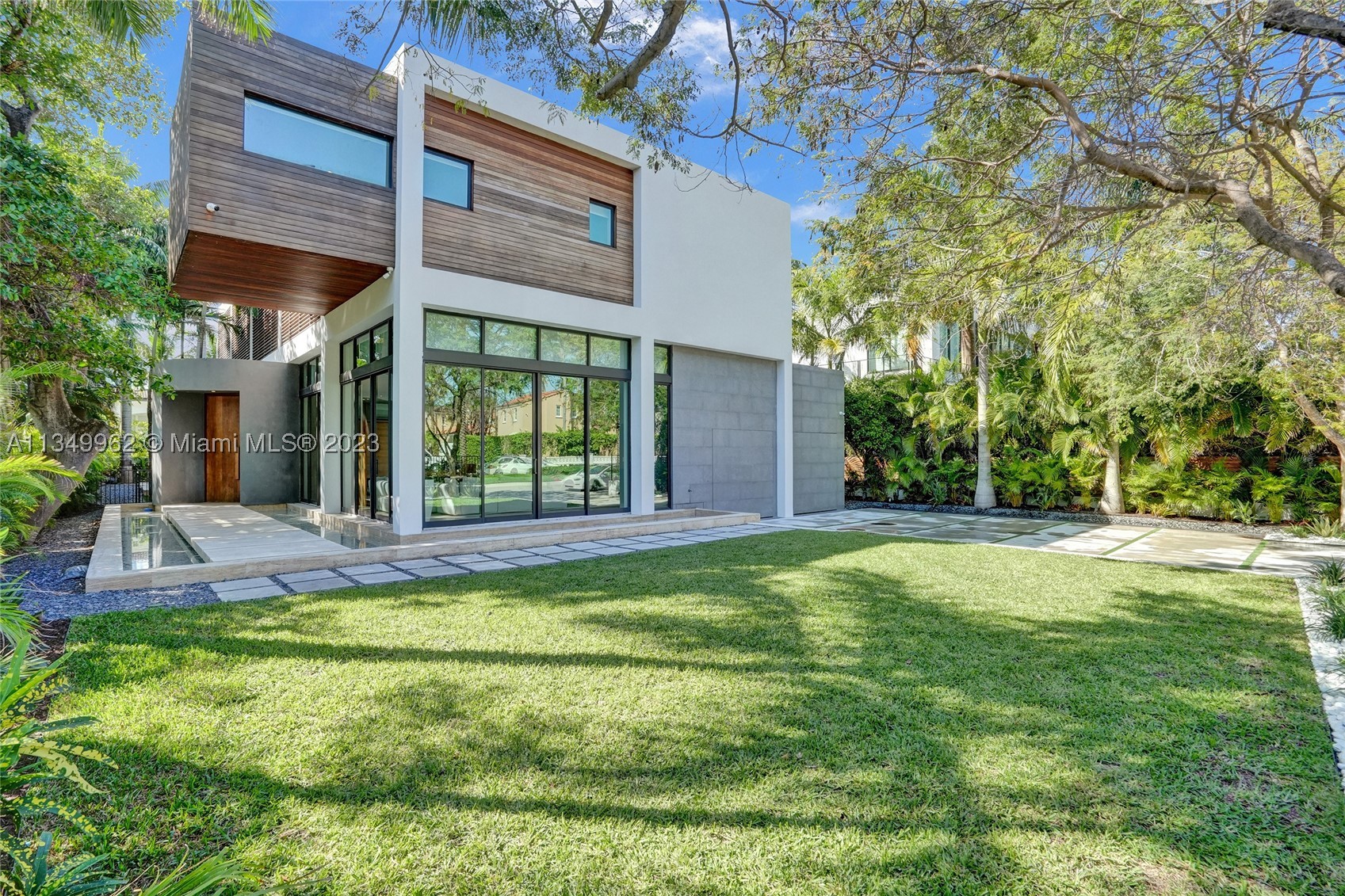
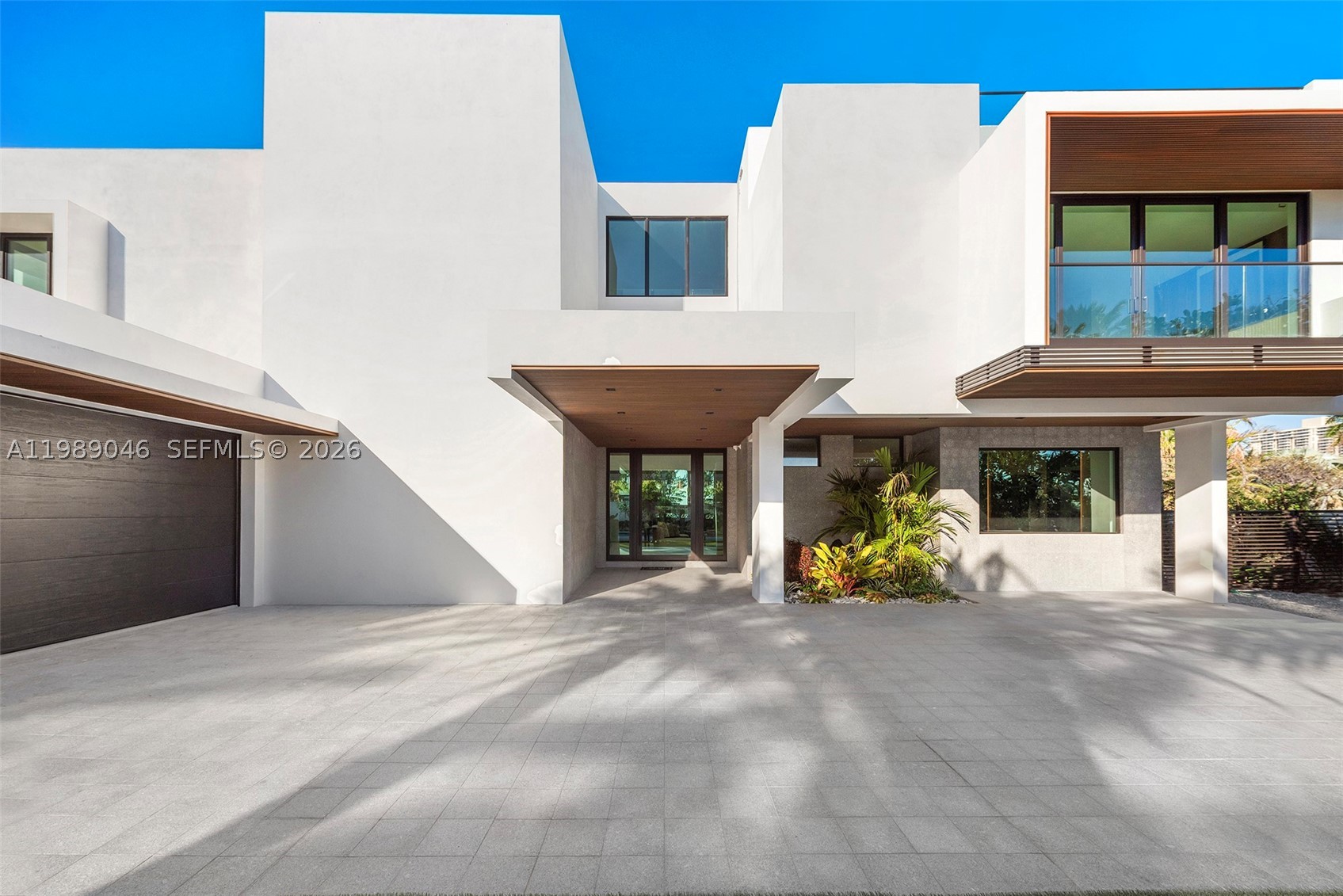
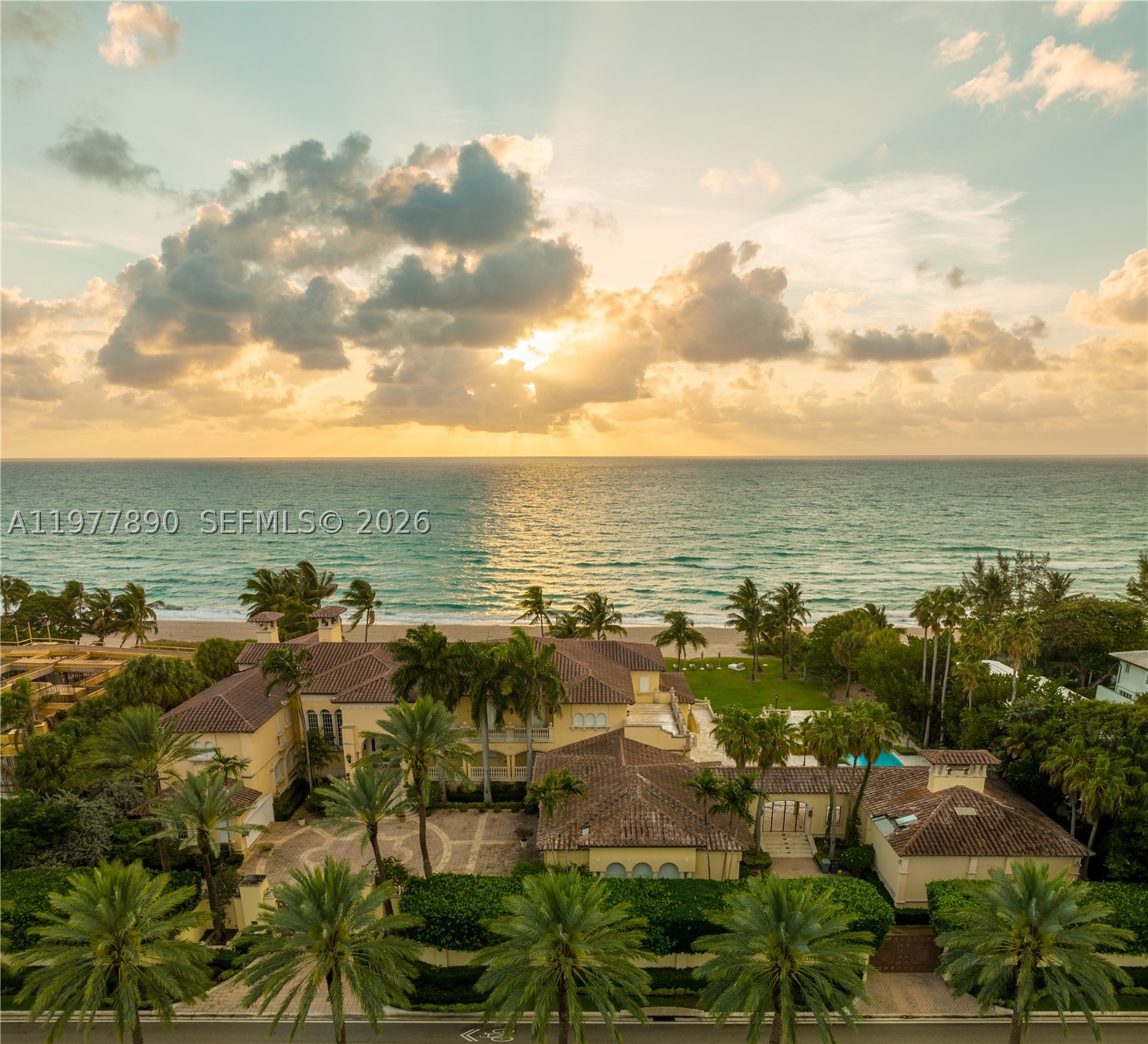
Golden Beach is a small municipality on Miami-Dade County's northeastern coast, with the Atlantic Ocean on one side and the Intracoastal Waterway on the other. Unlike its high-rise neighbors, it is organized around detached homes rather than condominium towers. The town's official description identifies single-family residential development as a defining feature. Buyers can compare Golden Beach homes for sale by waterfront position, lot characteristics and intended use, rather than treating every property near the ocean as equivalent.
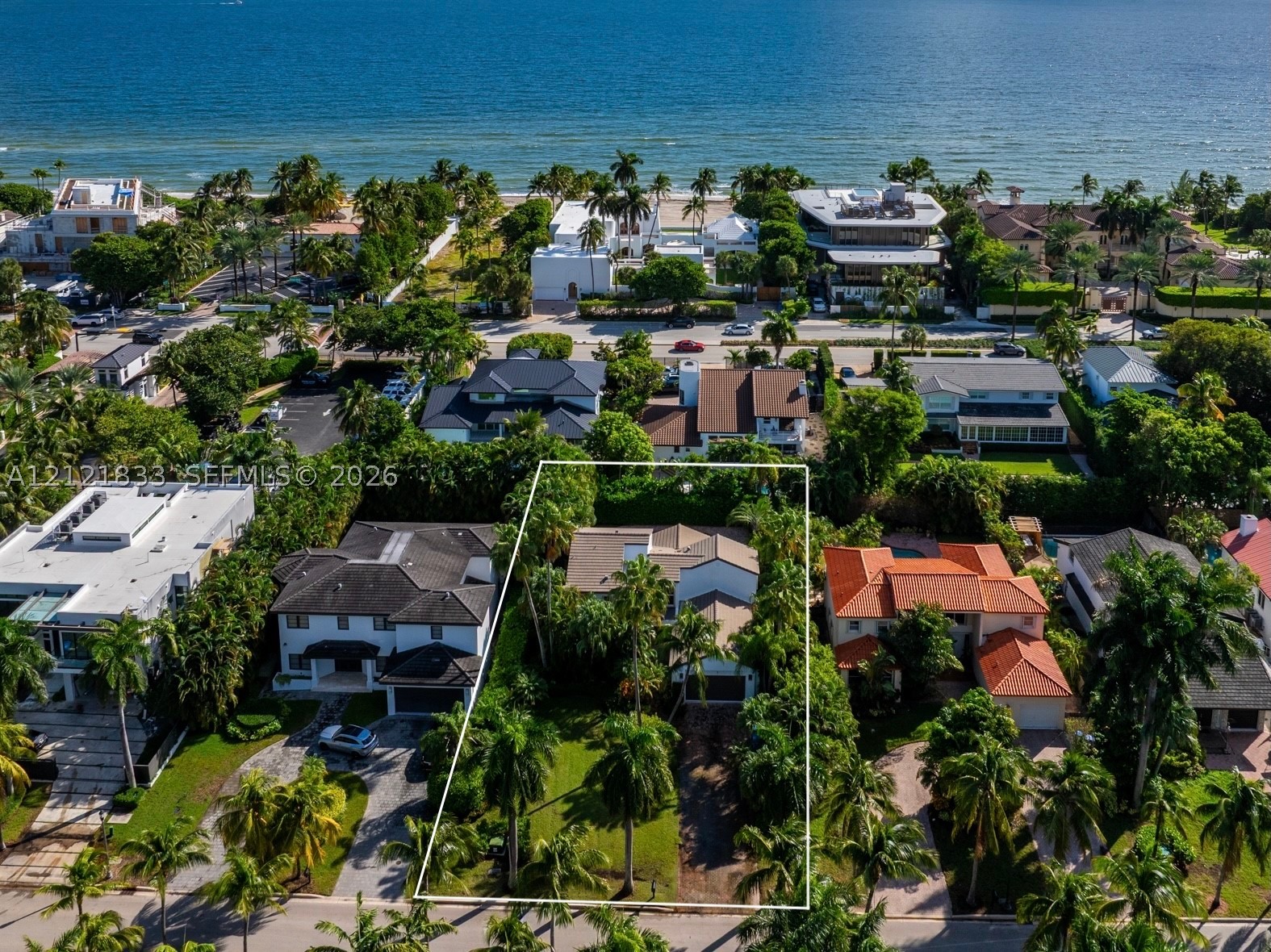
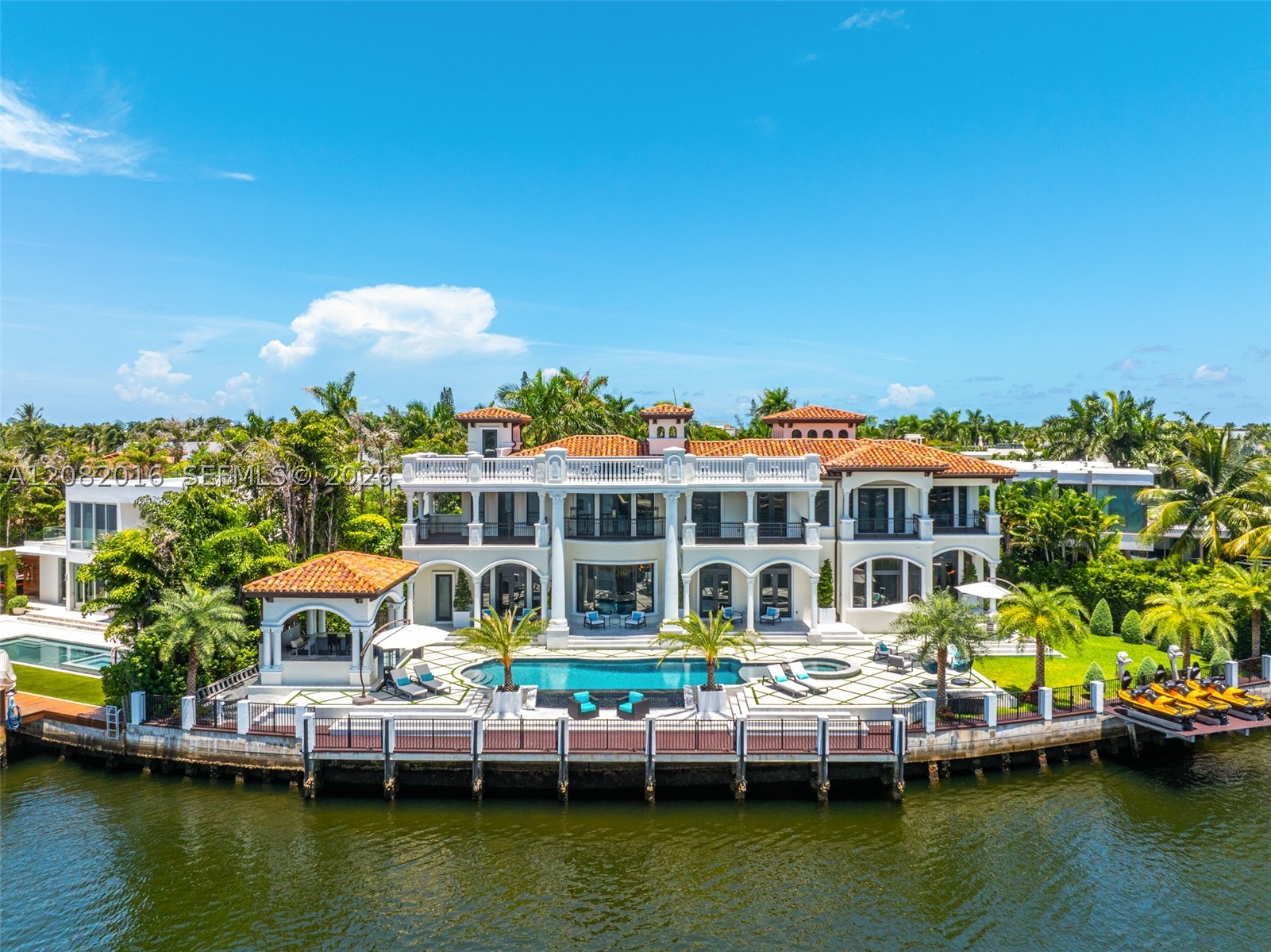
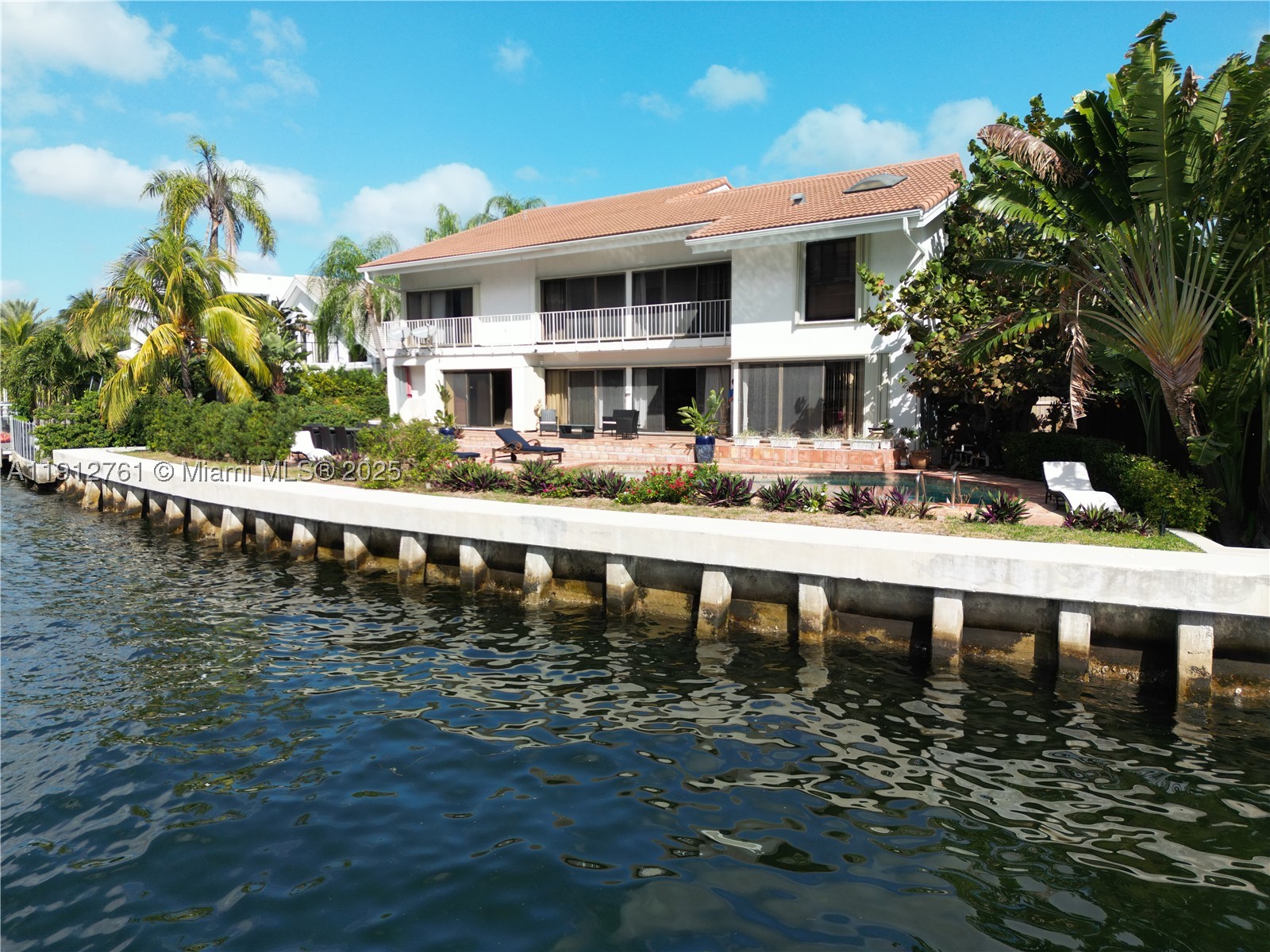
Three settings call for different checks: an oceanfront lot, a house on an interior street, and a home facing a canal or the Intracoastal Waterway. A beach view, a private dock and rights to build or enlarge a home are separate matters that require documents for the specific address.
What does Golden Beach offer for everyday life?
Golden Beach has town-managed beach facilities, parks, tennis and pickleball courts. The municipal amenities registration system uses BuildingLink for reserving certain courts, park facilities and the Beach Pavilion. Reservations, guest access and event approvals follow town rules; buying a home should not be treated as automatic permission to use every facility without registration or conditions.
For groceries, extensive shopping and a broader restaurant selection, compare routes toward Aventura, Hallandale Beach and Sunny Isles Beach. Golden Beach's primarily residential land use means that many routine errands involve traveling beyond the town. Test each route from the actual property, especially the approach to Collins Avenue/Ocean Boulevard and the return trip during busier periods.
When comparing two houses, check practical differences such as how deliveries reach the property, where guests may park and how a beach access route operates. An oceanfront address is not a substitute for understanding municipal beach-facility rules or the legal boundary shown on the survey.
Which Golden Beach home should you choose?
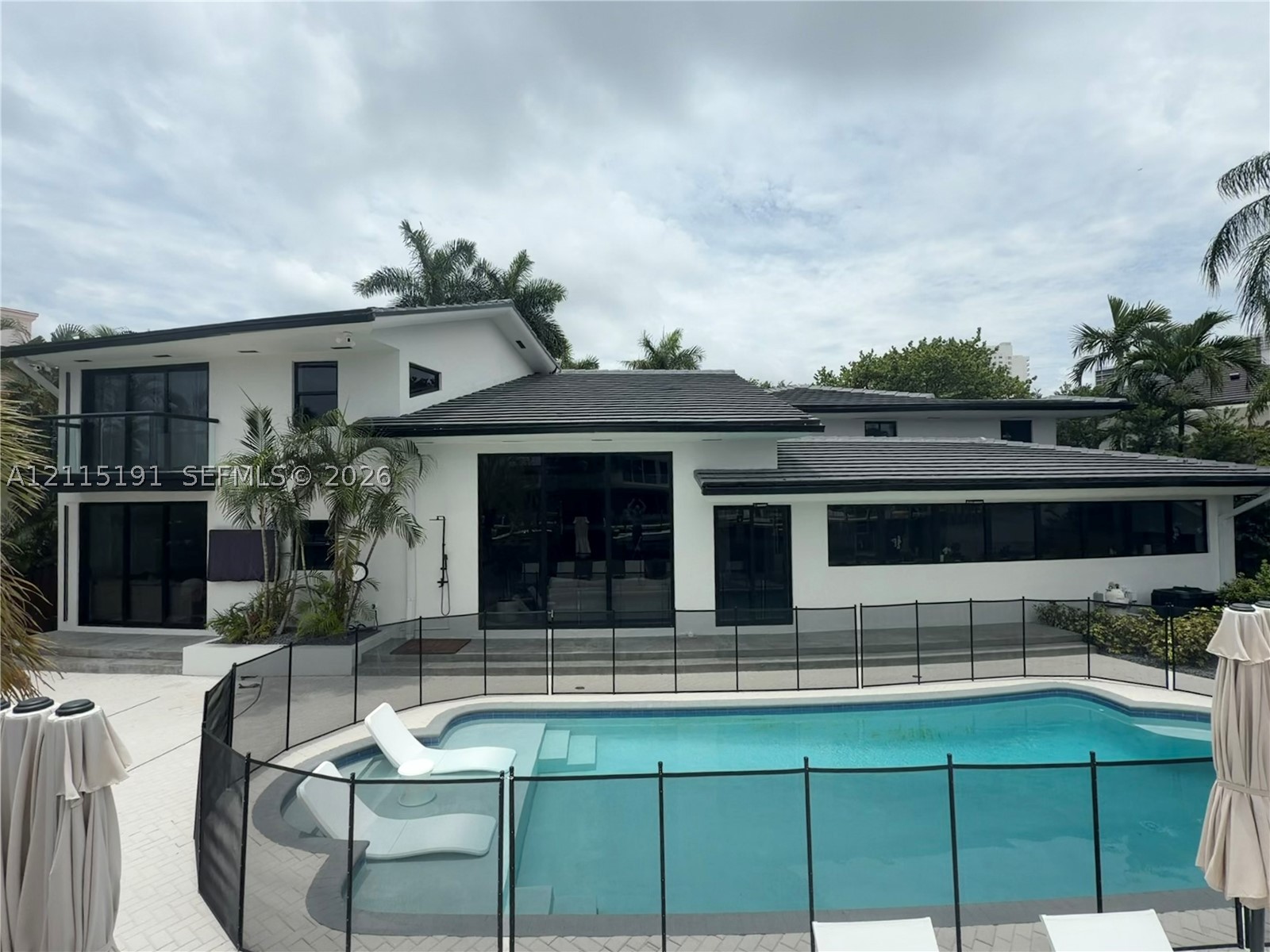
For an oceanfront house, review the lot survey, the location of structures relative to the shoreline, windows and storm protection, and any applicable Coastal Construction Control Line approvals. For a canal or Intracoastal home, obtain the seawall's condition report, dock permits, any boat-lift documentation and evidence of the rights being transferred. A dock visible during a viewing does not establish approval for a different vessel or a proposed replacement.
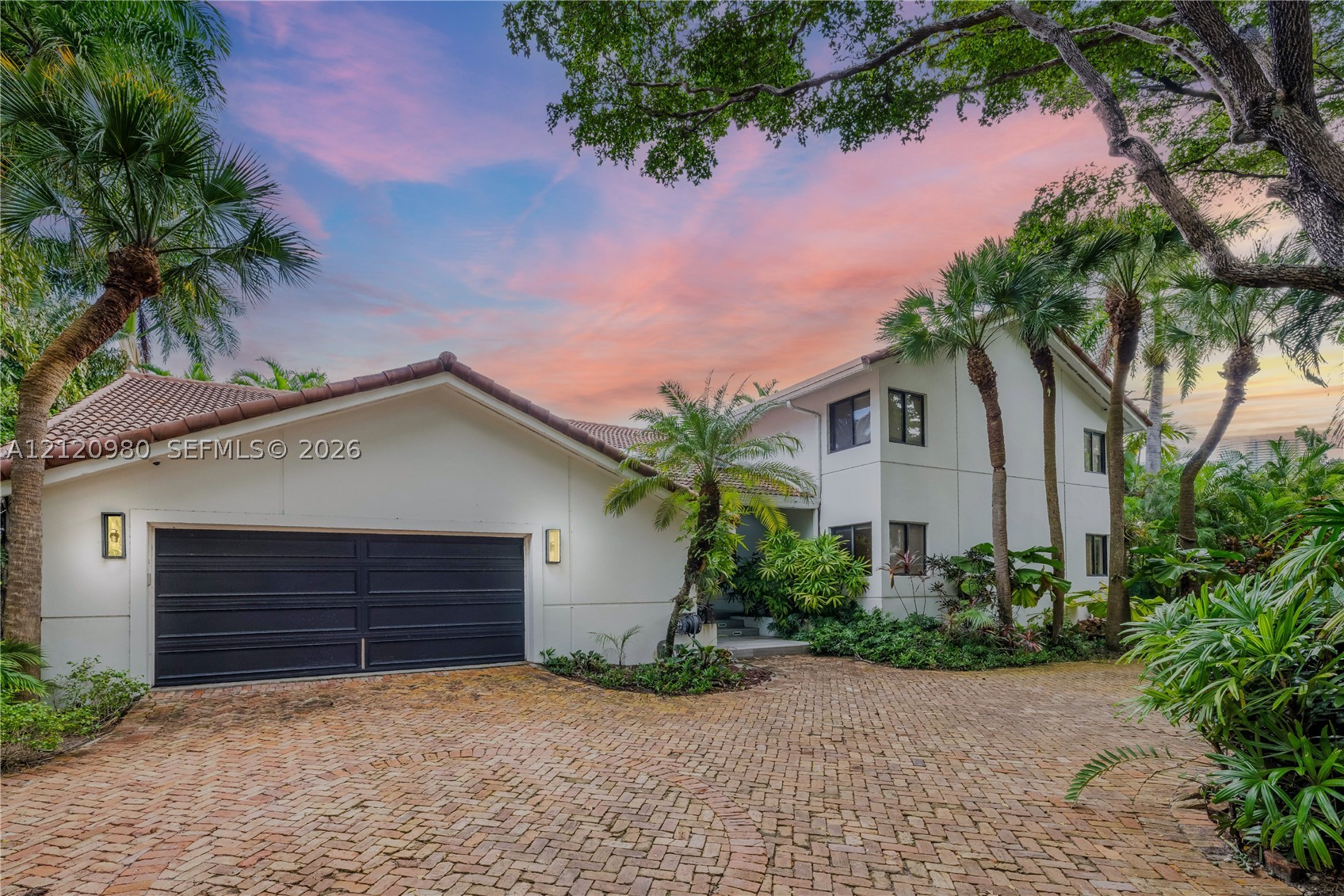
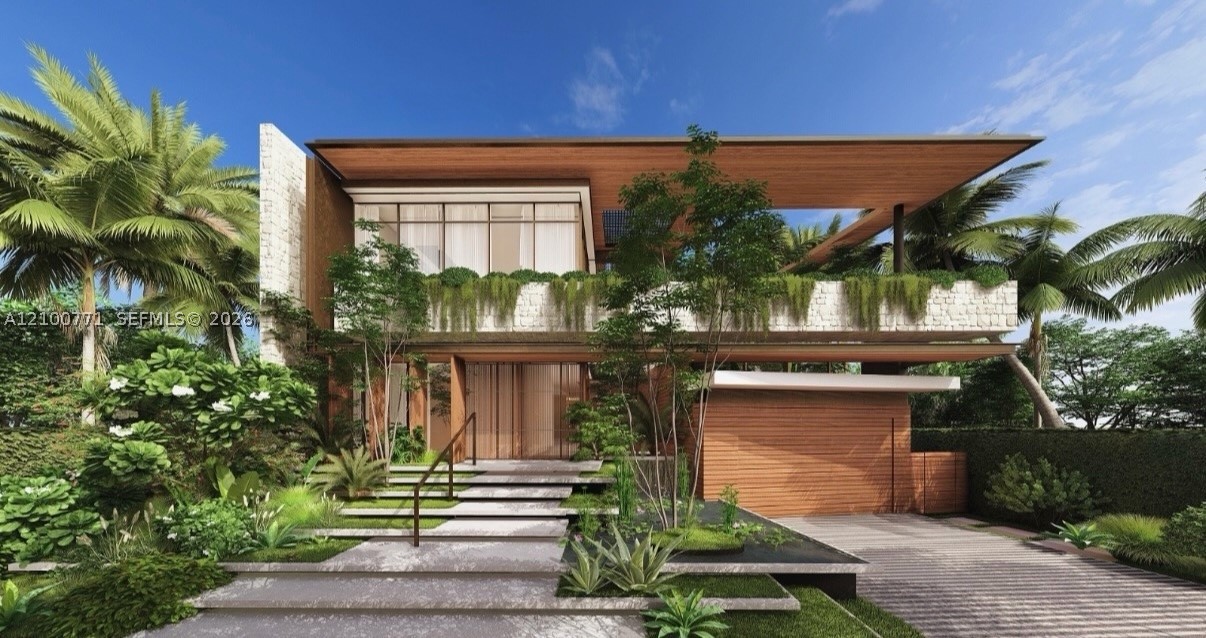
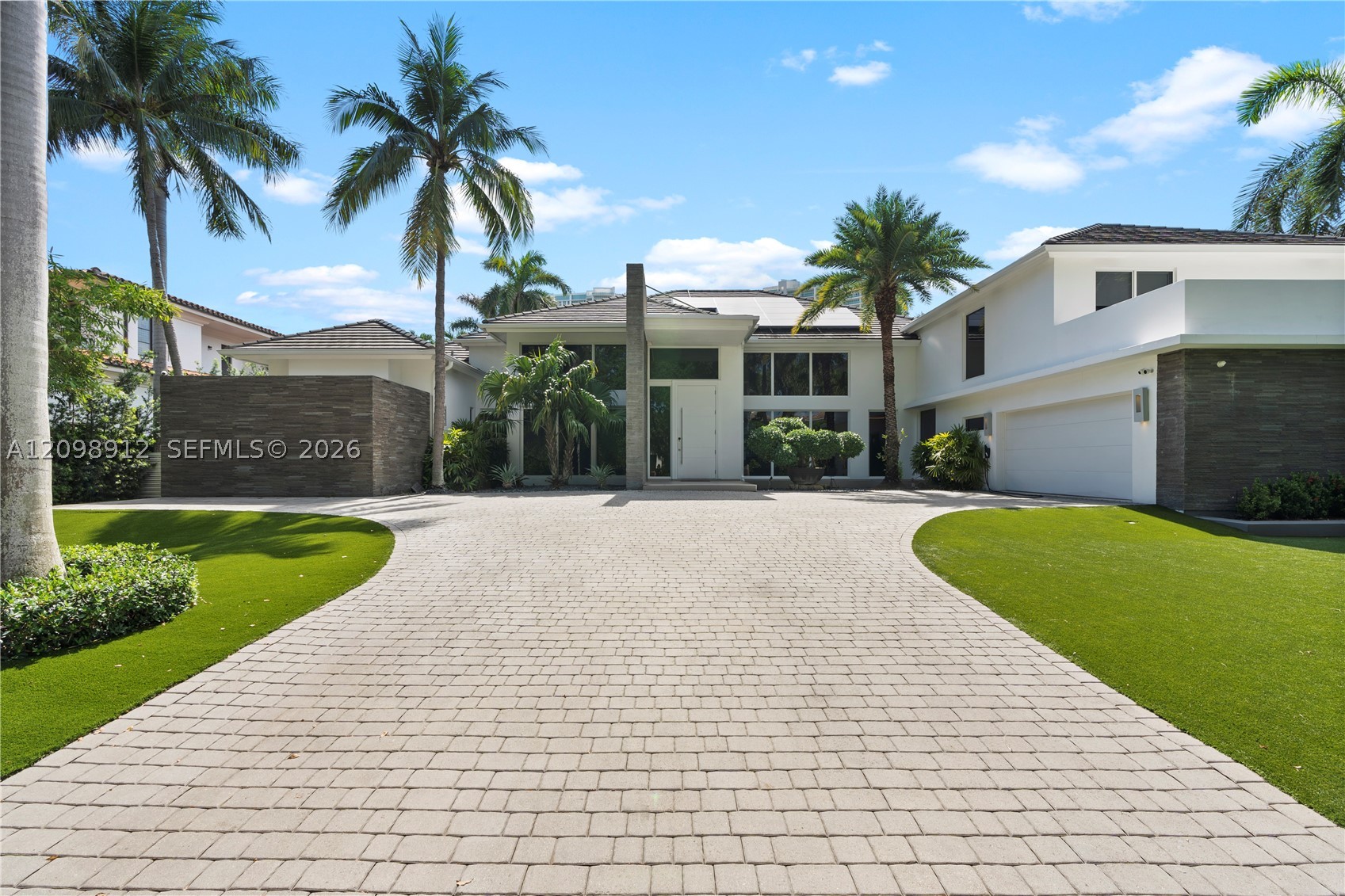
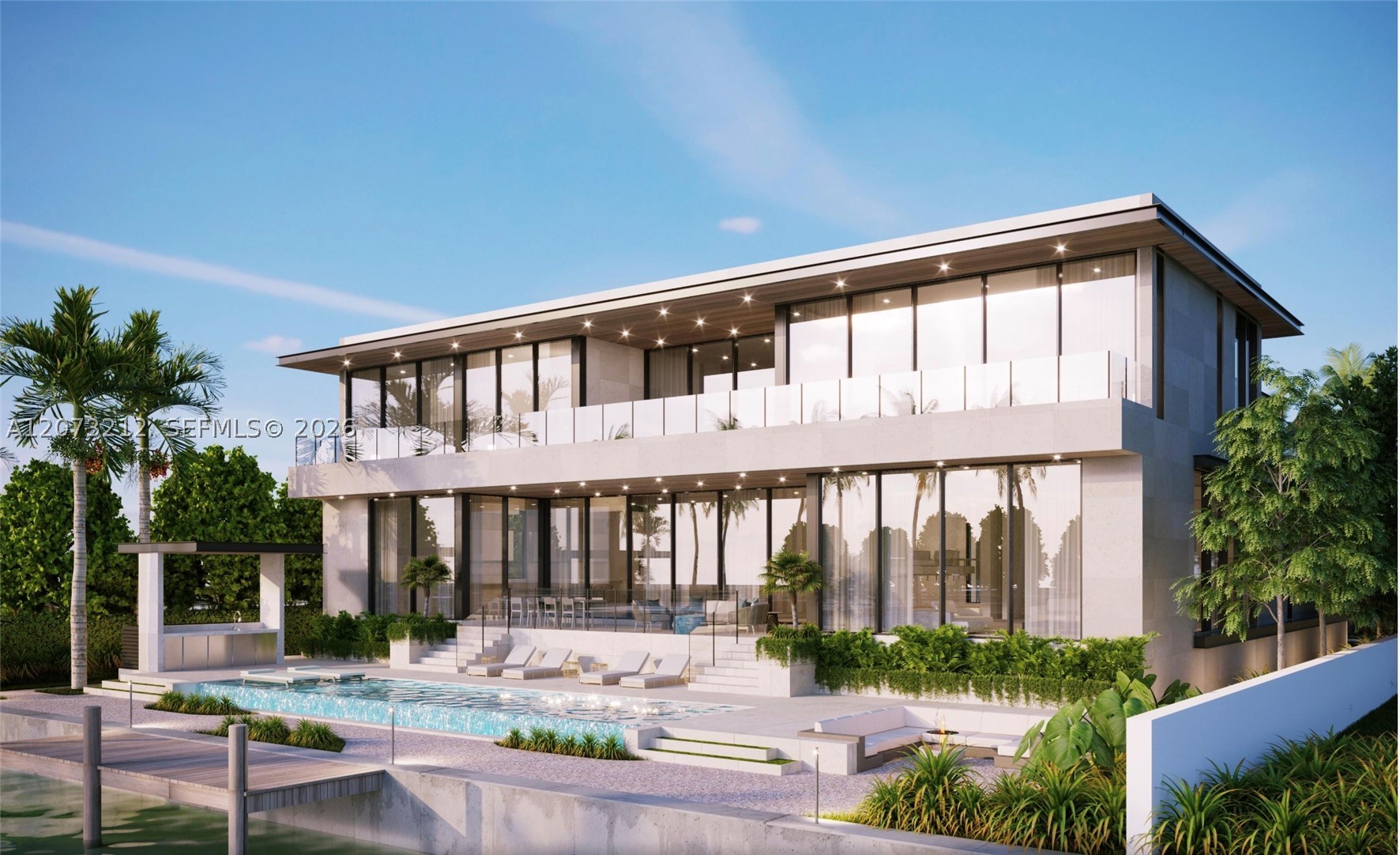
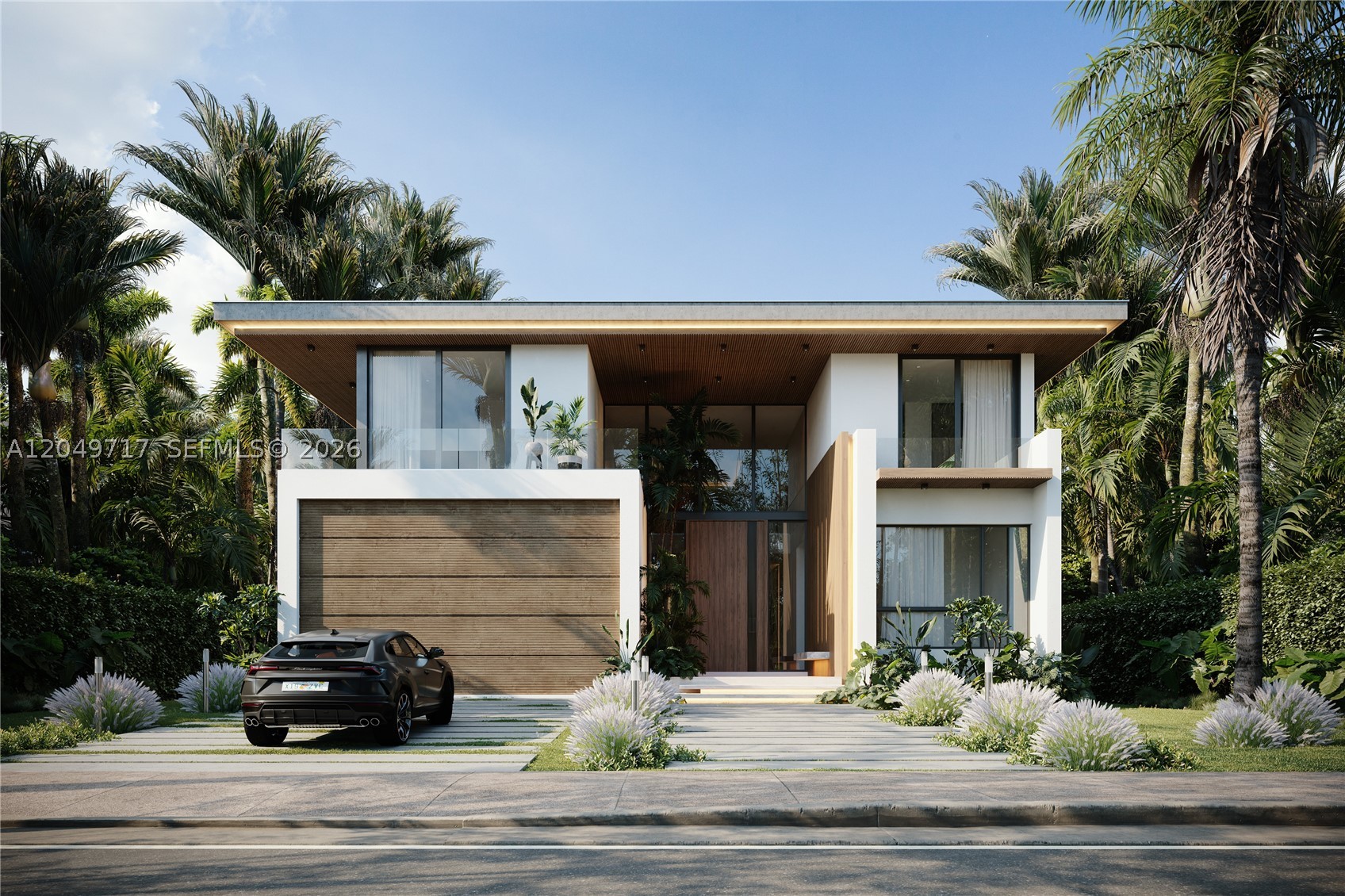
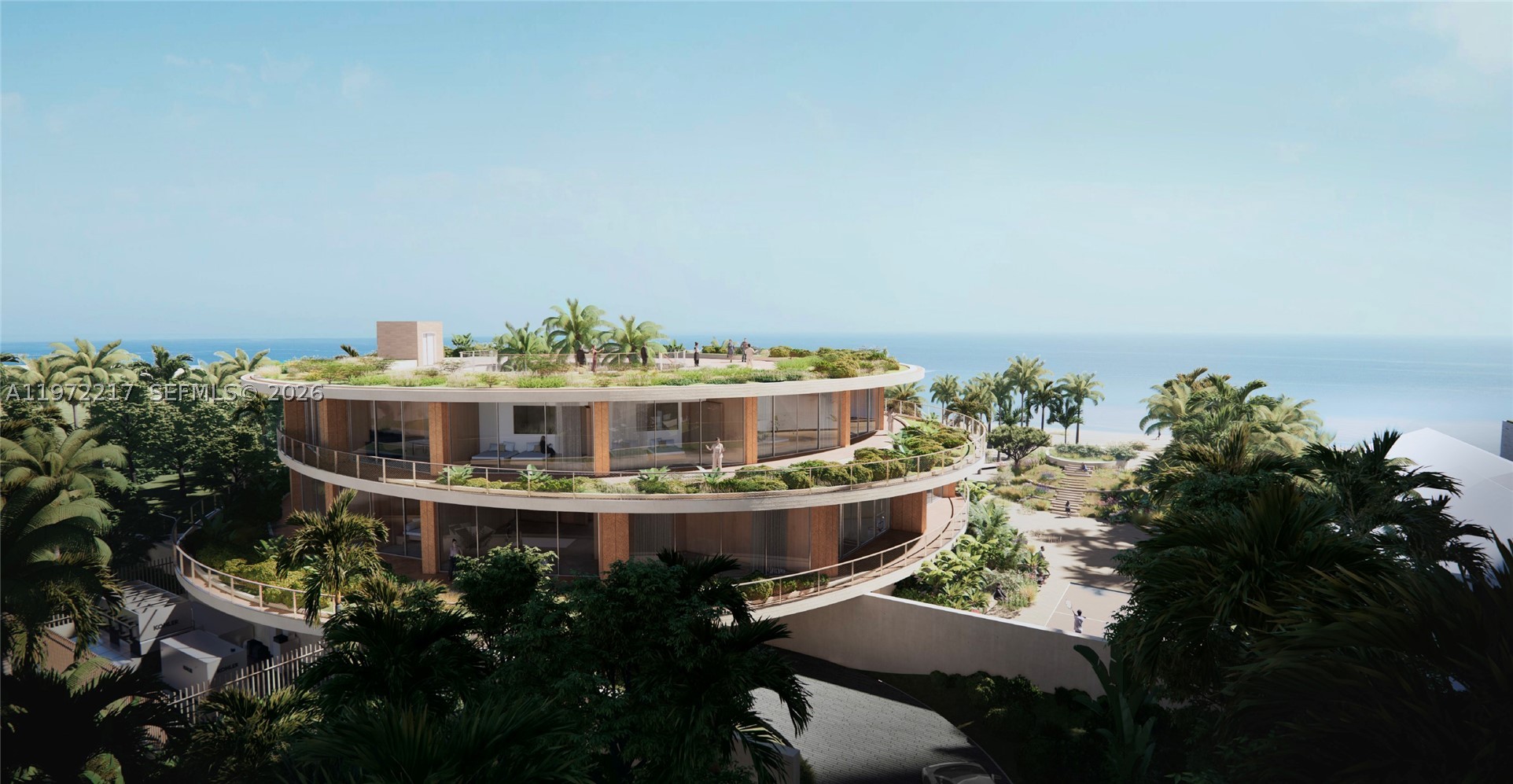
For an interior-street house, look more closely at parking configuration, drainage, mature trees, setbacks and the extent to which the existing building can be remodeled. A large site or an attractive rendering does not prove that the town will approve an addition, new pool or different exterior layout.
The town's new-construction and remodel checklist distinguishes permit-document categories for oceanfront properties (Zone 1), properties west of Ocean Boulevard (Zone 2), and interior canal/Intracoastal waterfront properties (Zone 3). These are categories in a permit checklist, not a substitute for the legally applicable zoning designation of an individual parcel. Certain submissions involve seawall conformity, retaining-wall acknowledgements, elevation records or outside-agency approvals. Confirm the exact requirements with Golden Beach Building & Zoning before budgeting a renovation.
Can a Golden Beach property be rented through Airbnb?
Golden Beach should not be evaluated as a conventional nightly vacation-rental market. Section 66-91 of the town's published code prohibits transient residential occupancy of less than six consecutive calendar months in its residential zoning districts. Review the currently applicable ordinance through the town's officially linked code of ordinances and confirm interpretation and registration obligations with the town before relying on any rental income.
If you plan to lease a home for a permitted period, obtain written confirmation of the minimum term, required town filings, occupant information, any licensing or inspection obligations, and restrictions in recorded property documents. Do not assume that a six-month seasonal plan permits breaking the term into several shorter stays. A booking-platform advertisement or the seller's historical rental practice is not proof of current permission.
Where rental income matters to a purchase, build the estimate around the lease duration and use that can actually be documented. Include management, maintenance of the house and grounds, vacant periods, insurance and any administrative compliance costs, rather than projecting revenue from overnight bookings.
What are the ownership costs of a Golden Beach house?
Golden Beach purchasing costs are often dominated by the property itself, not a conventional condominium maintenance fee. A large detached home can involve roofing, impact-rated openings, pools, landscaped grounds, drainage, equipment and regular storm preparation. An oceanfront home may need additional attention to coastal exposure; for an interior waterfront property, a seawall, dock or boat lift can be a separate inspection and maintenance category.
Ask for actual maintenance records, open permit information and estimates for any planned work. The town's general permitting procedures describe deadlines for beginning work and keeping inspections current. Approval of a remodeling plan is different from evidence that the work was completed and received final sign-off. For new construction or additions, the town's Certificate of Occupancy guidance identifies final inspections and documentation, including elevation information.
Estimate property tax after the sale rather than carrying forward the seller's bill. Add homeowners insurance, property-specific flood coverage where applicable, utilities, exterior maintenance and financing. Clarify any town charges and obligations associated with the property; do not add an imaginary condo association fee to a detached home.
What should buyers check about schools and regular travel?
Use the exact street address to verify public-school assignment through Miami-Dade County Public Schools. Private and charter schools use their own admissions procedures; an address close to a campus does not guarantee enrollment. Travel times should include the actual route beyond the town rather than only a straight-line distance.
For daily planning, compare the approach to groceries, appointments, the airport and nearby business areas. A home closer to the north or south edge of Golden Beach can produce a different road journey even though the town itself is compact. Check parking and any access arrangements for visitors and service contractors as well.
Why are flood risk and building documents particularly important?
For any Golden Beach address, inspect its current FEMA flood-zone designation, available elevation certificate, history of water intrusion and the terms of a real insurance quote. On a coastal property, review ground-floor and garage elevations, mechanical equipment, windows and drainage. On a canal-front lot, evaluate seawall performance and whether past repairs were properly permitted. Distance from the shoreline alone does not settle these questions.
For major projects, the town publishes additional oceanfront floodplain and construction references, while its permit checklist lists distinct material for Zone 3 waterfront work. The applicable forms depend on the property and the proposal; an existing structure should not be assumed compliant with a new construction standard without a qualified review.
Before closing, request the boundary survey, title and easement records, permits for additions and waterfront structures, final inspections, flood documentation and relevant engineering reports. If the purchase depends on rebuilding, obtain a property-specific zoning and permitting assessment before treating a conceptual design as feasible.
How can BonaDomus help with a Golden Beach purchase?
BonaDomus helps compare Golden Beach properties by oceanfront versus canal versus interior position, purchase costs, renovation potential and permitted rental use. We can help coordinate showings, inspections, requests for town and property documents, negotiations and the closing process. For buyers researching remotely, an early review of the survey, waterfront rights, permit history and recurring expenses can make the eventual property visit more focused.