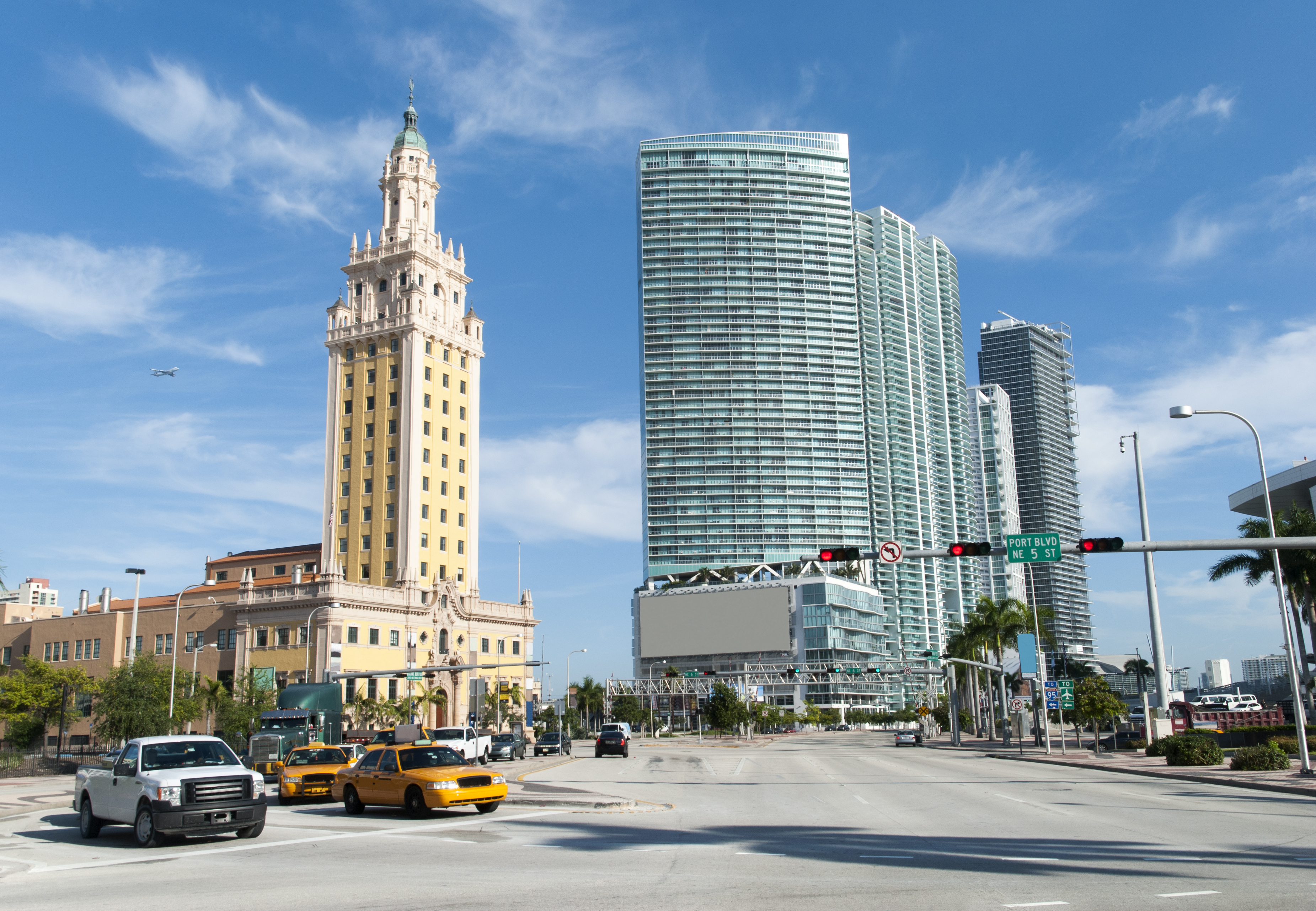
Inside Downtown Miami: Condos, Waterfront Living and City Life
A practical guide to Downtown Miami real estate, from high-rise condos and waterfront residences to Miami Worldcenter, transit, building costs, HOA considerations, buyer due diligence, and everyday life in the city’s urban core. Learn how the main micro-areas differ, what to review in individual buildings, and which factors can affect long-term ownership costs and resale appeal.

23.09.2026

8 minutes

September 24, 2026
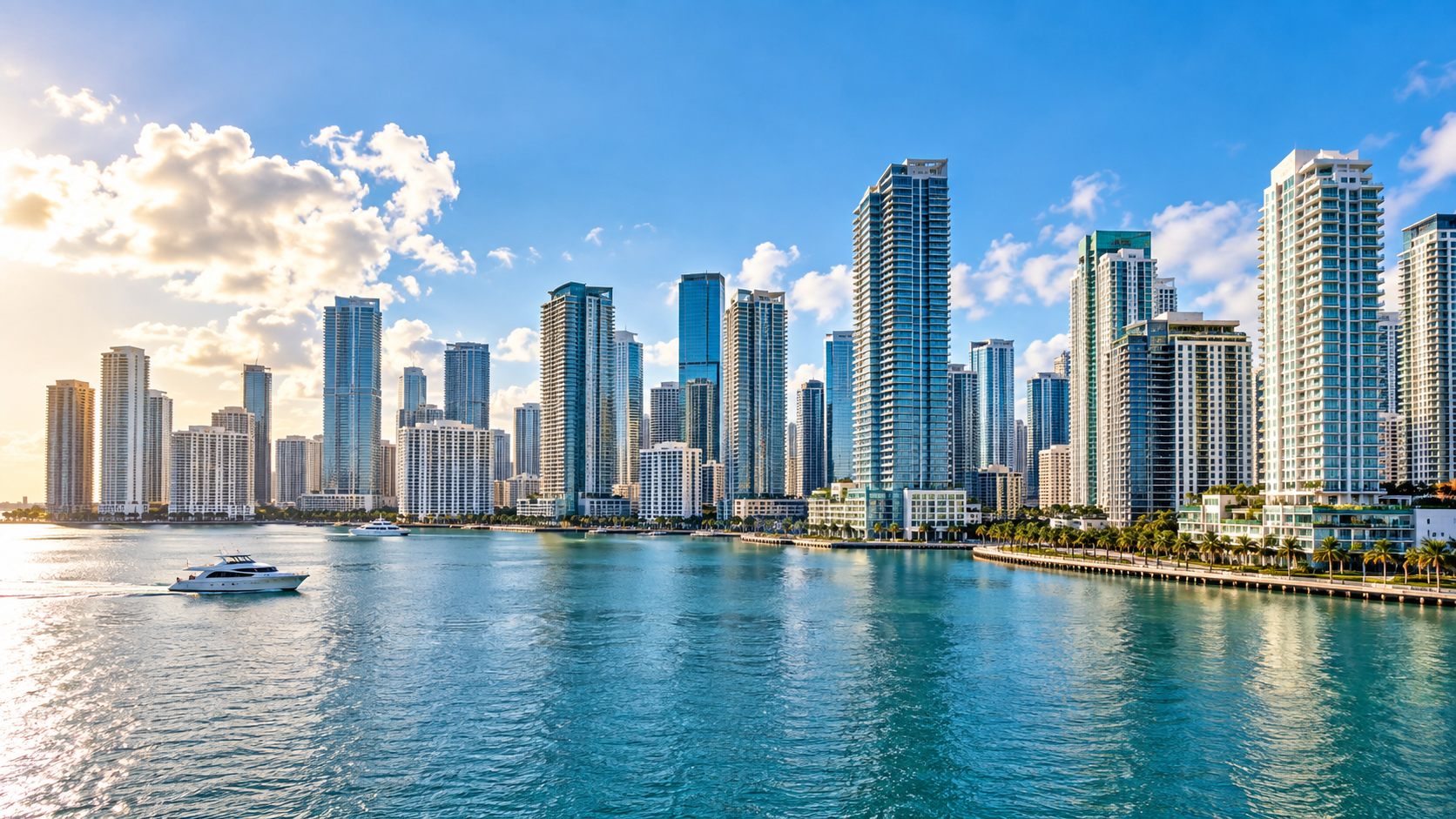
Downtown Miami is the city's urban core, where high-rise residential towers, Biscayne Bay, the Miami River, major cultural venues, public transportation and new development all meet within a relatively compact area.
Downtown Miami
Downtown Miami is one of the most urban residential markets in South Florida. Condominiums dominate the housing stock, and the differences between buildings can be substantial even when they sit only a few blocks apart.
A buyer here is not simply choosing a neighborhood. The decision usually comes down to the individual building, view orientation, HOA structure, rental rules, parking, amenity package, construction around the property and how easily the location connects to the rest of Miami.
Before comparing Downtown Miami properties, decide what matters most to you:
- bay, river or skyline views,
- new construction or an established building,
- full-service amenities or lower monthly carrying costs,
- personal use, long-term ownership or rental flexibility,
- walkability and public transportation access,
- parking and guest access,
- proximity to waterfront parks, entertainment and business districts.
What Is Downtown Miami Like for a Property Buyer?
Downtown offers a distinctly urban version of Miami living. Instead of single-family streets and large private lots, buyers typically compare towers, floor plans, views, amenity packages and building policies.
The neighborhood can appeal to buyers who prioritize a central location, condominium living, waterfront access and the ability to reach restaurants, cultural venues, offices and transportation without relying on a car for every trip.
That convenience comes with tradeoffs. Major events can increase traffic and noise, new construction can change the surroundings of an individual building, and monthly ownership costs can vary significantly from one condominium association to another.
In Downtown Miami, the building often matters as much as the location. HOA finances, reserves, insurance, parking, rental policy and future construction can materially change the ownership experience.
Downtown Miami Areas Buyers Should Compare
Downtown is not one uniform residential zone. The experience changes noticeably between the bayfront, Miami River, Miami Worldcenter, Museum Park and the traditional Central Business District.
Bayside and Bayfront Park
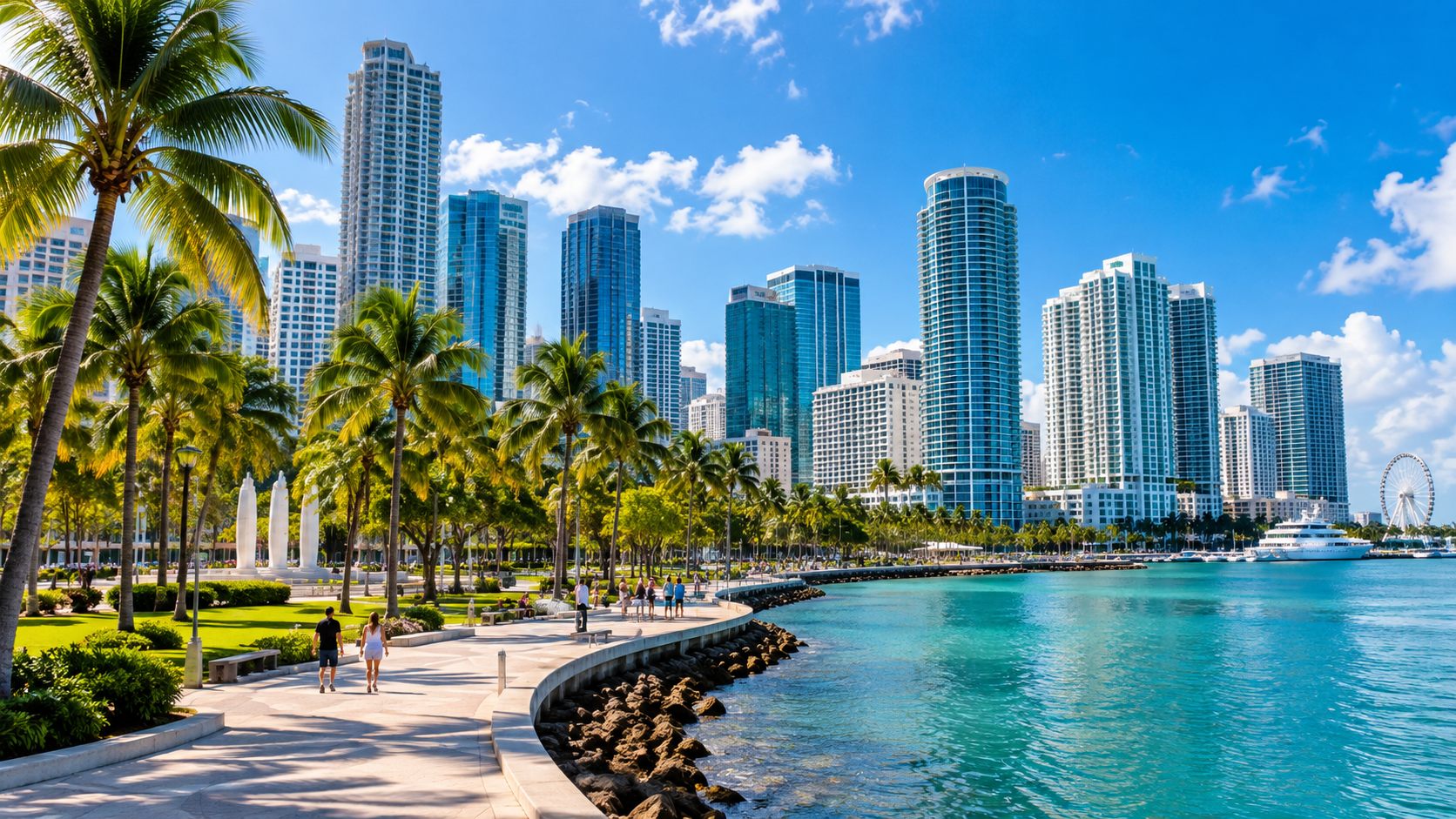
This part of Downtown places residents close to Biscayne Bay, waterfront promenades, Bayfront Park, restaurants, entertainment and some of the district's most recognizable public spaces.
Higher-floor residences can offer broad bay, port and skyline views. The waterfront location is a major advantage, but activity levels can change significantly during concerts, festivals, games and other major events.
What buyers should review
- event and street noise exposure,
- traffic patterns around major venues,
- view orientation and future development,
- parking and valet arrangements.
Miami River and the Brickell-Adjacent Edge
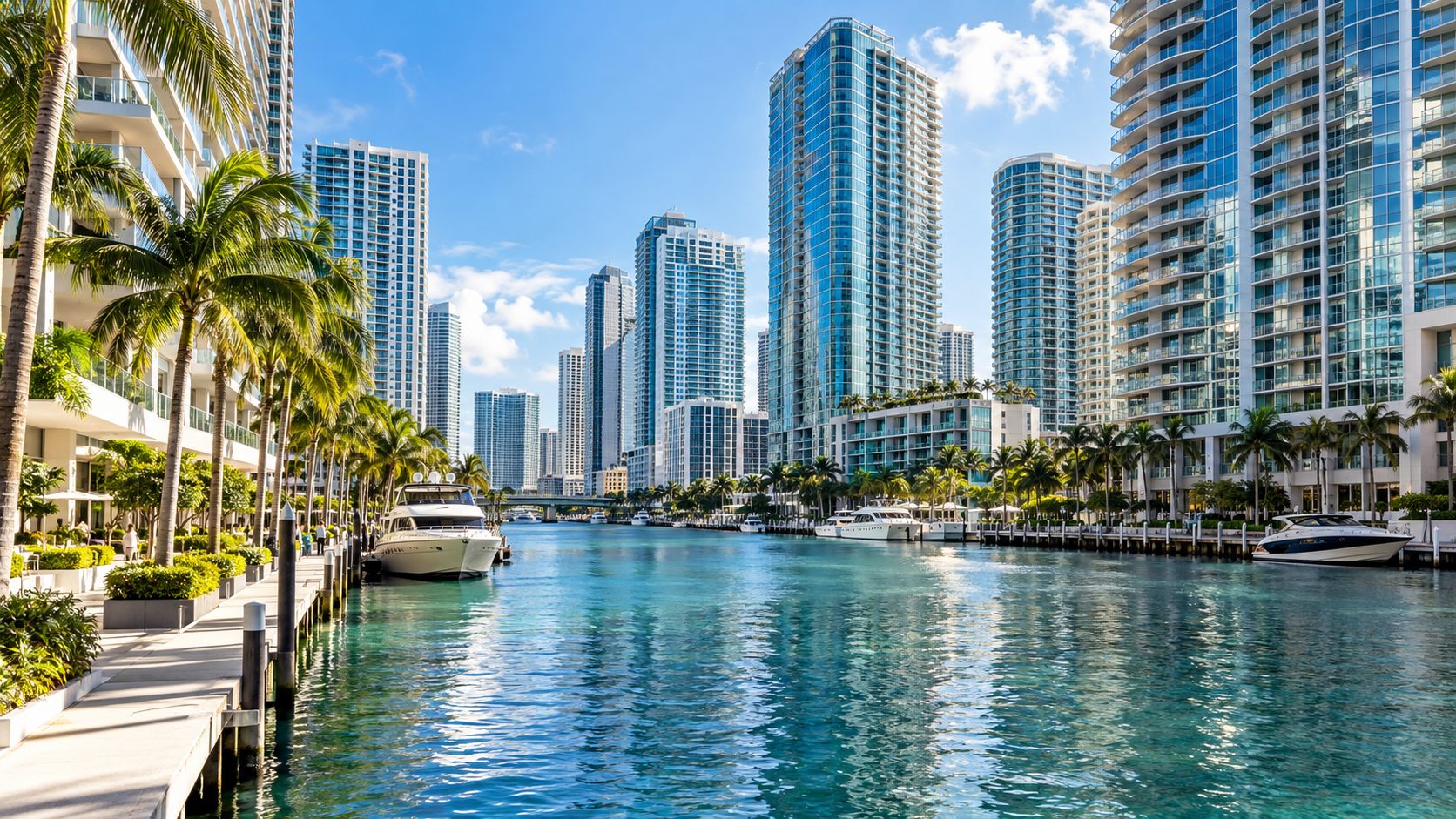
Residences along the Miami River combine waterfront views with close access to Downtown and Brickell. The setting can feel different from the Biscayne Bay side of Downtown, with river traffic, marinas, waterfront restaurants and bridges forming part of the immediate environment.
For buyers, the main questions are often view quality, road access, parking, HOA expenses and the amount of development planned around the property.
Miami Worldcenter and Park West
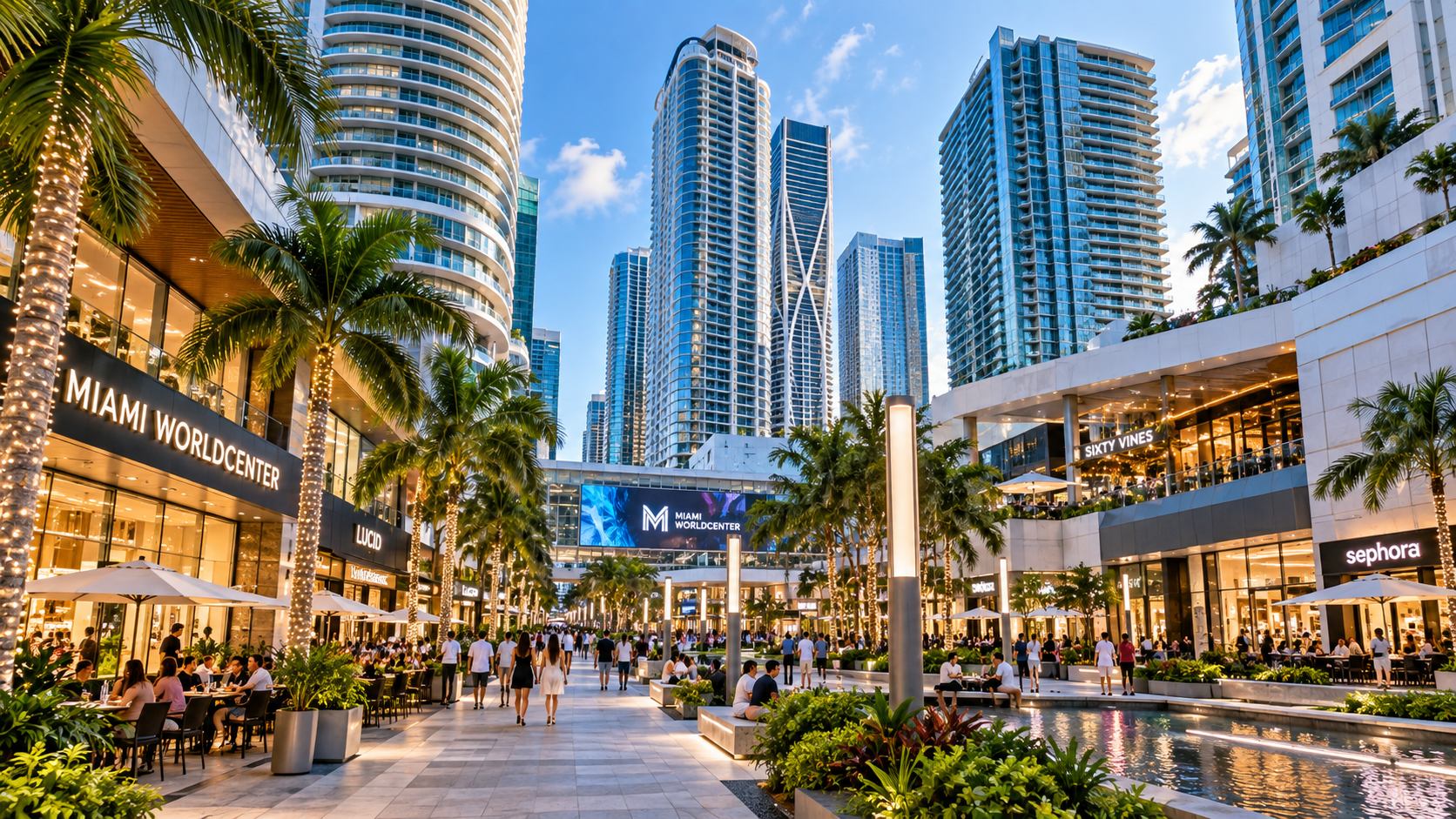
Miami Worldcenter has reshaped the northern part of Downtown into a newer mixed-use environment built around residential towers, restaurants, retail, public art and pedestrian-oriented streets.
This part of Downtown is particularly relevant for buyers comparing newer towers and amenity-rich buildings. Kaseya Center and other nearby venues also create year-round activity, which can be an advantage for some owners and a consideration for others.
What buyers should review
- ongoing and planned construction nearby,
- rental rules for the specific building and unit,
- event traffic and access,
- HOA fees associated with large amenity packages.
Museum Park and the Arts & Entertainment Edge
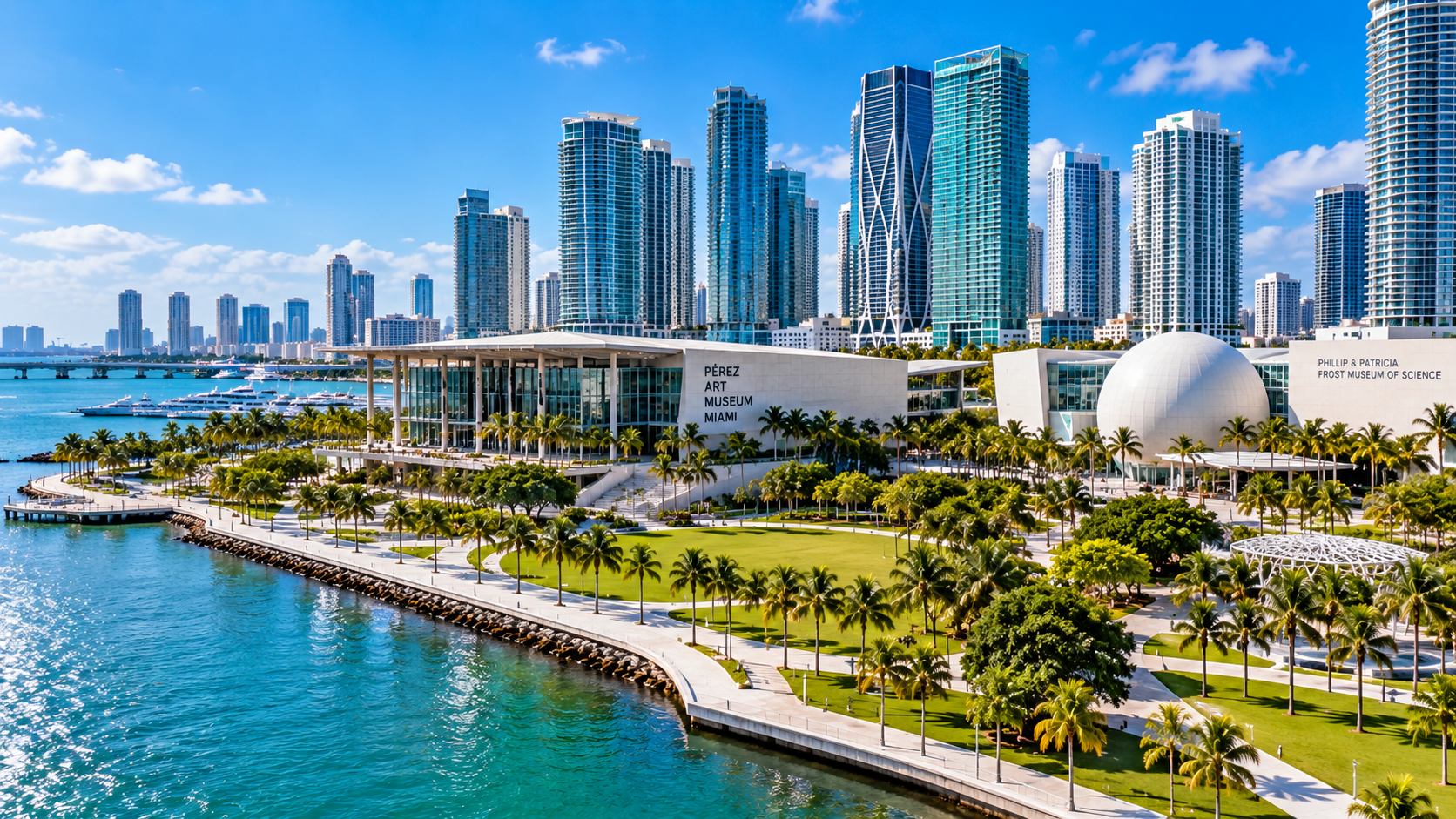
The northern waterfront around Museum Park offers a different atmosphere. Cultural institutions, open space and Biscayne Bay create more separation from the traditional business core while keeping residents close to Downtown.
Properties here may appeal to buyers who value waterfront views, access to cultural venues and a location between Downtown and Edgewater.
Central Business District, Flagler and Government Center
The traditional business core has a more established urban character, with offices, historic buildings, transit connections and a mix of newer and older residential projects.
Here, buyers should pay close attention to the immediate block rather than relying only on the Downtown label. Street activity, parking, nearby construction and the distance to everyday retail can change quickly from one location to another.
Downtown Miami micro-areas at a glance
| Area | Character | Typical Property Profile | Buyer Considerations |
| Bayfront / Bayside | Waterfront, active and event-oriented | High-rise condos with bay, park and skyline views | Events, traffic, noise, parking and future views |
| Miami River | Riverfront with quick access to Downtown and Brickell | Waterfront condos, larger residences and penthouses | Bridge traffic, parking, HOA costs and construction |
| Miami Worldcenter / Park West | Newer, mixed-use and highly amenitized | New construction, branded residences and luxury towers | Rental policy, construction, events and carrying costs |
| Museum Park | Waterfront and culture-oriented | Modern high-rise residences and boutique luxury towers | Future development, retail access and view preservation |
| CBD / Flagler | Historic business core with strong transit access | Lofts, condos and newer urban residential projects | Immediate block conditions, parking and street activity |
💬 EXPERT OPINION – BONADOMUS
Downtown Miami is a building-by-building market. Two condos with similar square footage and asking prices can have very different HOA fees, reserve positions, rental rules, parking arrangements and exposure to future construction.
Before focusing on finishes or amenities, compare the financial and operational profile of the building. That is often where the largest long-term differences appear.
Property Types in Downtown Miami
High-Rise Condos
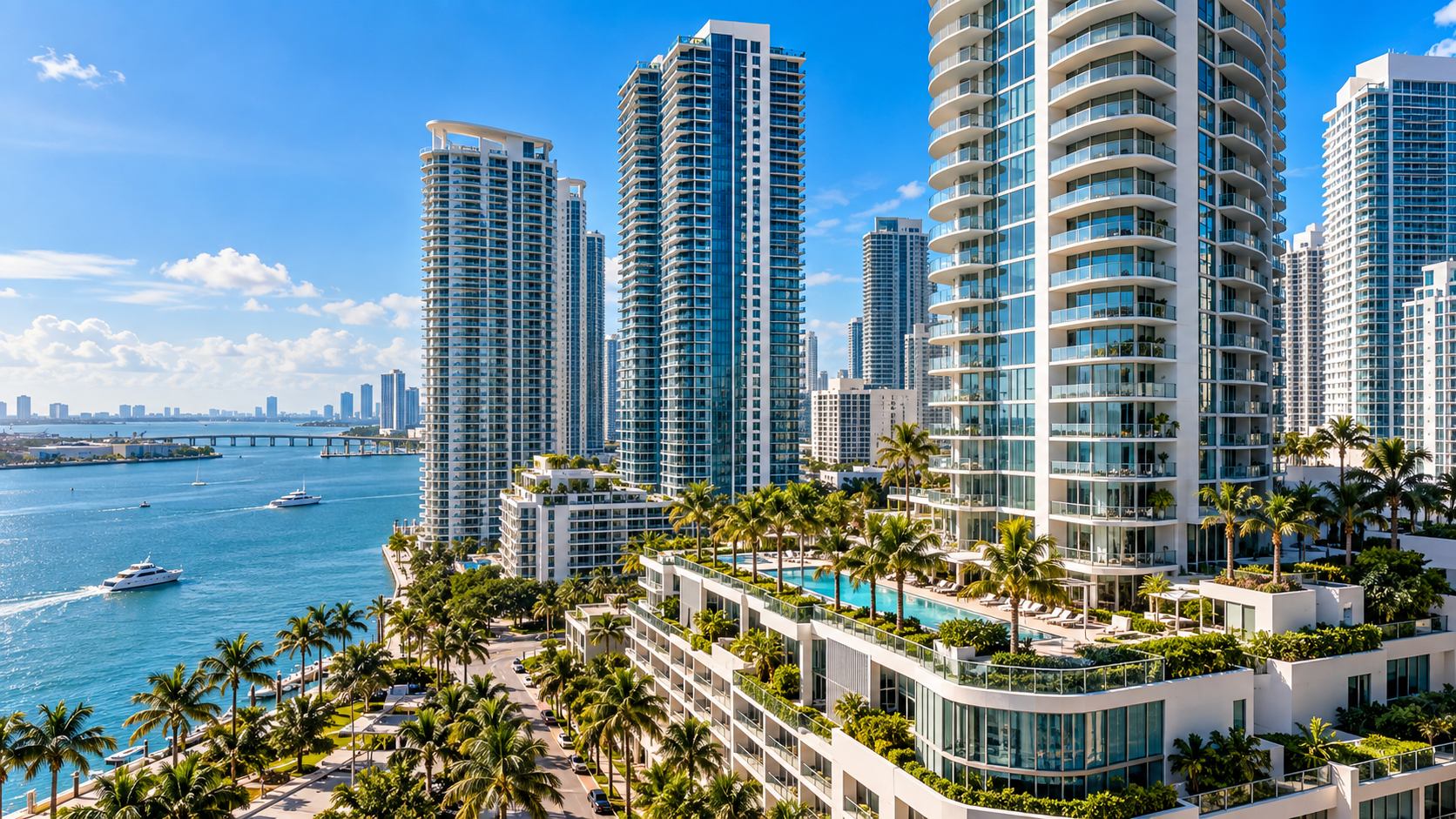
High-rise condominiums are the primary residential format in Downtown Miami. Buildings vary significantly in age, service level, amenities, HOA fees, parking, rental policy and proximity to public transportation.
For many buyers, the most important comparison is not simply old versus new. A well-managed established building may offer a very different ownership profile from a newer tower with extensive amenities and higher operating costs.
Bayfront and Waterfront Residences
Waterfront properties include residences overlooking Biscayne Bay as well as buildings along the Miami River. Value is influenced by the openness and orientation of the view, floor level, balcony design and the probability that future construction could affect the view corridor.
New Construction and Miami Worldcenter Residences
Newer Downtown projects typically offer contemporary layouts, larger amenity programs, modern building systems and strong integration with the surrounding urban environment.
Buyers should still evaluate developer history, closing costs, HOA projections, rental rules and the amount of nearby construction expected after delivery.
Branded Residences and Luxury Towers
Downtown has become an important market for branded and design-focused residential buildings. In this segment, pricing is often influenced by architecture, service, privacy, amenities, views and brand positioning rather than square footage alone.
Penthouses and Larger Residences
Penthouses and larger corner residences are relatively limited compared with standard condo inventory. Terrace size, ceiling height, floor level, layout efficiency and protected views can materially influence both price and future resale appeal.
Downtown Miami Buildings Buyers Often Compare
The Downtown skyline includes both established condominiums and newer landmark projects. Examples include Aston Martin Residences, One Thousand Museum, Paramount Miami Worldcenter, The Elser Hotel & Residences, 50 Biscayne, One Miami, Met 1, Vizcayne, 900 Biscayne and Ten Museum Park.
These buildings should not be compared by name recognition alone. Each has a different ownership model, amenity structure, location, rental policy, parking arrangement and monthly cost profile.
When comparing Downtown Miami buildings, review:
- HOA fee per unit and what it includes,
- reserve funding and planned capital work,
- insurance structure,
- minimum rental period and rental frequency,
- parking rights and valet costs,
- amenity operating costs,
- view orientation and development sites nearby,
- building management and maintenance history.
What Buyers Should Check Before Buying in Downtown Miami
HOA Fees and Monthly Carrying Costs
Purchase price is only one part of the cost. HOA fees, property taxes, insurance, parking, valet, utilities and potential assessments all affect the monthly budget.
A lower-priced condo with significant building expenses can cost more to own than a higher-priced residence in a financially stronger building.
Reserves, Inspections and Special Assessments
For condominium purchases, review reserve funding, planned repairs, association financial statements, applicable inspection records and current or anticipated assessments.
The condition of the building can be more important than the cosmetic condition of the individual unit.
Rental Rules
Rental policies differ significantly across Downtown Miami. Some buildings are oriented toward traditional residential ownership, while others allow more flexible rental use.
Never assume rental terms from a marketing description alone. The current condominium documents and association rules should be reviewed for the specific property.
Parking, Valet and Guest Access
Parking can materially affect both convenience and ownership costs. Buyers should confirm whether a space is assigned, included, valet-only or separately charged, and how guest parking works.
Noise and Event Exposure
Downtown hosts professional sports, concerts, cultural events, festivals and waterfront activity. Units near major venues or heavily traveled streets may experience very different noise and traffic patterns depending on floor level and orientation.
Future Construction and View Corridors
Downtown Miami continues to evolve rapidly. A current bay or skyline view should not automatically be treated as permanent.
⚠️ Important!
Before paying a premium for a view, review nearby parcels and the development pipeline. Planned construction can affect views, traffic, noise and the long-term setting around a condominium.
Insurance, Flood and Waterfront Exposure
For waterfront and high-rise properties, buyers should understand the building's insurance structure, applicable deductibles, flood considerations and the maintenance obligations associated with the property and condominium association.
A Downtown condo should be evaluated as both a residence and a share of the building's financial structure. HOA finances, reserves, insurance and planned repairs can materially affect long-term ownership costs.
How Bonadomus Helps Downtown Miami Buyers
Downtown Miami requires more than filtering listings by price, bedrooms and square footage. Buyers often need to compare several buildings with very different rules and cost structures before the right option becomes clear.
Bonadomus helps buyers with:
- building and micro-location comparison,
- condo document and HOA review,
- ownership cost analysis,
- comparable sales and offer strategy,
- rental-rule review for the intended use,
- inspection, title, escrow and closing coordination.
For buyers outside South Florida, we can also arrange virtual showings and prepare photo and video reports to help compare units, views, buildings and immediate surroundings before making a decision.

Living in Downtown Miami
Downtown is not only a real estate market. The appeal of the area comes from the combination of waterfront public spaces, cultural institutions, transportation, restaurants, entertainment and the ability to move between several major Miami districts relatively quickly.
Bayfront Park, Bayside and the Waterfront
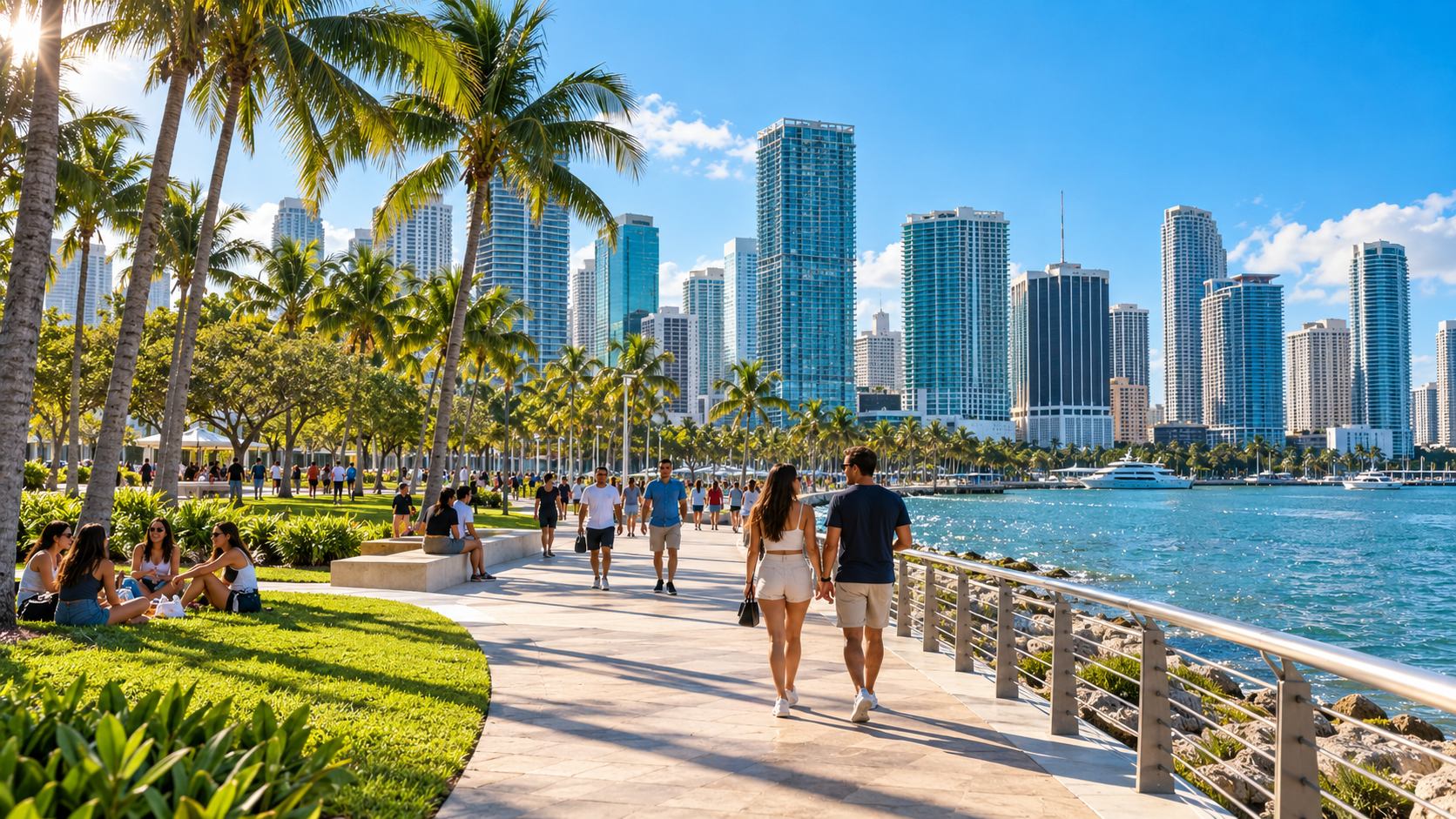
Biscayne Bay gives Downtown a strong waterfront identity. Bayfront Park and nearby public spaces provide open views, walking areas and a contrast to the surrounding high-rise environment.
For condo buyers, proximity to the waterfront can improve everyday access to outdoor space, but major events can also affect traffic, parking and noise.
Metromover and Downtown Transit
Transportation is one of Downtown's clearest practical advantages. Metromover connects Downtown with Brickell and the Omni area, while nearby Metrorail and MiamiCentral provide additional connections within Miami-Dade and South Florida.
For some residents, this makes it possible to complete a meaningful portion of everyday trips without using a private car.
Miami Worldcenter and Entertainment
Miami Worldcenter has added a newer pedestrian-oriented layer to Downtown, combining residential towers with restaurants, retail, public art and entertainment.
The proximity to Kaseya Center and other major venues keeps the area active throughout the year. Buyers considering nearby buildings should evaluate the neighborhood both on ordinary days and during major events.
Museums and Cultural Life
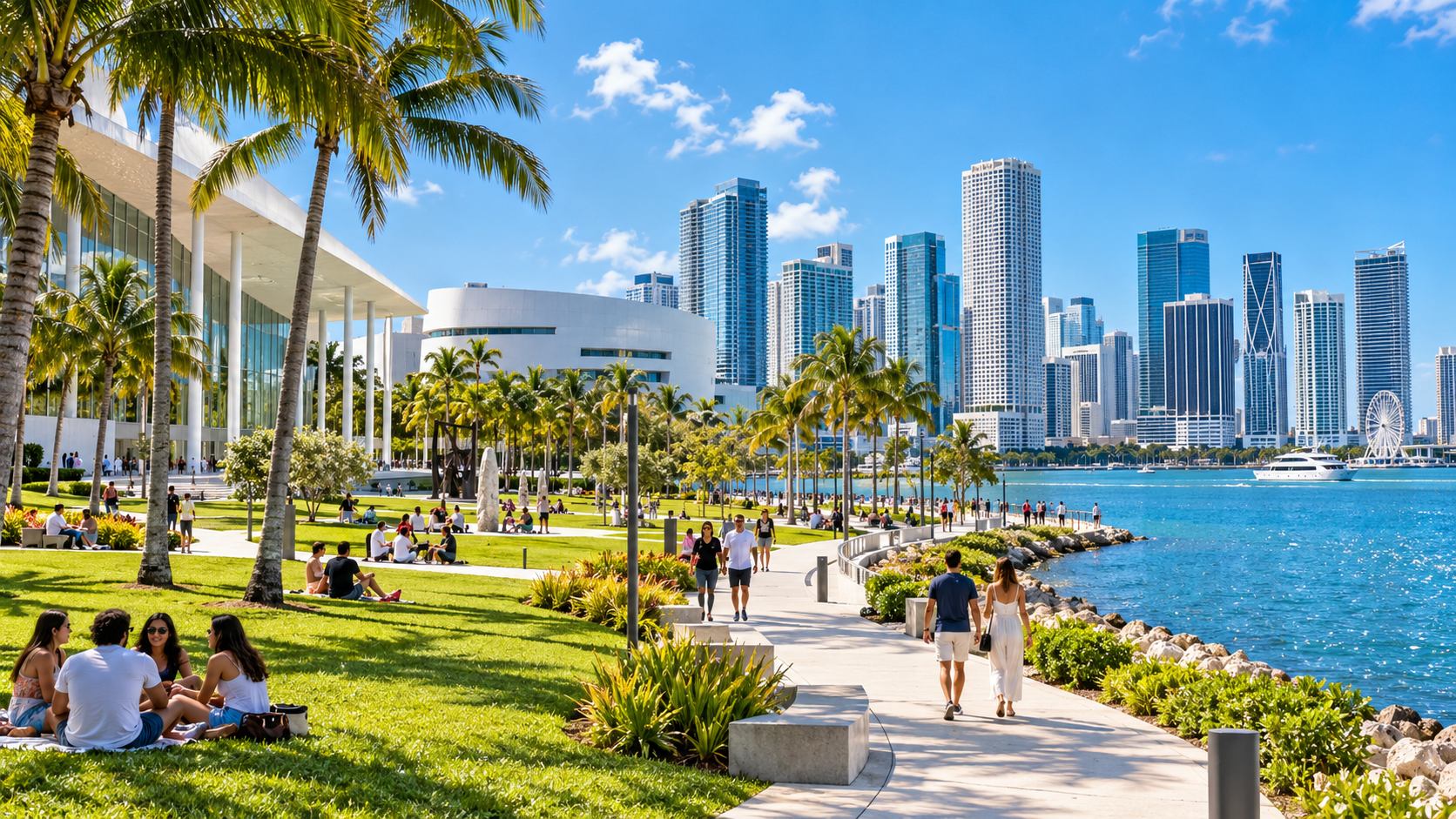
The northern waterfront connects Downtown residents with Pérez Art Museum Miami, the Phillip and Patricia Frost Museum of Science and surrounding public spaces.
This concentration of cultural venues gives the area a different character from Miami's more purely residential neighborhoods and is one of the reasons Downtown functions as both a residential district and a major destination.
Downtown Miami Compared with Nearby Areas
| Area | Consider It If You Prioritize | Main Tradeoff to Review |
| Downtown Miami | Transit, cultural venues, waterfront access and high-rise city living | Events, construction, building-specific costs and noise |
| Brickell | Financial-district access, restaurants and luxury condo living | Traffic, density and high ownership costs in some buildings |
| Edgewater | Bayfront condos and a more residential waterfront setting | Less direct access to major transit and Downtown venues |
| Miami Beach | Ocean access, beach lifestyle and coastal living | Bridge traffic and a different relationship to Downtown business districts |
FAQ About Downtown Miami Real Estate
Are most homes in Downtown Miami condos?
Condominiums are the dominant residential property type in Downtown Miami. Buyers looking for traditional single-family homes generally need to compare other Miami neighborhoods.
Can Downtown Miami condos be rented?
Many Downtown condos can be rented, but minimum lease terms, rental frequency and approval requirements vary by building. The current HOA documents should be reviewed before purchase.
What should buyers check first in a Downtown condo?
Start with HOA fees, reserves, insurance, assessments, rental rules, parking and nearby development. These factors can have a greater long-term impact than interior finishes.
Is a bay view always worth more?
Open water views can command a premium, but value depends on floor level, orientation, permanence of the view, balcony design and the overall quality of the building. Buyers should also check nearby development sites before paying a significant view premium.
Can you live in Downtown Miami without a car?
Downtown has some of Miami's strongest public transportation access and many daily destinations are reachable on foot or by Metromover. Whether a car is necessary still depends on the resident's daily travel patterns and destinations.
in Downtown Miami?
Call: +1 786 605 0488 or fill out the form.
- — Downtown Miami
- — What Is Downtown Miami Like for a Property Buyer?
- — Downtown Miami Areas Buyers Should Compare
- — Property Types in Downtown Miami
- — What Buyers Should Check Before Buying in Downtown Miami
- — Living in Downtown Miami
- — Downtown Miami Compared with Nearby Areas
- — FAQ About Downtown Miami Real Estate
Similar articles