
Home Inspection in Miami: What to Check Before Buying and How to Read the Report
Understand a home’s condition before buying. Learn how to choose an inspector, budget for the inspection and decide what to do when problems are found.

7.10.2026

34 minutes

October 7, 2026
Why a Home Inspection Matters

You liked the layout, kitchen and yard during the showing. But attractive finishes can hide leaks, aging pipes or air-conditioning problems. A casual visit is not enough to understand a home's condition.
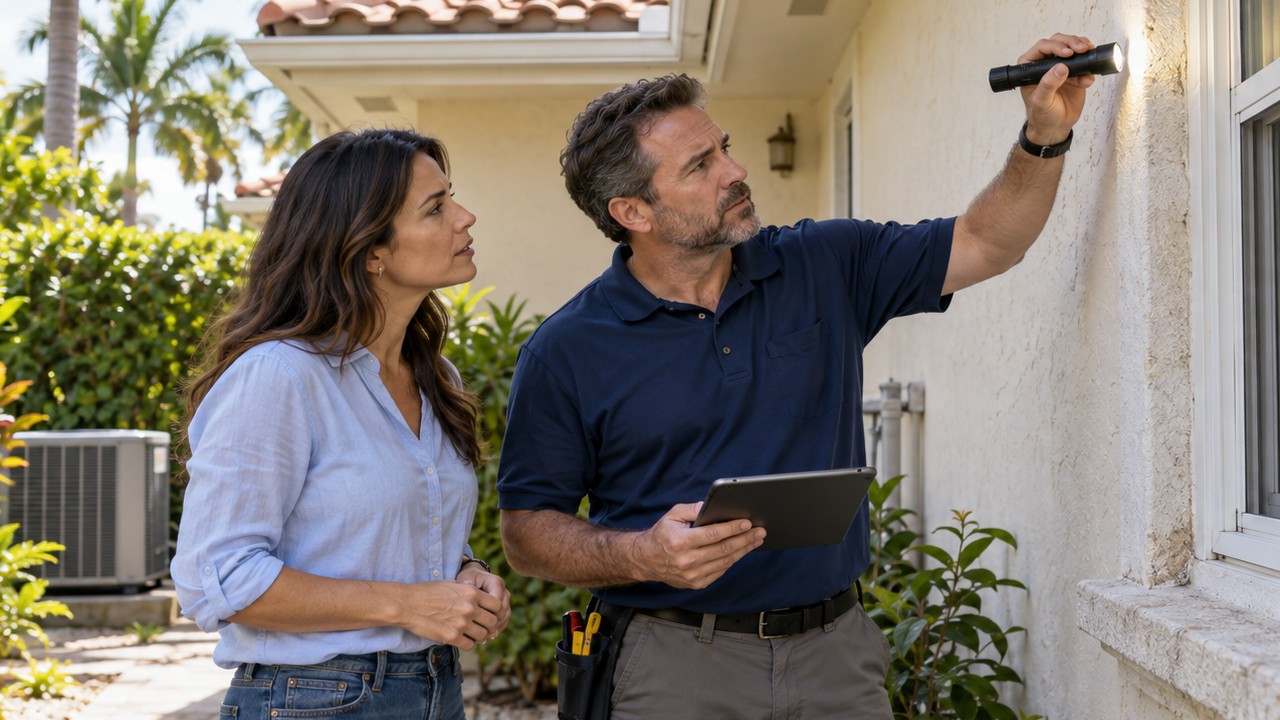
A home inspection helps you identify these issues before completing the purchase. An inspector examines accessible parts of the property, checks its main systems and prepares a written report with photos.
In the United States, this is a familiar step in buying a home. Buyers want to understand what they are purchasing and which expenses might follow the move. Sellers also benefit: specific findings are easier to discuss than a buyer's general concerns.
The inspector does not decide whether you should buy the home. The report helps you understand which defects need attention, where repairs may be needed and what deserves a closer look.
When to Schedule the Inspection
Inspections usually take place after the purchase contract is signed, during the inspection period provided in that contract.
Book the visit early in that period. This leaves time to read the report, ask questions and bring in a specialist if a serious issue is found.
Before booking, confirm with your real estate agent:
- When the inspection period ends.
- When the report will be ready.
- How much time remains for additional checks and negotiations.
The length of the period depends on your contract. Waiting for a report or discussing repairs does not automatically extend it. If you need more time, an extension must be agreed upon and documented.
Where to Find an Inspector and How to Choose One
Your real estate agent can recommend inspection companies and help arrange access. You are also free to choose another inspector.
The buyer usually orders and pays for the inspection. The inspector should give an independent assessment and speak openly about defects, even when those findings complicate the sale.
Before hiring someone, ask:
- Do they have experience with this type of house or condo?
- What is included, and which checks cost extra?
- Can you see a sample report?
- When will you receive the results?
- Can you discuss the findings with the inspector afterward?
A useful report makes it clear what was found, where the problem is and what to do next. Any areas the inspector could not access should be identified.
Be cautious if someone promises in advance that everything will be fine, does not explain the scope or refuses to answer questions. Independence and a thorough inspection matter more than a promise of a quick, favorable report.
What Happens During a Home Inspection
Agree on the scope before the visit. Inspectors typically examine accessible components and check the main systems:
- Roof: visible damage and signs of leaks.
- Air conditioning: equipment operation and condensate drainage.
- Electrical system: the accessible panel, outlets and visible defects.
- Plumbing: leaks, fixtures and accessible pipes.
- Windows and doors: condition and operation.
- Walls, ceilings and floors: cracks, stains and signs of water intrusion.
- Grounds around the home: noticeable rainwater drainage problems.
In Miami, the roof, air conditioning and signs of moisture deserve close attention. A ceiling stain might be left over from an old repair, or it might point to an ongoing leak. The inspection helps clarify what is happening.
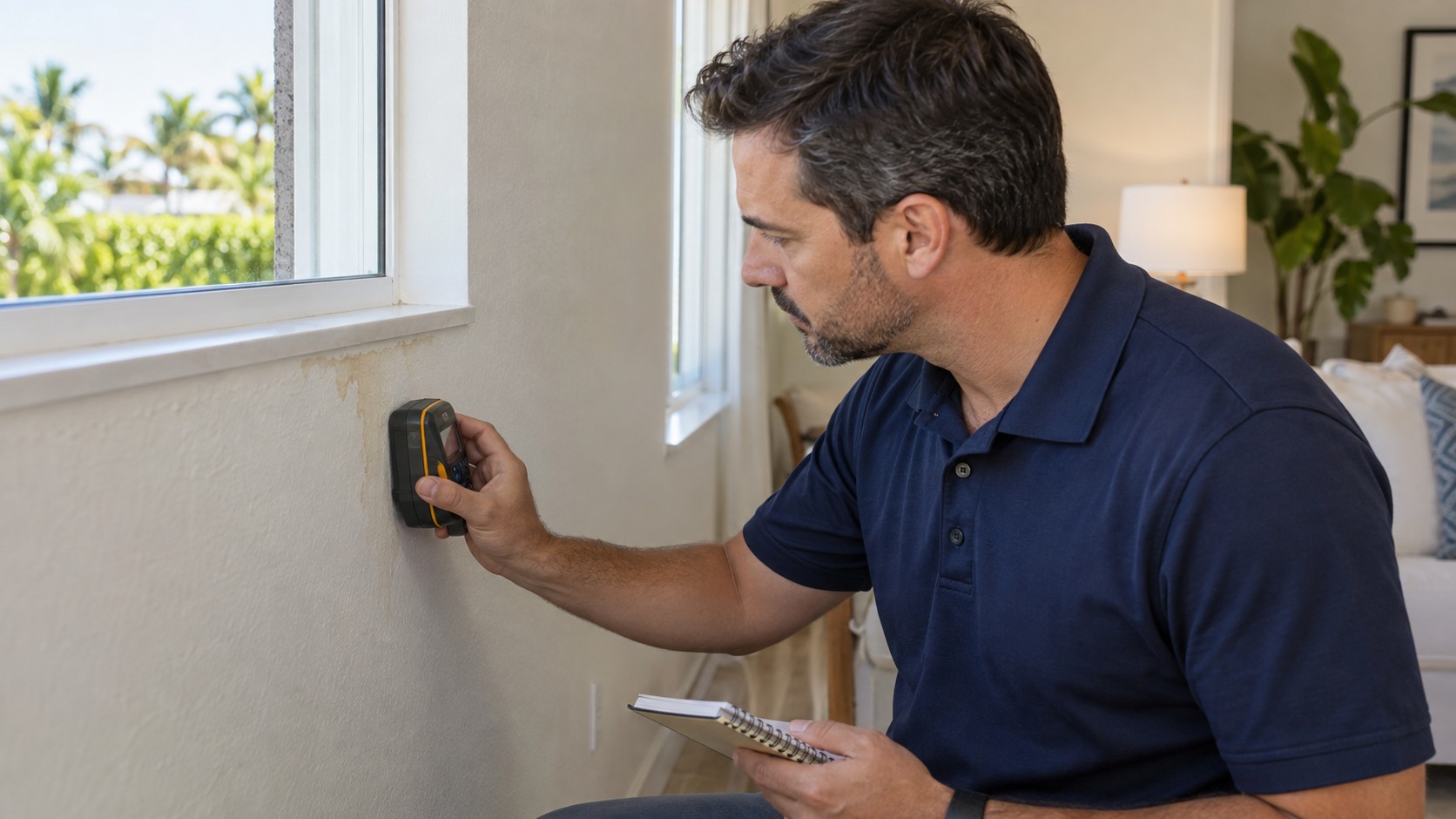
An inspection of a typical detached house often takes about two to four hours. The property's size and condition affect the timing. Reports are often delivered within one or two days, but confirm the turnaround when booking.
What a Standard Inspection Cannot Tell You
Inspectors examine accessible areas. They generally do not open walls or floors. That means a report does not guarantee that every hidden defect will be found.
Some checks need to be booked separately. These may include a sewer camera inspection, termite inspection, pool inspection or investigation of a moisture problem. You do not need every service by default. Choose additional checks based on the property and any signs of trouble.
If the home has a dock or seawall, ask who will assess its condition. When buying luxury real estate in Miami, these features can account for a meaningful share of future expenses.
Records of completed work and insurance requirements need a separate review. Four-Point and Wind Mitigation insurance inspections are explained below.
How Much Does a Home Inspection Cost in Miami?
For an initial budget, allow several hundred dollars. Published offers from local companies suggest roughly $400–700 for a standard house, with condo inspections starting around $300. These are examples from individual providers, not a fixed Miami rate.
The price depends on the property's size, age and services included. Larger homes, complex equipment or additional structures may cost more.
Ask for a written quote before paying. It should clearly state:
- The total price for the agreed inspection.
- Any additional services.
- When the report will be delivered.
- The cost of a return visit, if needed.
Compare quotes for the same scope. A low starting price may not save money if the checks you need are billed separately.
Four-Point and Wind Mitigation: How Insurance Inspections Differ
Buying a house may involve three different reports. A general home inspection helps you understand the property before closing. A Four-Point Inspection helps the insurer assess major systems. A Wind Mitigation Inspection documents wind-resistant features that may affect premiums. These reports do not replace one another.
Four-Point Inspection: four major systems
The inspector checks the roof, electrical system, plumbing, and heating and air conditioning. The report records their age, type and condition, with photographs. Insurers look for concerns such as active leaks and unsafe wiring.
An insurer may request this report for a new policy or renewal, especially for an older house. Requirements vary by company. Citizens, for example, specifies it for certain insurance applications for homes more than 20 years old. This is not a universal rule for every insurer.
Serious findings may mean repairs are required before coverage is issued. Check insurance requirements before your purchase contract’s inspection deadline. The report does not guarantee a policy and does not replace a full home inspection.
Wind Mitigation Inspection: protection from wind
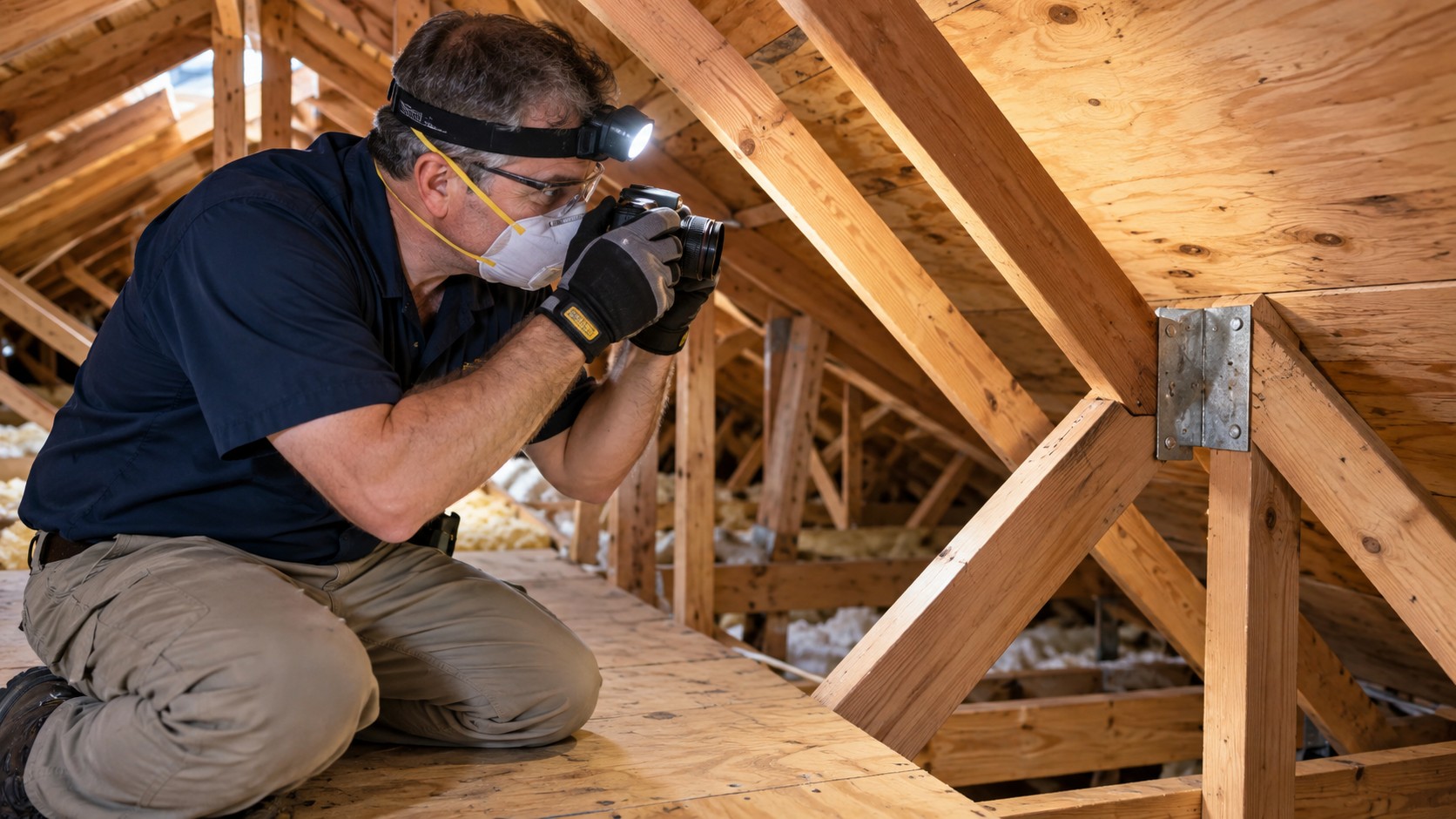
This inspection documents features that help reduce wind damage: roof shape and covering, roof deck attachment, roof-to-wall connections, secondary water resistance, and protection for windows and doors. The inspector records verified features for the insurer.
The report may help obtain a discount on the wind portion of the premium. Savings are not guaranteed in advance. They depend on the house, policy and discounts already applied. Impact windows alone do not tell you what the final premium will be.
Have any roof, window and door records ready, and provide attic access. Florida’s Office of Insurance Regulation says the form can remain valid for up to five years if there are no material structural changes or inaccuracies. After replacing the roof or adding protection, discuss an updated report. Current forms and guidance are on the Florida insurance regulator’s official website.
How much do these inspections cost?
Published South Florida company prices checked in October 2026 include:
- Four-Point: $150 at Clean Air Miami and $299 at UAV Miami for a house up to 2,500 sq ft.
- Wind Mitigation: Clean Air Miami lists $150 for the standalone service.
- Both reports: UAV Miami lists a $399 package for a house up to 2,500 sq ft.
These are examples, not market averages. Size, location and return visits may change the cost. Some companies include insurance reports in a full home inspection. Before paying, confirm exactly which documents are included and whether your insurer will accept them.
Already own the home? When to repeat inspections
These reports are useful beyond a purchase. When you change insurers or renew a policy, the company may request current information about the house. After replacing the roof, windows or connections, a Wind Mitigation report may help the insurer account for improvements. First ask your insurance agent whether a new report is needed and what documentation is accepted.
- Four-Point: there is no universal rule to repeat it every fixed number of years. Each insurer may set its own report-age requirements. Check when applying, switching companies or receiving a renewal request.
- Wind Mitigation: the official form’s guideline is up to five years without material changes or inaccuracies. This does not mean a new inspection is mandatory every year. Updating it earlier may make sense after improvements.
Are these inspections required for a mortgage?
CFPB guidance explains that lenders generally require proof of homeowners insurance. This does not make Four-Point and Wind Mitigation reports automatically mandatory for every mortgage. The insurer determines the reports needed for the home and policy. The lender may also have additional property-condition requirements.
If the insurer will not issue the required coverage without a report or repairs, the mortgage closing may be delayed. Confirm requirements early and maintain the necessary coverage after buying. A cash buyer may also need insurance reports for the chosen policy. The lender’s appraisal does not replace an inspection of the home’s condition.
How a Condo Inspection Is Different
Inside a condo, the inspector checks accessible systems and components: plumbing, electrical equipment, air conditioning, windows, doors and signs of leaks.
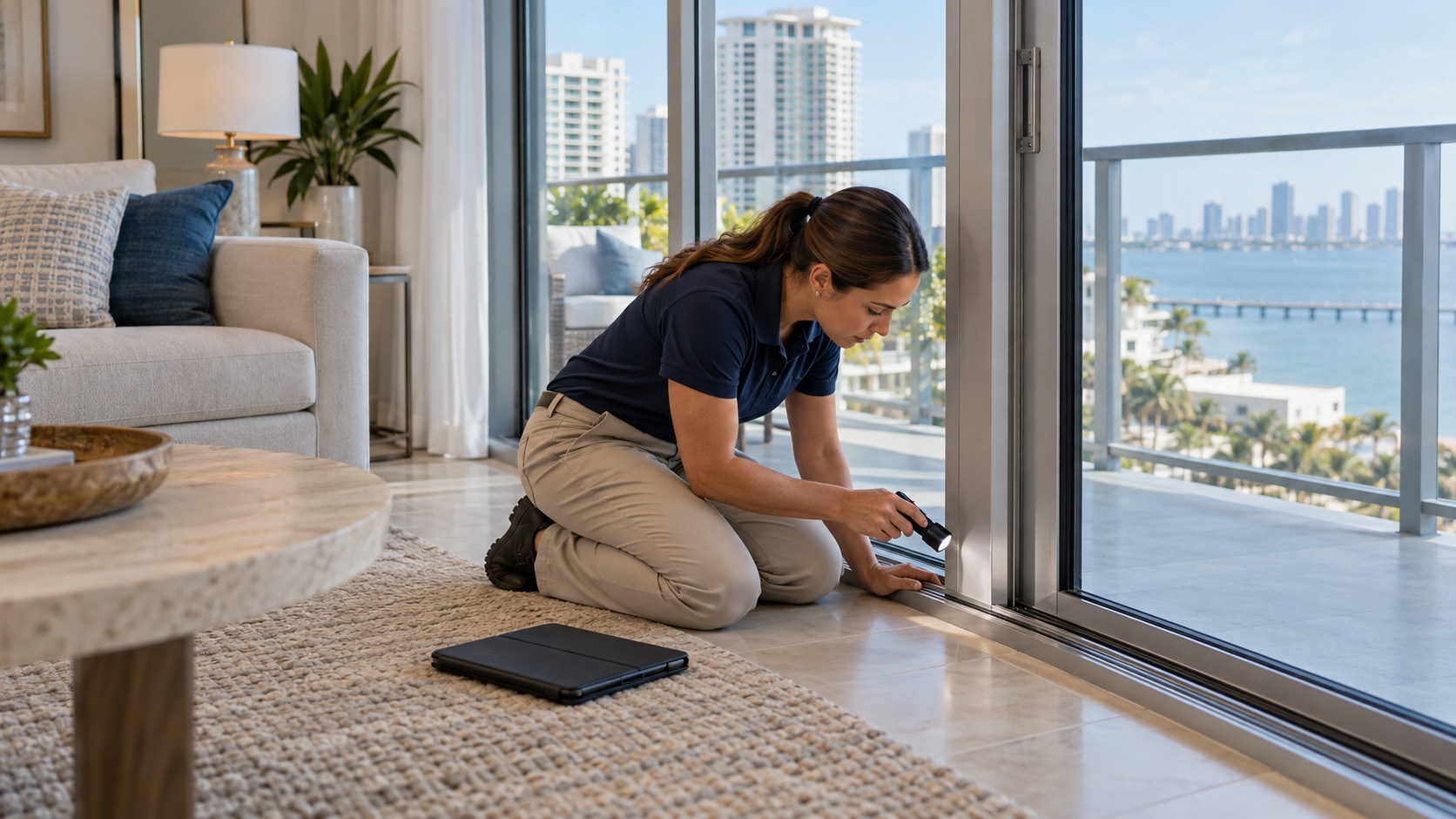
However, the condition of the unit can be very different from that of the building. A newly renovated interior tells you little about the roof, facade, garage or upcoming association expenses.
Buying a condo therefore involves two parallel checks: an inspection of the unit and a review of the building's documents. Request information about major projects, inspection findings and additional assessments charged to owners.
Our guide to Florida HOA fees and condo expenses explains how these costs affect your budget.
What to Do When the Inspector Finds Problems
A long report does not automatically mean you should walk away. What matters is the nature of the findings and the potential costs.
It helps to group findings into three categories:
- Serious problems. Safety concerns, significant leaks or structural damage need further assessment by a specialist.
- Upcoming expenses. Equipment may still work but show substantial wear. Find out what repairs or replacement might cost.
- Routine maintenance. Minor fixes, equipment servicing and other regular ownership tasks.
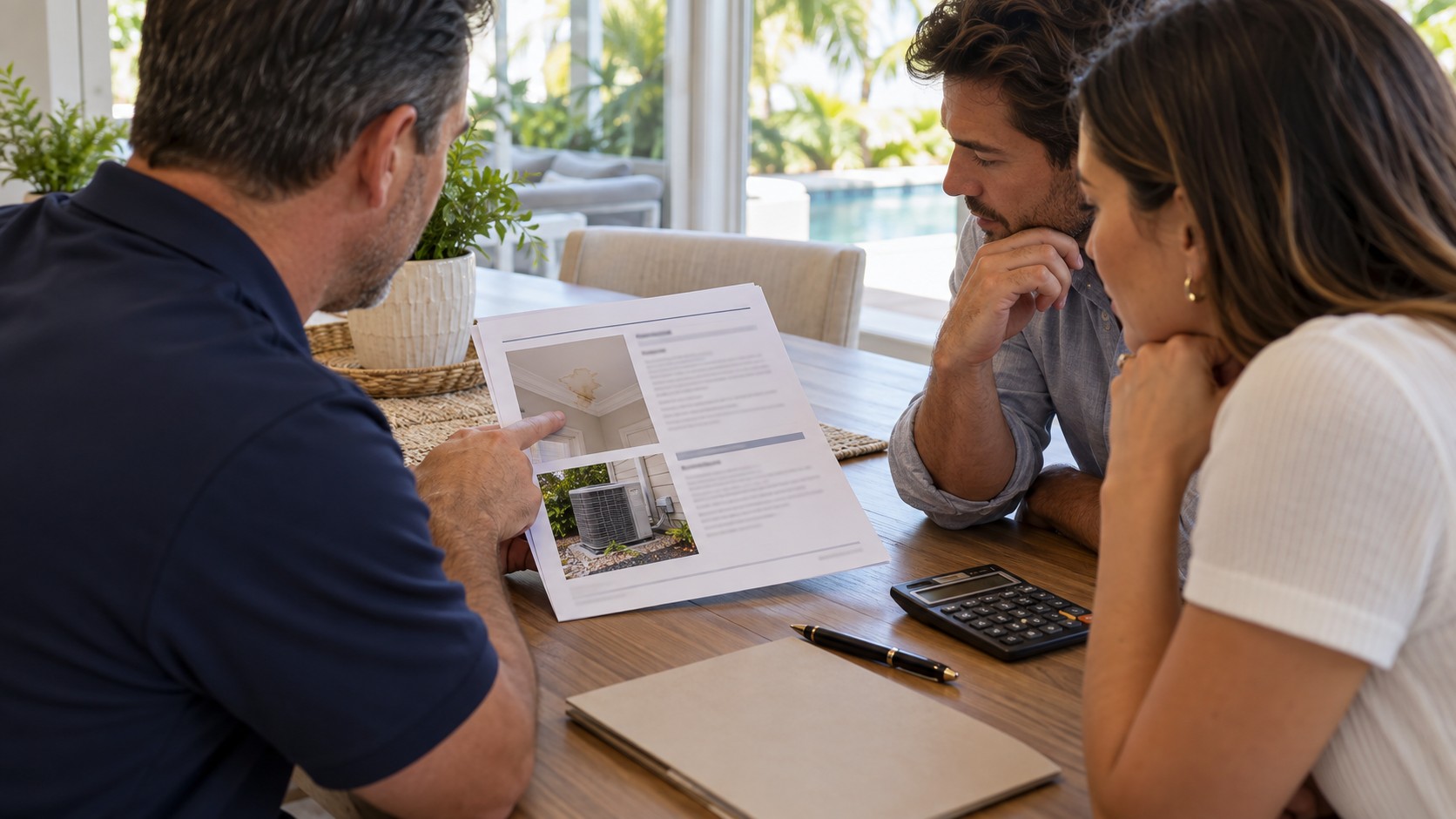
Ask the inspector to explain anything unclear. For expensive repairs, obtain a contractor's estimate. The inspection report will not necessarily include repair prices.
You can then discuss repairs, a price adjustment or a contribution toward costs with the seller. The seller does not have to accept every request. Your options, including withdrawing from the purchase, depend on the contract and its deadlines.
For example, if a leak is found, first establish its cause and extent. Negotiating compensation without understanding the necessary work can lead to an expensive mistake.
How an Inspection Helps the Seller
A seller can arrange an inspection before listing the home. This provides a chance to learn about defects, obtain estimates and decide what to repair before showings.
To prepare for the buyer's inspection:
- Provide access to equipment and utility areas.
- Move belongings that would obstruct the inspection.
- Gather records of roof, air-conditioning and other system repairs.
- Disclose known problems.
A pre-listing inspection does not guarantee a sale without objections. The buyer may still hire their own inspector. But a seller who understands the home's condition is better prepared to answer questions and discuss the terms.
How BonaDomus Helps
BonaDomus helps coordinate inspections during a purchase by providing inspector contacts, arranging access and keeping contract deadlines in view.
Once the report is ready, we help collect questions, arrange further checks and discuss possible changes to the terms with the seller. The inspector provides the technical findings. You make the purchase decision.
If you are buying remotely, you can arrange photos, video and a conversation with the inspector after the visit.
Home Inspection Questions and Answers
Who chooses and pays the inspector? Do I still pay if the purchase falls through?
The buyer usually chooses and pays the inspector. Your agent can suggest contacts, but the choice is yours. The inspection is a separate service. Confirm payment and refund terms in advance rather than assuming the fee depends on closing.
How much does an inspection cost, and what may be charged separately?
Published offers from local companies include roughly $400–700 for a standard house and starting prices around $300 for a condo. These are examples, not a fixed rate. Pool inspections, sewer camera work, termite inspections and return visits may cost extra. Ask for a written list of included services.
When should I book, and how long will the report take?
Book after signing the purchase contract, as early as possible within its inspection period. According to the professional association ASHI, a detached house inspection often takes 2–4 hours, with the report delivered within 24–48 hours. Confirm timing with your company, as it may differ.
Is a home inspection required when buying a property?
A general home inspection is not required for every purchase. But skipping it leaves you with less information about the property’s condition. A lender or insurer may require separate inspections.
Should I inspect a new home or a recently renovated condo?
Yes, an independent inspection can be useful. New construction and fresh finishes do not rule out installation mistakes, leaks or faulty equipment.
Can I inspect a home that is being sold AS IS?
Yes. Selling a property in its current condition does not by itself prohibit an inspection. The contract determines access, deadlines and your options afterward.
Do I need to attend the inspection in person?
Attending can be helpful, but it is not always necessary. You can see the findings and ask questions on site. If you are buying remotely, arrange a phone or video discussion of the report in advance.
Which findings in the report deserve the most attention?
Start with safety concerns, significant leaks and signs of structural damage. Next, consider expensive systems such as the roof, air conditioning, electrical equipment and plumbing. The number of findings alone says little. Ask what needs prompt attention and what is routine maintenance.
Can I cancel the purchase after the inspection and get my deposit back?
That depends on the contract, the inspection deadline and the required notice to the seller. A poor report does not automatically trigger a deposit refund. Review your terms with your agent or attorney before the deadline. The official CFPB guide also explains buyers’ options.
Does the seller have to fix everything the inspector finds?
No. You can propose repairs, a price adjustment or a credit toward costs, but the terms must be agreed upon. Obtain estimates for expensive work first. If you are financing the purchase, discuss any credit with your lender because its structure may affect the closing figures.
Is a unit inspection enough to understand a condominium building’s condition?
No. The inspector assesses accessible parts of your unit. Common structures, planned repairs, reserves and special assessments require a separate review of building and association records. A unit in good condition can still carry substantial obligations for common areas.
Are mold and termites included in a standard inspection?
Do not assume these checks are included. A general inspection may reveal warning signs, but mold testing and a specialized termite inspection may require separate services. Before booking, confirm what will be examined and which report you will receive.
Will the pool, dock and seawall be inspected?
That depends on the agreed scope. These features may need a separate assessment by a specialist. Confirm this before booking, especially if the dock or seawall is central to your purchase decision.
Do four-point and wind mitigation reports replace a full home inspection?
No. A four-point inspection addresses four main systems for insurance purposes. A wind mitigation inspection evaluates wind protection features. Their purpose differs from a general assessment of the home before buying. If needed, arrange these reports alongside the main inspection.
Can I rely on a report supplied by the seller?
It is worth reviewing, but it does not automatically replace your own inspection. Check when the inspection took place, what it covered and what has changed since then.
Is a home inspection the same as an appraisal for the lender?
No. An inspection helps you understand the property’s physical condition. An appraisal primarily determines its market value for financing purposes.
What should I do if I think the inspector missed a problem?
Tell the inspector about your concern and ask for a written explanation. Check whether the issue was within the agreed scope. If necessary, bring in another specialist. Do not wait until the contractual inspection period has ended.
Should repairs made by the seller be inspected again?
If significant defects were repaired, it is sensible to check the results before closing. Confirm who will carry out the return inspection and what it costs. A routine final walkthrough does not always replace a technical review of the repairs.
Do I need new insurance inspections if I already own the home?
Possibly, when switching insurers, receiving a renewal request or documenting improvements. Four-Point has no universal interval across all companies. A Wind Mitigation form can remain valid for up to five years without material changes or inaccuracies. Ask your agent about your policy before booking.
Are Four-Point and Wind Mitigation mandatory for every mortgage?
There is no universal requirement for both reports on every mortgage. Lenders generally require homeowners insurance; the insurer determines the insurance reports needed. If coverage depends on an inspection or repairs, closing may be delayed. Confirm requirements with your insurance agent and lender early.
How much do standalone Four-Point and Wind Mitigation inspections cost?
In published offers checked in October 2026, Clean Air Miami lists $150 for either standalone service. UAV Miami lists $299 for Four-Point and $399 for both reports for a house up to 2,500 sq ft. These are examples, not average prices. Confirm size limits, extras and whether reports are included in a full inspection.