
Living in Fort Lauderdale: A Guide to the Housing Market
Considering a home in Fort Lauderdale? Compare neighborhoods, houses and condos to find a fit for your budget and the way you want to live.

2.10.2026

31 minutes

October 5, 2026
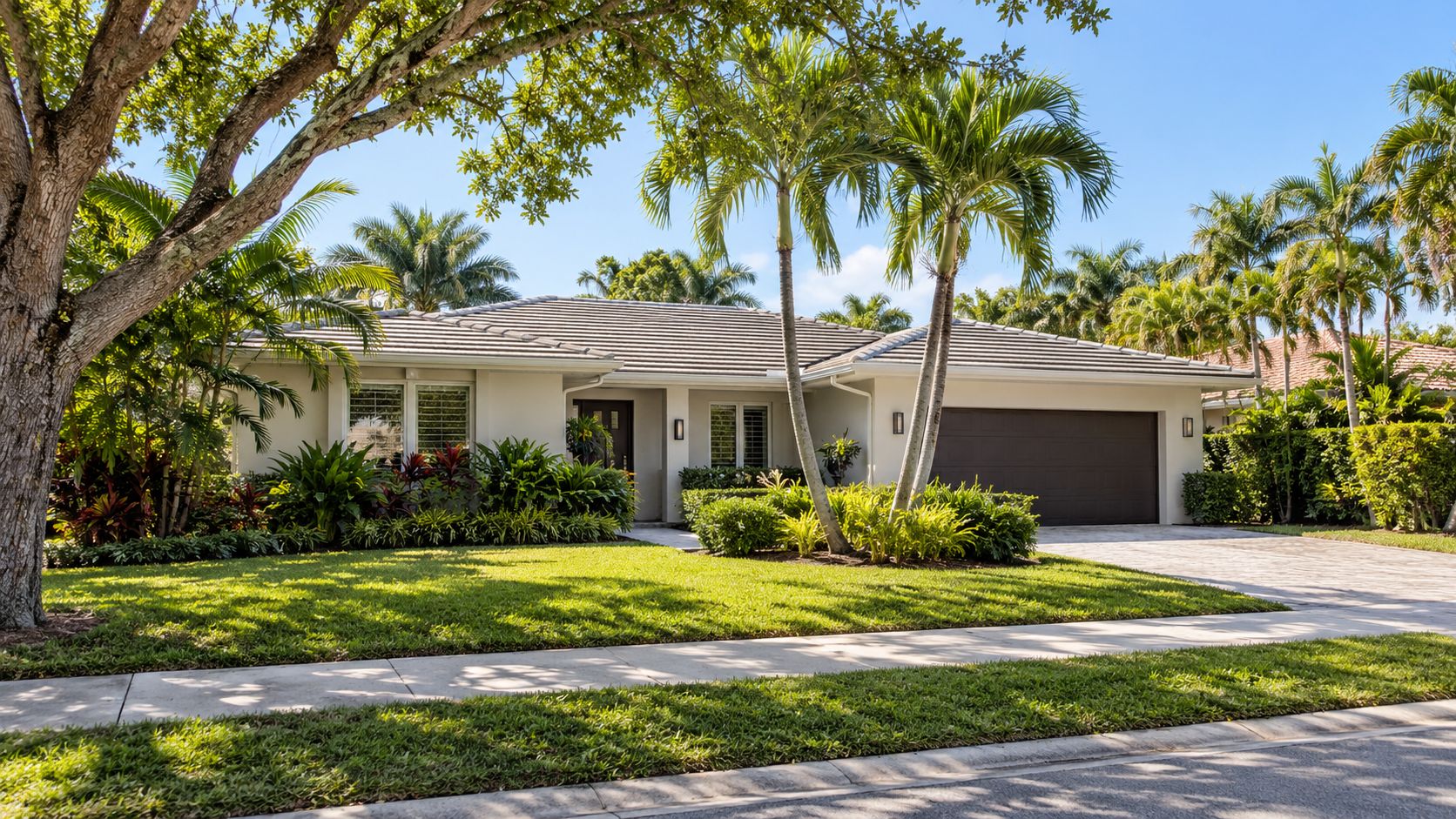
Fort Lauderdale: beach life, downtown living and a home on the water
In Fort Lauderdale, you can choose a high-rise near the restaurants on Las Olas, a detached home on a residential street or a property with its own dock. That variety is a large part of the city’s appeal. Each option offers a different daily routine—and calls for a different approach to buying.
The beach, walks along the New River, boating facilities and downtown are all part of the same city. Brightline connects downtown with Miami and West Palm Beach, and FLL airport is nearby. Still, judge an address by your own routine: work, school, the beach and highway access may take you in different directions. Before choosing an address, compare transport options and daily routes and test your regular trips at the times you will travel.
Start with the way you want to live
- Downtown and Flagler Village. Consider these areas for restaurants, newer residential buildings and city events. Check the actual walking route to your destinations, parking arrangements and nearby construction.
- The beachfront. A good place to look if ocean access is your priority. When comparing condos, look beyond the view to the building’s condition, association costs and rental rules.
- Victoria Park and Rio Vista. Worth exploring for a detached home or townhouse in an established residential setting. Even neighboring streets can differ in traffic, lot sizes and building types.
- Las Olas Isles and other canal neighborhoods. Boat owners need to check permitted docking, water depth, bridges along the route and ocean access. A “waterfront” listing does not establish any of those on its own.
A Fort Lauderdale mailing address does not always mean the property is within city limits. Confirm the municipality before comparing homes, and check the school assignment for the exact address if that matters to your household.
How the city is growing—and who supports demand
Downtown is increasingly a place to live. In its January 2026 update, the Downtown Development Authority reported more than 27,000 downtown residents and an 83% increase in families with children since 2018. It also identified arrivals from the New York area and California. These figures describe the areas specified by the source, not all of Broward County.
Specific projects show what that growth looks like. FAT Village combines homes, offices and commercial space in Flagler Village. The DDA’s September 24, 2026 update highlights GXO Logistics leasing offices at T3 FAT Village, the redesigned Huizenga Park and investment in Las Olas Marina. These projects bring places to work and spend free time.
Buyers have different goals: a family’s main residence, a condo near work or a second home by the water. Evaluate demand within the segment you are considering. New construction adds choice, but it also creates competition for rentals and resales. A nearby development alone does not guarantee that your property will appreciate.
Fort Lauderdale’s housing market in numbers
The table uses PBP Real Estate’s city-level BeachesMLS analysis, retrieved September 4, 2026. Sales, prices and days to contract cover the preceding 12 months; supply is measured at the snapshot date. The source groups condos and townhouses together.
Measure | Single-family homes | Condos and townhouses |
| Closed sales over 12 months | 1,678 | 1,575 |
| Median sale price | $686,000 | $465,000 |
| Median days to contract | 56 days | 85 days |
| Months of supply | 5.4 months | 9.7 months |
The median is the middle price: half the sales closed below it and half above. Months of supply estimates how long the available listings would last at the current sales pace if no new homes came to market. It does not predict how long your particular condo will take to sell.
A separate MIAMI REALTORS® + RWorld report shows city sales growing: Fort Lauderdale’s single-family sales rose 13% in January–July 2026, while condo and townhouse sales rose 4%, compared with the same period in 2025. That period is different from the table’s 12-month window.
For a purchase decision, comparable properties matter most. An ocean-access house, an inland house and a unit in a new condo building have different prices and ownership costs. Support an offer with recent comparable sales, inspection findings and a repair budget rather than relying on the citywide median.
House or condo: where your money goes
A single-family home gives you your own lot and more independence. You also take responsibility for the roof, mechanical systems, yard, pool and any dock or seawall. Before buying, arrange an inspection, review permits for alterations and obtain an insurance quote for that specific home.
A condo can suit buyers who want shared amenities and professional management of the building’s daily upkeep. That service is paid for through association fees. Alongside the unit’s price, review the budget, repair reserves, building insurance, meeting minutes and any approved or proposed special assessments.
Where the relevant requirements apply, request the milestone inspection, which assesses structural condition, and the Structural Integrity Reserve Study (SIRS), which addresses funding for major work. Florida’s DBPR explains these reports. Also ask your lender whether the building qualifies for the mortgage you plan to use.
A townhouse may combine a separate entrance with association-managed maintenance. Establish the ownership structure and who pays for the roof, exterior and insurance. “Apartment” is not an ownership category: a rental apartment, an individually owned condo and a condo-hotel unit come with different contracts and restrictions.
Property taxes: estimate what you will pay after buying
There is no single property tax rate that applies to every Fort Lauderdale purchase. The bill includes levies from several taxing authorities and separate assessments. Multiplying the purchase price by the city’s rate will not give you the full bill.
For fiscal year 2027, the city adopted 4.1193 operating mills and 0.2216 debt-service mills. Together, that is $4.3409 per $1,000 of the applicable taxable value—the city portion only. If both components use a $700,000 taxable base, that portion is about $3,039 a year. County, school and other levies are additional. For a complete ownership budget, estimate property tax after purchase separately: the current owner’s bill is not a substitute for a post-purchase estimate.
The seller’s bill may be significantly lower than yours will be because a change of ownership triggers reassessment. Eligible permanent residences may qualify for a homestead exemption and the Save Our Homes assessment limitation. This does not freeze the entire tax bill; see the Florida Department of Revenue’s homebuyer guide. If the property will be your permanent home, check homestead exemption and portability requirements.
Use the Broward County Property Appraiser’s tax estimator, selecting Fort Lauderdale and your circumstances. For a particular property, use the estimator on its record page. Budget separately for non-ad valorem assessments: the calculator warns that these charges are excluded.
Two local checks: water and rental use
In a city of canals, investigate flood exposure at the parcel level, past water intrusion, elevation and seawall condition. Standard homeowners insurance generally excludes flood damage, as the city explains in its flood insurance guidance. Obtain quotes for the coverage you need before your inspection period ends.
If you plan to rent out the property, check permitted use first. Fort Lauderdale has a vacation rental registration program. Applicable state and county requirements and association rules also matter. Similar Airbnb listings do not establish that your property can legally operate in the same way.
Choosing the right property
Start with two or three suitable neighborhoods and a complete ownership budget: mortgage, taxes after purchase, insurance, association fees, maintenance and money set aside for repairs. Then compare recent sales of similar homes and review the documents.
Fort Lauderdale offers a choice between downtown life, the beach and a home on the water. A good purchase fits your routine and remains affordable after you receive the keys. The BonaDomus team can help you compare options and prepare questions for the inspector, insurer and association. If you are considering living here, compare neighborhood information and homes in Fort Lauderdale.
Should I buy a house or a condo in Fort Lauderdale?
A house may suit you if a private lot and independence are priorities. A condo may be more convenient if you prefer shared amenities and association-managed upkeep. Compare the full budget, including taxes, insurance, repairs and association fees—not just the purchase price.
Can I use the seller’s property tax bill as my future budget?
No. The assessed value may change after purchase, and the seller’s exemptions do not transfer automatically. Estimate taxes for your circumstances through the Broward County Property Appraiser and account for additional assessments separately.
Can any Fort Lauderdale property be rented short-term?
No. Check the property’s permitted use, city vacation rental registration, applicable state and county requirements, and association restrictions. Nearby rental listings do not establish that your property is eligible.