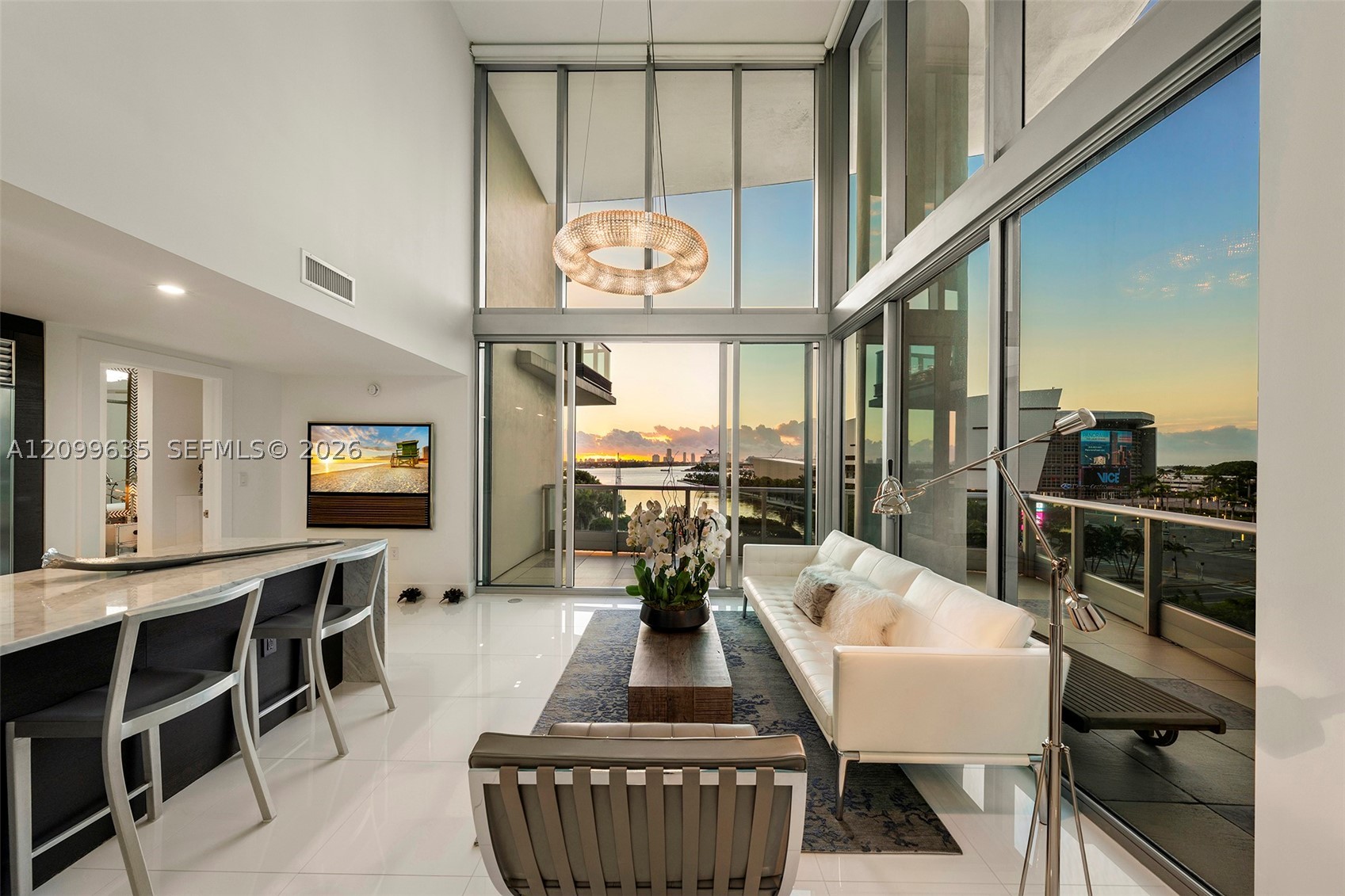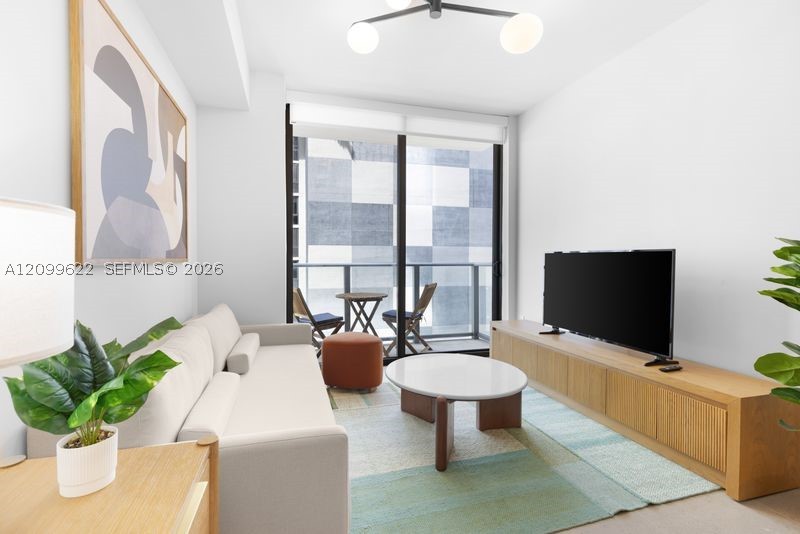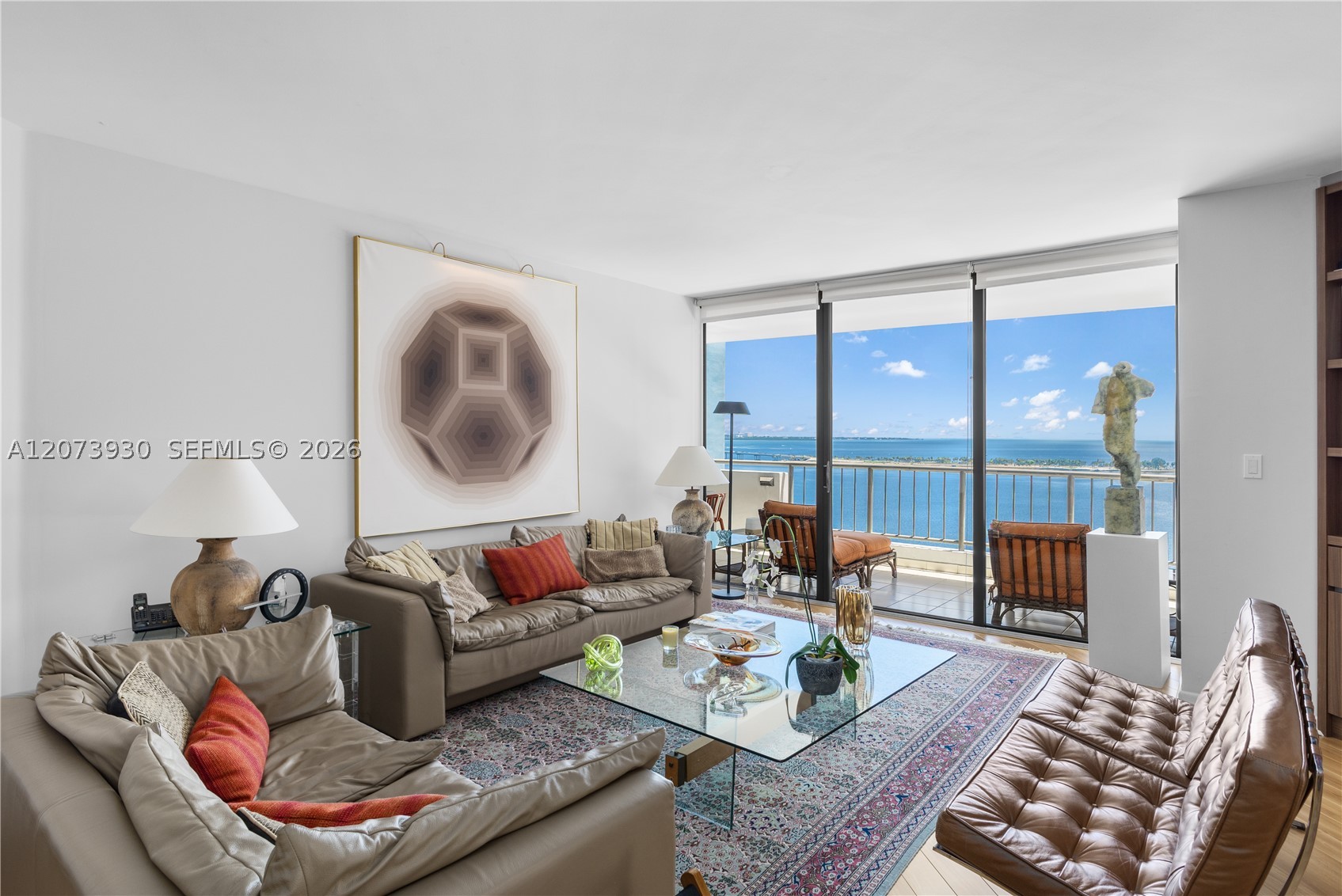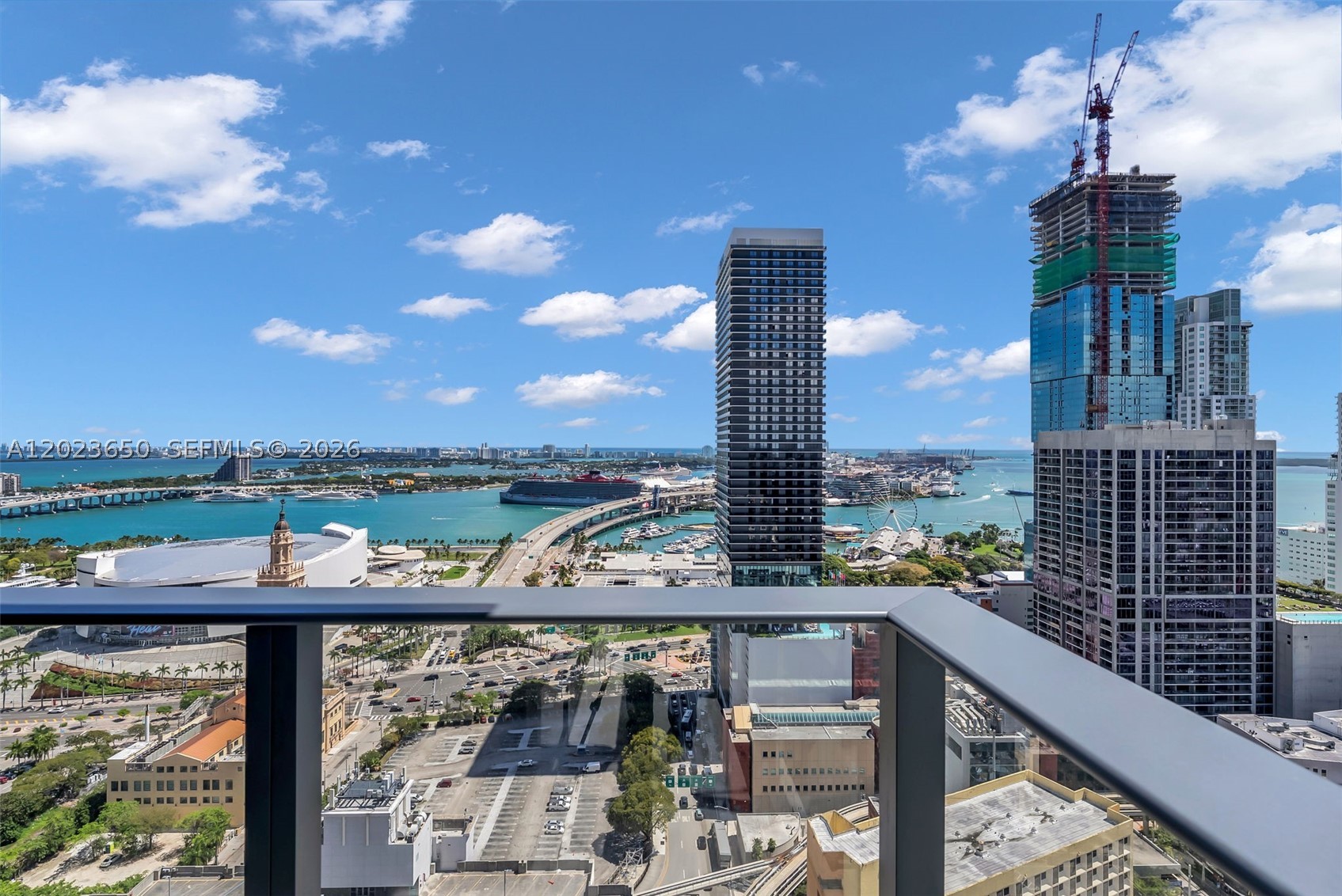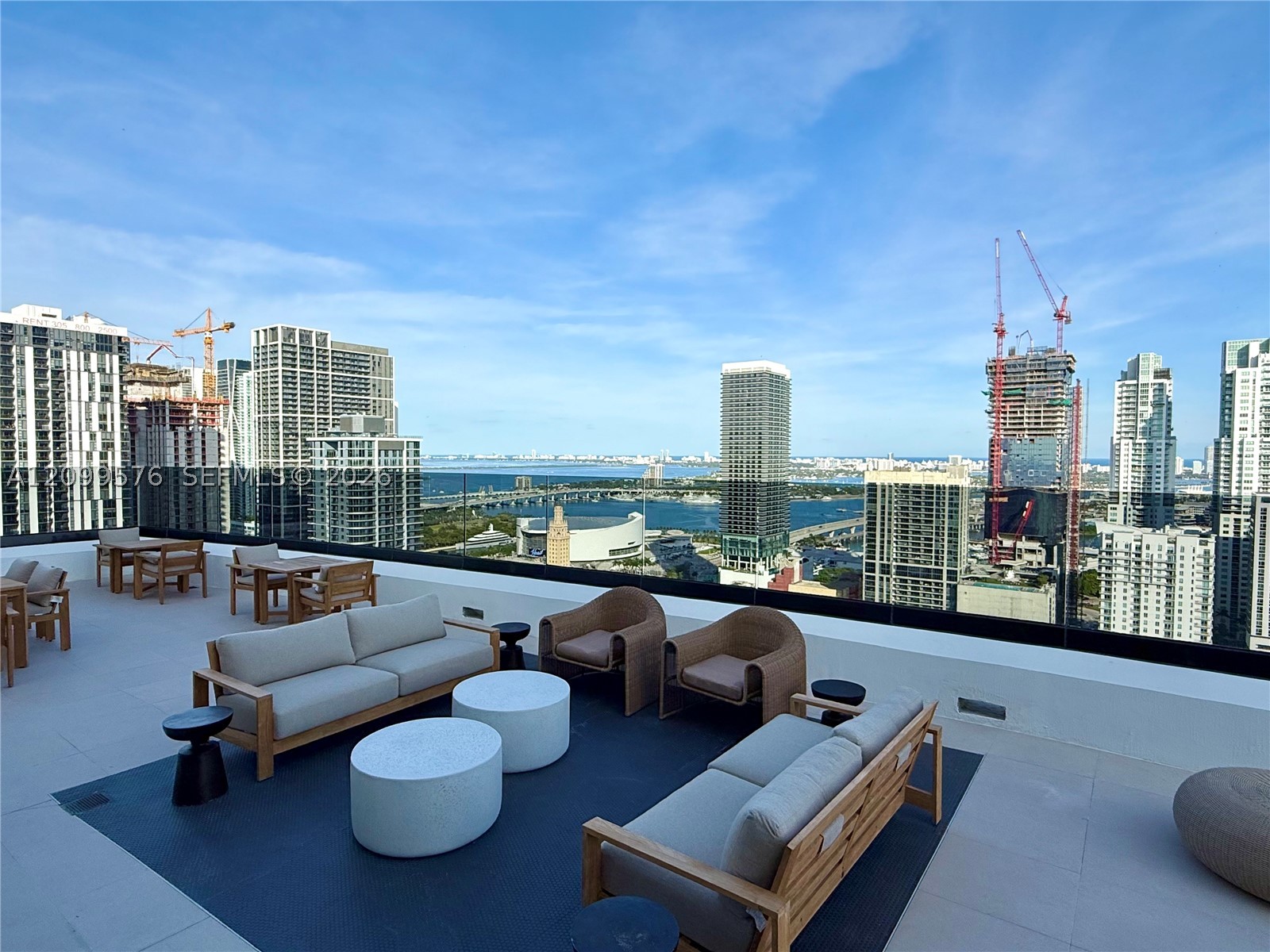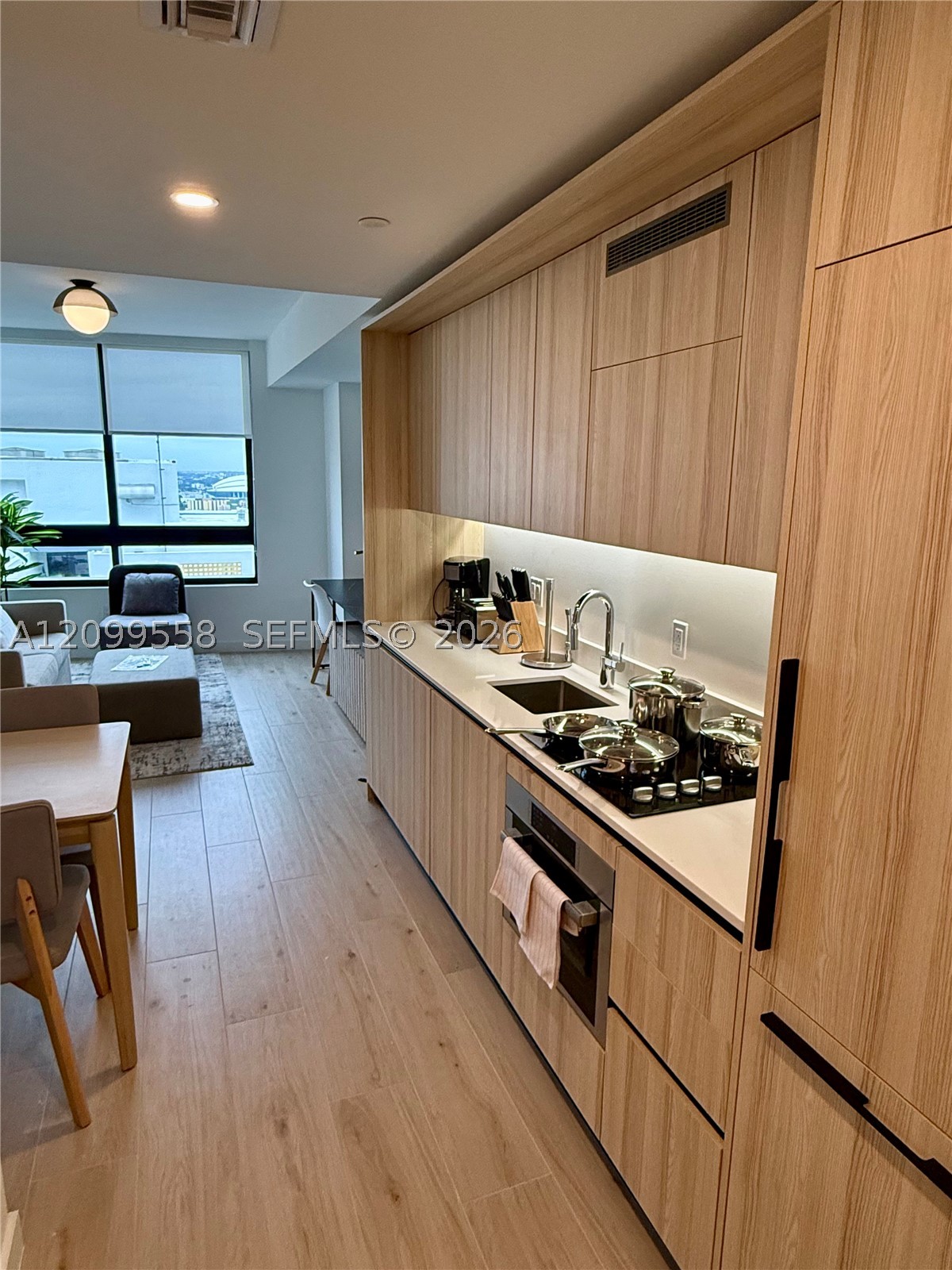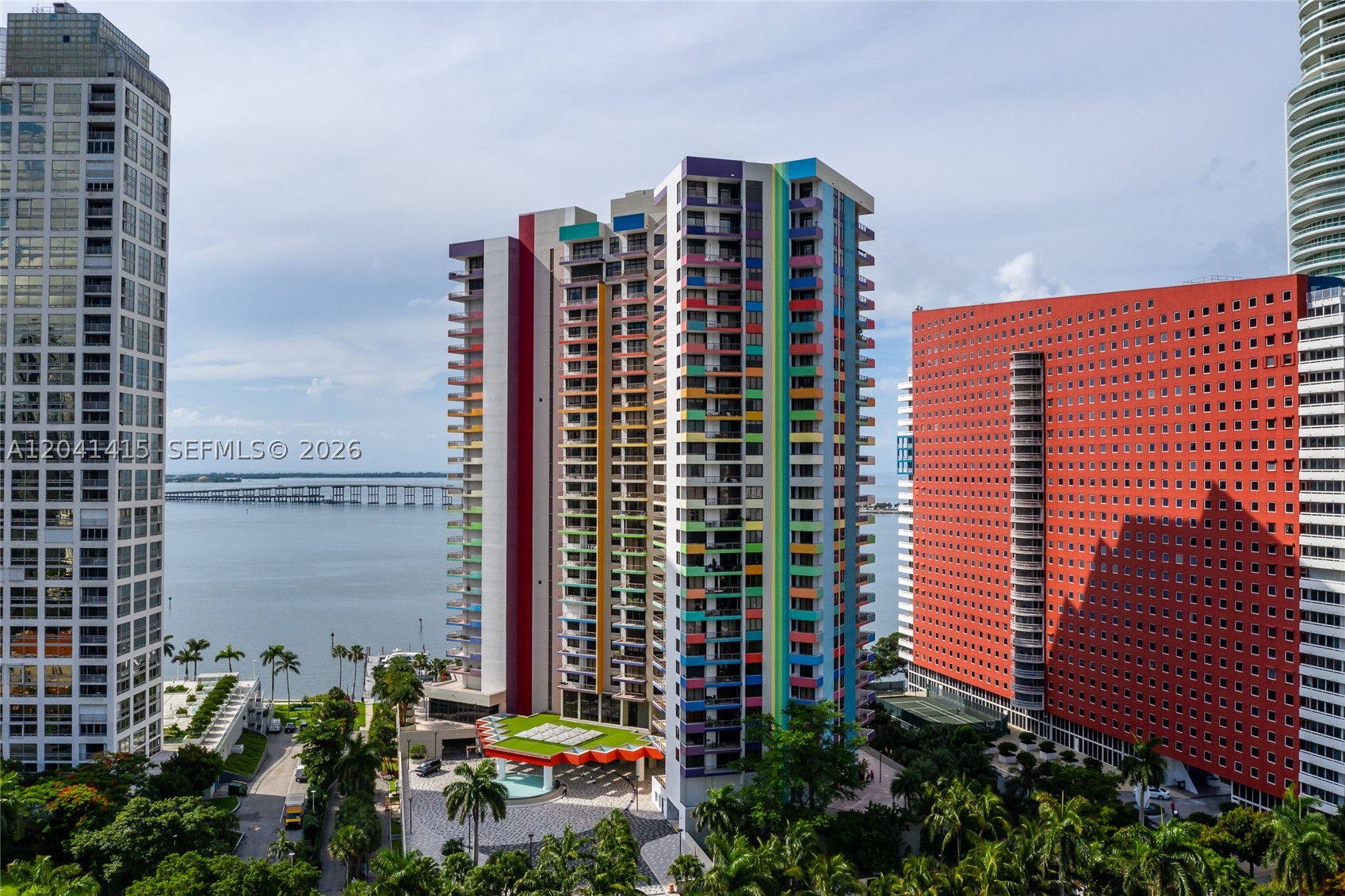
Downtown Miami Real Estate: Condos and Bayfront Views

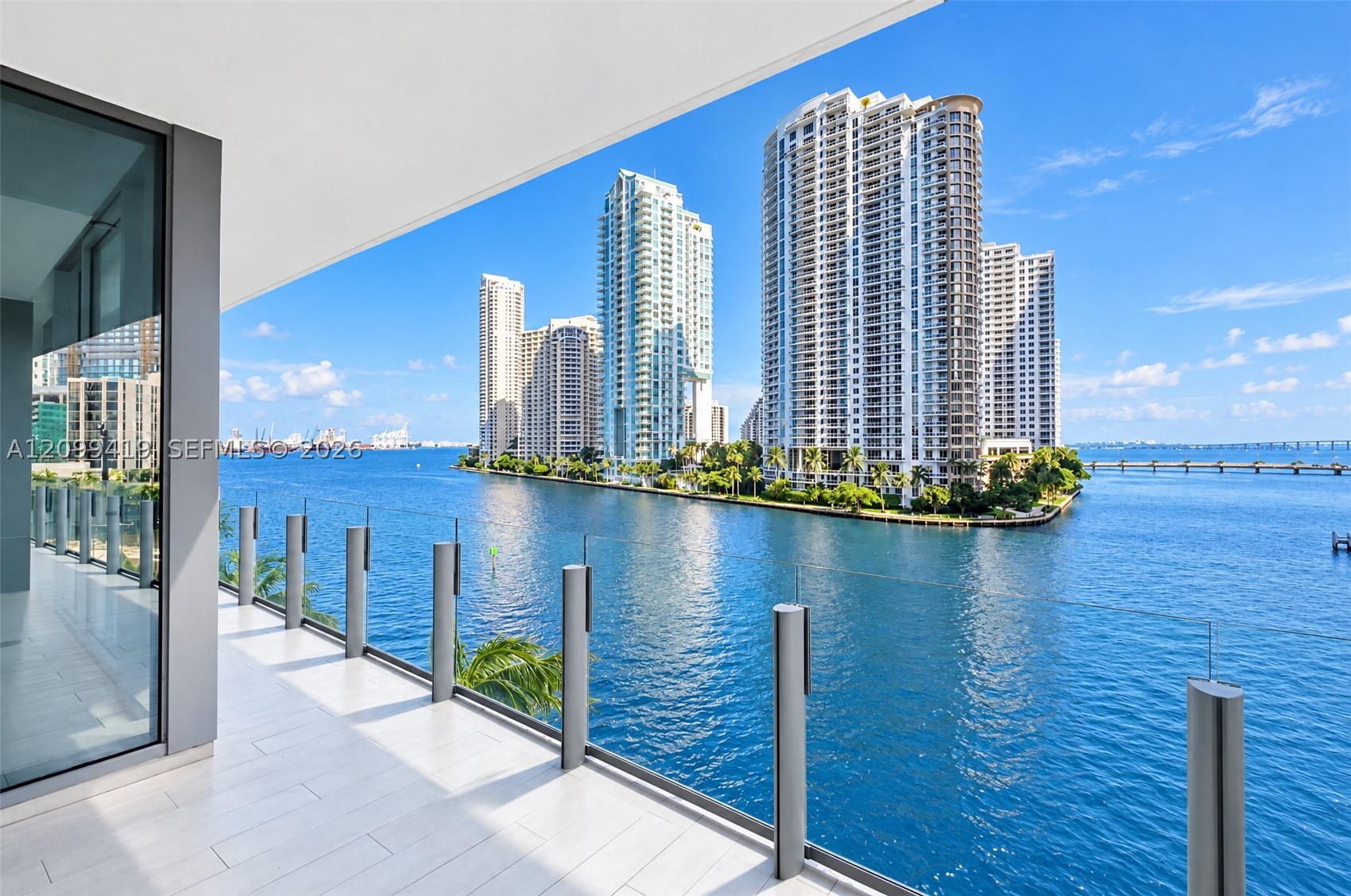
Downtown Miami is a neighborhood where residents can have comfortable life without a car, walk to the waterfront, and enjoy life surrounded by dozens of modern high-rise condominiums with views of Biscayne Bay and the Miami River.

Downtown Miami at a glance

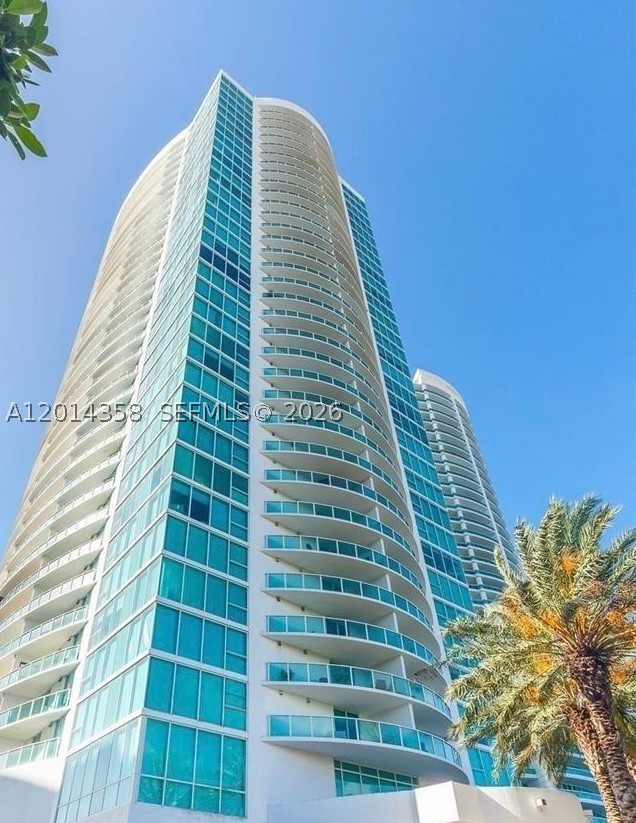
Downtown is primarily made up of high-rise condominiums offering views of the bay, river, or city skyline. Each building offers its own architectural identity, amenity package, and level of service, while traditional private homes are almost nonexistent in the area.

Downtown has its own considerations:

even neighboring buildings can differ significantly in HOA fees, rental policies, parking options, management quality, and noise levels. Future developments can change existing views and influence long-term property value.

One of the neighborhood’s key advantages is its role as the city’s largest transportation hub. With connections to the Metromover, Metrorail, Brightline, MiamiCentral, and Government Center, Downtown remains one of the most accessible areas in Miami.

Known for:

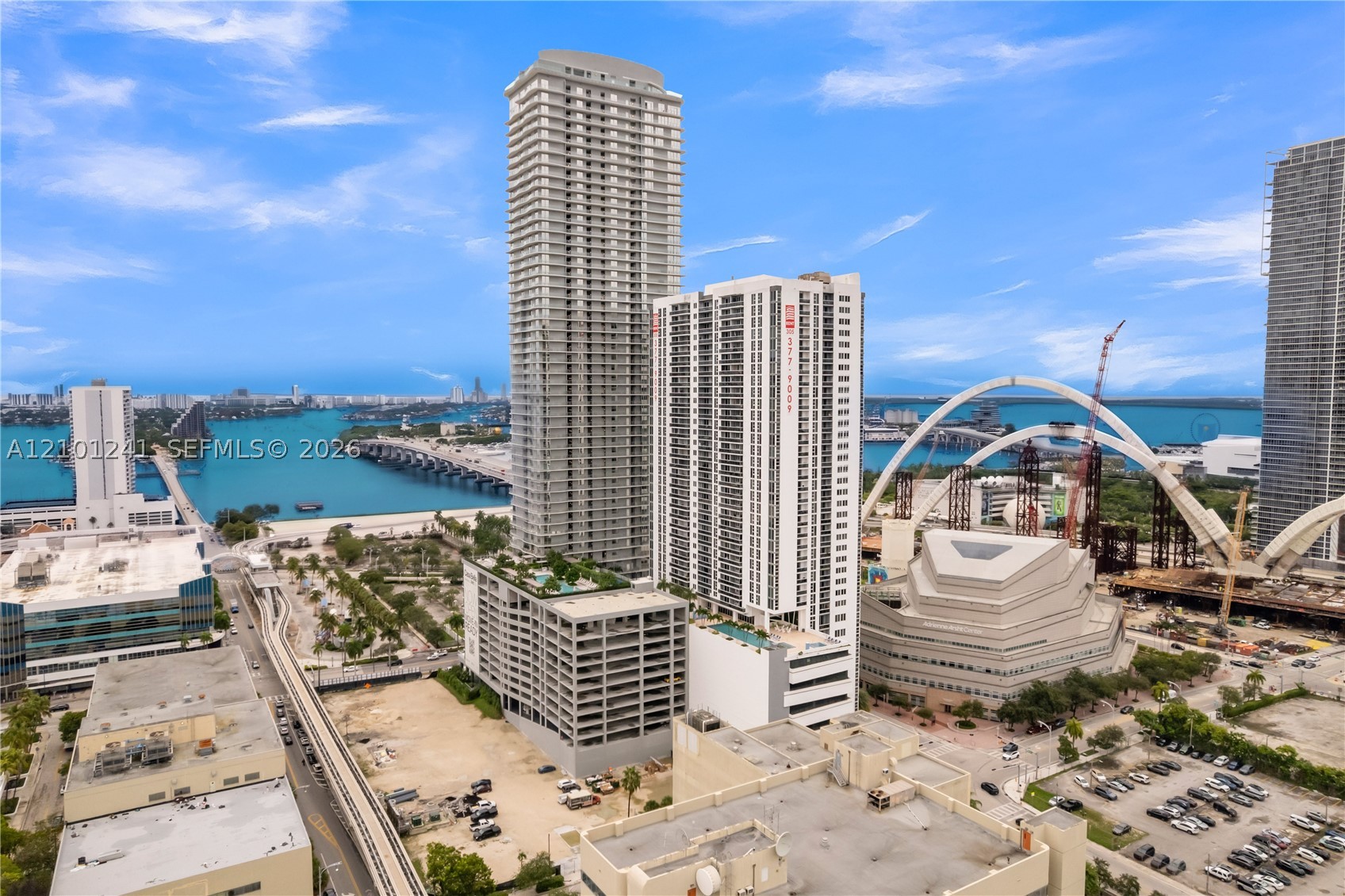
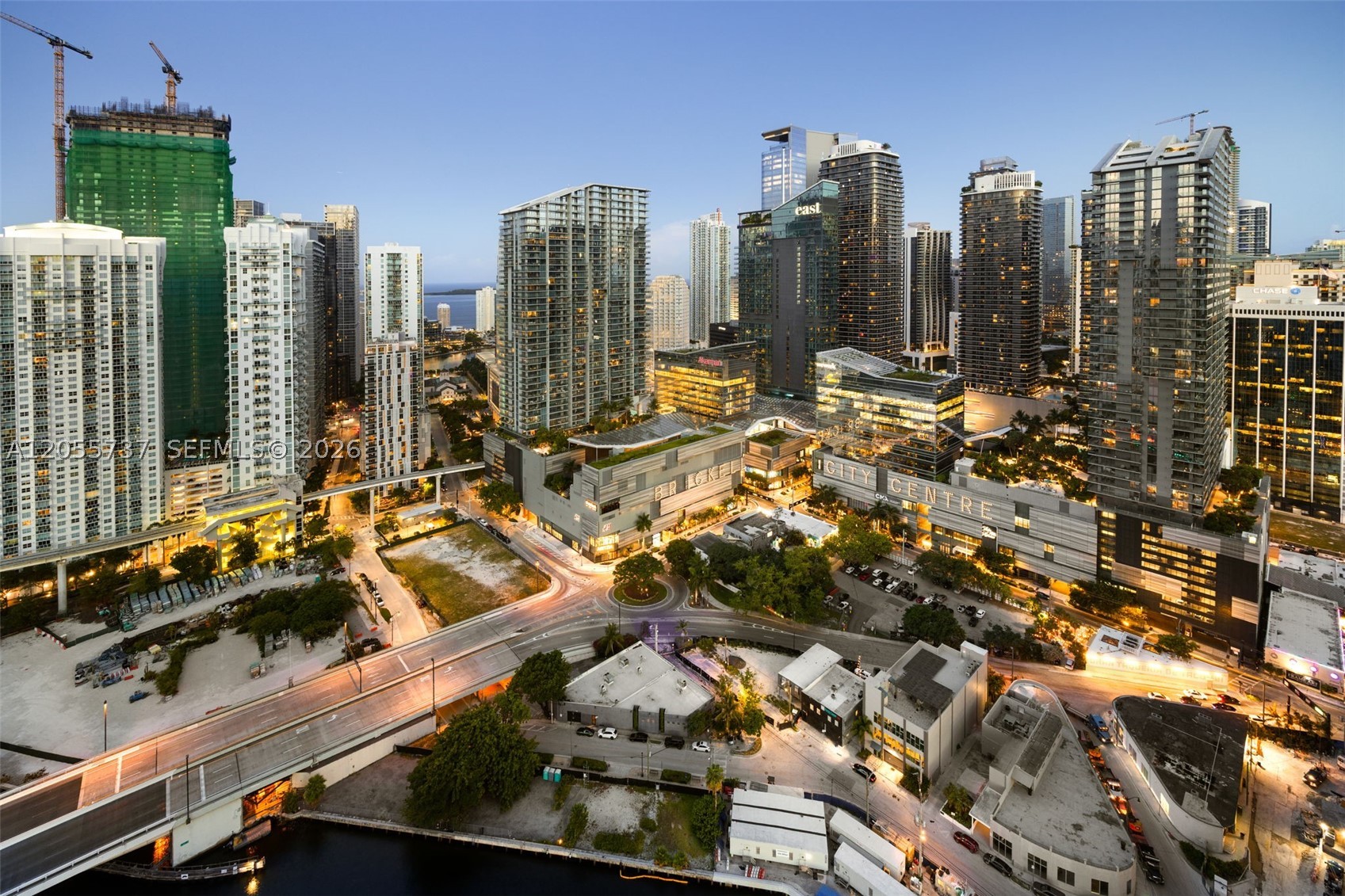
Downtown Miami is the city’s urban core, where modern residential towers stand alongside the waterfront, panoramic bay views, business districts, cultural attractions, and one of the most advanced public transportation networks in Miami.

Best fit for:

This area is well suited for buyers who value an urban lifestyle. It offers the convenience of living close to offices, restaurants, museums, the waterfront, and public transportation. If you are considering a modern condominium with amenities instead of a private home, Downtown is one of the most logical options to consider.

Property types:

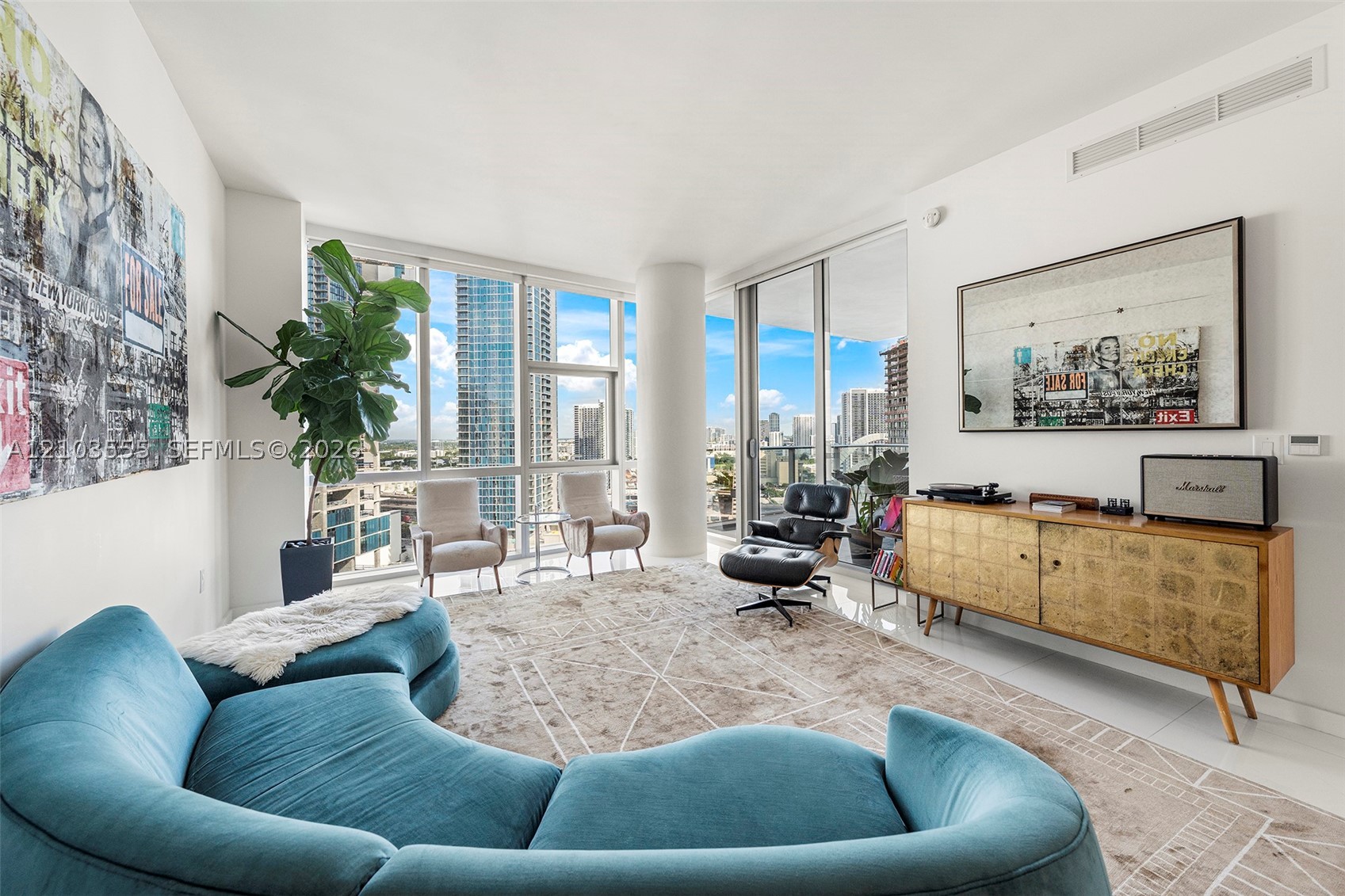
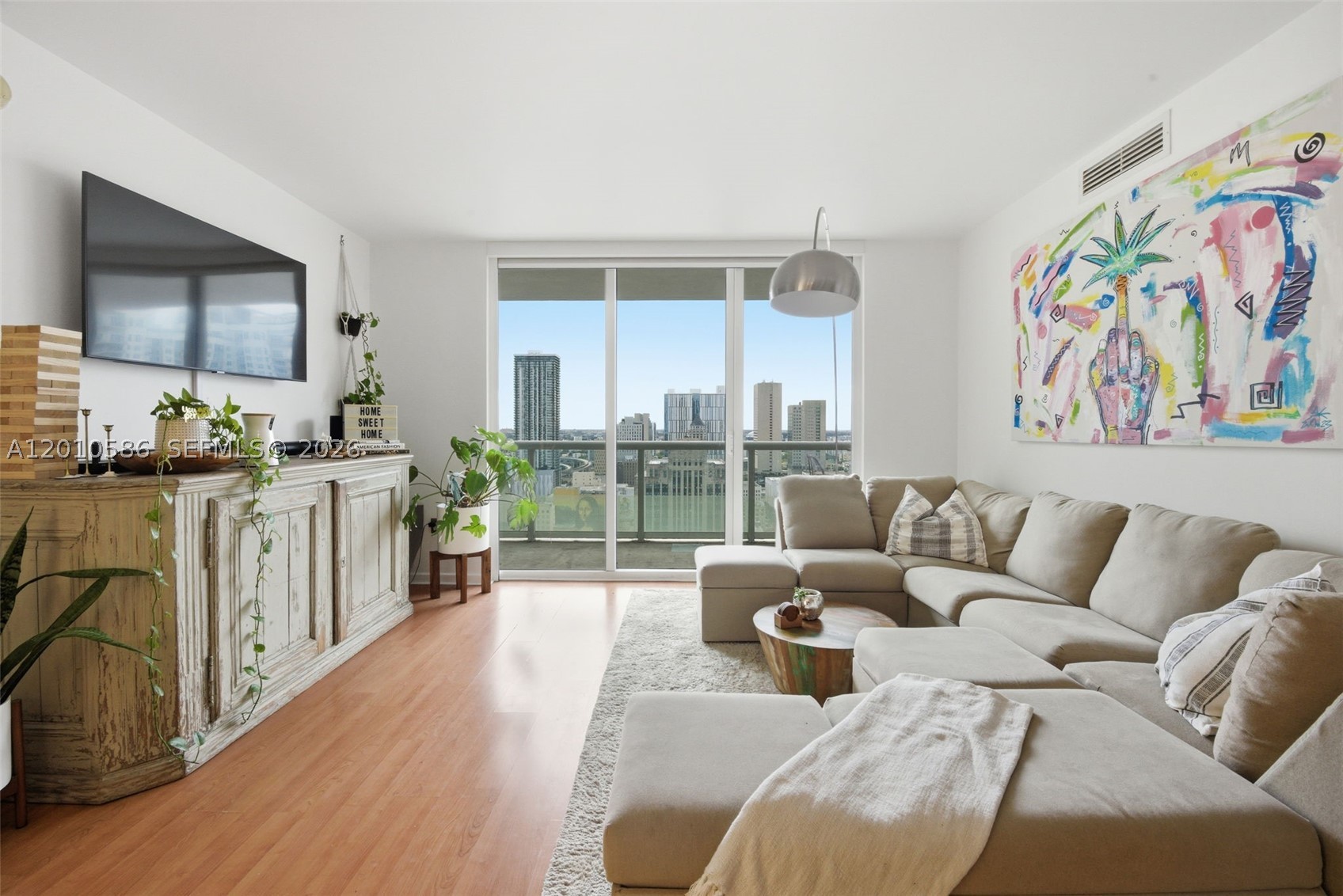
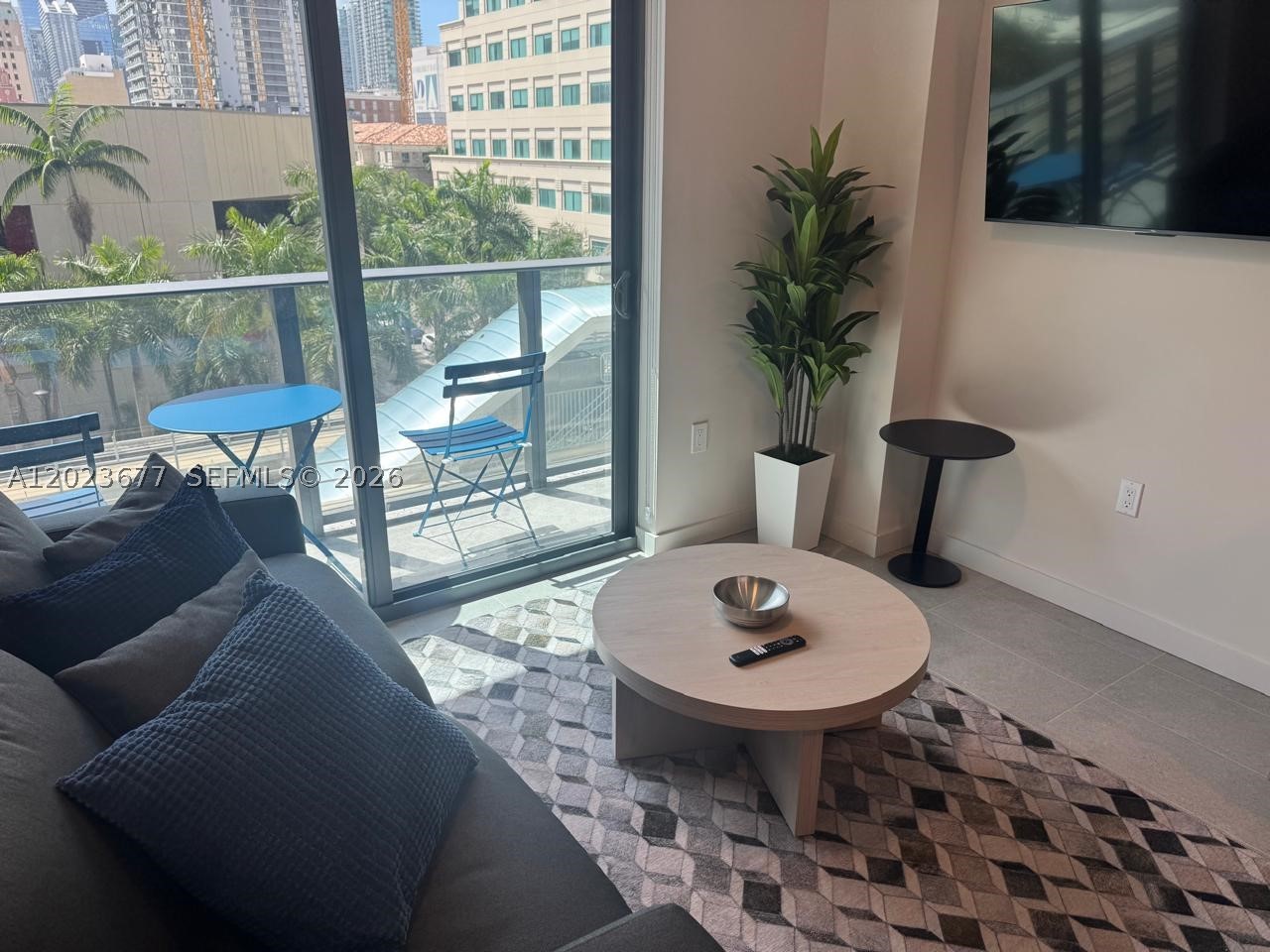
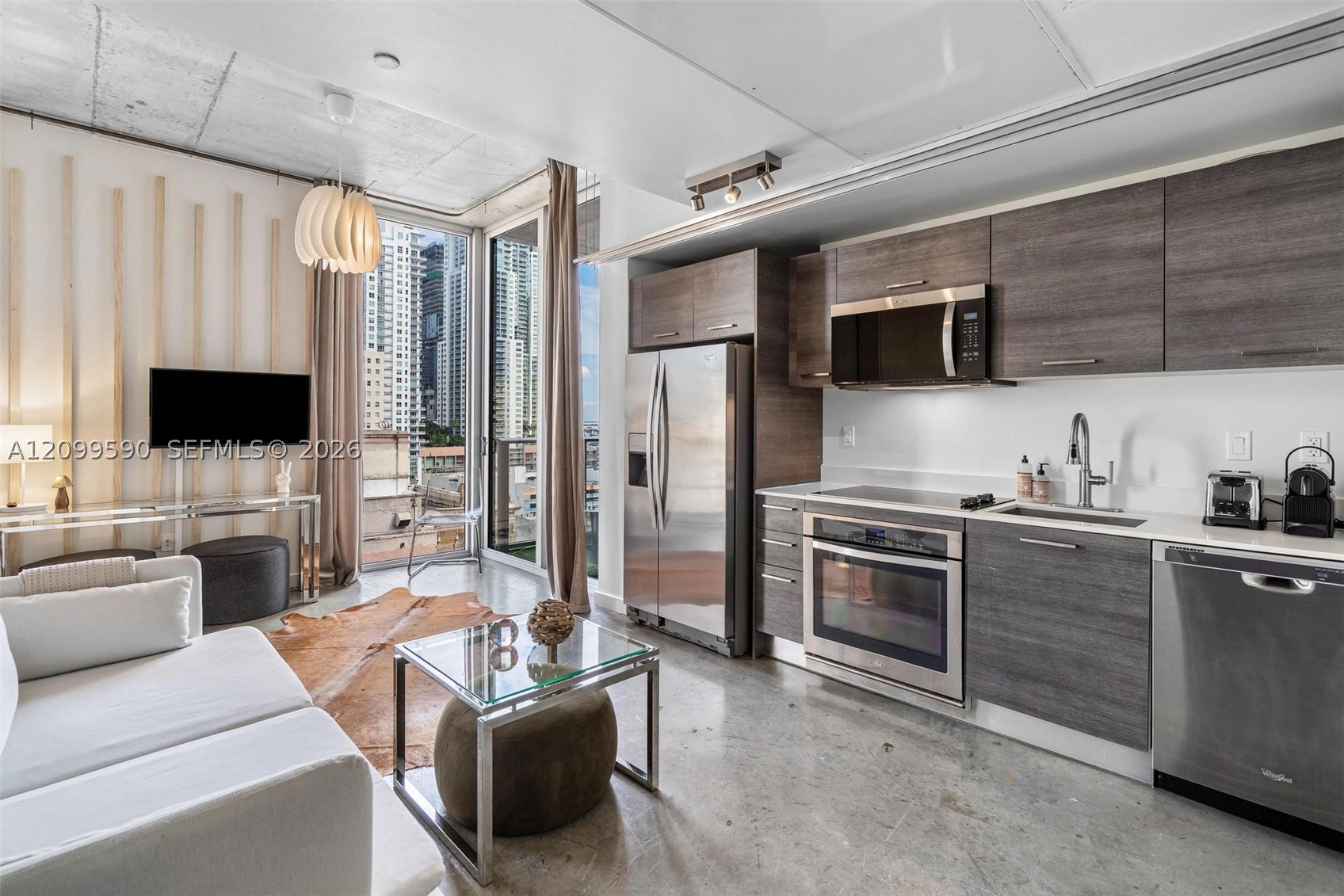
The main type of real estate in Downtown is high-rise condominiums. The area features a diverse mix of real estate formats, including high-rise urban living, waterfront homes, newly built residences, branded luxury towers, penthouses, resale condos, and investment-focused rental units.

Lifestyle:

Downtown combines cultural venues, parks, and an active urban environment. The area is home to Kaseya Center, Pérez Art Museum Miami, Frost Museum, as well as Bayfront Park and Museum Park. It maintains a vibrant atmosphere through year-round events and city activity.

Micro-areas:

Downtown Miami consists of distinct micro-neighborhoods, each offering a unique lifestyle, atmosphere, and type of real estate: Bayside and Bayfront – the district’s main waterfront zone. Museum Park and Arts & Entertainment – the quieter northern area of Downtown. Miami River – the riverfront neighborhood centered around the Miami River. CBD, Flagler, and Government Center – the historic and business core of the district. Miami Worldcenter and Park West – a rapidly developing area with new residential projects.

Compare other districts if you want:

Direct beach access and a coastal lifestyle – South Beach, Miami Beach or Key Biscayne. A quieter atmosphere and waterfront condominiums – Edgewater. Luxury high-rise residences in the city’s financial district – Brickell. A creative scene, galleries, restaurants, and vibrant nightlife – Wynwood. Private homes and a more secluded residential environment – Coconut Grove or Coral Gables.

Downtown Miami market context: inventory, pricing, and new supply

Active listings Median listing price Days on market
~830 active listings ~ approximately $720K 150-170 days
A broad market gives you the freedom to choose and the opportunity to thoughtfully compare homes, views, layouts, and expenses. Prices in Downtown Miami depend on the property’s prestige, views, floor level, waterfront access, and amenities. Evaluating these factors helps reveal the true value of each property. A longer selling period allows more time to compare properties, negotiate, and evaluate key factors such as HOA fees, reserves, parking, noise, and rental policies.
Active listings
~830 active listings
A broad market gives you the freedom to choose and the opportunity to thoughtfully compare homes, views, layouts, and expenses.
Median listing price
~ approximately $720K
Prices in Downtown Miami depend on the property’s prestige, views, floor level, waterfront access, and amenities. Evaluating these factors helps reveal the true value of each property.
Days on market
150-170 days
A longer selling period allows more time to compare properties, negotiate, and evaluate key factors such as HOA fees, reserves, parking, noise, and rental policies.

Property types and Downtown Miami areas to compare

By Downtown area

Bayside and Bayfront Park

Downtown Miami is the district’s public and recreational hub, featuring waterfront promenades, a marina, restaurants, water activities, and event spaces. Its proximity to the water, green areas, and vibrant urban environment make this part of Downtown unique.

Buyer caution

During major events, the area becomes more crowded, with increased tourist activity, noise, and heavier traffic, especially near the waterfront.

View of Bayside Bay

Miami River and Brickell-adjacent edge

Residences along the Miami River on the border with Brickell combine a peaceful waterfront atmosphere with proximity to the business district. River views, waterfront walking paths, and easy access to offices and restaurants support the area’s appeal and stable demand.

Buyer caution

Drawbridges across the river can cause occasional local traffic delays, while the area remains one of Miami’s most active zones for new development. Parking can be challenging, and some buildings may have higher HOA fees.

View of the Miami River

Miami Worldcenter / Park West

A large-scale development and redevelopment area featuring modern residential towers, wide pedestrian streets, restaurants, and ground-floor retail. Kaseya Center keeps the neighborhood vibrant year-round through its ongoing events.

Buyer caution

Rental rules can vary by building, ongoing construction may add noise, and traffic becomes heavier during cultural events.

Bustling streets of Downtown

Museum Park / Arts & Entertainment edge

The quieter northern part of Downtown, where museums, parks, and a waterfront with views of Biscayne Bay create a more relaxed atmosphere. The area hosts cultural events, while the shoreline is primarily dedicated to public spaces.

Buyer caution

Some properties are located farther from everyday retail amenities, and as the area continues to develop, the surroundings of individual buildings may change over time.

View of the museums in the park

By property type

High-rise condos

High-rise condominiums are the primary type of real estate in Downtown Miami. Buildings vary in service levels, HOA fees, rental policies, parking, views, and transit access. These factors often matter more than a building’s age or appearance.

Bayfront and waterfront residences

Properties with Biscayne Bay views are valued for panoramic scenery, privacy, and limited availability. The waterfront category also includes Miami River residences and homes with marina access. Pricing depends on the quality of views, water access, and specific location.

Riverfront and Brickell-adjacent residences

This location features 1–3 bedroom units, spacious corner residences, penthouses, and homes with views of the Miami River and city skyline. They are valued for their proximity to the financial center and waterfront.

Miami Worldcenter and new construction

Units in Miami Worldcenter are valued for their amenities and location in one of Downtown’s fastest-growing areas. The main advantage is the urban environment and modern construction standards.

Branded residences and luxury towers

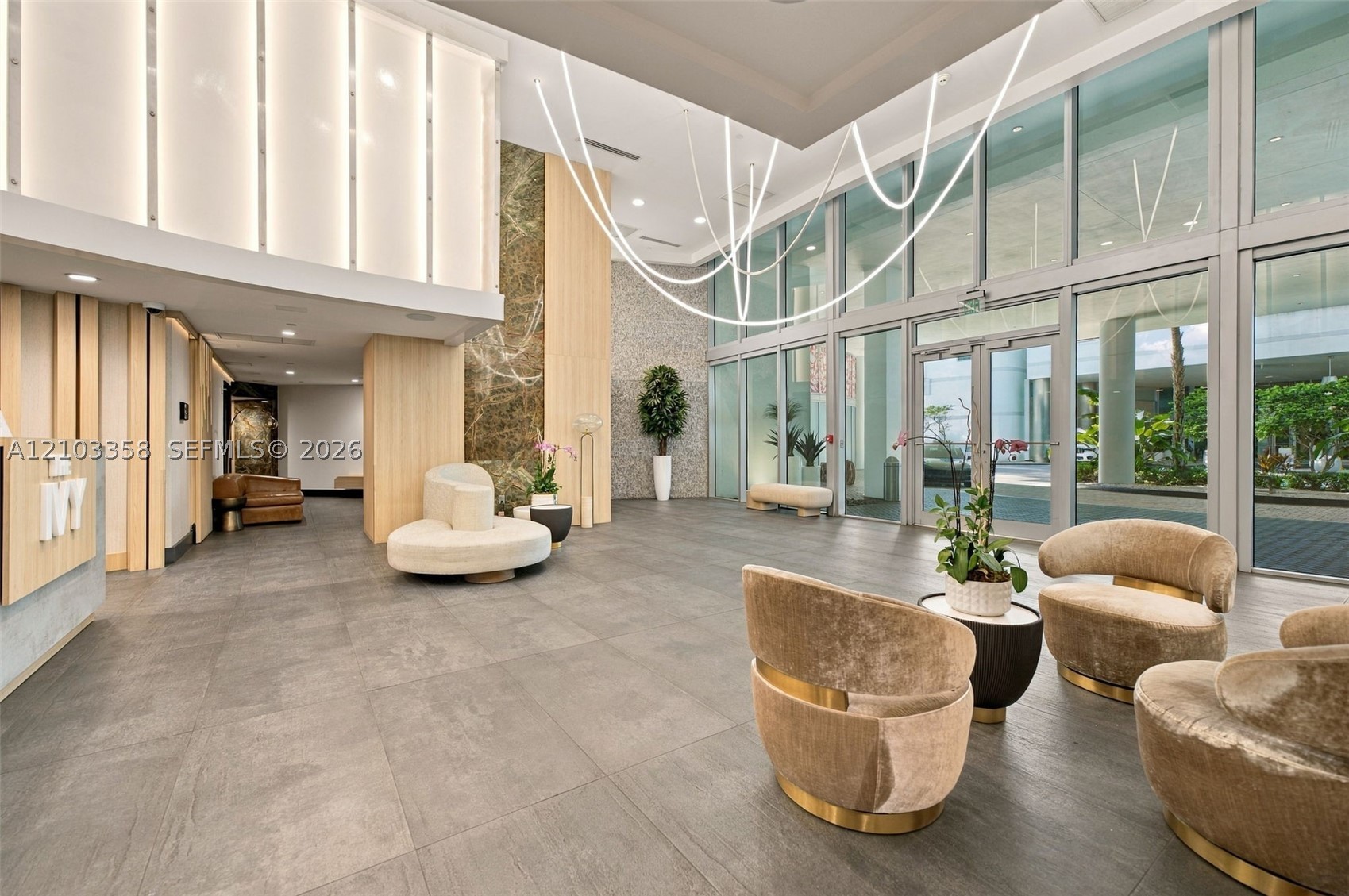
They stand out for their high level of service, premium amenities, distinctive design, and privacy. The value of this type of real estate is driven by quality management, well-planned infrastructure, spacious layouts, and panoramic views.

Penthouses and larger residences

The value of penthouses depends on floor level, the quality and long-term preservation of views, terrace size, and the uniqueness of the layout. These factors directly influence buyer demand and the property's long-term value.

By building

Aston Martin Residences

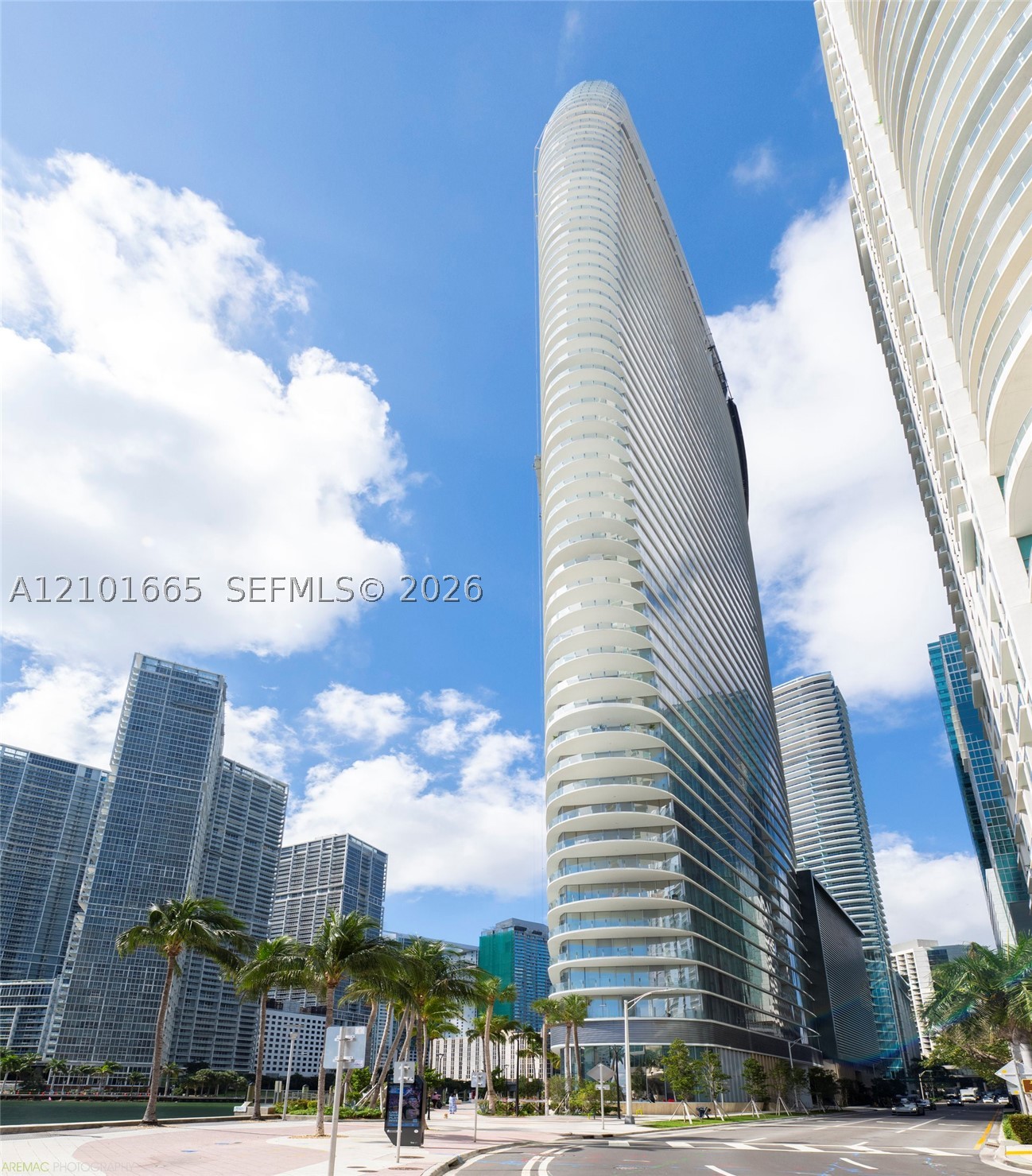
A sail-inspired tower at the mouth of the Miami River with panoramic views of Biscayne Bay. Ideal for buyers seeking a prestigious waterfront location, signature design, and a landmark residence. Also appealing to yacht owners thanks to its proximity to marinas and docking facilities.

Aston Martin Tower

Marquis Residences

Marquis Residences is valued for its spacious 2–4 bedroom residences with large terraces and views of Biscayne Bay. Its location near Museum Park combines easy access to Downtown with a more relaxed waterfront atmosphere.

Marquis Residences

One Thousand Museum

A tower designed by renowned architect Zaha Hadid, located near Museum Park. Its signature design feature is the curved exoskeleton around the building’s perimeter, which also provides structural resistance to strong wind loads.

One Thousand Museum Tower

Epic Residences

Extensive amenities and services are complemented by protected views with minimal risk of future obstruction from nearby development, as well as premium finishes, including Italian marble flooring and dark oak furnishings with steel accents.

Epic Residences in Downtown

Paramount Miami Worldcenter

A large-scale amenity and entertainment offering includes creative spaces, a spa, children’s areas, soccer, tennis, a recording studio, and an observatory. The complex is also pet-friendly, although rental policies are limited.

Paramount Miami Worldcenter in Downtown

The Elser Hotel & Residences

The Elser stands out for its hybrid hotel and residential concept, short-term rental flexibility, and more accessible entry point into the new branded residence segment. When considering a purchase, it is important to evaluate rental terms and operating costs

The Elser Residences

Vizcayne

Two 49-story twin towers. The complex is one of the most actively traded residential projects in Downtown Miami. It appeals to buyers seeking a proven asset in a central location with views and balconies, without paying a premium for a brand name.

Vizcayne Twin Towers

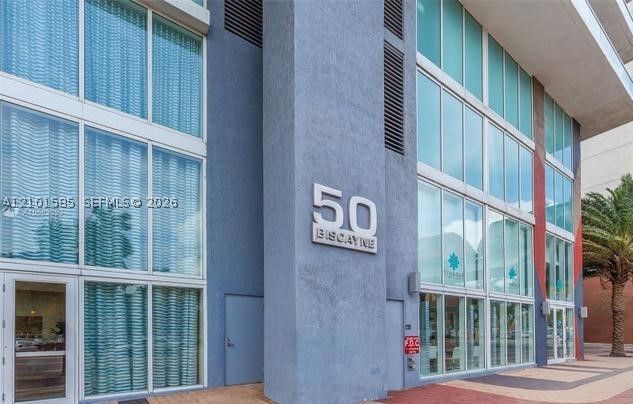
50 Biscayne

Suitable for long-term investment or primary residence in the heart of the city, while offering water and greenery views. Most units feature open balconies, providing additional outdoor space. The complex offers a full resort-style amenity package with reasonable HOA fees.

50 Biscayne Condominium

One Miami

A waterfront residence with a strong connection to Biscayne Bay, One Miami offers spacious balconies and open views of the bay, port, and Bayfront Park. It appeals to buyers seeking an established Downtown location with water views and residential comfort without the premium of a branded project.

View of the One Miami twin towers

Met 1

Located in the heart of Downtown, Met 1 offers a more urban living experience with direct access to Bayfront Park, public transit, restaurants, and cultural venues. Its functional layouts and central location make it attractive for buyers prioritizing convenience, walkability, and value.

Met 1 Tower in Downtown Miami

900 Biscayne / Ten Museum Park

900 Biscayne (on the right side) is designed for a dynamic urban lifestyle, offering convenient access to cultural attractions, transportation, and Downtown infrastructure.

Ten Museum Park (on the left side) offers a more private residential experience with fewer residences, emphasizing distinctive architecture, spacious interiors, and a boutique atmosphere.

900 Biscayne and Ten Museum Park Towers

Centro / District 225

The main property format at Centro is loft-style residences with open layouts and high ceilings. The project is designed for buyers who value a modern urban lifestyle and a sense of space.

District 225 offers compact studios and 1–2 bedroom residences. It appeals to buyers booking for a smaller unit in the heart of Downtown for personal use or rental.

District 225 residential complex

What buyers should check before buying in Downtown Miami

1. HOA fees and monthly carrying costs

Compare not only the price per square foot but also the total monthly cost. Older buildings may have lower listing prices but higher fees due to reserve requirements, while newer buildings may have lower reserves but higher HOA fees due to premium amenities and taxes.

2. Building reserves, inspections, and assessments

Compare reserve funds with planned repairs outlined in the SIRS. If reserves are insufficient, HOA increases or special assessments are more likely. Additional costs can outweigh any savings from a lower purchase price.

3. Rental rules and short-term rental restrictions

Rental rules can vary even within the same building, depending on the specific unit. Always request current HOA documents and the association’s bylaws, as they provide the legally accurate answer on whether rentals are allowed and under what conditions.

4. Parking, valet, and guest access

Parking availability and costs vary significantly by building. Check whether a parking space is included, valet and guest parking fees, EV charging availability, and whether additional spaces can be rented. These costs can add $100–$300 or more to monthly expenses.

5. Event, traffic, and noise exposure

Concerts, games, shows, and cruise season can increase noise levels in Downtown due to the concentration of entertainment venues. Traffic congestion is also more noticeable during evening rush hours and weekends. Lower-floor units near Biscayne Blvd are typically more exposed to street noise.

6. Construction pipeline and future views

Downtown is rapidly developing, and today’s views can be affected by future construction. To assess potential changes, Miami DDA provides an interactive 3D map of current and planned projects across the CBD, Brickell, and Arts & Entertainment District.

7. Insurance, flood, wind, and waterfront maintenance

It is important to verify whether the building association has flood insurance. For example, the coverage amount, the hurricane deductible, and when the facade and seawall were last inspected.

Living in Downtown Miami

Bayfront Park, Bayside, and the waterfront

The area offers peaceful views, especially from higher floors: sunsets, the port, cruise ships, and abundant greenery that softens the urban environment. Tourism and major events support rental demand but also increase traffic. Parks and waterfront promenades provide plenty of outdoor space, while daily amenities are within walking distance, reducing the need for a car.

Waterfront view from Downtown

MiamiCentral, Metromover, and transit access

Extensive free public transportation makes it easy to live without a car. Alternative mobility options include car sharing, bike rentals, and free Freebee electric shuttles. Proximity to major business hubs such as Brickell, Wynwood, Midtown, and Miami Beach supports rental demand from professionals and expats.

Downtown transportation routes

Miami Worldcenter and Kaseya Center

A next-generation urban hub where living, work, shopping, entertainment, and transportation are connected through a walkable city environment. Tourists, sports events, and cultural activities create a vibrant atmosphere for some, but noise and crowds for others. Owners should personally evaluate activity levels at different times and days. On game days and during major events, streets around Kaseya Center can become congested, affecting access in and out of the area.

Sports and entertainment center

Museum Park, PAMM, and Frost Museum

The park is home to two world-class museums: PAMM, featuring contemporary art, waterfront terraces, and bay views, and Frost Museum of Science with a planetarium, aquarium, and interactive exhibits. It offers extensive outdoor space for recreation and active lifestyles. At the same time, museums, events, and visitors can increase traffic and activity on weekends and during major events. For some, this means a vibrant cultural lifestyle; for others, more noise and crowds.

View of the Downtown museums

Compare Downtown Miami with nearby areas

Compare Miami Beach if you want beach lifestyle instead of city-core living

Miami Beach attracts residents with its proximity to the ocean and a true beach lifestyle. The area offers a more relaxed atmosphere with restaurants, nightlife, and entertainment options, creating a constant resort-like rhythm. However, commuting to Downtown can be more challenging due to morning traffic congestion on the bridges.

Compare Brickell if you want a stronger financial-district condo lifestyle

Brickell offers the advantage of being within walking distance of major offices and the city’s financial center. Its more corporate atmosphere means fewer tourists, events, and less noise. However, some residents may find the area lacks greenery and cultural attractions nearby, with parks requiring a short walk or drive.

Compare Edgewater if you want bayfront condos with a quieter residential feel

Edgewater offers direct Biscayne Bay views without the tourist crowds. With fewer cultural attractions nearby, the area has less traffic, events, and noise. It suits residents seeking a waterfront lifestyle with more peace and greenery. The downside is limited access to major transit hubs, making a car more practical for daily life.

Choose Downtown Miami if you want transit-rich condo living near the bay

Downtown Miami is ideal for those who want a central location with walkable access to daily essentials and waterfront views. The area’s strengths include strong connectivity, cultural attractions, events, and a wide range of compact residential formats. It is a good fit for buyers who enjoy an active urban environment, busy streets, and the energy of a tourist destination.

FAQ

Is Downtown Miami a good place to buy real estate?
What types of properties are available in Downtown Miami?
Are most properties in Downtown Miami condos?
Can Downtown Miami condos be rented short-term?
What should buyers know about HOA fees in Downtown Miami?
How does Downtown Miami compare with Brickell?

Complexes

new
Downtown Miami
Natiivo Fort Lauderdale

The Natiivo Fort Lauderdale residential complex is a modern 40-story tower with carefully designed layouts.

from 620 000 $ up to 1 255 000 $

Location