Real estate for sale in Pinecrest, FL
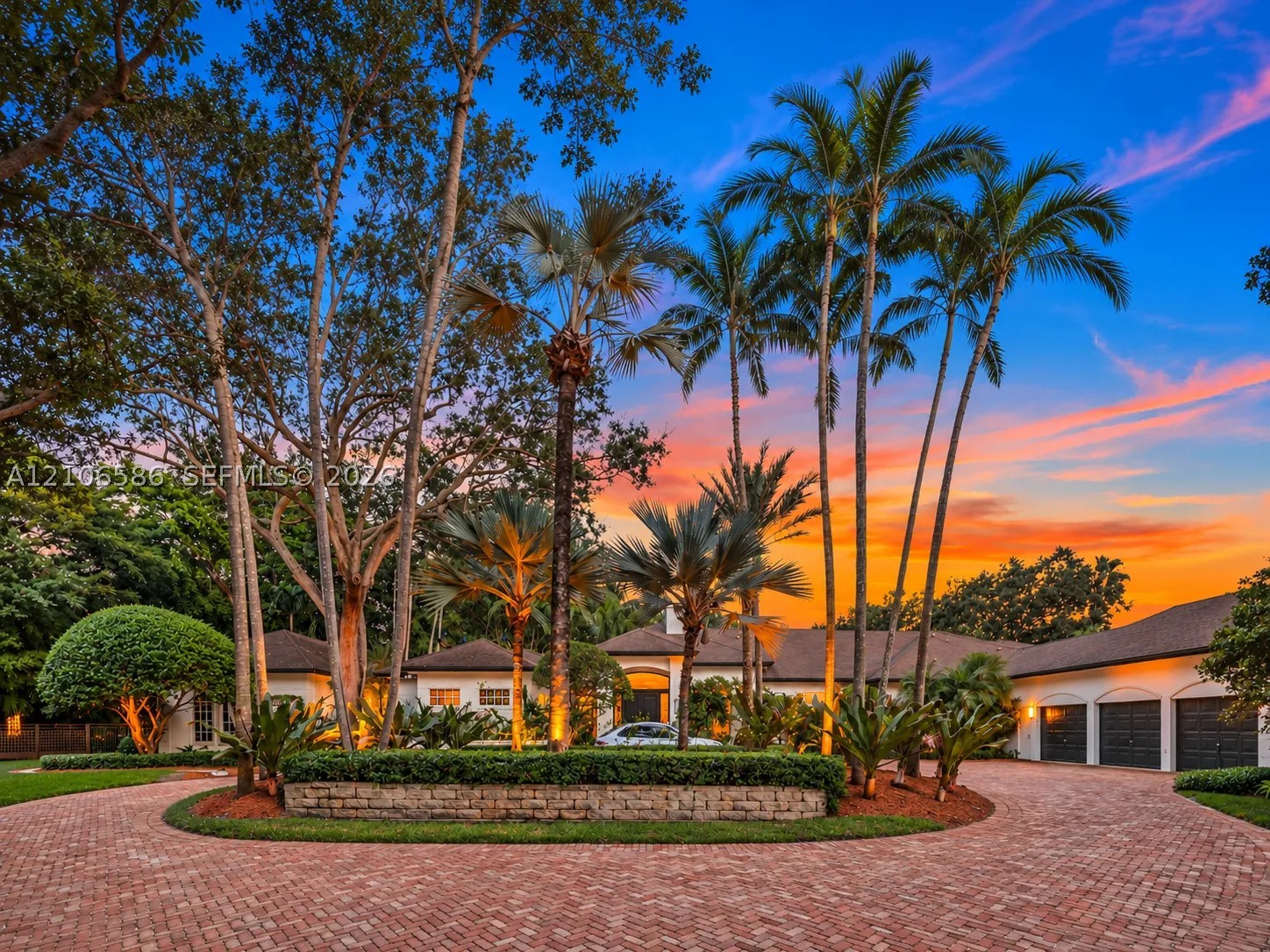
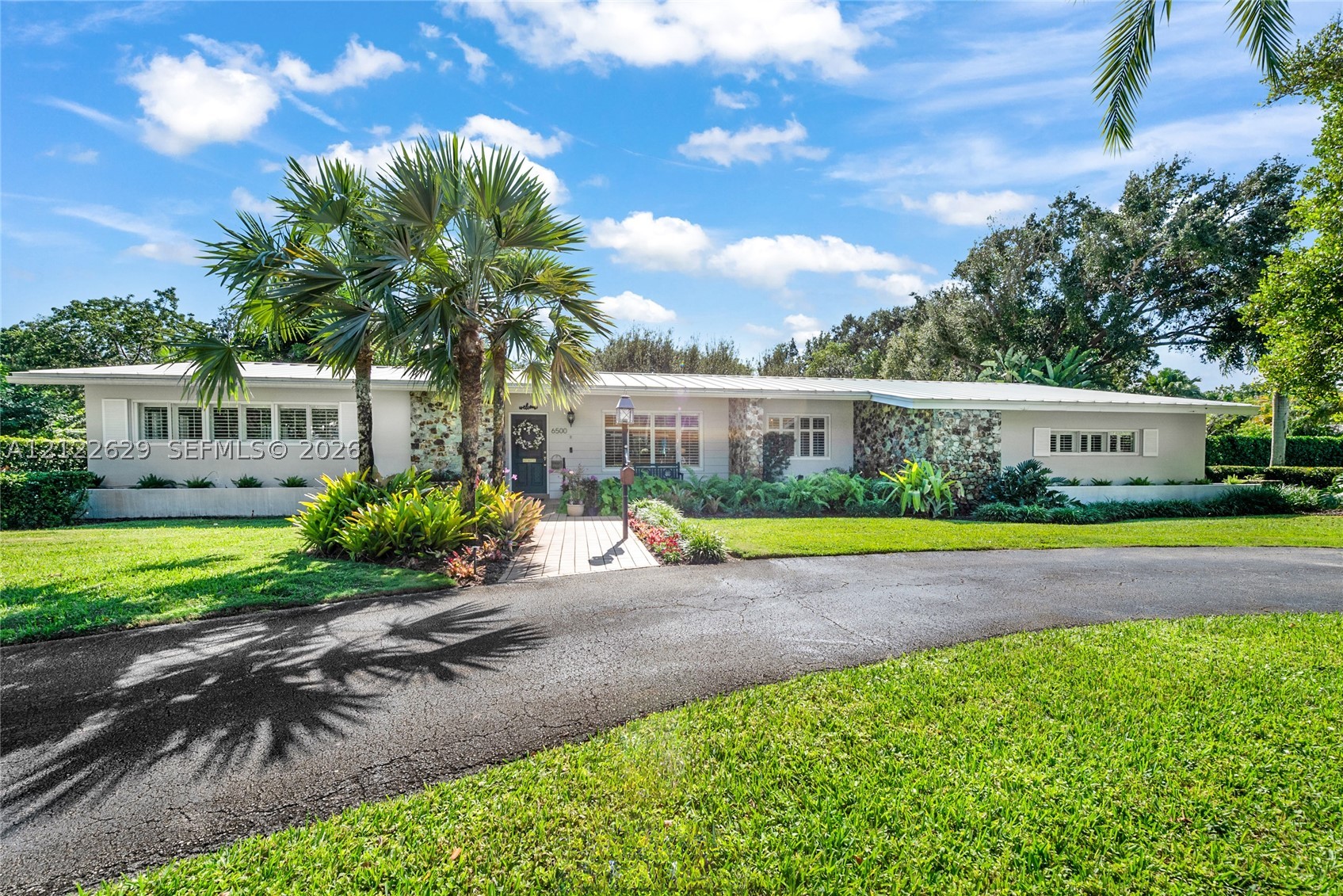

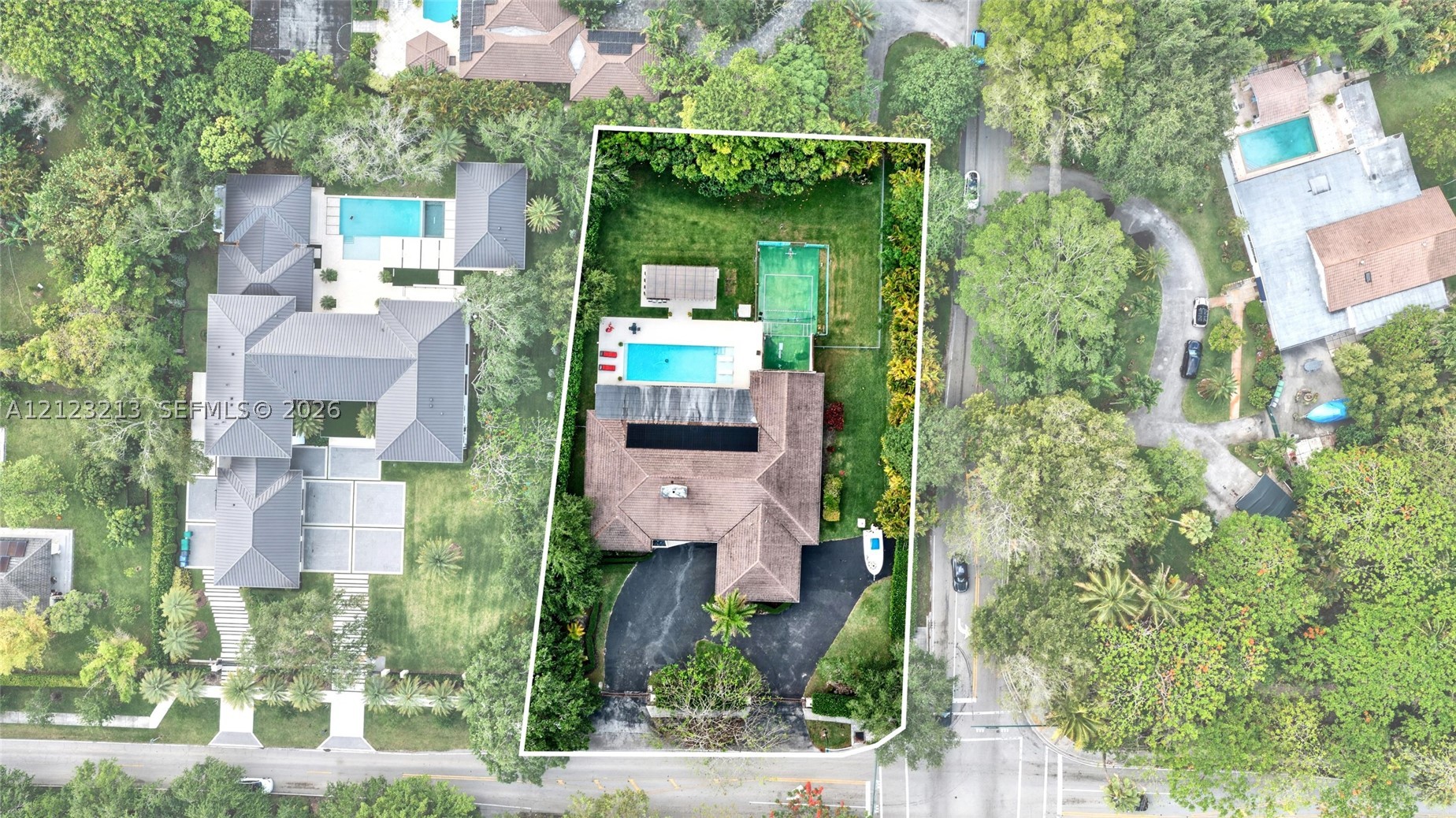

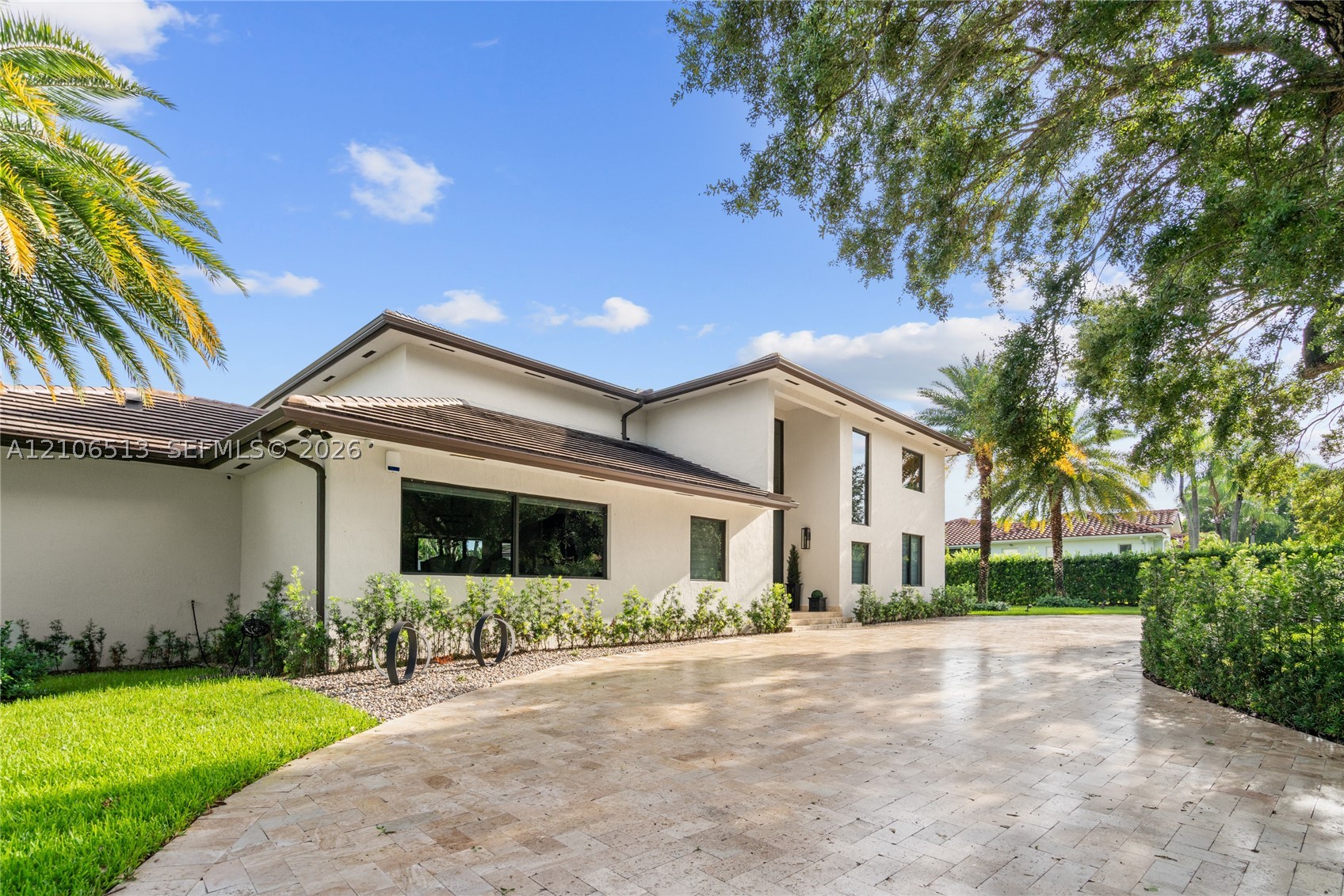


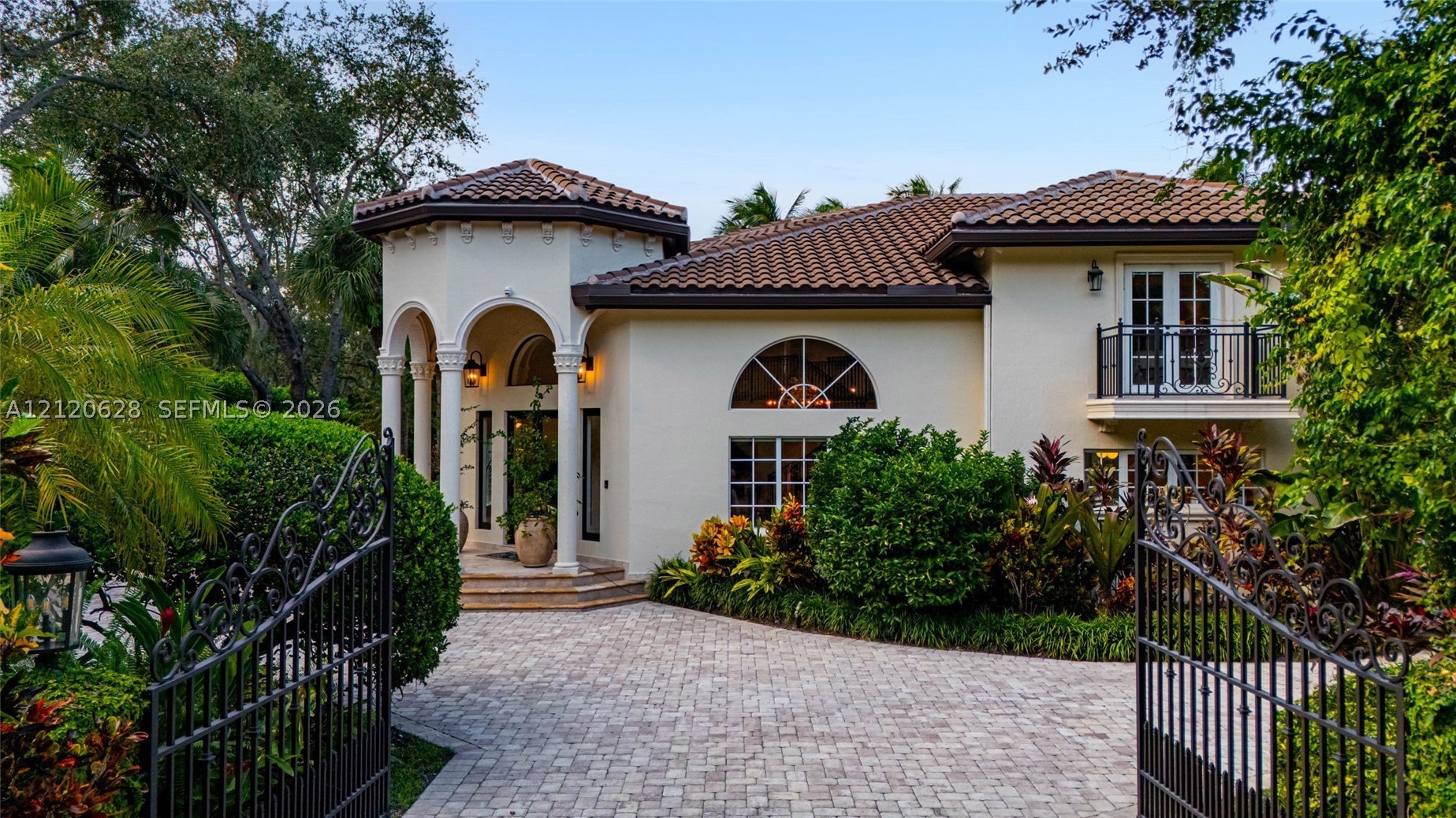

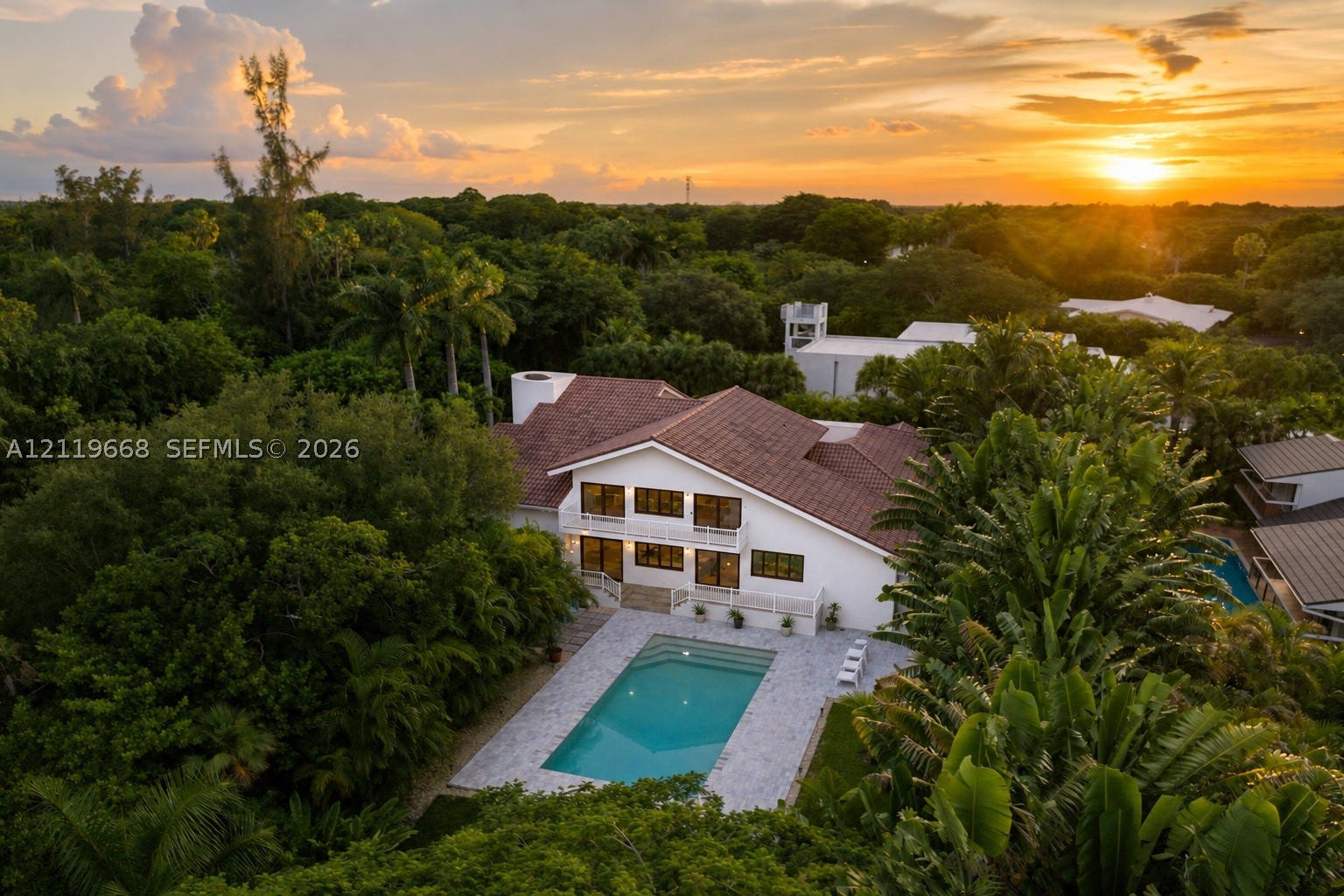
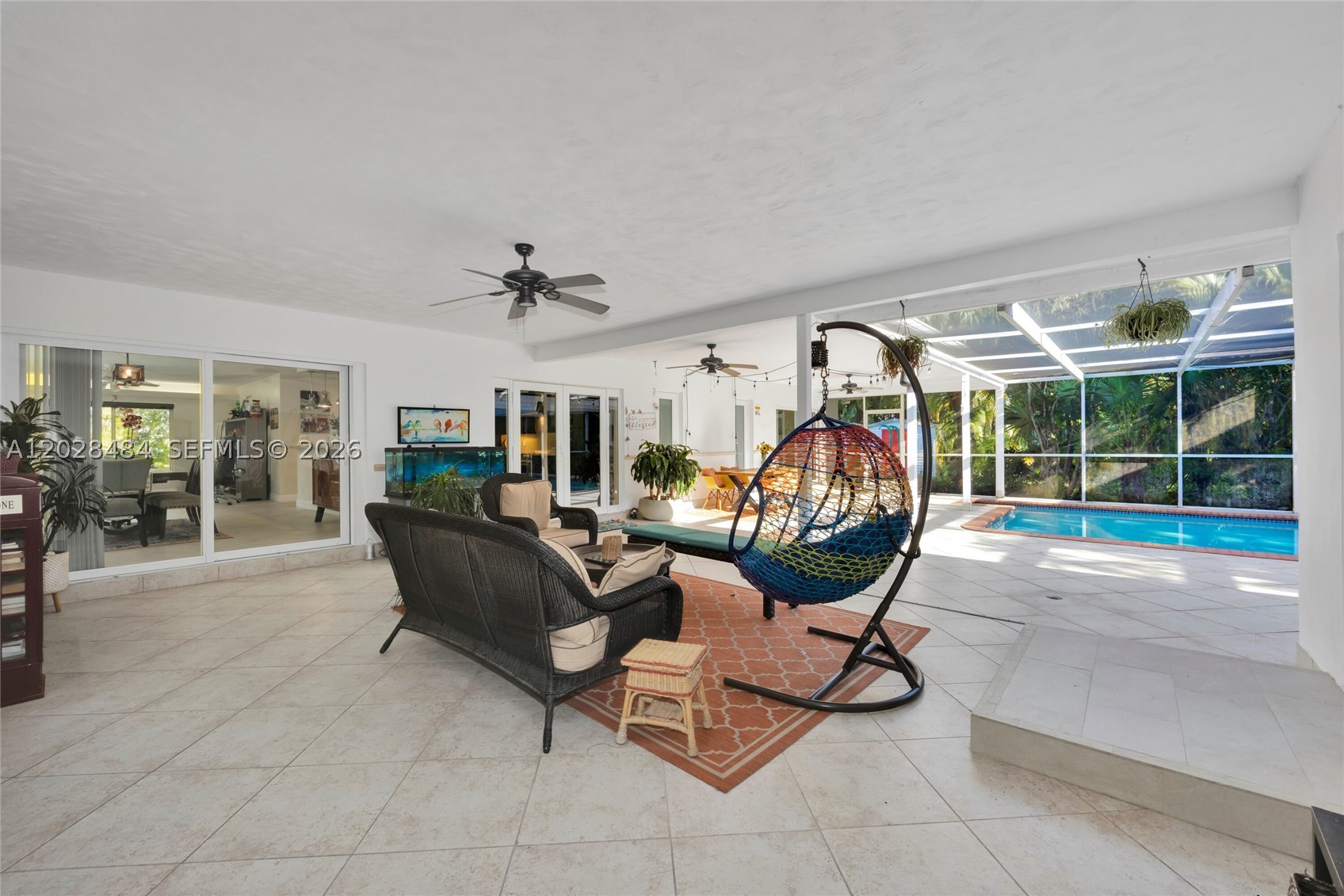
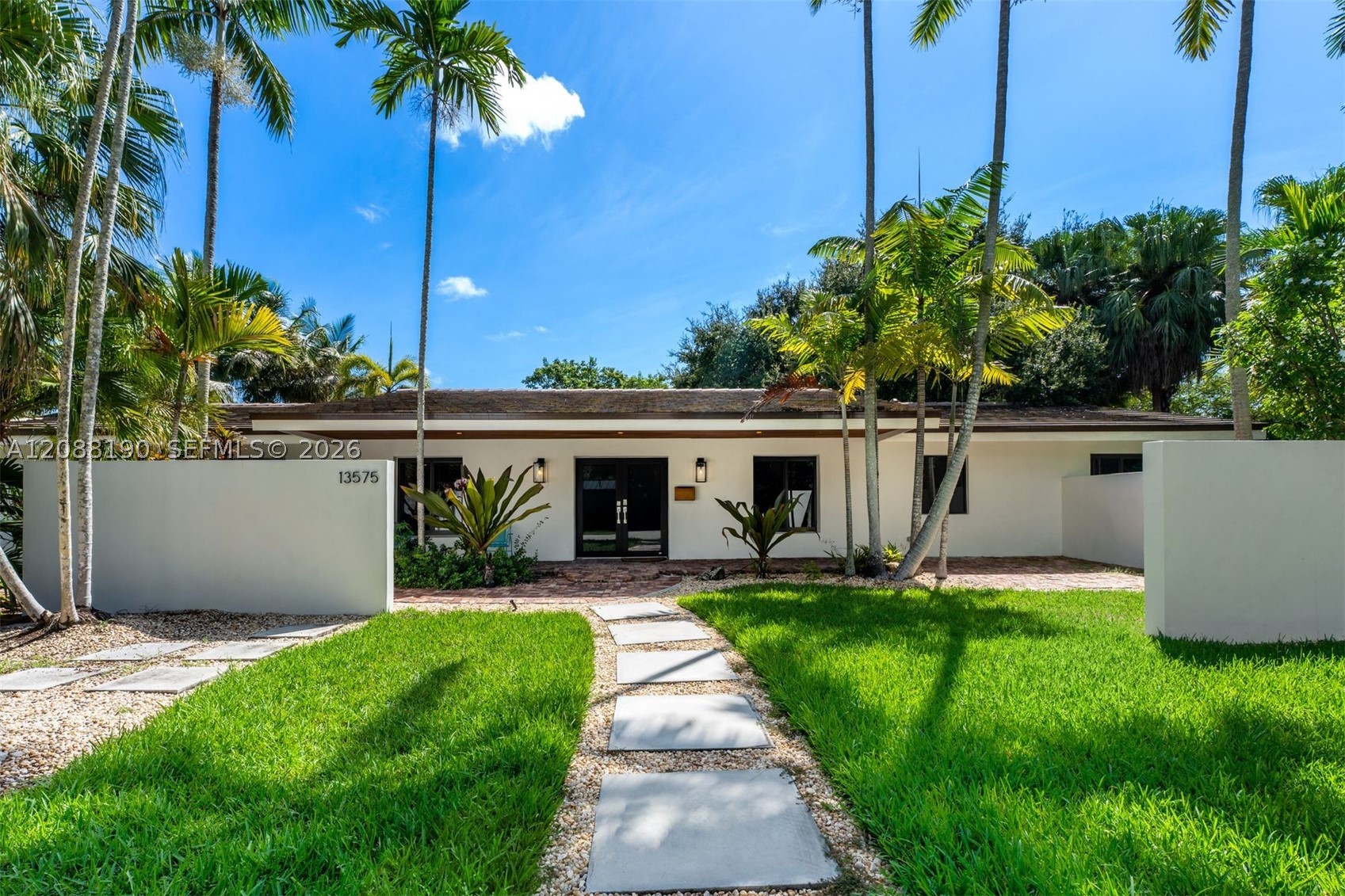

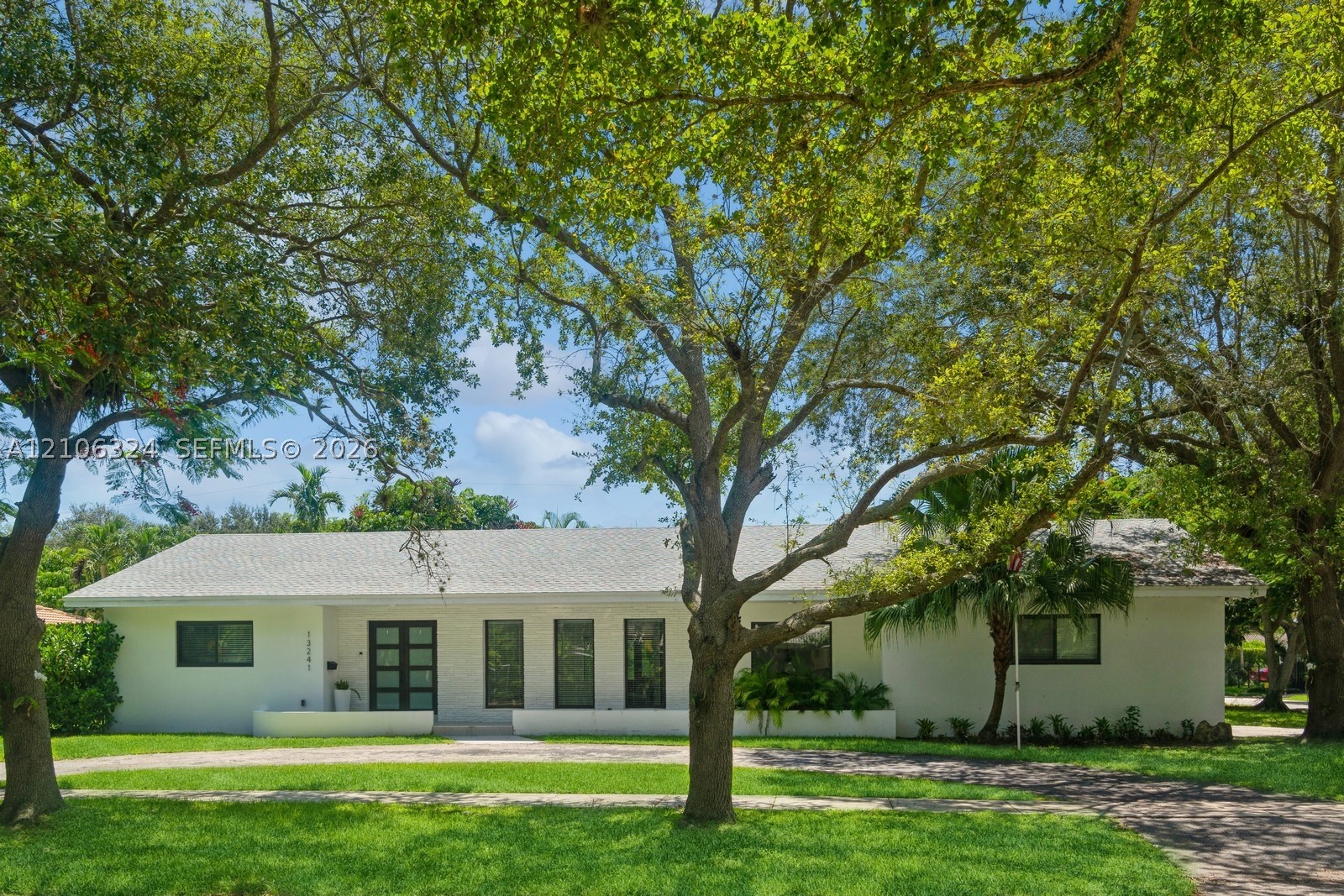
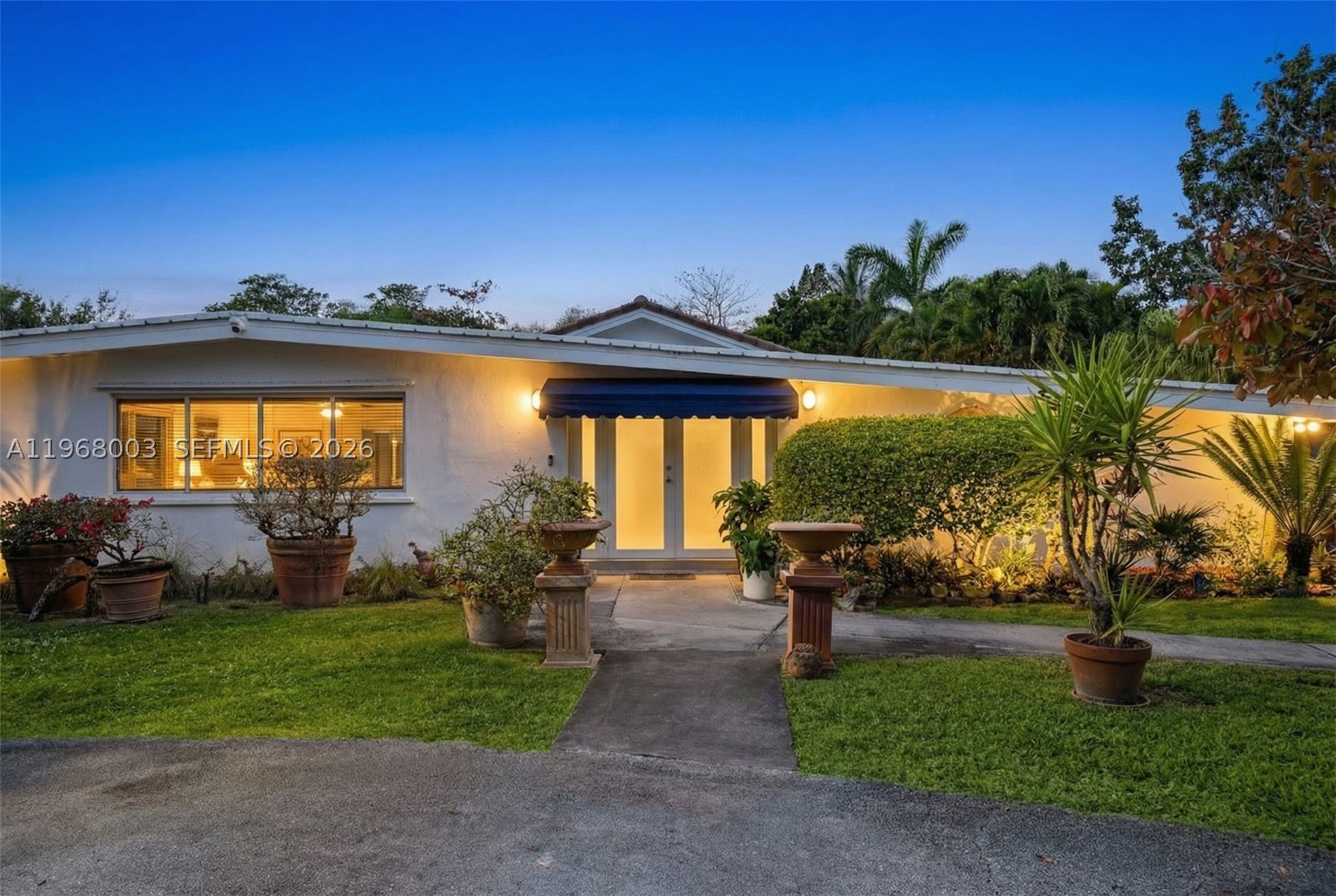
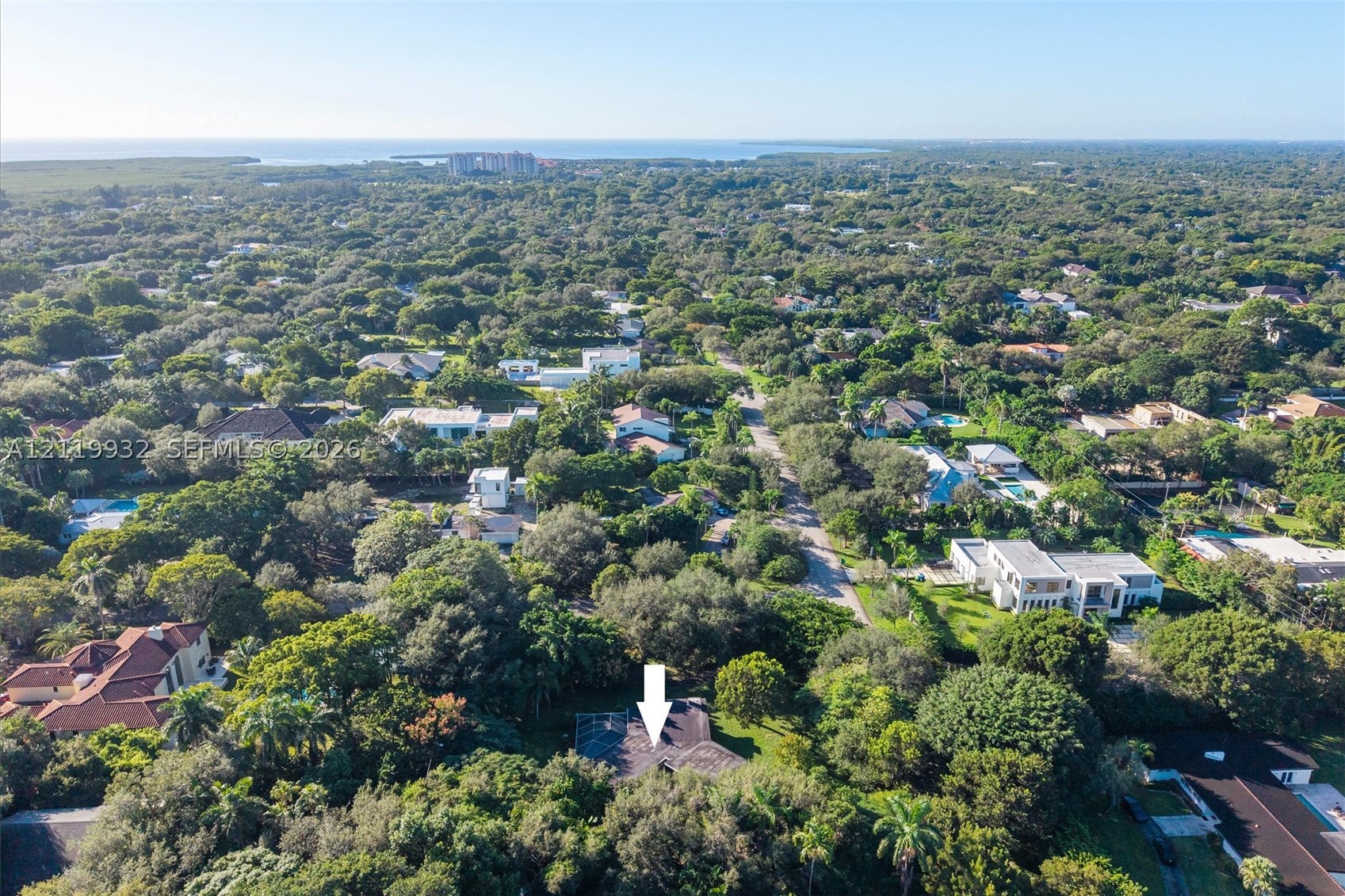
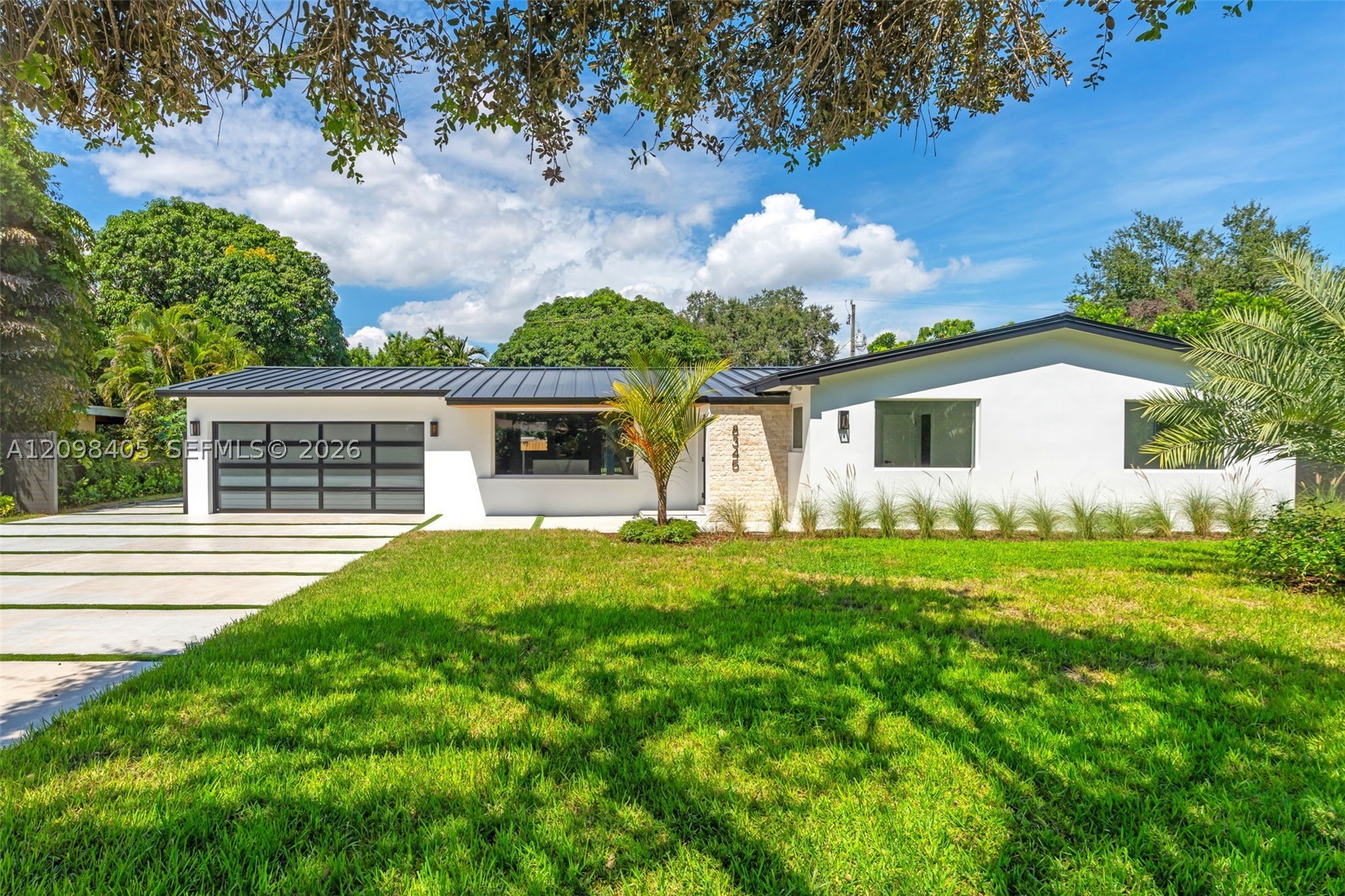


IDX information is provided exclusively for personal, non-commercial use, and may not be used for any purpose other than to identify prospective properties consumers may be interested in purchasing. Information is deemed reliable but not guaranteed.
Pinecrest Real Estate: What to Check About Land, Trees, Renovations and Ownership Costs
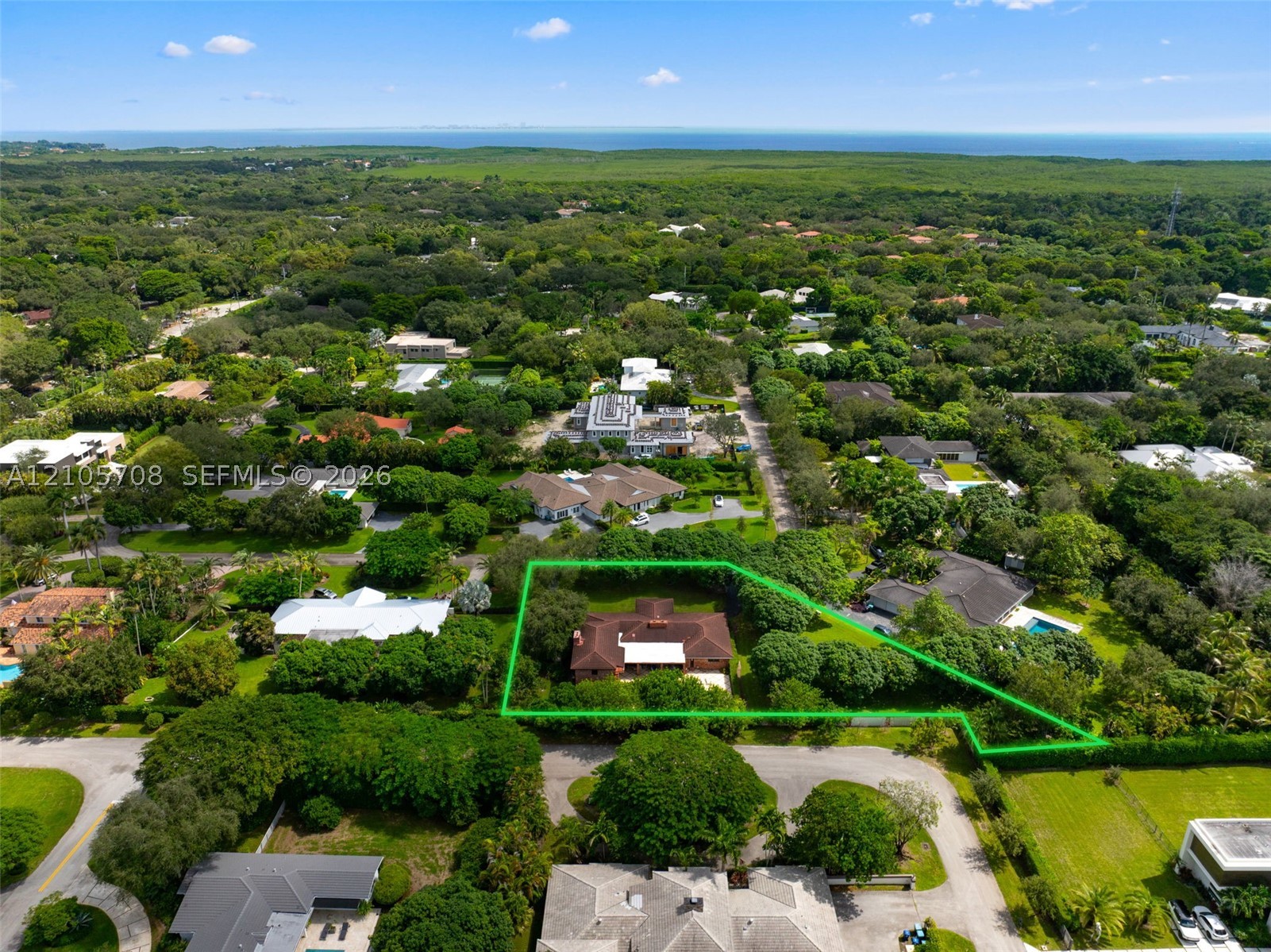
Buying a home in Pinecrest means looking closely at the land as well as the building. This incorporated village in southern Miami-Dade County is known for detached houses, landscaped residential streets and a history of ranch-style homes built on substantial lots. Yet the character of a street is not a legal description of an individual parcel. Lot coverage, setbacks, tree protections, drainage and prior construction approvals can determine whether a house fits a buyer's plans.
Start with Pinecrest homes and real estate for sale on BonaDomus, then move from the address to the survey, municipal planning records and physical inspection. Pinecrest is not an oceanfront town, and a Miami mailing address does not necessarily establish village jurisdiction. The goal is to compare properties on what can actually be used, maintained and lawfully improved.
Why does Pinecrest have such a distinct residential landscape?
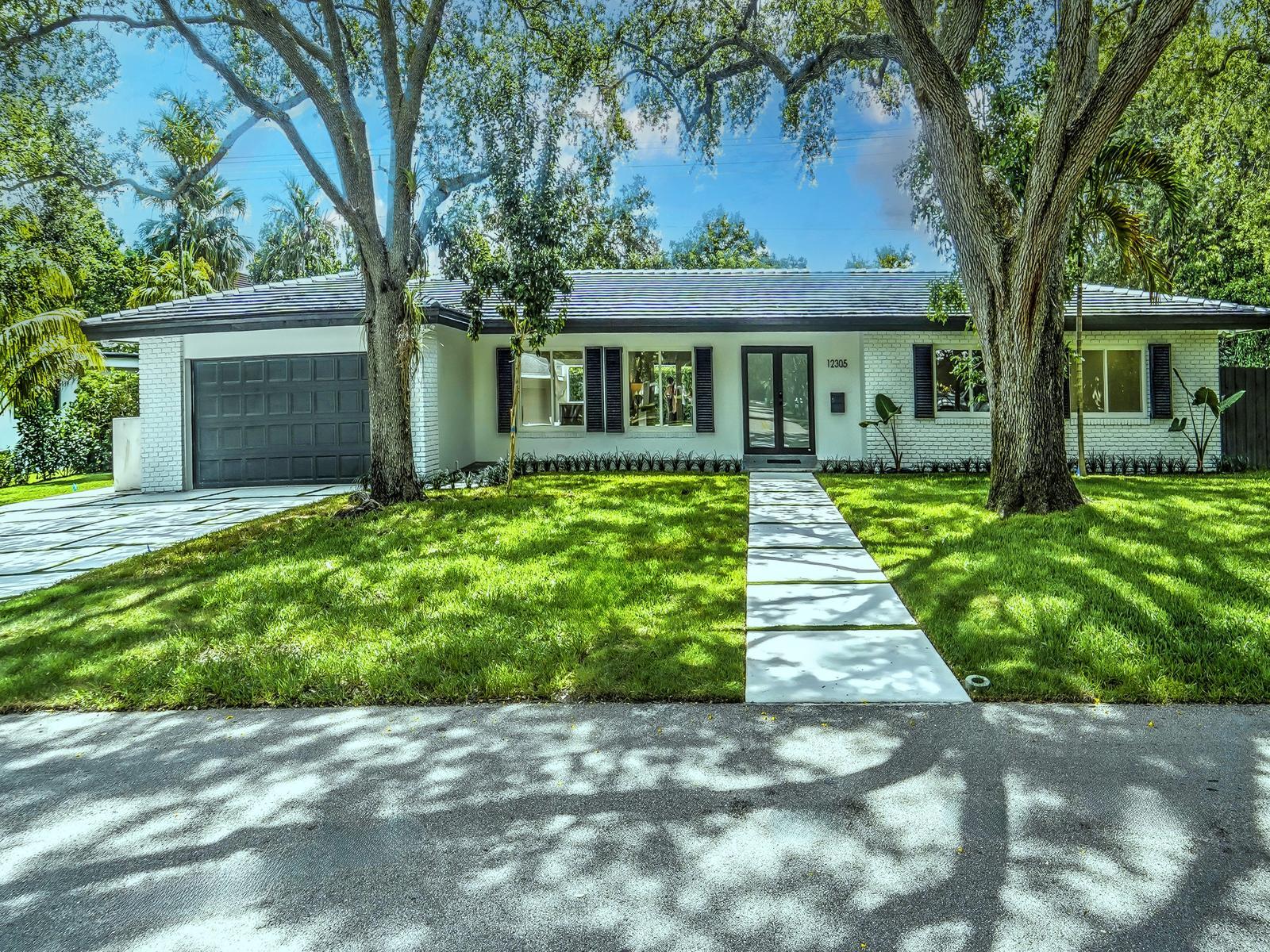
The village's official history describes ranch-style houses built on acre-sized lots during the 1950s and 1960s. The area's mature landscape and detached-home pattern grew from that period. This is useful historical context, not a promise that every property today occupies an acre or is subject to the same lot rules. Subdivisions, renovations and later homes must be evaluated individually.
Compare the actual configuration of the parcel: building position, tree canopy, driveway, access to the rear yard, easements and usable outdoor space. A home with a broad front lawn may still have limited room for a pool or addition. The village's Planning Department is the starting point for confirming current land-use requirements rather than relying on a listing description.
How should buyers compare an older house, remodeled home and new construction?
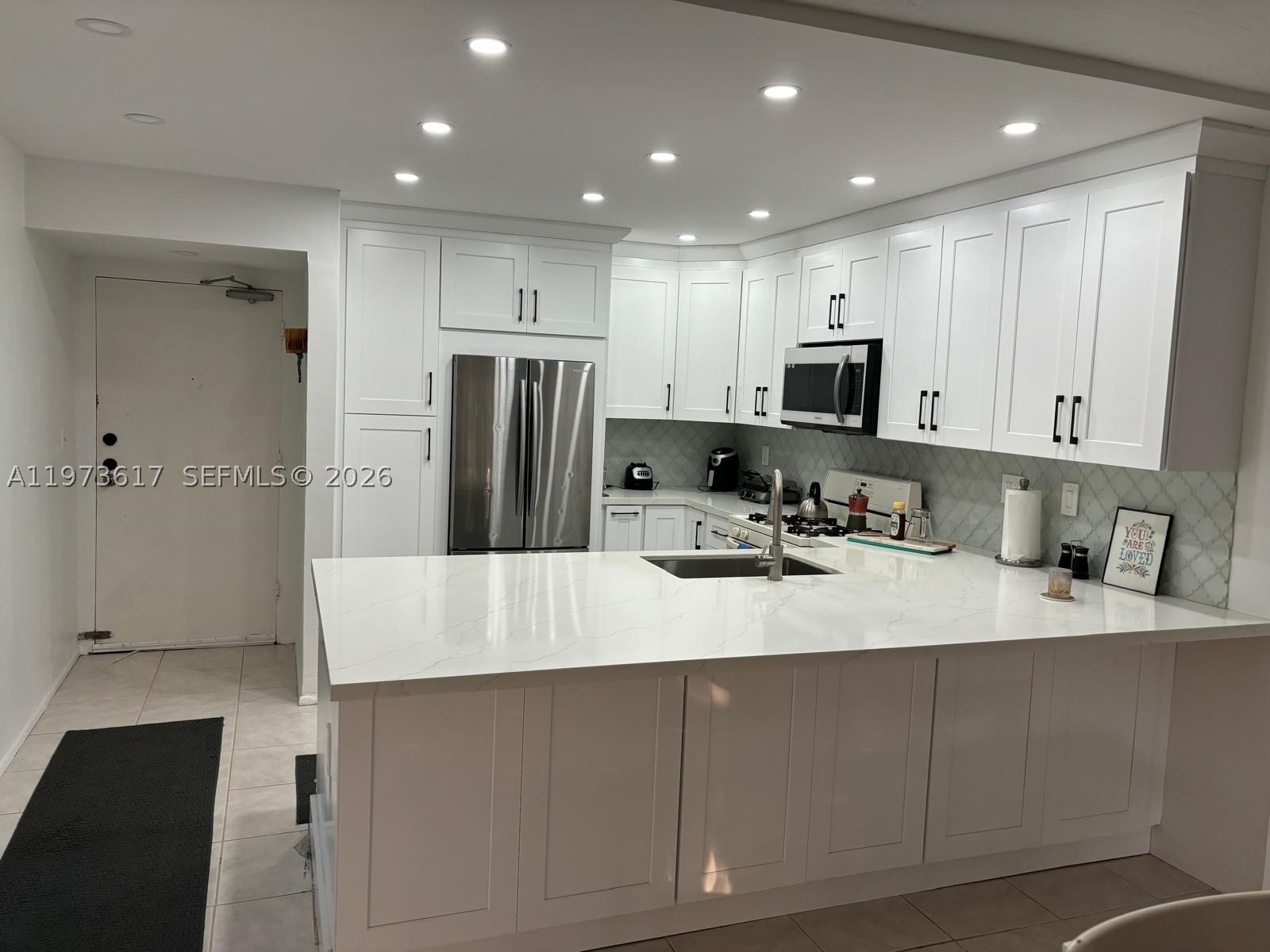
An older home can offer an established landscape and a different floor plan from a new build, but its roof, windows, electrical service, plumbing, air conditioning and drainage need their own evaluation. A recently updated kitchen does not establish that the underlying systems were replaced. Request permit records for additions, converted garages, pool construction, roof replacement and major equipment, as well as evidence of final inspections.
For a planned renovation or replacement house, review the village permit-plan requirements. Plans address setbacks, building and second-floor coverage, height, impervious and pervious surfaces, floor elevations, utilities and accessory improvements. These categories show why a large lot alone cannot establish building capacity. Ask the village and the appropriate design professionals to assess the intended project before pricing it into an offer.
Why can trees change what is feasible on a property?
Tree canopy is a defining feature of Pinecrest, but it is also a regulated part of land use. The tree-removal guidance says removal or relocation generally requires a permit unless an exemption applies. Construction involving tree removal or relocation can require that approval before the building permit is issued. The village reviews protected trees, hazardous conditions, proposed replacements and mitigation rather than treating each mature tree as freely removable.
Before buying a lot for demolition or expansion, commission a tree survey where appropriate and identify root zones, utility locations and possible conflicts with the proposed building footprint. Tree pruning also has municipal standards; removing a canopy indiscriminately can create compliance costs. The village's tree compliance resources are useful for checking procedures. A buyer should distinguish routine landscaping from a project that requires an arborist, permits and changes to the site plan.
Which parks and public spaces offer different experiences?
Pinecrest Gardens is a village-managed botanical and cultural destination on the former Parrot Jungle property, which entered the National Register of Historic Places in 2011. It hosts botanical, educational and cultural activities. It should not be confused with a residential community's private garden or assumed to offer identical access every day; visitors should check events, hours and any admission requirements.
The municipal parks directory distinguishes Coral Pine Park, with courts, a walking path and a pineland preserve; Evelyn Greer Park, with athletic facilities; and Suniland Park, which serves other sporting uses. Pinecrest Community Center offers a separate mix of programs. Gary Matzner Park appears as a future park site in the directory, not an established facility with all services open. Compare actual walking or driving routes from each house before treating any amenity as nearby.
What should be checked about everyday travel and Freebee?
Pinecrest Parkway/US 1, Red Road and local east–west streets influence trips toward neighboring municipalities and regional services. The location of a driveway, intersection or school-day route may matter more than straight-line distance. Buyers should test the drive at the times they expect to use it, confirm pedestrian crossings and examine the access to shopping or appointments without assuming that every residential street has the same connectivity.
The village's Freebee on-demand service connects destinations within its service area and links to regional transit. Its published Pinecrest fare is $3.50 per ride, with an additional charge for extra passengers; it should not be described as a universally free ride. Service hours and mapped coverage are subject to change. Compare it with Miami-Dade transit options for journeys that cross municipal boundaries.
How do flood zones, drainage and septic systems affect a house?
Being inland does not remove flood exposure. Heavy rain, low spots, swales and site grading can affect a house even when it is outside a mapped high-risk flood zone. The village's Flood Protection service offers an address-based flood-zone lookup and available elevation certificates. Cross-check the currently effective classification using FEMA's Map Service Center; a preliminary map is not automatically the legally effective map.
Ask for water-intrusion history, available elevation information and insurance quotations based on the actual building. Inspect driveway slopes, garage thresholds, swales and drainage around the foundations. For expansion work on a septic-served parcel, the village permit checklist indicates that additional health-department approvals may apply. Establish the existing wastewater system rather than assuming a sewer connection. Check hurricane evacuation zones separately from FEMA flood zones; they answer different questions.
What do Pinecrest's planning updates mean for nearby development?
The Comprehensive Development Master Plan guides long-term land use and infrastructure policy. The village began a further update process in 2026, and its September 22, 2026 council summary records adopted amendments affecting a specific Pinecrest Business Alternative District area. This does not establish that every proposal discussed in the broader update has been adopted.
For a property near Pinecrest Parkway or a potential project site, look up the applicable land-use designation, the latest ordinance and any project approvals for that parcel. Distinguish a draft proposal, an adopted map change, a construction permit and work physically completed. None of those stages guarantees future appreciation or a particular view. This is particularly relevant when comparing an established house with land that could be redeveloped nearby.
Can a Pinecrest home operate as a vacation rental?
Pinecrest has a municipal vacation-rental registration process under its land development regulations. The village describes initial and annual registrations, compliance inspections and documentation concerning fire safety, tax obligations, licensing where applicable and liability insurance. A designated responsible person must meet local availability and response requirements. The existence of this application process does not prove that a specific address or ownership structure is eligible for every rental arrangement.
Before making an investment calculation, obtain the current ordinance and written confirmation for the property. Check recorded covenants or HOA restrictions if any, permitted occupancy, required approvals, and whether the license and operating arrangements can continue following a sale. Do not treat an active Airbnb listing as proof of compliance. Run a separate scenario for legally permitted longer-term leasing, vacancies, maintenance and property management.
How should buyers evaluate local taxes and schools?
The price of a home is only one part of affordability. Ask the Miami-Dade County Property Appraiser for the parcel record and understand that exemptions or assessment limits enjoyed by the seller may not apply after a transfer. Review annual tax estimates with the appropriate professional instead of adopting the existing tax bill as your own. Property-tax questions are different from monthly utility charges or association fees.
School assignments should be researched by the exact prospective address and the school year through Miami-Dade County Public Schools. A nearby campus does not establish an assigned school or guarantee admission to a particular program. For any prospective home, check the actual daily route and admissions requirements without relying on demographic assumptions about neighboring properties.
What belongs in the final purchase and ownership-cost review?
Obtain the folio, current survey, zoning information, permit history and final inspections, available elevation certificate, tree-related approvals, title information, and any recorded restrictions. An independent inspection should address roof, glazing, electrical and mechanical systems, pool equipment, grading, plumbing and septic or sewer condition. The existing owner's utility and insurance bills are useful evidence, not automatic predictions of your future costs.
Build an annual budget including property taxes, homeowners and possible flood insurance, yard and tree care, irrigation, pool service, repairs and any association dues. A seller's property-tax bill may change after transfer because assessed values and exemptions differ. Public school assignment can be checked by exact address through Miami-Dade County Public Schools, rather than relying on proximity. BonaDomus can help compare homes and organize viewings and document requests; technical, insurance and legal conclusions should be confirmed by the relevant professionals before closing.