Real estate for sale in Coral Gables, FL
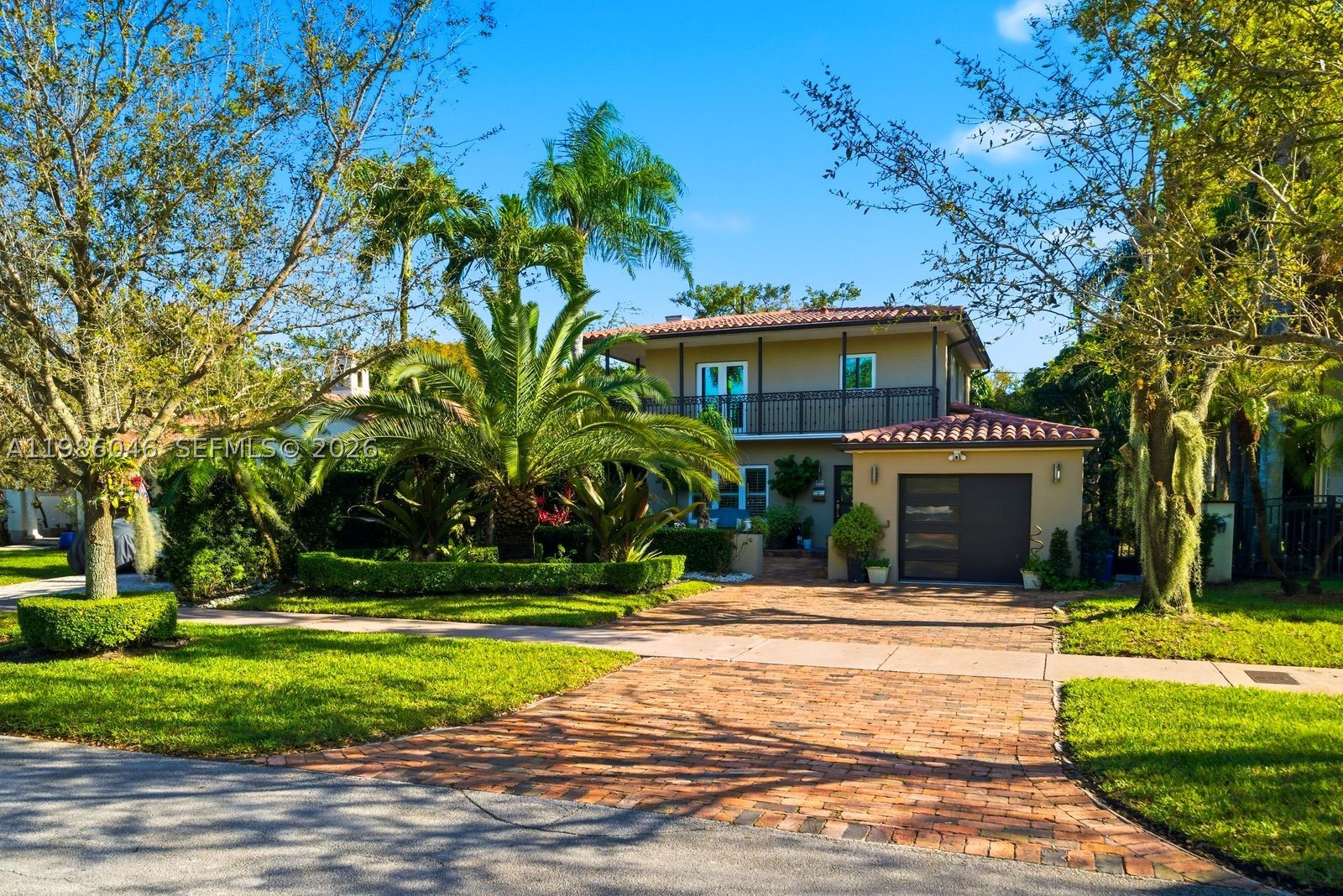
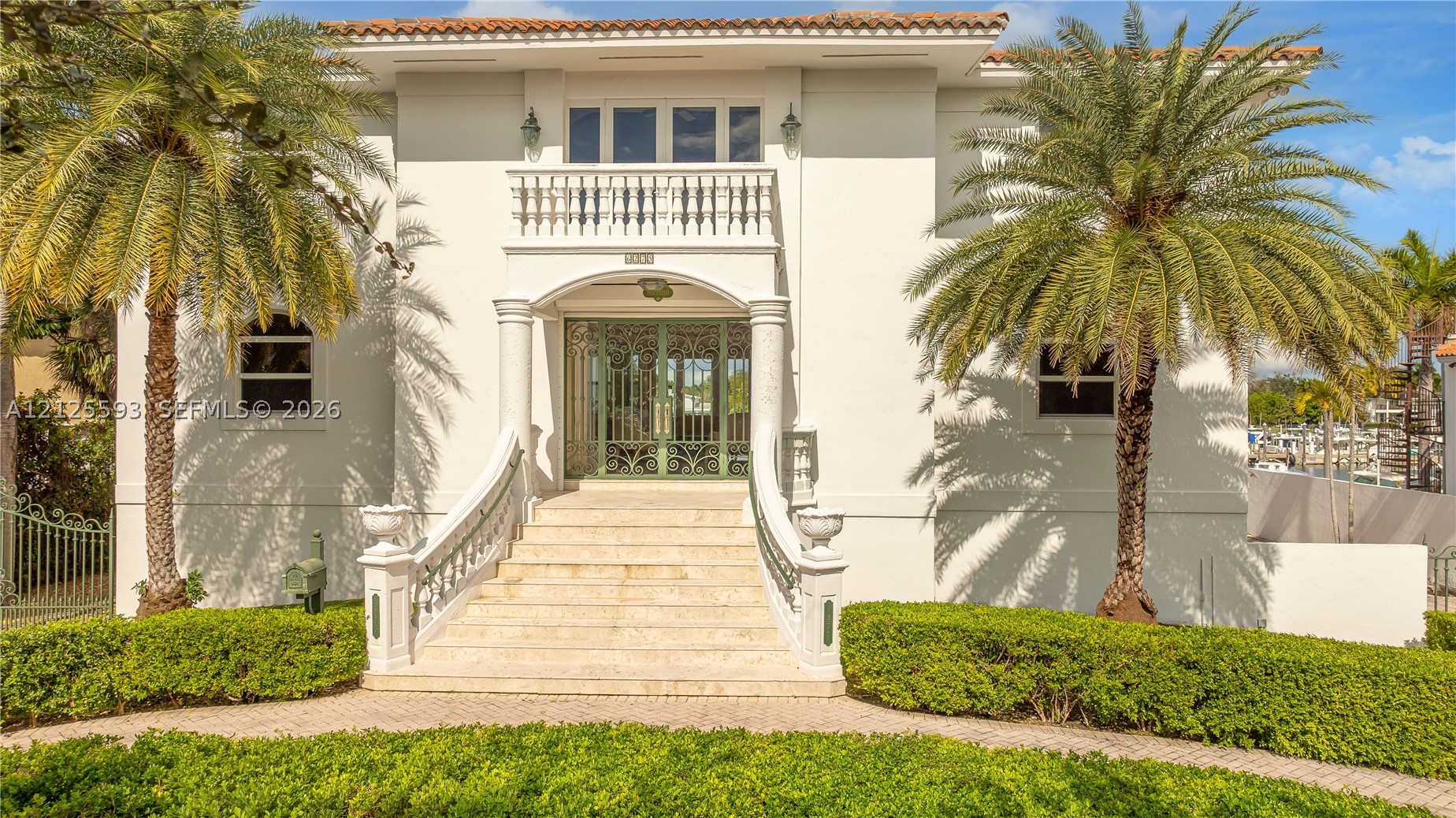
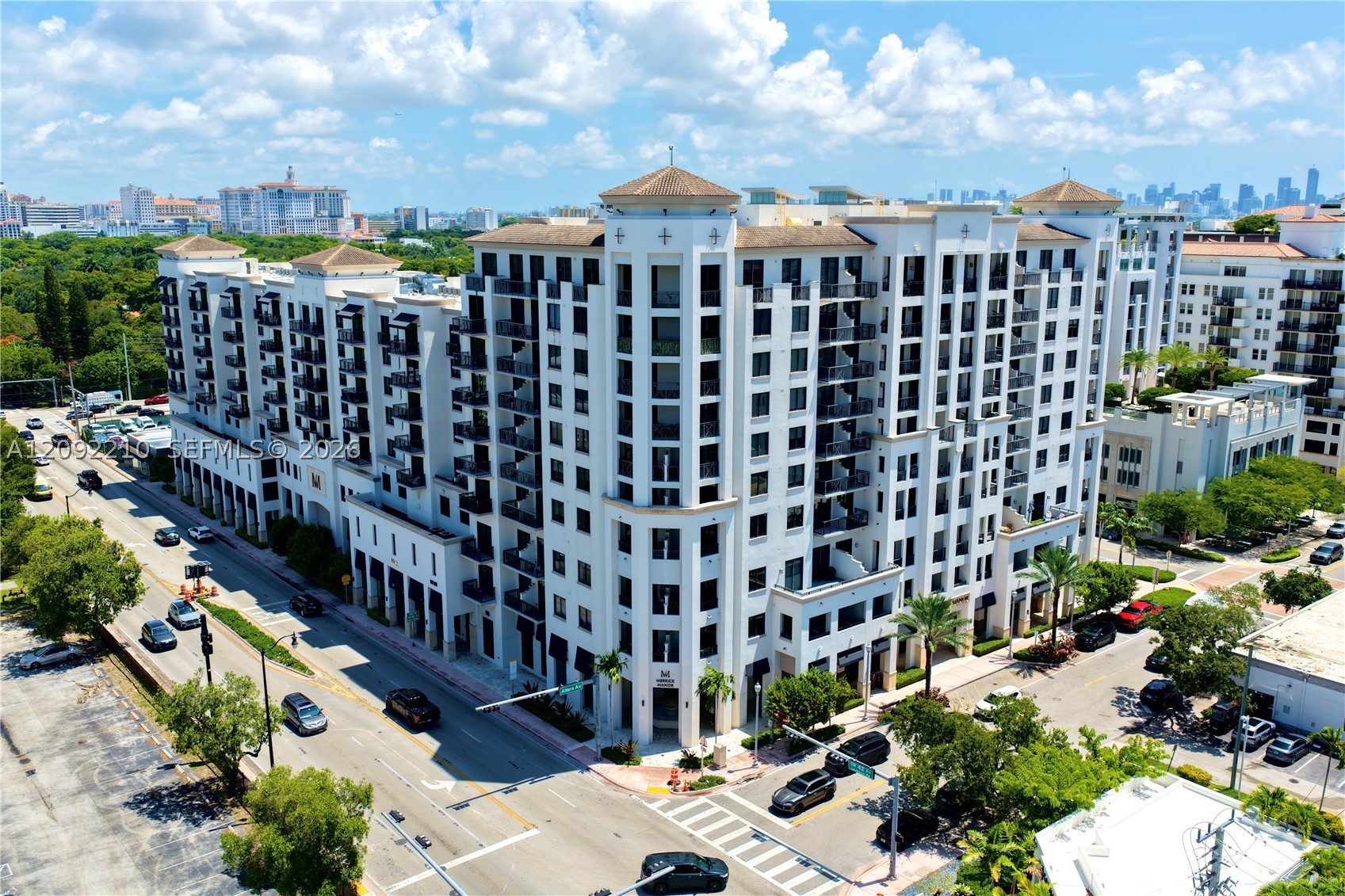
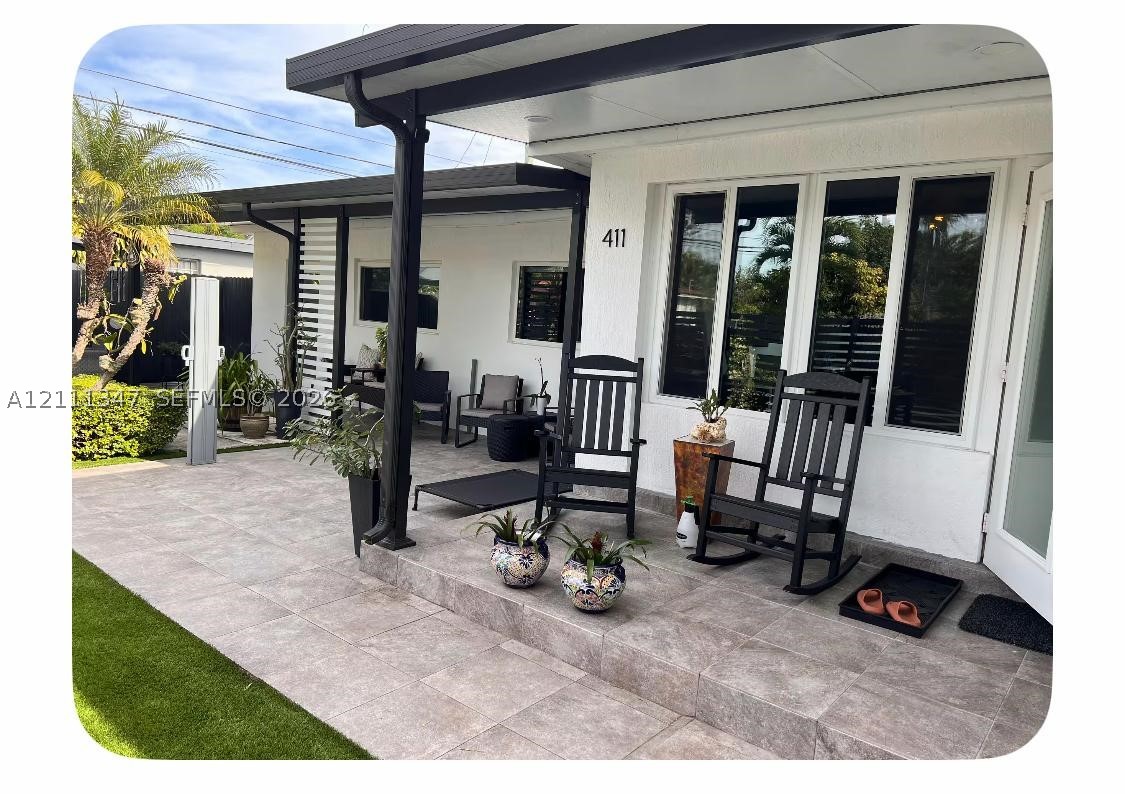
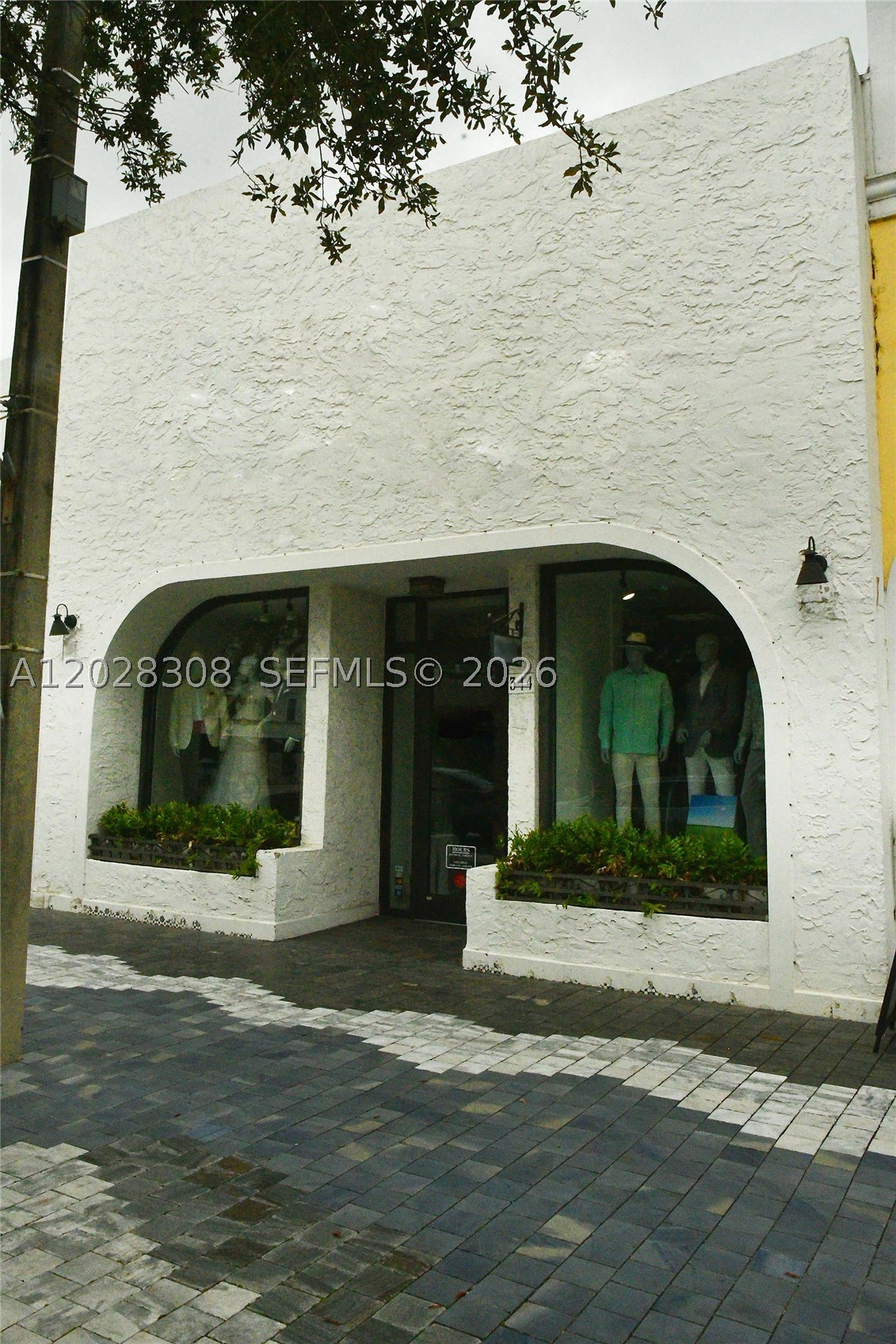
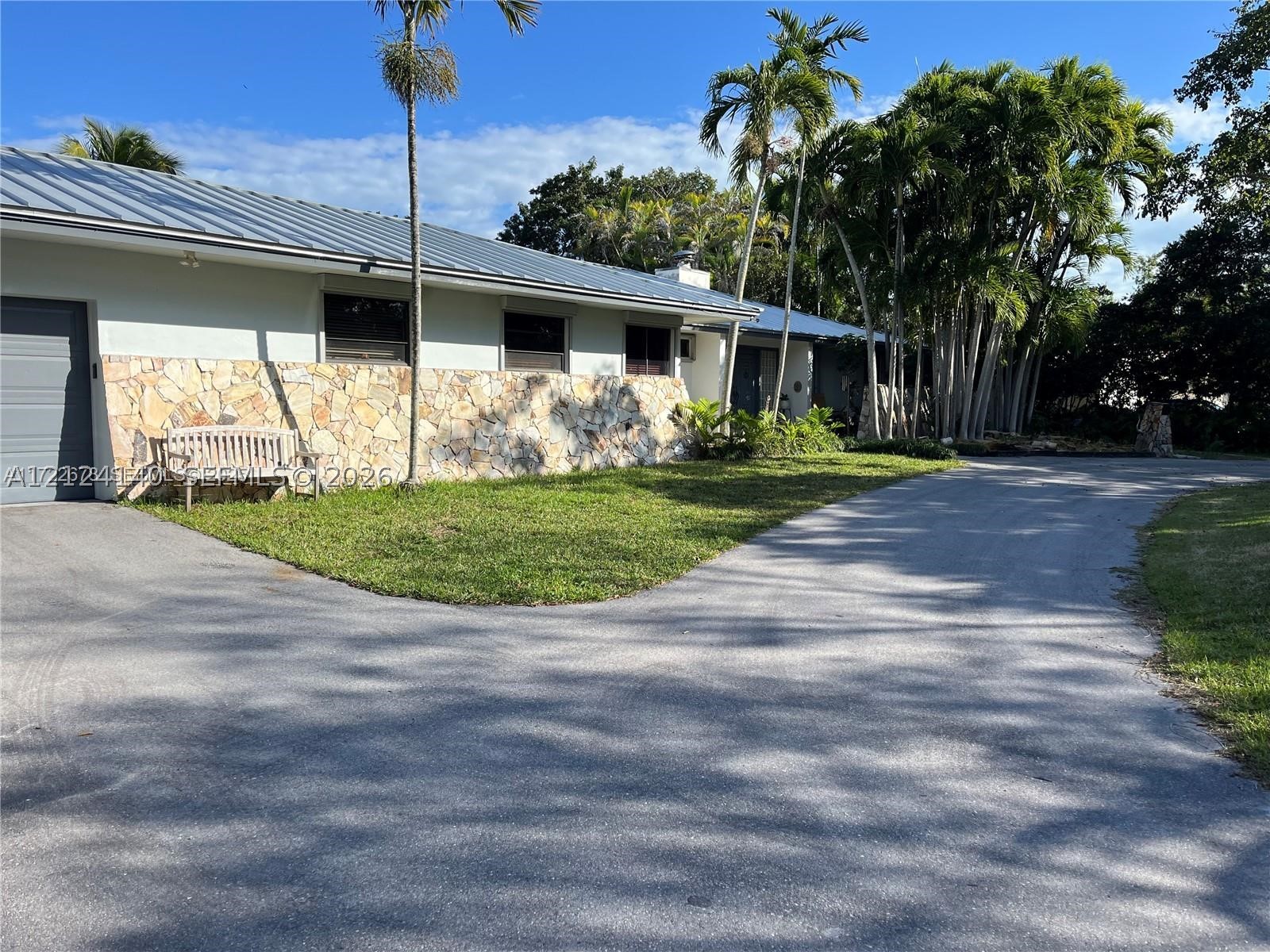
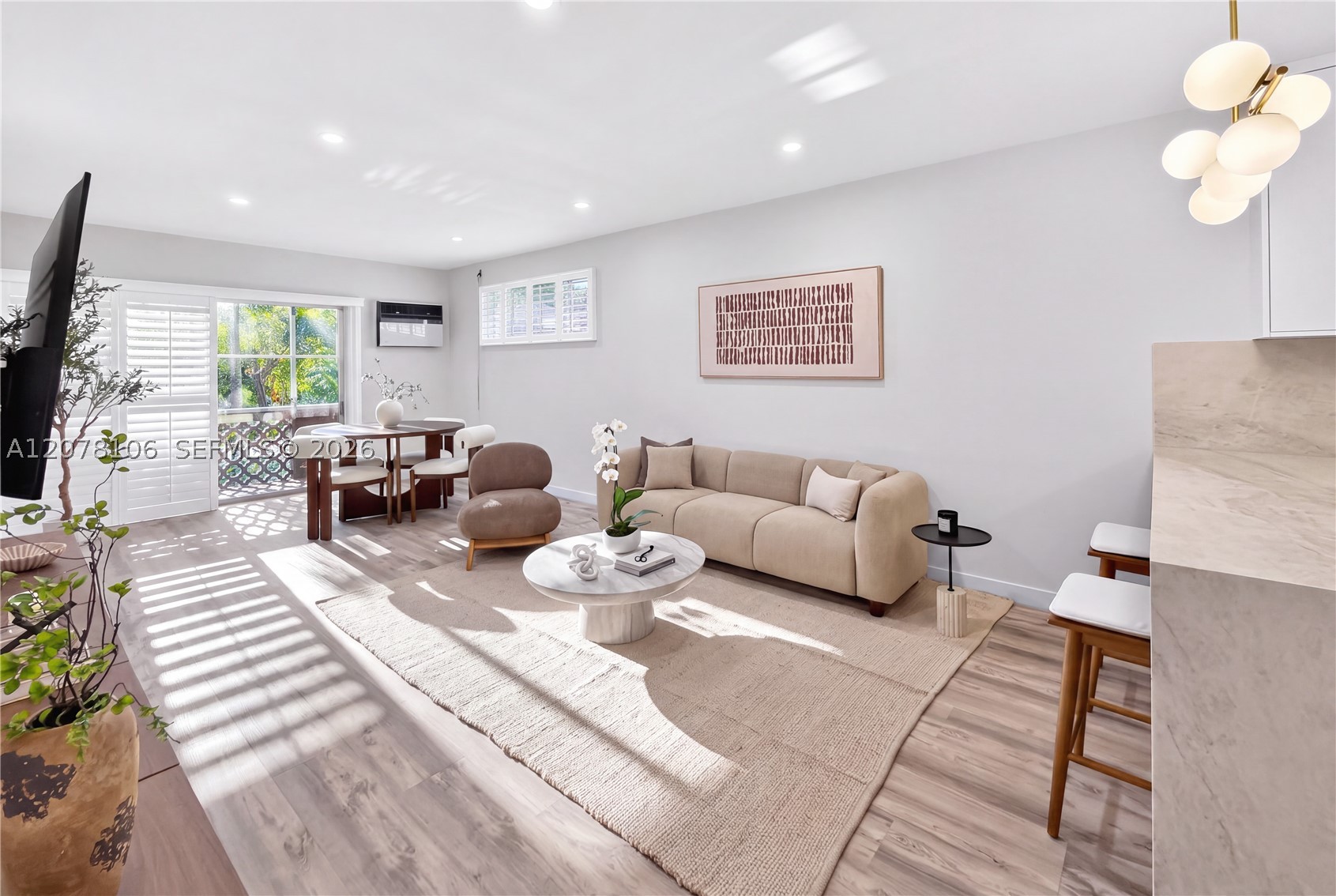
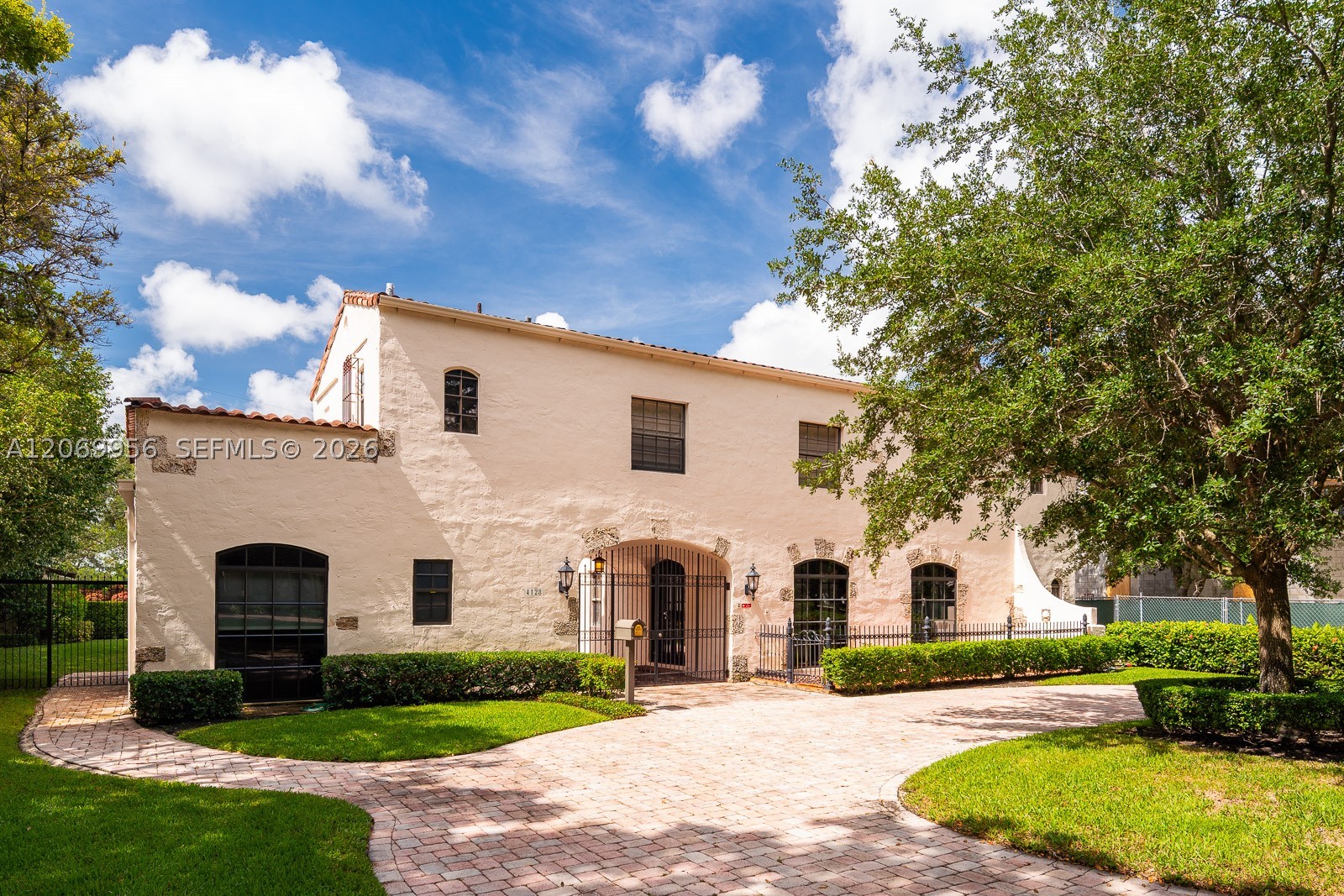

IDX information is provided exclusively for personal, non-commercial use, and may not be used for any purpose other than to identify prospective properties consumers may be interested in purchasing. Information is deemed reliable but not guaranteed.
Coral Gables Real Estate: Homes, Condos and the Rules Behind the Architecture
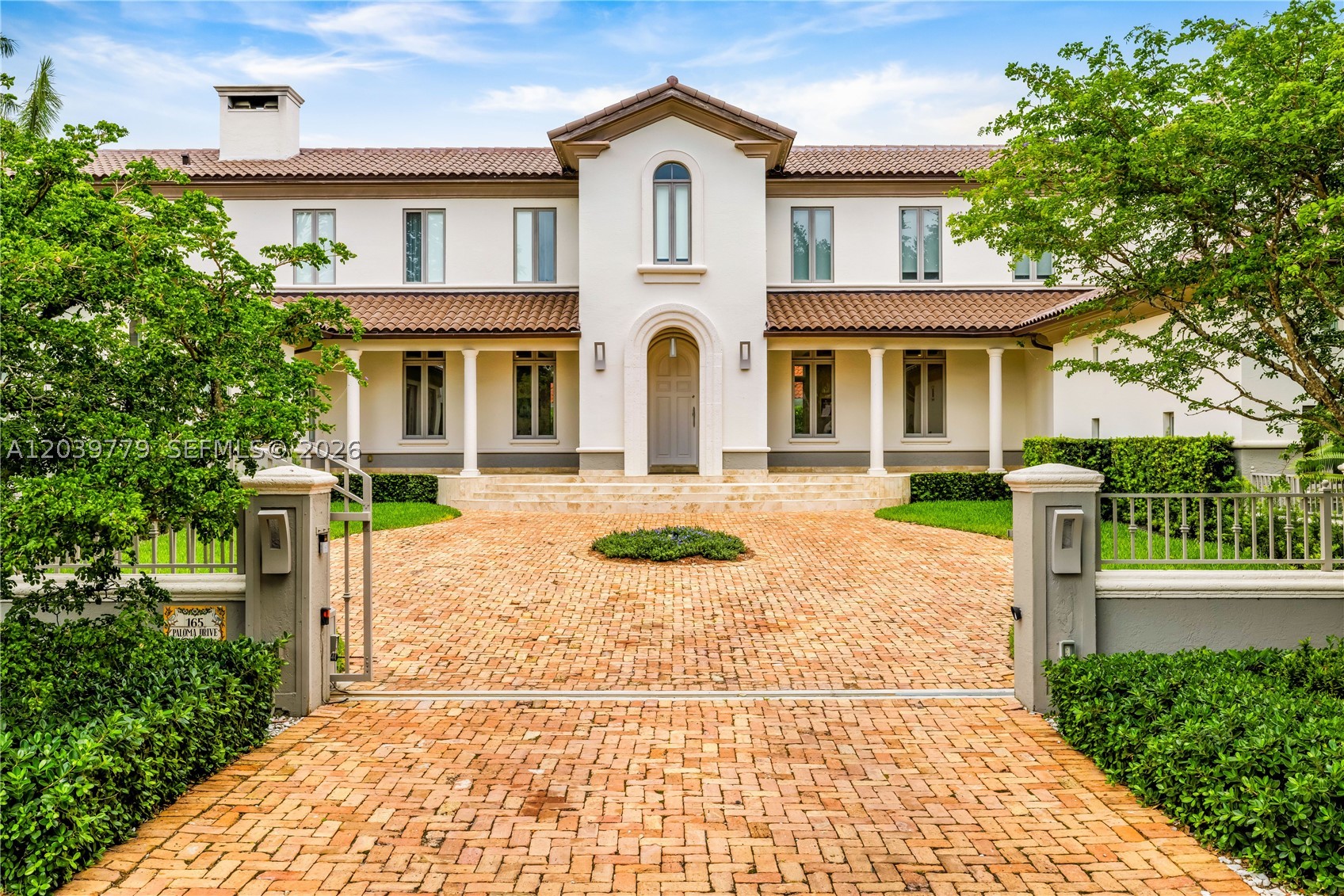
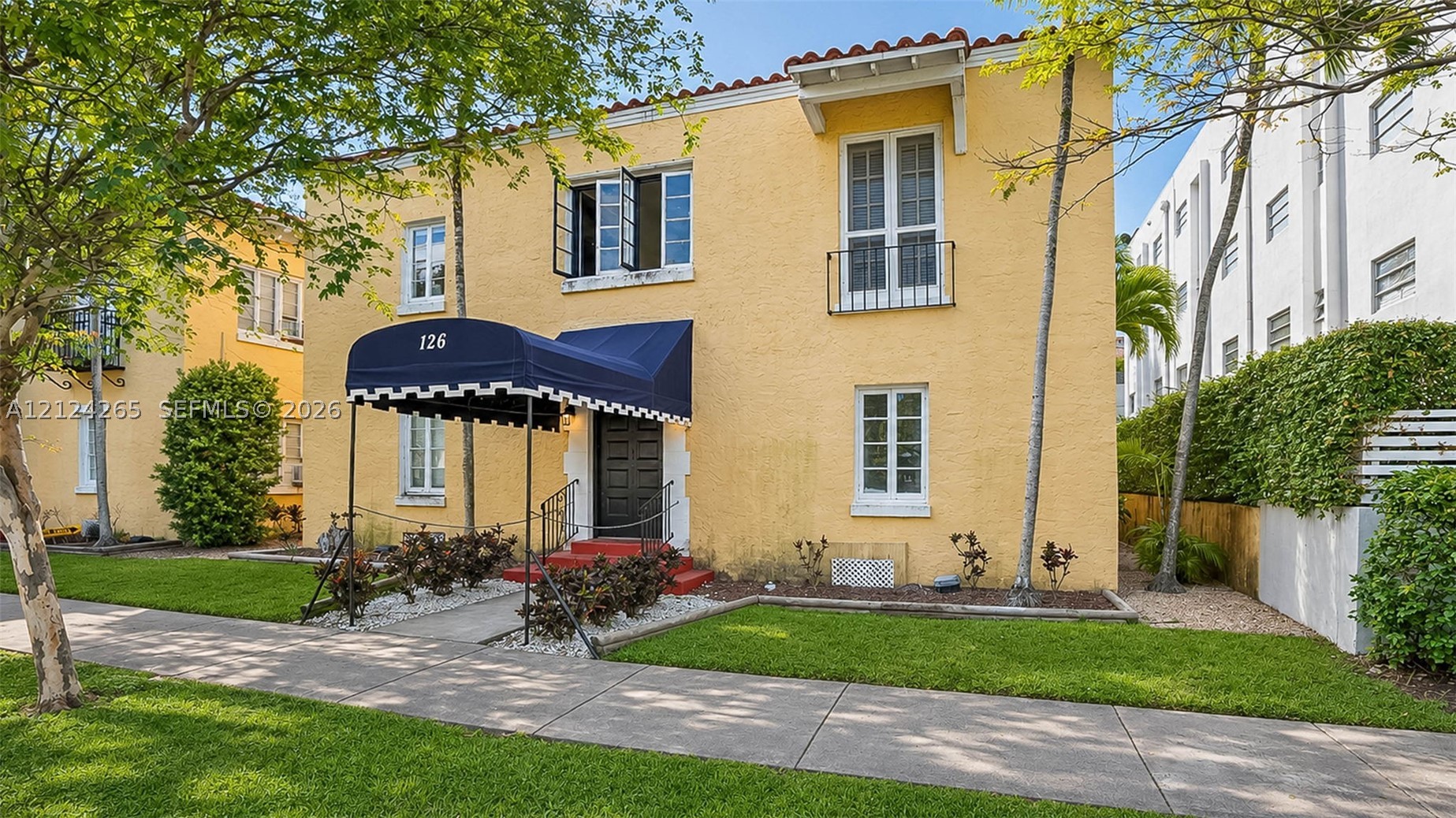
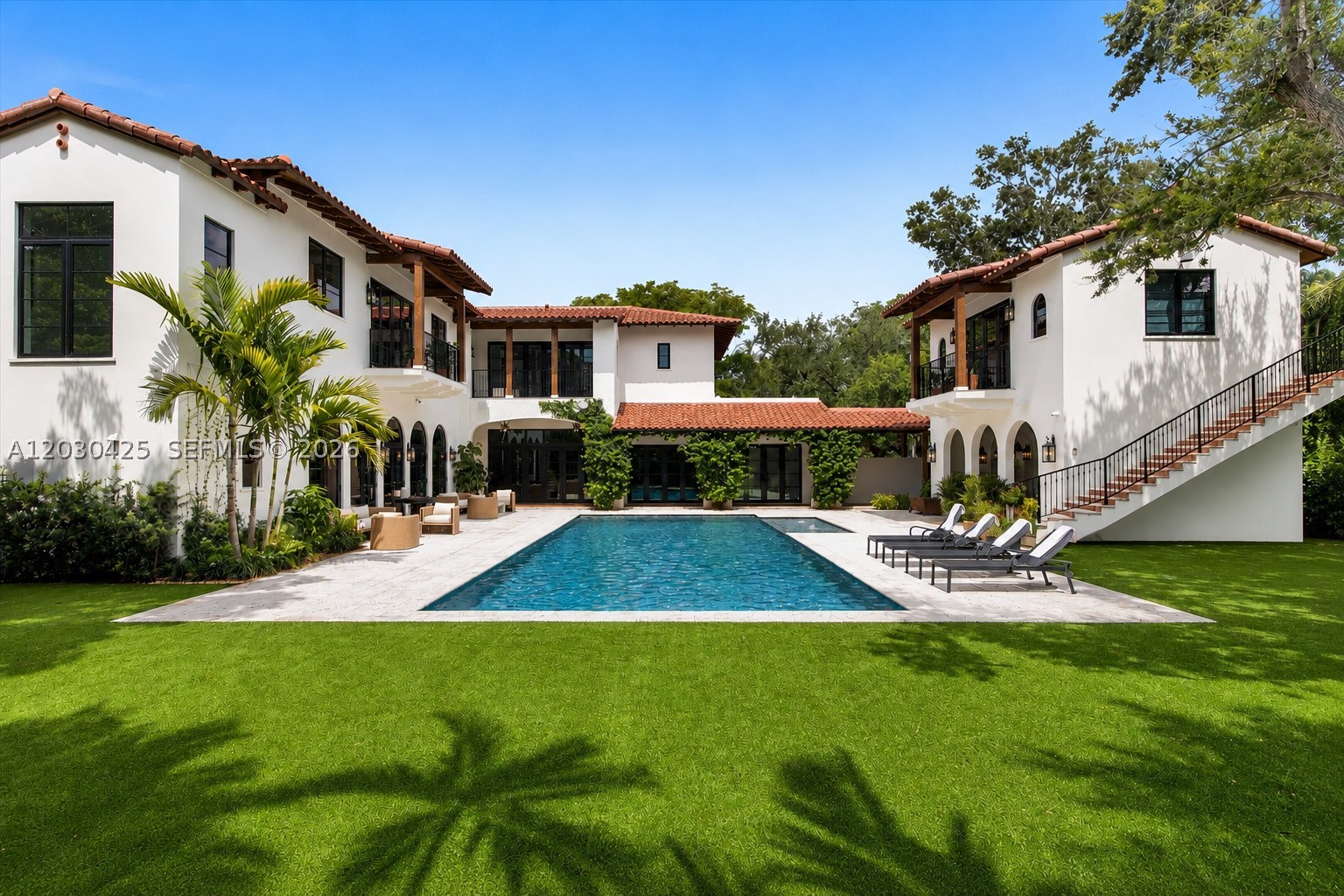
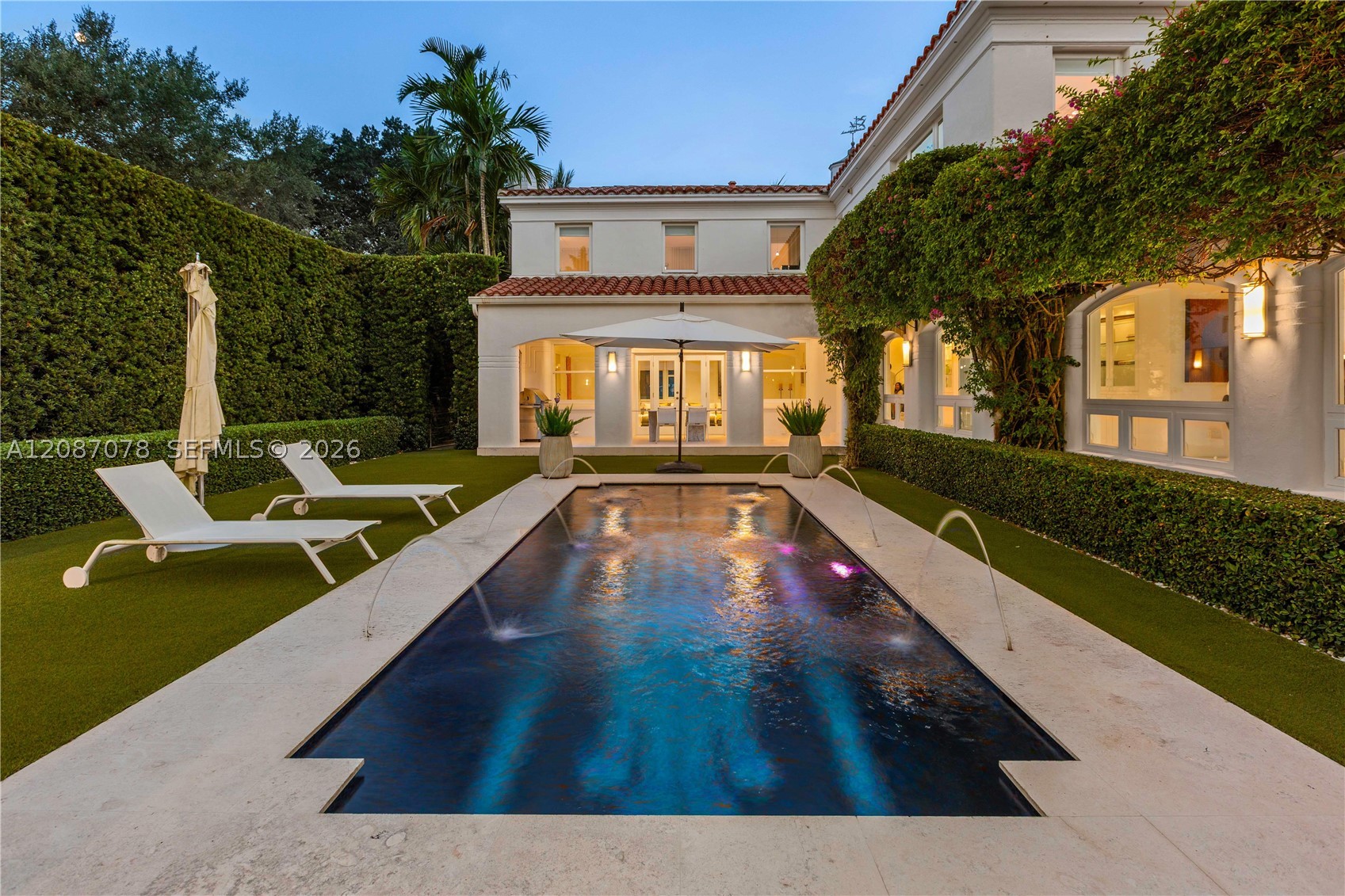
Coral Gables, southwest of central Miami, is known for Mediterranean-inspired architecture, tree-lined streets, a business district and residential areas that extend well beyond Miracle Mile. The housing choices are equally varied: downtown condos, detached houses on established streets and waterfront properties in the southern part of the city. For buyers, the architectural character is part of the appeal, but the exact address, permitted use and renovation requirements matter just as much as appearance.
Use BonaDomus to compare real estate for sale in Coral Gables by property type, location and budget. Then evaluate the specific building or lot rather than assuming that homes throughout the city follow the same rules.
What is everyday life like in Coral Gables?
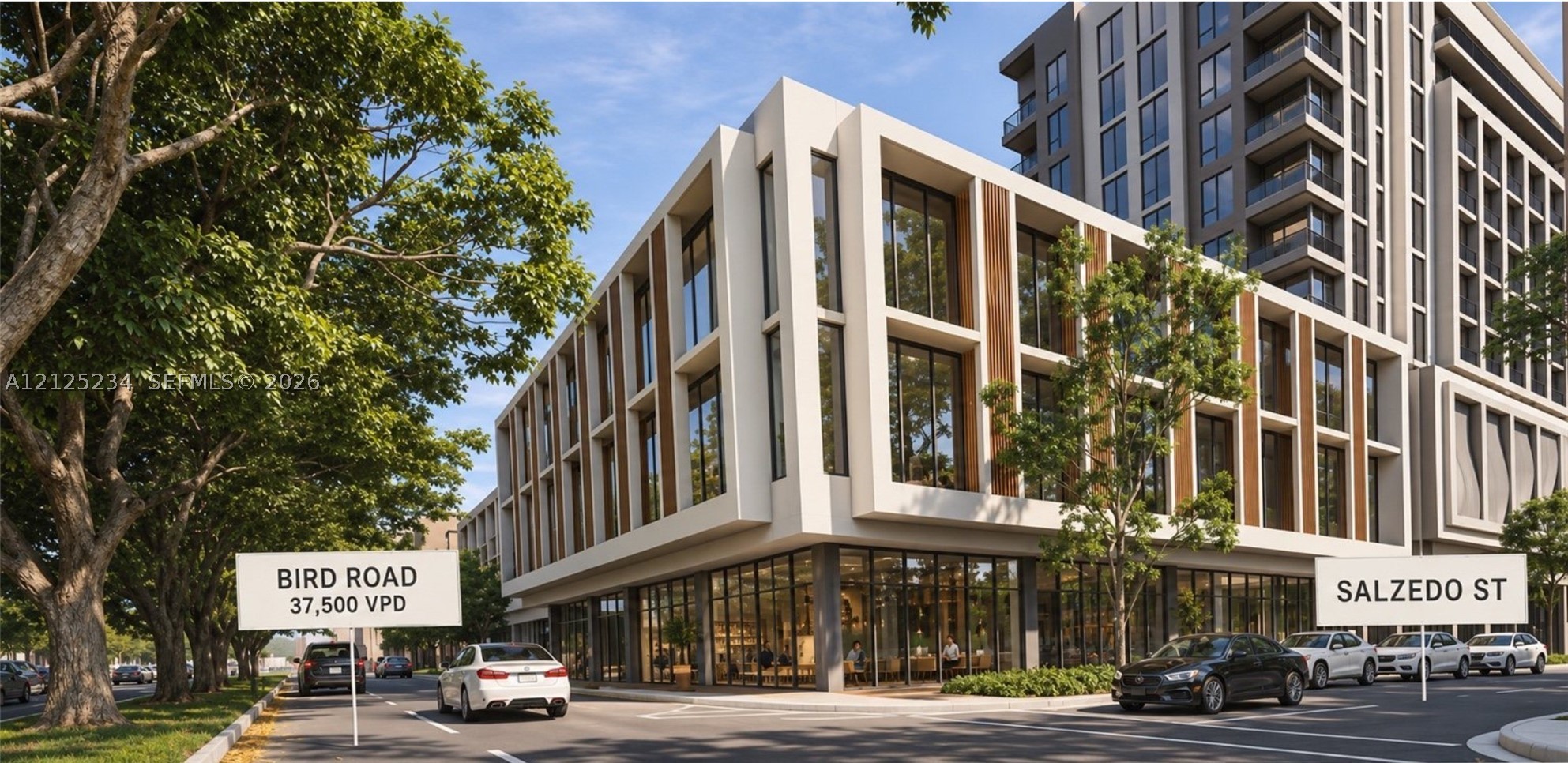
Miracle Mile and the surrounding downtown streets bring together restaurants, shops, offices and public destinations. Elsewhere, parks, golf, tennis and places such as Venetian Pool shape the options for recreation. A condo close to the commercial center and a detached home farther south can offer very different daily routines, even with the same city name in the address.
Transport is one practical distinction. The city's free trolley service lists Ponce de Leon and Grand Avenue routes, with connections at Douglas Road Metrorail Station. These routes do not serve every residential street. Before choosing a property, check the actual route to work, grocery stores and other regular destinations. If you are considering the Southern Loop, confirm its current status: it began as a one-year pilot in November 2025, and continuation was subject to review.
Which Coral Gables property should you compare?
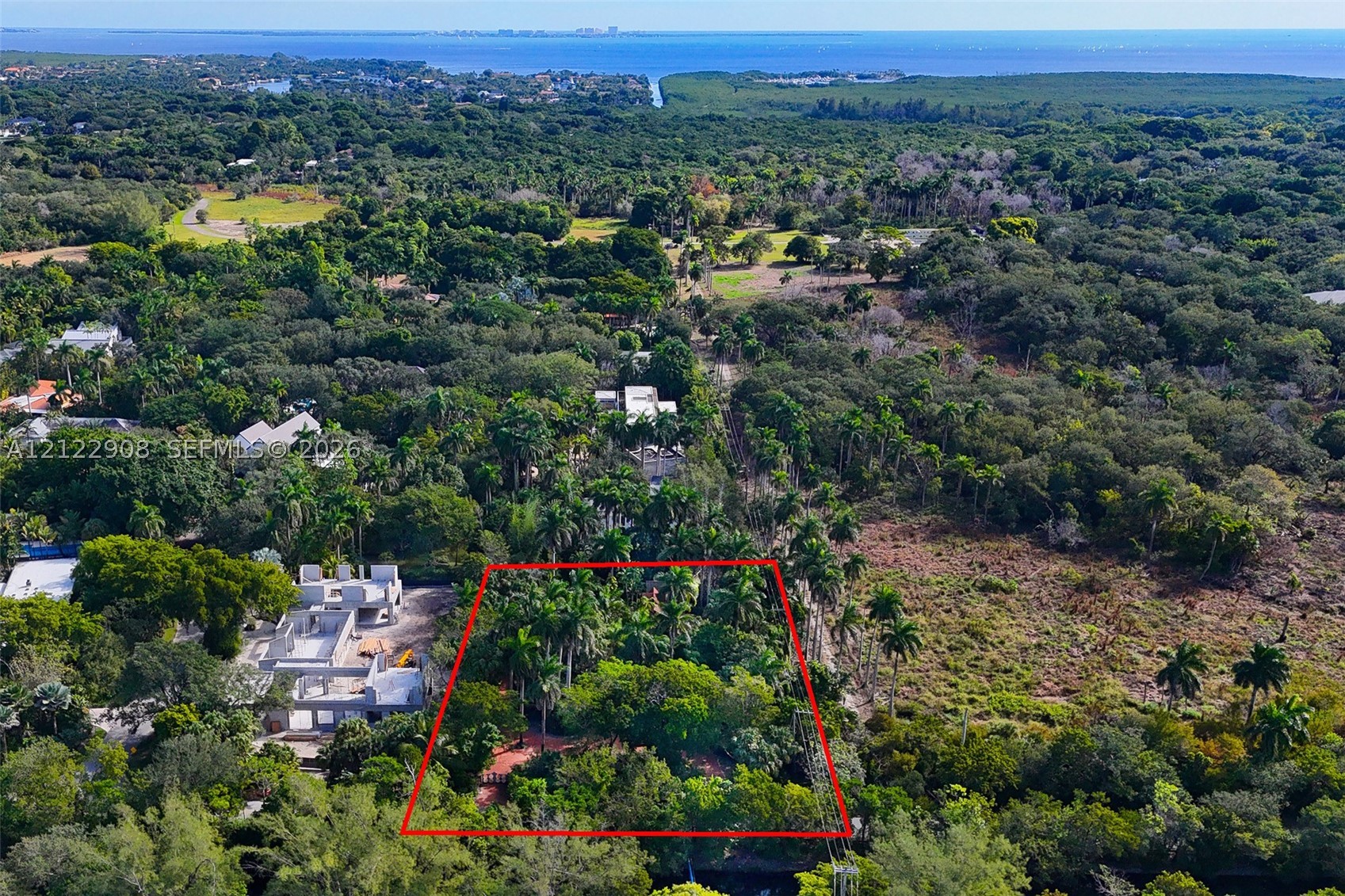
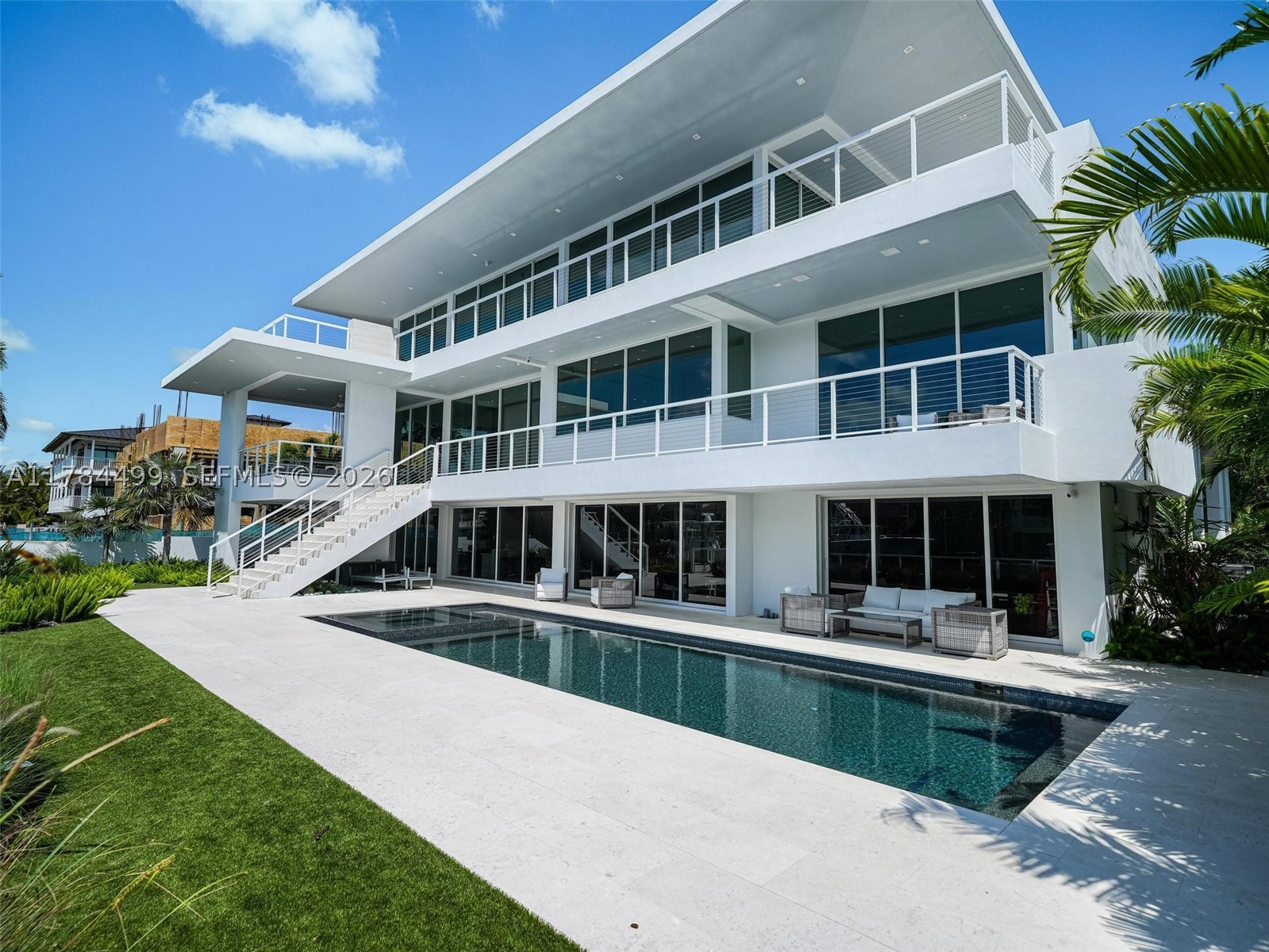
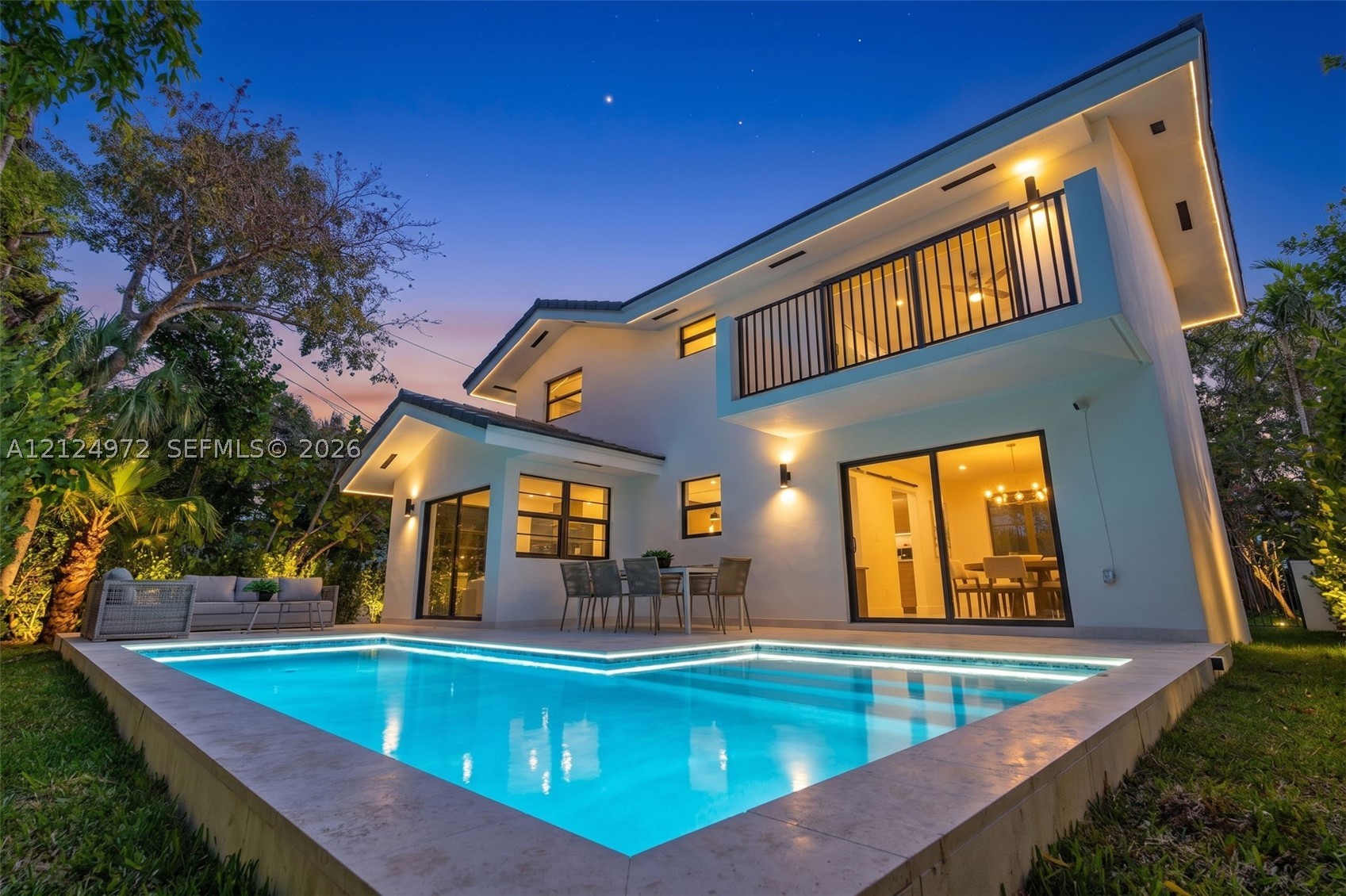
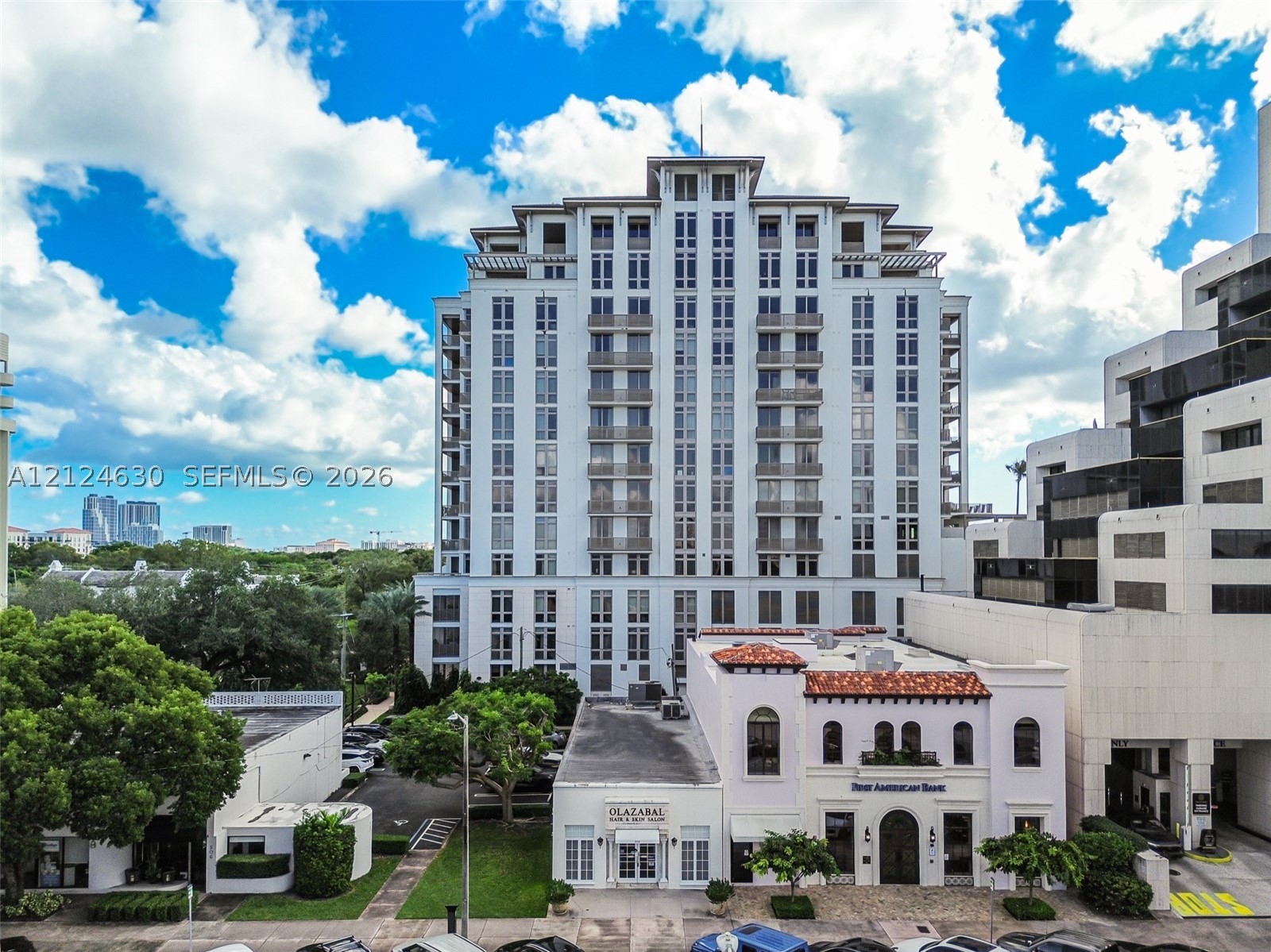
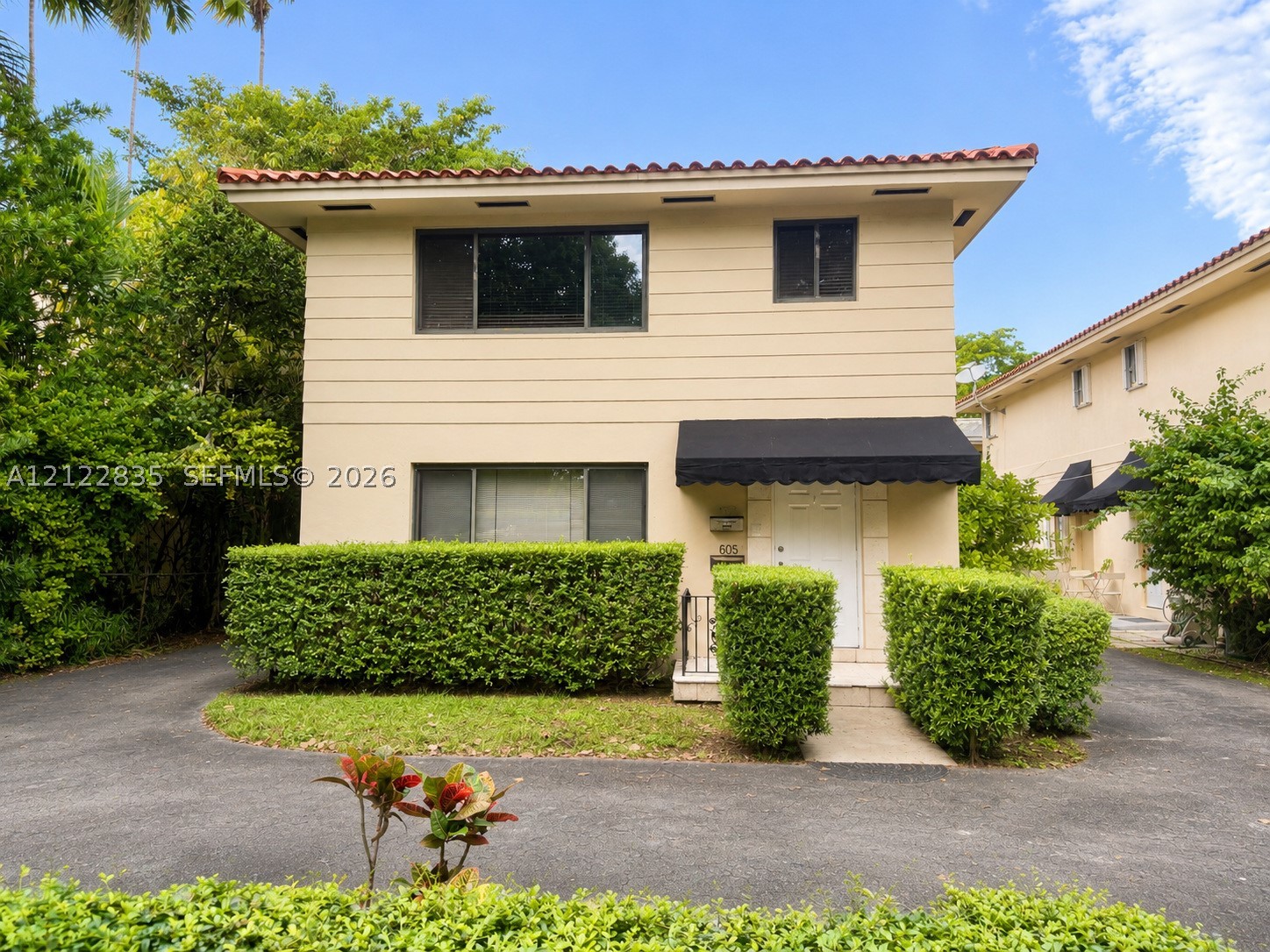
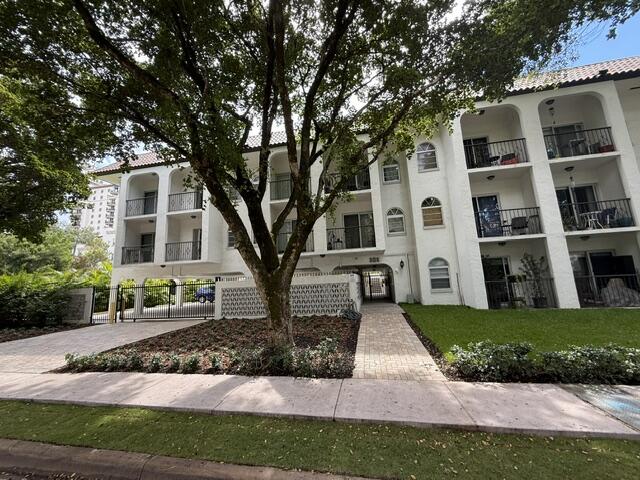
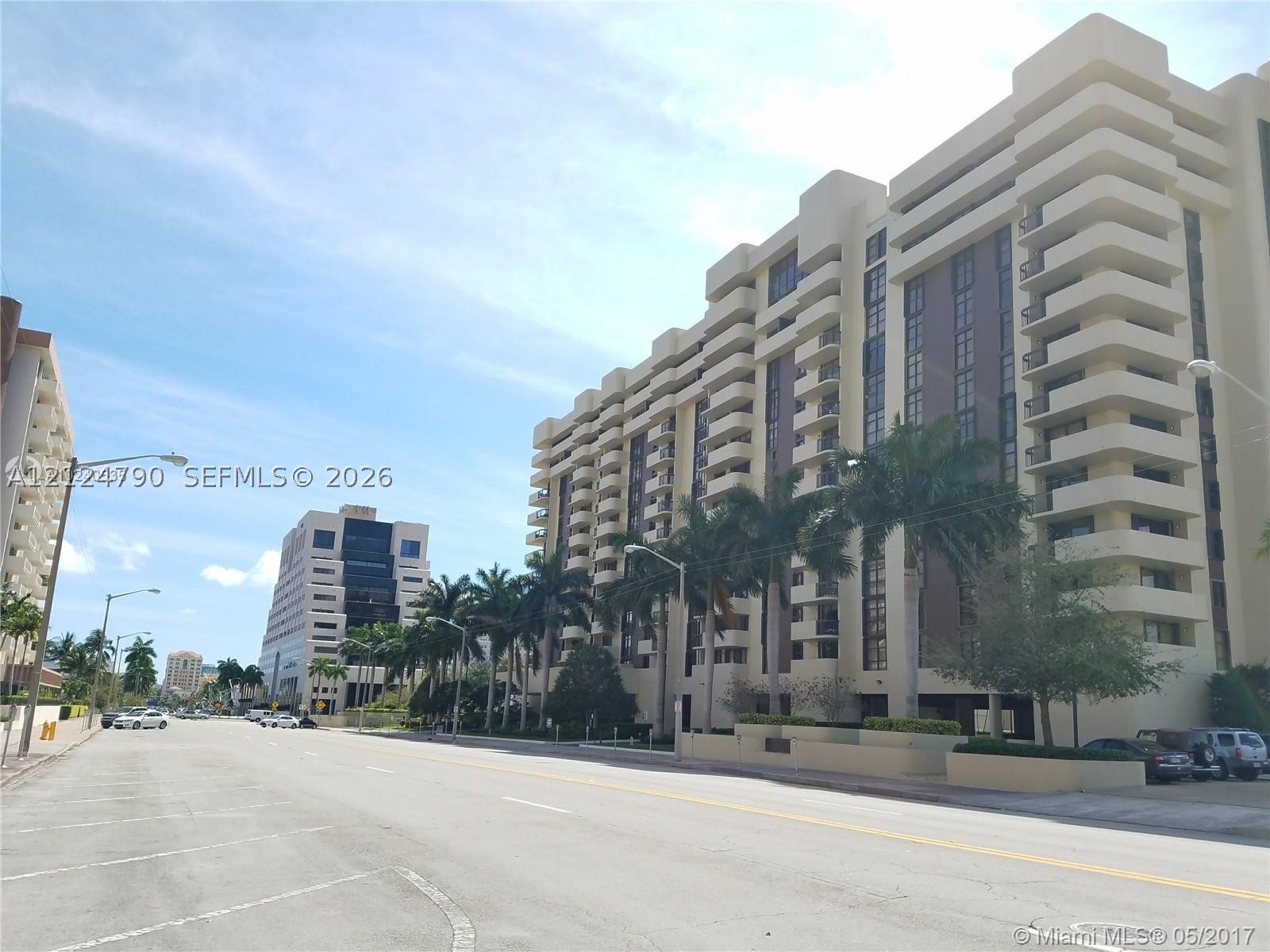
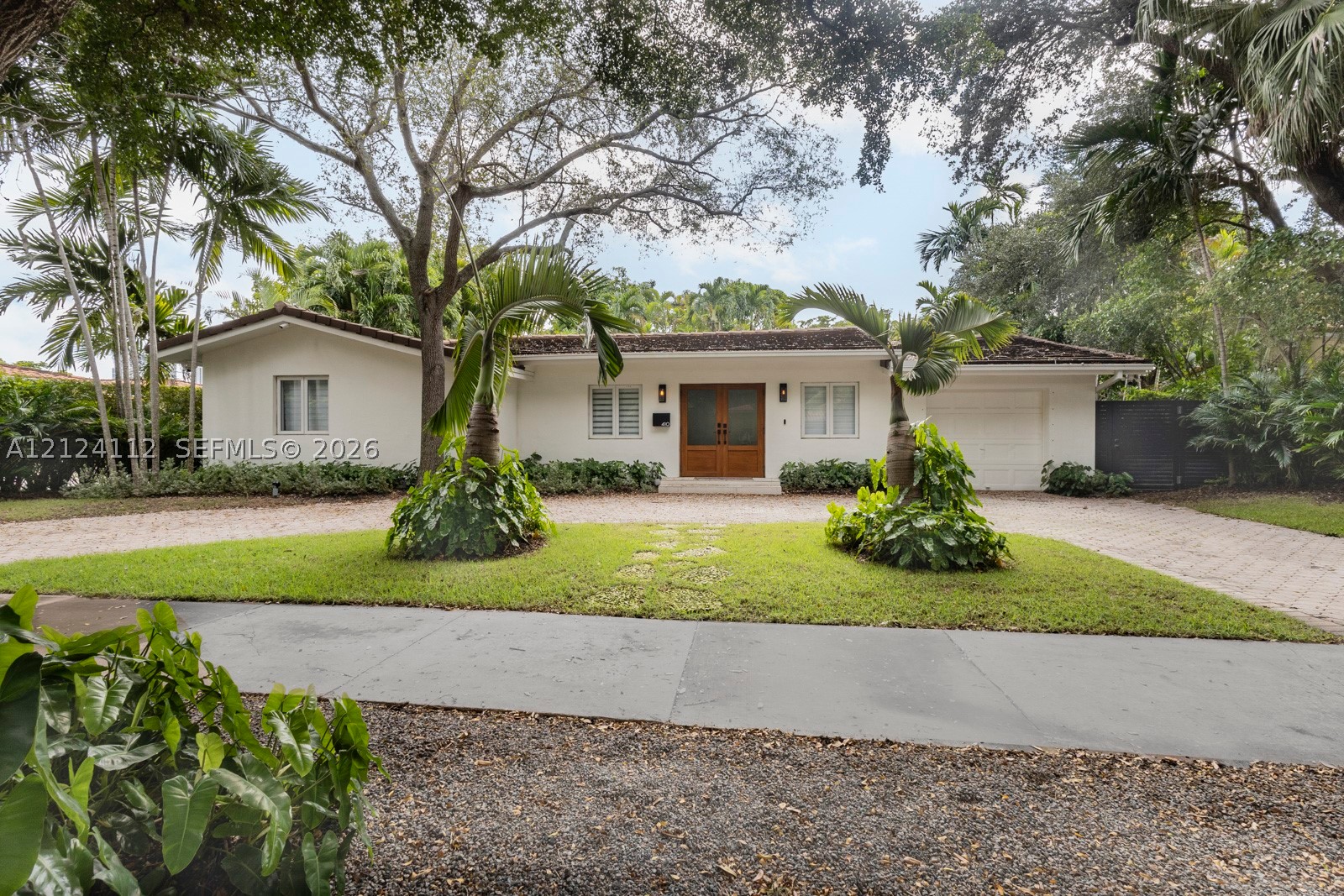
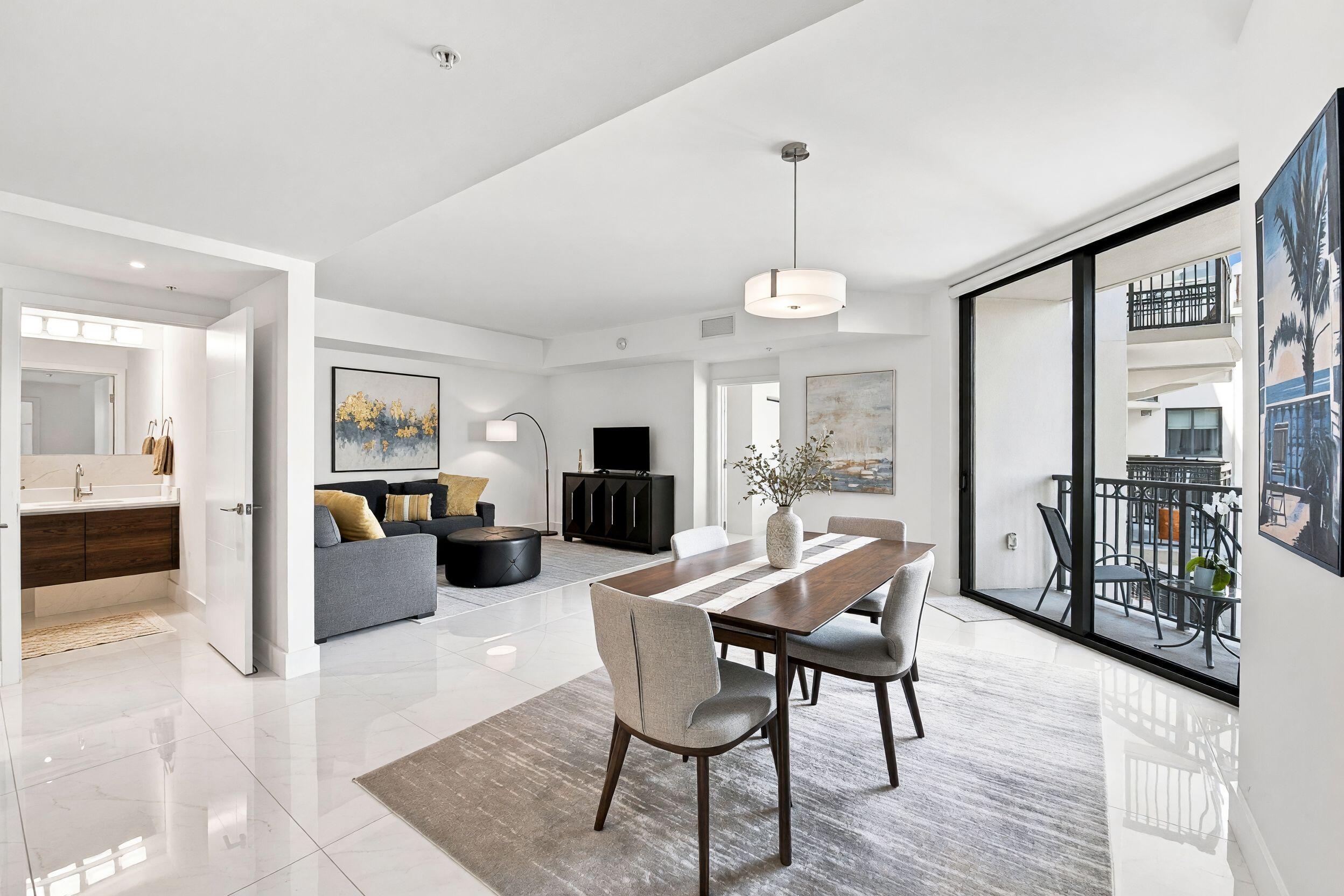
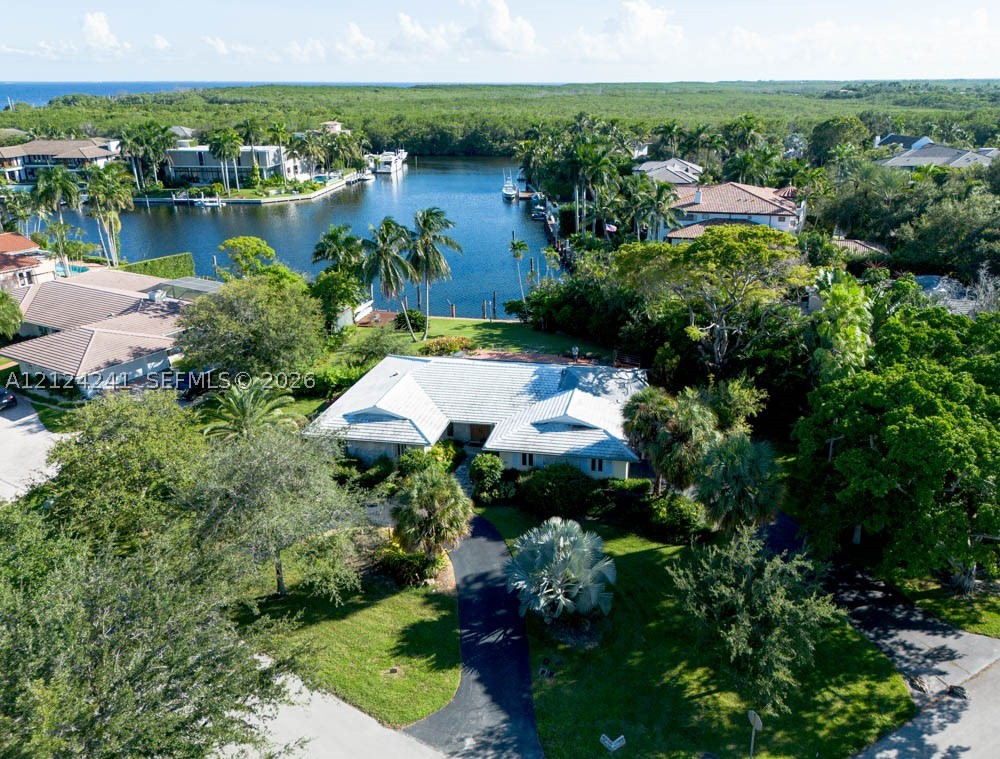
Downtown condos make it useful to examine parking arrangements, building fees and access to shops. On established residential streets, compare lot dimensions, the condition of the roof and major systems, and the feasibility of future alterations. For a canal-front home, add the condition and legal status of any dock or seawall to the review; a waterfront view does not establish boating rights.
Design review and historic protection are not the same process. The city's Board of Architects reviews specified construction and exterior changes, including applications involving new homes, roofs, pools and additions. Separately, the Historic Preservation division handles historically protected properties and applications such as Certificates of Appropriateness. A Mediterranean-style façade does not, by itself, prove a property has an official historic designation.
If a remodel or extension is part of your purchase plan, check the city's Parcel Zoning Check and ask which approvals apply to that address and proposed work. Certain development and demolition submissions also require a tree survey and protection plan. A large yard or mature landscaping should not be taken as automatic permission to build.
Can you rent a Coral Gables home or condo through Airbnb?
The city states that stays shorter than six months are not permitted in areas zoned for single-family or multifamily residential use, apart from the specified exception for designated historic bed-and-breakfast establishments. For an ordinary home or condo in those districts, do not base a purchase calculation on nightly or weekly rentals.
First establish the property's zoning and the applicable local provisions. Then obtain any condominium or homeowners' association rental restrictions, including minimum terms and tenant-approval procedures. If you are considering a different legally permitted use, obtain confirmation from the relevant authorities rather than relying on a booking-platform listing.
What ownership costs deserve special attention?
For a house with renovation potential, the budget may need to cover professional plans, design review, permits and repairs to older systems, not just new finishes. Landscaping and tree protection can affect a project as well. For a waterfront property, inspect shoreline structures; for a condo, review the association's financial and maintenance records and any planned special assessments.
Compare property taxes, insurance quotes, relevant flood coverage, association charges, maintenance and financing on the same basis. The seller's tax bill may not predict the buyer's post-purchase bill. When a property is held for permitted rentals, include vacancy, management and turnover expenses without assuming a rental term the rules prohibit.
What should buyers check about schools?
For a specific address, verify the assigned public school through Miami-Dade County Public Schools. Charter and private schools use their own admissions processes, and nearby location alone does not establish enrollment eligibility. Compare the journey from the property and the current application requirements separately from the property's listing description.
How should you assess flood risk and property records?
Waterfront houses and inland properties call for different physical checks. Near canals, investigate elevation, the condition of any seawall and the location of mechanical equipment. Elsewhere, pay attention to site drainage and past water intrusion. Use FEMA's Flood Map Service Center for the applicable flood designation, but obtain property-specific information and insurance quotes as well.
Before committing to work on an older house, request the permit history, confirm whether a historic designation applies and ask about open violations or unapproved alterations. For condos, review the association's budget, reserves, relevant inspection information and special assessments. These checks answer different questions and should not be substituted for one another.
How can BonaDomus help you compare property in Coral Gables?
BonaDomus helps buyers compare homes and condos, organize viewings and inspections, request property documents and coordinate a purchase. In Coral Gables, a useful shortlist goes beyond asking price: match each property with its daily routes, zoning, architectural approvals, historical status and realistic ownership costs. That provides a stronger basis for choosing between a central condo, an established house and a waterfront address.