Real estate for sale in South Miami, FL
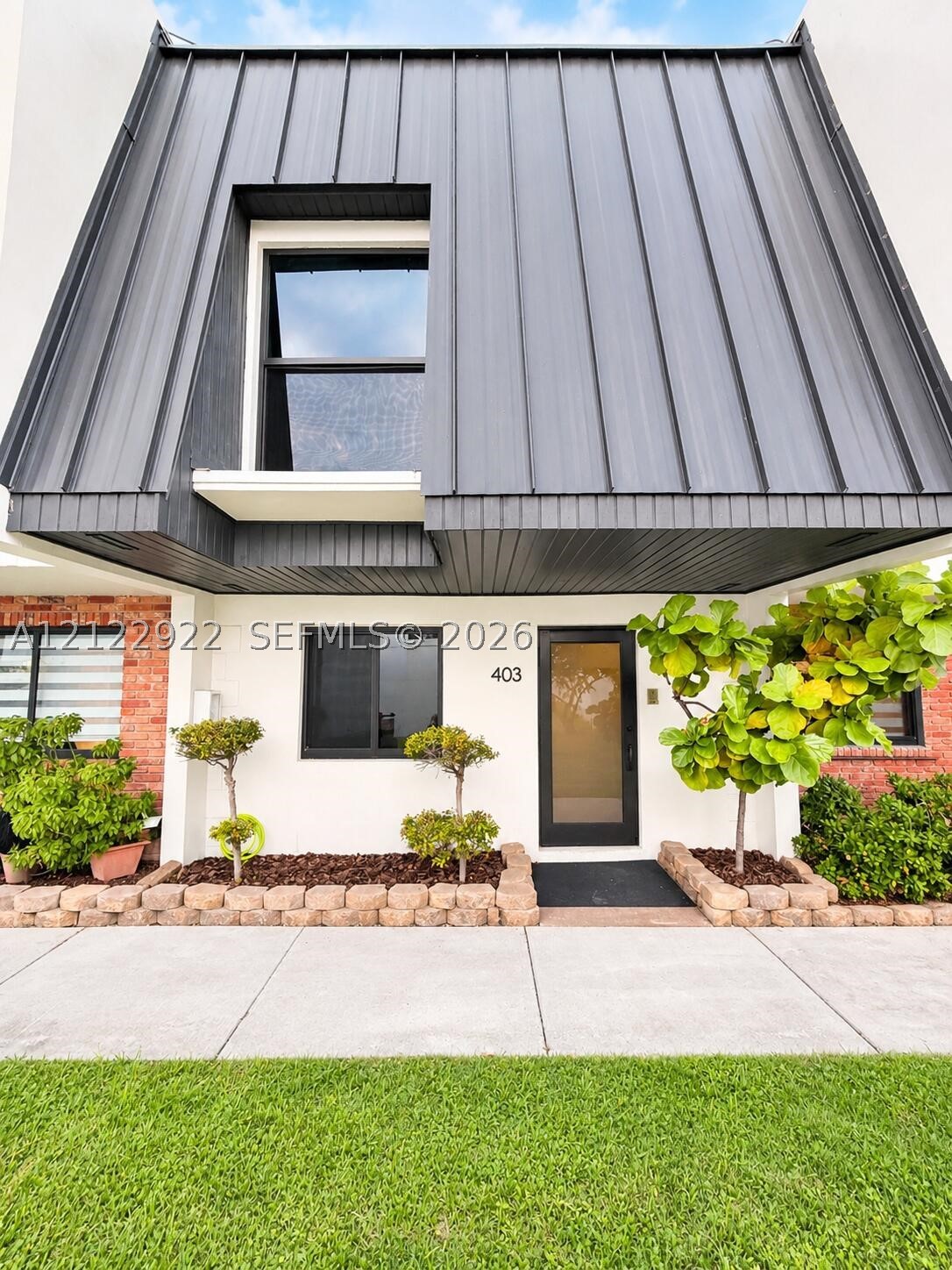

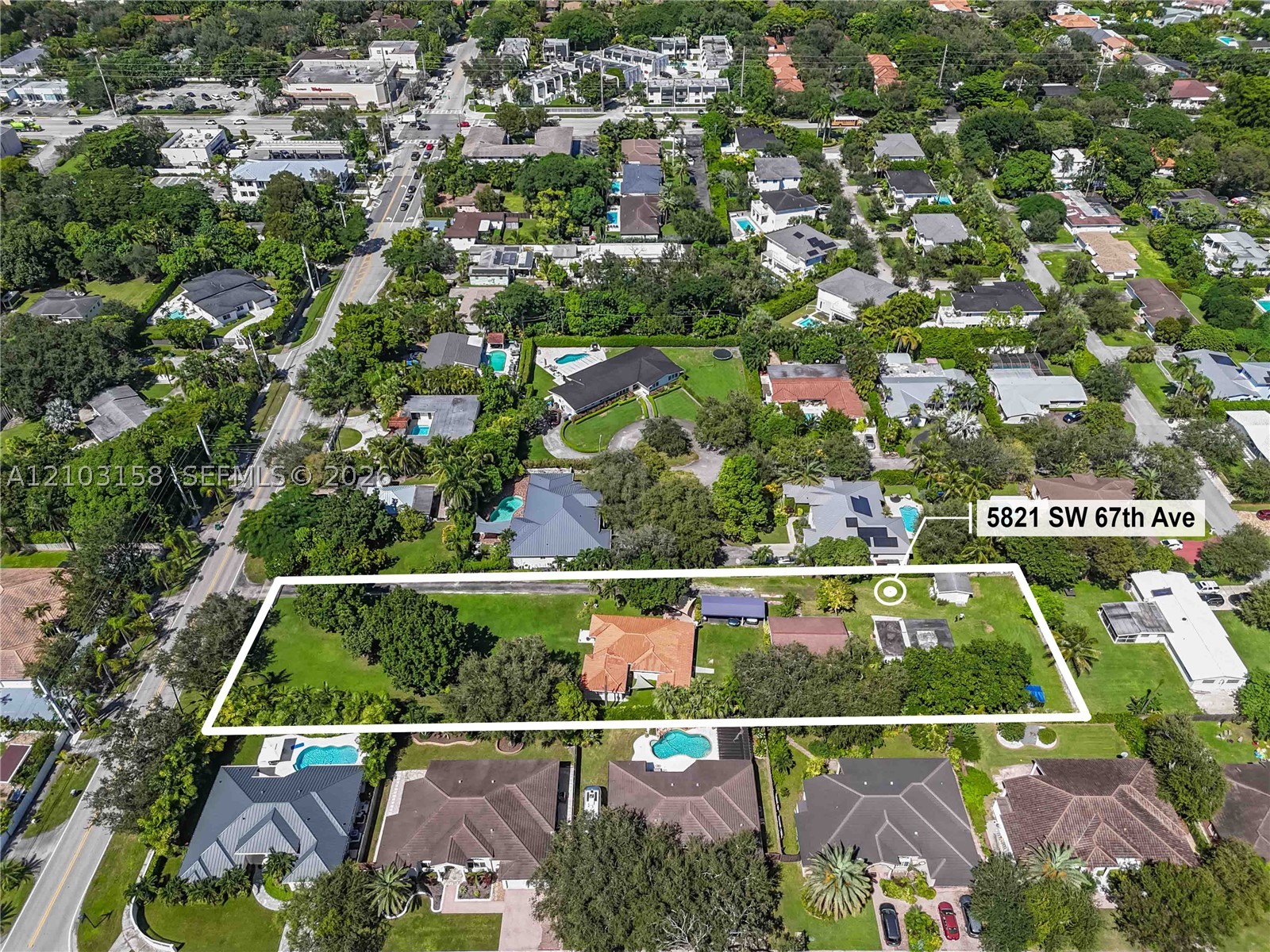
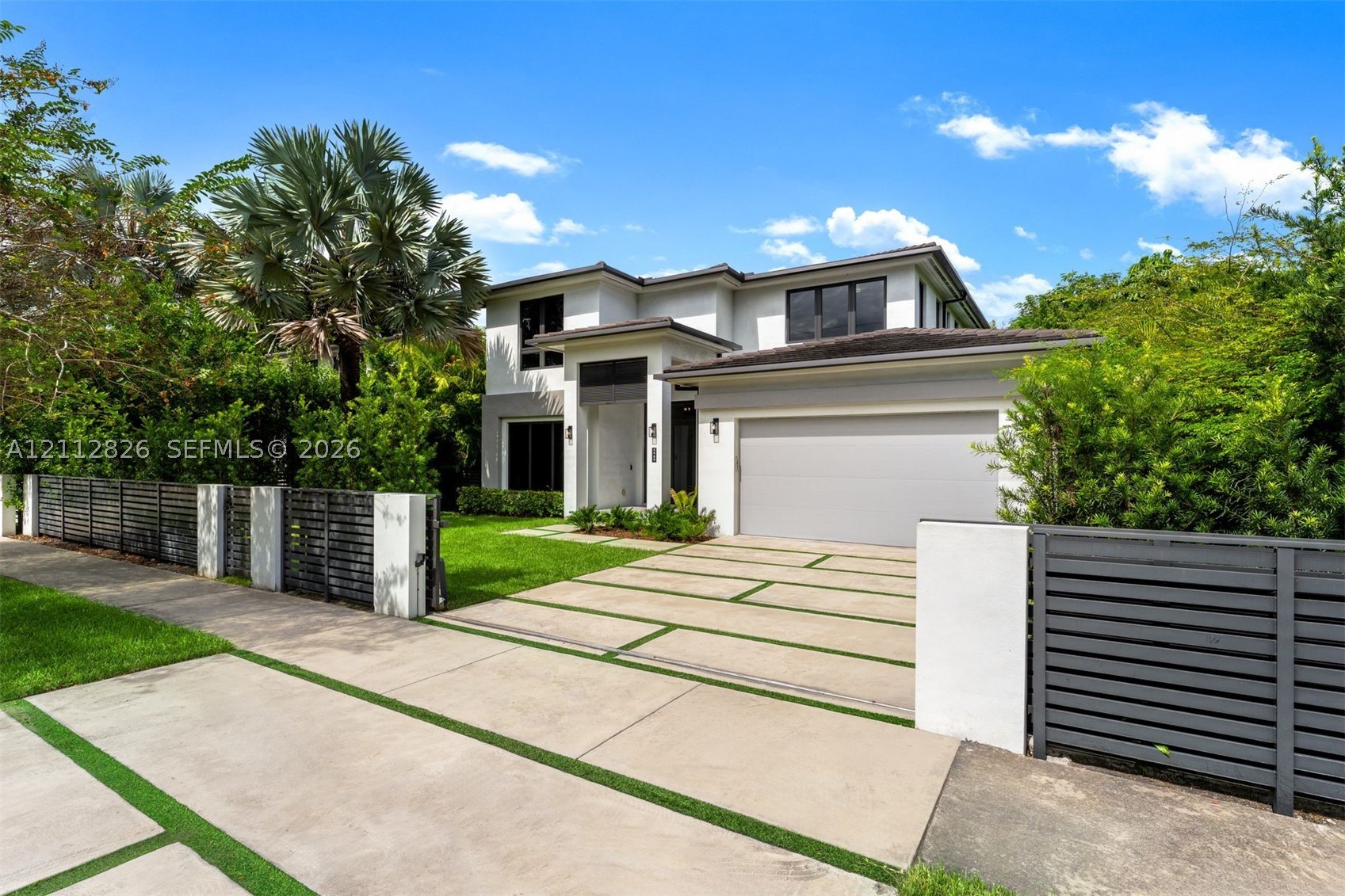

IDX information is provided exclusively for personal, non-commercial use, and may not be used for any purpose other than to identify prospective properties consumers may be interested in purchasing. Information is deemed reliable but not guaranteed.
South Miami Real Estate: Hometown District, Metrorail, Homes and Property Checks
South Miami is an incorporated city in Miami-Dade County, distinct from the City of Miami, Coral Gables, Pinecrest and nearby unincorporated areas. Its relatively compact downtown along Sunset Drive is one part of the location story; established residential streets, smaller multifamily buildings, civic parks and regional transportation create other options. A buyer considering a detached house will face different questions from someone comparing a condo closer to South Miami Metrorail station.
Explore South Miami real estate for sale on BonaDomus to compare properties by address, type and features. Instead of relying on an inventory count or a price range that changes with listings, use the questions below to assess access, legal use, building condition and ongoing ownership costs.
How is the City of South Miami different from its neighboring areas?
The city's limits matter because permits, zoning decisions, inspections and some public services are administered locally. A postal description using “South Miami” does not prove that a property lies inside the municipality. The official South Miami City Maps and interactive GIS show available city boundary, zoning, parcel and future land-use information. The maps are reference tools; ask the responsible department for confirmation of a parcel's current legal status.
Start with the actual street and its practical connection to US-1, Sunset Drive, nearby Coral Gables and Pinecrest. Compare routes at the hours you expect to travel. A home across a major road from a service may require a longer, less convenient pedestrian route than its straight-line distance suggests. Verify building jurisdiction first, before assuming the same rules apply to two neighboring properties.
What does the Hometown District add to the downtown experience?
The Hometown District is a specific downtown area focused on Sunset Drive, street-level commerce, dining and public activity. The city traces its district identity to 1992 and has commissioned placemaking, streetscape and multimodal planning work. That gives buyers a concrete location to investigate, but a downtown plan is not evidence that every street or planned improvement is already complete.
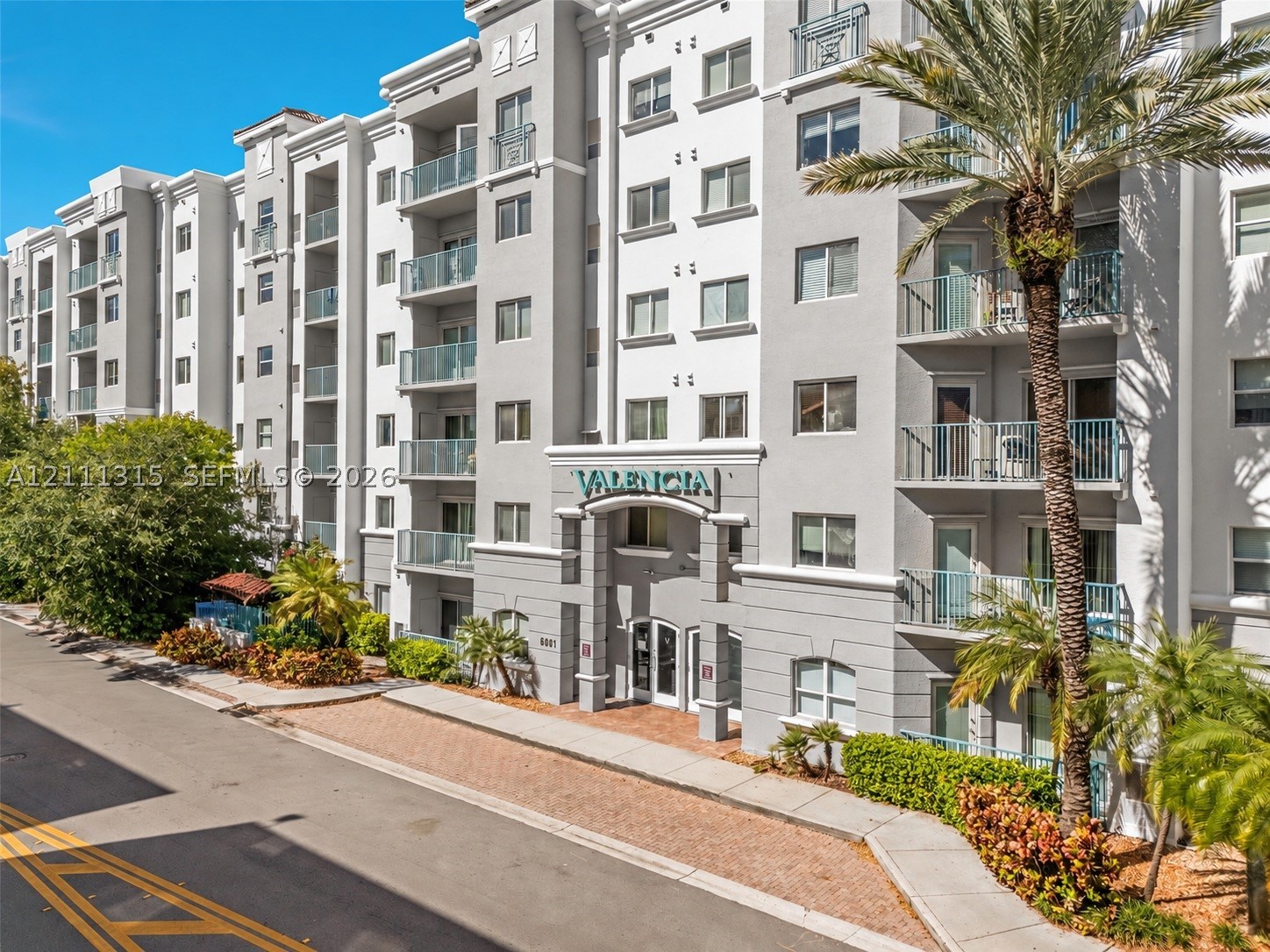
When viewing a condo or townhome close to the district, examine the route to shops, parking allocations, delivery access, traffic at busy hours, exterior noise and the position of nearby commercial uses. For a detached house farther from Sunset Drive, the trade-offs may involve more yard space but a longer drive for everyday errands. If a redevelopment parcel lies across from your windows, investigate its current approval status rather than assuming that an existing open view will remain unchanged.
How useful is South Miami Metrorail station for daily travel?
The Miami-Dade Metrorail network serves South Miami and connects it with Coral Gables, downtown Miami, Miami International Airport connections and other parts of the county. A station nearby can reduce the need to drive for some journeys, but the actual benefit depends on walking access, train frequency, transfers, service changes and destinations. Inspect the street crossings between a property and the station, especially where US-1 separates segments of a route.
A material 2026 change: Miami-Dade's official MetroConnect notice says the city-operated South Miami zone ceased service effective October 1, 2026. Other MetroConnect zones continue, subject to their own maps and fares. Some older city pages still describe the former extended SoMi zone. Do not include the discontinued zone in a buying plan; check any applicable remaining service using the current operator map before relying on it.
What housing choices deserve different due diligence?
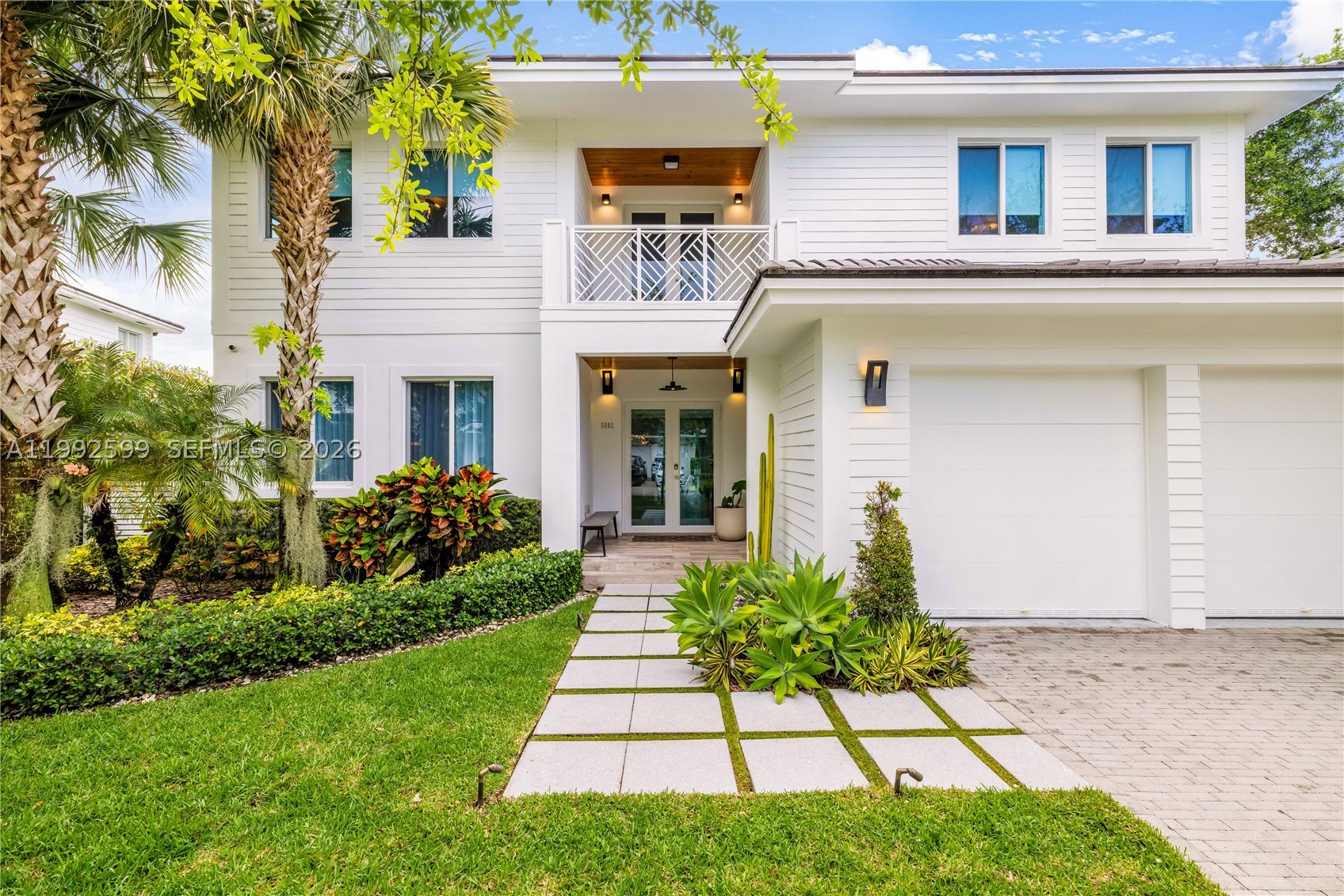
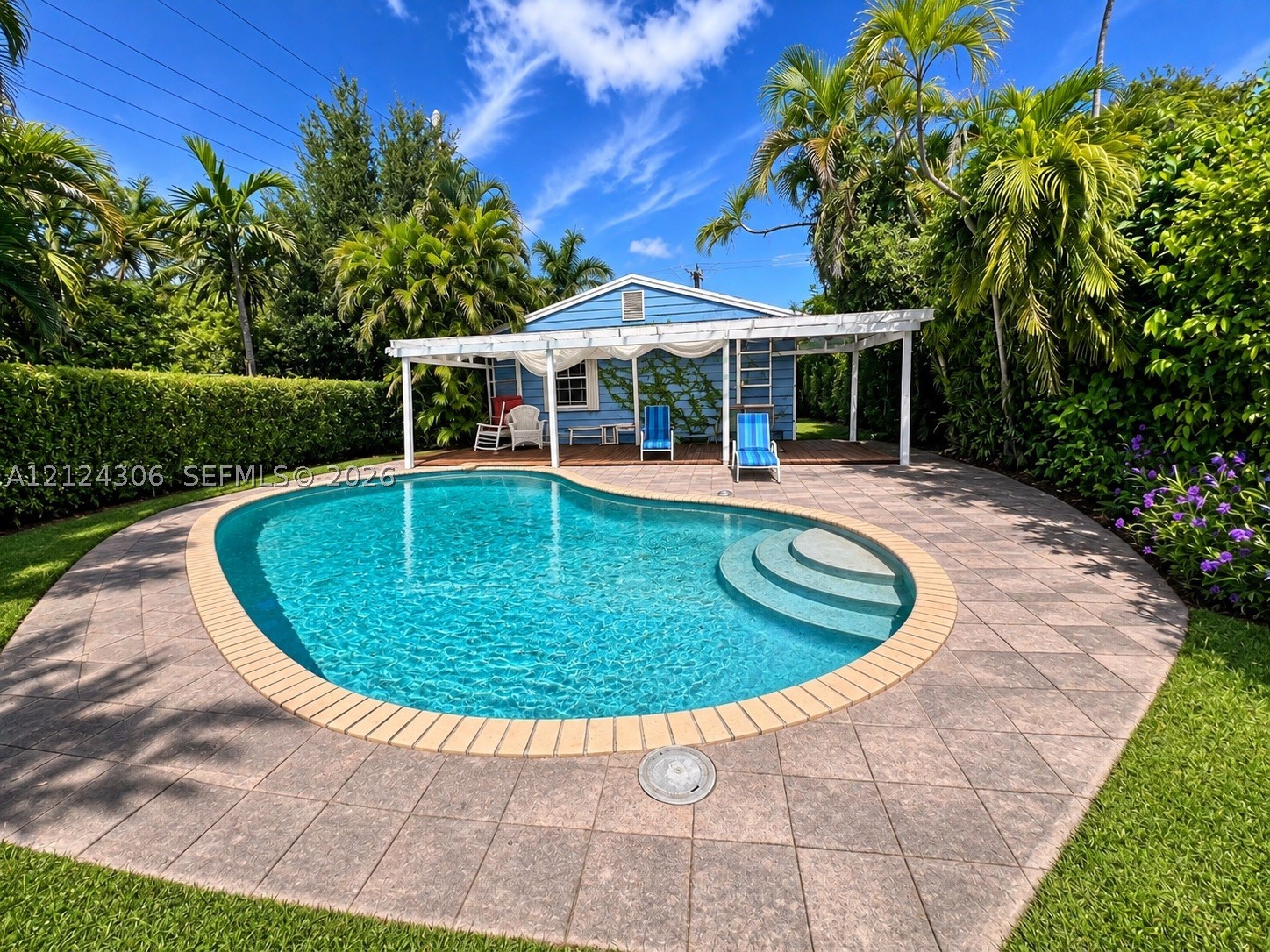
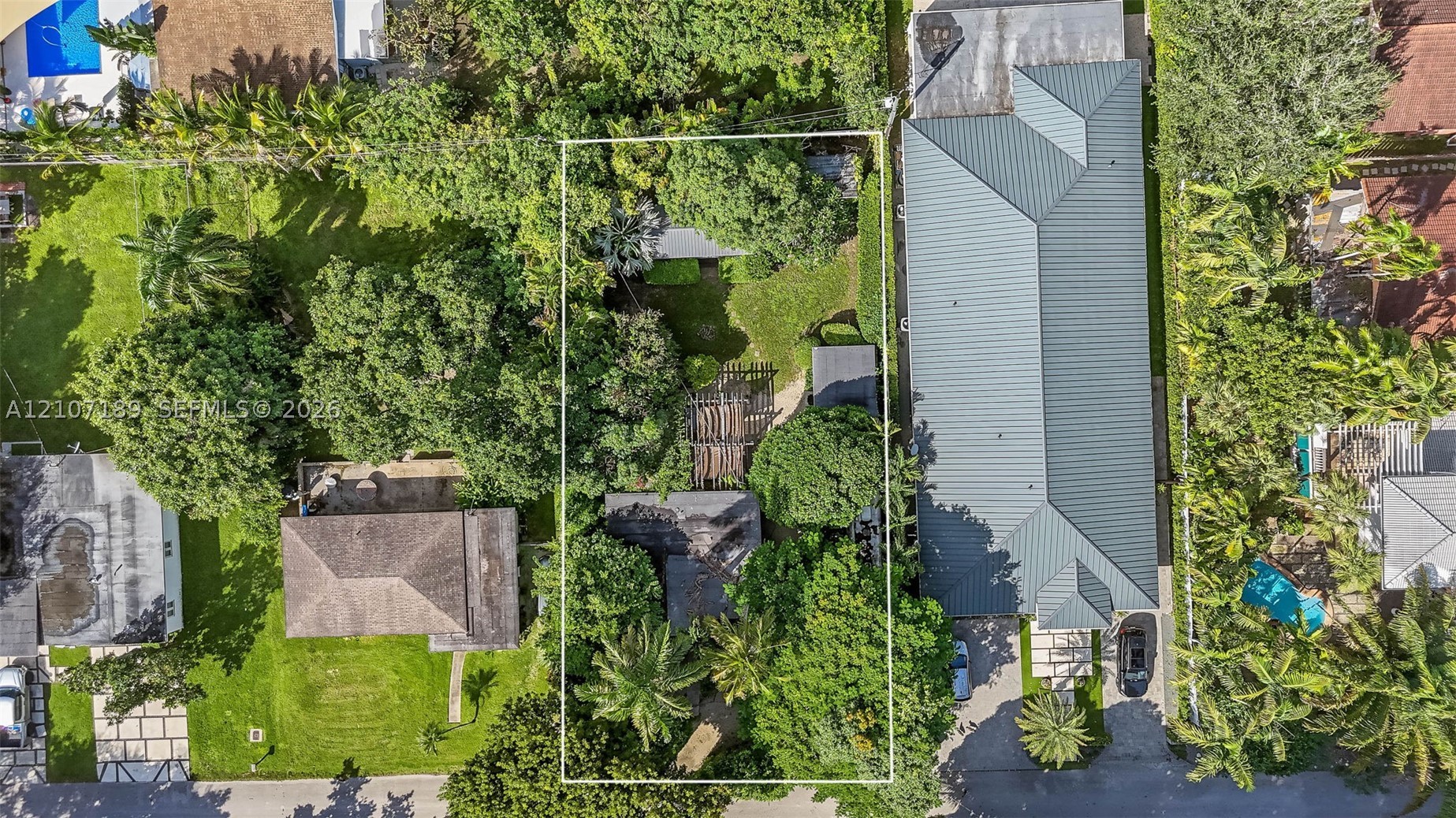
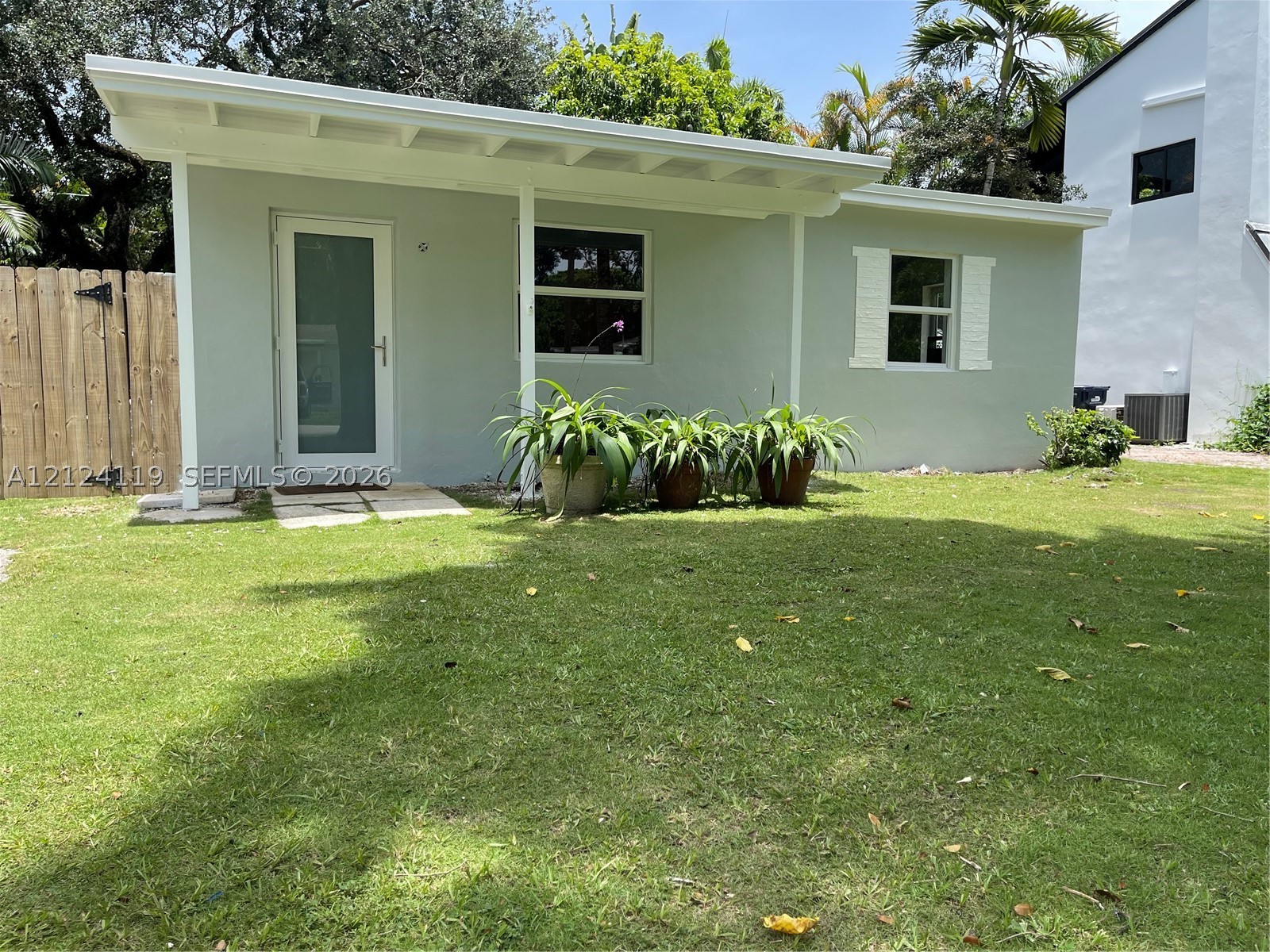
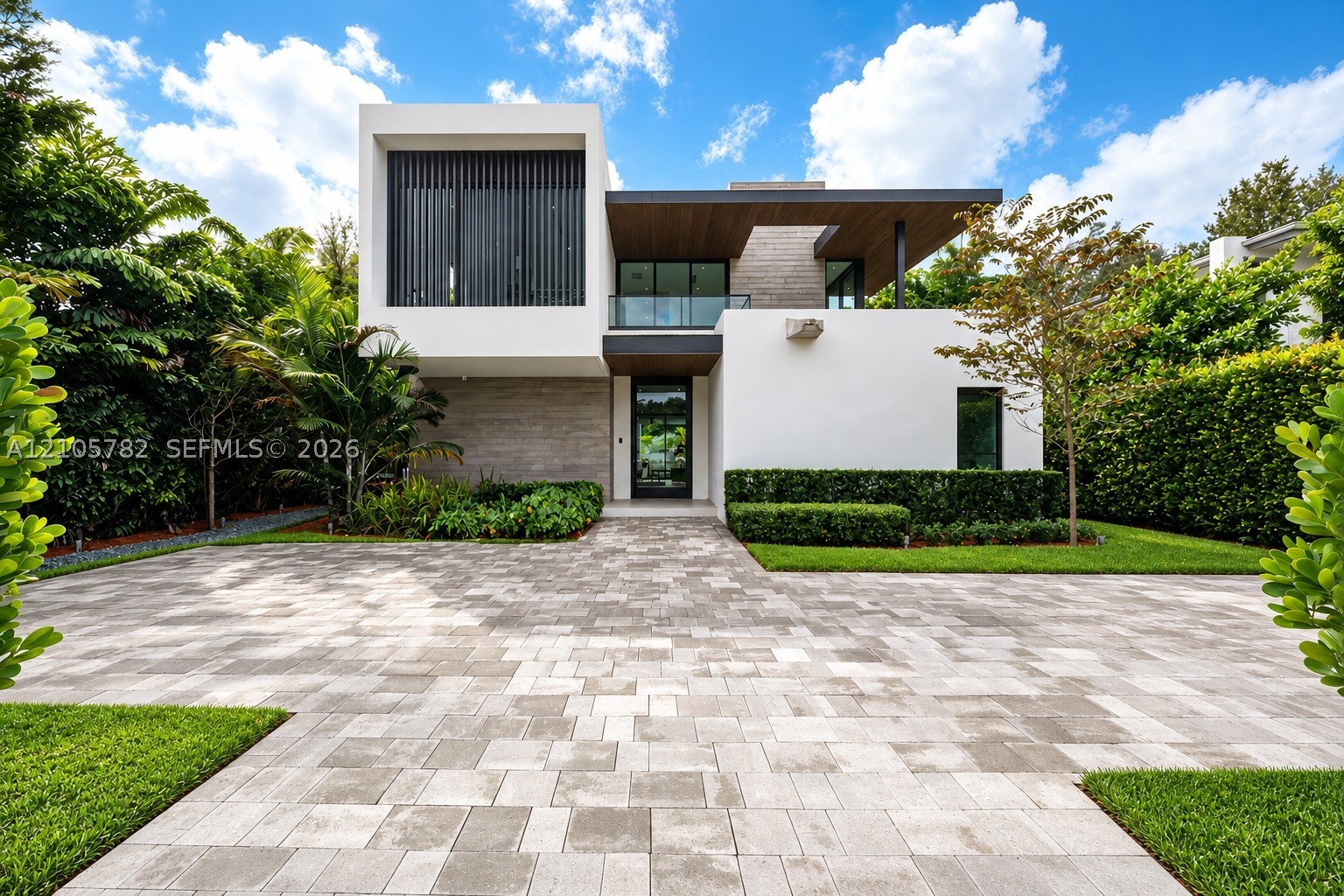
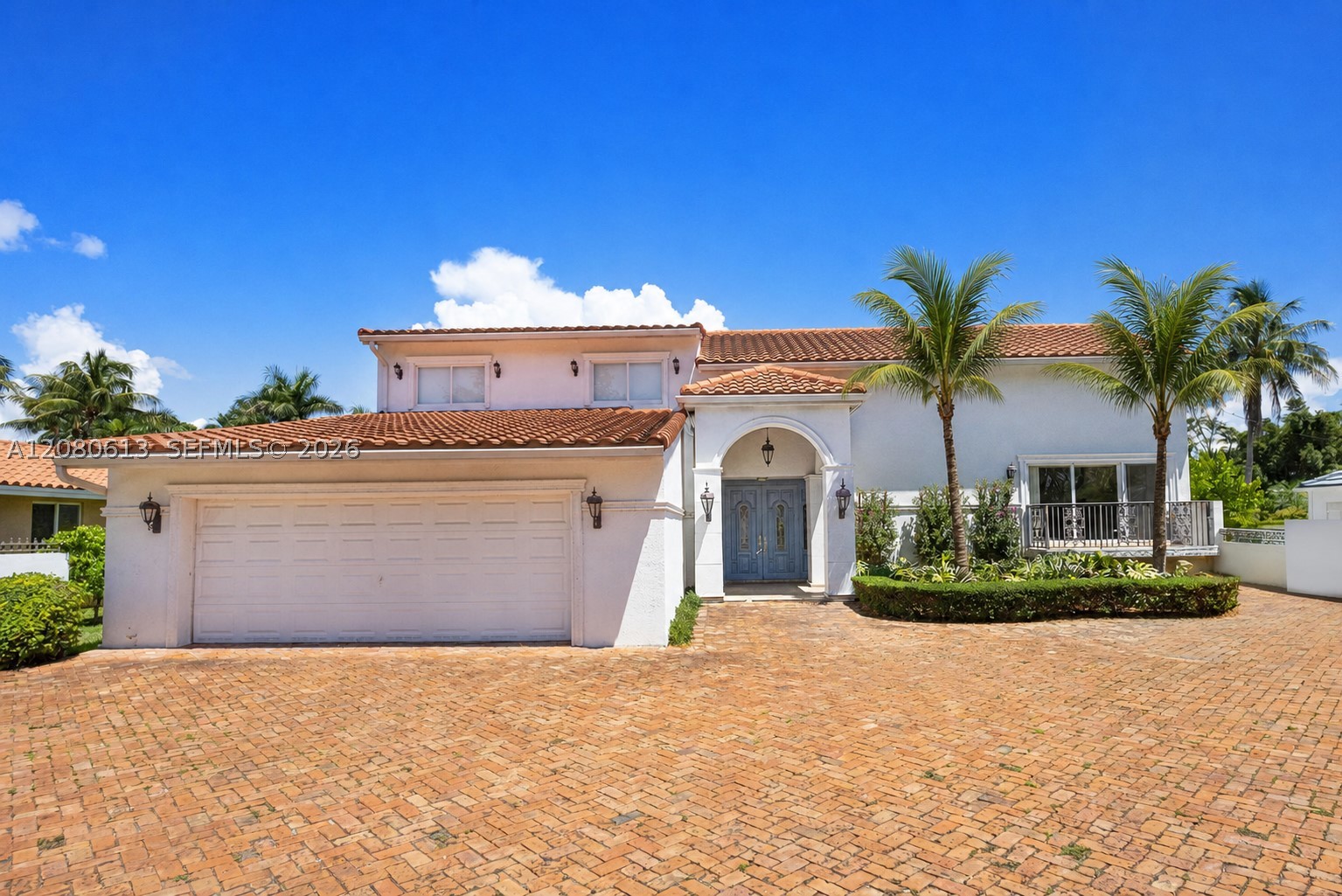
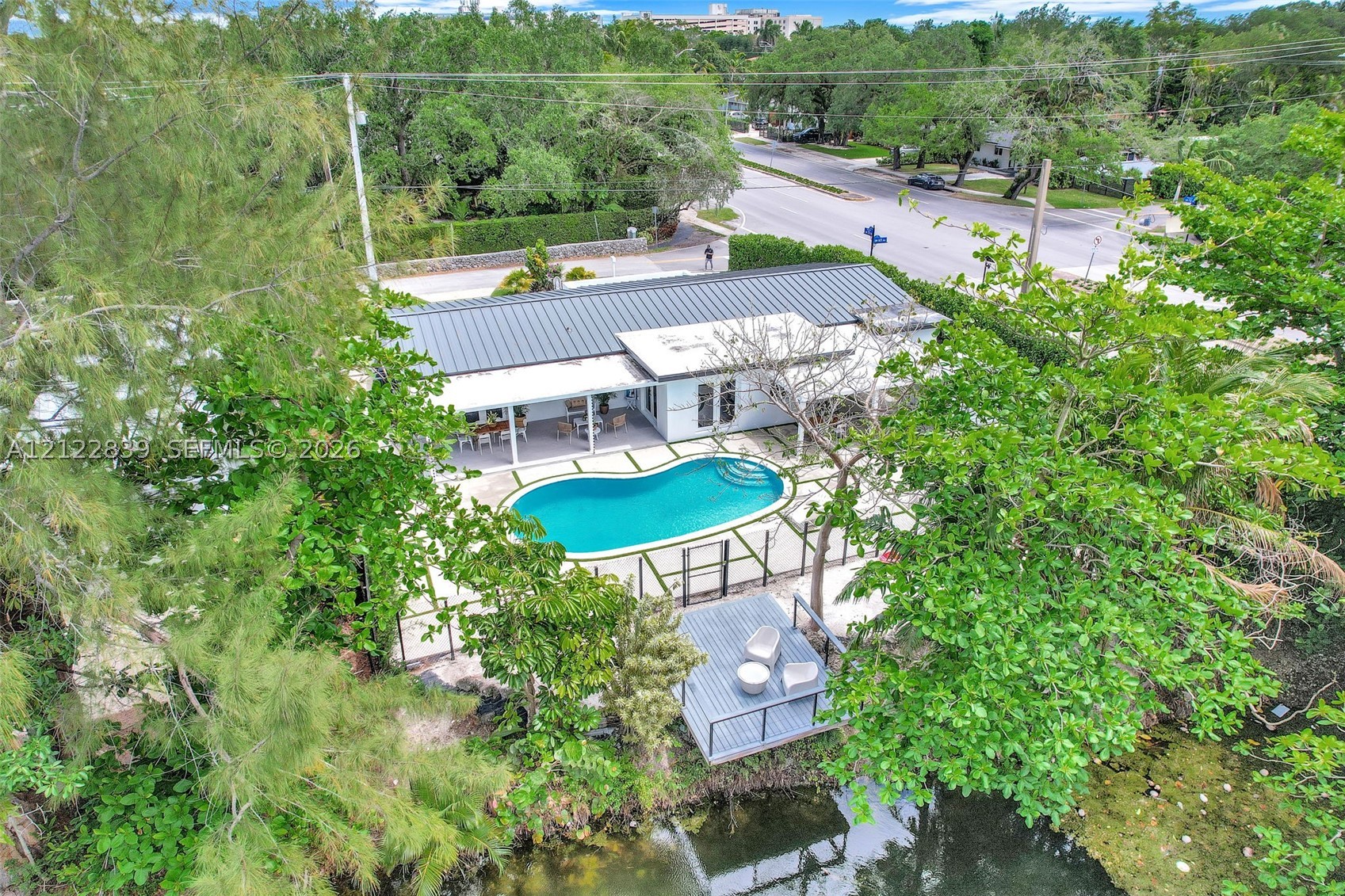
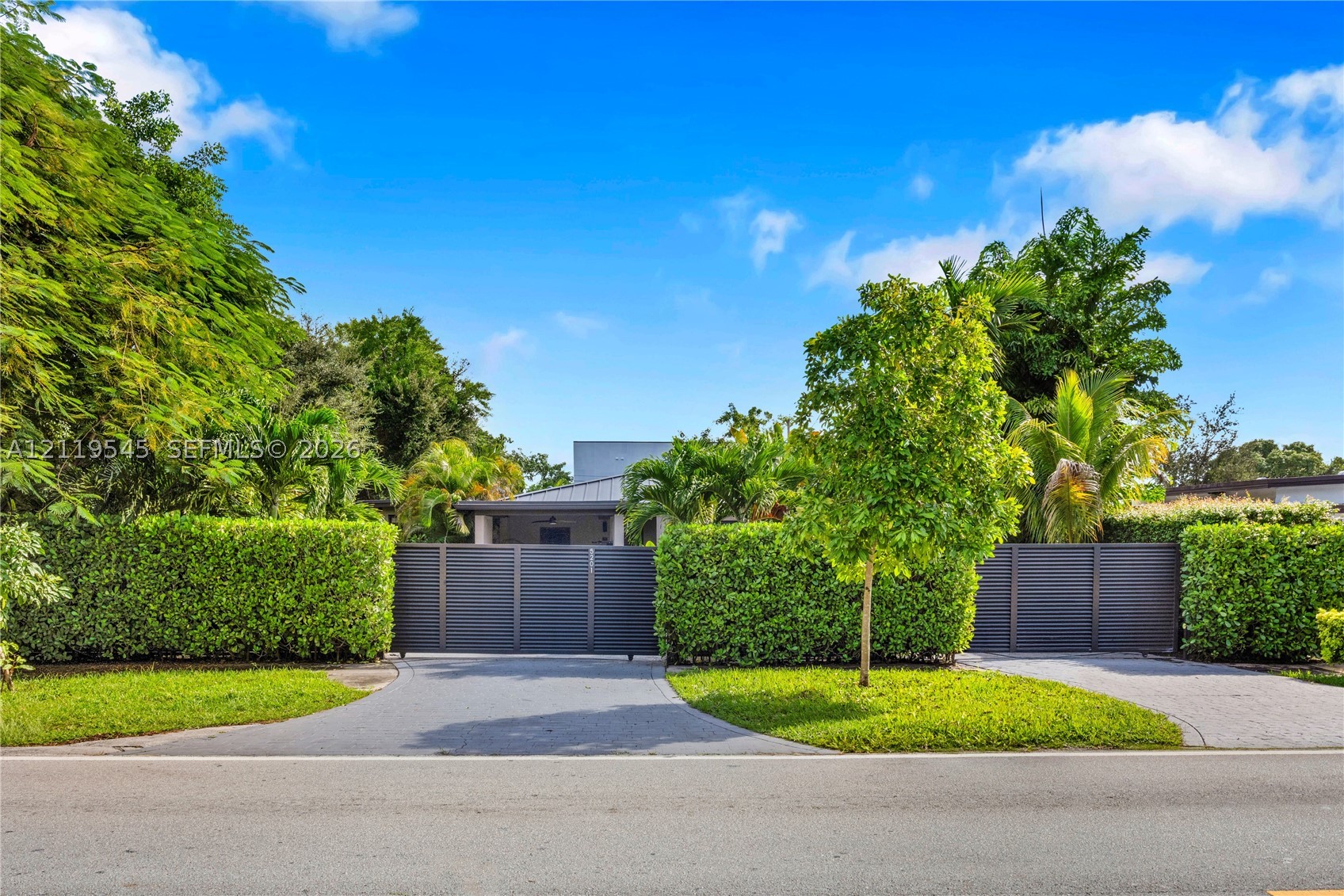
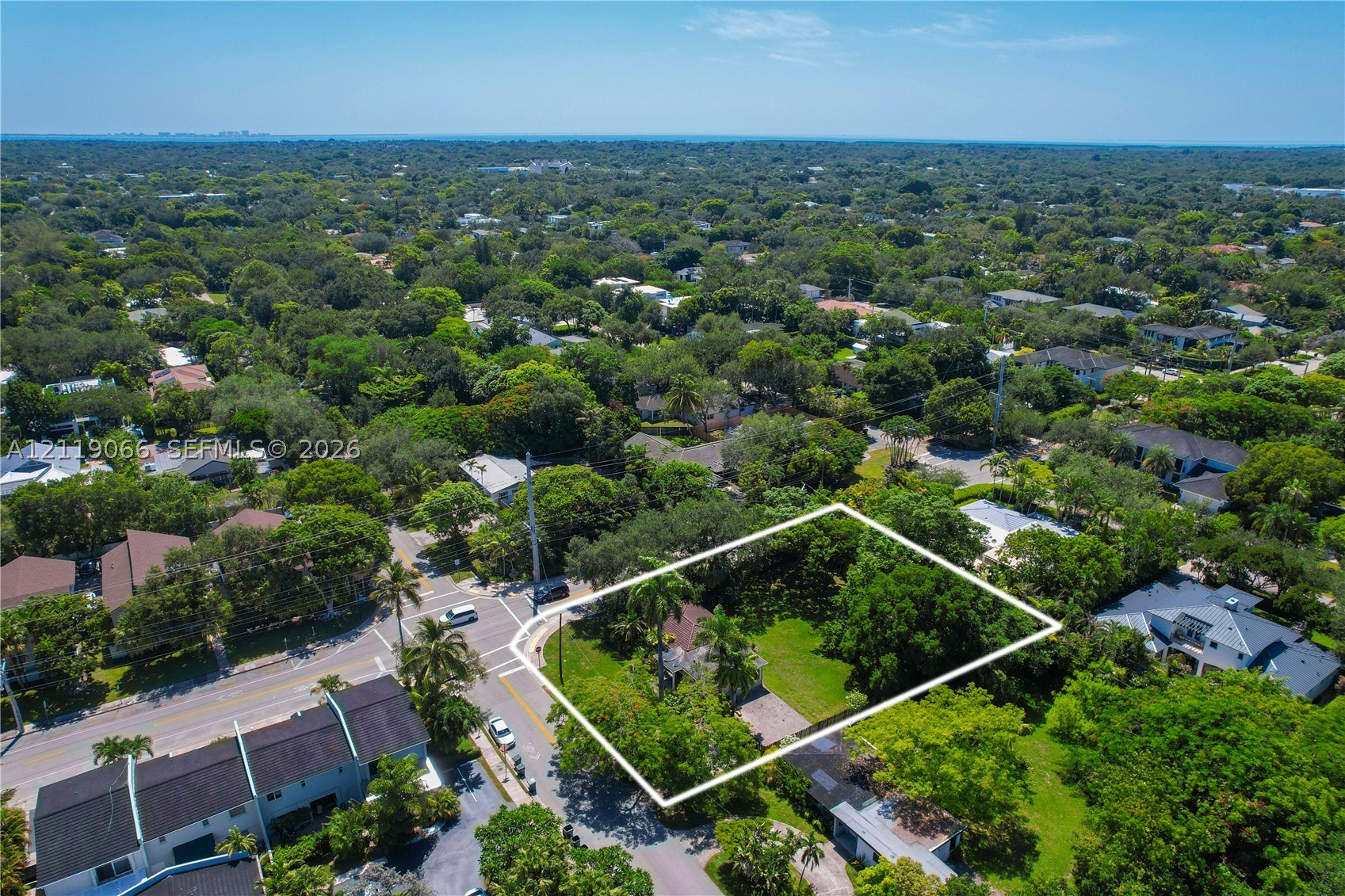
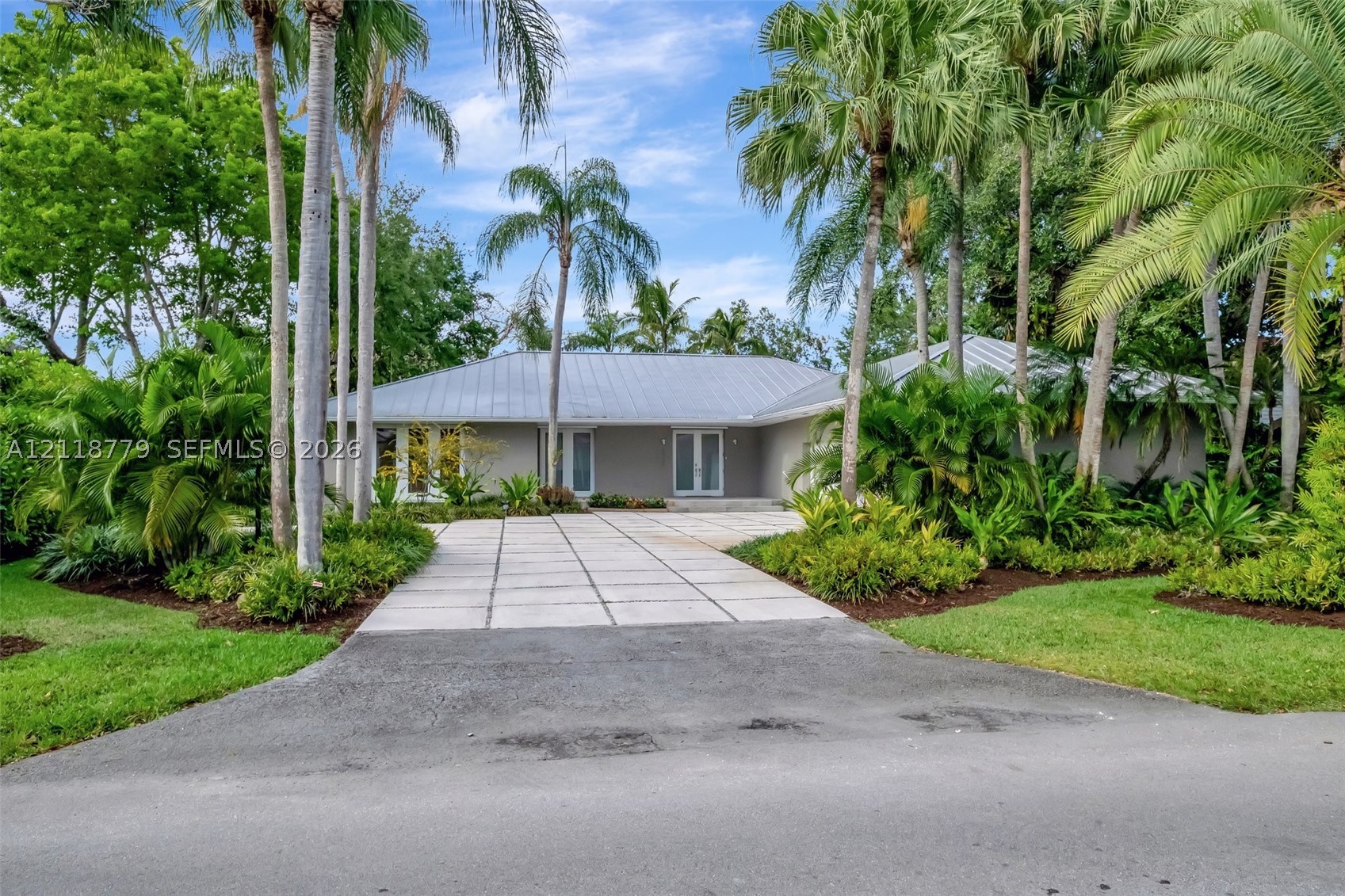
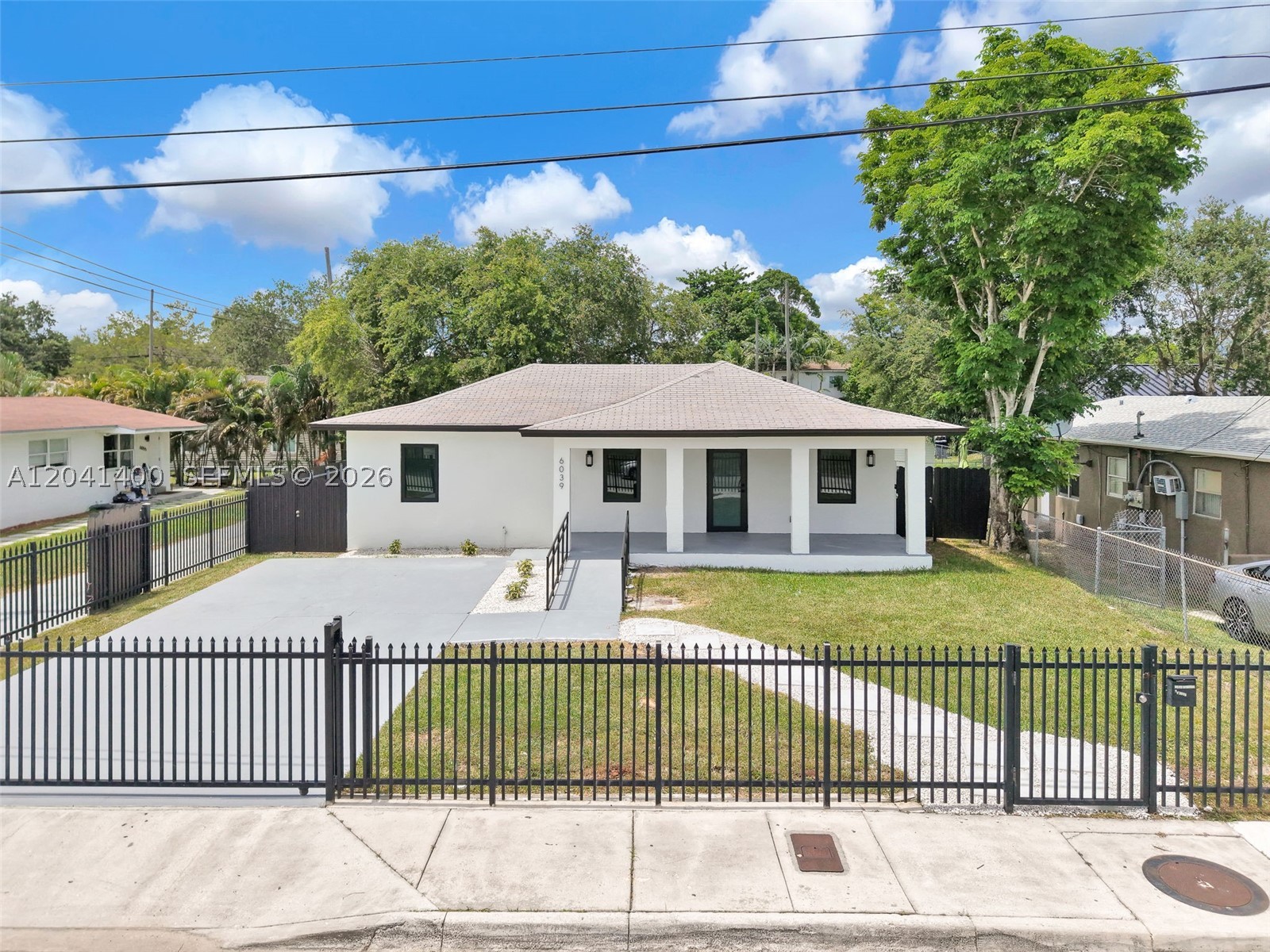
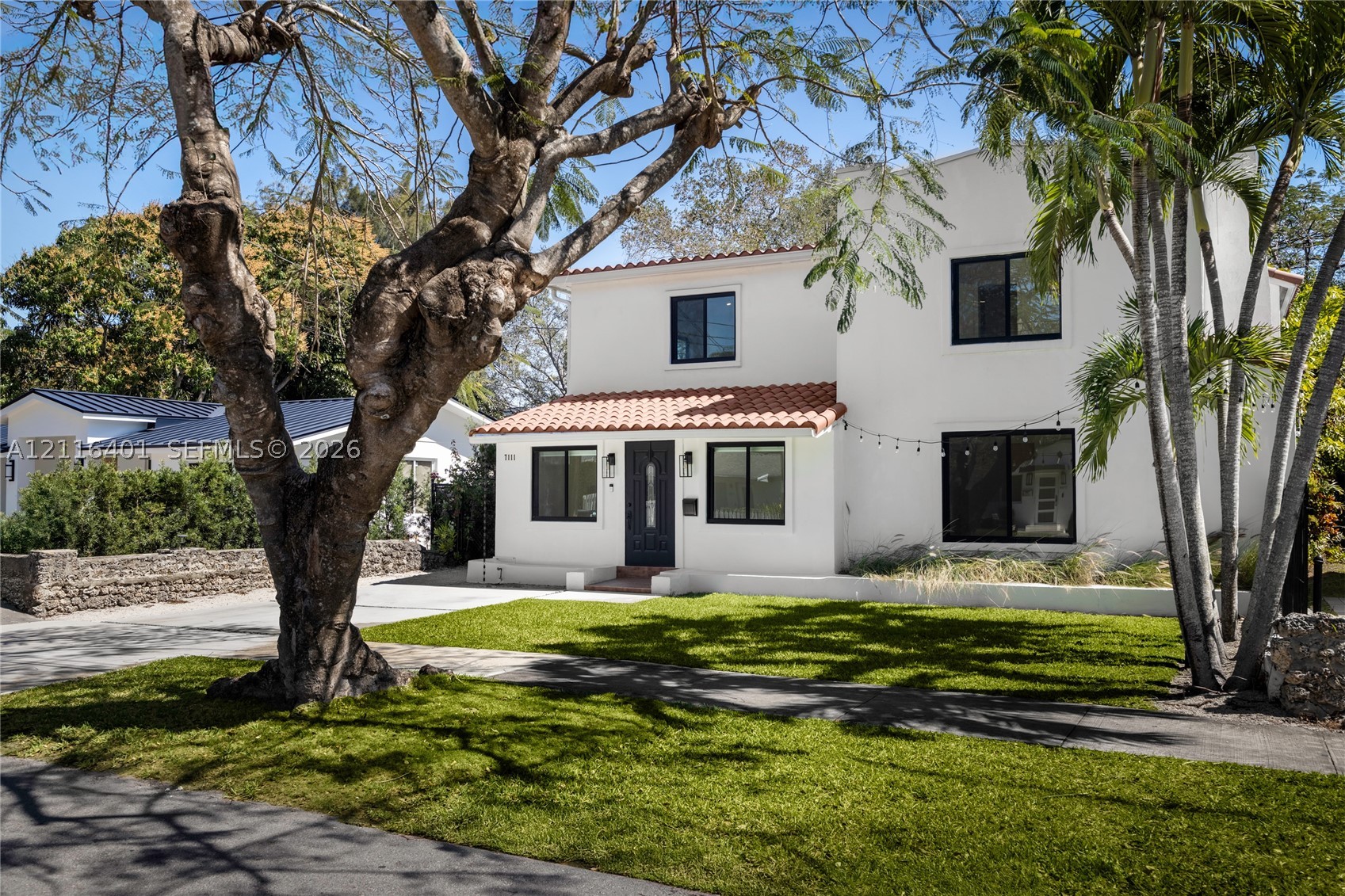
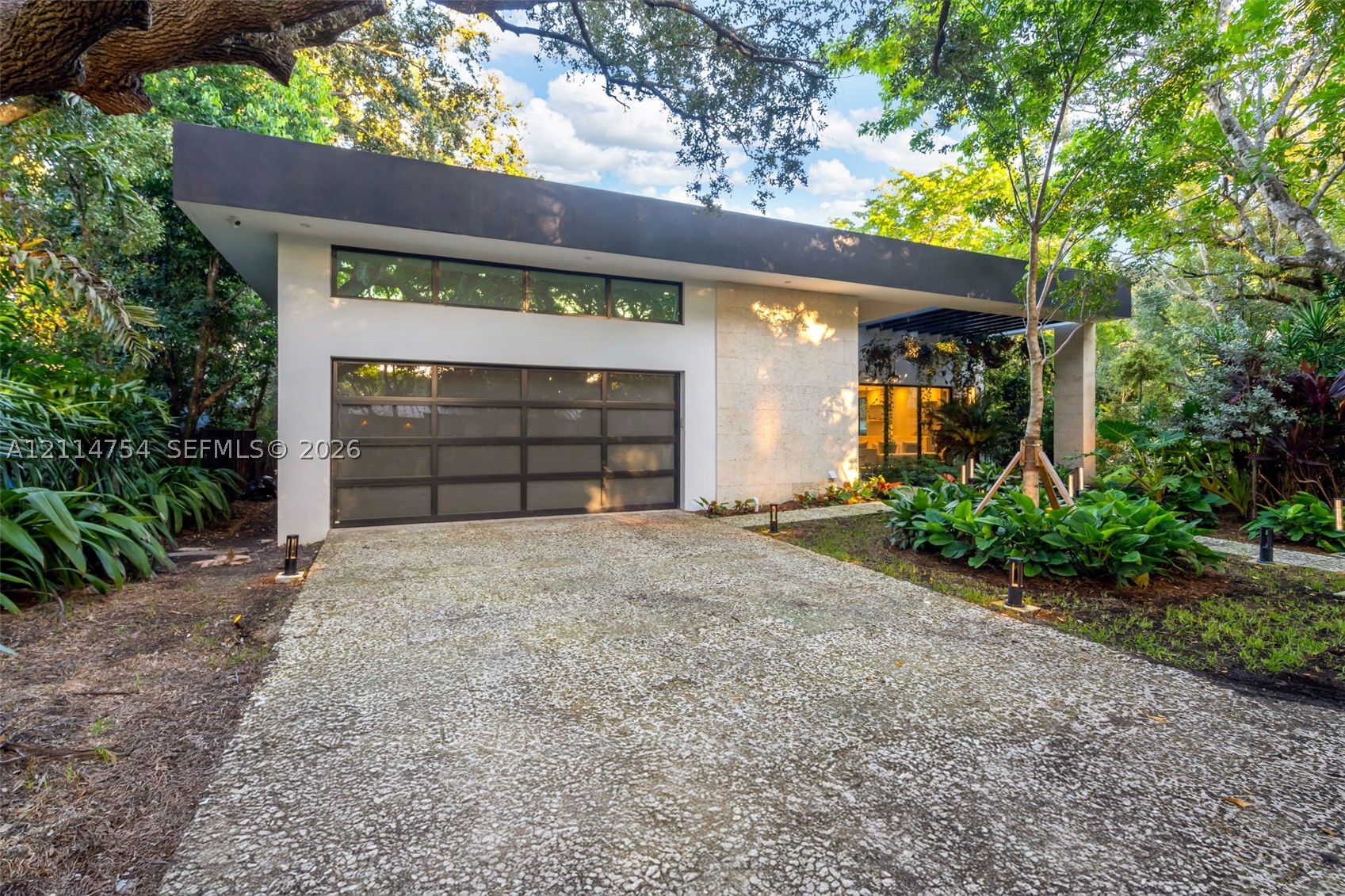
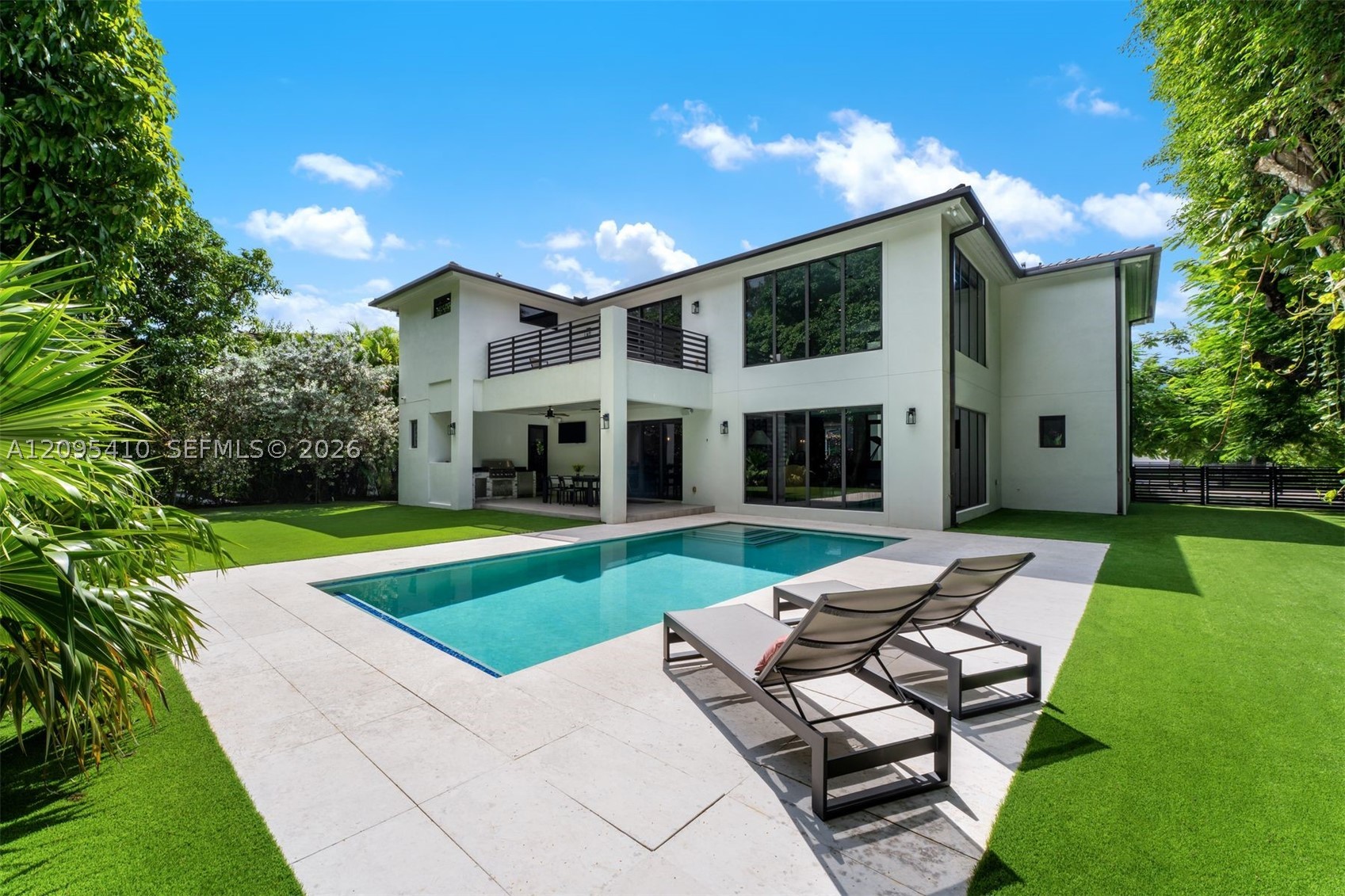
On residential streets, compare detached houses by roof age, hurricane protection, drainage, yard configuration, parking and the condition of electrical, plumbing and cooling systems. A renovated kitchen or fresh exterior finish does not establish that a room addition, covered patio or garage conversion is legally approved. A large-looking lot may have setbacks, landscape requirements or easements that constrain a future pool or extension.
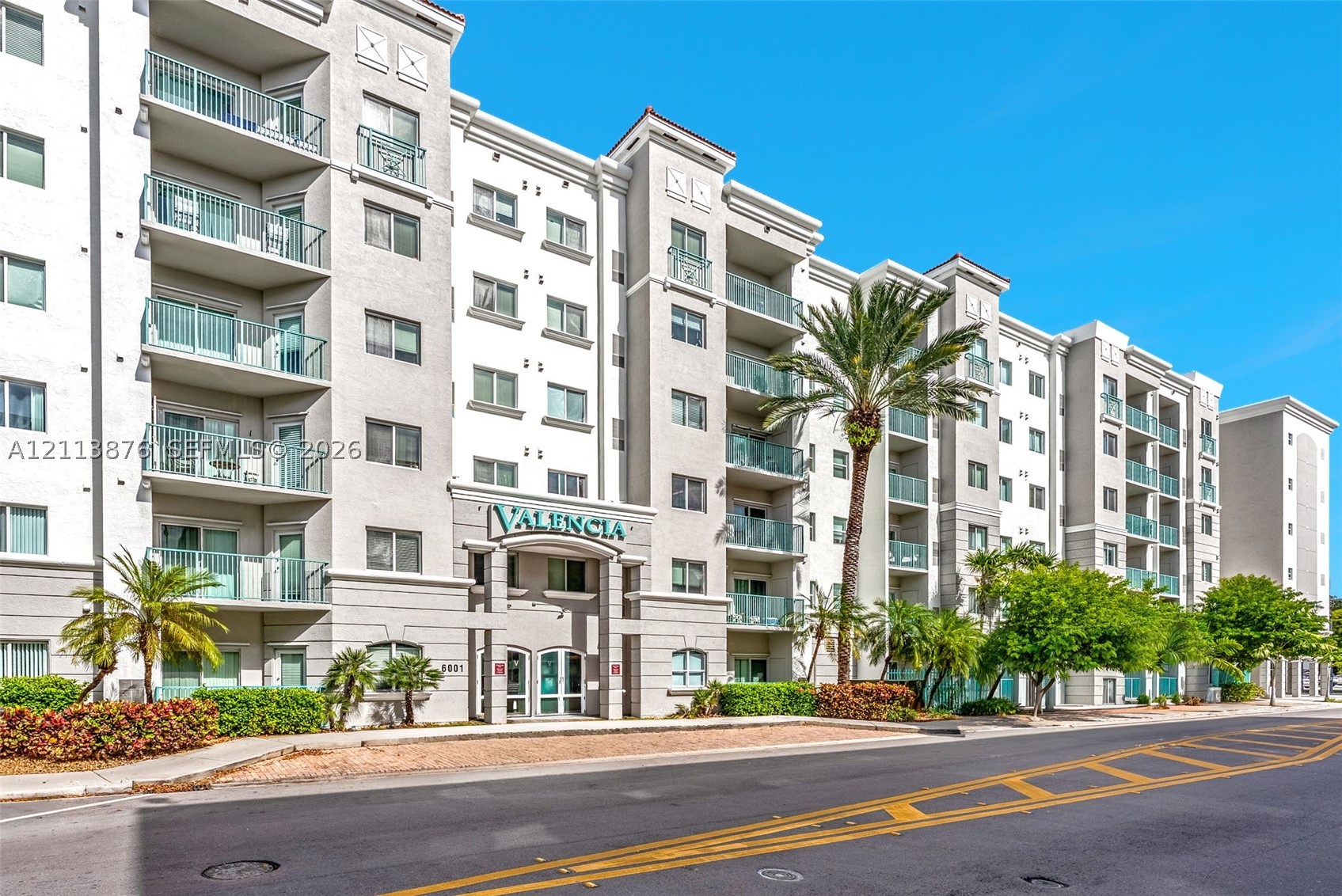
A condo or townhome can shift some maintenance to an association without eliminating the owner's financial exposure. Ask what the budget actually includes, who insures major building elements, whether parking is deeded or assigned and whether renovations require association approval. Review governing documents, reserve information, anticipated capital repairs and special assessments where applicable. Compare total annual spending, not simply the monthly association fee or the advertised purchase price.
What should buyers check about zoning and new development?
The South Miami Planning & Zoning Division handles land-use inquiries, plats, site plans, variances, tree removal matters and other development reviews. The official zoning and future land-use maps provide a starting point for verifying a property's designation. A district label does not alone approve a second dwelling, a business use, a larger structure or short-term lodging; parcel-specific rules and decisions must be checked.
A proposed zoning amendment, a reviewed site plan, a building permit and a finished project are different milestones. For a property beside the Hometown District or a transit-oriented corridor, request current city case records, approved plans, construction status and any conditions of approval. Estimate the effect of possible construction noise or traffic without presenting a speculative future increase in property value as a fact.
How can an existing home's permits and alterations be verified?
The City of South Miami Building Division publishes permit and inspection procedures. Buyers should compare the observed layout with available approved plans and final inspections. Request records for roof replacement, windows and doors, structural work, added bedrooms or bathrooms, electrical panels, plumbing changes and accessory structures. Unresolved permits and code matters can affect both closing and the cost of later repairs.
The city currently publishes construction hours of 7 a.m. to 6 p.m. on weekdays and restrictions on weekend residential work; check current rules before beginning a project. Planning & Zoning may need to review changes before a building permit can be issued. For any proposed addition, obtain an assessment from qualified local designers, contractors and the appropriate city department, not just an informal estimate based on the available yard area.
Which parks are in service, and which improvements remain planned?
South Miami's Parks and Facilities directory identifies city-managed parks and recreation facilities. Dante Fascell Park offers tennis and other active recreation; Fuchs Park, Murray Park and South Miami Park provide different facilities and access conditions. Some fields or buildings require reservations, while program times, maintenance closures and opening hours can change. Compare a particular park with the residence rather than describing all addresses as equally close to recreation.
The city's Parks and Recreation Master Plan is a planning process informed by public input, with adoption targeted for 2026 according to its published page. A planning goal does not prove that construction has started or that specific features are funded and open. For a property whose appeal depends on a future park improvement, check the most recent approved budget, relevant project documents and facility status.
How should flood exposure be checked in an inland municipality?
Inland location is not a guarantee against water damage. The city's National Flood Insurance Program guidance explains how seasonal heavy rainfall, saturated ground and drainage capacity can contribute to local flooding. The municipality can assist with flood-map information, but an old map or a seller's statement cannot establish current insurance requirements for a particular building.
Look up the address through the FEMA Map Service Center and the Miami-Dade flood-zone lookup. Request available elevation data, reports of previous water intrusion and repair history. Inspect driveway and garage slopes, roof drainage, equipment levels and any nearby canal or drainage easement. Ask an insurance professional for a quote based on the actual property before deadlines in the purchase contract expire.
Can a home be rented on Airbnb or used as an investment?
Do not treat the words “South Miami” in a listing as permission to operate a vacation rental. The Miami-Dade County vacation-rental guidance explicitly directs owners of properties inside municipalities to their city governments for applicable local regulations. County rules written for unincorporated areas should not be pasted onto an incorporated South Miami address. Obtain written zoning and licensing guidance for the exact property.
Check any state license and tax registration required for the proposed activity, along with condo or HOA restrictions, minimum lease terms, approval procedures and frequency limits. Online listings, an earlier owner's practice or the availability of a booking calendar are not proof of legal eligibility. For a rental investment, calculate achievable income under permitted lease terms, management fees, vacancy, insurance, repair reserves and property taxes after transfer.
How should buyers check daily routes and public-school assignments?
Measure access to work, health services, shopping and leisure using actual routes rather than a general claim that the whole city is walkable. The downtown streets have a different pedestrian setting from many detached-house blocks. A practical test includes station access, crossings over major roads, parking at the residence and the route home at the times you expect to travel. Verify current transit schedules directly with Miami-Dade Transit.
If public-school assignment is a purchase criterion, check the specific property address through Miami-Dade County Public Schools and confirm the applicable academic year. Program availability, charter admission and private-school admissions have separate rules. Proximity on a map does not guarantee placement; use objective address-based checks rather than assumptions about who lives in an area.
What documents and costs belong in the final buyer checklist?
Estimate property tax after the ownership change, homeowners insurance, possible flood insurance, financing, association fees, utilities and maintenance. For a house, consider roof replacement, cooling systems, yard care and repairs; for a condo, review insurance, reserves, assessments and the association's division of responsibility. The current seller's property tax bill may not match the buyer's later bill because assessed values and exemptions can change.
Before closing, assemble the survey and title review, city jurisdiction and zoning confirmation, permit and final-inspection history, disclosure information, applicable association documents, flood records and insurance quotations. BonaDomus can help compare South Miami properties, arrange viewings and inspections, request relevant documents and coordinate the transaction through closing. Legal, engineering and insurance conclusions should come from the appropriate qualified professionals.