Real estate for sale in Palmetto Bay, FL
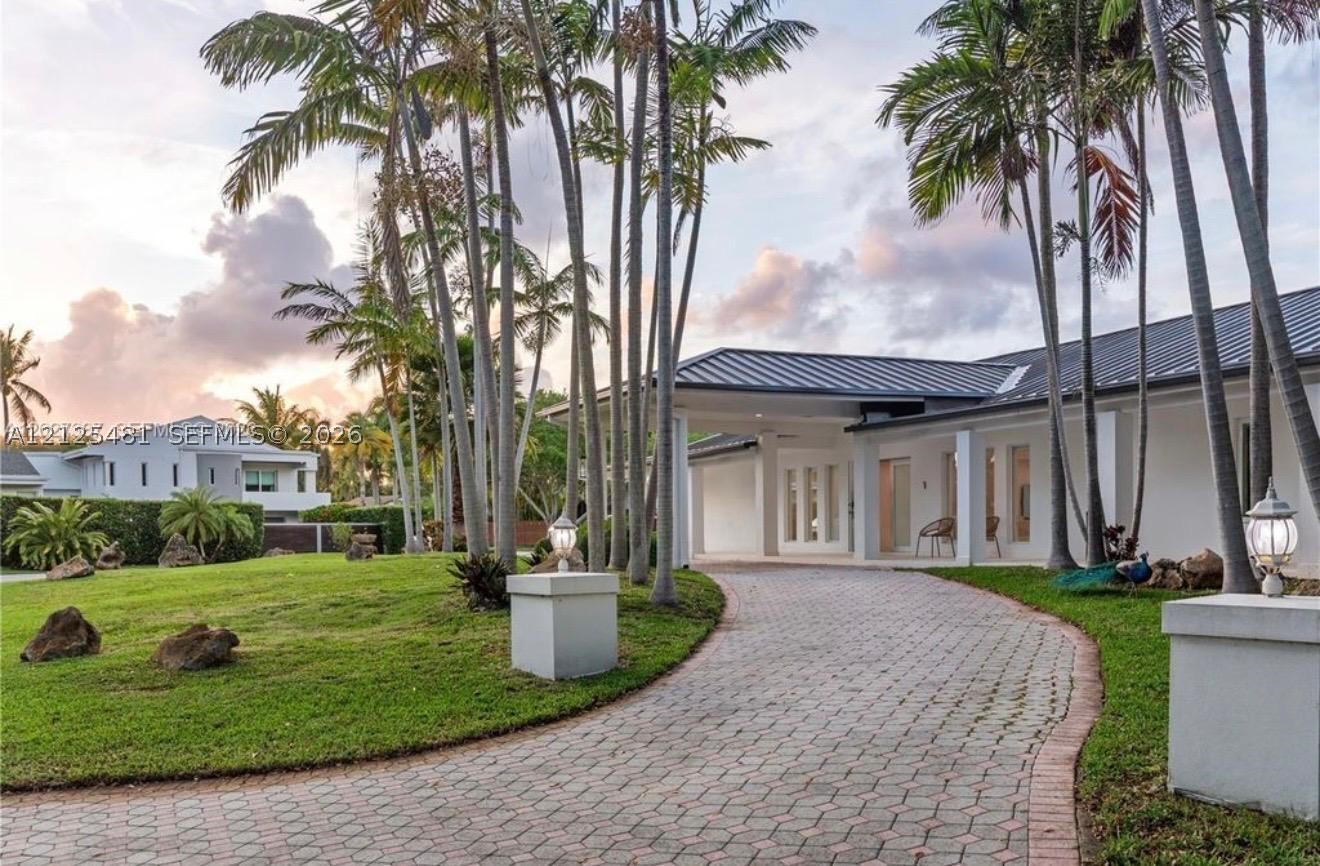
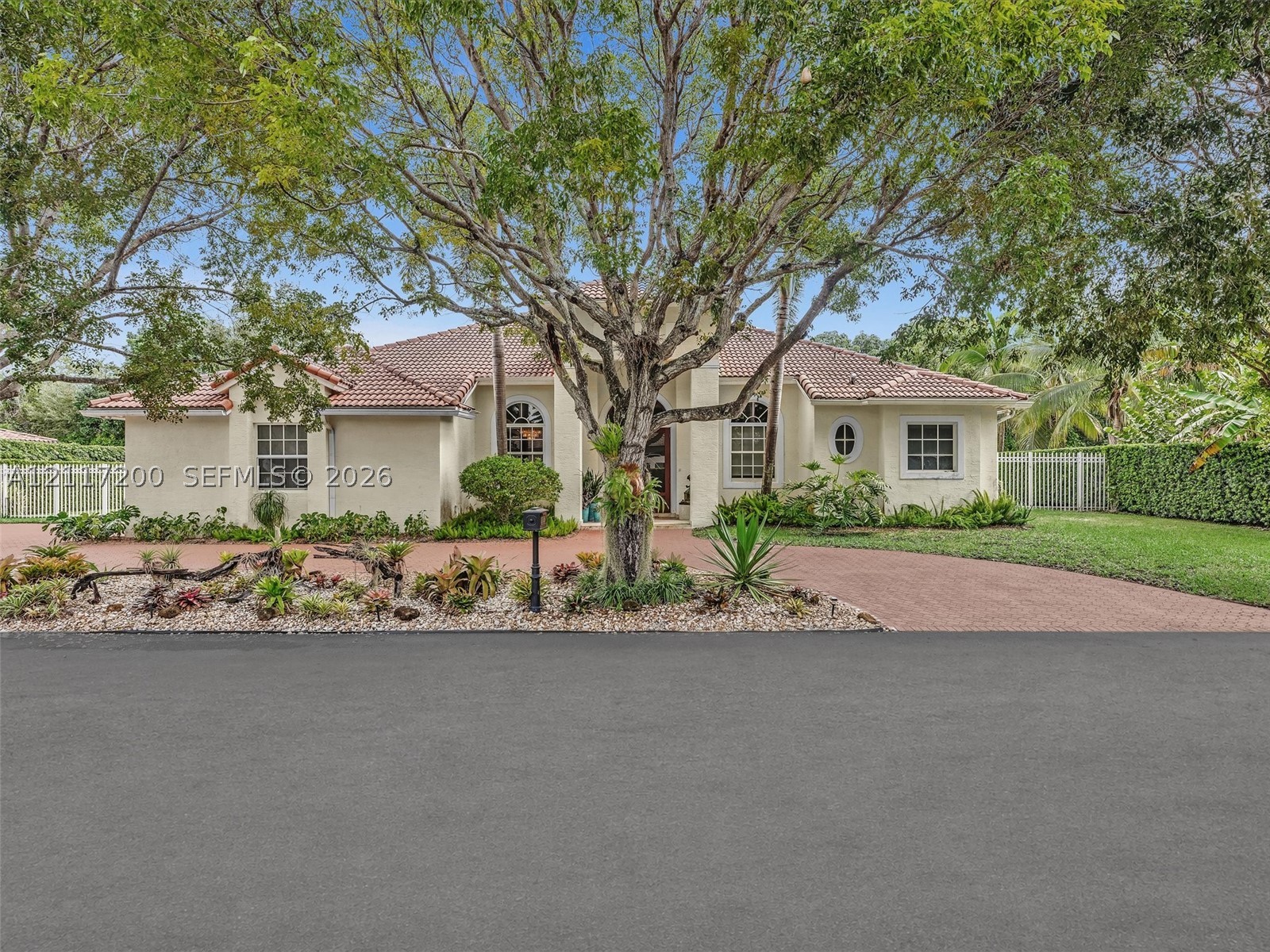
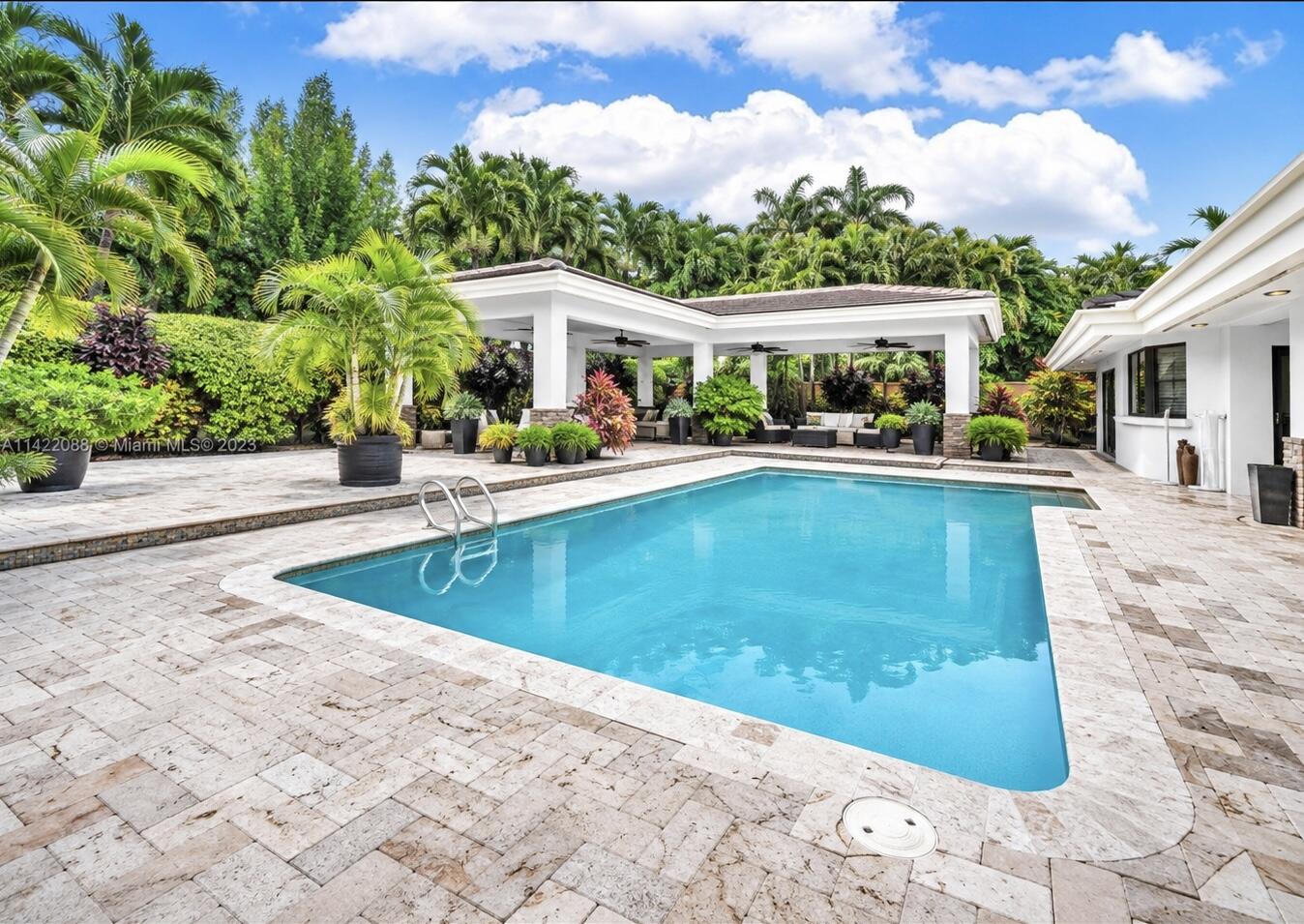
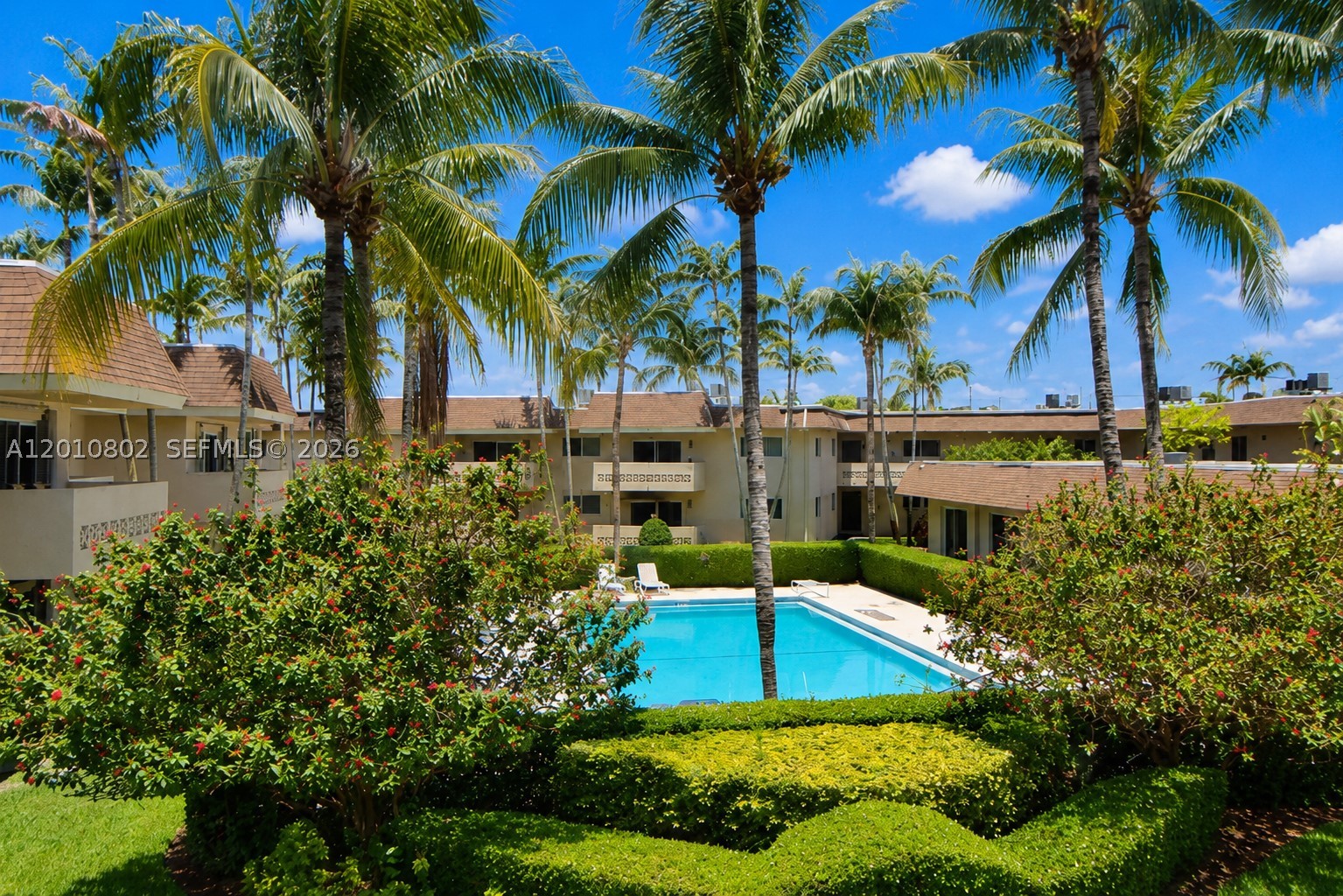
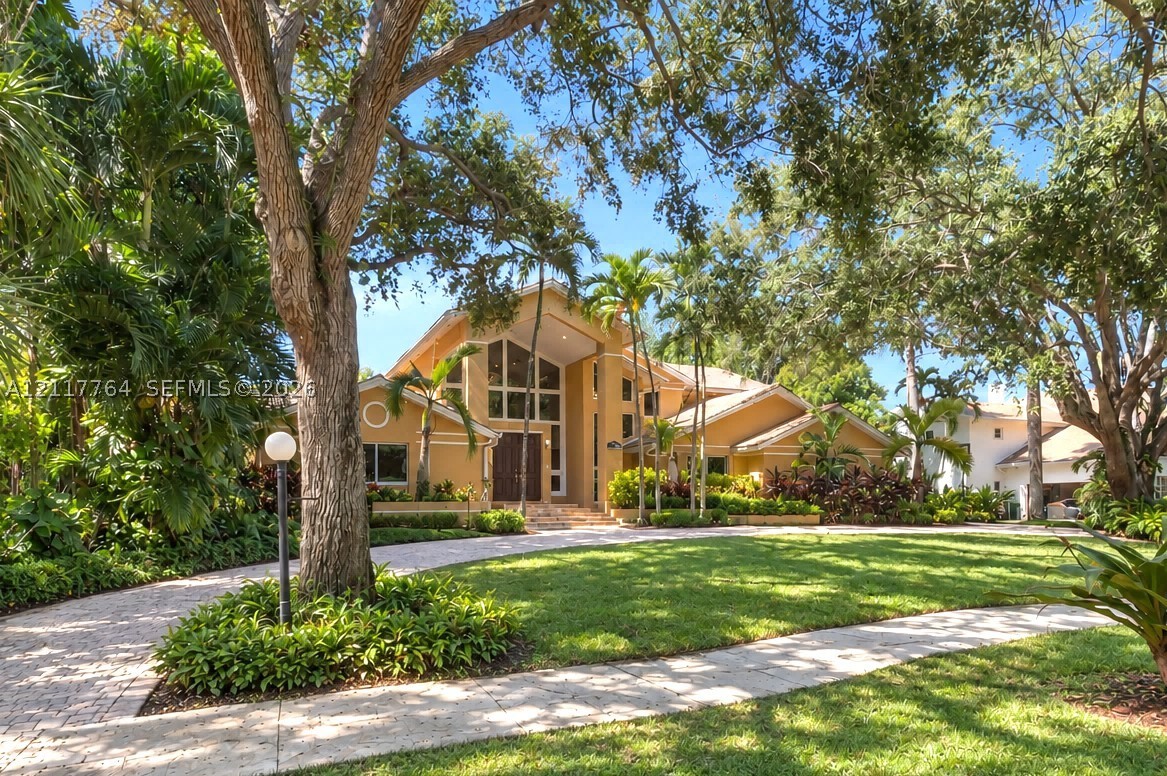
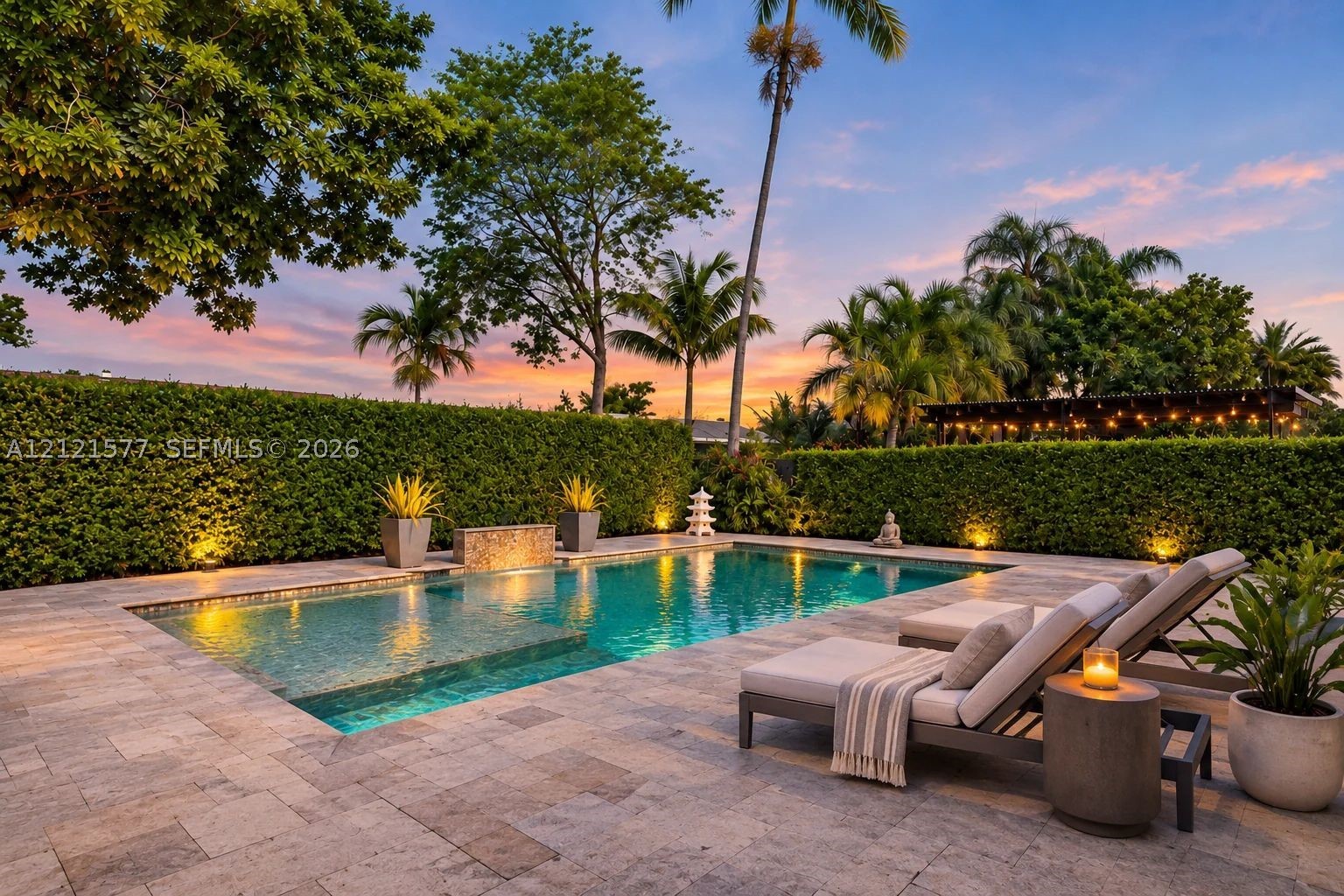
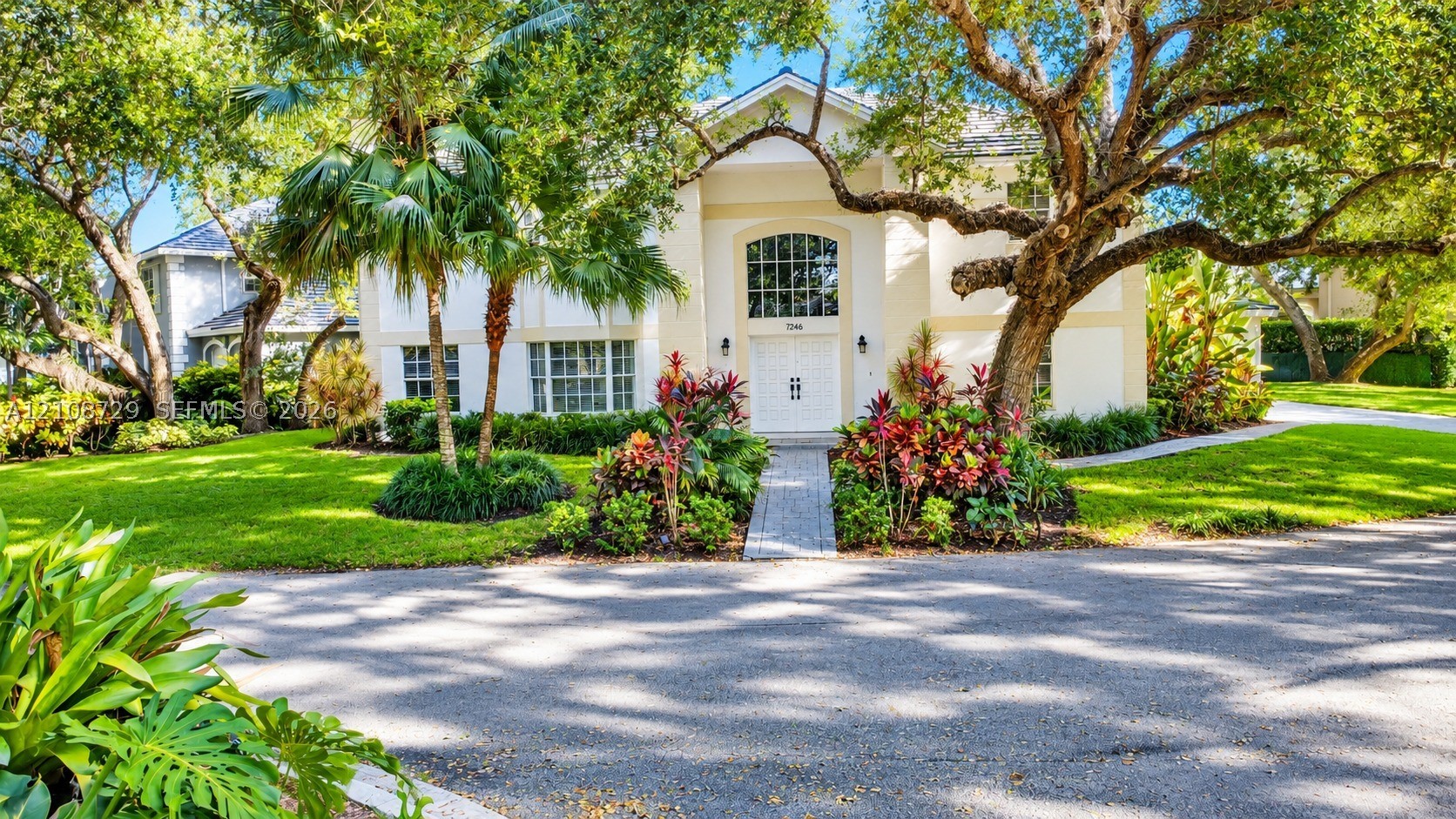
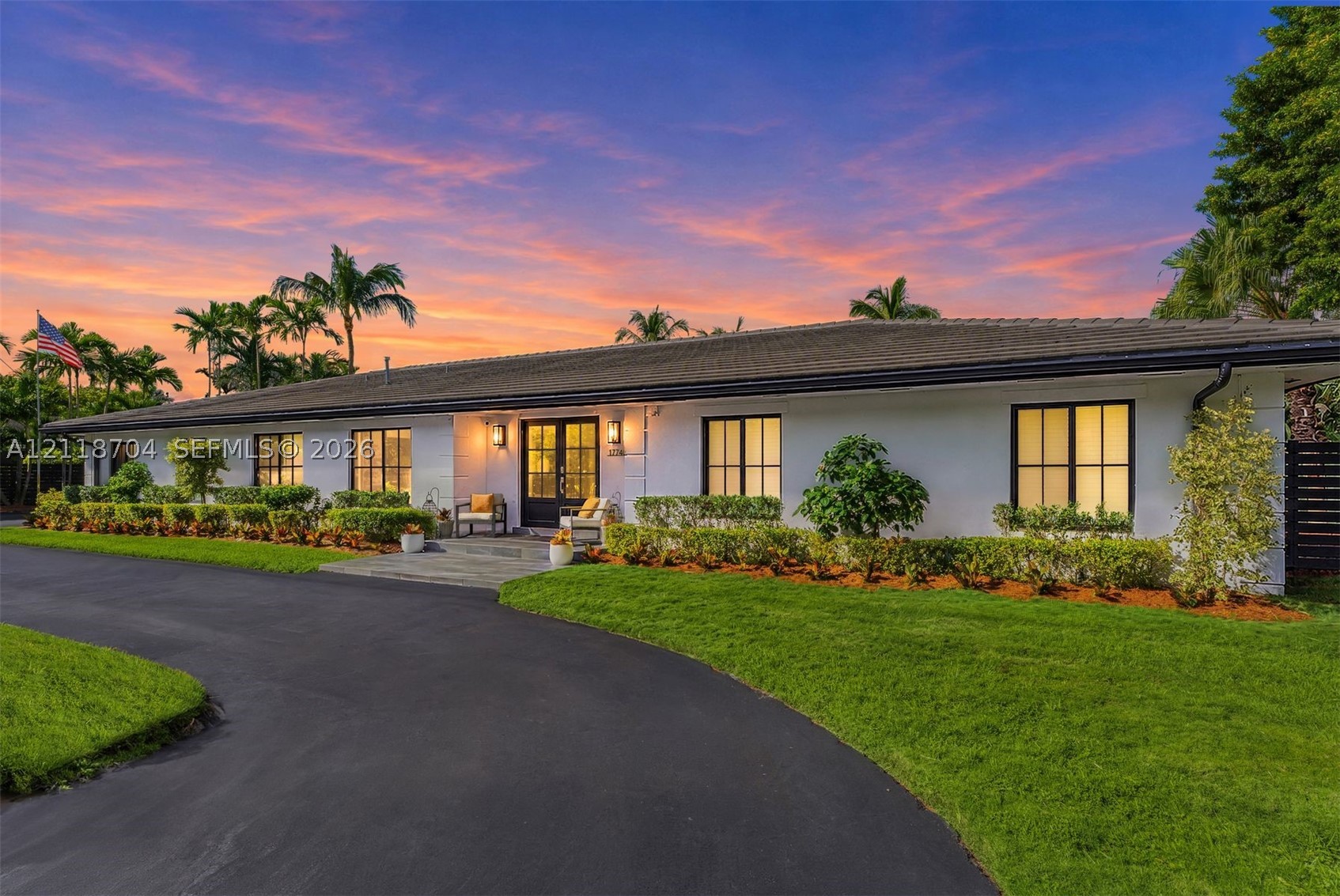
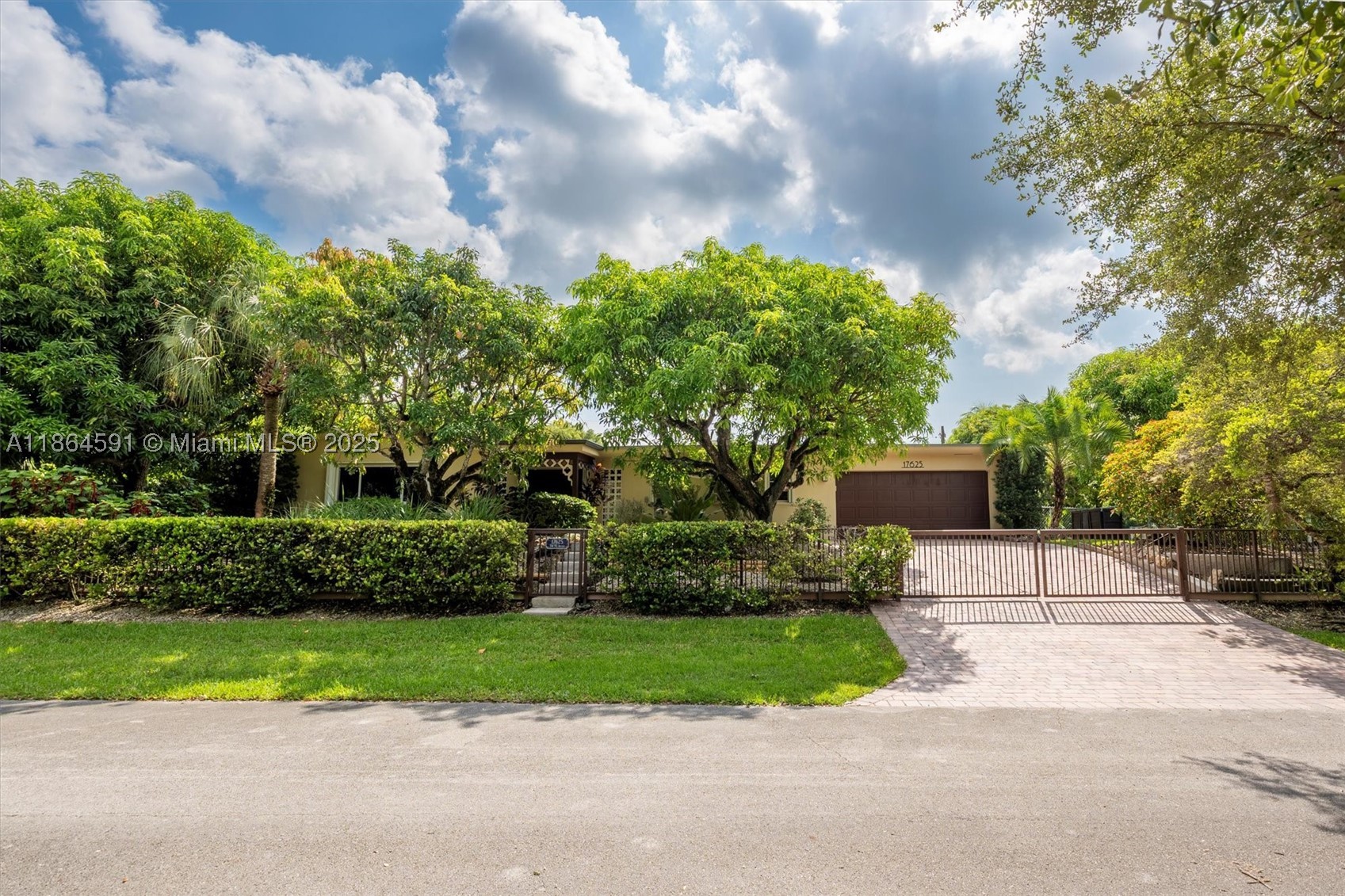
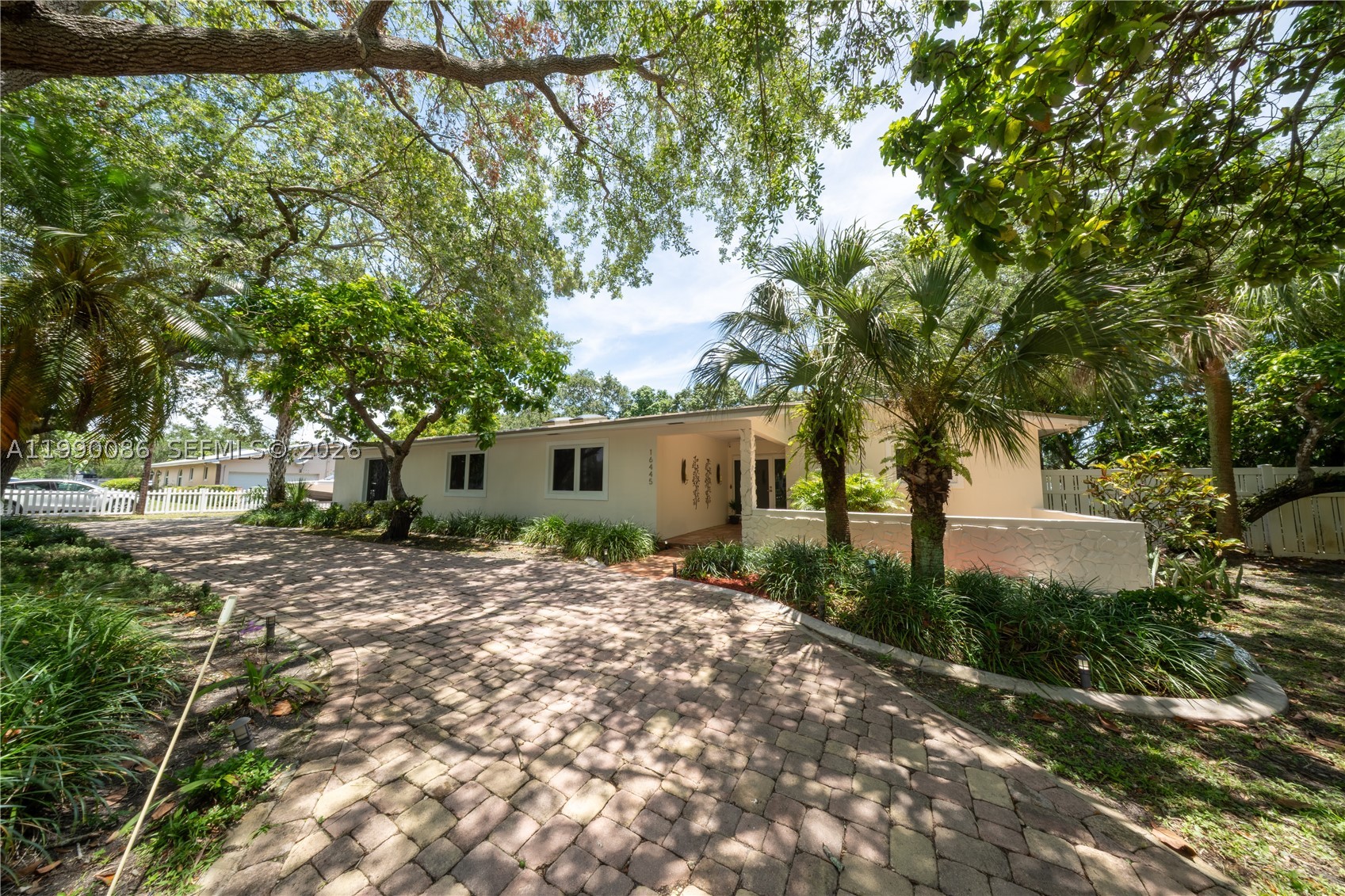
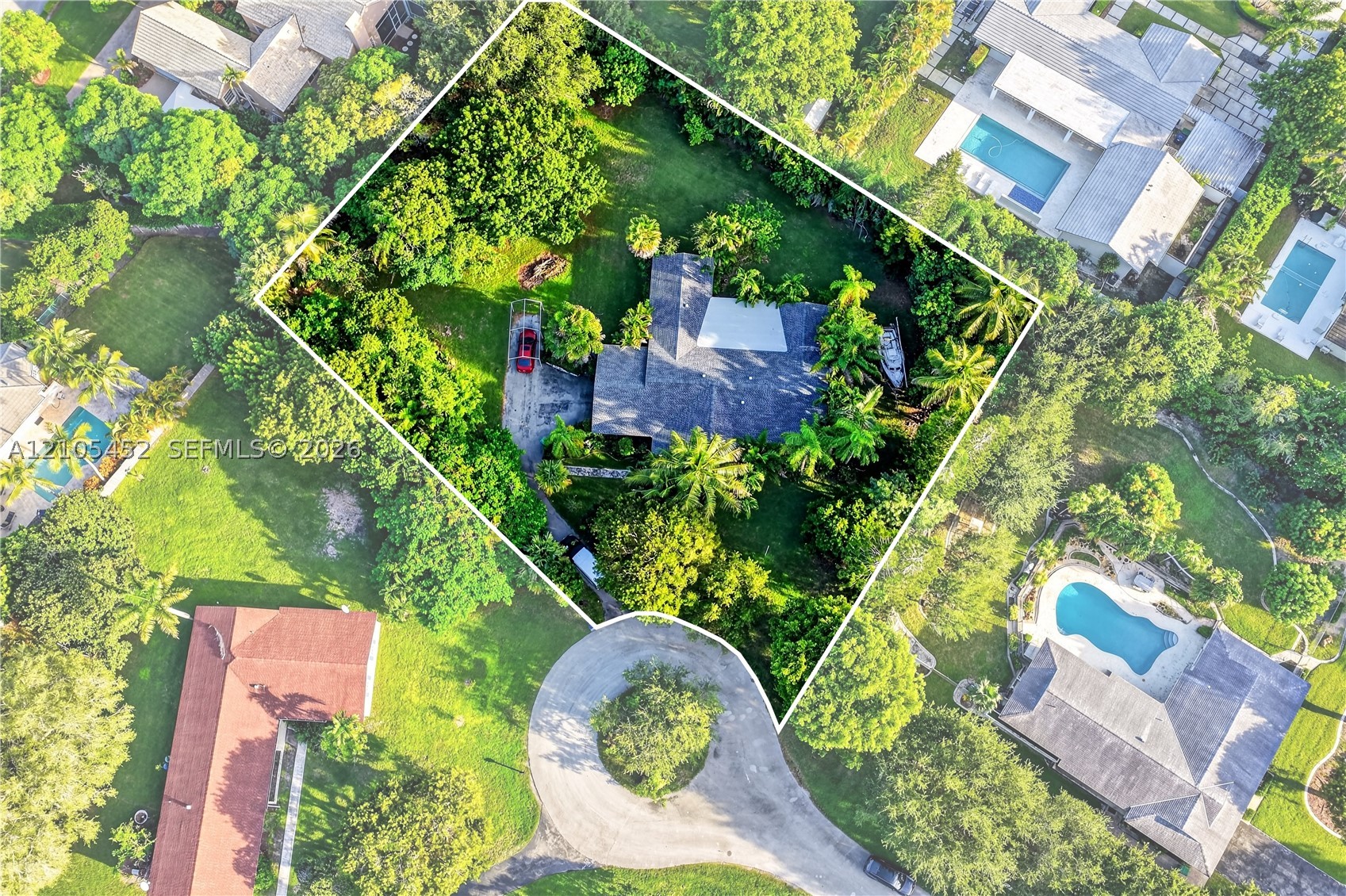
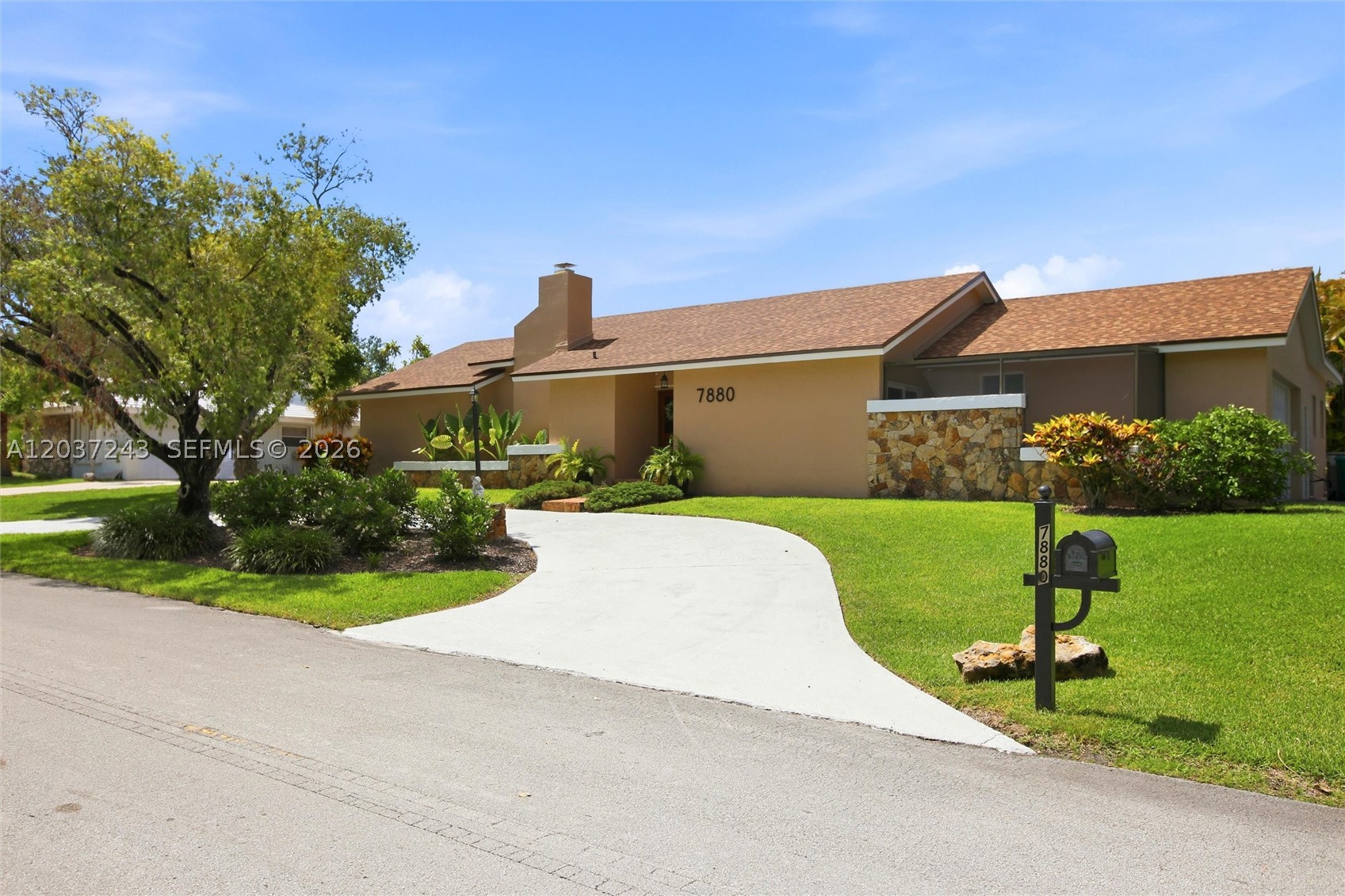

IDX information is provided exclusively for personal, non-commercial use, and may not be used for any purpose other than to identify prospective properties consumers may be interested in purchasing. Information is deemed reliable but not guaranteed.
Palmetto Bay Real Estate: Lot Rules, Local Parks and What to Check Before Buying
Palmetto Bay is an incorporated village in southern Miami-Dade County, bordered in part by Biscayne Bay and connected to the wider area by U.S. 1 and Old Cutler Road. Its housing search is largely about choosing between established residential streets, houses on different-sized lots and properties with different permitted improvements. A generous yard may be attractive, but its dimensions alone will not tell a buyer whether a pool, addition or separate living area can legally be built.
Explore Palmetto Bay real estate for sale on BonaDomus, then narrow the comparison to individual addresses. Here the most useful sequence is municipal boundaries, zoning district, approved building work, drainage and insurance, followed by lifestyle and ownership costs. This page is a village-wide guide; it does not replace property-specific records or a licensed professional's assessment.
Where does Palmetto Bay begin and end?
The village publishes corporate boundary and GIS maps. SW 136th Street is a principal northern reference, SW 184th Street marks the southern boundary, and the western edge follows a defined alignment along U.S. 1. To the east, the boundary includes parts adjoining Coral Gables and Biscayne Bay. Those references explain the geography but do not establish a legal boundary for every parcel.
When an advertisement says “Palmetto Bay,” confirm the property's folio, governing municipality and zoning on the official map. Nearby sections of Pinecrest, Cutler Bay or unincorporated Miami-Dade can have different administrations and rules. A Miami mailing address is not enough to determine who issues permits, handles code enforcement or regulates a proposed use.
How should you compare the village's different housing settings?
Some properties offer larger lots and more landscaping; others place everyday shopping and road connections closer to the front door. Along streets approaching Old Cutler Road and the bay, buyers may prioritize tree cover, access and elevation. Farther west, traffic movements toward U.S. 1 may matter more. Neither direction is uniformly better: identify the particular home's position, not a generalized neighborhood label.
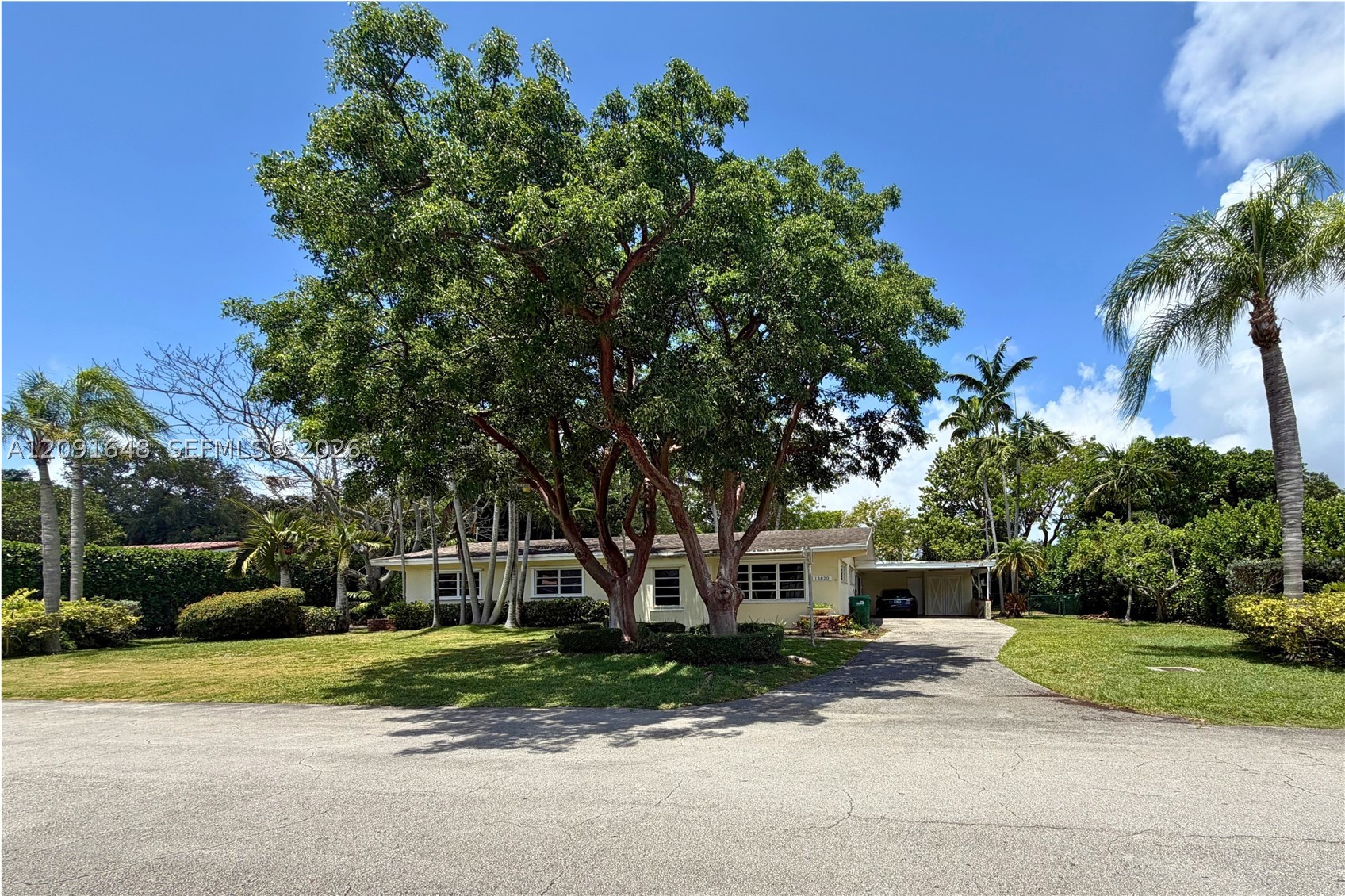
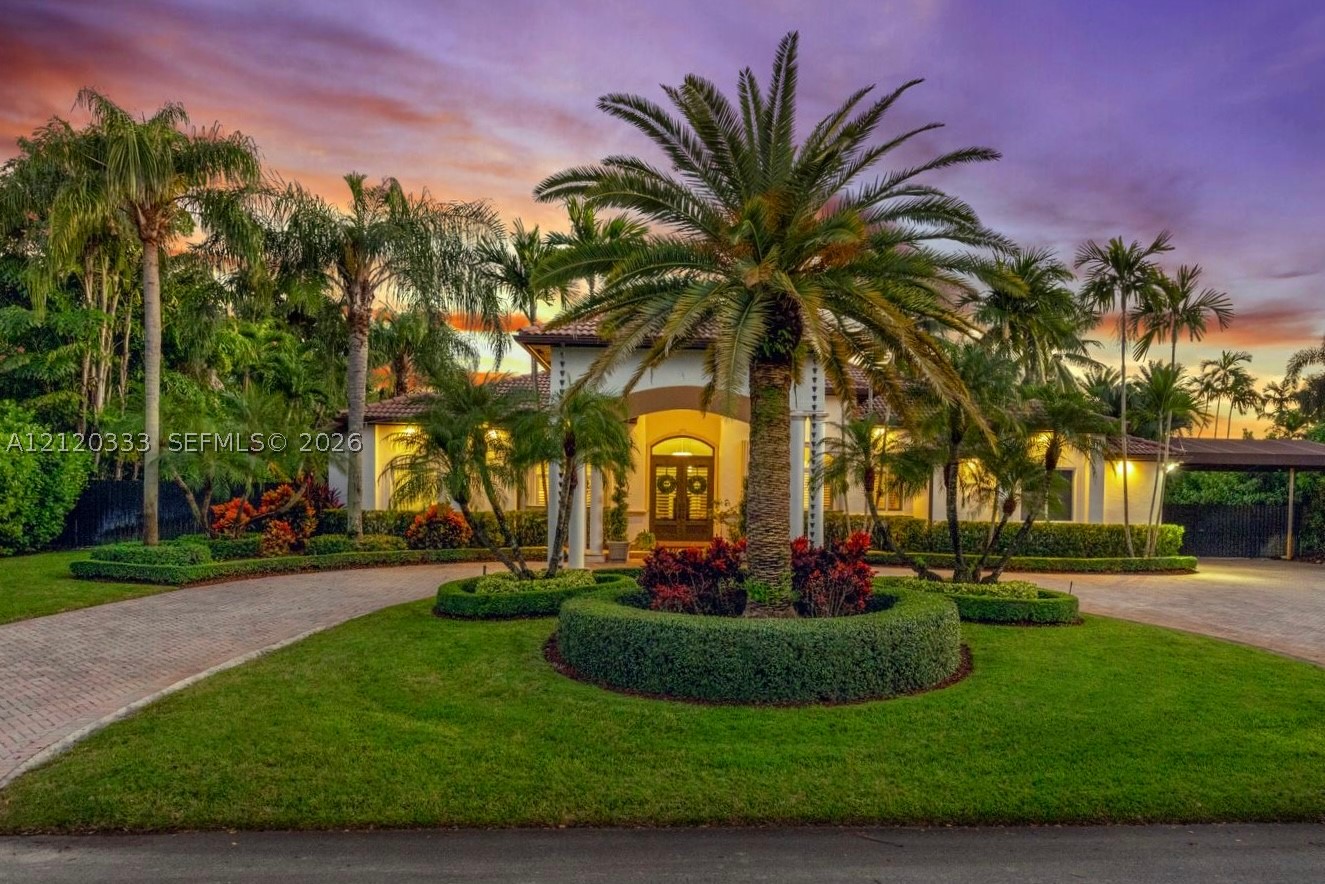
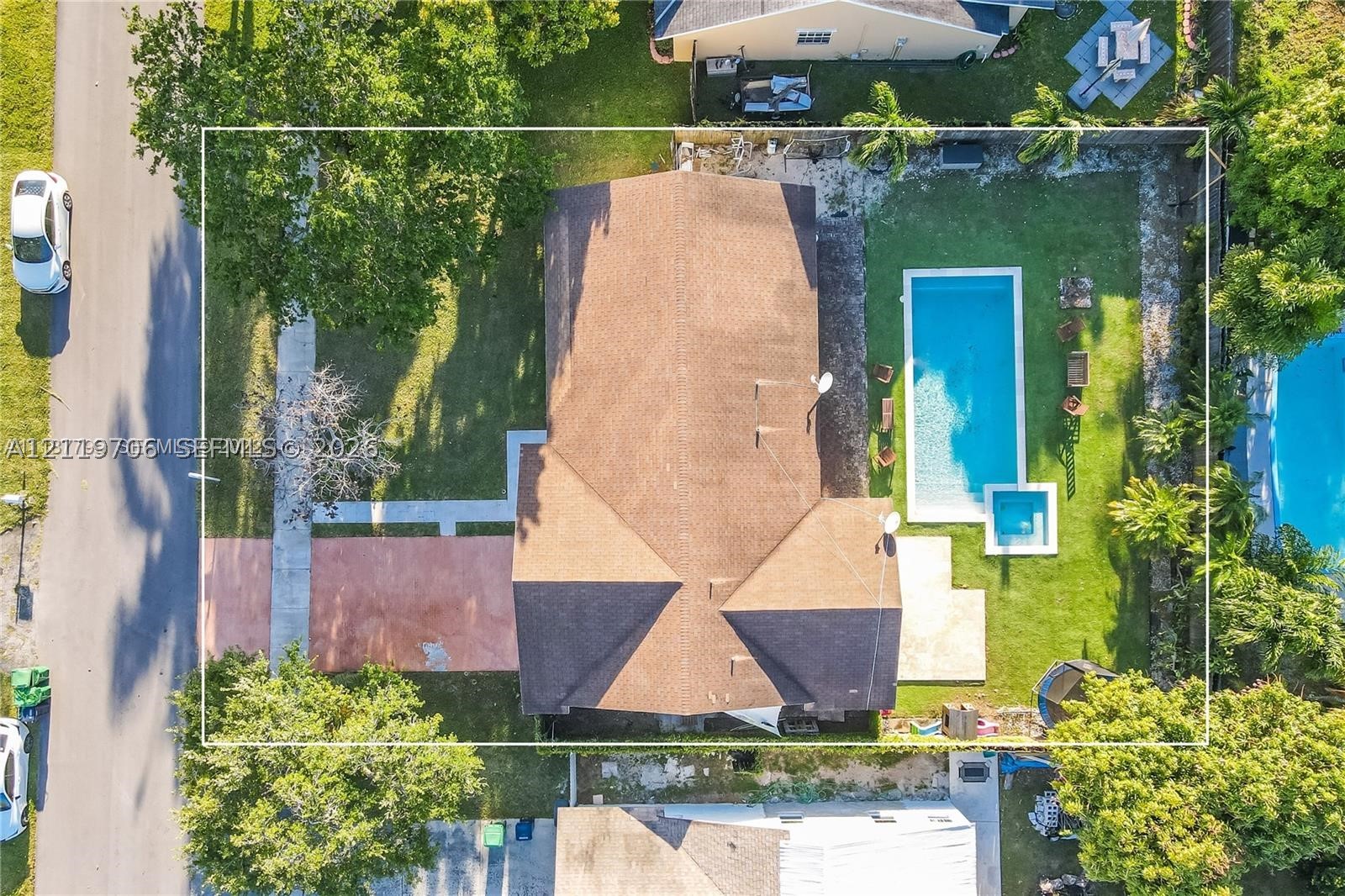
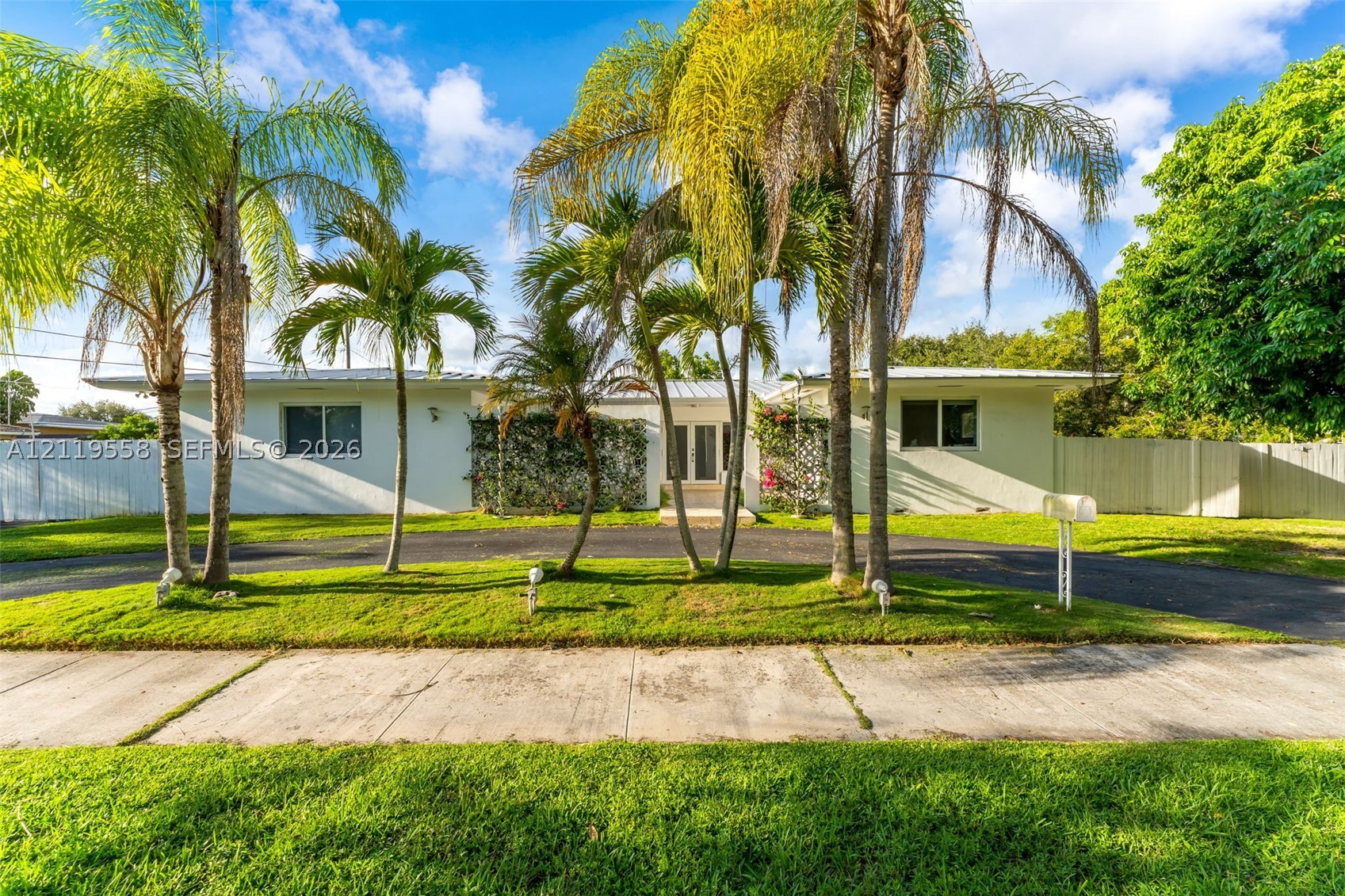
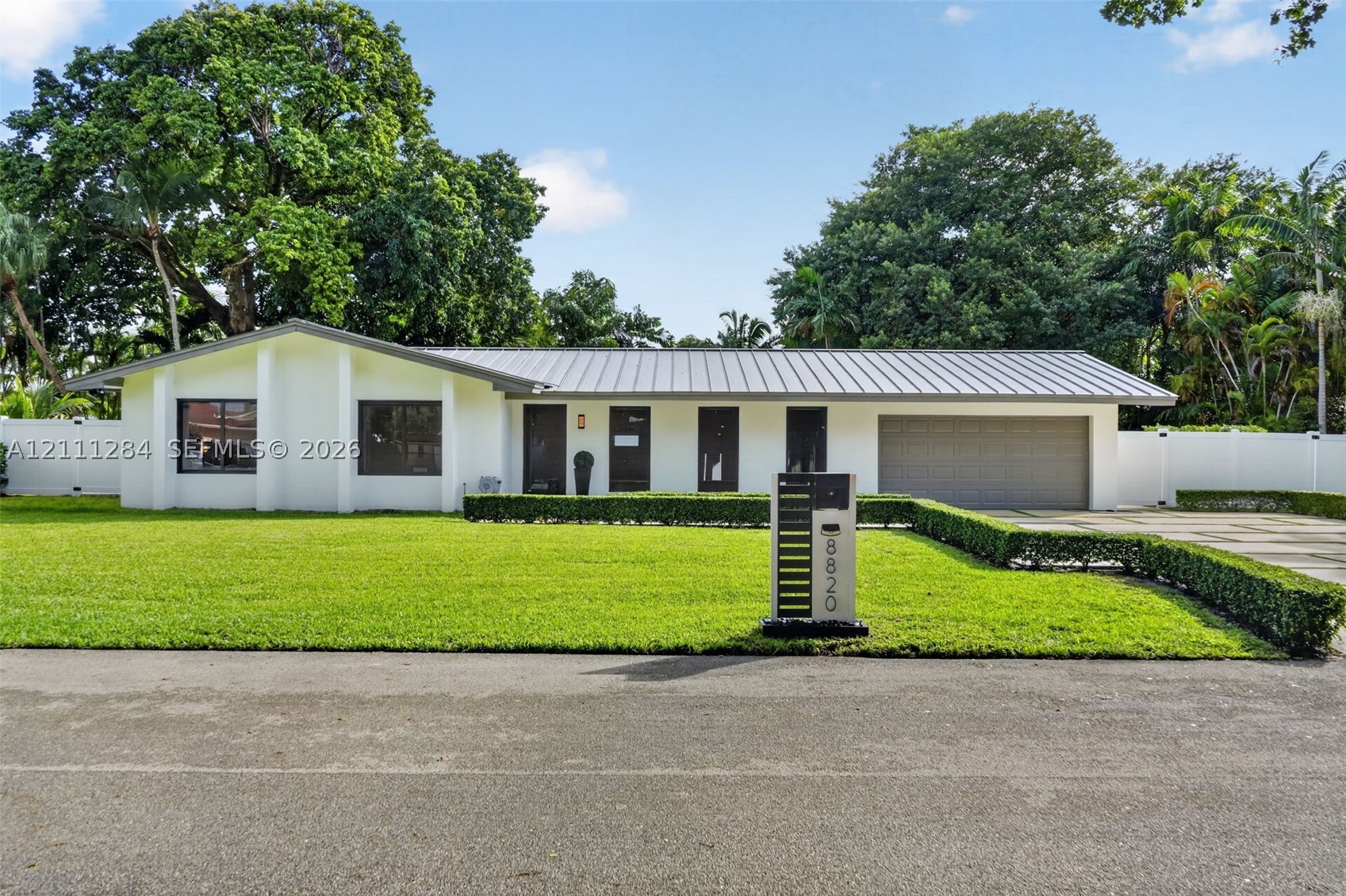
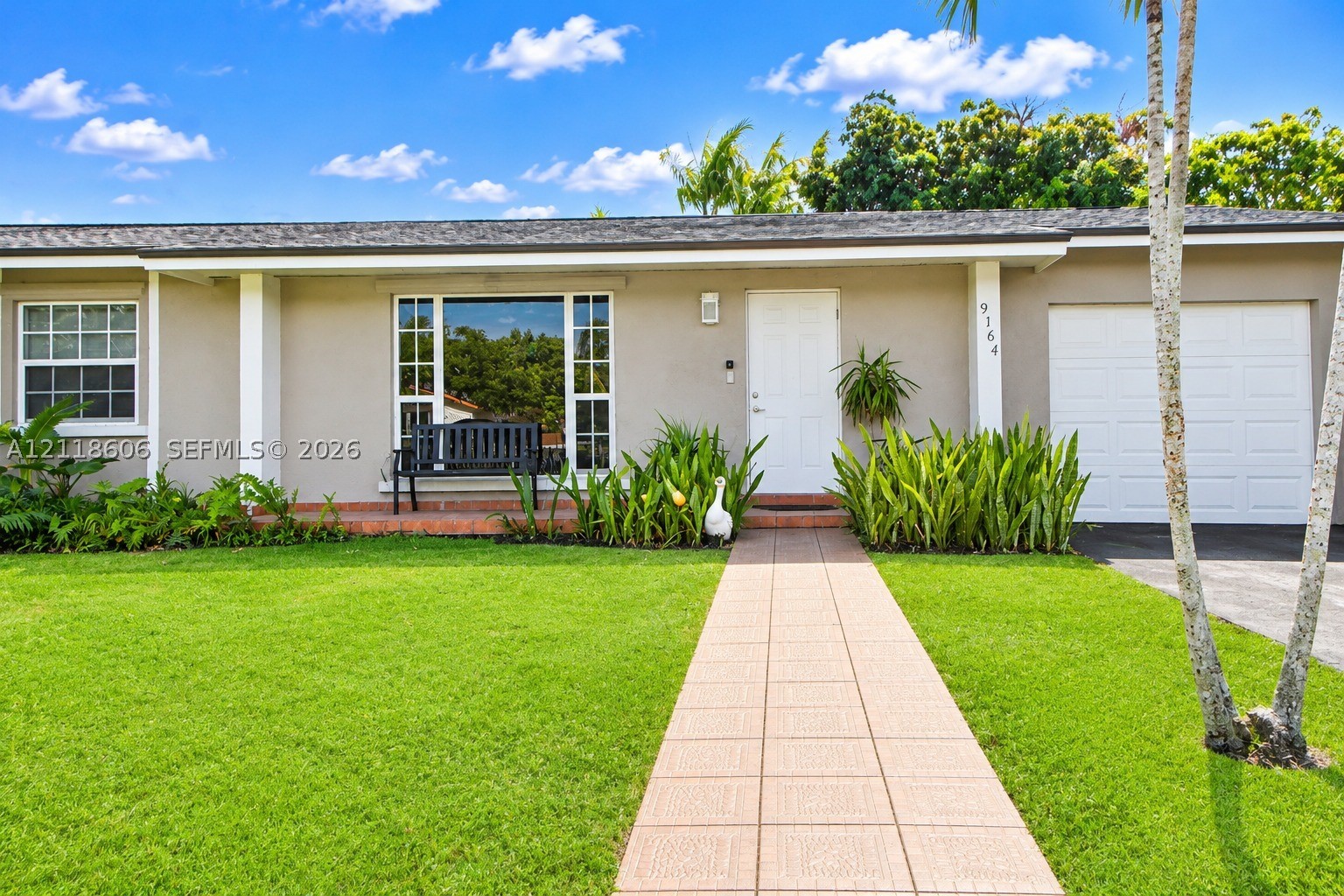
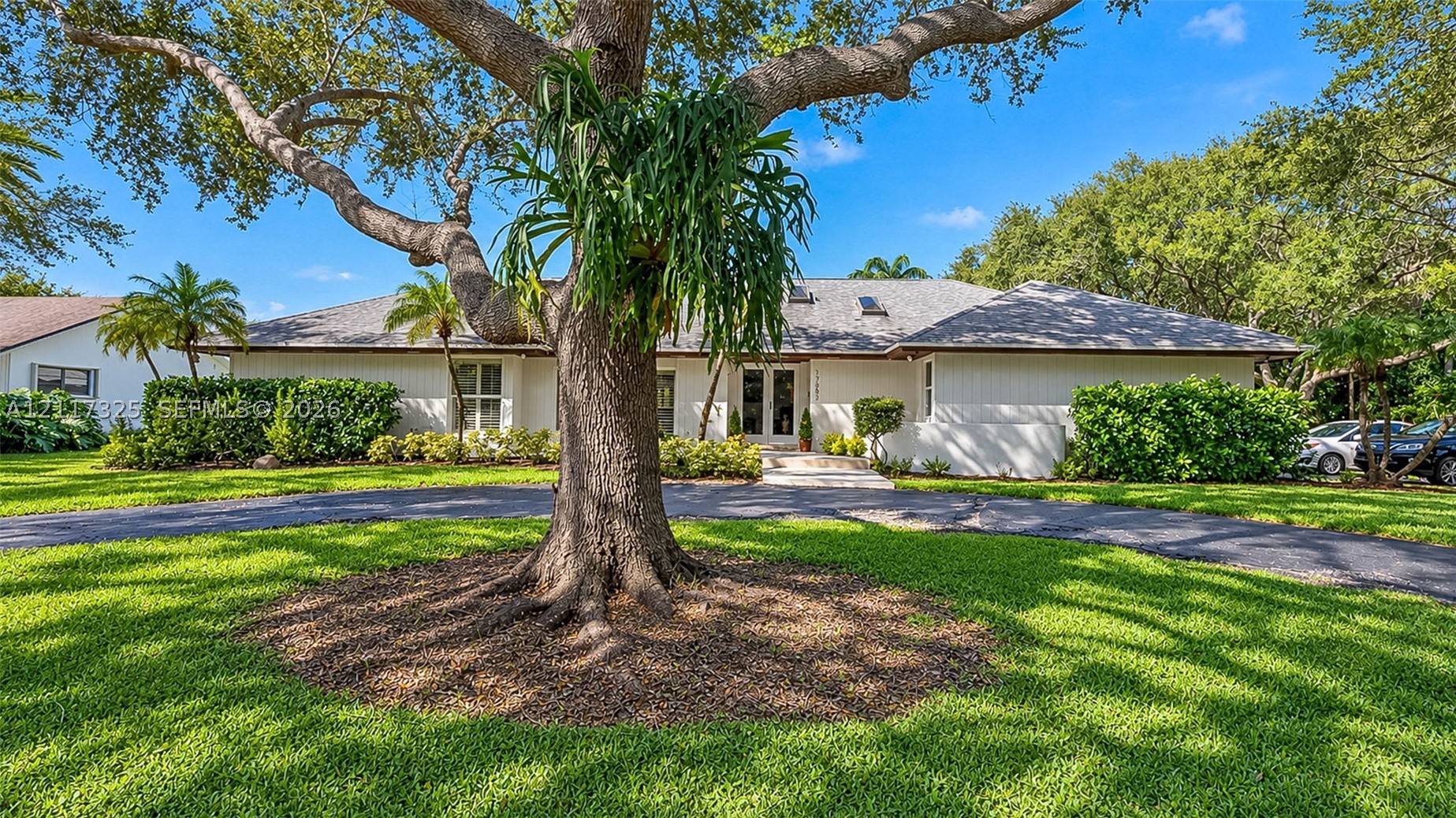
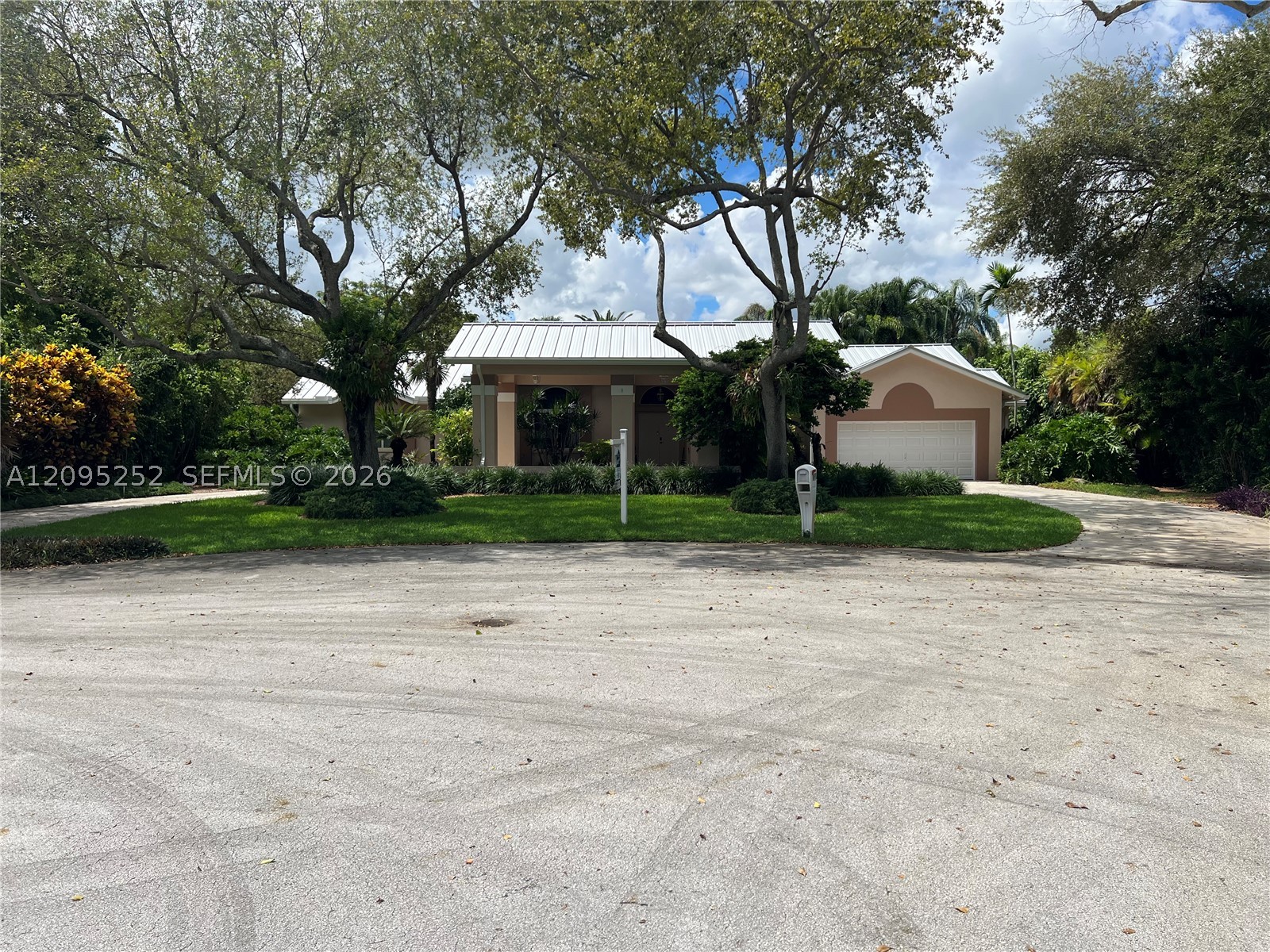
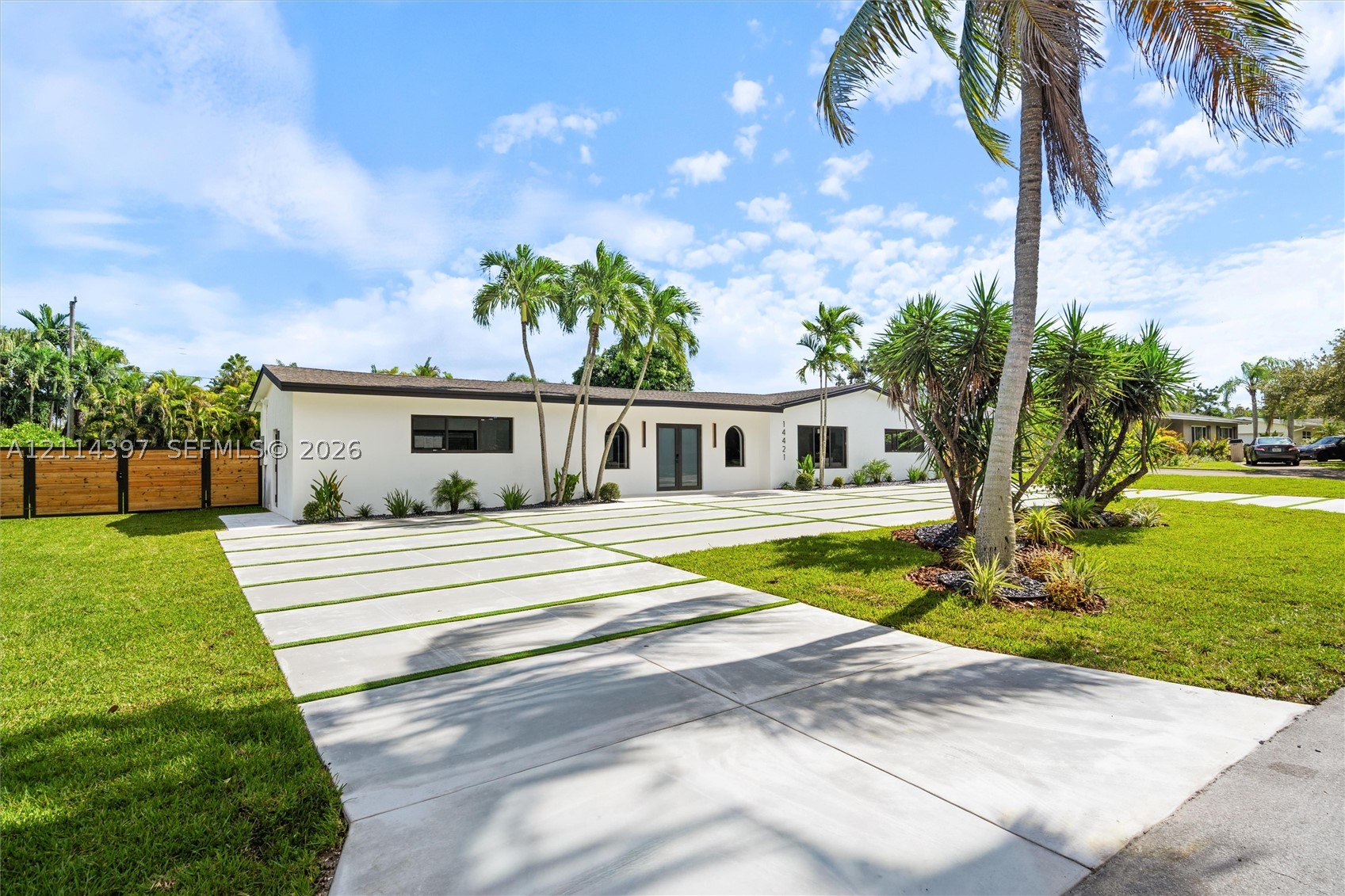
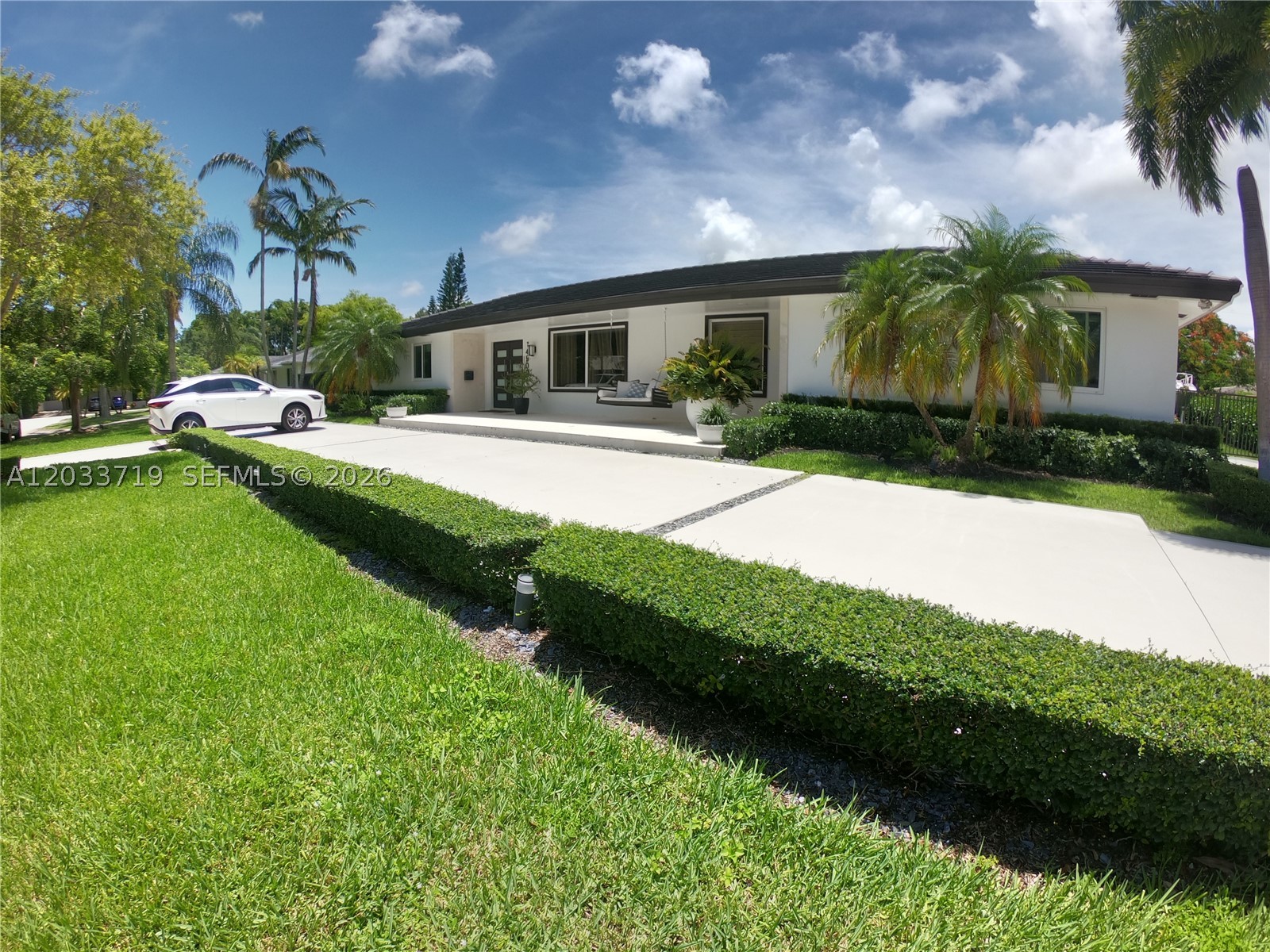
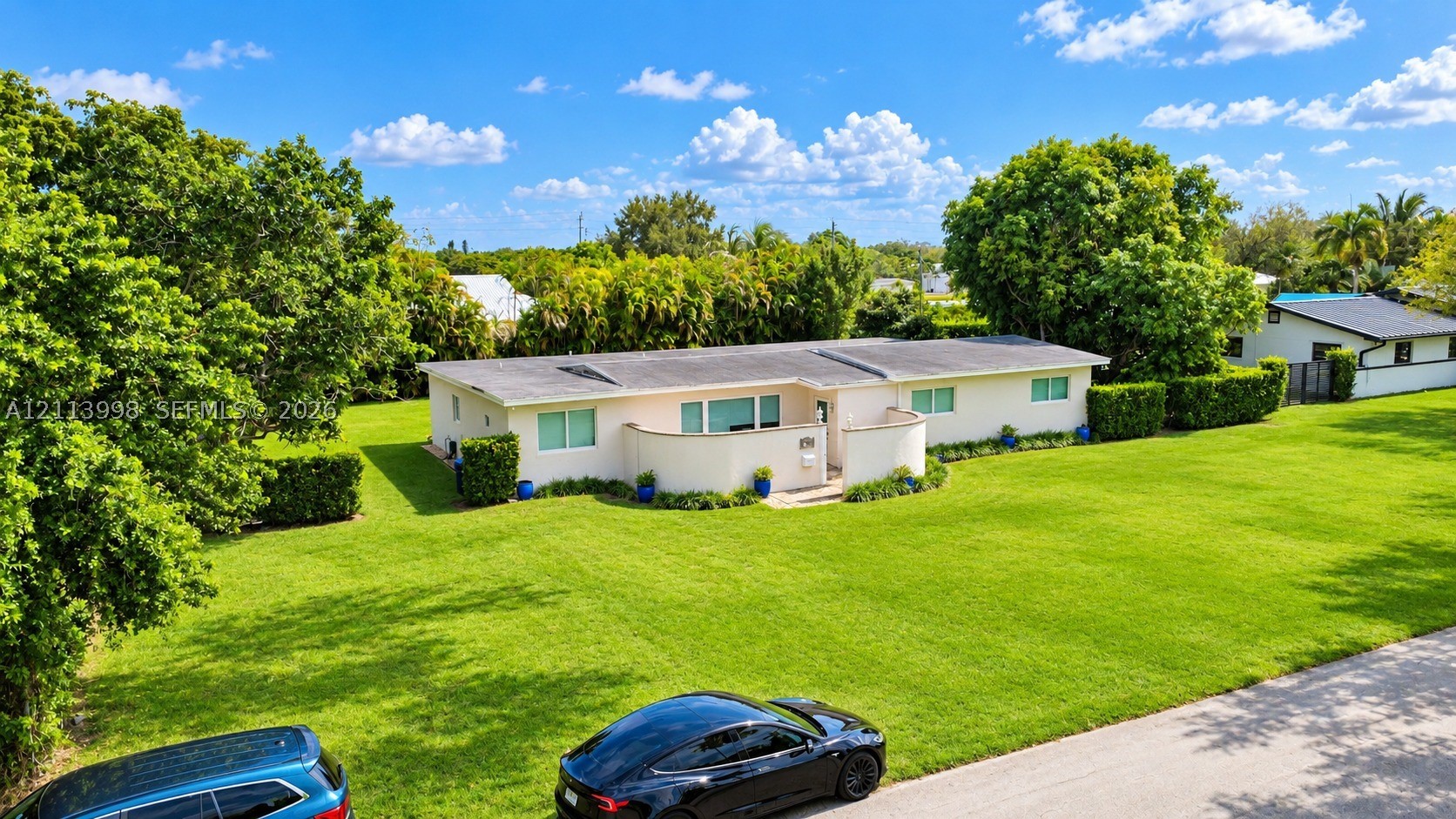
For a single-family home, record the usable outdoor area, parking, drainage points, mature trees and the position of existing structures. For a townhouse or condominium, review the private association's governing documents, fees, parking assignments and maintenance responsibility. Two homes marketed with similar living area can carry different renovation limits and ownership expenses.
What do the E-M and R-1 zoning districts change?
The village's Estate Modified (E-M) district guidance gives a specific example of why a zoning label matters. It states a minimum net lot area of 15,000 square feet, a maximum 32% combined building coverage, a two-story/35-foot height limit and minimum landscaped and open-space proportions. Where an on-site septic system is used, space must also be preserved for its drain field. These figures are for E-M parcels; they must not be applied to every property in Palmetto Bay.
Other districts, including R-1 residential zoning, publish their own dimensional standards. Before planning a guest room, pool or covered terrace, obtain the present zoning classification, survey, setbacks and any recorded variances. An existing improvement—or a similar-looking addition next door—does not prove that a new project is permissible.
Why do permits, septic systems and older records matter?
The village Building & Permitting Department offers a permit-status lookup and a lien-search process for open or expired permits, code violations and certain outstanding charges. Request records for roof replacements, pool construction, added rooms, electrical changes and other material improvements. An upgraded kitchen may be easy to see during a showing; an unclosed permit is less visible and may affect closing or financing.
Ask whether the property is connected to sewer or relies on a septic system, and have its condition and approved capacity assessed. The location of the drain field can restrict future additions and landscape changes. For older construction, permit or elevation records may span village and Miami-Dade County archives because the village's building department was established in 2003. A complete review should therefore follow the construction timeline, not stop at one online database.
Which parks and outdoor places serve different purposes?
The municipal parks directory separates several distinct facilities. Coral Reef Park combines walking paths, recreational courts and natural pineland. Palmetto Bay Park has sports facilities and a perimeter path. Perrine Wayside is oriented toward dog walking, while Ludovici Park is linked to the local library.
Thalatta Estate Park provides a public setting beside Biscayne Bay, but a waterside park is not the same as an ocean swimming beach or private boating access. The village's park guidance lists different operating schedules and rules by facility; events or maintenance may alter access. Compare the actual walking or driving route from the home rather than assuming that every village property has equivalent access to all parks.
How do U.S. 1 and Old Cutler Road affect everyday travel?
Palmetto Bay's road network offers different ways of reaching schools, work, groceries, parks and the rest of Miami-Dade. U.S. 1 is a major regional corridor; Old Cutler Road provides another north–south route through the eastern part of the village. Their practical usefulness depends on the home's specific entrance and the time of day, and a straight-line distance on a map is a poor substitute for testing the journey.
Before making an offer, trace the morning and evening trips you actually expect to take, including school visits if relevant, deliveries and access for service contractors. At a viewing, note the driveway's position, turning space, sidewalk continuity and the route from the nearest major street. A large parcel may involve more vehicle travel for ordinary errands; a location nearer U.S. 1 may require additional attention to traffic exposure.
Does inland or bay-adjacent location determine flood risk?
No single village-wide label answers that question. Palmetto Bay provides FEMA flood-zone mapping guidance, but zone designations, ground levels and drainage conditions differ by address. Near Biscayne Bay, a buyer should ask about coastal water levels and storm surge; farther inland, intense rainfall and local drainage still deserve review. A property outside a mapped high-risk zone is not automatically flood-proof.
The municipality also maintains an Elevation Certificate lookup and records request process. Those documents can help compare building elevations with mapped flood information, but availability varies, especially for older buildings. Review prior water intrusion, flood claims where disclosed, the location of electrical equipment, garage levels and insurer quotations. A flood-map designation alone cannot determine an insurance premium or the cost of future repairs.
What are the rules for Airbnb and vacation rentals?
Palmetto Bay has a formal vacation-rental Certificate of Use process involving an application, village inspection and ongoing compliance. The municipal operating guidance states that the responsible party must reside in the property for more than six months of the calendar year. This requirement materially changes the economics of buying an otherwise vacant house solely for short stays.
Before assuming rental revenue, ask Planning & Zoning to confirm the property's current eligibility, approved use and applicable ordinance. Check any association restrictions, required state licensing, tax registrations, occupancy and parking conditions separately. An Airbnb advertisement, an old certificate belonging to a seller or a property manager's assurance is not sufficient evidence of permission for the next owner.
What does owning a house here actually cost?
For a property with a substantial yard, account for tree care, irrigation, pool equipment, outdoor drainage and landscaping. For an older house, obtain separate inspections and estimates for the roof, electrical system, air conditioning, plumbing and wind protection. If the site has septic facilities, include maintenance and potential replacement exposure. Ownership inside an HOA may add assessments, architectural approval requirements or service restrictions.
Build an annual budget from property taxes, homeowners insurance, any flood insurance, financing, regular maintenance and foreseeable capital repairs. The seller's tax bill does not necessarily represent the buyer's future liability because assessments and exemptions can change after a sale. For an investment, analyze a lawful long-term rental scenario separately from any potential permitted short-term use, including vacancy, management and turnover expenses. Avoid basing a budget on historical listing counts or asking-price ranges that change daily.
What should you verify before making an offer?
Start with the address, folio and municipal boundary. Obtain the survey and zoning classification; confirm setbacks and legal uses. Request permit and lien searches, inspect the roof and building systems, determine the sewer or septic arrangement and check FEMA maps plus any available elevation documentation. If the house has additions, compare the advertised living area against the approved records. For a condo or HOA property, review association budgets, rules, insurance and possible special assessments.
For public-school assignment, use the exact address with Miami-Dade County Public Schools; proximity to a school does not guarantee eligibility for a particular program. Verify any public-facility hours before relying on them. The strongest buying comparison is parcel → permitted use → physical condition → access → total cost. BonaDomus can help organize property comparisons and viewings in Palmetto Bay, while legal, engineering, insurance and tax conclusions should be confirmed with qualified specialists.