Real estate for sale in Miami, FL
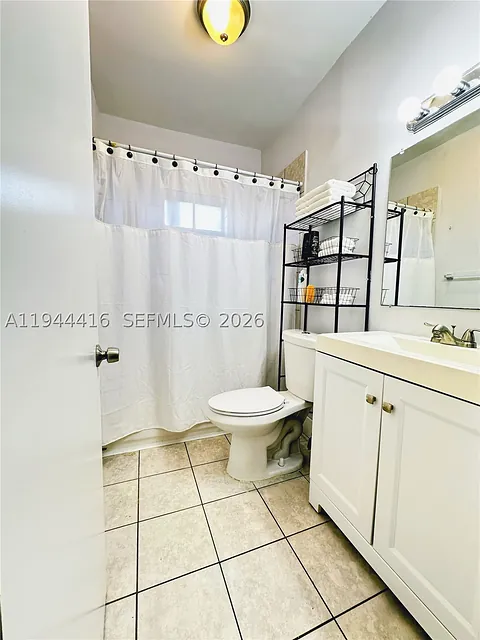
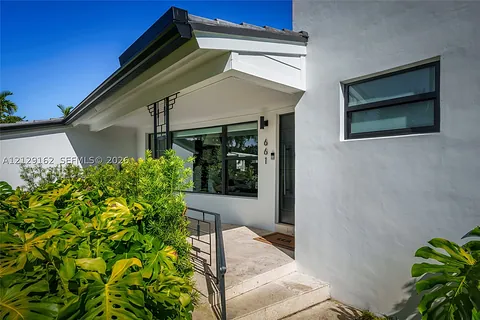

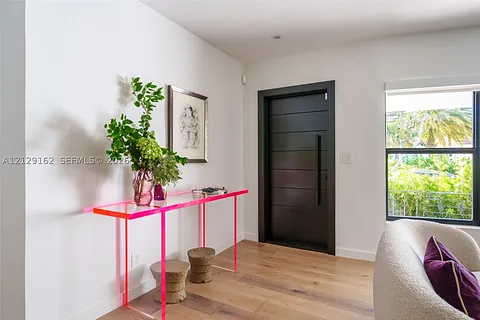


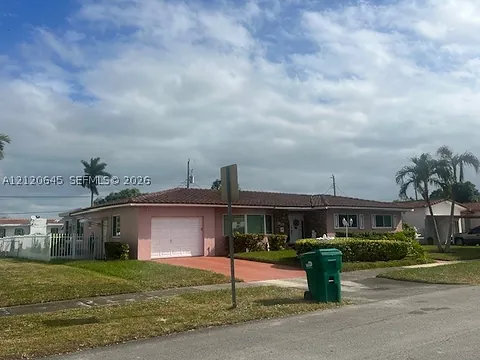
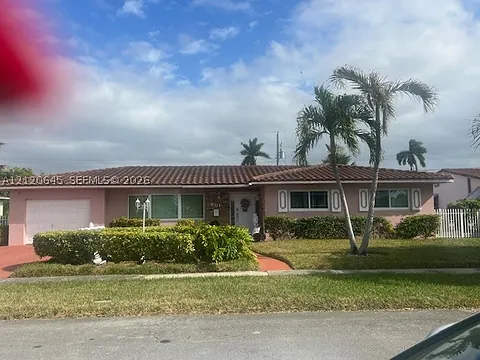
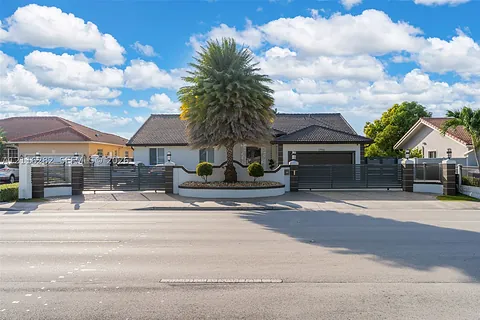
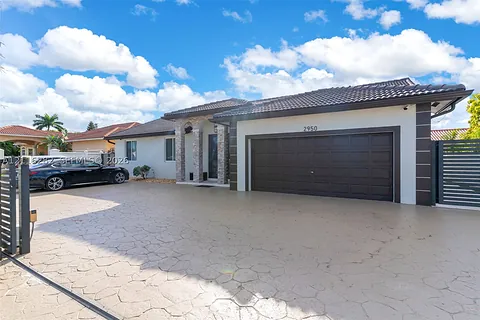
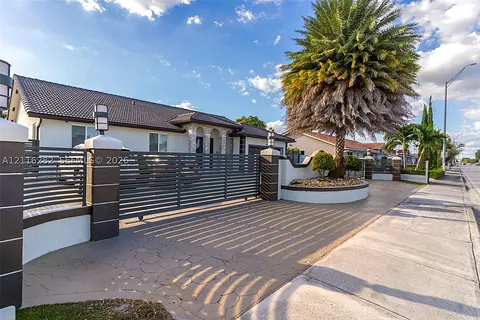
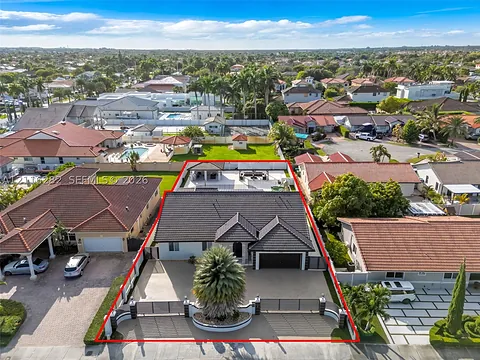
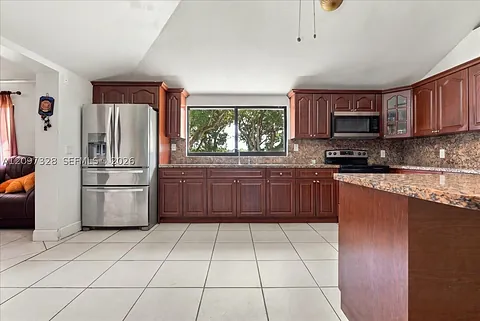
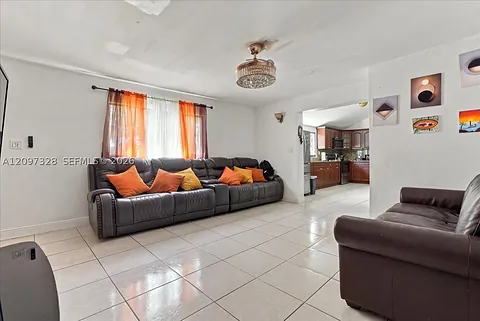
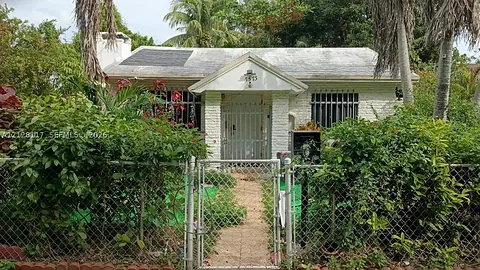

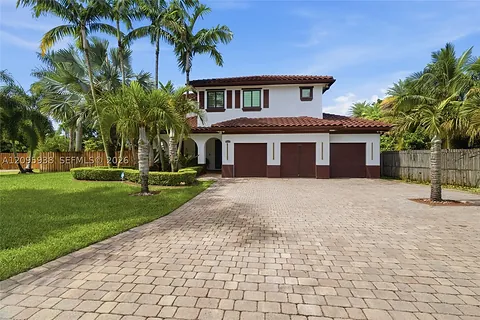

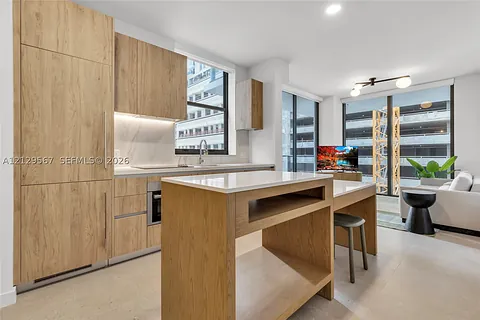
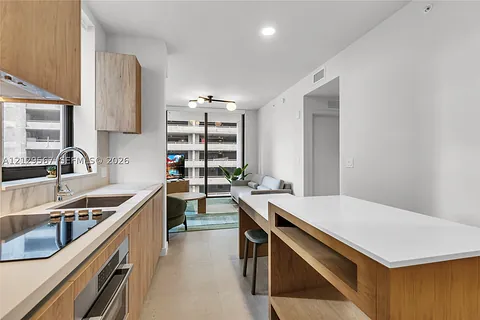
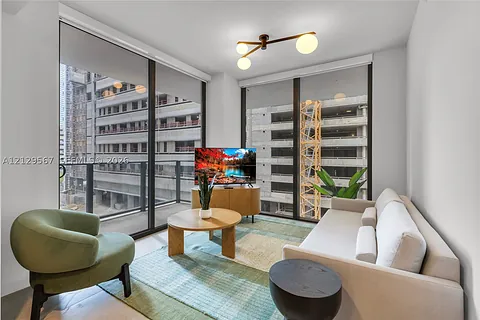

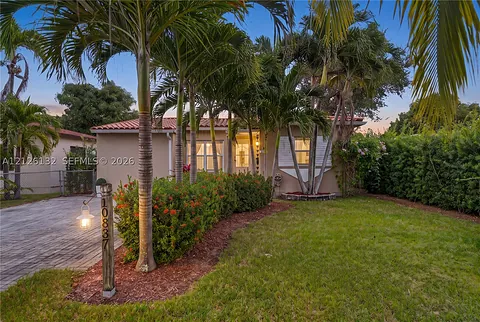


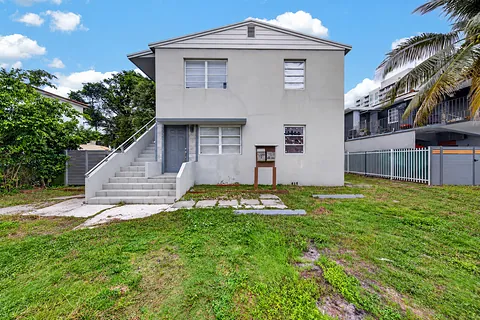
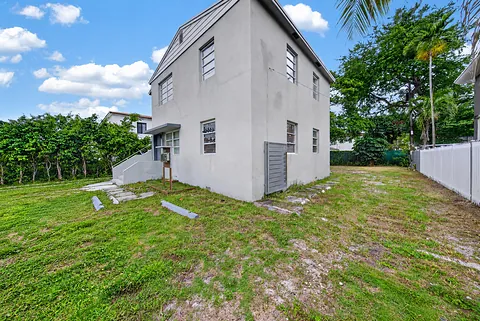
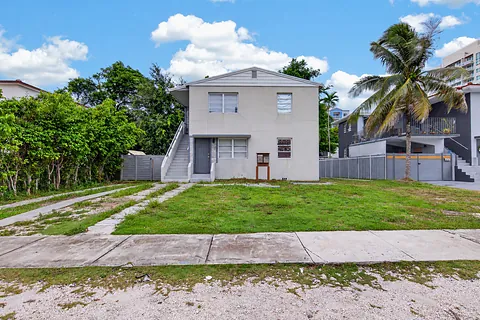
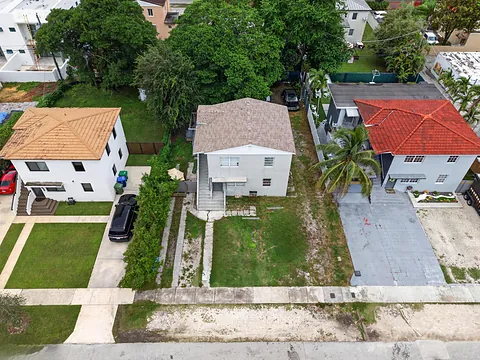
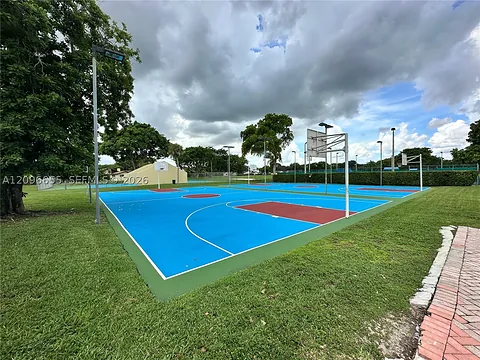
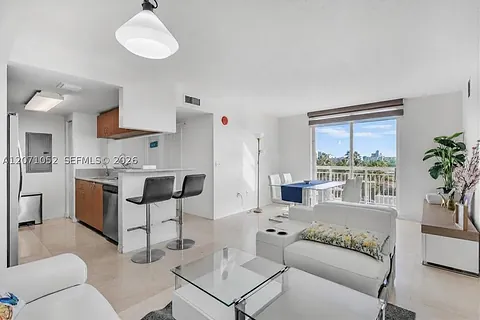
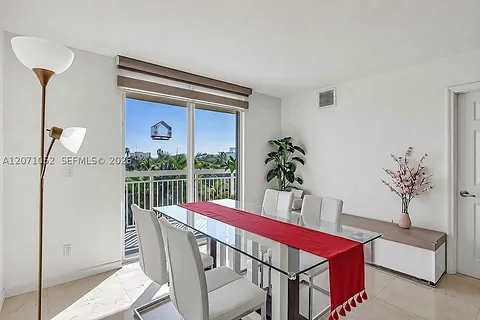
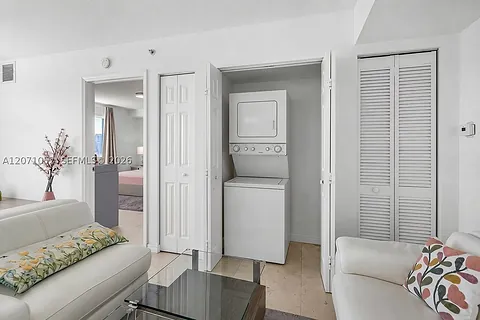
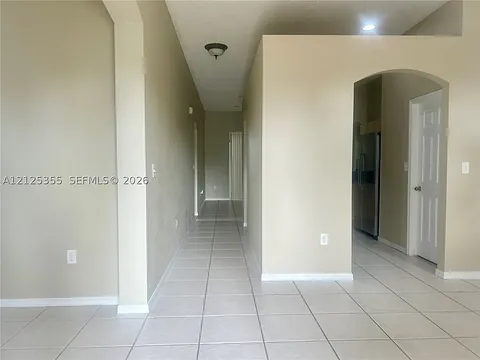
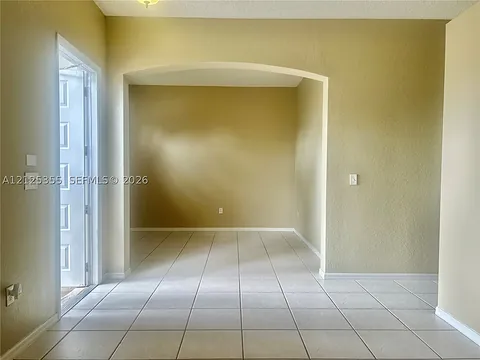
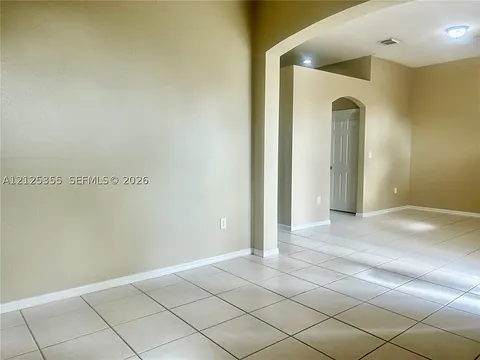
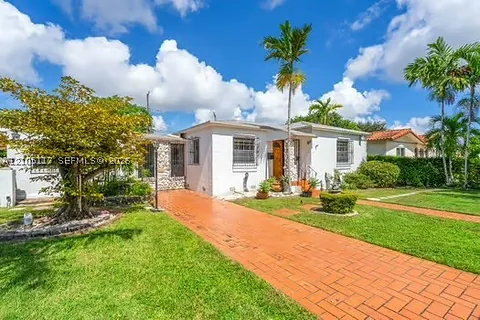
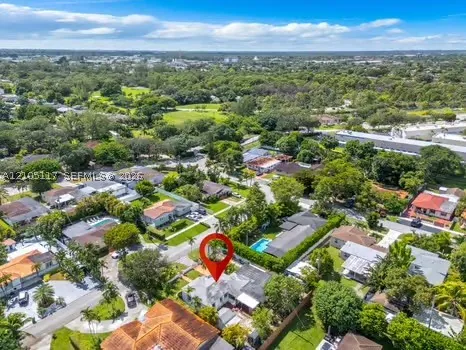
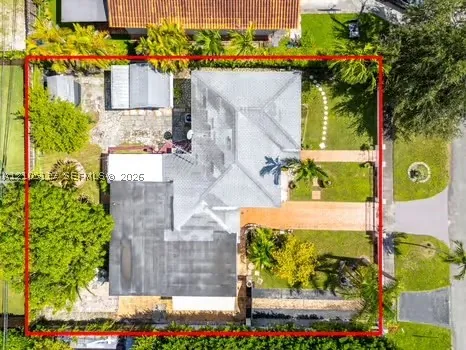
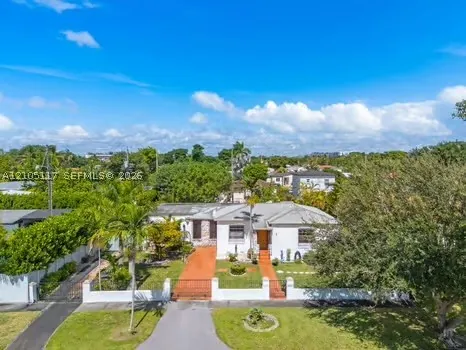
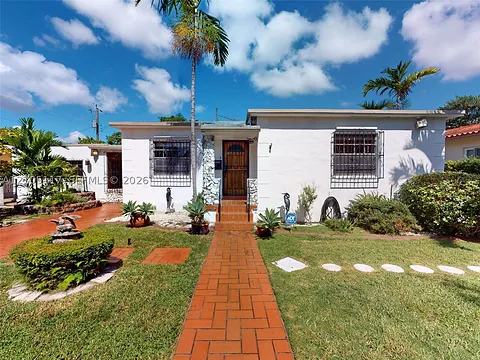
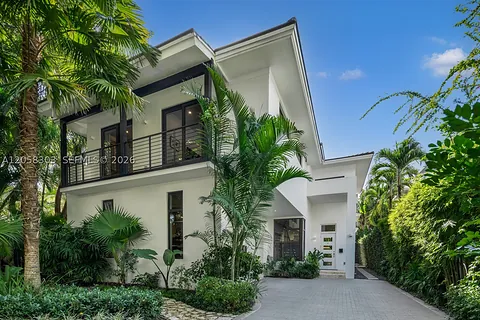
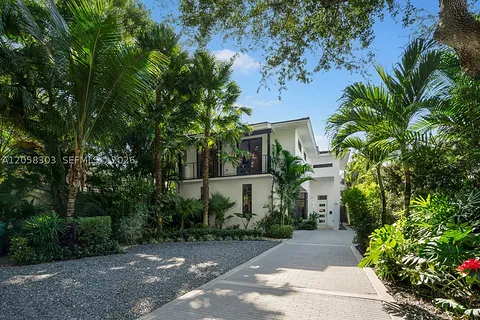
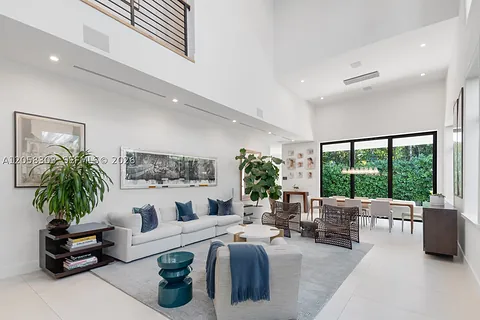


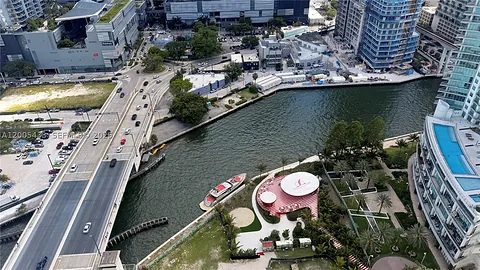
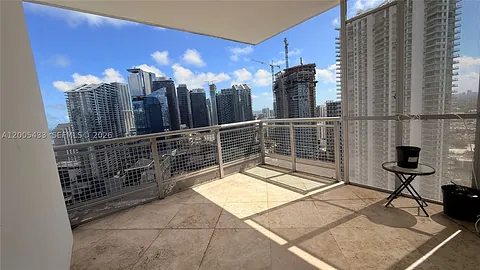
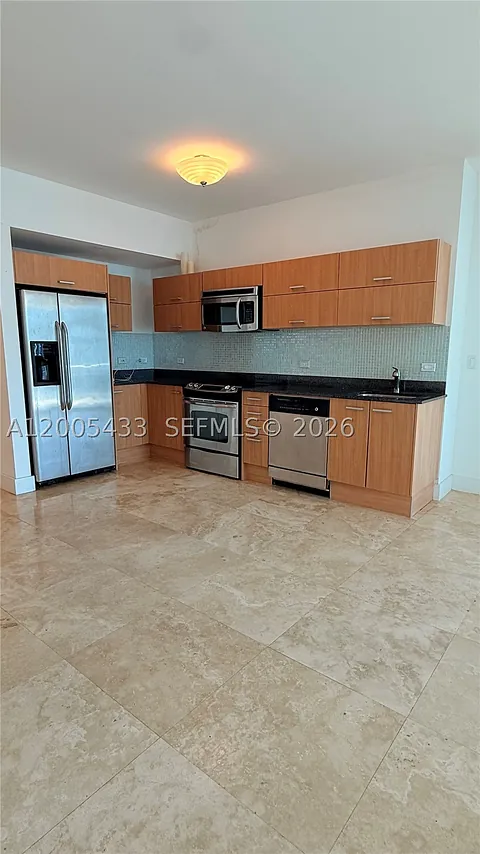
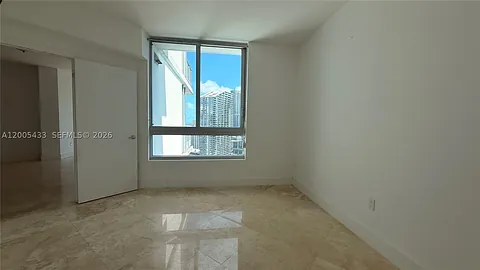
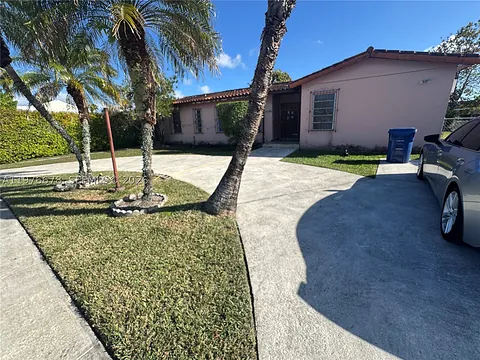
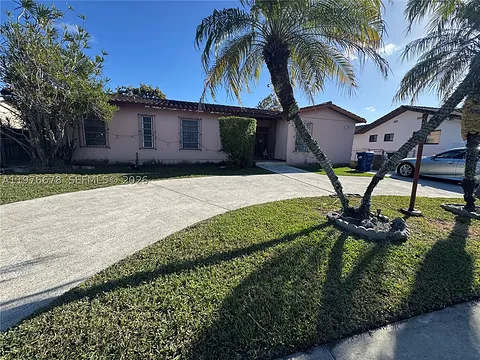
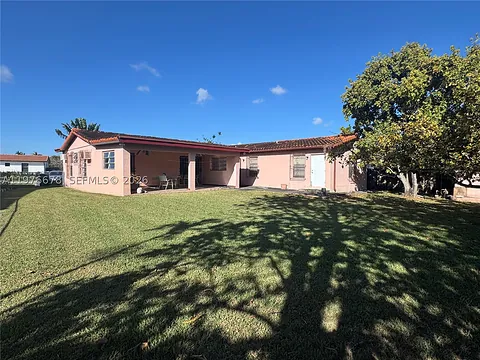
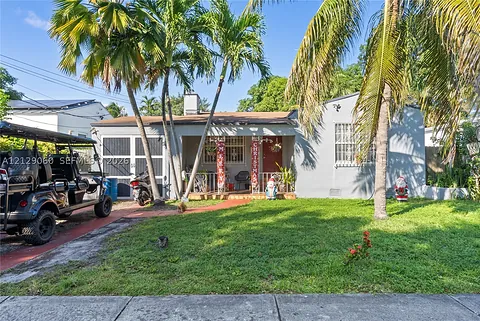
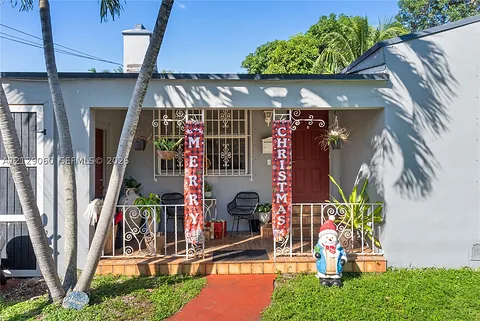
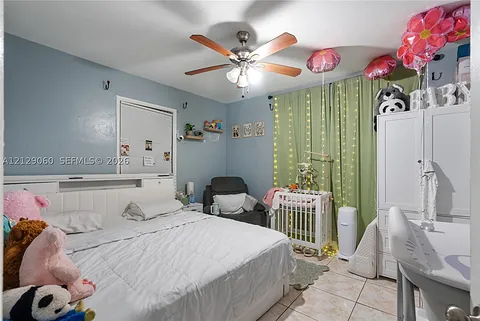
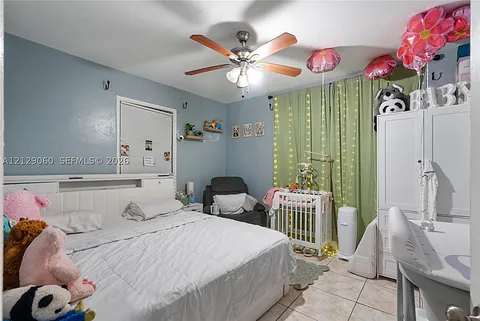
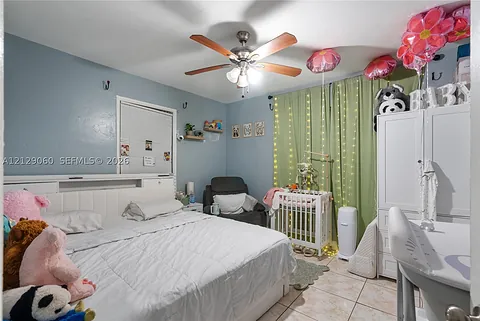
No properties match your search.
Try adjusting your filters or exploring another area on the map.

IDX information is provided exclusively for personal, non-commercial use, and may not be used for any purpose other than to identify prospective properties consumers may be interested in purchasing. Information is deemed reliable but not guaranteed.
Buying Real Estate in Miami: Neighborhoods, Zoning, Transport and Ownership Checks
Miami is not one uniform housing market. Within the City of Miami, bayfront towers, compact urban neighborhoods and streets of detached houses exist under different zoning, building and transportation conditions. A condominium in Brickell, a house in Coconut Grove and a property in Little Havana require substantially different research. The useful starting point is not a citywide average: it is the precise address, building and permitted use.
Miami Beach, Coral Gables and many addresses with “Miami” on the mailing label lie outside the City of Miami. Municipal boundaries determine which local codes and permitting offices apply. Explore Miami real estate on BonaDomus, then confirm that each property's legal description and jurisdiction match the intended search area.
Does a Miami postal address mean the property is inside the city?
No. A postal city name can cover incorporated and unincorporated areas. The City of Miami zoning FAQs explain that the city's mapping system only covers its jurisdiction; its folio-number guidance is a useful initial clue, not a substitute for checking a parcel boundary. An address outside the city may instead be governed by another municipality or Miami-Dade County.
Before comparing properties, obtain the folio number, legal description and municipal designation. Confirm whether permits, business-use questions or changes to the property belong to the City of Miami, another city or the county. This step prevents costly mistakes, especially when investigating rental permissions, additions or redevelopment potential.
How do Brickell, Downtown, Edgewater and Coconut Grove compare?
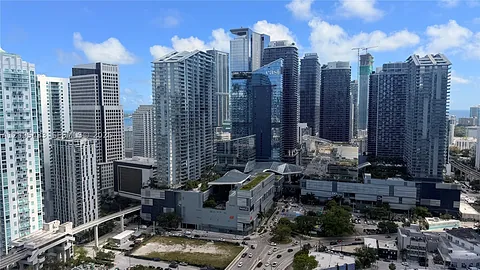
Brickell and Downtown offer high-rise condominiums and mixed-use streets with access to urban transit. Yet they are not interchangeable: compare the actual walk to a station, garage access, commercial activity at street level, building age and potential construction on neighboring parcels. A higher floor can change the view while doing little to remove concerns about building systems or shared insurance costs.
Edgewater combines bay-facing buildings with blocks where local streets and development activity matter. Coconut Grove contains a different mix of low-rise streets, houses, condominium buildings and waterfront destinations. Wynwood, Midtown, the Design District and Little Havana bring still other combinations of housing and commercial uses. These are starting points for an address-specific comparison, not labels guaranteeing a lifestyle, investment return or eligibility for a particular type of use.
What does Miami 21 say about an actual lot?
The Miami 21 zoning code uses transect classifications and an official atlas for property within the city. The transect designation helps establish the types of development and uses that may be permitted. It does not, on its own, authorize a specific building height, accessory unit, new rental use or demolition. Special plans, preservation rules, prior approvals and site-specific restrictions can change the answer.
Use the city's Maps & Data tools to inspect zoning, future land use, historic-preservation context and property details. Request a formal zoning interpretation or verification when the feasibility of a purchase depends on it. If a seller describes “development potential,” ask for approved plans and supporting decisions rather than relying on an architectural rendering.
How useful are Metromover, Metrorail and Miami Trolley?
Metromover is a free elevated transit system covering Downtown, Brickell and the Omni area, with connections to Metrorail. Its accessibility varies dramatically from building to building, and temporary station closures can affect a daily journey. Metrorail connects broader parts of Miami-Dade, while local buses complete many trips. A property near a rail line is not necessarily within an easy walk of a usable station entrance.
The City of Miami also publishes Miami Trolley schedules and maps for a separate free municipal service; the trolley does not extend to Miami Beach. When viewing a condo or house, test the commute at the hours you would actually travel. Check transfers, parking, ride-hailing pickup, loading access and the route to groceries or essential services, not just the mileage on a listing.
Can a condo or house in Miami be rented through Airbnb?
The City's short-term rental and lodging guidance makes a crucial distinction: single-family and duplex structures in T3 and T4-R transect zones are generally ineligible for short-term rental/lodging use. For properties in potentially eligible locations, the municipal evaluation, zoning, building configuration, permitted lodging use and applicable conversion approvals still have to be checked. A listing advertised as “Airbnb-ready” is not a regulatory determination.
Condominium documents may separately prohibit or limit short stays, restrict rental frequency, require tenant registration or impose a waiting period after purchase. State licensing and tax obligations can also apply where the use is lawful. Ask for written municipal and association confirmation before estimating rental revenue, and distinguish a residential condominium from a properly authorized hotel or condo-hotel program.
What makes condo and single-family ownership costs different?
For a condo, study monthly assessments alongside the building budget, insurance, reserves, elevator and mechanical-system maintenance, inspection reports and proposed capital work. Request information on special assessments and the responsibility for repairs to common areas, parking levels and shared waterfront structures. Where applicable, assess milestone-inspection and structural-integrity reserve study documents without assuming the same rules or deadlines for every building.
A detached house instead places more maintenance directly on its owner: roof, windows, drainage, HVAC, landscaping, pool and permitted additions. For either type, estimate property tax following a sale, wind coverage, possible flood insurance, utilities and financing. The seller's current property-tax bill or insurance premium may not forecast the buyer's actual cost. Compare the complete recurring and anticipated capital expenses, not price alone.
How should buyers assess flooding and planned street works?
Biscayne Bay, the Miami River and low-lying streets create different water-exposure conditions, including tidal, storm-surge and heavy-rain impacts. The correct FEMA flood zone must be checked by address. For a high-rise, review the garage, entrance ramps, electrical rooms and backup systems, not simply the elevation of the apartment. For a house, investigate the lot's drainage, past water entry, floor elevation and access during heavy rain.
The city publishes Resilience and Public Works information and a project map showing current and completed infrastructure projects. Treat a proposed project, active construction and finished improvements as different statuses. A drainage project nearby does not establish that a given property is free of risk or that its flood insurance will cost less.
What should a buyer know about schools and public amenities?
The exact school assignment is verified through Miami-Dade County Public Schools rather than inferred from a neighborhood name or a short distance on a map. Charter and private institutions have their own application requirements. When comparing addresses, include actual travel to the chosen school, work, parks and medical services, particularly where bridges, rail crossings or major roads shape the journey.
Public parks and waterfront spaces are spread across different parts of the city. Before relying on a particular facility, check the operating agency, posted access hours, any resident-use conditions and the route from the property. A nearby public promenade is not evidence that a condo includes a private marina slip, a private beach or unrestricted access through a neighboring building.
What should buyers check about new construction and future views?
New towers, rehabilitation projects and changes to land use can alter traffic, sidewalks and the surrounding skyline. Ask whether a neighboring development is only proposed, formally approved or already permitted for construction. The city zoning and project maps are useful starting points, but confirm the current status with the responsible department. A marketing brochure does not guarantee that a view will remain unobstructed.
For new construction, read the purchase agreement for delivery terms, finish specifications, deposits, permitted plan changes, association formation and warranties. For resale properties, inspect the actual home and building records. Compare these risks on the same footing: the newer property is not automatically the easier or less expensive one to own.
Which documents should be collected before making an offer?
Start with address, folio and title or survey information. Verify zoning, permitted use, building permits, closed inspections, any preservation designation, flood information and proposed development around the parcel. For a condo, add declaration and bylaws, association budget, reserves, insurance, inspection records, current or expected special assessments, and the rental policy. For a house, focus on condition, roof and wind protections, unpermitted additions, boundaries and easements.
BonaDomus can help you narrow down homes and condos for sale in Miami, compare location and ownership costs, organize viewings and inspections, request documentation and coordinate steps through closing. Our suggested order is jurisdiction → neighborhood and transit → zoning and property type → flood and building condition → association restrictions → full ownership budget. Property-specific legal, engineering and insurance conclusions should be confirmed by qualified professionals.